
MALCOLM SAID IT
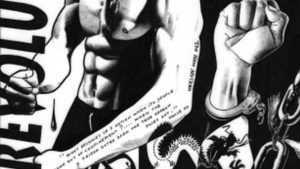
Artist: Akala
Country: England 2013
Album: The Thieves Banquet
A reaction by James, Sam, Kevin and Elle.
All of these statements are true reactions to Malcolm Said It by people who don’t consider themselves to be professional musicians or ethnomusicologists.
Kingslee James Daley (known as Akala) is an English grime artist and rapper born in 1983. Born and raised in London, he began his rap career at the age of 20 after choosing the stage name Akala (the Buddhist term for immovable) and began releasing music under his own independent record label: Illa State records. His first mixtape was released in 2004 entitled The War Mixtape to an underwhelming amount of success. In 2006 he released his first album, It’s Not A Rumour and this was his big break. Containing the famous song Shakespeare (a reference to his self-proclaimed title: The Black Shakespeare – which has been incredibly controversial), he was played on BBC Radio 1 and he won a MOBO award for Best Hip Hop Act. Akala has released four more albums, all to varying success with his central focus becoming a political voice for the people. His third album Doublethink underlines George Orwell’s 1984’s messages and highlights the governmental control of the people. More than anything, Akala has become a political activist who also writes music, using his songs to put across his messages… In May 2017, during the general election, Akala displayed his support for Jeremy Corbyn stating that ‘perhaps for the first time in British history, someone I would consider to be a fundamentally decent human being has a chance of being elected’.
Malcolm Said It is the 5th song on Akala’s fourth album The Thieves Banquet which was released in May of 2013. One of the albums most popular songs, it highlights the politically driven themes which are present upon the album. The opening lyrics which repeat with the same beat ‘Malcolm said it, Martin Said it, Marley said it, Ali said it’ use black political activists to underline the overt message of the song: ‘if you ain’t found something to die for, you’ll never live’. The song not only provides a commentary upon the government and their treatment of the black community, but also upon society’s ability to ignore corruption and do nothing about it. He finishes the song accusing the ones with ‘the bigger weapons’ as being ‘the bigger terrorists’, underlining his final message that the Western world are to blame for this view because they do nothing to stop it.