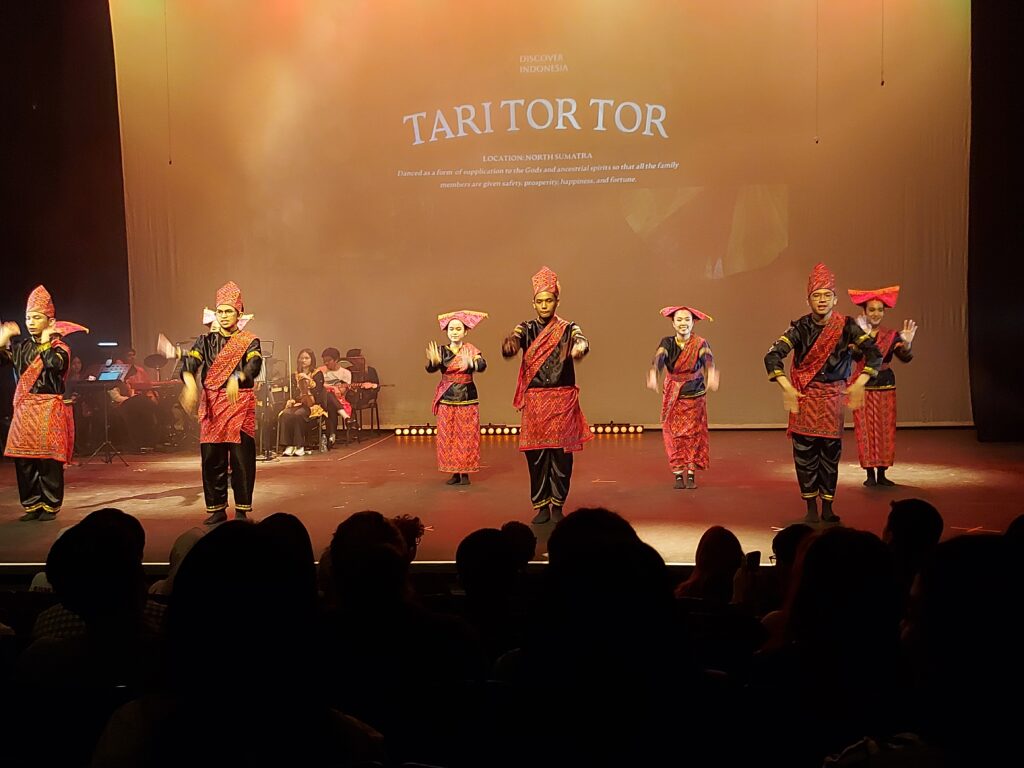
You may wonder why I am researching Indonesia. It’s a very valid question and one I have had recently. As a cultural outsider, not being Indonesian is indeed challenging for all concerned, and it’s something I wrestle with on a daily basis. Below is what I wrote in my Information Sheet given to participants.
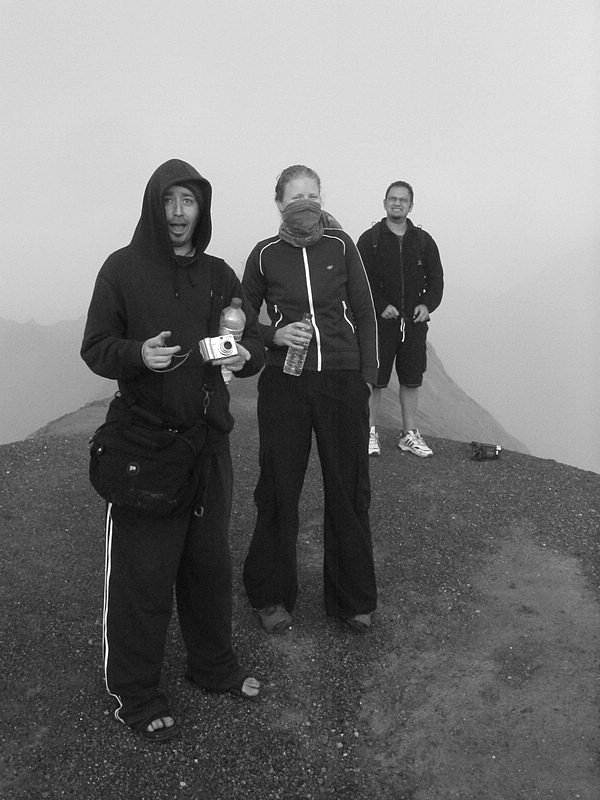
Well firstly, while my model based on social and intercultural capital can be used for other student cohorts, I hope to encourage more Indonesian students to come to the UK to study as a nation of growing importance. Secondly, having been to Indonesia around 20 times from Banda Aceh to Kupang, and Manado to Sumba, I would like to repay Indonesia by supporting their future. Lastly, there is very, very little research on Indonesian students and I hope this will support them.
Being an outsider involves a two-prong approach. Firstly, I need to build awareness and trust in my project, revealing my ideas and proposals and being open and sociable. This comes easy to me: I feel it’s in my character. I’m a sociable person and am following my genuine interests in Bourdieu, and in particular in Indonesia. However, secondly, I have to maintain an academic distance to not influence the events or comments from the goodwill generated, but at the same time ensuring my genuineness to be entrusted with their stories. Walking this line is actually very challenging for me. I really hope it works out werll.
The interview stage has started now and my previous work know-how from interview practice on both sides of the table to extensive intercultural experience help to support sensitivity and reflexivity in my own actions. Fingers crossed!