
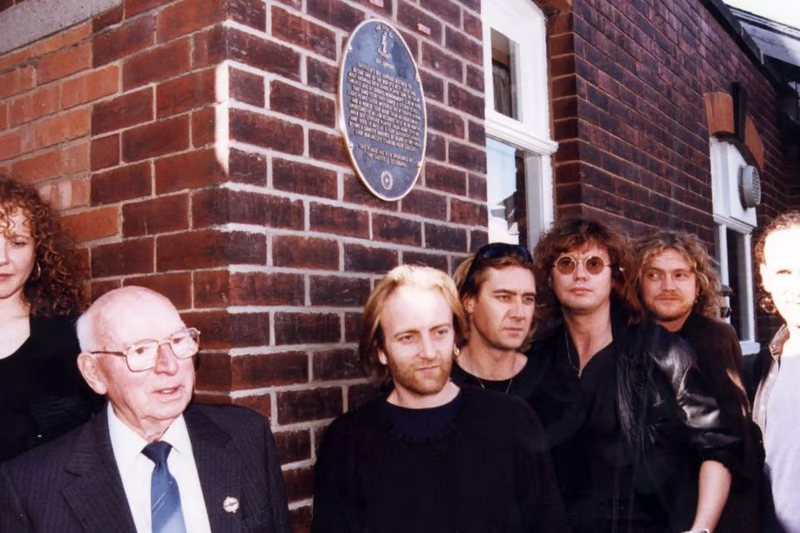
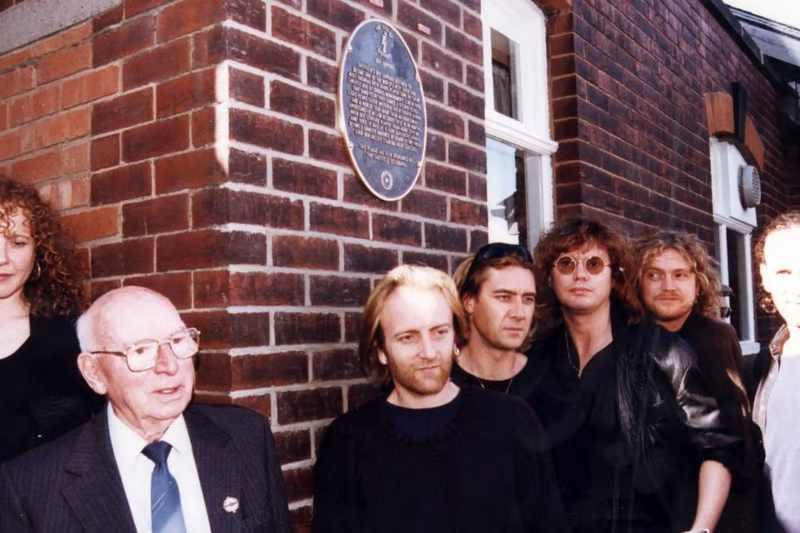
There are a series of celebrity names that come up whenever the history of music in working men’s clubs is mentioned.
The obvious ones get trotted out: Vera Lynn, Petula Clark and Tom Jones, for example, all have a hint of showmanship – not to mention that solid, project-to-the-back-of-the-room vocal technique – that gives away their roots as club performers.
Others are shared with the self-satisfaction of either the proud local or the music trivia fan: “Sam Fender started off in that room right there. Cracking voice.” “Did you know Sting used to play at the club down the road?! The members gave him his stage name.”
And then there are the stories that blend fact and fiction into musical mythologies: The Fall regularly got booed off club stages, the Manic Street Preachers cancelled a gig at a workmen’s hall, the Gallagher brothers ruined a snooker table (they definitely did not – I saw the evidence), Shirley Bassey peed in a club sink… (would rather not see the evidence on that one!)
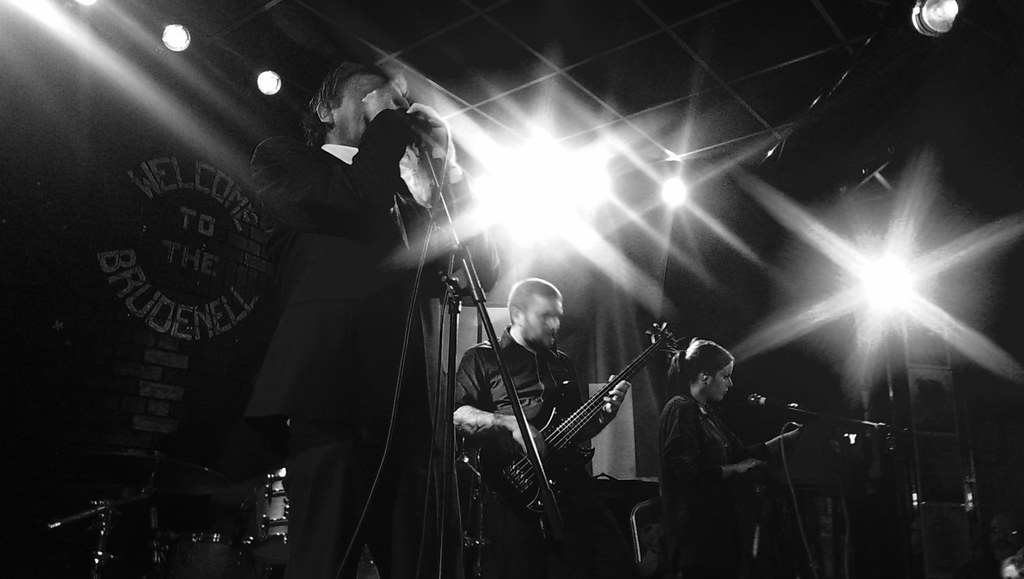
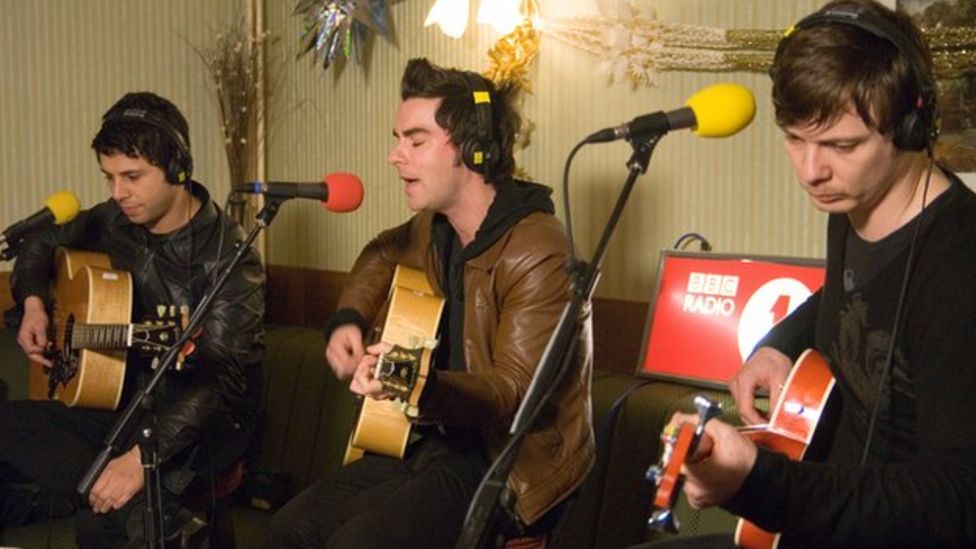
Whatever the story, the knowledge that plenty of music stars started out in working men’s clubs is pretty established by now. Clubs are training grounds for talent, providing an opportunity to develop experience locally and a connection to a network of venues. For some musicians, it then becomes a mainstream culture from which to break away towards alternative scenes. Others keep it as a badge of pride, being a marker of authenticity and down-to-earth roots despite their celebrity status.
What happens if you run into one of them?…
It was about 10pm and I was ordering what was surely the cheapest lager shandy to survive in cost-of-living-crisis Britain. The dancing had started in the early afternoon, and mine, mostly out of growing exhaustion, had become embarrassingly psychedelic. Salty crisps and sugary drinks were needed, and the main bar had a long queue. I beckoned a friend through the doors specifying Members Only, hoping to flash a CIU associate card and possibly even get a discount.
Weird way to grift for friendship points, but weird friends don’t judge.
Members in their seats were clearly irritated at the appearance of (what appeared to be) non-members, while, predictably, a chatty middle-aged man at the bar was excited to see fresh faces. Wanting to impress, he forgot to uphold the social contract that regular acquaintances of celebrities are expected to obey. Getting right up close, nodding over to the pool table, he whispered, “You recognise who that is, right?” I didn’t. Gleefully, he pointed out a distinguishing item of clothing and named its wearer.
I’m not a stranger to being in the presence of big names and playing it cool. If anything, I’ve probably been ridiculed for all these tall-sounding stories that make me sound like a celebrity-chaser with no life. And maybe that wouldn’t be too inaccurate. The stories I’ll be repeating in the nursing home decades from now will be about that one sentence KT Tunstall said to me, or that sci-fi star who asked me for a dealer (response: not a clue sorry), or any number of backstage encounters that don’t really count because I played it too cool and couldn’t think of anything worth talking about.
This was different. Here was an artist who has shared stories about their humble origins with interviewers, who inherited a love of social clubs and their music scenes from a club musician relative, who is open about broken communities due to deindustrialisation, and the importance of music in dealing with harsh realities. I’d spent years contemplating emailing their agent for an interview.
I turned to my none-the-wiser friend and declared, “I’m going to do something really stupid.”
Something really stupid
The entourage had moved to the bar. More of them began to block the way. I circled them, made eye contact, reached across, resisted the pushback of a large friend who was more likely an undercover bodyguard, and handed over my business card. “I wanted to give this to you. Look at the back. I hope you’ll find it interesting.”
Bodyguard-like man and probable-love-interest gave a disgusted look. The social contract had been rudely ripped up by some fangirl.
As I turned to make my escape, celebrity responded, “Yeah, I am interested in this actually.”
Realising they probably shouldn’t encourage me, they addressed the room instead, retelling individual and family memories of music in social clubs. “Yeah that’s interesting, because…” I tried to interject, but they carried on addressing the room. I tried again with an inane question pulled from the depths of an increasingly detached brain that was urging me to get out of there, but which really wanted to book an interview: “Is that family member still alive?”
“Uh, yeah.”
There was nothing else I could say to keep the conversation going, as their eyes looked anywhere but my direction, body language opened to the room, shut to me. I felt like a kid in a playground who’d tried unsuccessfully to join a new social circle. Probable-love-interest stared me down.
I turned and walked away, muttering a “thanks for that” to the likely-bodyguard, who nodded back. My friend didn’t know who it was or what was happening. I begged her to be quiet. We picked up our glasses and headed for the door without turning around. It took two more hours of dancing to push down the embarrassment.
A social safe space?
As places which are supposed to prioritise members, social clubs might turn out to be a safe space for the neighbourhood celebrities. They certainly fall under the radar as unlikely hangout places for the rich and famous. Compared to public bars, you can get a much better idea of who will be there each day, and their closed nature means people are more likely to respect each other’s privacy as valued members of the same community.
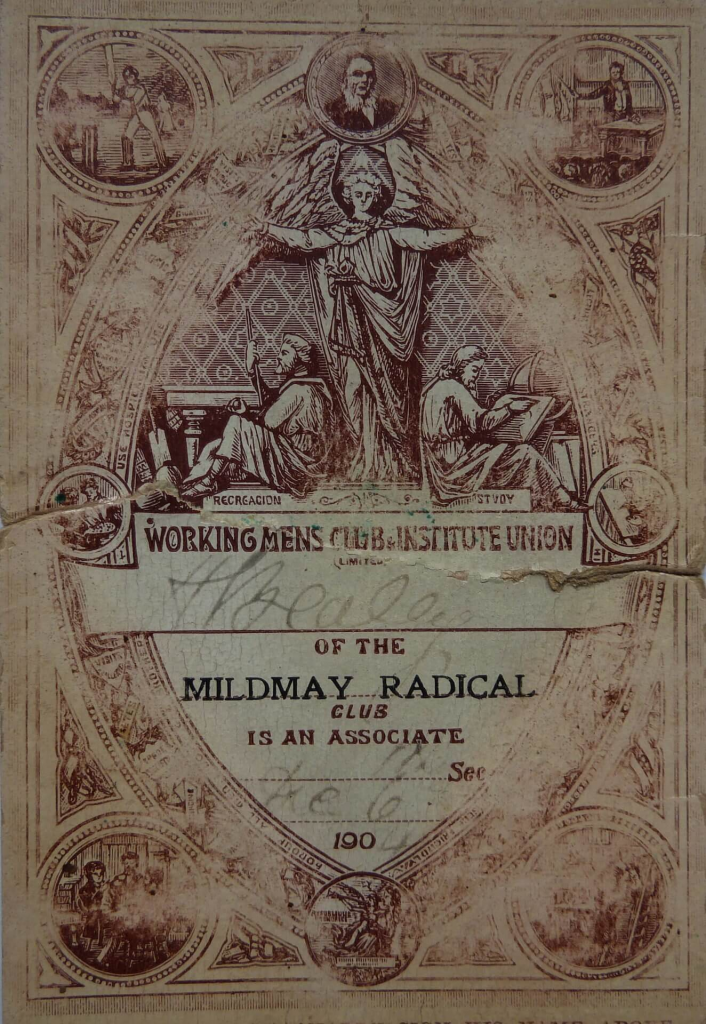
At the beginning of the club movement, associate cards – allowing members to enter any other club – were hotly debated. Nowadays, strangers are more likely to waltz into the members bar from an unrelated gig or function upstairs. Clubs make for fantastic affordable venues for live music, but promoters and audiences might be advised to tread carefully. There are social customs in place that are probably best not trampled over by newcoming revellers.
So, anyone fancy making a zine? Gigs in Working Men’s Clubs: An Etiquette Guide for the Uninitiated? The Social Club Gigging Guide to Not Making a Fool of Yourself? One stormy night, drifting in and out of sleep, I could have sworn I came up with some hilarious bits of wisdom and ideas for jokes and illustrations. Well, if they even existed, they’ve long gone from this memory-card-is-running-low brain. One piece of advice remains, painfully present in recent memory: don’t approach the local celebrity.