Okay it’s a cheesy title. An awful pun.1 But it gets to the heart of the issue: working men’s clubs are closing down, and blaming the smoking ban or increasing fees by an extra £1 a year isn’t working – we must be missing something key. Maybe that thing that brings them to life and gets people through the door is music?
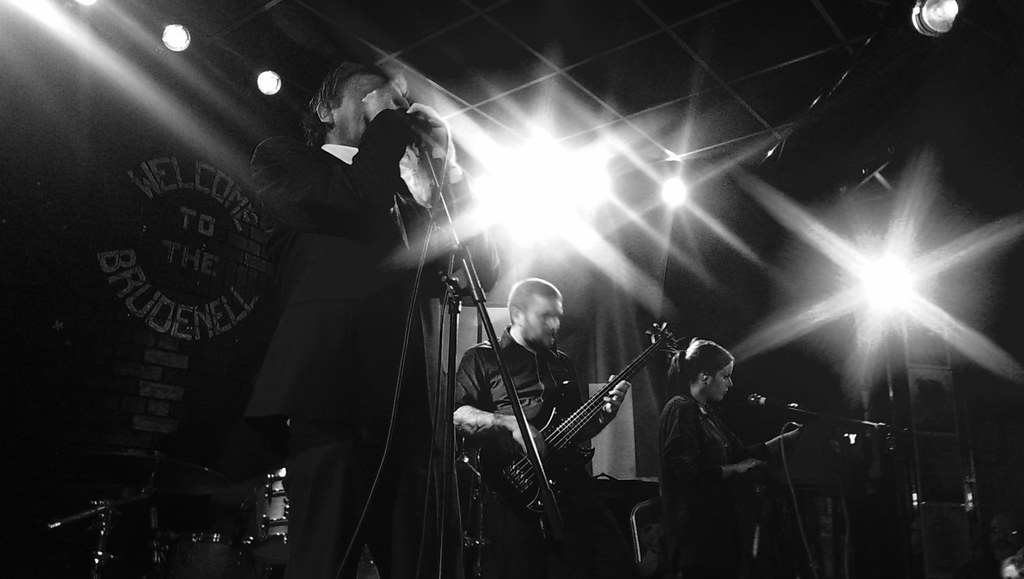
In the renewed interest in social clubs for the twenty-first century, music might take a pretty central role. As part of a campaign to revitalise clubs across the UK, the Centre for Democratic Business has pointed out their importance to live music scenes. Not only do they provide ‘affordable, accessible alternatives to the commercial venues’, but the member-owned format could be a solution to the evictions and closures of grassroots music venues.
Steps are already being made in this direction: Music Venue Properties has kick-started a movement for community ownership with its ‘Own Our Venues’ campaign, while the 21st Century Social Clubs campaign proposes that ‘part of the answer to cultural gentrification is remaking the connection between live music and social clubs.’
But what about the other way round? Clubs might help solve a live music crisis, but is music helping or hindering the club crisis?
Continue reading “Music in Working Men’s Clubs: The Key to Survival?”