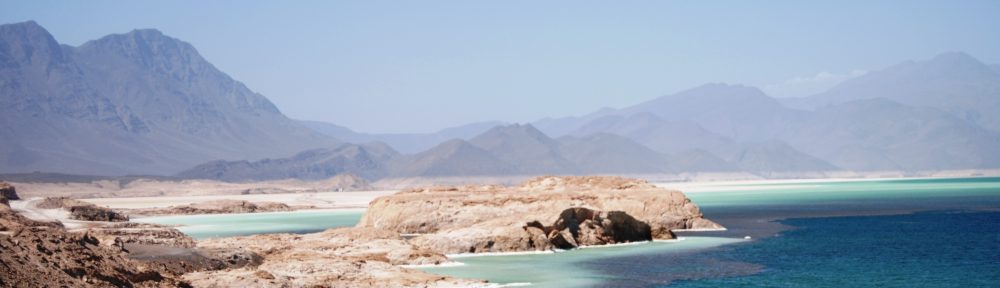
Thailand’s first marine National Park, Khao Sam Roi Yot also contains a large area of freshwater/brackish marshland (Thung Sam Roi Yot) which covers some 37% of the National Park. It was this area that I visited on my recent trip to Thailand. My colleagues from King Mongkut’s University of Technology, Thonburi (KMUTT) have a project in the area assessing the occupancy and density of Fishing cat (Prionailurus viverrinus) led by MSc student Kitipat Phosri (known as Tae) and his supervisor, Dr Dusit Ngoprasert.
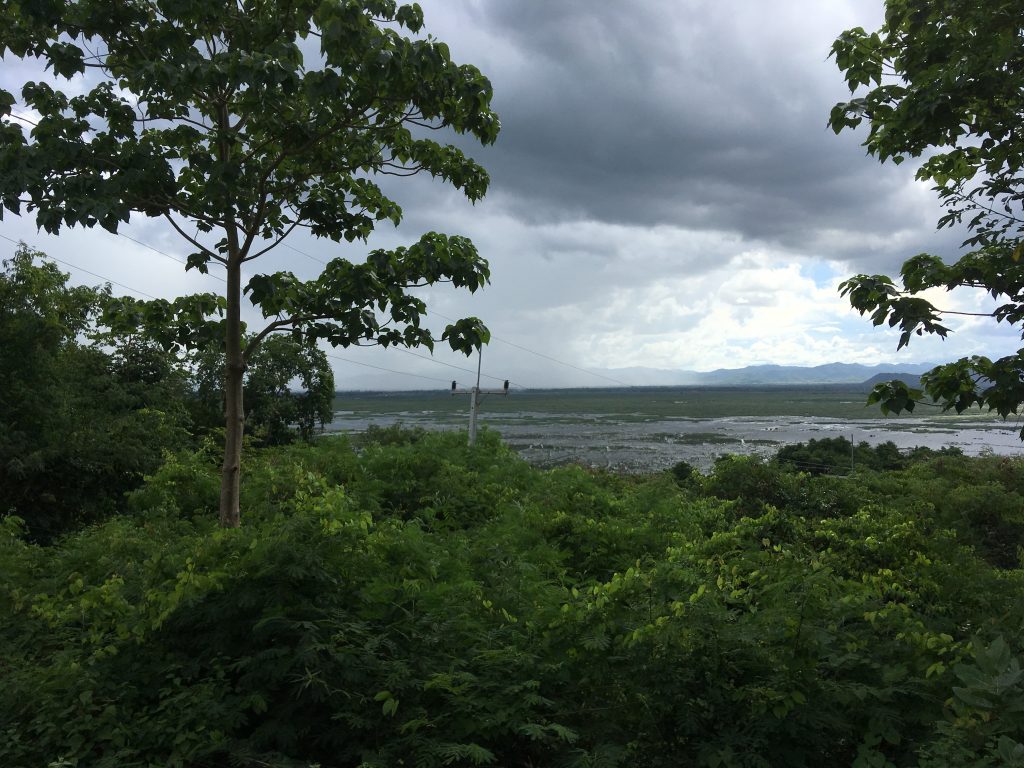
Thung Sam Roi Yot wetlands
Fishing cat are thought to be Vulnerable to extinction (IUCN red list), given suspected decline in populations across their range countries in south and southeast Asia. Global Fishing cat strongholds are thought to be in Bangladesh, Sri Lanka, West Bengal in India and the Terai-Duar belt of the Himalayan foothills in India and Nepal. There is a serve lack of recent records from most of southeast Asia. Threats include direct exploitation for consumption, retaliatory killing in response to livestock (chickens) or fish-stock (shrimp, crabs, fish) losses and habitat loss. Continuing conflict with people has meant that the global population has declined by an estimated 30% in the past 15 years. A previous study in Khao Sam Roi Yot, using radio-telemetry to locate and follow 16 individuals between 2011 and 2014 highlighted poaching and retribution killings to be the major causes of high cat mortality (84% mortality).
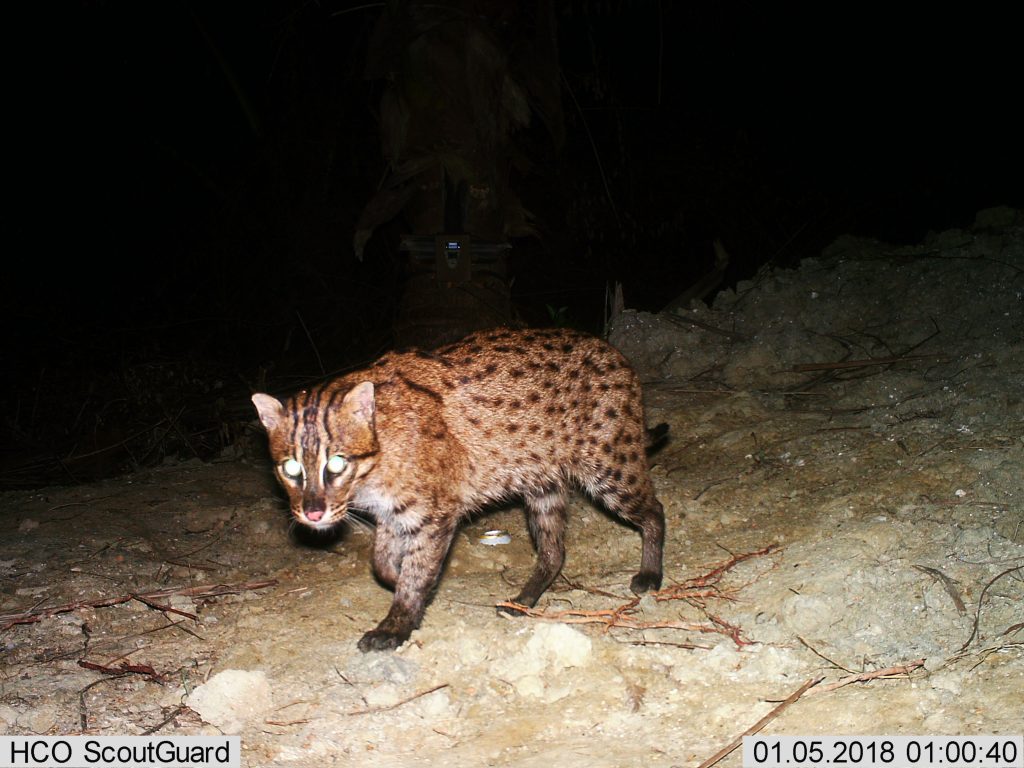
Camera trap images of Fishing-cat in the reserve
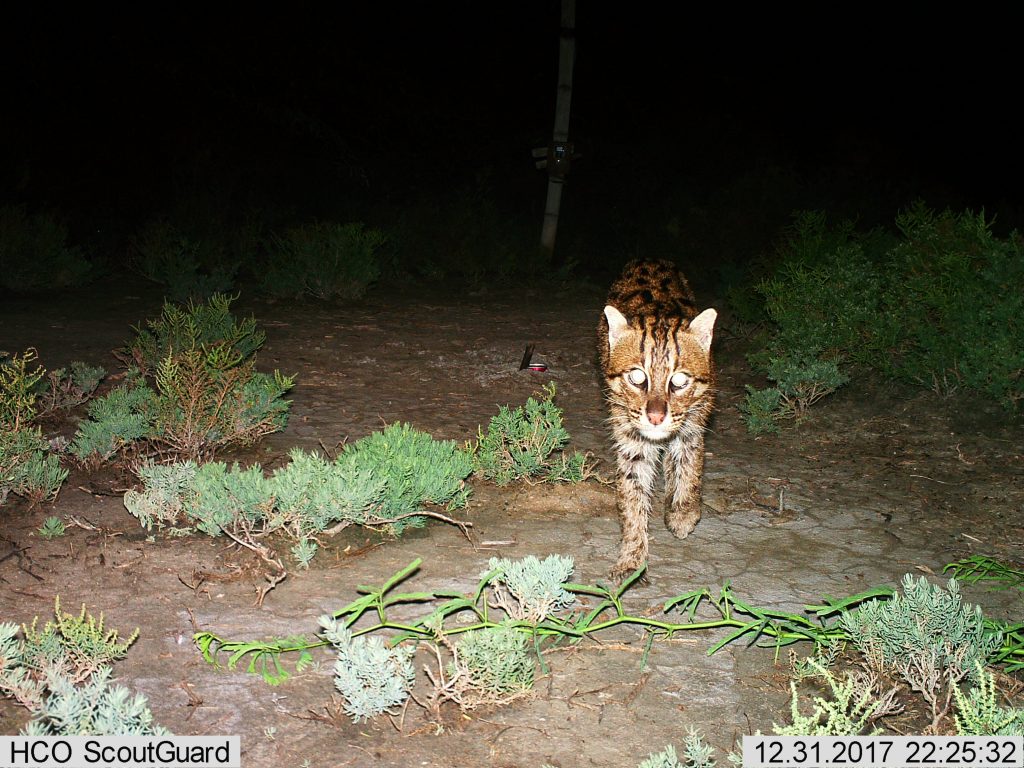
Camera trap image of a very wet Fishing cat
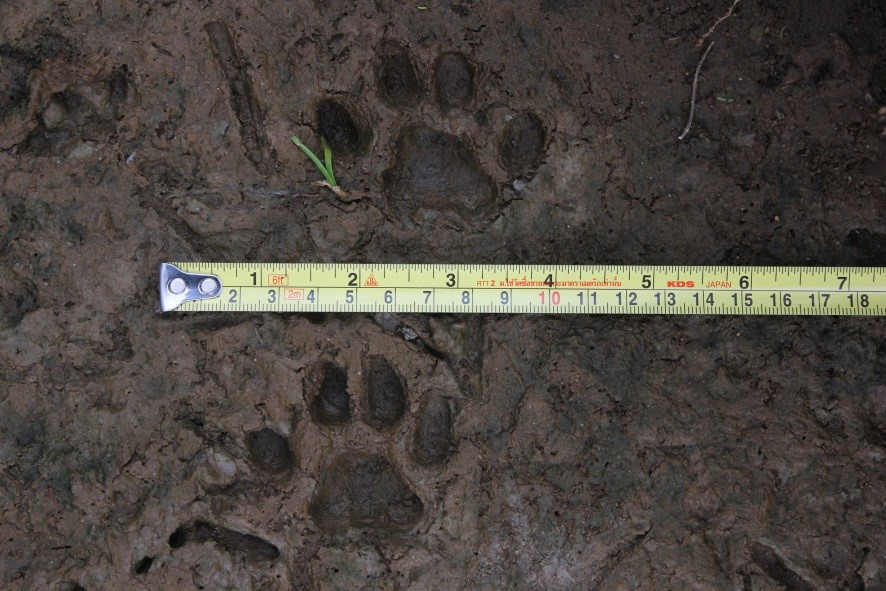
Fishing cat paw prints in mangrove areas inside the reserve
Tae has been surveying for the Fishing cat along transects both inside and outside of the reserve where much of the land is dedicated to aquaculture (shrimp farms). He has also set camera traps to allow him to identify individual Fishing cats. Preliminary results suggest that occupancy is higher than expected given the massive threats and high mortality recorded in the recent past. Interestingly, the shrimp ponds seem to also support Fishing cat, with signs of cats being very obvious in these human dominated areas. This leads to the intriguing question – are these disturbed habitats actually a suitable alternative habitat?
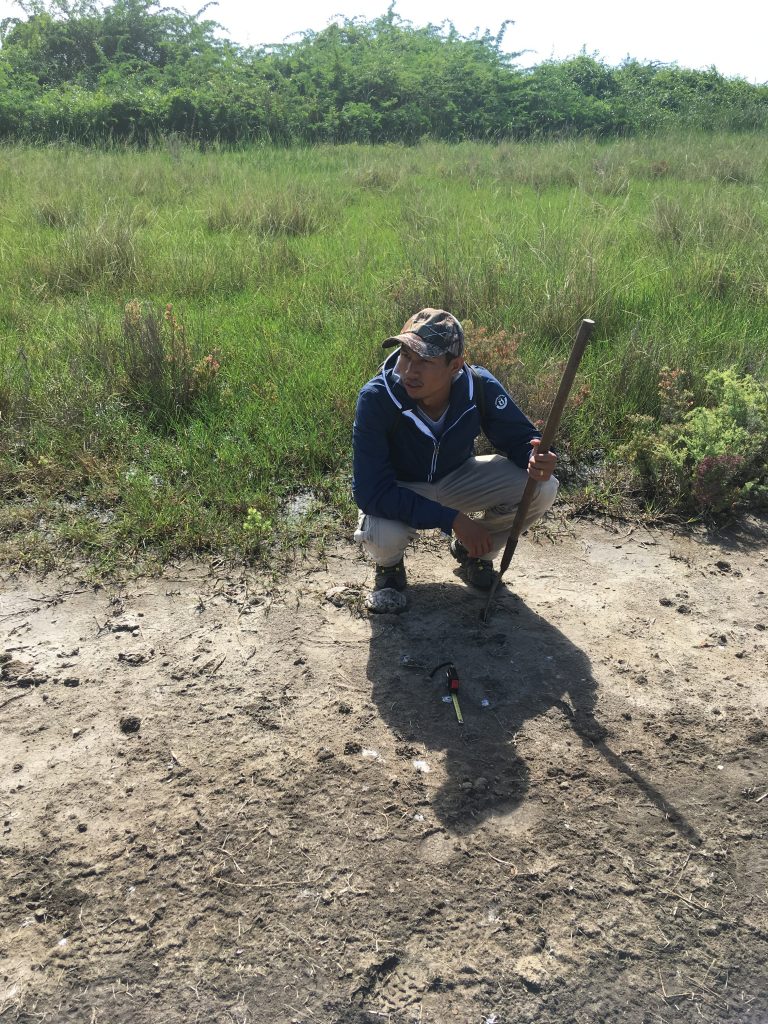
Tae identifying fishing cat prints near abandoned shrimp ponds outside of the reserve

Fishing cat latrine inside an abandoned shrimp pond building
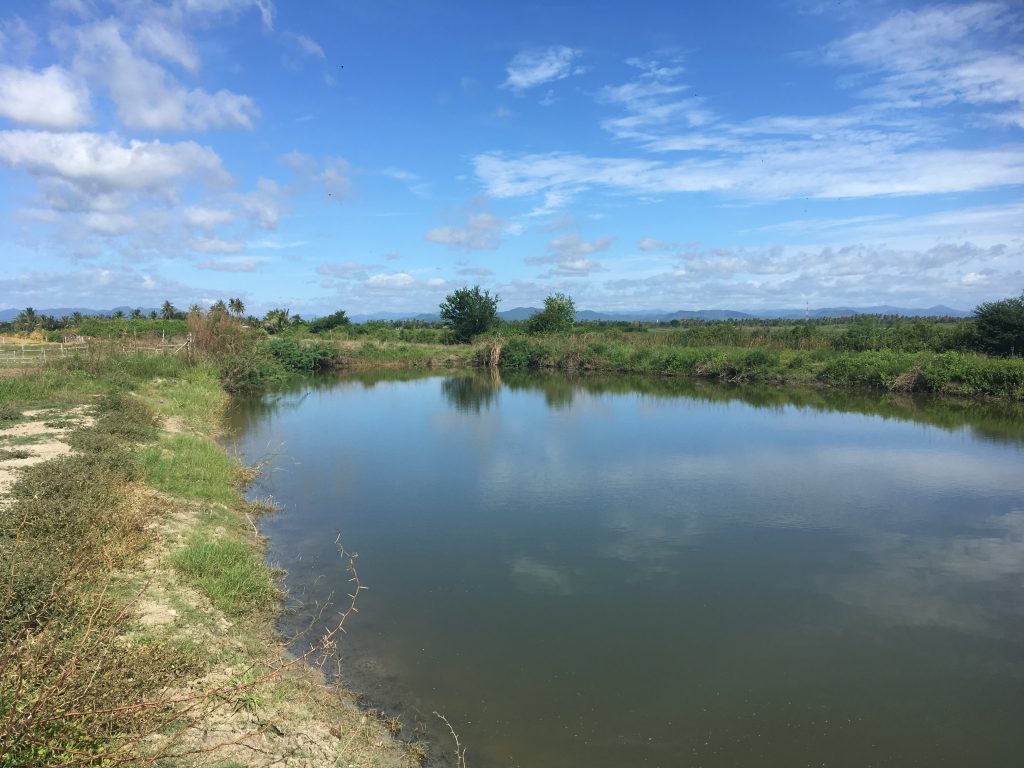
Shrimp ponds – traditionally managed sites still retain high levels of Fishing cat occupancy
One potential threat on the horizon is industrial scale shrimp-ponds. Companies are buying-up abandoned traditional shrimp ponds and replacing them with large scale industrial operations. These include the remove of all vegetation around the ponds and reducing the time that shrimp ponds are left between restocking. This means there will be less opportunity for Fishing cat to feed on discarded shrimp or fish.
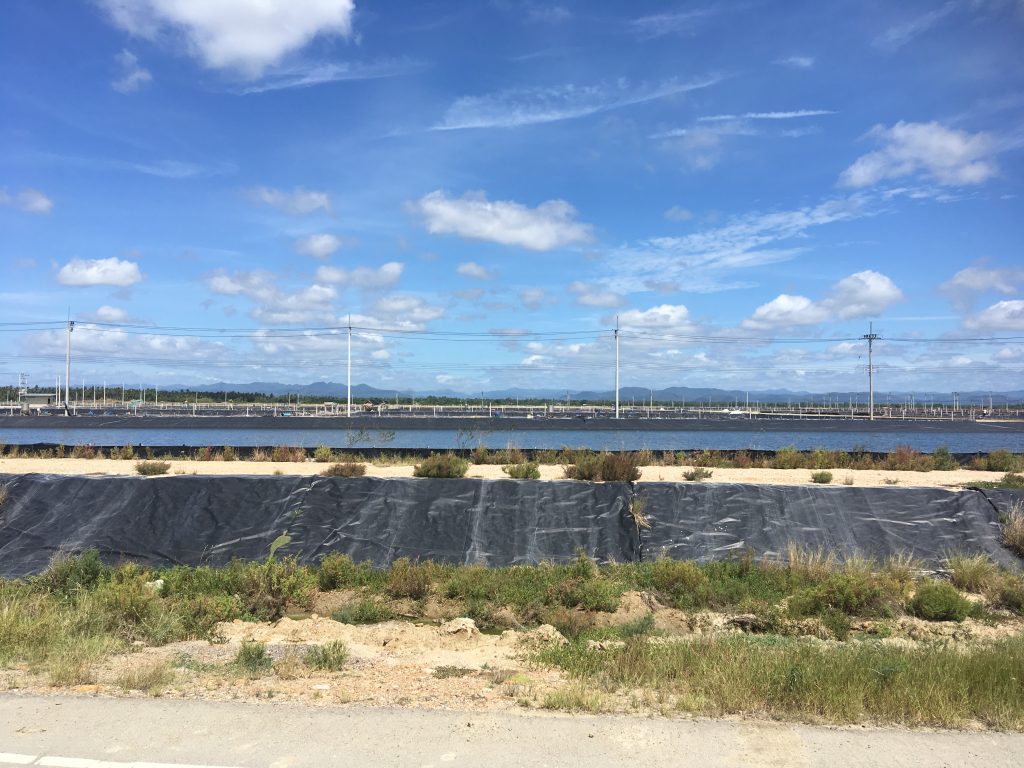
Industrial scale shrimp ponds constitute a new threat to Fishing cat
Tae will continue to work on the occupancy surveys and will also get an understanding of density in the area. One key aspect of his work is to investigate the human-wildlife conflict from the human point of view. He is currently conducting interviews with the local shrimp farmers to find out if they perceive the cat as a threat to their livestock and livelihood and how they address any conflicts.