Academic faculty
Dr Laura Wadkin (current group lead)
Laura holds NUAcT and NERC Knowledge Exchange Fellowships for research developing data-driven models of ecological and cellular systems. Her work includes developing mathematical models (e.g, of tree disease, invasive pests, and corneal limbal stem cell recovery) informed by real-world data through statistical inference. Google Scholar.
Dr Otti Croze (current group co-lead)
Otti specialises in the experimental and theoretical study of swimming microbes and microbial interactions. His research is inspired by current problems in microbial biotechnology (photobioreactors, bioremediation and sustainable agritech) and microbial ecology. Google Scholar.
Magda’s primary research interests are on the experimental and numerical modelling of internal solitary waves (ISWs) in stratified flows. Studies aligned to MoLES include understanding how ISWs interact with sea-ice as well as floating offshore wind infrastructure and more generally their effect on fundamental physical oceanographic processes. Google Scholar.
Internal Solitary Waves (mode-1, mode-2, stability, shoaling, upper and lower boundary layer effects)
Thermal Convection in Porous-Fluid Layers
Geophysical Fluid Dynamics
Expertise includes experimental flow visualisation and measurement (PIV and micro-conductivity sensors) and numerical modelling (combined contour and pseudo-spectral).
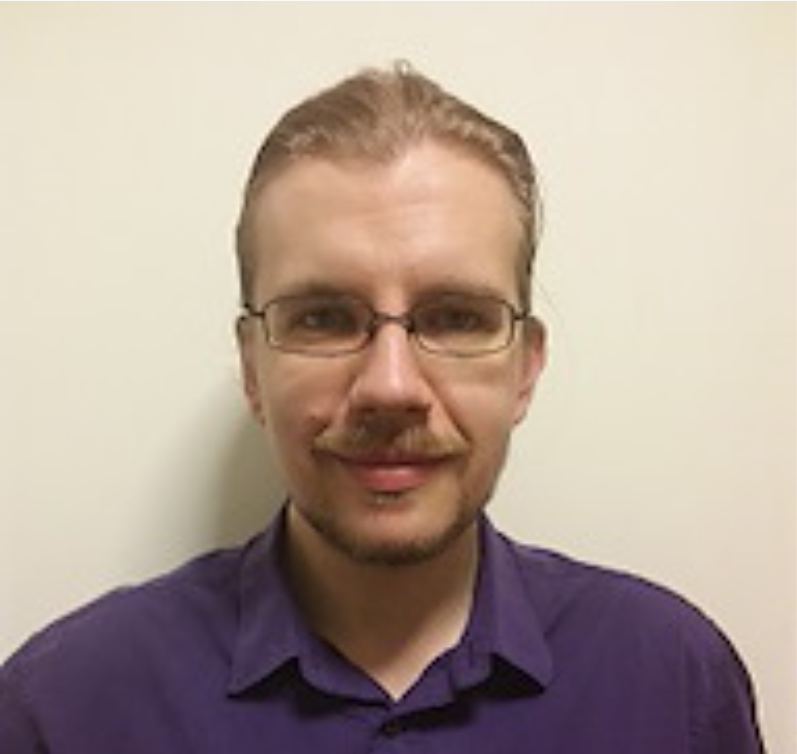
Jere’s research interests encompass branching-coalescing particle systems and diffusion processes, particularly (but not exclusively) as models of population genetics. I’m also interested in Bayesian nonparametric inference, as well as the theory and practice of Monte Carlo methods and computational statistics. Google Scholar.
Internal Solitary Waves (mode-1, mode-2, stability, shoaling, upper and lower boundary layer effects)
Thermal Convection in Porous-Fluid Layers
Geophysical Fluid Dynamics
Expertise includes experimental flow visualisation and measurement (PIV and micro-conductivity sensors) and numerical modelling (combined contour and pseudo-spectral).
Nick’s work spans several areas within mathematical biology, including cellular dynamics and predicting ecological hazards. His current work, in close collaboration with the Department for Environment, Food and Rural Affairs, focuses on developing predictive models of the spread of tree disease and UK wildfires. Google Scholar.
Graeme’s work in MoLES focuses on the mathematical modelling of prehistoric population dynamics to improve our understanding of the nature of the Neolithic and of human behaviour pre-history. He is also currently involved in a project modelling air quality in urban environments. Google Scholar.
Anvar’s diverse research portfolio in mathematical biology includes: developing in-silico models of in-vitro stem cell systems, diagnostic image analysis and wound healing models of corneal recovery post limbal stem cell transplant (in collaboration with the NHS), prehistoric population dynamics and modelling air quality in urban environments. Google Scholar.
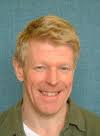
David’s work in MoLES spans: applied mathematical modelling, fluid dynamics, turbulent multiphase flow, stochastic systems and computational methods. Publication list.
Post-doctoral research associates
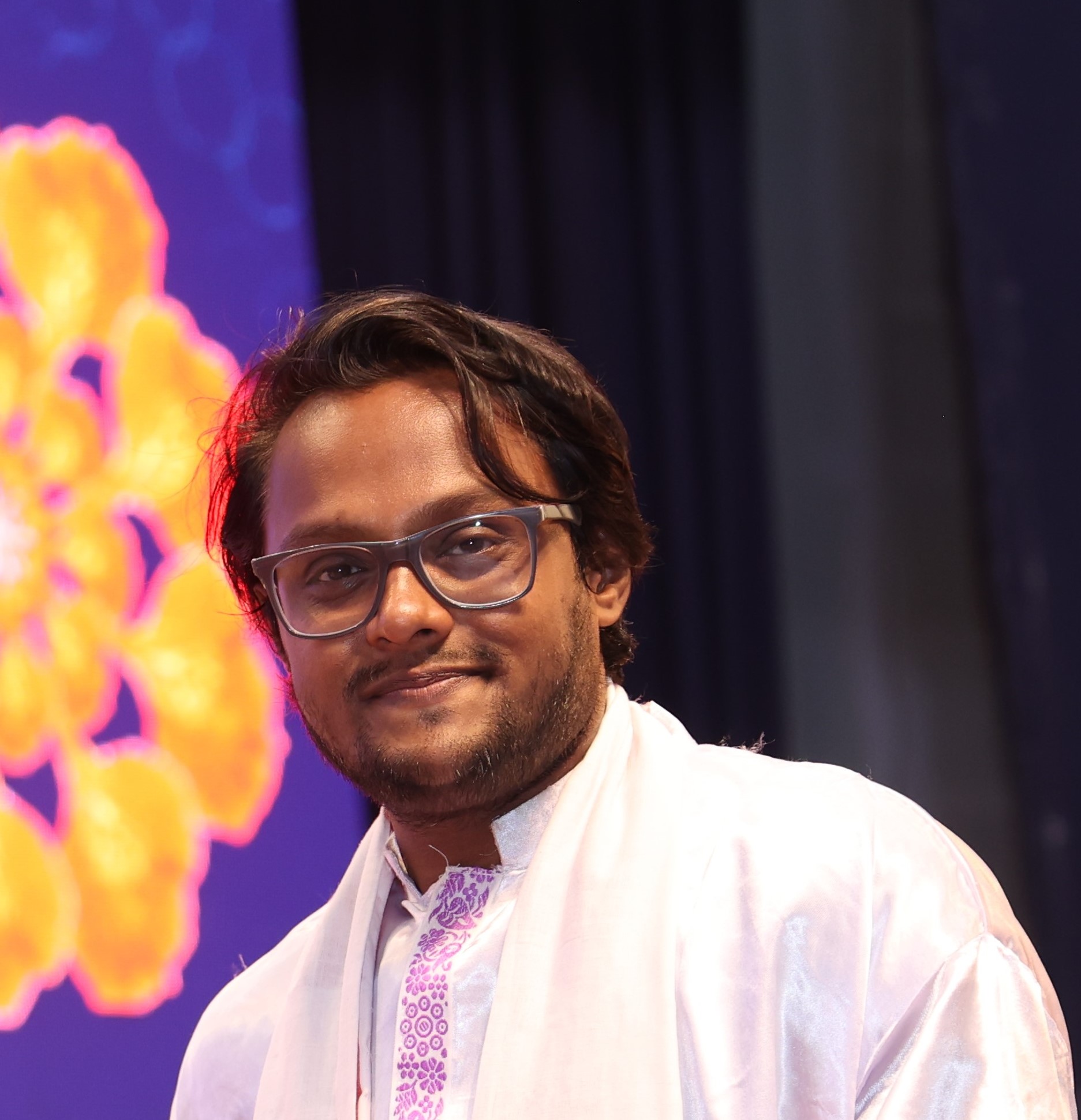
Dr Niraj Prasad
Niraj’s work primarily involves experimental and numerical investigation of mode-2 internal solitary waves. During Niraj’s PhD, he utilized his expertise in fluid mechanics, photolithography, and mathematical modelling to perform experimental research in the field of microfluidics and microfabrication. Niraj’s core competencies include problem-solving, analytical thinking, collaboration, and innovation.
Current postgraduate students
- Nael Alqatati
Applying Machine Learning to Extract Insights from IVCM Imaging in LSCT Patients
(supervised by Francisco Figueiredo, Majlinda Lako, Laura Wadkin and Anvar Shukurov)
- Jason Bains
Modelling Chemo-Responses of Swimming Microbes for Environmental Applications
(supervised by Otti Croze and Andrew Baggaley)
- Rachadawan Darlai
Monitoring, Modelling and Forecasting Air Quality in an Urban Environment
(supervised by Anvar Shukurov and Graeme Sarson)
- Caitlin de Vries
The environmental biophysics of microalgal migration in snow
(supervised by Otti Croze, Laura Wadkin and Melody Sandells (Northumbria))
- Matt Dopson
Ecological Network Inference for Resilient Food Systems: A Mathematical Approach
(supervised by Andrew Baggaley, Nick Parker and Laura Wadkin)
- Axa Lääperi
Climate change effects on the spread of wildfires: A mathematical approach
(supervised by Andrew Baggaley, Nick Parker and Laura Wadkin)
- Jamie McKeown
Resilient treescapes for a changing climate: a mathematical approach
(supervised by Andrew Baggaley, Nick Parker and Laura Wadkin)
- Kaitlyn Ries
Spatiotemporal modelling the spread of invasive pests across Great Britain
(supervised by Andrew Baggaley, Nick Parker and Laura Wadkin)
- Seph Sanderson
Understanding the interactions between internal waves and offshore wind infrastructure (supervised by Magda Carr, David Swailes, Charlie Lloyd (University of Hull) and Robert Dorrell (University of Hull))
We also work closely with researchers across other academic disciplines, including statistics, ecology, engineering, environmental science and medicine.