
When embarking upon a research project using solely secondary data – newspapers and blogs – as its source material the last thing I expected was to encounter ethical conundrums. Nonetheless, here I sit about to write 500 words or so about exactly that.
To clarify, the dissertation in question seeks to produce a geopolitical appreciation of the ongoing conflict and peace process in Syria. As you might expect given the secondary nature of data collection the issues I am encountering are not associated with the practicalities of research but with the subject matter. Many of the blogs I mentioned above have been produced inside Syria, attempting to communicate the human side of the conflict. Some eyewitness accounts therein are troubling to say the least, telling of individual loss in the context of a conflict viewed in increasingly global and strategic terms. I hesitate to use these experiences purely for the purpose of producing a dissertation which, putting aside its aims at intellectual contribution, exists first and foremost to further my personal qualifications. As such I would like to use a couple of blogs here (and indeed elsewhere) to attempt to address an imbalance I see in reporting of the Syrian crisis.
Alongside themes of violence many of the reports I have read tell of the efforts of ordinary Syrians toward peaceful activism and homegrown (as opposed to internationally led) humanitarianism. In my encounters with reporting of the conflict in this country these narratives are almost entirely absent. One such example is the creativity of many Syrians in using their own skills for the benefit of those affected by violence in the country. For instance, Syria Untold reports efforts of chemistry students in Damascus to produce items required by desperately under-equipped medical personnel in the city. In the absence of access to hopelessly unevenly spread external aid (an inevitability given the confusion of the situation in Syria) these students provided a vital service.
Damascus Bureau, another agency reporting within the country, provides another touching tale. In the context of chemical attacks within Damascus in 2013 they report the efforts of a former toy salesman by the name of Abu Wael. Seeing that children were scared by the black gas masks provided to neighborhoods in the capital Wael endeavored to make thousands in the color of yellow, such that they reminded the children of the popular cartoon character SpongeBob Squarepants. The result is pictured below – hardly a perfect likeness but the essential aim was achieved.
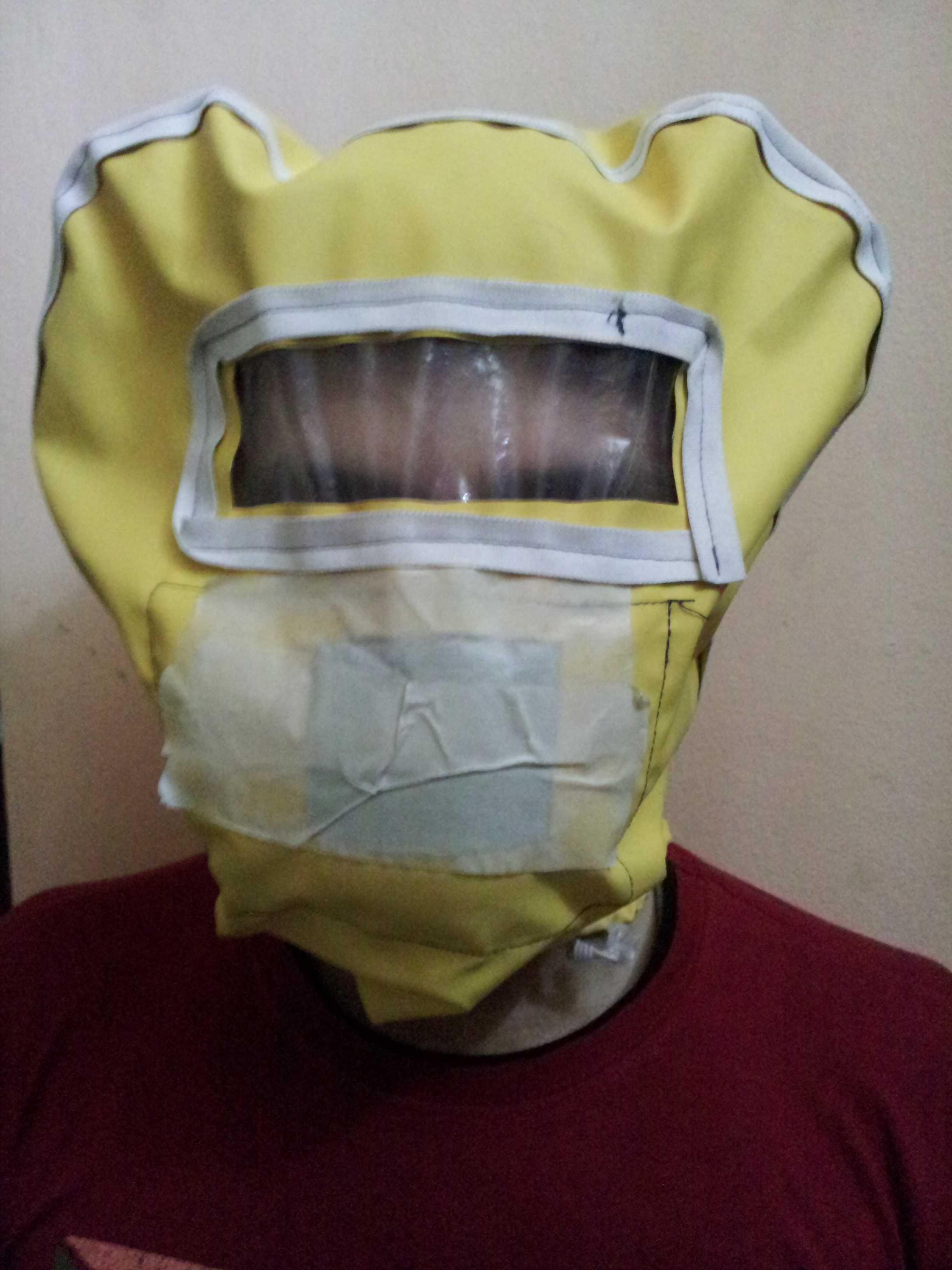
One of Abu Wael’s SpongeBob masks.

‘SpongeBob Squarepants’.
Hopefully this has acted as a taster of a very human side to something I feel has become little more than a foreign policy issue in this country’s press. I have provided links to the blogs quoted below, and hope to provide some more examples next month.
http://www.damascusbureau.org/