The time has come, people… analysis is finished, and I am now focusing entirely on writing up my thesis.

It is a (somewhat) exciting stage in my journey, marking a new milestone for me. Even though I have been writing as I go along (not just saying this in case my supervisors read this), there has never been a time so far where the only task I have to do is write. When I realised there would be no more active research, I felt sick with dread, as it meant that I had to come face to face with the mammoth task of getting 100,000 words down on some paper. This isn’t helped by the fact that my autistic brain struggles with actively moving on from one task to another, and I have been so deeply entrenched within my data analysis that I was met with some serious task inertia. I have, however, coped with this in a couple of ways, which I will share in case there are any other students (PhD or otherwise) who struggle with being met with the “off you go write your thesis now” task.
Number one: BREAK DOWN YOUR TASKS!!!!
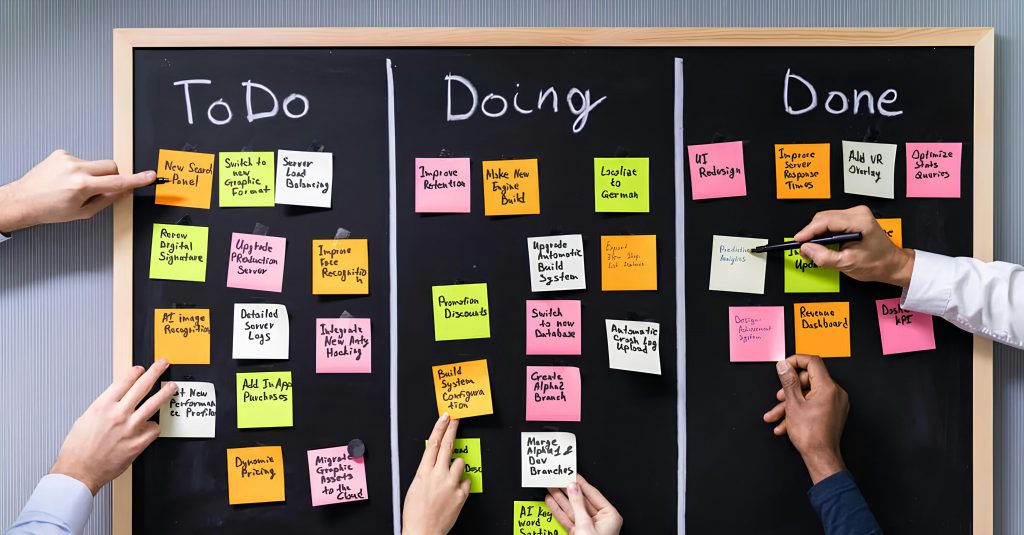
100,000 words, yes. But many different chapters/subheadings/paragraphs, etc., also, yes. Learn from my mistakes and do not simply write in your daily to-do list “write thesis” as more than likely this won’t get done on your average Thursday, and it will leave you feeling repeatedly disappointed when you can never seem to tick it off your list. Break. It. Down. For me, this meant making two different Gantt charts in Excel: one that would track monthly progress and would be bigger tasks like “Finish Chapter 5”, for example, and another where I would break down the multiple steps it would take to finish writing Chapter 5. This way, I can open up my writing Gantt chart and clearly see what I want to get done for the day or week, tick those off more frequently, and eventually add up to a greater task I can tick off monthly. Does that make sense?! I hope so.
If you are not an Excel superfan like me (first off, why not?) then you can opt for different ways of doing this. There are a bunch of apps/websites out there to help you make Gantt charts (e.g., Monday) or other ways to track progress that don’t resemble a Gantt chart (ThistlesGrow apparently is one of those?). I am not the one to ask about the latter, though, as I have an affiliation with Gantt charts; my apologies. Alas, find something that works for you, but as long as it breaks things down into actually achievable tasks, you will notice your productivity skyrocket… damn, I am starting to sound like a motivational speaker…
Number two: Take breaks… like actual breaks!!
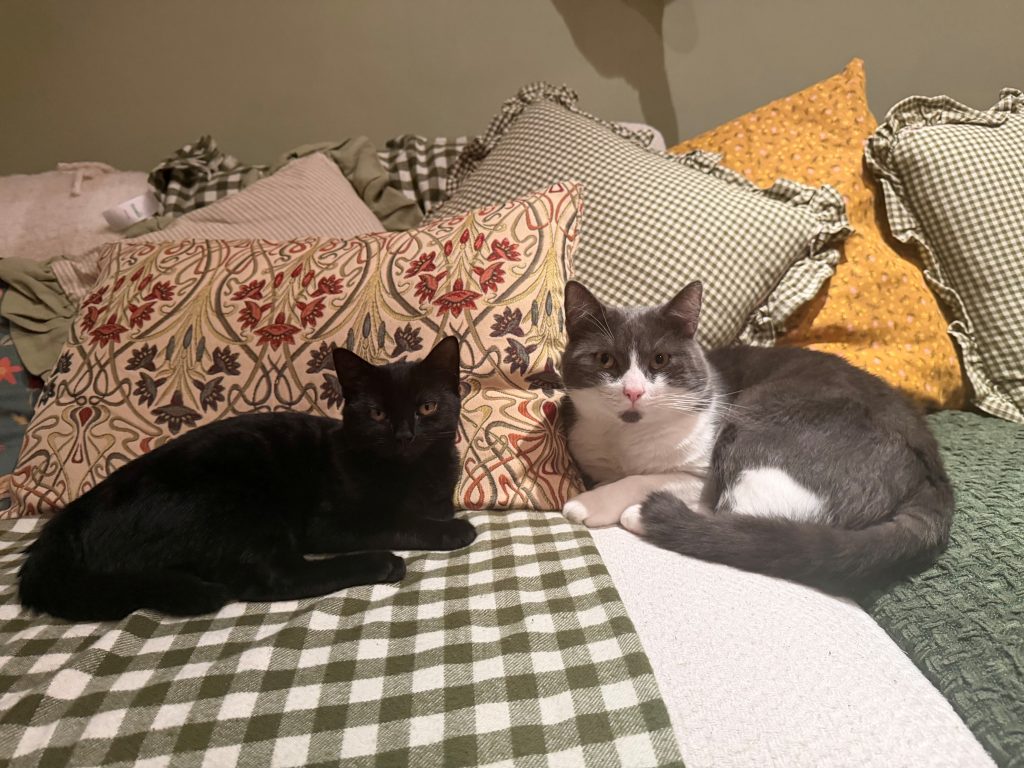
Step away from the computer from time to time. Touch some grass. Do some art. Read a book. The world is still turning outside of your Word document; go engage with it from time to time. For me, this varies between hugging my cat (often against his will), going swimming, or lying down in a dark room with a weighted blanket if even the world outside is too much. Remember: resting is productive too!

Finally: Don’t wish away your time
This one is slightly different and may not help you with writing per se, but I still find it important. It can be easy, as a PhD student, to constantly think about what’s next (I do), and in many ways, that can be very helpful and ensure you are equipped for the next stages of your career. But at the same time, dwelling on how early you are in your career can mean wishing away your years. Try to strike a good balance between living in the moment and preparing yourself for the next steps. This means cut down on comparisons to others and to where they are in their careers, and focus on you. Your PhD might seem all-encompassing now, but there will come a time when you yearn for those days back; enjoy them whilst you can.
Early reflection on my findings
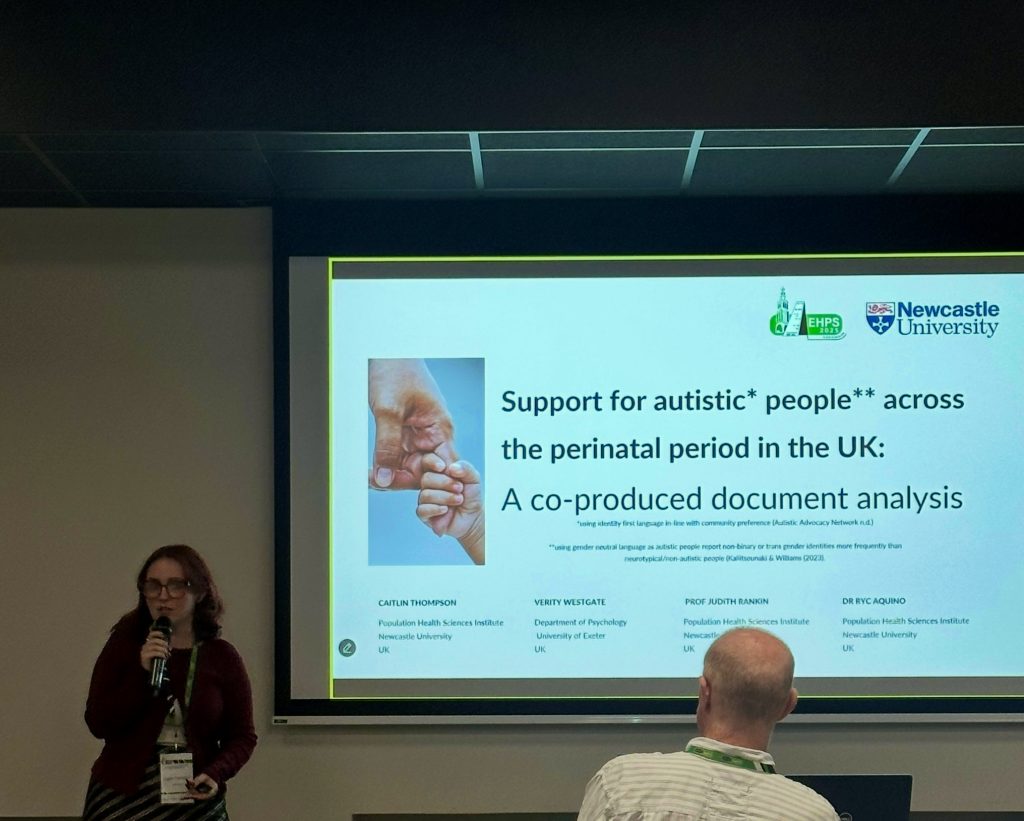
On a different note, I also wanted to use this post to provide an update on my PhD findings and share a reflection I have had whilst collecting and analysing my data. I have now interviewed seven participants, longitudinally over 2-4 interviews each. As mentioned in my project summary, I have also used creative participatory research methods in my interviews and derived narratives from each person’s experiences. Whilst the ultimate goal in doing this was to keep each person’s story as integral as possible, I have recognised some patterns across people’s experiences (autism brain in pattern-recognition mode). Without giving too much away, as you will have to wait until the final thesis and any outputs from this work to see the findings, I wanted to share a reflection that other autistic people might relate to more generally. This reflection is also grounded in my own self-discovery. I was diagnosed autistic whilst data collecting, and have been engaging in post-diagnostic support to learn about my own autism as I was analysing data, which means I have been doing lots and lots of thinking.
There is so much power in peer support. We (autistic people) often get branded as unsociable or isolated individuals, but actually, when we truly connect with others that are similar to ourselves, we thrive. The most crucial bit of support all of my participants spoke of, which I very much relate to, is being able to chat with someone else who is neurodivergent. For my participants, this was especially helpful if they were autistic parents or parents to be themselves. In fact, for many, peer support was the single most influential form of support they had ever received. I can’t help but agree. There is no feeling more validating than speaking with someone who experiences the world like you do, and therefore, what I am really taking away from my PhD and from my own experiences accessing autistic peer support is that surrounding yourself with people who truly understand is essential for your well-being. I touched on this when chatting with Damien from (Neuro)Diverse Dialogues (episode dropping in September). I am always happy to chat if you are neurodivergent yourself and do not have this kind of support network, as I know just how crucial it can be. If you find yourself in this situation, drop me an email, and we can break down the socialising stereotypes one chat at a time.

And with that, I finish up my second (third maybe… not sure) blog post and get back to writing my thesis. Hopefully, I will have some updates to share in the near future regarding some outputs, but for now, please wish me luck on my journey to 100,000 words.
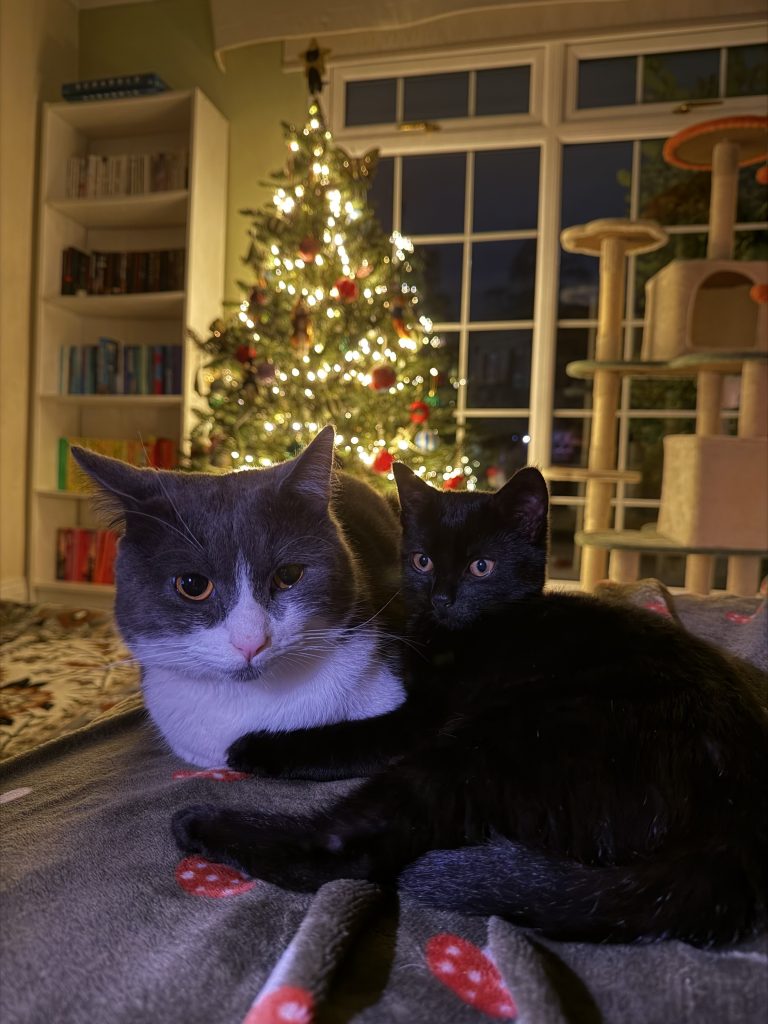
[I will now be signing off with a photo of my cats for the foreseeable]