
This toolkit aims to support researchers and community partners to develop health and care research projects together.
It has been co-created by Voluntary Organisations’ Network North East (VONNE), National Institute for Health and Care Research (NIHR) partners through Creating Connections, and several Voluntary, Community, and Social Enterprise (VCSE) organisations in the North East and North Cumbria.
Why did we develop this toolkit?
We know that health and care research is more relevant and more useful when it is shaped by a broad range of communities, including those who are most marginalised in society. We also know that VCSE organisations often work with these underserved communities and have trusted links that are integral to involving these groups. However, for researchers and VCSE organisations to collaborate effectively on research projects, there are a range of practicalities and challenges to think through.
We co-produced the toolkit’s resources with community partners through a series of workshops, to help address some of these challenges, and provide both VCSE organisations and researchers with practical tools to help them work together more effectively.
10 Guiding Principles:
The 10 Guiding Principles show our community partners’ views on how they would like researchers to engage with them, to build inclusive, sustainable partnerships.
They were co-produced with community partners involved across four Reaching Out Projects facilitated by the NIHR Research Design Service (RDS). Click here to find out more about the background to this work and the Reaching Out projects.
10 Guiding Principles
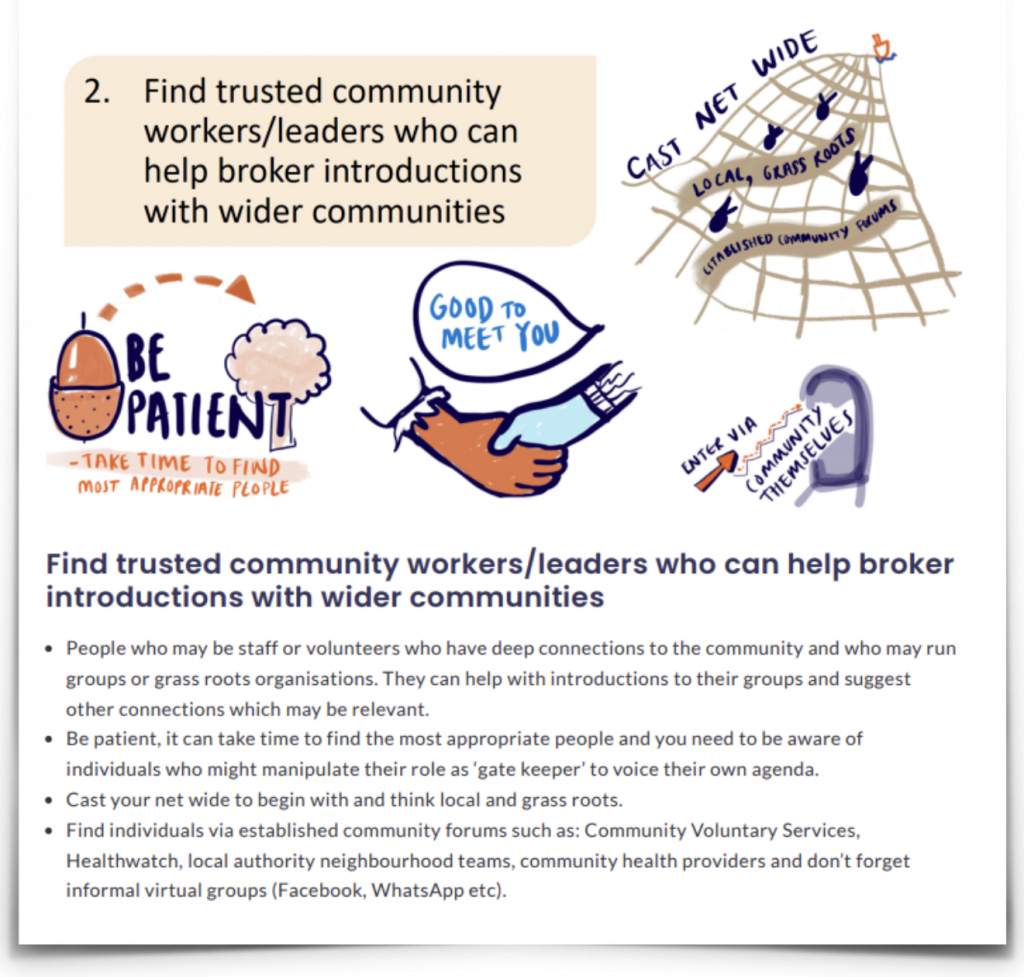
In this resource, community partners share guidance on building inclusive, sustainable partnerships when developing health and care research projects together.
Animation
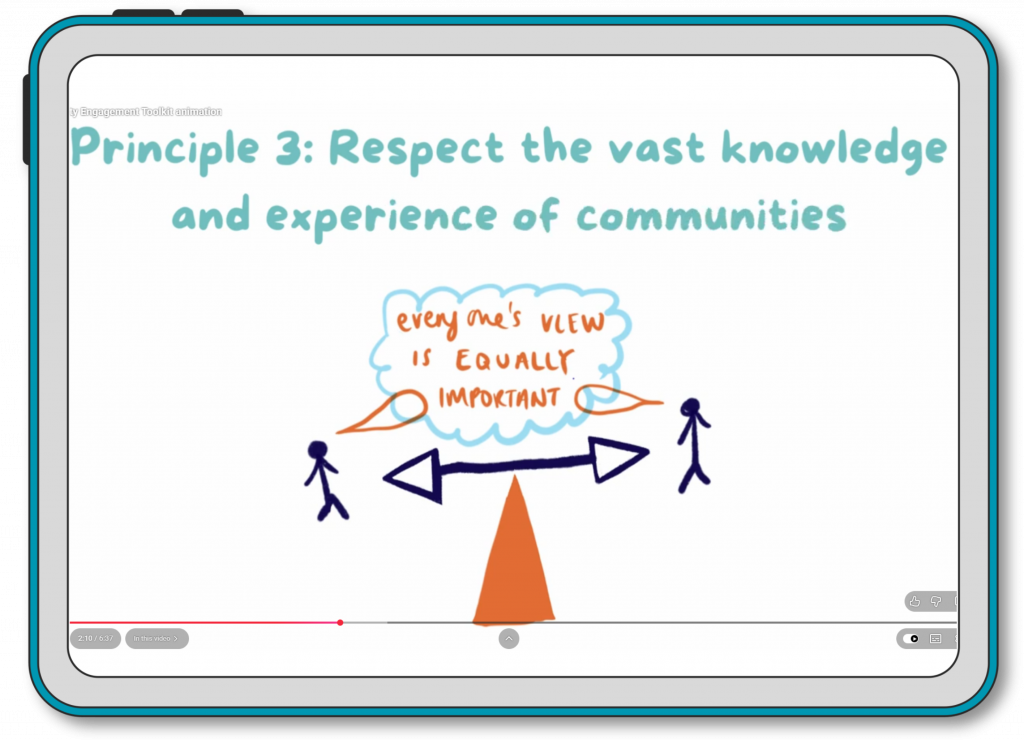
For people who prefer an audio-visual resource, VONNE created an animation of the 10 Guiding Principles.
Putting the principles into practice:
VONNE and community partners produced resources to support early conversations between researchers and VCSE organisations. These practical tools are designed to guide open, clear discussions about priorities, timescales, funding and more.
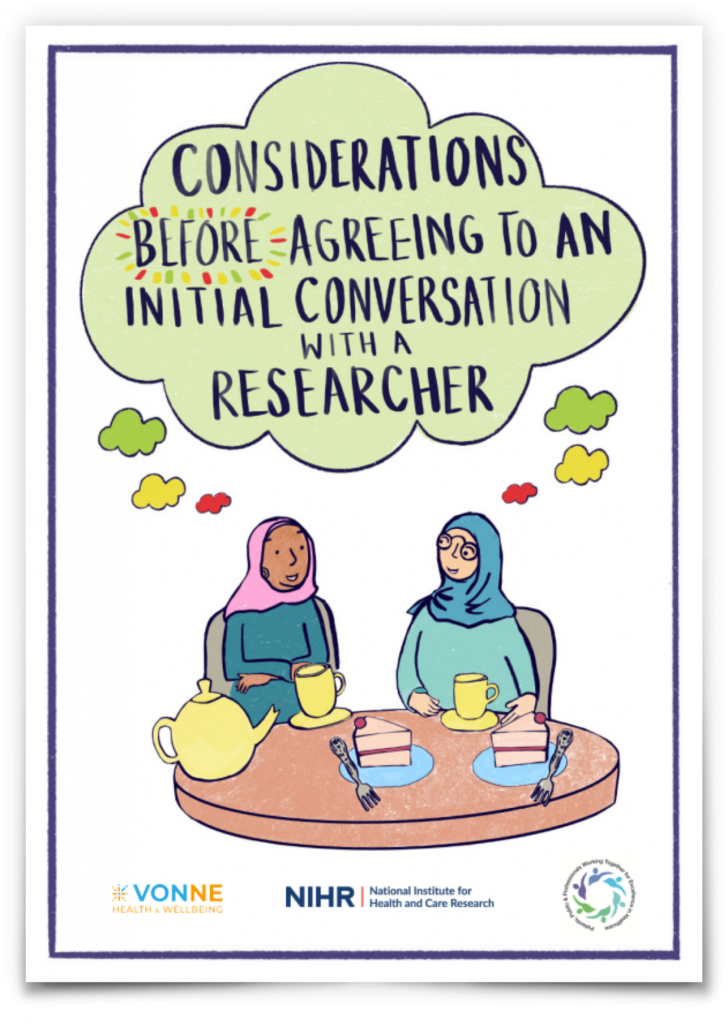
Considerations before agreeing to an initial conversation
Time is precious for VCSE organisations. Most organisations don’t have dedicated staff for work relating to research, meaning that taking the time to meet for an initial conversation with a researcher can be difficult when capacity is already stretched.
This resource intends to provide a framework and a traffic light system to help VCSE organisations decide whether it could be valuable to have initial exploratory conversations.
It is also helpful for researchers to understand the stretched capacity of the VCSE sector, and the things that organisations must consider when deciding where to dedicate one of their most valuable resources, time.
Conversation guide for VCSE and research-based partners: Exploring a potential partnership for research
When both partners have reached the point of wanting to take discussions about a research project forward, this guide aims to support both parties to have a productive conversation about working together. Often VCSE organisations and researchers want to work together but may be unsure of what questions should be asked in these initial discussions. Historically, VCSE partners have felt that the agenda is often set by the researcher.
The guide includes advice on how to prepare for the conversation, what questions to ask, and important topics to cover. It aims to put both partners on an equal footing and remove any power imbalances, encouraging more positive and reciprocal research partnerships.
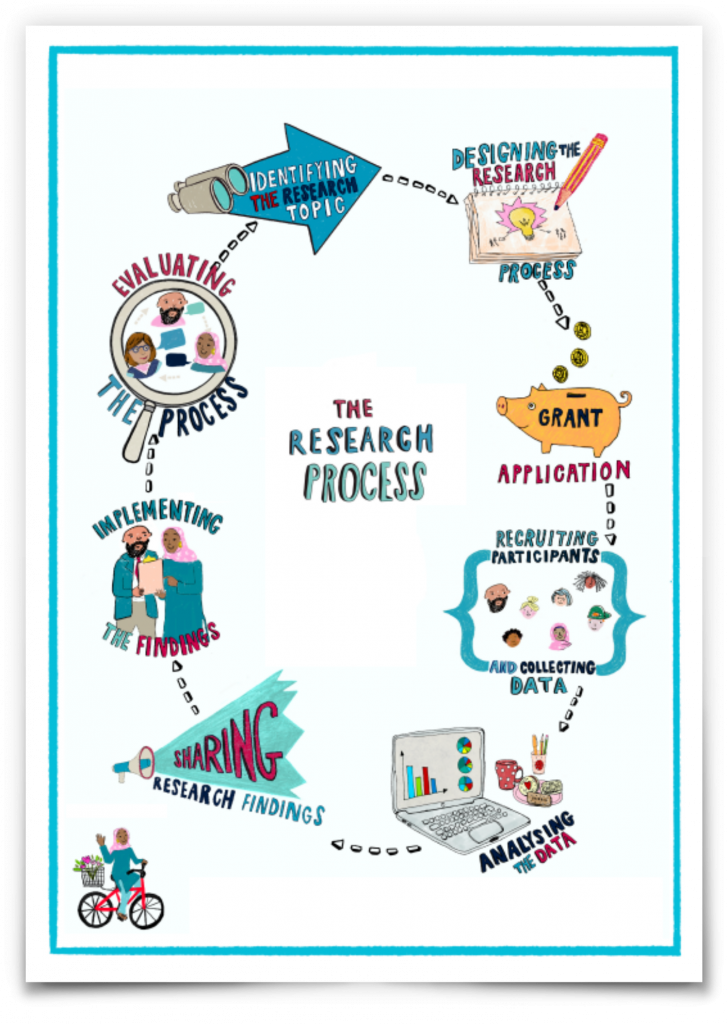
The research process: Points of opportunity for involvement of the VCSE sector
VCSE organisations are most often approached to be involved when the research project is underway, perhaps to participate in a focus group or feed into a survey. While this is still valuable, this resource intends to highlight different points of opportunity for VCSE organisations to be involved in research at all points in the process.
The resource aims to encourage researchers to think more creatively about how they can work with VCSE partners, especially in shaping projects, sharing findings, and implementing changes informed by the research. Likewise, it intends to empower VCSE organisations to see the value that they can add to projects at different stages.
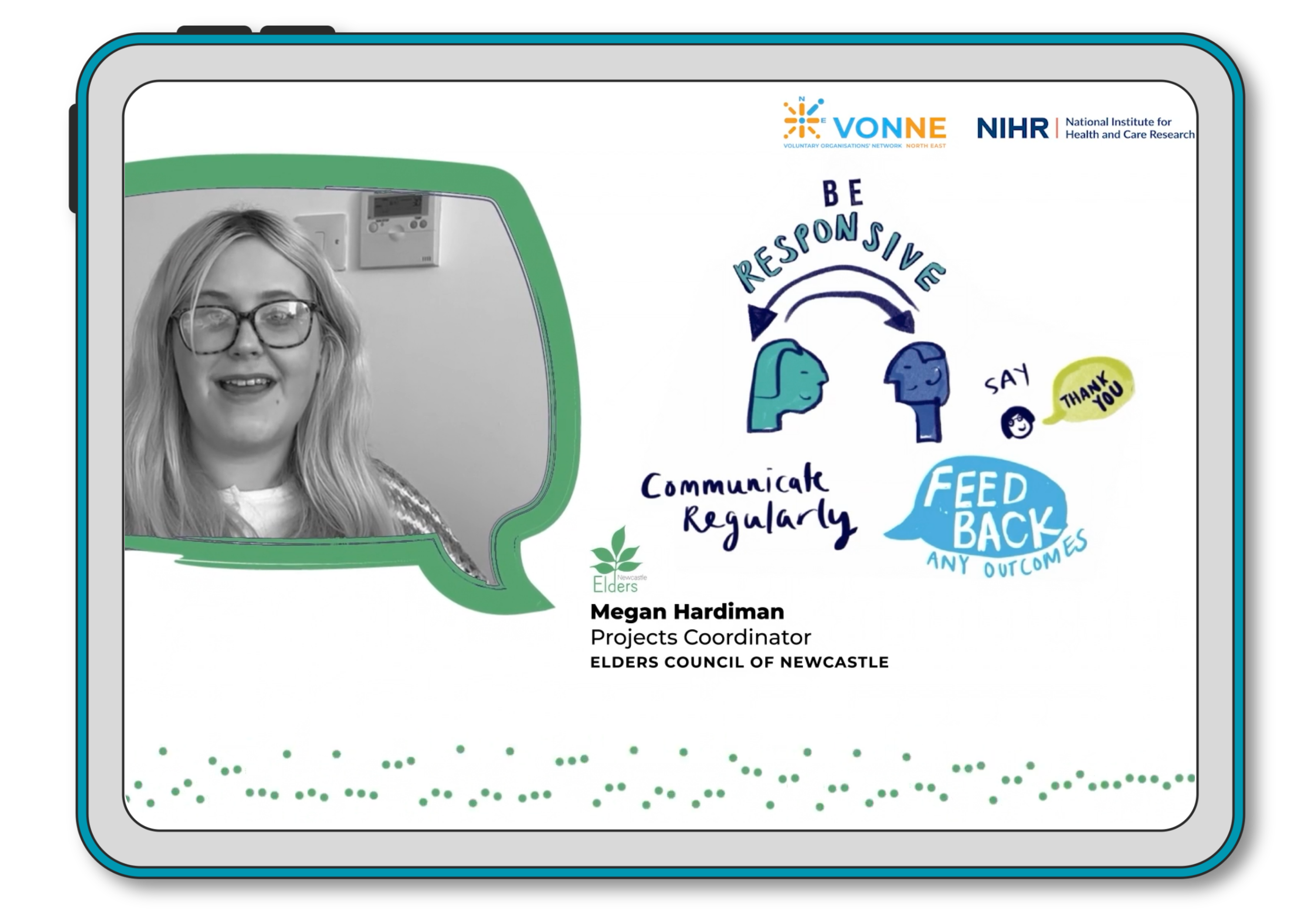
Video: Applying the principles of the Community Engagement Toolkit
This video features reflections on how the Community Engagement Toolkit’s 10 guiding principles have been applied in practice and showcases positive examples of this. It intends to bring these guiding principles to life and features colleagues from the VCSE and research sectors who have been involved in co-producing these resources. You can find the British Sign Language version below.
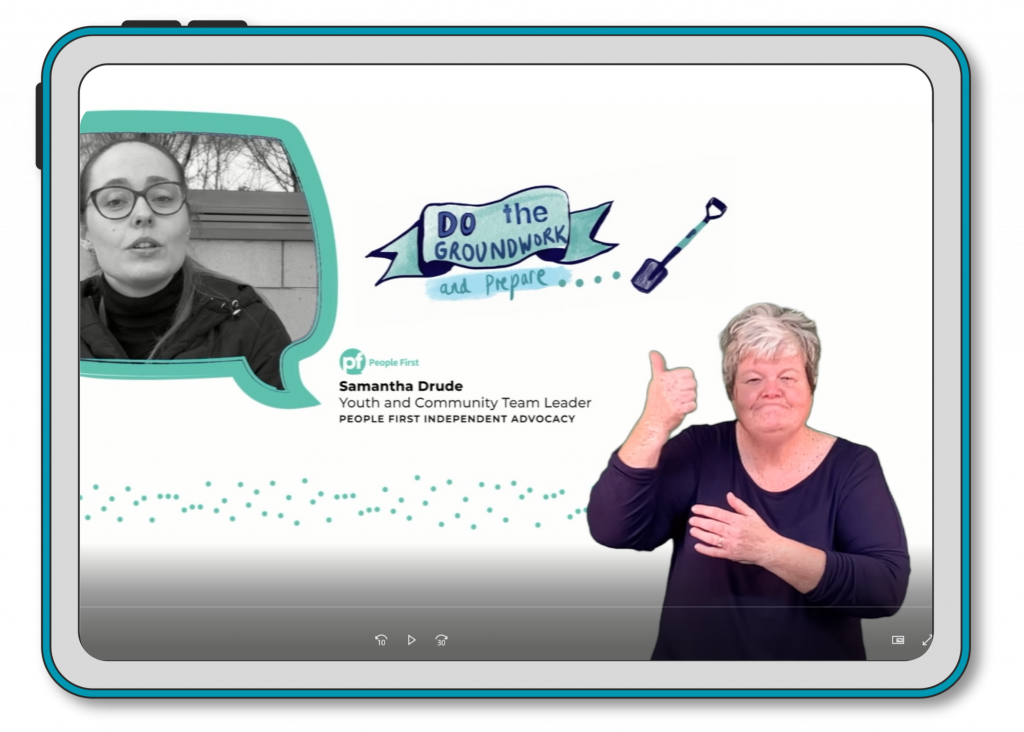
Video: Applying the principles of the Community Engagement Toolkit (British Sign Language)
This version of the video has British Sign Language (BSL) interpretation.
We would like to thank the individuals who were involved in the creation of these resources for offering their time and expertise to improve collaboration between the VCSE and research sectors. We would also like to thank the NIHR Centre for Engagement and Dissemination (now the NIHR Central Commissioning Facility) for funding this work.
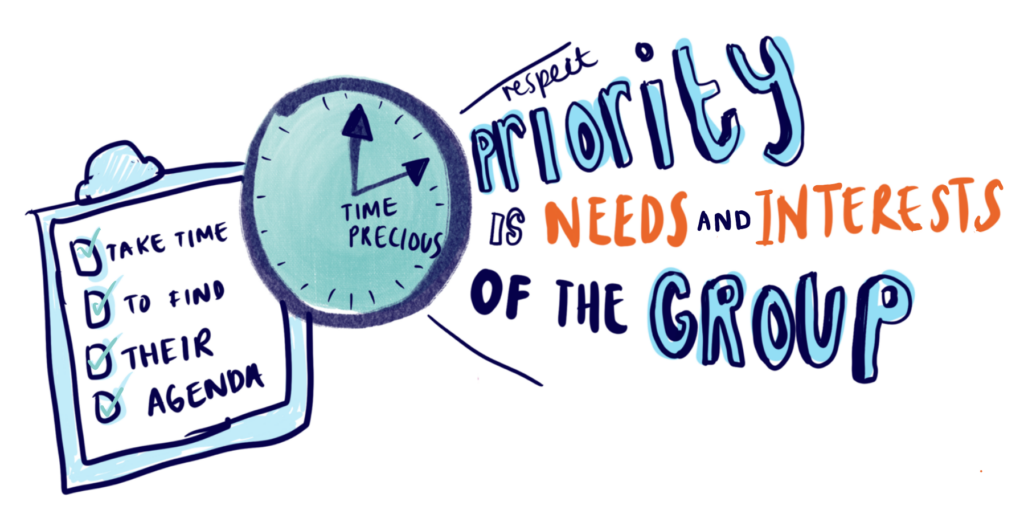
The illustrations were created by artist Bethan Laker in collaboration with North East and North Cumbria Reaching Out partners. Filming and narration were led by Amy Langdown and the films were edited by Roots and Wings CIC. A huge thank you to all creative partners who supported this work.