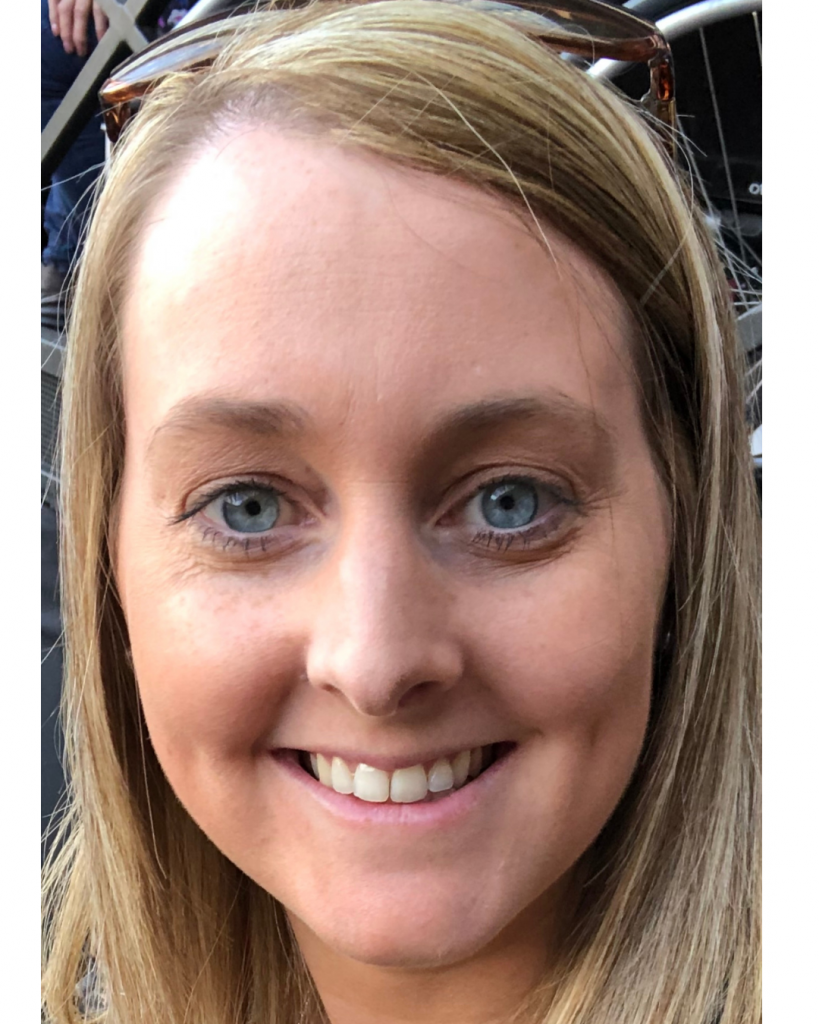
Mrs Melissa Brown EYFS & Key Stage 1 Lead / Year 1 Teacher Oakdene Primary School
Stepping into the world of school leadership was both exciting and daunting. When I began my NPQH journey with NETSP and Newcastle University, I knew I wanted to grow, stretch myself, and prepare for the responsibilities that come with leading a school. What I didn’t fully anticipate was just how transformative the experience would be, not only in terms of knowledge and skill, but in shaping the kind of leader I am today.
Building the Foundations: Understanding the Role of a Headteacher
The NPQH programme gave me something invaluable: clarity. Before the course, I had ideas and experience of leadership and temporary headship, but the programme provided a structured, realistic understanding of the role. Through high‑quality modules, coaching, and exposure to real case studies, I learned how multifaceted school leadership truly can be. The balance between strategic vision, staff development, operational management, and community engagement became clear.
Most importantly, the NPQH didn’t just teach what a headteacher does, it actually delved much deeper and taught me why each part of the role matters, and how to approach leadership with intention and integrity.
Mastering the Practical Skills: Budgeting, Staffing, and Strategic Planning
One of the programme’s greatest strengths was its practical relevance. The sessions on budget setting, for example, were particularly impactful. Before NPQH, managing a full school budget felt like something only ‘future me’ would understand. By the time I completed the course, I felt confident, informed, and prepared to make financial decisions that align with a school’s long‑term priorities. I understood how to make changes successfully and with purpose.
Similarly, learning about staffing structures, workforce planning, and recruitment strategies gave me the tools to think critically about how to build effective teams. Understanding how to deploy staff in ways that empower them, support student outcomes, and maintain financial sustainability has been one of the most empowering aspects of my NPQH training. This was hugely supported by the final assessment process too, which I found invaluable and a real strength of the course.
These elements, budgeting, staffing, curriculum planning and safeguarding oversight are the cornerstones of headship. The NPQH programme broke each element down, providing not just theoretical understanding, but real strategies I could apply immediately in my current role and carry forward into future leadership.
From Reflective to Critical Leader
Throughout the programme, I found myself evolving from a reflective practitioner into a truly critical leader. Reflection is valuable, but the NPQH taught me how to take my thinking further: to analyse, question, evaluate, and challenge systems in a constructive and strategic way.
This shift in mindset has been one of the programme’s greatest gifts. I now approach leadership with a deeper sense of purpose and curiosity. I ask better questions. I spot patterns, risks, and opportunities sooner. I think more systemically and act more decisively. In short, I lead with clarity.
Learning Through Collaboration and Community
The NPQH experience with NETSP and Newcastle University wasn’t just about modules and assessments – it was about people. Working alongside peers from diverse school settings was motivating and enriching. The discussions, shared experiences, and collaborative problem‑solving sessions helped me gain new perspectives and challenge my own assumptions. I made friends for life too!
The support from facilitators and mentors was another invaluable part of the journey. Their insight, encouragement, and willingness to share their own leadership experiences helped shape my development and kept me grounded throughout the process.
Feeling Ready: Prepared, Confident, and Excited for the Road Ahead
As I reflect on my NPQH journey, I can say with complete honesty that the programme has shaped me into a leader who is not only prepared for headship but energised by the prospect of it. I now feel:
Confident in handling the operational and strategic responsibilities of the role
Critical and analytical when facing complex decisions
Driven by a renewed sense of purpose and moral leadership
Prepared for the challenges and opportunities that lie ahead
Eager to bring the best of myself to the service of a school community
The NPQH didn’t just prepare me for a future career, it confirmed for me that headship is where I’m meant to be.
Raring to Go
Thanks to NETSP and Newcastle University, I feel ready for the next step. I’m excited to lead with clarity, compassion, and ambition. I’m ready to face challenges with resilience and creativity. And above all, I’m eager to make a meaningful difference in the lives of pupils, staff, and the wider school community.
My NPQH journey has been one of growth, challenge, learning, and empowerment. I now step forward as an effective, critical, and confident leader, raring to go, and ready to take on the rewarding journey of headship.
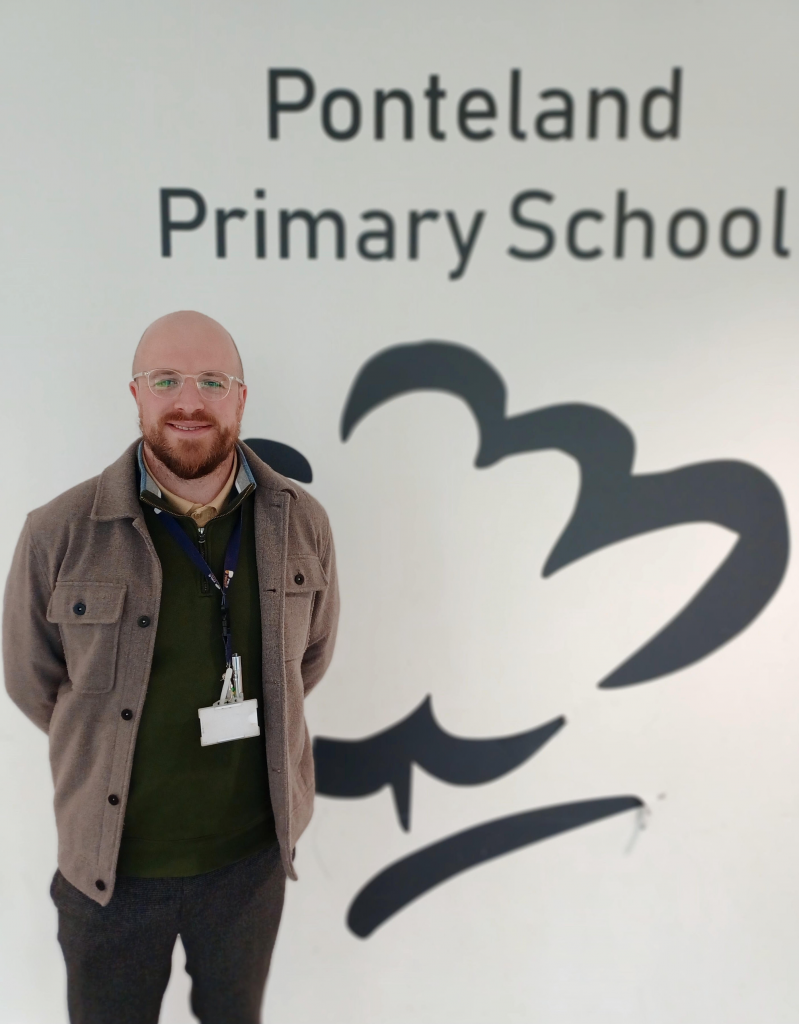
Joshua Massey Year 2 / KS1 Leader Ponteland Primary School
“What is your five year plan?” It is a question that once haunted me every time a performance management meeting appeared in my diary. In the fast paced and often unpredictable environment of a school, where one cannot always be certain what challenges tomorrow will bring, projecting five years into the future can feel like contemplating an impossible horizon.
I began the Pele Trust Leadership Development Programme with what I would describe as accidental leadership experience. These were skills gathered through intuition and necessity rather than by deliberate design. However, I completed the course with something far more valuable: a fully realised vision of a future I am proud to pursue, backed by the understanding required to achieve it.
The programme exposed me to a wealth of academic literature that served as a retrospective mirror. It taught me exactly why certain elements of my existing practice had flourished and, perhaps more importantly, why other parts had faltered. A primary thread that resonated with me was the discourse surrounding Emotional Intelligence, often referred to as EQ. While I had always considered empathy a cornerstone of my practice, the course grounded this instinct in the science of affect.
Through the lens of Daniel Goleman’s research, I developed a deeper level of self-awareness by recognising that a leader’s emotional resonance dictates the very climate of the staffroom. Understanding the neurological basis of how stress impacts teacher performance allowed me to pivot my approach. I moved from simply being kind, which is a passive trait, to being emotionally intelligent. This meant using empathy as a strategic tool for stability, psychological safety, and professional growth. For the first time, I possessed the evidence and research needed to justify my leadership style to myself and my peers.
On the other side of that emotional coin was the challenge of navigating difficult conversations. Historically, this was an area where I lacked both confidence and conviction because I tended to shy away from the friction that often accompanies change.
However, after engaging with the works of Ruben and Gigliotti on the complexities of communication, I began to view these interactions not as conflicts but as essential leadership duties. The programme provided a safe harbour to practice this by utilising roleplay with peers to deconstruct the mechanics of a tough dialogue. I left these sessions equipped with practical frameworks, right down to using structured worksheets to map out the intent and desired outcomes of a meeting before crossing the threshold of the room. This shift from avoidance to preparation has been transformative for my professional efficacy and the clarity of my expectations.
Though the course consisted of eight sessions throughout the academic year, the true learning happened in the weeks between. The programme effectively re-tuned my perspective, opening my eyes to the examples of leadership happening around me at all times. I began to observe the micro-leads occurring in every corridor, which are those quiet moments of influence that keep the heart of a school beating.
It became clear that the fundamental strength of the Pele Trust lies in its commitment to distributive leadership. By observing my colleagues through these new academic frameworks, I realised that leadership is not a lonely spot at the top of a pyramid. Instead, it is a pervasive energy that exists at every level. This realisation has empowered me to empower others, ensuring that our collective efforts are always pulling in the same direction toward student success.
Engaging in professional dialogue with peers from different settings allowed for a cross pollination of ideas that I found invaluable. We shared our triumphs and our anxieties with equal candour. This sense of a shared journey reinforced my commitment to the Trust as a whole. It reminded me that while our individual schools have unique identities, we are part of a broader ecosystem dedicated to excellence. This networking facet of the course did not just build my skills; it built my professional community.
During my time on the programme, I held responsibility for the leadership of Literacy. This provided a live environment to apply my learning in real time.
Using the clarity, precision, and structured communication models I had studied, I led the implementation of a new approach to transcription across the school. By applying the principles of EQ and clear communication, I was able to build a shared sense of purpose among the staff. We moved away from fragmented practices toward a unified, evidence based strategy. A year later, the data speaks for itself. The positive impact on the writing of our children is tangible evidence that the Leadership Development Programme does not just develop individuals; it directly enriches the daily school experience for our pupils.
Ultimately, I am now firm in the belief that leadership is a craft that can be honed rather than a gift one is born with. I now possess the knowledge, the vocabulary, and the evidence based experience to lead with intentionality. The University’s curriculum provided the map, but the Pele Trust provided the landscape in which to explore it.
So, what is my five year plan? For the first time, the edges of that answer are crisp. The picture may not be fully painted yet, but I know with certainty that leadership – principled, empathetic, and evidence led – is the canvas it will be built upon. I look forward to contributing to the continued success of our Trust, armed with the conviction that effective leadership is the most powerful tool we have for changing lives.
This blog post digs into the realities and practicalities of being a middle leader and aims to highlight some of the challenges within the role and how these could also be opportunities. There are a series of reflective questions throughout the article for you to consider in relation to your own leadership. They can be used throughout the collection.
The following first two reflective questions will help set the scene for reflection throughout the rest of the blog post. Click the ‘Reflection’ button below to reveal the questions.
Reflection (click to expand)
Is your institution’s vision clear to you and your team?
What are your institutional goals?
The Practicalities of Middle Leadership
In the context of a school, middle leadership is often one of the hardest positions to hold.
Why do we say this?
Middle leaders are positioned, or sandwiched, between teachers and senior leaders.
Middle leaders tend to have to attend to the operational and the strategic requirements of the role.
Middle leaders move into their leadership role directly from teaching, often without acknowledgement of the different skills that are required for the role.
Middle leaders usually have a full-time teaching role to balance and devote time to.
The sub-sections in this article aim to acknowledge the challenges the above statements present, whilst also identifying the inherent opportunities.
‘Sandwich’ leadership
Senior leaders are often the drivers of the vision, values and goals in a school or institution. Middle leaders tend to then have responsibility for implementing actions to meet the goals and subsequent vision, reflect the relevant values in the process, as well as acting as the conduit for whole school messages. In addition, they support their team in the day-to-day work of teaching, curriculum delivery, and/or pastoral work, as well as modelling effective practice in their own teaching. Ultimately, middle leaders are continuously acting as role models in a variety of contexts.
The two layers of the hierarchical structure can pull a middle leader in many directions on a daily basis and this complexity can make it difficult to balance what are sometimes conflicting needs – those of the senior leaders and those of the more immediate team and pupils.
The setting of a more phase or subject-specific vision and goals can therefore be very challenging; however, it can also provide a uniquely holistic perspective from vision to implementation. Middle leaders are therefore opportunistically positioned, or ‘sandwiched’, to be able to listen up and down the hierarchy in order to effectively implement. This position could also allow middle leaders to influence and contribute to the wider goals and vision. How a middle leader capitalises on this opportunity could prove beneficial to the setting of more phase and subject-specific goals so that they positively impact change.
Reflection (click to expand)
How does this complexity exist in your role?
How do you or could you capitalise on the ‘sandwiched’ positioning to positively impact change?
Operational versus Strategic
The difference between implementing and influencing as highlighted above, illustrates the operational and strategic parts of the role respectively. The operational aspects of the job are easier to implement if the strategic vision is clear, and the closer the leader is to the strategic thinkers the clearer the vision should be (Bush, 2020).
This is another reason that middle leadership can be challenging, in that much of what middle leaders do is likely to be operational, or managerial, which can create a disconnect with the vision, values and goals that are generally seen as strategic, and central to effective leadership. Middle leaders also need to ensure that the qualities which enabled them to become leaders – such as excellent classroom practice and deep understanding of pedagogy – don’t get lost in the operational aspects of their role.
Part of the answer to the above dilemma lies in understanding the link between leadership and management. The comparison between leadership and management is an important area for middle leaders to explore. Effective leaders balance the two. Knowing which aspect of the work falls into which category, and how they interlink, will help with prioritisation and with ensuring that the goals are achieved in line with the vision and values which we believe is the role of the middle leader to model.
This is an opportunity as well as a skill, as good middle leaders are constantly conscious of how they are behaving at any one time, as a leader or as a manager.
The following table illustrates how the two aspects of leadership can be defined:
Leading (pull):
Managing (push):
– Setting direction Purpose, vision and strategies for effecting change
– Planning and budgeting Targets, goals, action and resources
– Aligning people Communicating vision, creating coalitions, harnessing commitment
– Organising and Staffing Setting structures, defining jobs, managing people
– Sustaining motivation Keeping people moving in right direction, because they want to
– Controlling Actual vs. expected performance, corrective action
Figure 1: Difference between Leadership and Management (Bennis and Nanus, 1985; Kotter, 1990; Covey, 1996)
Reflection (click to expand)
When did you last behave most like a leader? Were you aware of it, at the time?
When did you last behave most like a manager? Were you aware of it, at the time?
What are the links between your operational activities and the strategic goals?
Transition from teaching to leadership
Managing the complexity of middle leadership, and recognising the opportunities as well as the challenges it presents, is more difficult if you have entered the role with limited preparation and or training. Leading and supporting adults has similarities to, but is also significantly different from, leading and teaching young people: this is pedagogy versus andragogy. Switching between the two sets of stakeholders, sometimes multiple times per day, is highly skilled and doing this well can require significant training and modelling. Often, leaders will lead in the ways in which they have been led: this can be a positive transfer, or not so positive, depending on context. Being clear about the goals and vision for your leadership from the start is essential if these complexities are to be managed.
Acknowledging that leadership requires new skills opens up the excitement of professional learning and growth. This in turn presents the opportunity for modelling positive change and continuous improvement to the teams above and below – your own transformation can influence that of others; you can reflect the values and vision of the school or institution through the learning you do and through the leadership of others’ learning. Self-awareness is crucial here: in the busyness of a middle leadership role it is important to engage in self-reflection so that targeted training and support can be sought. Seeking out short think pieces like this blog is one way to achieve this in a manageable way.
Reflection
Do you know your own leadership strengths and areas for development?
What professional learning and or development have you sought or been offered?
What professional learning and or development opportunities would you like?
Utilising full-time teaching for leadership
Whilst leadership can feel like an extra role on top of the teaching role, there are many ways in which they can happen simultaneously rather than separately, thus complementing each other. The practices which middle leaders want to see being implemented by their team should be integral to the leader’s own practice: if change is required then modelling is likely to be a more effective and time efficient vehicle for transformative change than a meeting with lots of follow-up actions. This is an example of working smarter not harder, whilst also contributing to the establishment of the leader’s credibility.
Using the language of the vision, values and goals of the school or institution in meetings and regular discourse with the team is another ‘smart’ way to ensure that transformation is central to the ethos of the team. Joint or shared planning and resources, and facilitating opportunities to see each other teach are also smart ways to merge the strategic and operational aspects of the role.
Teaching requires excellent communication skills, and consciously reflecting on the way in which you communicate with your team, as opposed to the learners, is an important transference of skill from teaching to leadership. Likewise, effective teaching involves careful and strategic short, medium and long term planning: this is another skill which should be consciously transferred to the leadership role. Economy of language is an important classroom discipline which should be transferred to the leading of meetings and professional development. Understanding and taking the opportunities for transference of skills will help with the move into middle leadership.
Reflection (click to expand)
What are the other skills you can transfer from your teaching role to the leadership role?
How can you combine leadership and teaching smartly in order to secure desired transformations within the team?
As discussed in this blog post, middle leadership is about the balance of conflicting needs and demands, whilst also establishing and developing yourself as a new leader, which is not always an easy position to be in.
The next theory post in this collection may help you to consider some of the theoretical components and models that you operate in, and how to adapt your leadership to suit the leadership structure and culture in a more practical sense.
References
Bush, T. (2020). Theories of Educational Leadership and Management, London: Sage.
Northouse, P.G. (2016). Leadership: Theory and Practice (7th ed.). Thousand Oaks, CA: Sage.
Bennis, W.G., Nanus, B., and Bennis, S. (1985). Leaders: Strategies for taking charge (Vol. 200). New York: Harper & Row.
Kotter, J. P. (1990a). What leaders really do. Harvard Business Review, 68, pp.103-111.
Covey, S.R. (1996). Three roles of the leader in the new paradigm, in Hesselbein, F., Goldsmith, M. and Beckhard, R. (Eds), The Leader of the Future: New Visions, Strategies, and Practices for the Next Era, Jossey-Bass, San Francisco, CA, pp.149-59.