
How we can turn plastic waste into green energy

File 20181001 195282 u8z9ln.jpg?ixlib=rb 1.1
Shutterstock.

Anh Phan, Newcastle University

In the adventure classic Back to the Future, Emmett “Doc” Brown uses energy generated from rubbish to power his DeLorean time machine. But while a time machine may still be some way off, the prospect of using rubbish for fuel isn’t too far from reality. Plastics, in particular, contain mainly carbon and hydrogen, with similar energy content to conventional fuels such as diesel.

Plastics are among the most valuable waste materials – although with the way people discard them, you probably wouldn’t know it. It’s possible to convert all plastics directly into useful forms of energy and chemicals for industry, using a process called “cold plasma pyrolysis”.

Pyrolysis is a method of heating, which decomposes organic materials at temperatures between 400℃ and 650℃, in an environment with limited oxygen. Pyrolysis is normally used to generate energy in the form of heat, electricity or fuels, but it could be even more beneficial if cold plasma was incorporated into the process, to help recover other chemicals and materials. Continue reading

CMA appeal rulings show regulation of electricity market is changing for the better

Professor Phil Taylor, Director of the Newcastle University Institute for Sustainability, considers the impact of the recent ruling by the Competition and Markets Authority (CMA) on the Northern Powergrid appeal against Ofgem’s 2015-2023 electricity distribution price control. 

A new era of regulation has dawned in the energy market, following the recent CMA ruling on appeals against Ofgem’s recent price controls. The Northern Powergrid appeal is the first time a distribution network operator has appealed a judgement by Ofgem, and the CMA ruling is hugely significant. From now on, network operators and suppliers will feel more able to challenge the regulator to justify its decisions and demonstrate a strong evidence base for the approach it takes.

What is more, the judgement also demonstrates the need for a technically competent regulator. The ground for complaint that was upheld by the CMA, relates to Ofgem’s calculations of the potential savings available to Northern Powergrid and other distribution network operators through the use of smart grids and other technological innovations. At present, this remains something that is not well understood outside academia.

Continue reading

Solving the energy trilemma

Phil Taylor

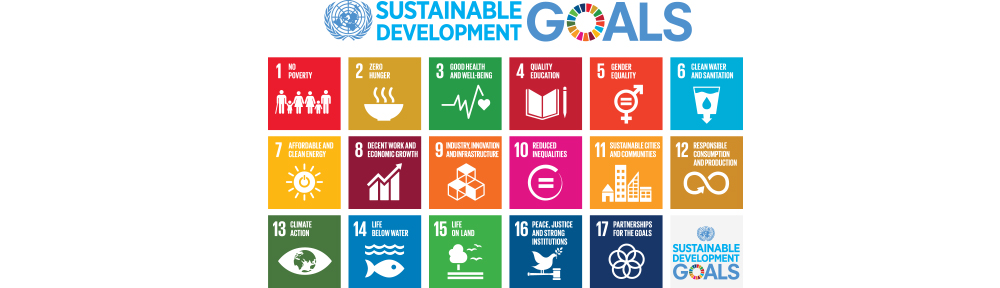
The world faces steep challenges in meeting current and future energy demands with low-carbon energy sources. To attain Goal 7 of the Sustainable Development Goals: ‘ensure access to affordable, reliable, sustainable, and modern energy for all’, target indicators should look at appropriate business models for increasing energy efficiency, identify the true cost of carbon for non-renewable energy supply to increase the share of renewables and define ‘modern energy’. 

Download policy brief on these SDGs: Sustainable, reliable and affordable low-carbon energy

Part of a blog series from Newcastle University Societal Challenge Theme Institutes giving recommendations for targets and indicators of the UN Sustainable Development Goals. 

Continue reading