To engineer sustainable solutions for water – value it differently

Brett Cherry, Newcastle University

Engineering sustainable solutions to the world’s water problems is not a pipe dream, people have been doing it for centuries. Water is the essential ingredient to life. But how water is valued globally is in need of a complete overhaul if we’re going to get serious about addressing global challenges that threaten our own species as well as others.

Fortunately, there are many innovative and common technical and social solutions to water resource problems that affect all countries, but especially low to middle-income ones.

Here are some key examples:

Engineering is necessary to delivering all these as well as similar solutions, but applying them has much to do with context and meaningful interactions with all stakeholders involved. Continue reading

Seven ways to better manage flooding in the UK

Flooding in Corbridge

Flooding in Corbridge. Photo: Steve/Rescue Mission/Flickr

Professor Chris Kilsby comments on how to better prepare for and adapt to flooding in the UK.

There is no panacea for flood events, but there is a portfolio of measures we could either do better or should consider in mitigating or adapting to floods in the UK and countries throughout the world. The recent floods caused by Storm Desmond the first week of December 2015 were devastating on both sides of the Pennines. A record breaking 341mm of rain fell in 24 hours. Not only was the 24 hour rain fall record broken, but so was the 48 hour record at 405mm. The damages were significant with tens of thousands of people evacuating their homes, widespread power loss after two substations were flooded, and transport links lost across the region.

While the magnitude of the storm rainfall was extreme, what made the flood especially severe is that the previous two months were very wet. Extreme weather events like Storm Desmond tend not to occur in isolation and nor are they evenly spaced out. In Cumbria there had already been a cluster of previous storms and this was the big one.

To manage such large floods requires an understanding of the occurrence of sequences of intense rainfall and how they may be changing, but also of course learning to deal with the flood waters in ways that are affordable and sustainable.

Continue reading

Universal access to water is about democracy

José Esteban Castro

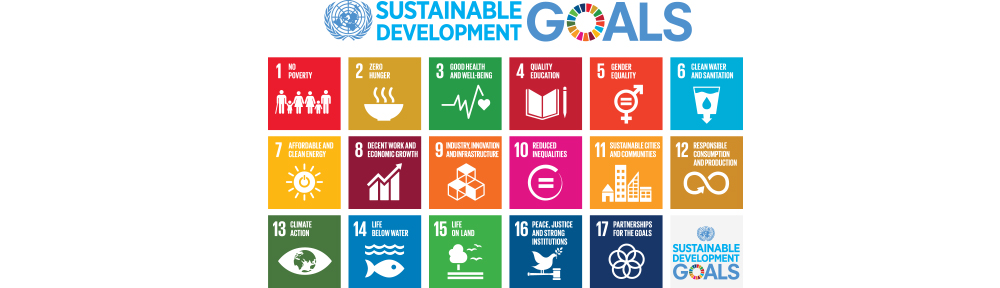
Goal 6 is on ensuring ‘availability and sustainable management of water and sanitation for all’. This is in line with the notion that access to water is a human right, which was approved in resolutions by the UN General Assembly and UN Human Rights Council in 2010. Ensuring that access to water and sanitation is provided for all is not merely a question of technical accessibility, but about democratic politics. However, if this is to be achieved, especially in the developing world, we need to critically examine the dominant international trends that treat water as a commodity as this is a major impediment for achieving Goal 6.

Download policy brief on these SDGs: Creating universal access to clean water and sanitation is about democracy and human rights

Part of a blog series from Newcastle University Societal Challenge Theme Institutes giving recommendations for targets and indicators of the UN Sustainable Development Goals. This post is also available in Spanish.

Continue reading