Music can act as an essential tool for accessing and even shaping memories, particularly in times of crisis or when experiencing grief and loss. Music can also trigger vivid memories, including those related to specific events, emotions, or individuals. In various published studies, scholars demonstrate that music has long served as a powerful medium for communal mourning and remembrance in times of crisis, providing a way to process grief and make loss audible.
When we discuss the relationships between music, crisis, and memory in depth, many questions arise: How does music support people through times of crisis and loss (e.g. global pandemic, fatal warfare, and natural disaster)? How do we remember or forget crises musically? How can music function as a memory carrier as well as a healer? What remarkable crisis has the music industry dealt with? How does the crisis inspire music composition and create musical memory?
In light of those questions, we would like to examine not only music-related and crisis-related memory, but also how people choose to remember and forget unfortunate experiences or pasts through musicking. We called for abstract submissions on the following music-related topics, among others, whereby worldwide contexts can be considered:
§ Music as a response to crisis
§ Music-related remembering/forgetting about the crisis
§ Selective memory and power
§ Crisis and memory in the music industry
§ Memorizing and reflecting with and through music
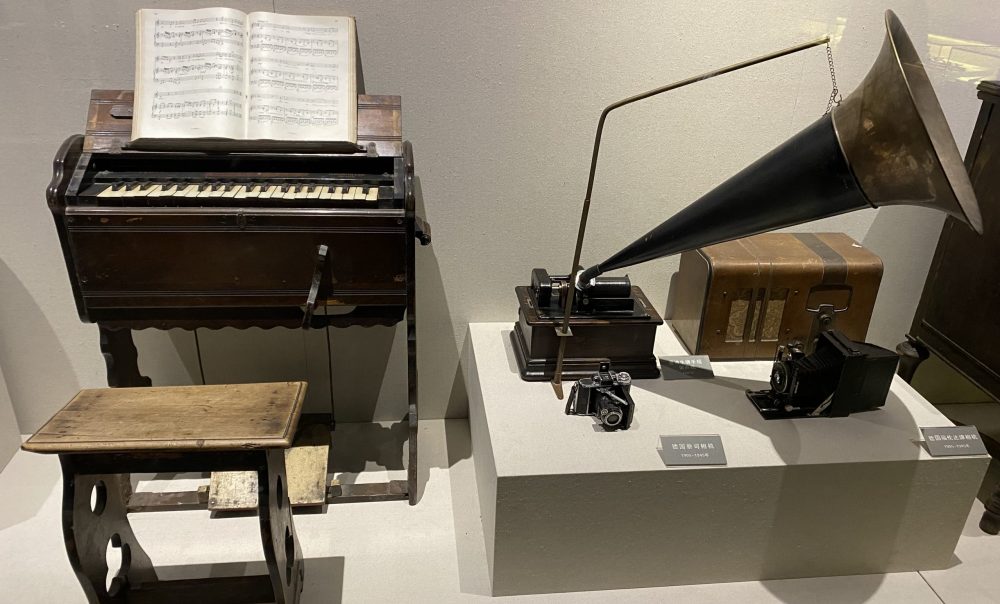
§ Musical objects, places, and spaces of remembrance
§ Affective impact and emotion in musical memory
§ Music or musicking as a therapeutic medium or practice during crises
§ Politics of memory and identity through music-related practices
§ Remembering and nostalgia in different music cultures
Music, Crisis, Memory: An International Interdisciplinary Conference
School of Arts and Cultures, Newcastle University, Friday 8 May-Saturday 9 May, 2026