Call for Papers – Virtual Colloquium (21 November 2025)

As part of NEFHG’s formal connection with the Cemetery Research Group (CRG), we are pleased to share the call for papers for the third Virtual Colloquium, taking place on 21 November 2025.

The Colloquium welcomes contributions on places and practices relating to the disposal of the dead, including burial, cremation, and emerging technologies. Papers should demonstrate theoretical engagement, include empirical data, and fall within the social sciences or humanities. The event is especially supportive of postgraduate students and postdoctoral researchers.

  • Deadline for abstract submissions: 1 October 2025
  • Ticket registration opens: 11 October 2025

Each paper has a 30-minute slot, with presentations expected to run for about 20 minutes to allow time for questions. Panels will be scheduled across time zones, and all presentations must be in English.

Further details, the abstract submission form, and registration will be available here. Abstracts from last year’s Virtual Colloquium can be found here.

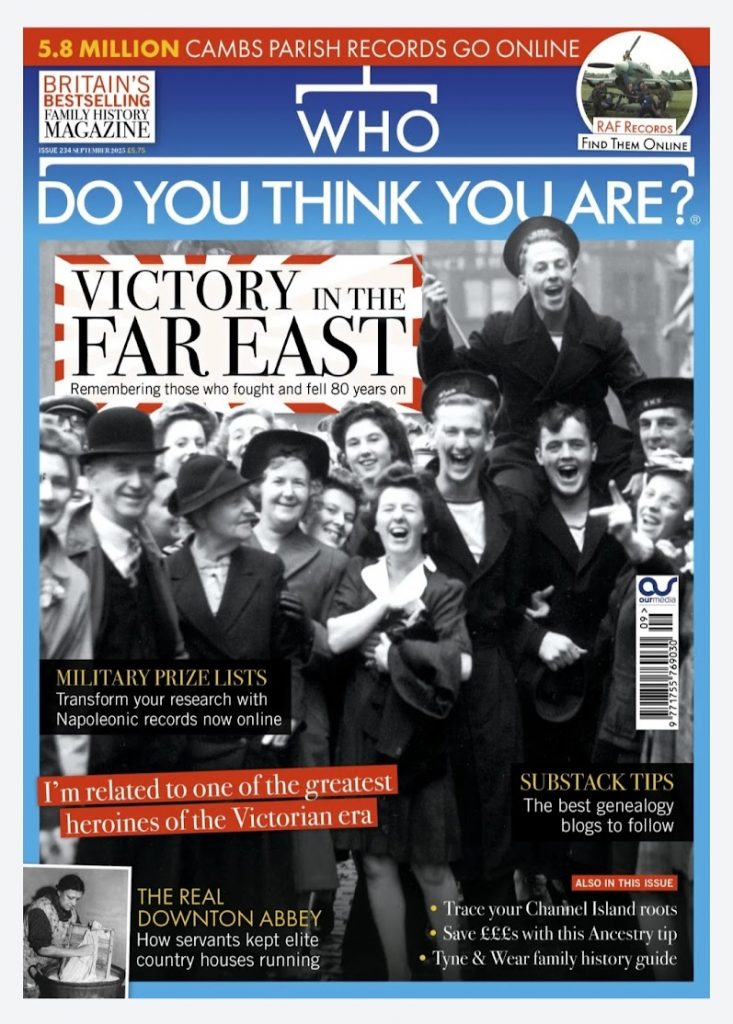
Tyne and Wear Heritage in Who Do You Think You Are? Magazine

The Around Britain section of Who Do You Think You Are? magazine (September 2025, available now) focuses on Tyne and Wear. The feature highlights the rich variety of archives, collections, and heritage resources available to those exploring family and local history in the region.

Showcased resources include:

  • Digitised parish registers and nonconformist records,
  • Shipbuilding and coal-mining archives that shaped the region’s industrial past,
  • The Unlocking North East Jewish Heritage project,
  • Thousands of digitised local newspapers, and
  • A directory of archives, libraries, and museums across Tyne and Wear and County Durham.

The section also draws attention to community-led projects that are uncovering hidden histories and bringing new perspectives to local heritage.

Pick up a copy to see how Tyne and Wear’s people and places are represented and discover resources that may help you trace your own connections to the region.

Celebrating the Launch of the North East Funerary Heritage Group

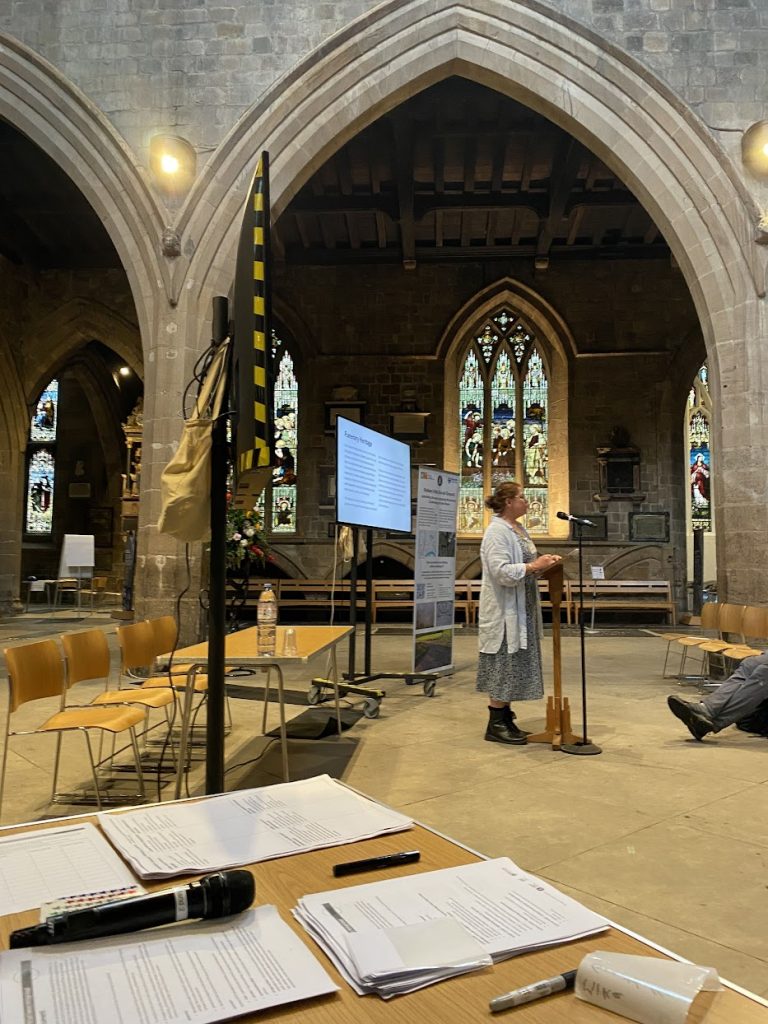
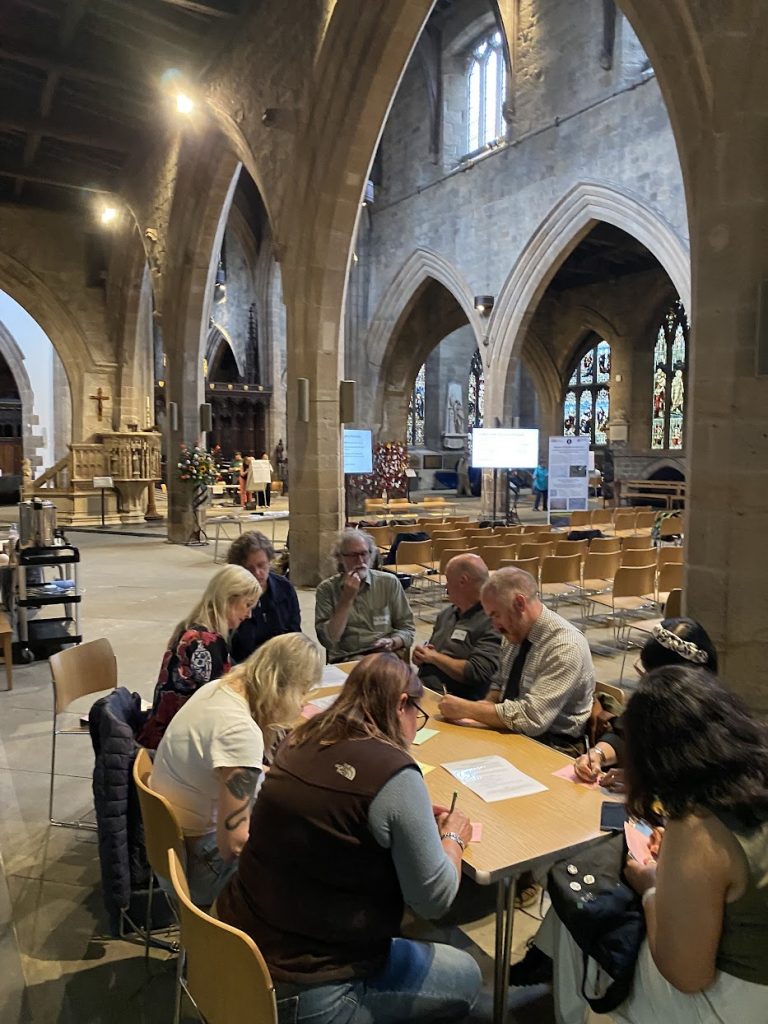
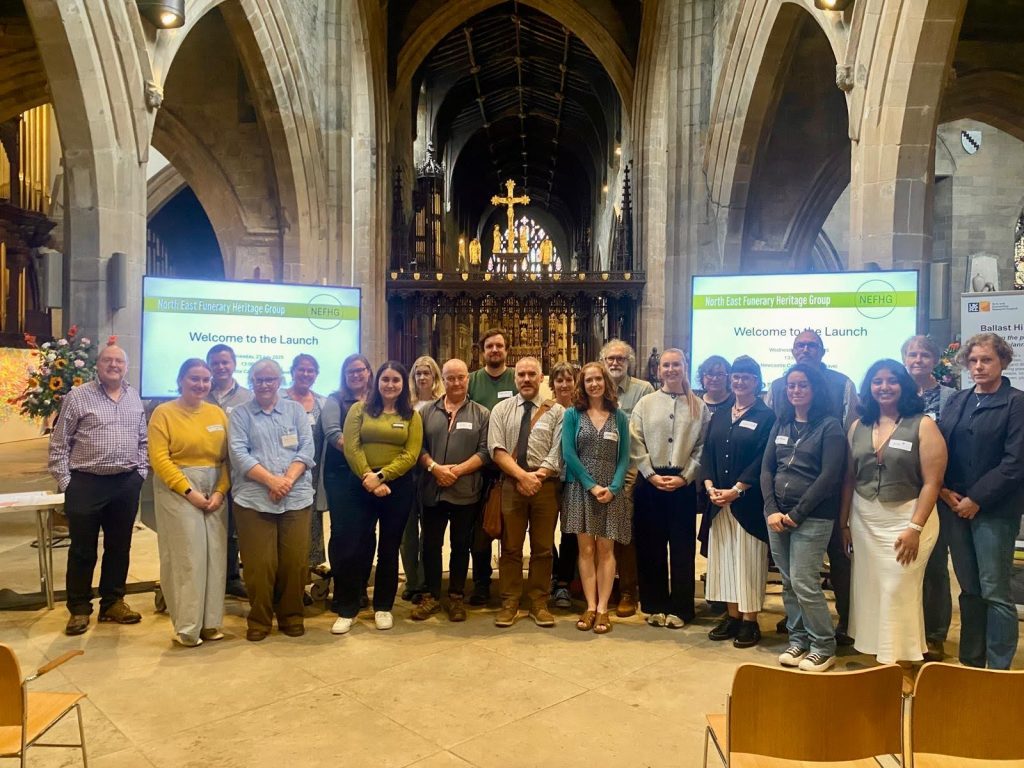
On Wednesday, 23 July 2025, the North East Funerary Heritage Group (NEFHG) held its inaugural launch event in the beautiful Nave of Newcastle Cathedral. With roughly 27 participants in attendance, the afternoon brought together researchers, heritage professionals, community group members, and volunteers from across the region to explore what funerary heritage means in the North East and how we can work together to support it.

The event opened with a welcome by Very Reverend Lee Batson, Dean of Newcastle, and an introduction by Dr Myra Giesen, Chair of the NEFHG Steering Committee. Myra offered a working definition of funerary heritage and introduced the group’s aims: to foster collaboration, raise awareness, and support the preservation and understanding of burial spaces and commemorative practices in the region.

A panel discussion followed, featuring contributions from:

  • Mark Manuel (Archaeology, Durham University)
  • Pete Bradshaw (Archives, County Durham Archives/The Story)
  • Gary Taylorson (Volunteer and Family Historian, Newcastle)
  • Don O’Meara (Heritage Oversight and Protection, Historic England)

Together, they reflected on sector-specific opportunities and challenges in funerary heritage, offering grounded insights from their respective areas of expertise.

Participants then rotated through three workshops:

Co-Creating NEFHG (led by Myra Giesen) – exploring what members want from the group and shaping its strategic direction.

Building a Common Language and Skills Base (led by Anna Walsh) – identifying shared terminology and skill needs.

Mapping NEFHG (led by Abby Hammond) – locating existing projects, burial spaces, and research activities in the region.

Tea, coffee, and conversation flowed during a networking break, before the group reconvened for a closing plenary. Facilitators shared highlights from the breakout sessions and outlined next steps.

    A number of exciting ideas emerged, including the creation of practical toolkits (e.g. on gravestone cleaning and family history research), a regional resource hub, and a regular programme of events to sustain engagement.

    This successful event was supported by the Ballast Hills Burial Ground project, which helped to sponsor and promote the launch as part of its wider commitment to inclusive heritage engagement.

    The NEFHG Steering Committee will now regroup to review the event outcomes and share suggested next steps with members in the coming weeks. Together, we can connect across disciplines, share skills and stories, and ensure the region’s funerary heritage continues to be recognised, researched, and respected.

    NEFHG Launch – Spotlight on Regional Funerary Heitage

    As we prepare for the formal launch of the North East Funerary Heritage Group (NEFHG) this Wednesday at Newcastle Cathedral, we’re thrilled to see growing interest in the initiative, highlighted in a recent piece by Cultured. North East: “Graveyard Preservation Network to Launch in Newcastle.” Read the article.

    The article captures the motivation behind NEFHG: to bring together a diverse network of individuals and organisations working to preserve, research, and engage with the region’s burial spaces and funerary heritage. Whether your interest is in social history, community archives, conservation, or contemporary engagement, NEFHG aims to support and connect your efforts.

    Our launch event on 23 July 2025 will introduce the group’s goals, share the draft governance and strategic framework, and open the floor to discussion about what our shared future could look like. Panel discussions and workshops will explore key opportunities and challenges, and there will be space for networking and collaboration.

    This is just the beginning. As the article notes, there’s a real appetite for coordination, practical support, and sharing of knowledge—from how to care for a gravestone to how to interpret burial landscapes. We hope NEFHG will become a hub for this kind of exchange.

    If you’re planning to attend the launch, we look forward to seeing you there. If you’re just learning about us now, please explore the website, become a member, and consider how you might like to be involved.

    Together, we can make funerary heritage more visible, valued, and better connected across the North East.

    NEFHG Launch Deadline Set for Friday, 18 July

    We’re excited to invite you to the official launch of the North East Funerary Heritage Group. The new regional initiative bringing together individuals and organisations interested in the past, present, and future of burial spaces and funerary heritage across the North East.

    This free event is open to researchers, heritage professionals, volunteers, and community members with an interest in anythin funerary heritage. The afternoon will include space for conversation, networking, and input into the group’s future direction, as well as a chance to explore shared concerns and emerging ideas.

    Whether you’re involved in research, community projects, conservation work, or simply passionate about funerary heritage, we’d love to see you there.

    Please register by 18 July to ensure your place and do share this invitation with others who might be interested.

    We look forward to seeing you at Newcastle Cathedral!

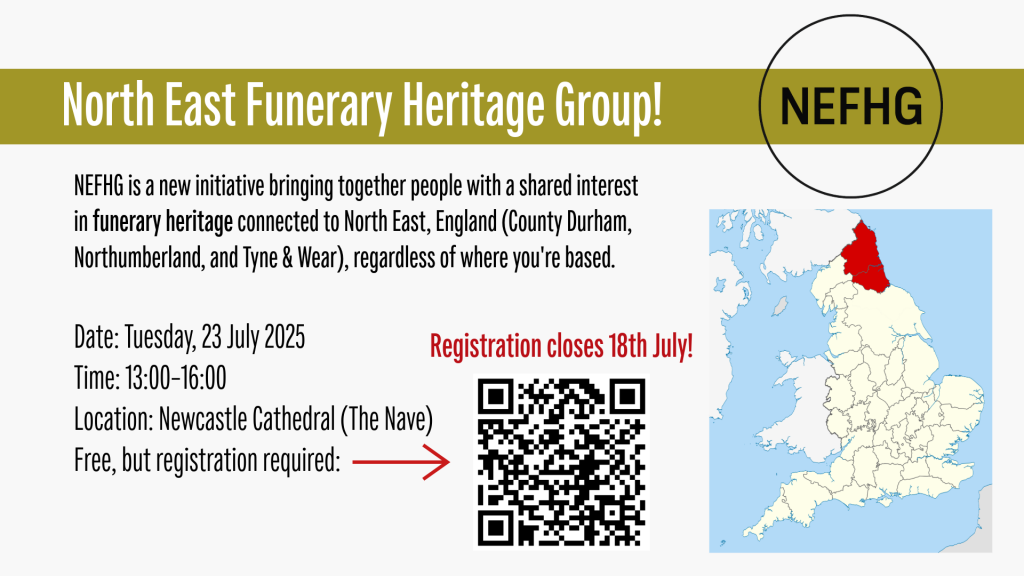
    📣 Register Now: NEFHG Launch Event – 23 July 2025 at Newcastle Cathedral

    We’re pleased to invite you to the official launch of the North East Funerary Heritage Group (NEFHG), taking place this summer in the heart of Newcastle:

    🗓 Wednesday, 23 July 2025
    🕐 13:00–16:00
    📍 Newcastle Cathedral (The Nave)
    👉 Register to attend here

    This event is open to all NEFHG members and anyone with an interest in the funerary heritage of County Durham, Tyne and Wear, or Northumberland—whether you’re a researcher, practitioner, local resident, or simply curious.

    The launch is not just a celebration, but a moment to reflect on where we’re starting and where we hope to go. With an informal and inclusive format, the afternoon will include:

    • A panel discussion on current challenges and opportunities in funerary heritage
    • Rotating breakout sessions to explore emerging themes and identify shared priorities
    • Time for networking and building collaborations

    Booking is required to help us plan for seating and light refreshments (tea and coffee will be provided).

    📢 Please help us spread the word! Feel free to share this post or the registration link with colleagues, collaborators, and anyone you think might be interested. The more perspectives we bring together, the stronger our network will become.

    For questions or accessibility needs, contact Dr Myra Giesen (Chair) at myra.giesen@newcastle.ac.uk.

    We look forward to seeing you in July!

    Event Sponsor: Ballast Hills Burial Ground Project

    Save the Date: NEFHG Launch Event at Newcastle Cathedral

    We are delighted to announce that the North East Funerary Heritage Group (NEFHG) will formally launch this summer. We hope you will join us to mark the occasion.

    🗓 Date: Wednesday, 23 July 2025
    🕐 Time: 13:00–16:00
    📍 Venue: Newcastle Cathedral (The Nave)

    What is NEFHG?

    NEFHG is a regional network dedicated to exploring, preserving, and promoting the rich funerary heritage of North East England. It fosters collaboration, shares best practices, and supports inclusive approaches to understanding and caring for burial spaces and memorial traditions. As it grows, NEFHG aims to serve as a hub for knowledge exchange, advocacy, and public engagement.

    The Launch

    This launch event will bring together individuals and organisations with a shared interest in funerary heritage—whether you’re involved in cemetery care, local history, cultural heritage, or simply want to learn more. It offers a welcoming space to connect, reflect, and help shape the group’s future direction.

    The afternoon will include:

    • A formal introduction to NEFHG and its vision
    • Short talks and a keynote or thematic panel
    • Breakout discussions on pressing issues and emerging opportunities
    • Time for networking, refreshments, and informal conversation

    A full agenda and registration details will be shared soon. We are looking into organising morning fieldtrips to several local site of funerary interest, so stay tuned for details.

    🔗In the meantime, you can register to become a member by complete our membership form. It is free to join.

    📬 Questions? Email: myra.giesen@newcastle.ac.uk

    Please mark your calendars and help us spread the word, feel free to forward this post to others who might be interested. We hope to see many of you there.

    This event is being partially sponsored by the Ballast Hills Burial Ground Project, which works to uncover and share the hidden histories of one of Newcastle’s forgotten  burial spaces.

    Warm wishes,
    Myra Giesen
    Chair, NEFHG Steering Group

    What Is Funerary Heritage? Exploring Its Meaning and Importance

    Funerary heritage is more than a reflection of how societies confront death; it is a celebration of life, memory, and identity. By exploring and preserving these treasures, we honour the legacy of those who came before us while deepening our understanding of the human experience.

    Funerary heritage is a term that encompasses the cultural, historical, and artistic elements associated with the ways societies commemorate death and honour the deceased. It includes the material and intangible aspects of how human communities handle the universal reality of mortality, providing insights into their beliefs, values, and traditions.

    What Does Funerary Heritage Include?

    Funerary heritage is remarkably diverse, reflecting the multitude of cultural, religious, and historical contexts in which it is found. Its components can be broadly categorized as follows:

    Material heritage includes cemeteries and burial grounds, which are spaces designated for interment and often designed with cultural or symbolic significance. It also includes gravestones and monuments, ranging from simple headstones to elaborate mausoleums, and funerary artifacts such as items buried with the deceased or used in burial rites, like coffins, urns, or mementos.

    Architectural heritage encompasses mausoleums, crypts, and memorial chapels that showcase architectural styles and craftsmanship, as well as funerary sculpture, such as statues of angels or allegorical figures, which often carry profound symbolic meanings.

    Intangible heritage includes rituals and practices, such as ceremonies, prayers, and customs surrounding death, burial, and mourning. It also involves oral traditions, including stories, myths, or songs passed down to preserve the memory of the deceased, and the use of symbols like flowers, colours, or animals in funerary contexts to convey messages about life, death, or spirituality.

    Documentary/archival heritage incorporates burial registers, which are records of those interred at specific sites, as well as epitaphs and inscriptions that capture personal histories, societal norms, or collective memory. These elements are particularly valuable for exploring family history, as they often provide genealogical information, such as names, dates, and familial relationships, offering a tangible link to ancestral narratives.

    Why Is Funerary Heritage Important?

    Funerary heritage holds immense value for both individuals and societies, serving multiple purposes. It offers cultural insight, providing a window into the worldviews, religious beliefs, and social hierarchies of different times and places. Burial grounds and associated grave goods often provide evidence of historical events, migration patterns, and demographic changes, contributing to our understanding of historical context. Funerary monuments and decorations reflect the artistic styles and craftsmanship of their eras, showcasing artistic expression.

    For many, funerary heritage fosters a sense of connection to ancestors and a deeper appreciation of shared humanity. Exploring gravesites, inscriptions, and burial records can help individuals trace their lineage and uncover stories about their forebears, making it an invaluable resource for family history research. Protecting funerary heritage ensures that future generations can learn about and appreciate their cultural and historical roots.

    Challenges in Preserving Funerary Heritage

    Preserving funerary heritage is not without challenges. Time, environmental conditions, urban development, and neglect can all take a toll on burial places. Moreover, cultural sensitivities and differing attitudes toward death and burial can complicate efforts to protect these sites.

    Legal frameworks, such as the Native American Graves Protection and Repatriation Act (NAGPRA) in the United States, highlight the ethical dimensions of funerary heritage preservation. Such policies aim to balance the interests of researchers, communities, and descendants in ways that respect cultural and spiritual traditions.

    Engaging with Funerary Heritage through NEFHG

    The North East Funerary Heritage Group (NEFHG) is at the beginning of an exciting journey, bringing together individuals and organisations who share a passion for the rich funerary heritage of North East England. As a newly formed group in 2025, NEFHG is fueled by the energy and vision of its members, united in their commitment to preserving and celebrating this vital aspect of our shared history.

    NEFHG aspires to become a vibrant hub for connecting people who care about funerary heritage. By organising networking events and fostering collaborative projects, the group aims to build a supportive community where enthusiasts, researchers, and local advocates can exchange knowledge, share stories, and spark new ideas. Each gathering is an opportunity to plant the seeds of inspiration and to strengthen the bonds that will sustain this growing movement.

    As a clearinghouse for resources and connections, NEFHG provides a platform for its members to explore innovative approaches to conservation and education. Whether it’s uncovering hidden stories, preserving gravestones, or reimagining how we engage with burial spaces, NEFHG is dedicated to making a lasting impact on the region’s cultural and historical landscape.

    This is the start of something extraordinary. By joining NEFHG at this formative stage, you can play a key role in shaping its future and ensuring that the funerary heritage of North East England is cherished and understood for generations to come. Together, we can honour the past, enrich the present, and inspire the future.