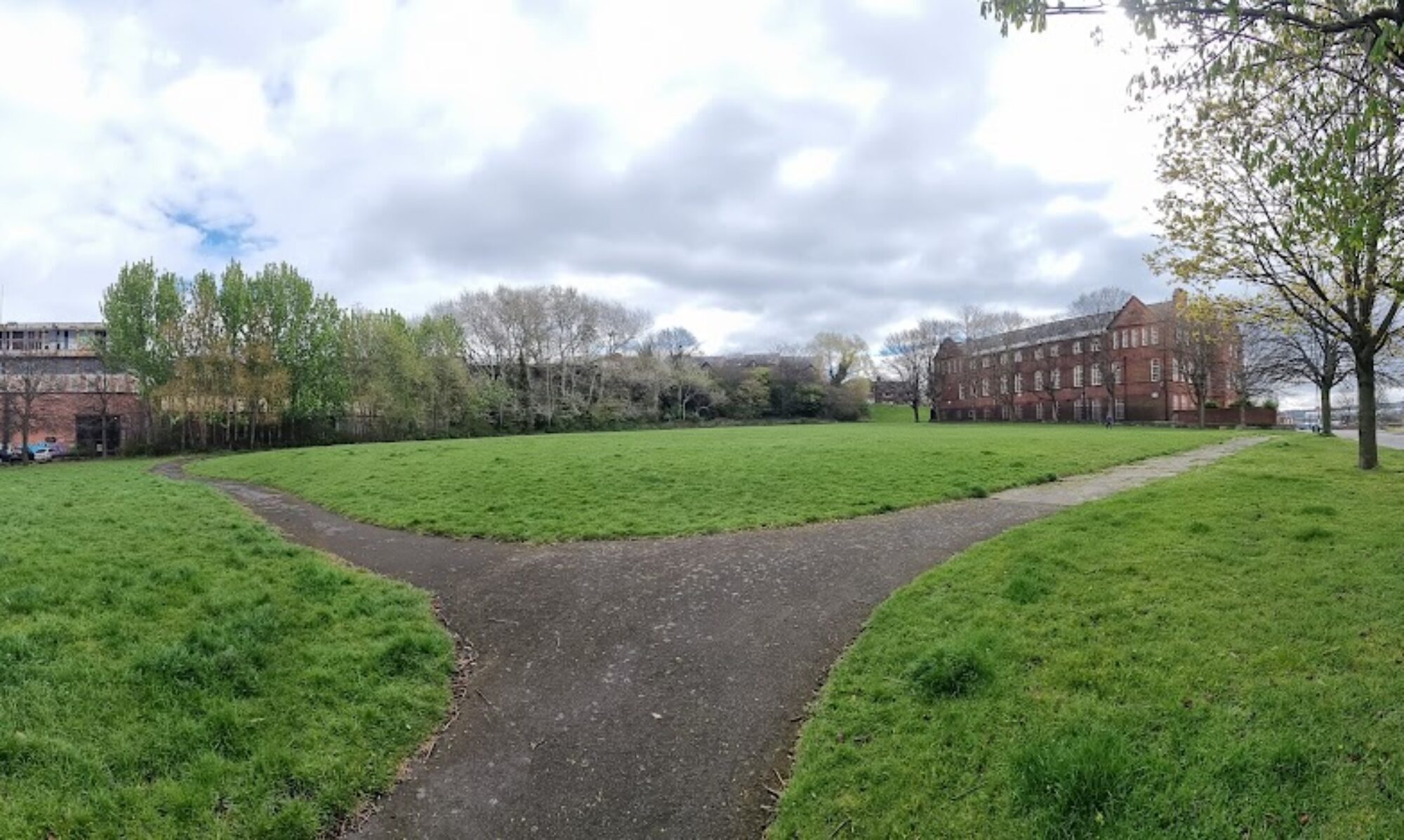
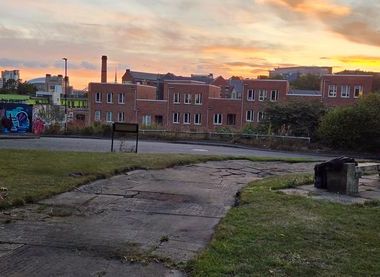
Ballast Hills Burial Ground occupies approximately three acres in the Ouseburn Valley, within Newcastle upon Tyne’s Byker Ward. It is one of the city’s oldest surviving unconsecrated burial grounds. The site was used for more than 200 years and contains the remains of tens of thousands of people.
The project brings together research, conservation, community activity, and public engagement centred on the burial ground, its archives, and the many lives connected with Ballast Hills. This blog shares new discoveries, personal stories, events, volunteering opportunities, resources, and updates on our work.
We would be pleased to hear from descendants, family historians, researchers, volunteers, and anyone who has information, memories, photographs, or other connections with Ballast Hills.
First published in May 2025 and updated in August 2026.
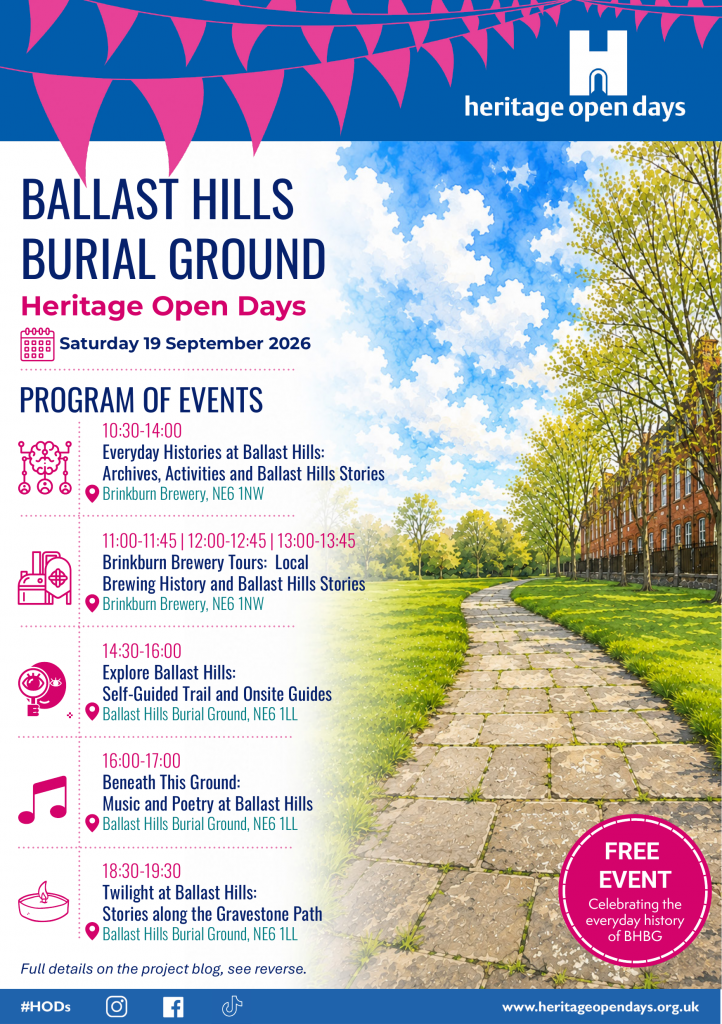
Ballast Hills Burial Ground welcomed visitors for Heritage Open Days on Saturday 19 September, with a full day of events exploring the people, stories, and working lives connected with this remarkable place.
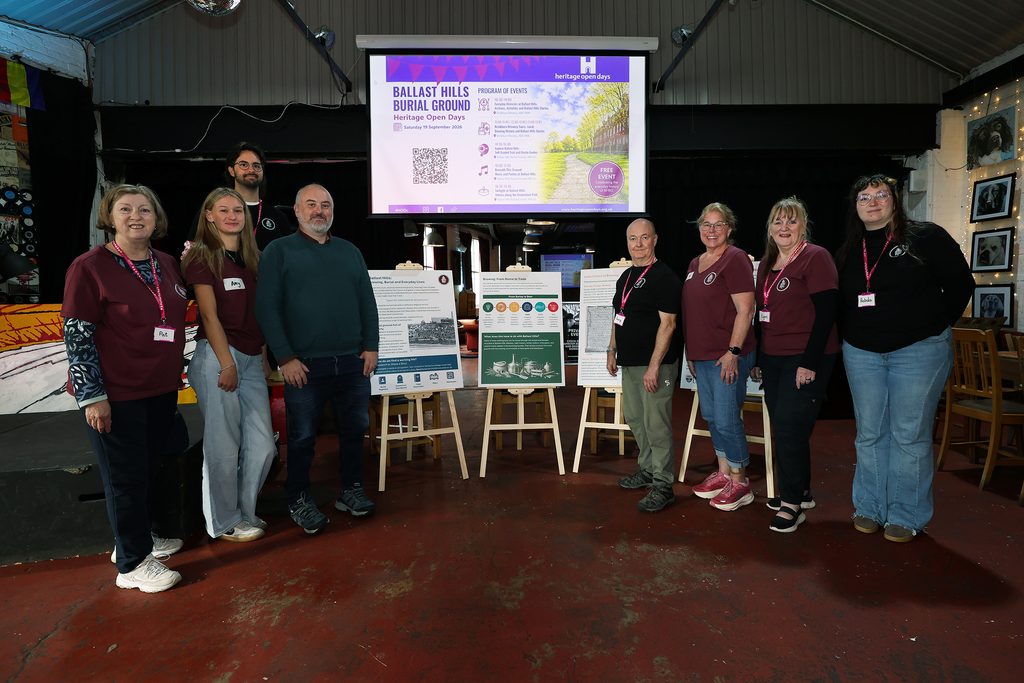
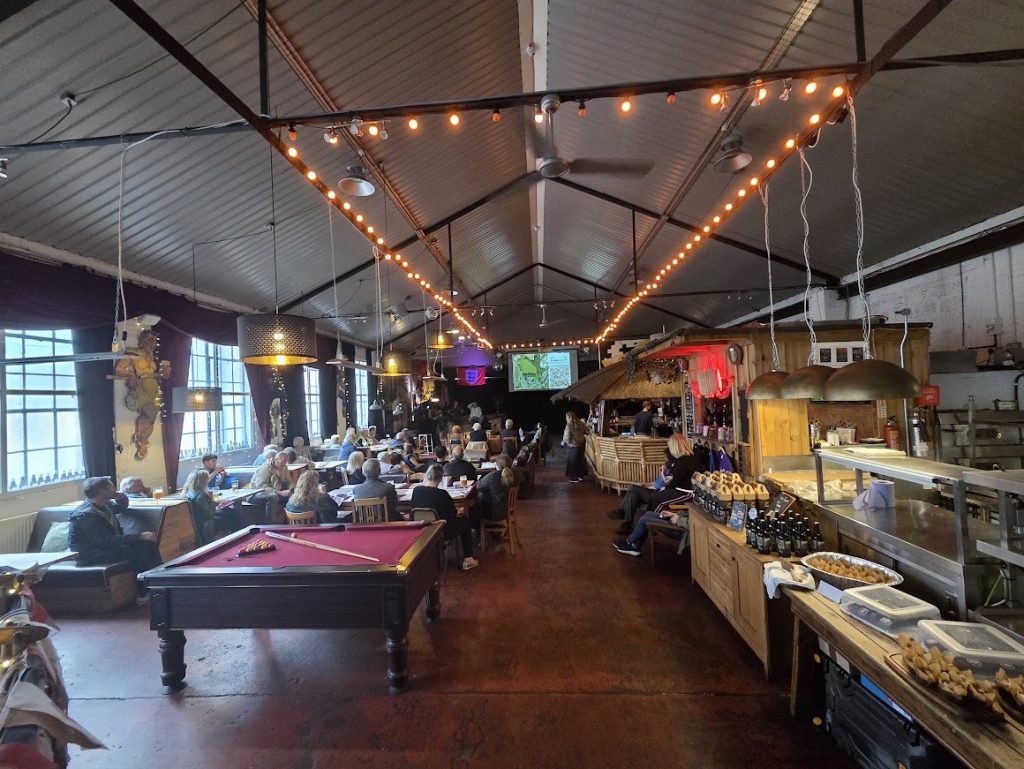
The day began at Brinkburn Street Brewery with Everyday Histories at Ballast Hills, where visitors could explore some of the research emerging from the AHRC-funded Ballast Hills project. Our exhibition, Ballast Hills: Brewing, Burial and Everyday Lives, looked at the connections between brewing and the burial ground, tracing the people involved in growing, making, moving, and selling beer in eighteenth- and nineteenth-century Newcastle.
Brinkburn also ran three brewery tours during the day. We do not have photographs from the tours, unfortunately, but they proved particularly popular and added another dimension to the story by linking the history of brewing with a working brewery in the Ouseburn today.
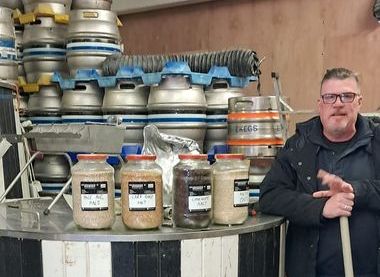
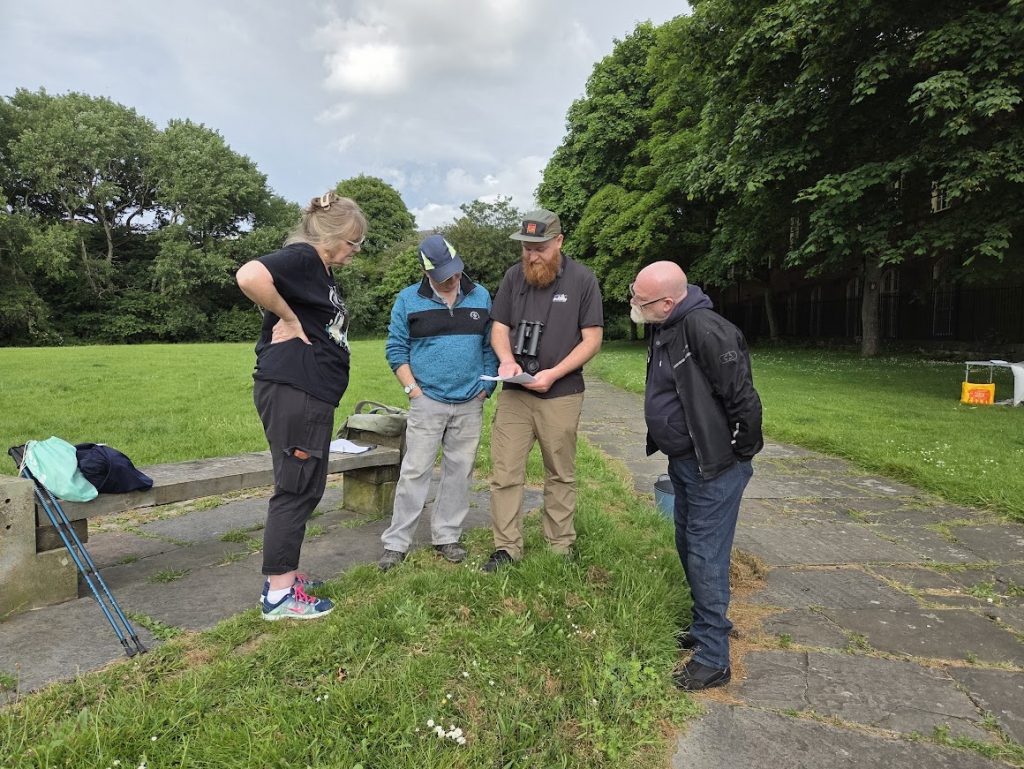
The Ballast Hills Heritage Open Days team at Brinkburn Street Brewery. Photo: John Hipkin.
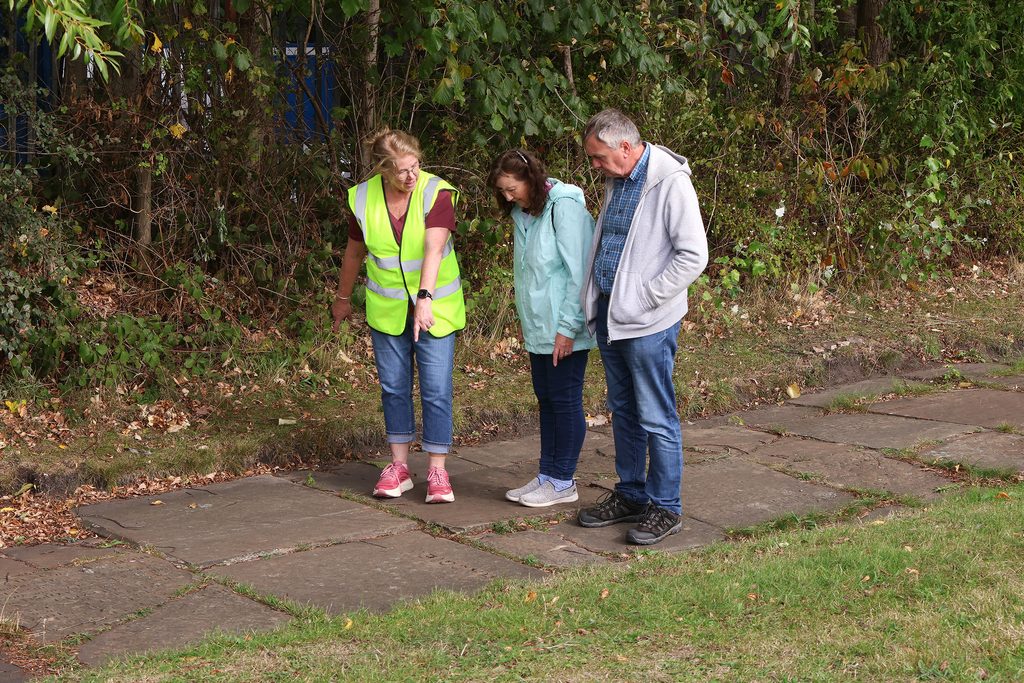
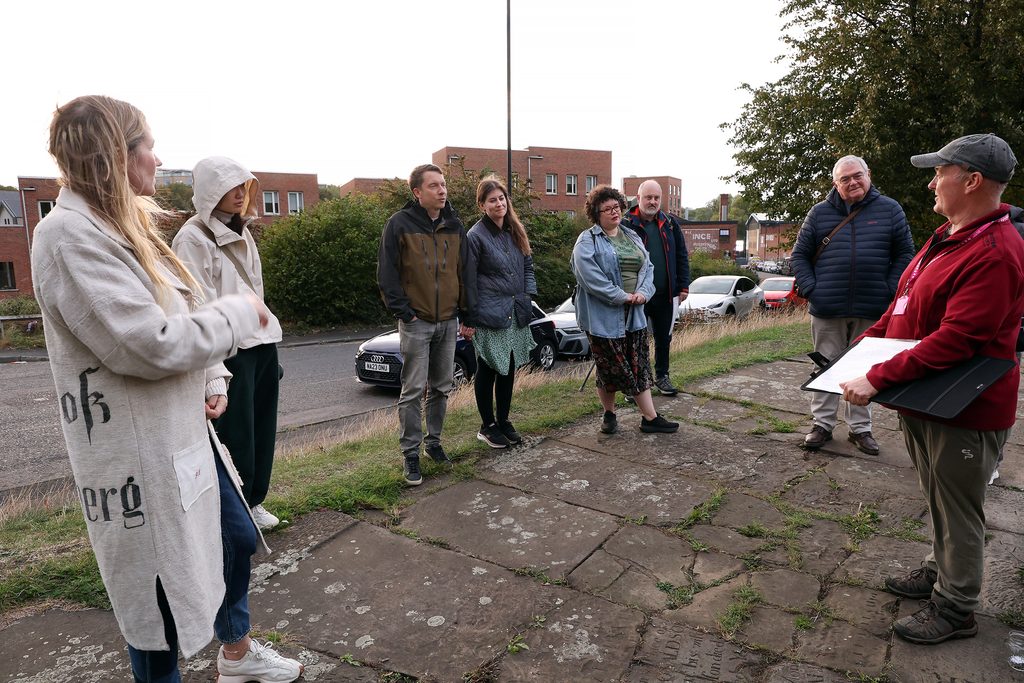
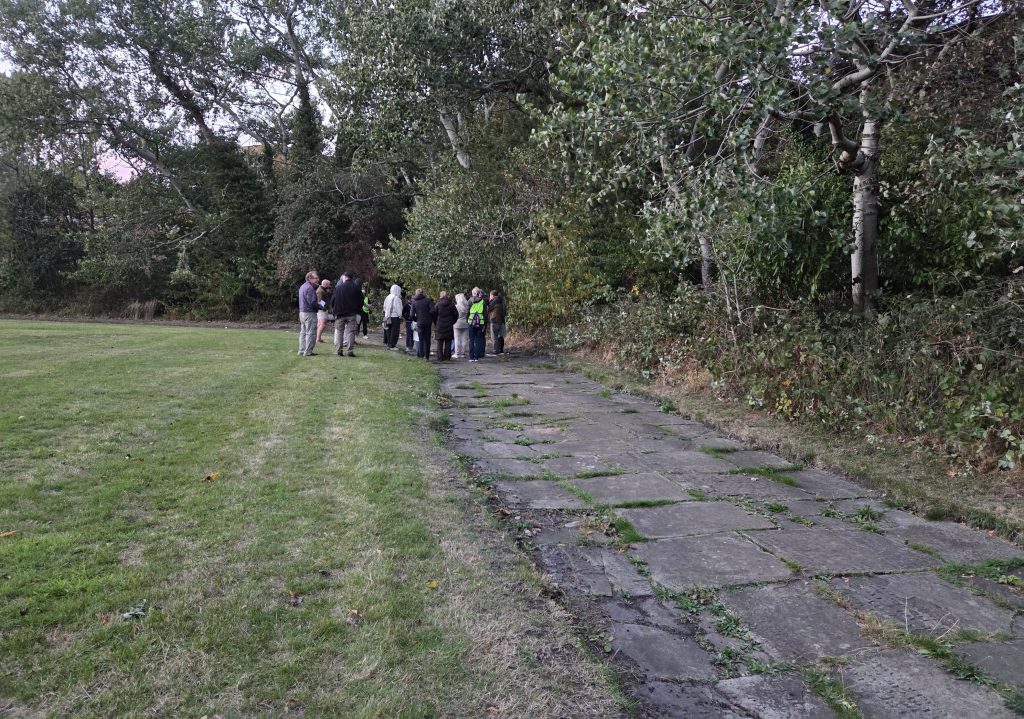
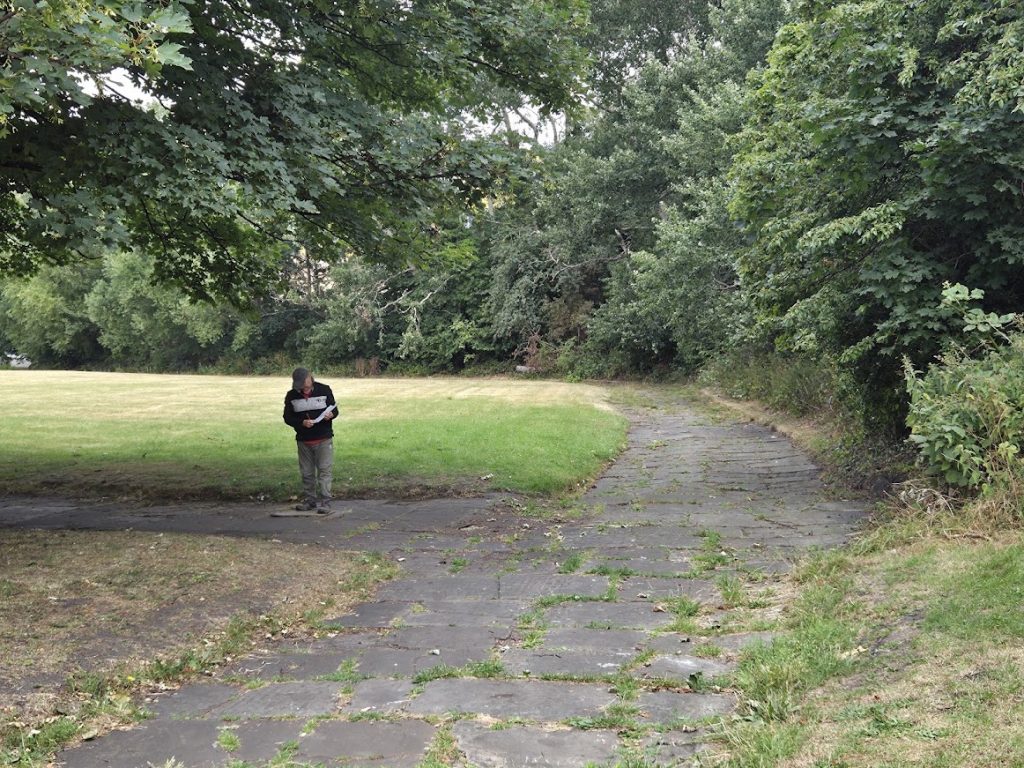
The focus moved to Ballast Hills Burial Ground during the afternoon for Explore Ballast Hills: Self-Guided Trail and Onsite Guides. Visitors followed the gravestone path, talked with our volunteer guides, and heard about some of the thousands of people buried at the site. The surviving stones offer only a glimpse of a burial ground that received more than 40,000 interments, but they provide a starting point for recovering the lives of people who might otherwise have disappeared from Newcastle’s history.
Exploring the gravestone path and surviving memorials at Ballast Hills. Photos: John Hipkin.
One of the pleasures of the day was seeing people stop, look closely at the stones, and ask questions. Ballast Hills can easily appear to be simply a green open space. Events such as Heritage Open Days give us an opportunity to make its history visible again and to explain why the site deserves greater recognition and care.
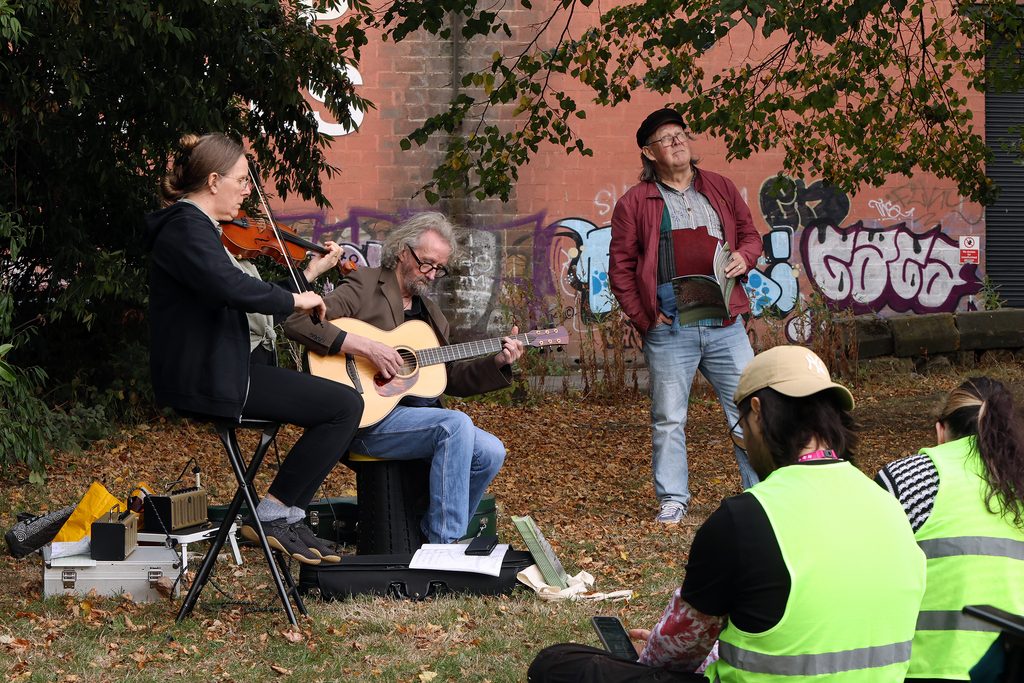
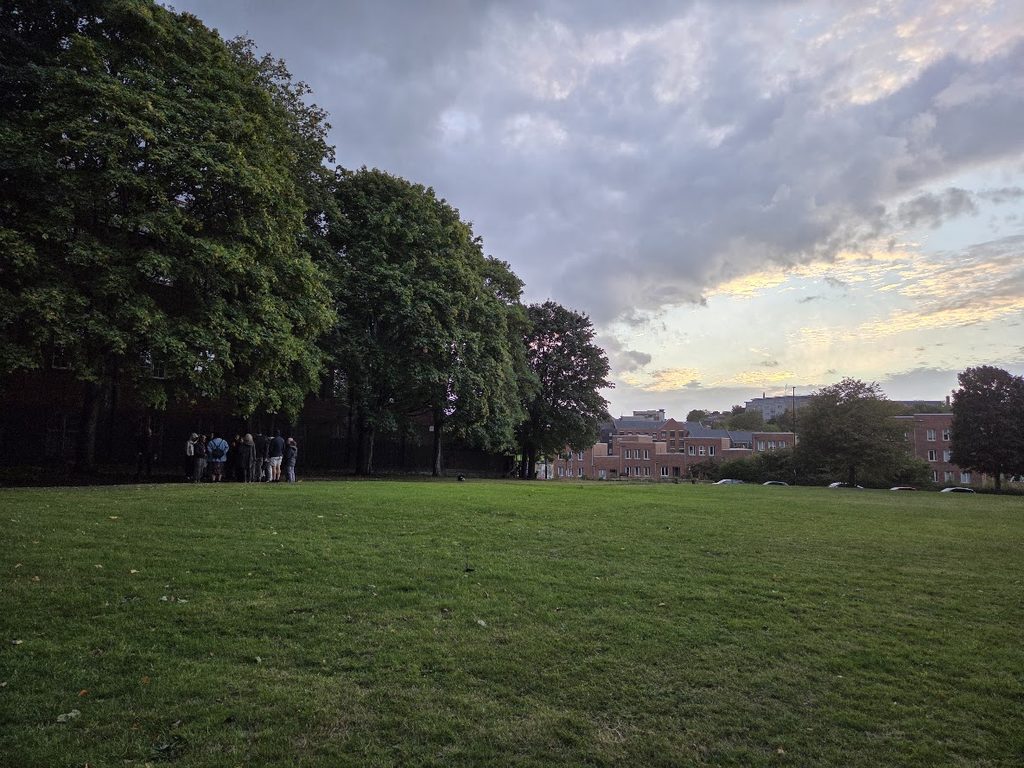
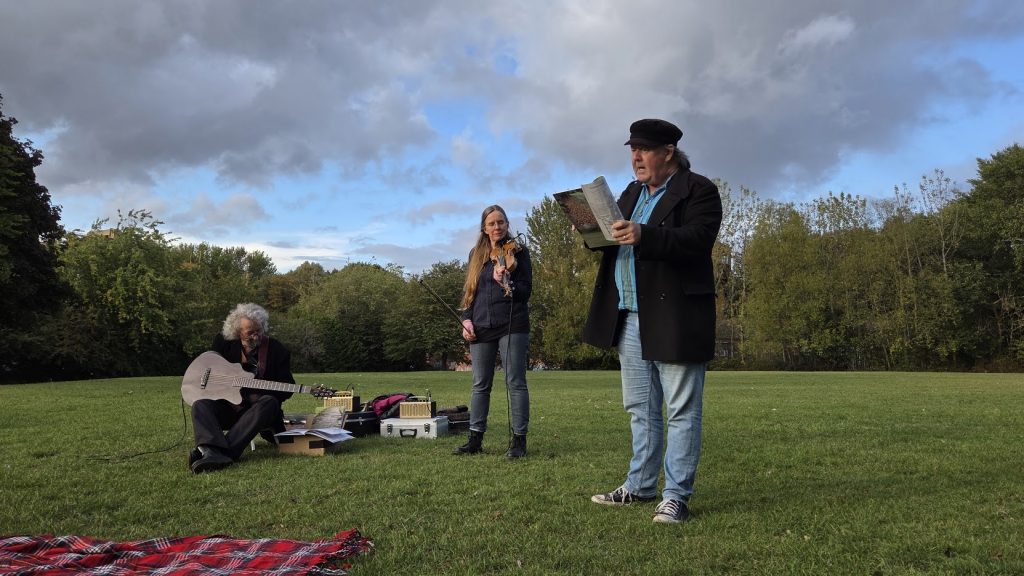
Later in the afternoon, Beneath This Ground brought music and poetry into the burial ground. The performance drew on themes of memory, place, loss, and the lives represented at Ballast Hills, with the audience gathering informally beneath the trees.
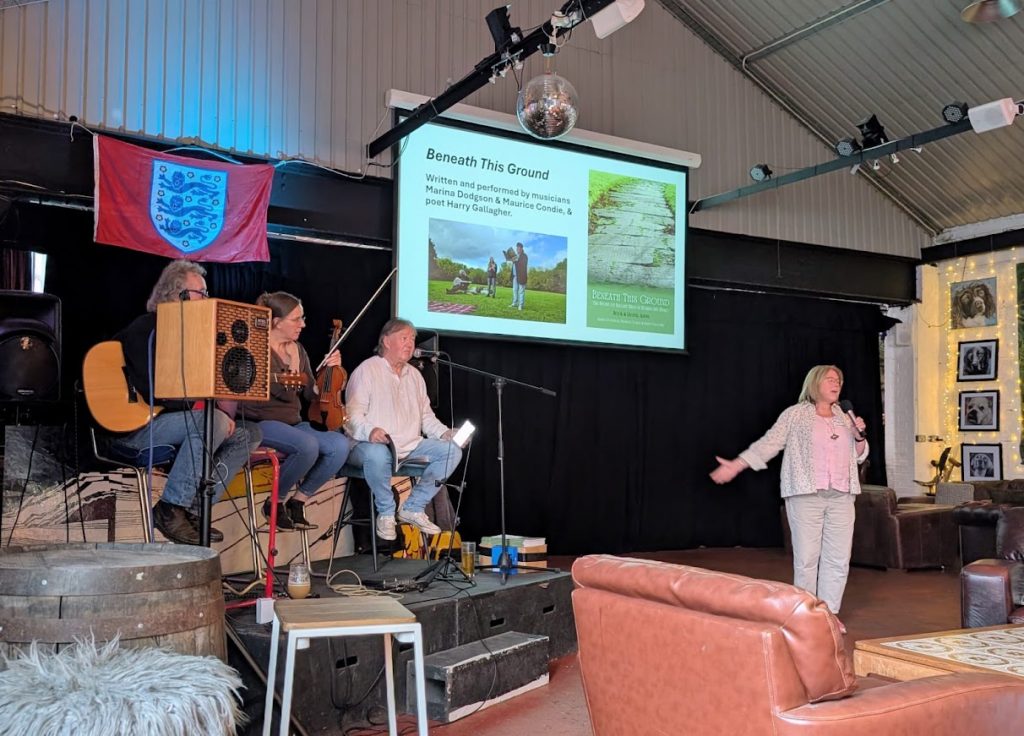
Beneath This Ground (musicians Marina Dodgson & Maurice Condie, and poet Harry Gallagher) at Ballast Hills Burial Ground. Photo: John Hipkin.
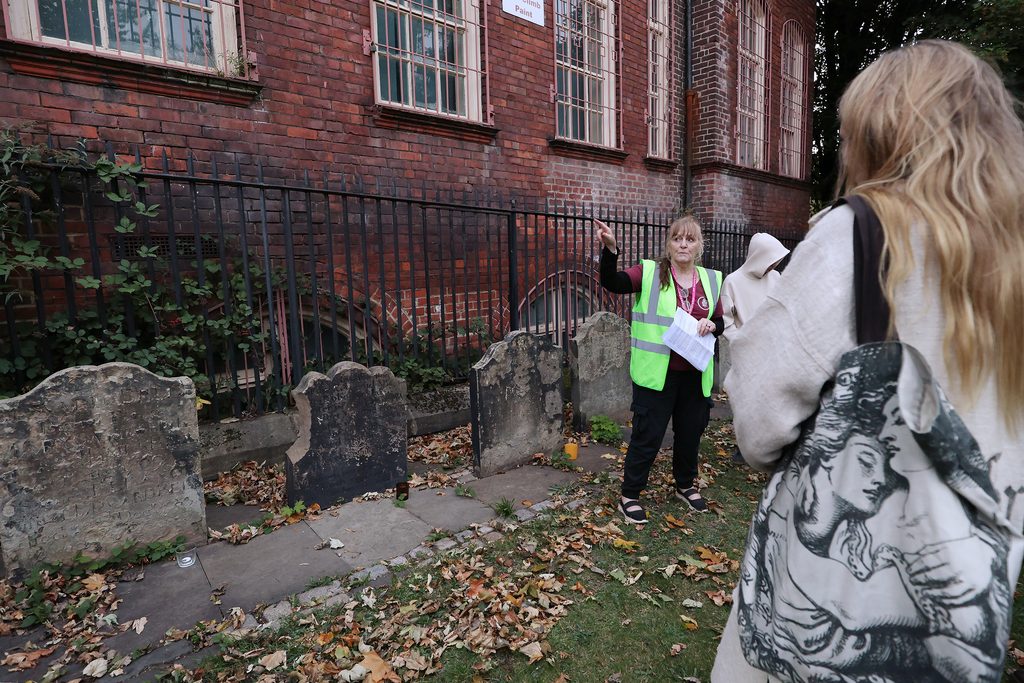
The day continued into the evening with Twilight at Ballast Hills: Stories along the Gravestone Path. Visitors moved through the burial ground as storytellers introduced some of the people whose memorials survive, placing individual lives back into the wider history of Newcastle.
Twilight walk photos by John Hipkin and Myra Giesen.
Heritage Open Days also showed how much can happen when research, community involvement, local organisations, volunteers, and creative work come together. We are very grateful to everyone who gave their time, to Brinkburn Street Brewery for hosting us, and, most importantly, to everyone who came along and shared their interest in Ballast Hills.
The event forms part of our continuing work to research, protect, and raise awareness of this extraordinary historic burial ground.
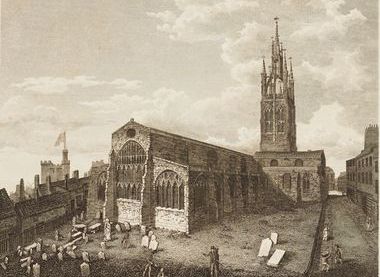
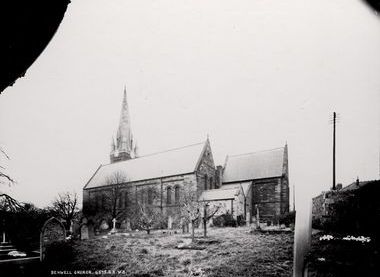
Heritage Open Days 2026 offers several opportunities to explore Newcastle’s history through its burial grounds, churchyards, graveyards, and cemeteries. The events take place on different days, so visitors can enjoy all four.
Saturday 12 September, at 11.00 am, 12.00 noon, and 1.00 pm
These lively 25 to 30-minute tours explore some of the stories and mysteries connected with the Cathedral churchyard, including the Vampire Rabbit and the possibility that a pirate lies buried within the grounds.
Pre-booking is preferred but not compulsory. Places are limited to 15 people per tour.
Image: St Nicholas’Churchyard, early 19th century. Courtesy of Newcastle University Special Collections & Archives.
A short talk and film at West End Library are followed by a guided visit to St James’ Graveyard. The event explores the working lives of pitmen, engineers, farmers, shopkeepers, nurses, and other people from West Newcastle.
Pre-booking is required. Places are limited to eight people.
Image: St James’ Church and part of the Graveyard, Newcastle Libraties.
Thursday 17 September and Sunday 20 September, 11.00 am–1.00 pm
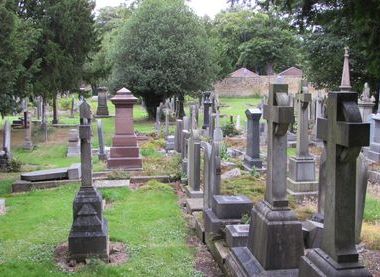
The Friends of Jesmond Old Cemetery will lead a guided walk sharing newly researched stories about the people buried within this historic garden cemetery, its monuments, and its changing character.
Pre-booking is required. Booking closes on 7 September.
Ballast Hills Burial Ground, Ouseburn
Saturday 19 September
Ballast Hills will host a full day of free activities, including archive displays and family-history activities at Brinkburn Brewery, self-guided exploration and onsite guides at the burial ground, music and poetry, and evening storytelling along the gravestone path. Come along for one event or enjoy the full programme.
Most activities are drop-in, but places on the Brinkburn Brewery tours must be booked in advance.
Each burial place offers a different perspective on Newcastle’s past. Visitors can explore churchyard mysteries, working lives, cemetery stories, and the overlooked histories of Ballast Hills across four separate days.
Why choose only one? Heritage Open Days make it possible to enjoy them all.
Preparations for Heritage Open Days are gathering pace at Ballast Hills Burial Ground.
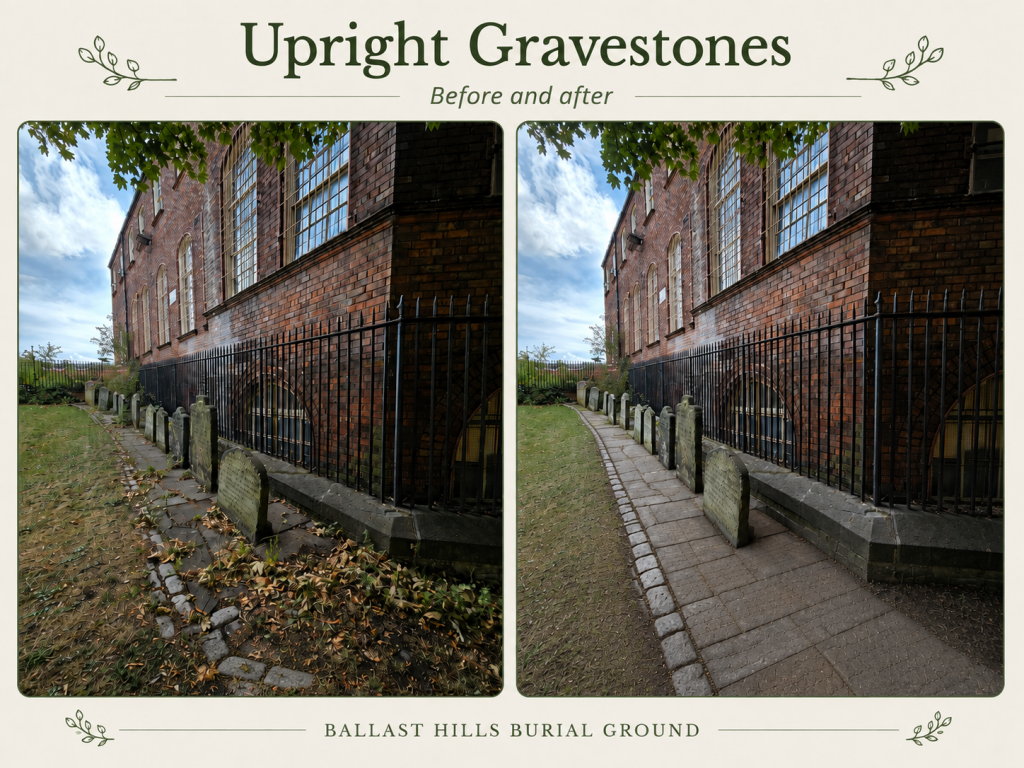
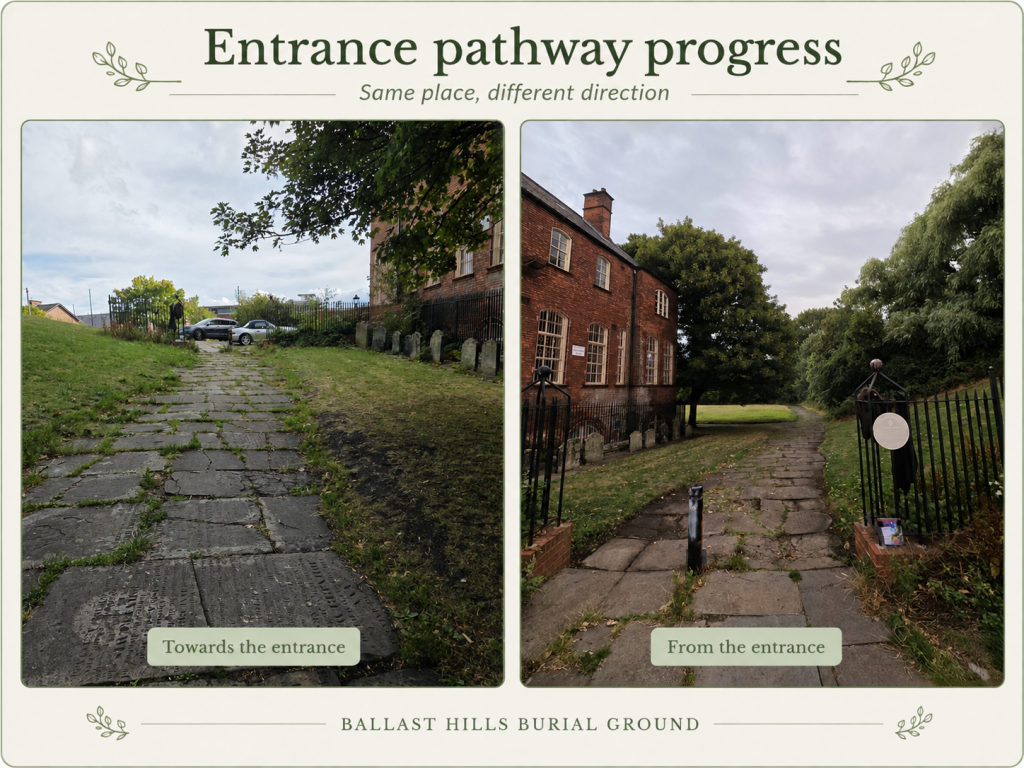
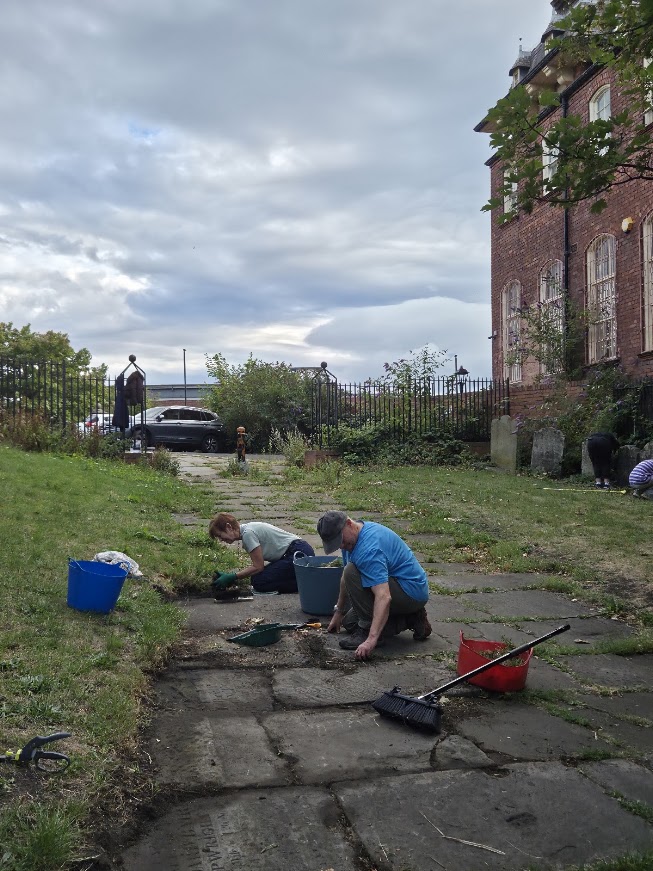
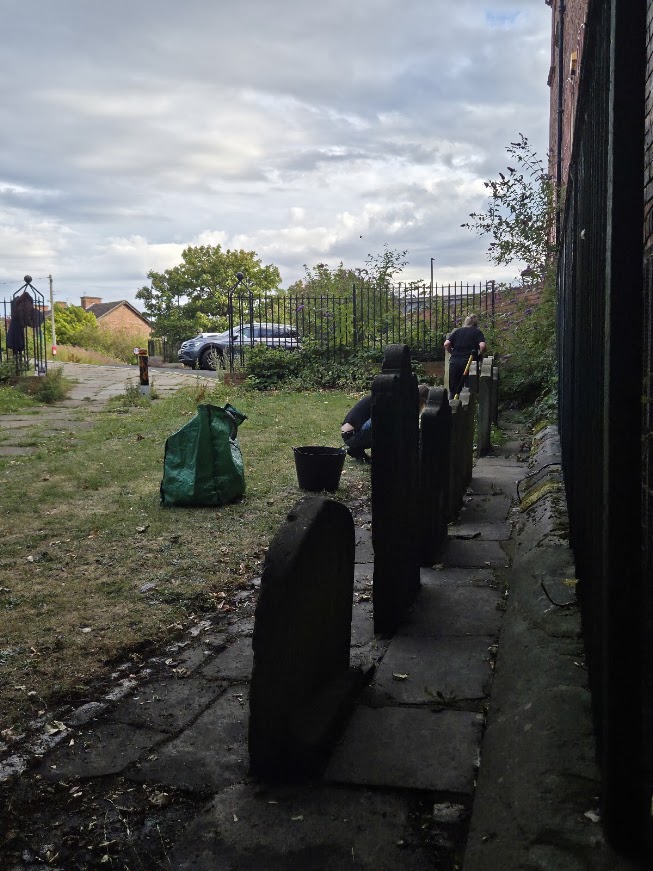
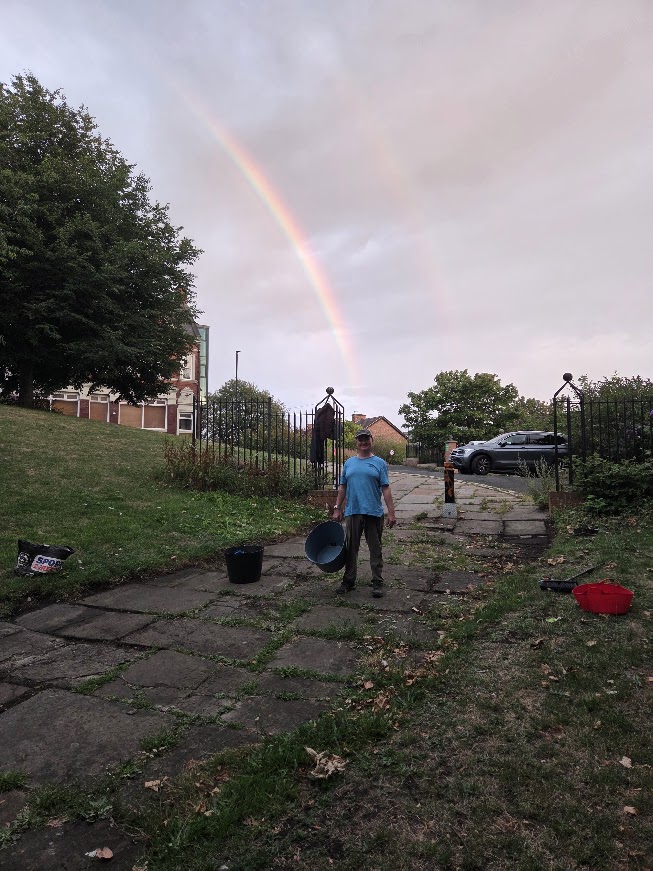
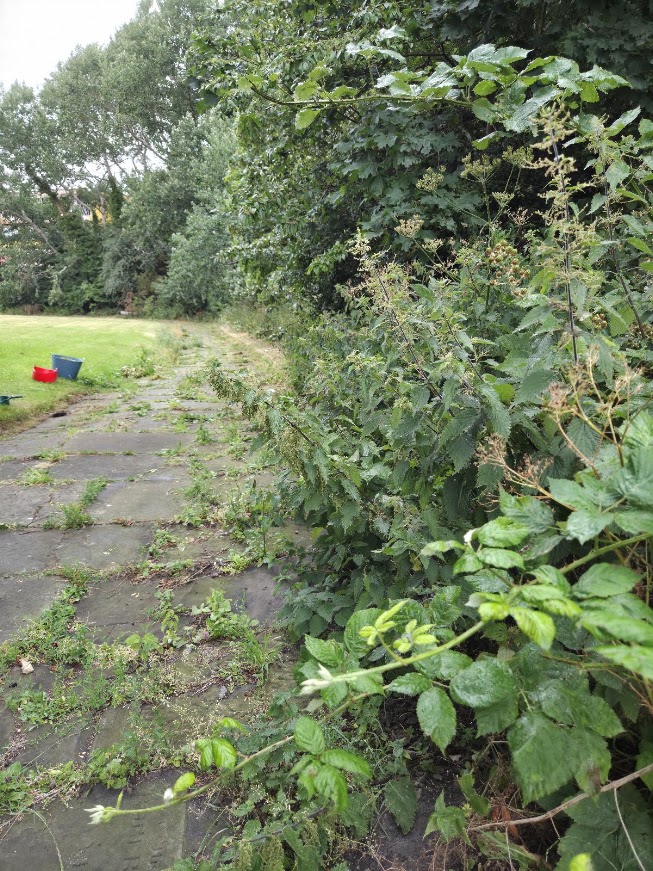
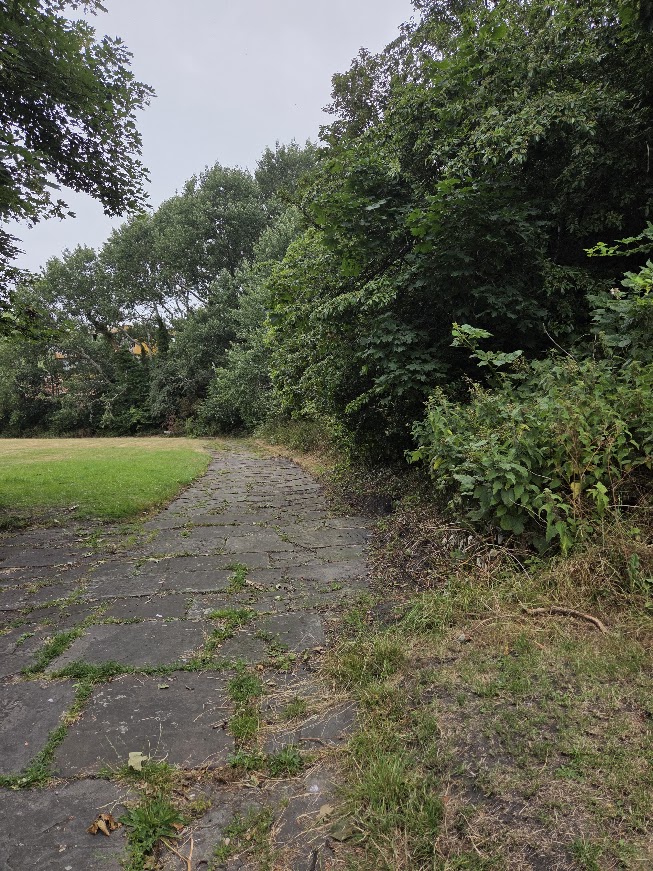
Volunteers made excellent progress during the 4 August 2026 Green Day, concentrating on the Albion Row entry way, the upright gravestones, and the gravestone pathways. They carefully removed weeds, leaves, and accumulated soil, revealing more of the stonework and making the routes clearer for visitors.
The before-and-after photographs show the difference that a few hours of patient work can make.
Our remaining scheduled Green Day will take place on Tuesday 1 September, but more work remains before Heritage Open Days on Saturday 19 September. We hope to arrange additional sessions during the weeks leading up to the event.
Anyone interested in helping should contact ballast.hills@newcastle.ac.uk. We can also arrange a bespoke Green Day on another suitable date when a group of five or more volunteers can attend.
Thank you to everyone who has already contributed time, energy, and care. Each session helps us to prepare the burial ground to welcome visitors and share its remarkable history.
Saturday, 19 September 2026 Brinkburn St Brewery and Ballast Hills Burial Ground
Join us for a full day of free events exploring the everyday histories of Ballast Hills Burial Ground. Used from about 1640 to 1853, Ballast Hills became the resting place of more than 40,000 people from varied religious and social backgrounds.
Our Heritage Open Days programme will bring some of their stories into view through archives, activities, brewing history, self-guided exploration, music, poetry, and an atmospheric twilight visit. Visitors are welcome to attend one event or combine several across the day. Download A5 Flyer here.
10.30 am to 2.00 pm Brinkburn St Brewery Drop in, no booking required
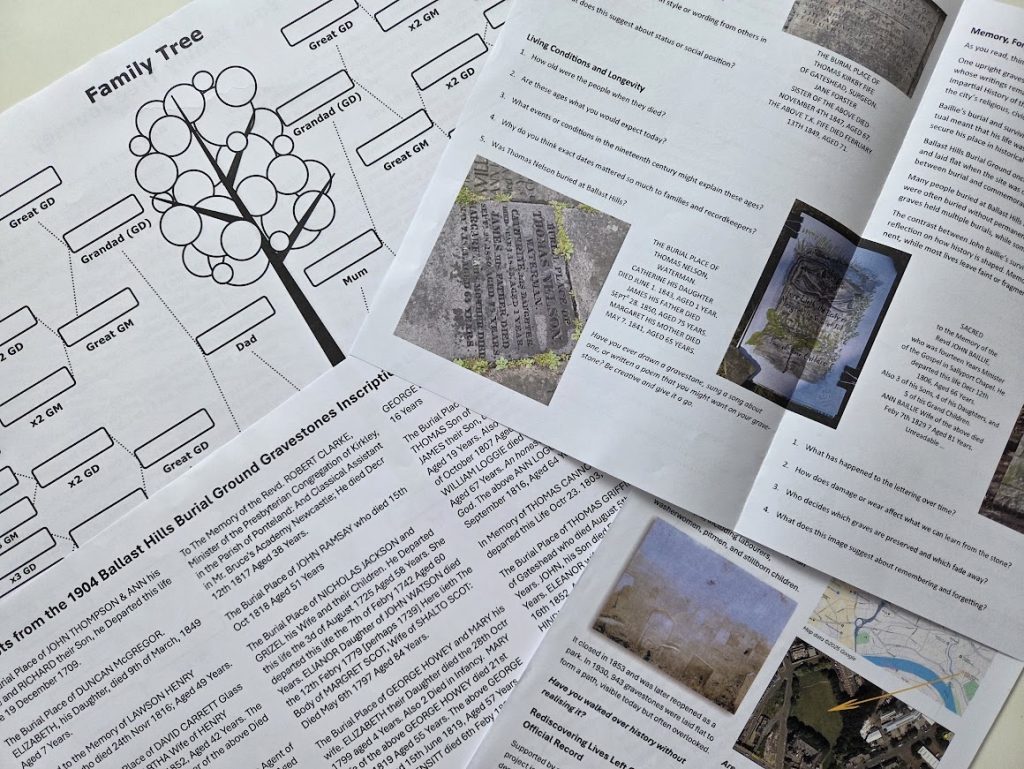
Explore maps, burial records, gravestone inscriptions, family-history activities, learning resources, and local stories. We will be available to answer questions and introduce some of the people and communities connected with Ballast Hills.
11.00 am, 12.00 noon, and 1.00 pm Brinkburn St Brewery Advance booking required
Tour the working brewery and discover local brewing history alongside a small display about brewing-related occupations represented among the people buried at Ballast Hills. Each tour lasts 45 minutes, places are limited, and participants must be aged 18 or over.
2.30 to 4.00 pm Ballast Hills Burial Ground Drop in, no booking required
Try the redeveloped Ballast Hills Explorer’s Guide, follow the trail at your own pace, or speak with guides stationed around the site. This session offers a relaxed way to explore the gravestone pathway, hear stories, and ask questions.
4.00 to 5.00 pm Ballast Hills Burial Ground No booking required
Experience original poetry and fiddle music by Marina Dodgson, Maurice Condie, and Harry Gallagher. This site-specific performance draws on the lives, losses, working experiences, and memories of people buried at Ballast Hills. Visitors may wish to bring a portable chair or blanket.
6.30 to 7.30 pm Ballast Hills Burial Ground Drop in, no booking required
Return at dusk for an informal exploration of the burial ground. Guides will share stories along the gravestone pathway while visitors move through the site at their own pace.
Plan Your Visit
All events are free. Only the brewery tours require advance booking.
The burial ground events take place outdoors, and some areas are uneven. Please wear suitable footwear, dress for the weather, and remember that all visitors under 18 must be accompanied by an adult.
Please also explore the wider Heritage Open Days programme and discover the many other free events taking place across Newcastle and the surrounding area.
We look forward to welcoming you for a day of discovery, creativity, conversation, and everyday histories.
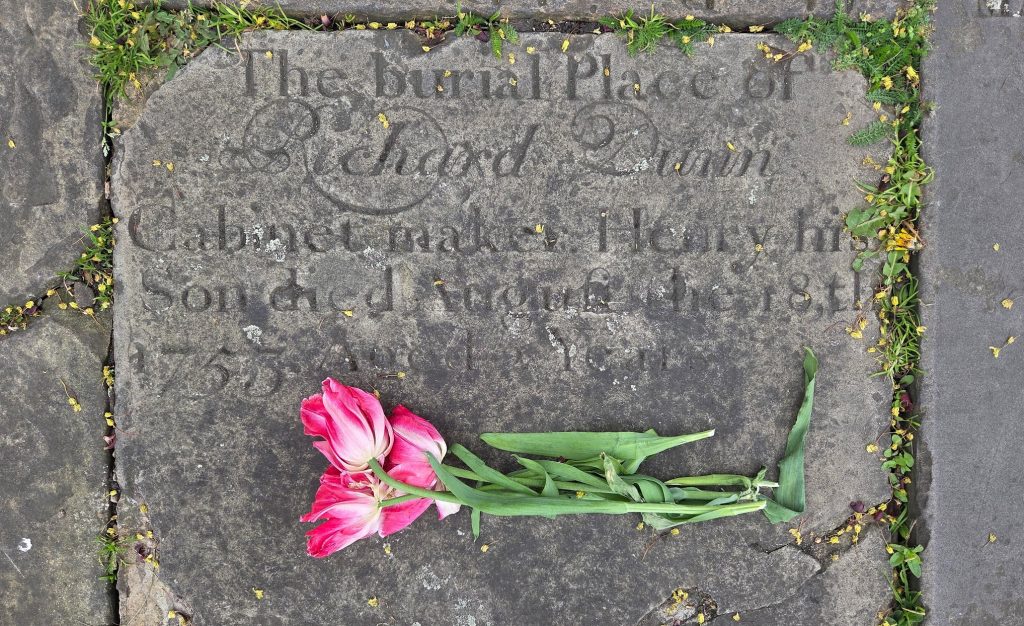
The circular pathway at Ballast Hills Burial Ground is made from gravestones that were removed from their original positions and reused when the site was redesigned as a public open space. The pathway now forms one of the most visible surviving features of the burial ground and preserves evidence for many of the people once buried there.
All 273 pathway segments were recorded in full during summer 2025. Volunteers documented the location, measurements, condition, visible inscriptions, and other features of each segment. As many people contributed to the survey, the project also planned a validation exercise to check the consistency and accuracy of the completed records.
Myra Giesen and Gary Taylorson recorded a random sample of 35 pathway segments for a second time, with additional help from Lynn Taylor. This represents just over 10% of the total. The repeat recording allowed the project to compare independently completed forms and assess the consistency and accuracy of the original survey, including locations, measurements, condition descriptions, and inscription details.
The completed survey provides an important baseline condition assessment of the gravestones that survive today. Many stones are worn, damaged, incomplete, or difficult to read. A reliable record of their present condition will support future monitoring, conservation planning, and research.
The survey will also allow comparisons with earlier inscription lists from 1817, 1904, and 1929. These records capture the gravestones at different points in the burial ground’s history. Comparing them with the current survey may help us to trace changes in condition, identify stones that have been moved or lost, and recover information from inscriptions that can no longer be read.
We are now ready to begin transcribing all 273 recording forms. This next stage will turn the handwritten field records into structured digital data that can be searched, checked, and compared with the historic inscription lists.
No specialist knowledge is required, and guidance will be provided. Anyone interested in helping with the transcription can contact Myra at ballast.hills@newcastle.ac.uk.
Volunteers have continued to meet at Ballast Hills Burial Ground for Green Days, helping to keep the site tidy, welcoming, and respectful. Recent sessions have included litter picking, light vegetation work, and general site care.
Wild Intrigue also provided an update on the birds using the burial ground, helping us to understand Ballast Hills as both a historic landscape and a living urban green space.
The remaining scheduled Green Days for 2026 are:
Tuesday, 4 August
Tuesday, 1 September
Sessions run from 6.30 to 8.00 pm. Volunteers can meet at the painted shipping container behind The Ship Inn at 6.30 pm, or at Ballast Hills at approximately 6.45 pm. Equipment will be provided, but please wear suitable outdoor clothing and bring your preferred gloves, if you have them.
Everyone is welcome, whether you can join regularly or attend only occasionally. Please contact us at ballast.hills@newcastle.ac.uk with any questions, or to let us know whether we can expect you.
We may arrange a few additional Green Days in the lead-up to our Heritage Open Days programme on 19 September. Please stay tuned for further details.
On 15 June, volunteers, project partners, researchers, performers, and community supporters gathered at Brinkburn St Brewery to celebrate what curiosity has made possible at Ballast Hills Burial Ground. The event marked the close of the AHRC Curiosity Award phase, but not the end of the work.
The presentation focused on four themes: recognition, evidence, people, and protection. The project has helped to make Ballast Hills more visible as a burial landscape, heritage asset, and place of memory, while drawing together evidence from maps, registers, gravestone inscriptions, archives, geophysical surveys, laser scanning, and onsite recording.
The work has also begun to reconnect names in the records with families, occupations, neighbourhoods, descendants, and the wider history of Newcastle. Volunteers made much of this possible, contributing more than 1000 hours, student interns, and project partners.
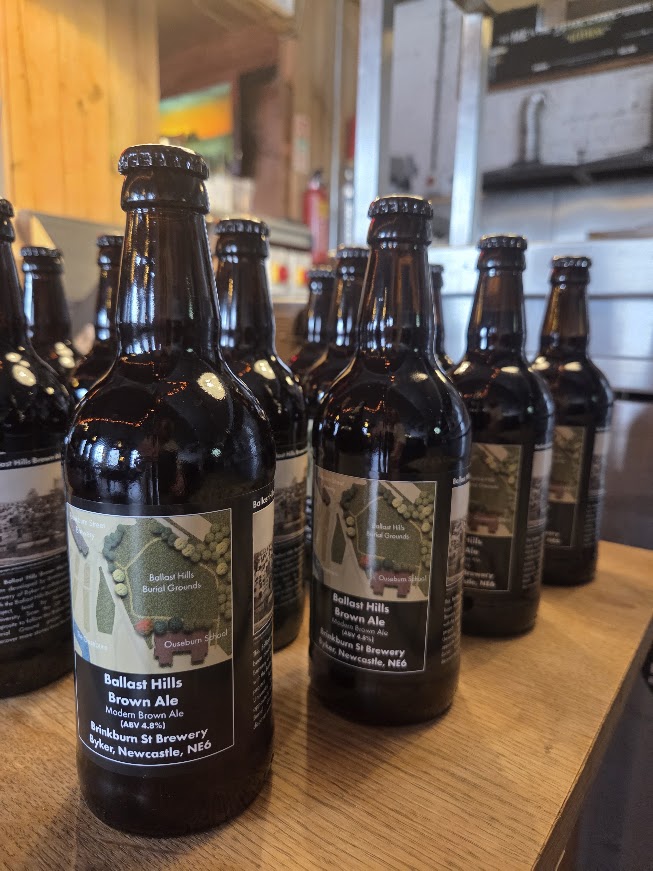
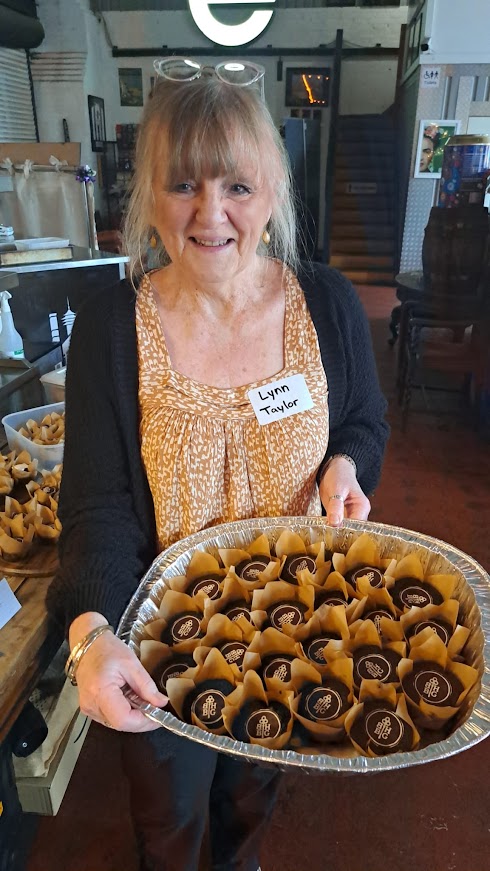
Music and poetry from Beneath This Ground, performed by Marina Dodgson, Maurice Condie, and Harry Gallagher, formed a memorable part of the evening. Guests also explored project handouts, shared conversations, and enjoyed Ballast Hills Brown muffins and Ballast Hills Brown Ale, created with Brinkburn St Brewery.
The evening also recognised the project’s 2026 Newcastle University Engagement & Place Award for Engaging for Cultural Benefit. The final theme, protection, looked ahead to the continuing need for research, documentation, partnership working, and long-term care.
We are grateful to everyone who attended and to all those who contributed their time, knowledge, creativity, and support.
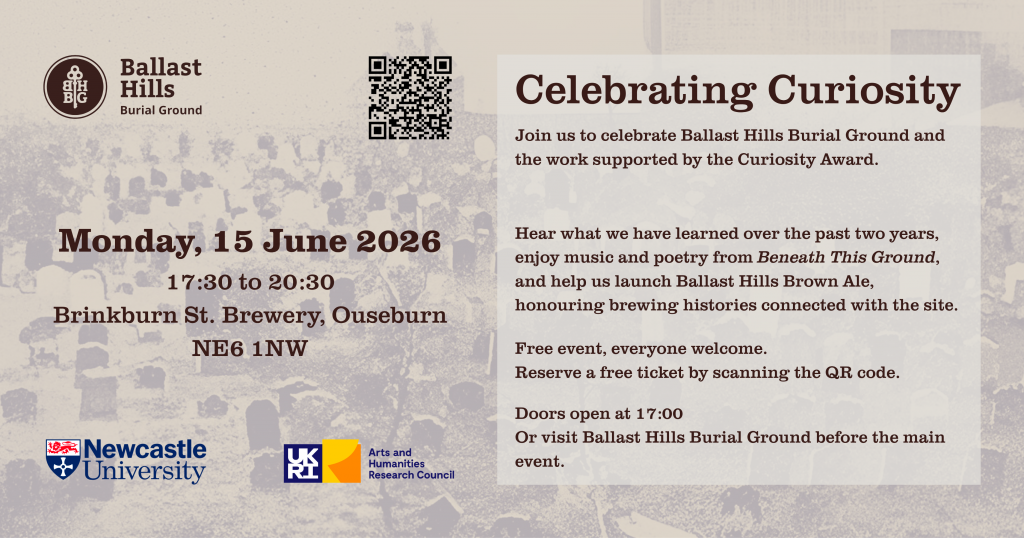
The Ballast Hills Burial Ground project will mark the close of the current AHRC Curiosity Award funding period with a Celebrating Curiosity gathering on Monday, 15 June 2026. Although this particular funding period is coming to an end, work at Ballast Hills will continue through further research, volunteering, public engagement, and partnership activity.
The evening is open to everyone with an interest in Ballast Hills, local history, heritage, poetry, music, community research, or the wider stories connected with the burial ground. Whether you have volunteered, attended previous events, followed the project online, recently heard about the site, or are simply curious to learn more, you are warmly invited to join us.
The programme will include music and poetry from Maurice Condie, Marina Dodgson, and Harry Gallagher, who will share selections from Beneath This Ground. Myra Giesen, Project Lead, will provide an overview of the project and its achievements, alongside special acknowledgements and time to chat, reconnect, and meet others interested in the project.
The celebration will also include the launch of Ballast Hills Brown Ale, honouring brewing histories connected with the site.
Date: Monday, 15 June 2026 Time: 17:30 to 20:30 Arrival from: 17:00 Location: Brinkburn St Brewery, Ouseburn, NE6 1NW
This is a free event, but booking is essential. Book your free ticket here:Celebration of Curiosity
Light snacks, cake and fruit will be provided, while drinks will be available to purchase from the bar. Guests are encouraged to arrive early, with the option to visit Ballast Hills Burial Ground (it is diagonally across the street) before the main event and spend time at the site.
Please feel free to invite a friend, forward the invitation, or share the registration link with anyone who may be interested.
The Ballast Hills Burial Ground project has received a new award from the Newcastle University Catherine Cookson Foundation to redevelop the Ballast Hills Explorer’s Guide.
The award creates a new strand of activity following the AHRC Curiosity Award and supports the continued development of learning and engagement resources for the burial ground.
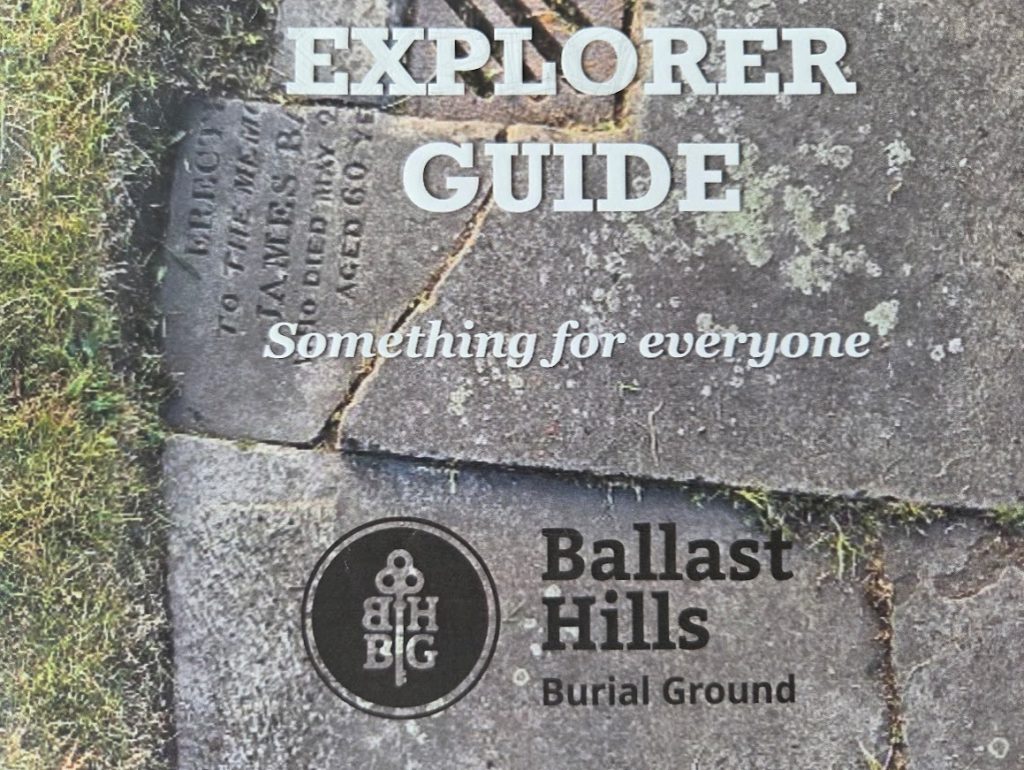
The current Explorer’s Guide encourages visitors to investigate Ballast Hills through observation, questions, clues, and activities. The redevelopment will draw on experience gained from using the guide with Scouts, families, community groups, and other visitors, alongside new research and site recording completed through the wider project.
The work will review what should remain, what needs to change, and what may be missing. It will consider the guide’s content, activities, layout, clarity, accessibility, and suitability for different ages, with the aim of producing a more engaging and useful resource for exploring the burial ground.
We expect to have a beta version ready for visitors to try during Heritage Open Days on 19 September 2026. Feedback gathered on the day will help us to identify any final changes before the guide is completed.
People do not need to wait until September to contribute. Anyone who has used the current guide can share their experience now, including what worked well, what was unclear, and what they think should be retained or changed. People can also join a focus group or download the current Explorer’s Guide, try it, and send us their feedback.
We would particularly welcome comments on whether the guide:
helps you to understand the burial ground;
makes the site interesting and easy to explore;
works for different age groups;
includes suitable activities and information;
raises any access or usability issues.
Feedback will help us to redevelop the guide as a clearer, more engaging, and more useful resource for future visitors.
Anyone who would like to provide feedback, join a focus group, or ask a question can contact Myra at ballast.hills@newcastle.ac.uk.
The Ballast Hills Burial Ground Spring 2026 Newsletter is now available, and it is one of our fullest updates yet.
This issue looks back over a busy start to the year and brings together the many strands of work helping to uncover, care for, and share the histories of Ballast Hills. From cholera, coins, and a colliery explosion to archive discoveries, volunteer reflections, Green Days, public talks, and the Newcastle University Engagement and Place Award win, the newsletter offers a rich snapshot of the project’s recent activity.
The issue also looks ahead to a busy programme of activity in the months to come, including community events, transcription opportunities, volunteering, and plans for Heritage Open Days. We hope it gives a sense of the energy, generosity, curiosity, and care that continue to shape the Ballast Hills Burial Ground project.
Thank you to everyone who contributed to this issue and to the wider project. We are grateful for the time, knowledge, stories, and support that so many people continue to share.