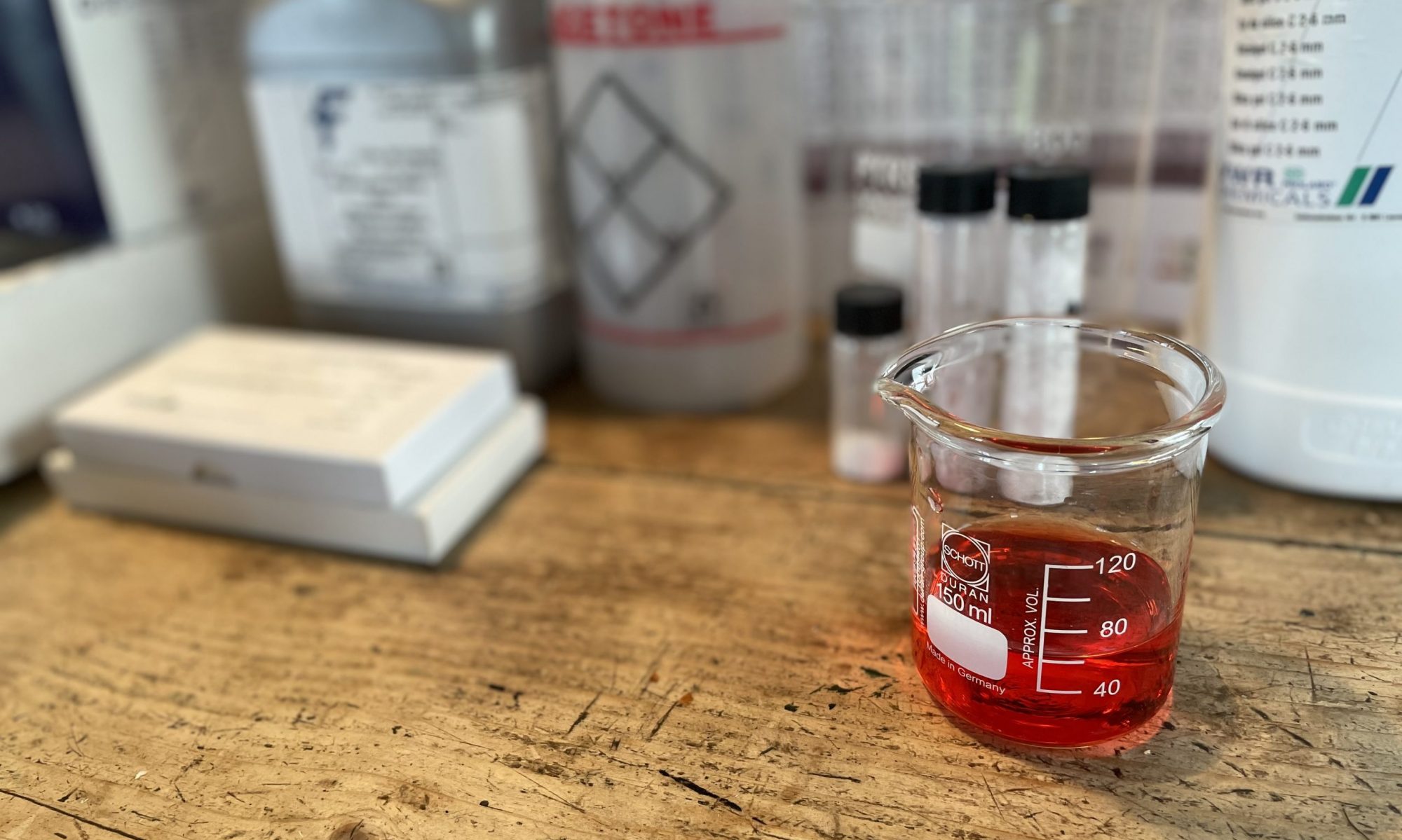
Our research programme broadly focuses on the development of new synthetic methodology to efficiently assemble organic molecules. We are particularly interested in developing catalytic and mechanochemical approaches to prepare useful materials that cannot be accessed using existing synthetic methods.
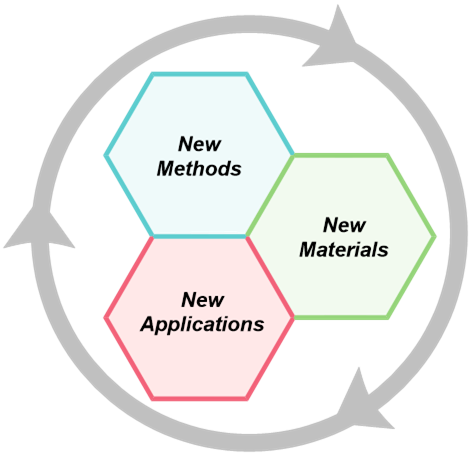
Asymmetric Catalysis
Catalysis plays a central role in society, enabling the production of important molecules at low cost with minimal environmental impact. Our research is focussed on identifying new ways to control stereoselectivity within catalytic reactions. This encompasses both the design of novel ligands and catalyst systems, as well as the development of new catalytic asymmetric processes.
Atropisomerism
Drug discovery programmes are increasingly shifting their focus to three-dimensional candidates, which allow exploration of novel biological and chemical space. In this context, we are particularly interested in atropisomers. These are molecules which are built from two-dimensional building blocks, but adopt an overall three-dimensional arrangement because rotation about a key bond is restricted. Our research focusses upon designing new atropisomeric scaffolds, devising methodology for their stereoselective synthesis and investigating their applications in drug discovery and agrochemistry.
Mechanochemistry
Recent work from our group has shown that mechanochemistry, where chemical transformations are driven by mechanical force, can unlock the unique reactivity of metallic elements such as sodium, enabling the development of more sustainable and efficient synthetic processes. This includes mechanochemical synthesis of organosodium reagents, as well as methods to degrade fluoropolymers and upcycle their fluorine content.