Nonhuman Law Newsletter, Issue 3
September 2026
Welcome to the third newsletter from Newcastle University’s Non/Human Law Research Group.
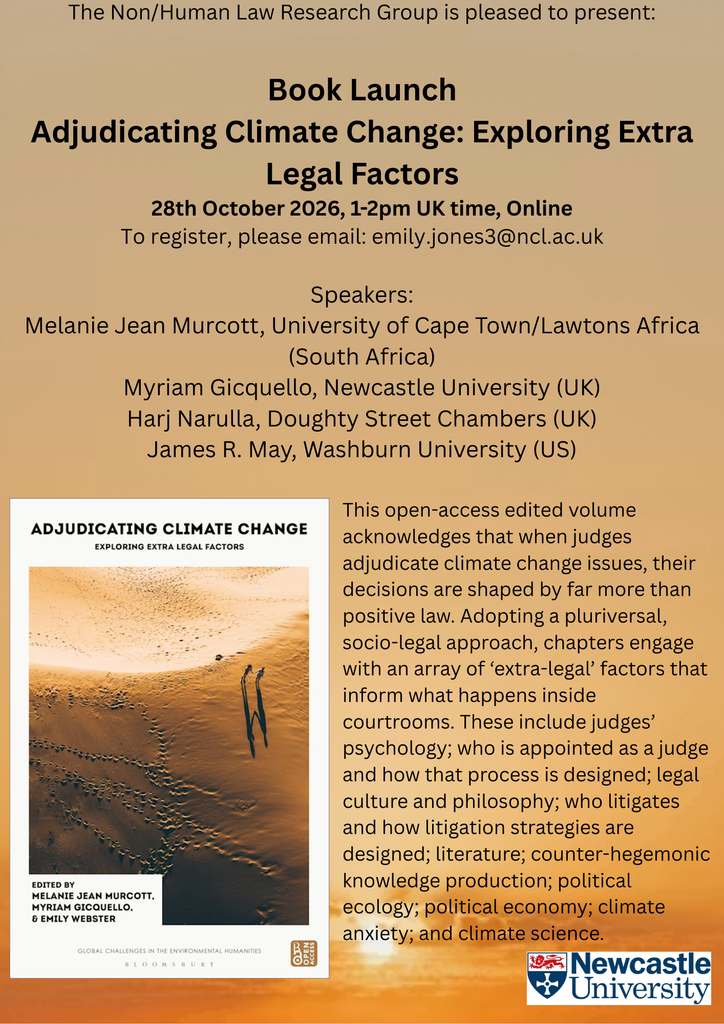
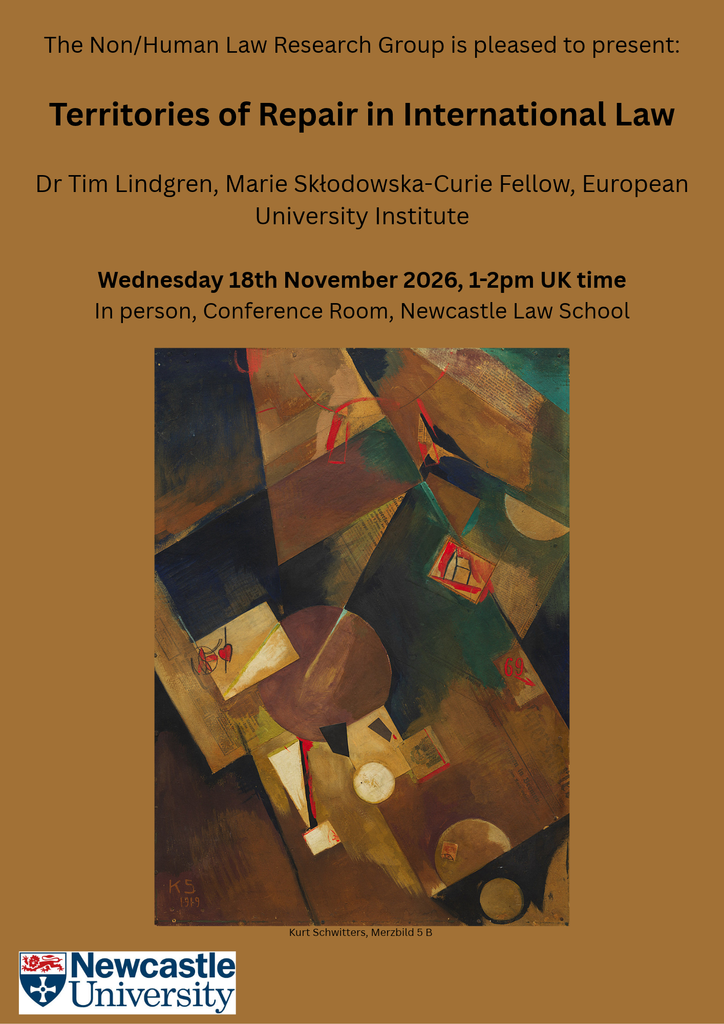
Forthcoming Events
Select News
Successful Funding – Connecting ancestral owners with dispersed material culture
Professor Sue Farran (Newcastle Law School) is a member of an interdisciplinary team led by Lisa McDonald (St Andrews University) that recently secured Royal Society of Edinburgh funding for a collaborative project looking at how best to preserve and protect decorated ‘bark cloth’ known as ‘Nemas’ from the island of Erromango, Vanuatu. These Indigenous expressions of culture represent traditional knowledge, local identity and the importance of place, linking people and nature to depict people, animals, spirits, the moon and stars, historical and ceremonial events.
Congratulations Sue!
Keynote Lecture – Energy justice and data centres – what role for law?
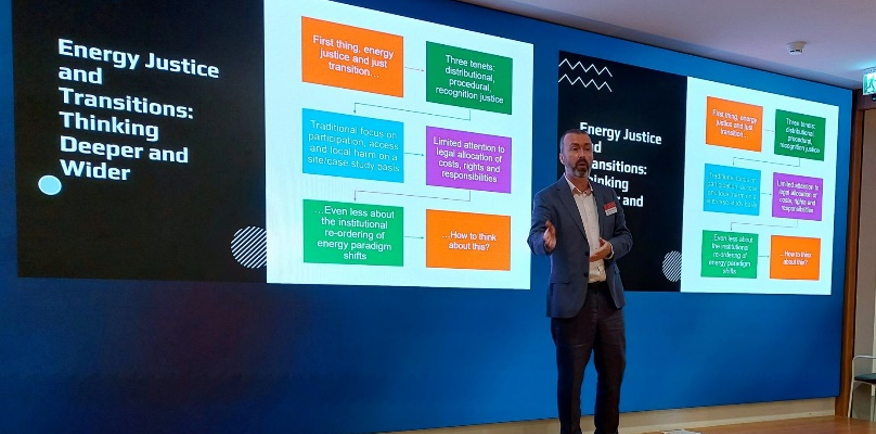
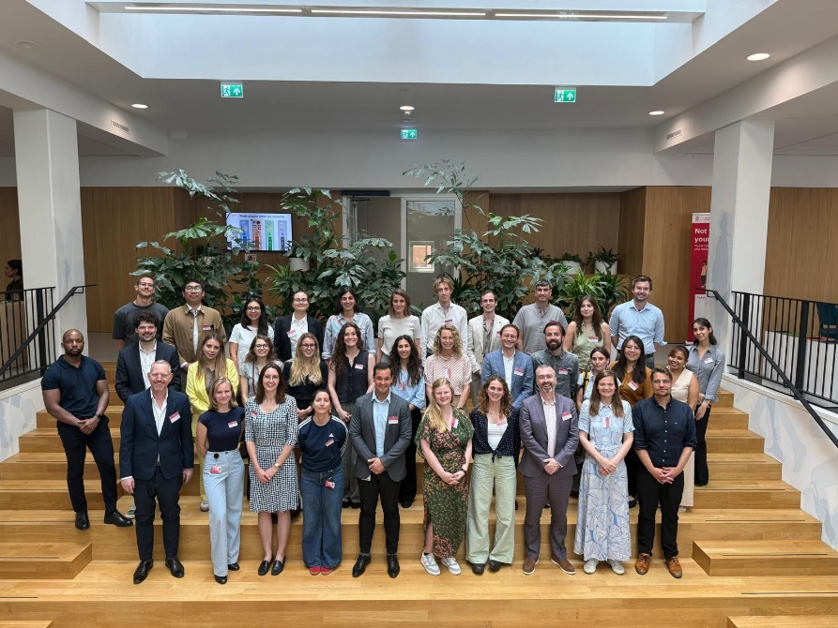
In June 2026, Prof. McCauley delivered a keynote lecture at the conference Contested Transitions: Law and Energy Justice, organised by the Groningen Centre for Law and Sustainability in the Netherlands. His presentation, ‘Energy justice and data centres – what role for law?’ examined how legal frameworks engage with the distribution of costs, benefits and responsibilities associated with digital infrastructures, situating data centres within wider debates on sustainable energy transitions.
Below, images from the event in Groningen:
Research Project: On Listening to Indigenous Peoples and Local Communities in the BBNJ Agreement
Newcastle Law School colleague, Professor Gina Heathcote, together with Nulungu Research Institute, UNDA community researcher Lloyd Pigram presented at the ANZSIL Annual Conference in New Zealand. Their co-authored research paper examines the inclusion of Indigenous Peoples and Local Communities in the BBNJ Agreement and questions the capacity for place-based and relational legal systems to be adequately heard within international legal institutions. Through the story of the gift of pearl shells to Indigenous communities from the sea serpent, the paper, titled, On Listening to Indigenous Peoples and Local Communities in the BBNJ Agreement, drew on ongoing wider research on two-way research methodologies, as well as the work behind Indigenous managed marine parks and two-way (Turtle and Dugong) research in the North West of the Australian continent, and informs the Phillip Leverhulme Trust International Fellowship titled Saltwater Law.
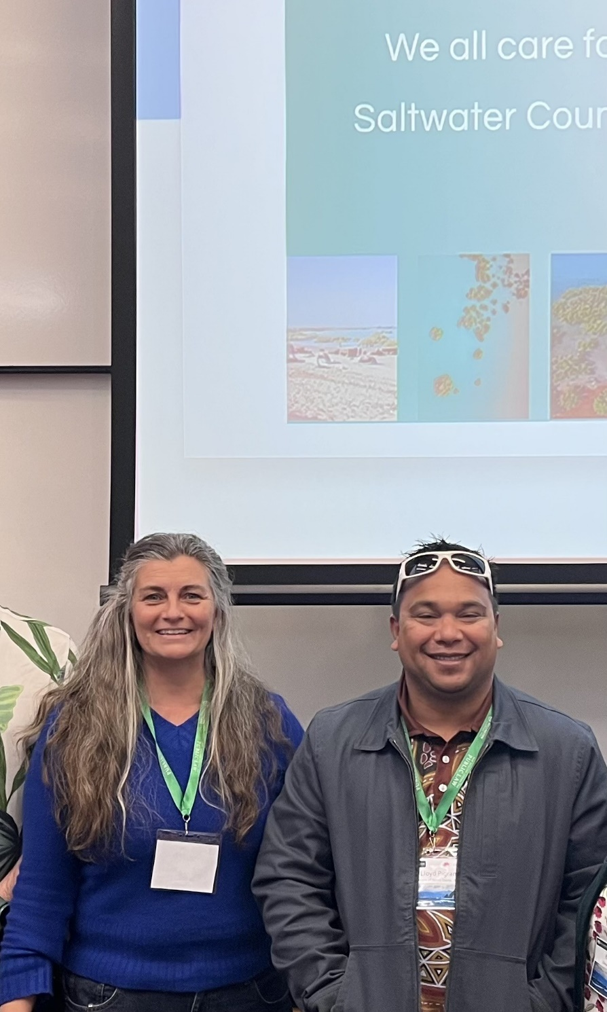
Photo One: Gina Heathcote and Lloyd Pigram presenting at ANZSIL Annual conference, Wellington 2026
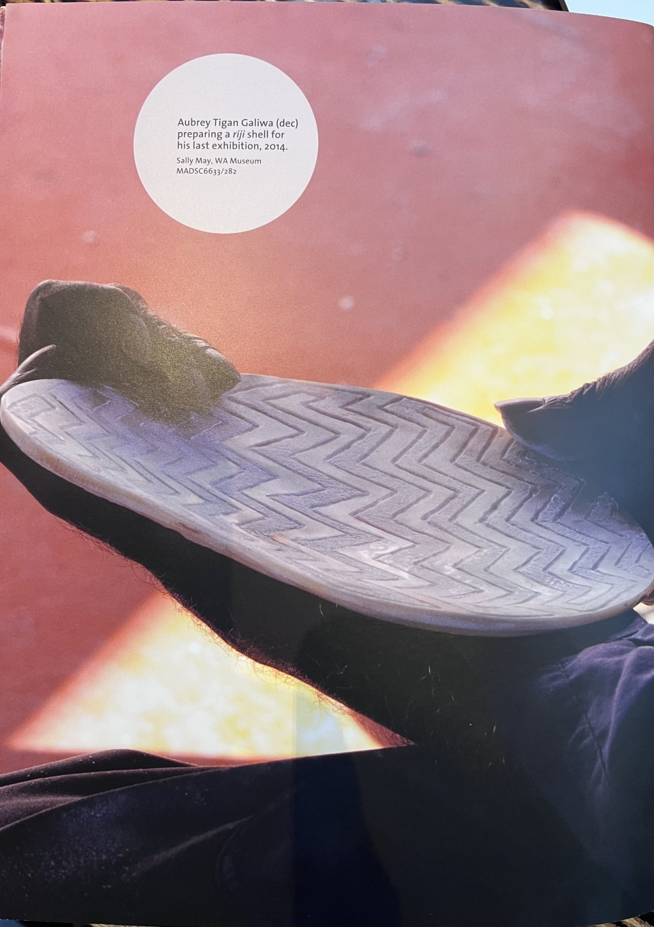
Photo Two: Riji (Pearl Shell) that form part of the saltwater stories from the Bardi peoples in the North West of the Australian continent held by Bardi elder Aubrey Tigan Galawi (dec). Image drawn from: Tanya Edwards and Sarah Yu (eds), Lustre: Pearling and Australia, (Western Australian Museum, 2018)
PhD Day with the Ocean Voices Programme
In June 2026, Newcastle’s Dr Emily Jones and Dr Harriet Hardon-Davies (Edinburgh) ran a joint PhD day, bringing together PhD candidates from Newcastle’s Non/human Law Research group together with candidates based in the Ocean Voices Programme at the University of Edinburgh. Throughout the day, PhD candidates were able to present and discuss their work. The day also provided space for a wider discussion of the struggles of undertaking a PhD and of careers. With thanks to various Faculty members at the University of Edinburgh for also taking the time to come and give feedback and join the wider discussion.
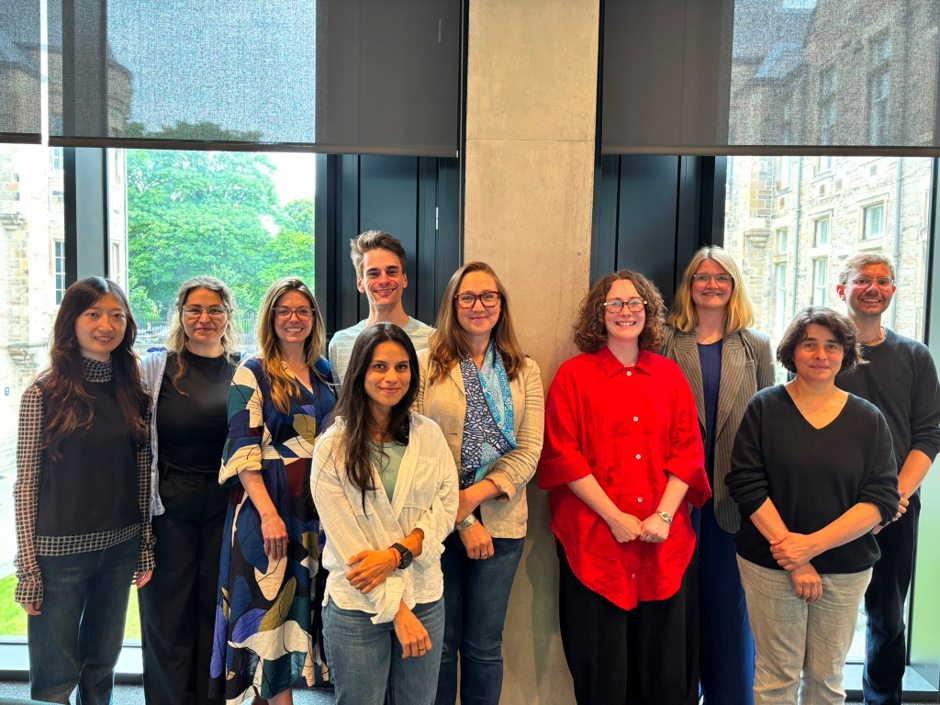
Pictured above from right to left:
Aixin Yu (Edinburgh), Lucy Tomkins (Edinburgh), Christine Gaebel (Edinburgh),Mariana Caldeira (Edinburgh), Cristian van Eijk (Newcastle), Harriet Hardon-Davies (Edinburgh), Emily Jones (Newcastle), Louisa Dassow (Newcastle), Şebnem Susam-Saraeva (Edinburgh), Johannes Graetschel (Edinburgh)
With thanks to the Ocean Voices Programme for kindly funding our attendance.
Event: Feminist Solidarity and Resistance in a More than Human World
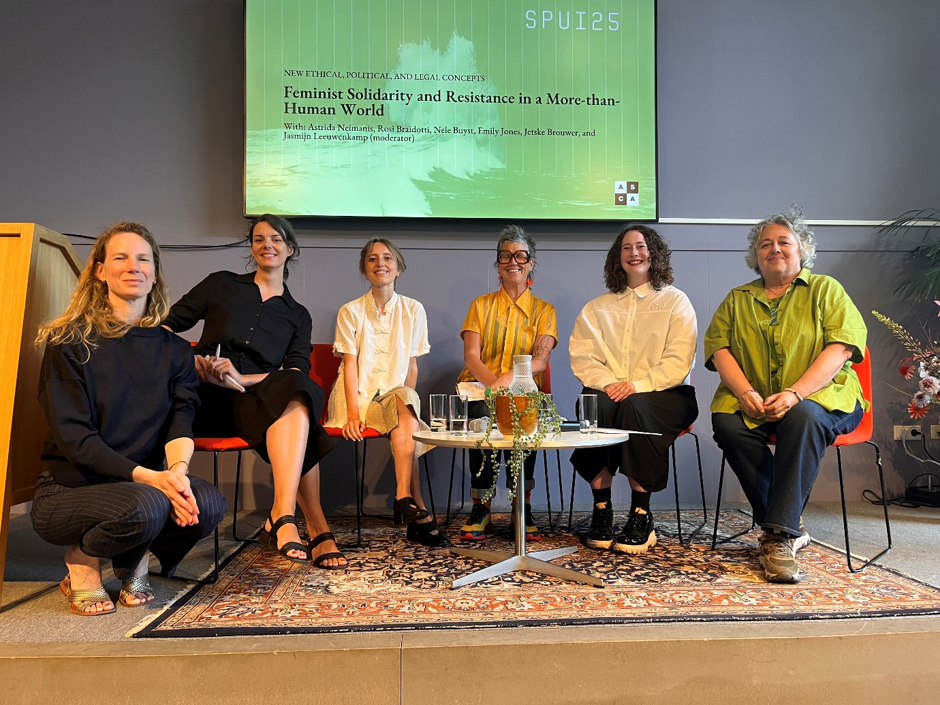
Dr Emily Jones presented alongside Astrida Neimanis, Rosi Braidotti and Jetske Brouwer alongside poet Nele Buyst and moderator Jasmijn Leeuvenkamp in SPUI25 in Amsterdam in July 2026. Dr Jones spoke about her developing work on the legal personhood of whales.
Scientific Advisory Board Membership: Norwegian Centre for Sustainable Land Use Through Transformative Research and Practice
Professor Darren McCauley has taken on a significant international research leadership role as one of five members of the Scientific Advisory Board for the Norwegian Centre for Sustainable Land Use Through Transformative Research and Practice (LANDFUTURES). Funded for the period 2026 to 2031, the centre brings together research and practice to address questions of sustainable land use and environmental change. The centre’s first kick-off meeting is scheduled for the end of August 2026.
Conference presentation: Enacting energy justice in the context of data centres and overconsumption in California, US – more affirmative or prohibitive justice?
Professor McCauley presented related research at the 17th Nordic Environmental Social Science Conference at Uppsala University in Sweden. His paper, Enacting energy justice in the context of data centres and overconsumption in California, US – more affirmative or prohibitive justice?, explored different approaches to governing energy-intensive forms of consumption and its multiple impacts.
Research Visit: Stefansson Arctic Institute, University of Akureyri, Iceland
Newcastle’s Dr Emily Jones undertook a research trip to Iceland to work with Dr Romain Chuffart (Nansen Professor in Arctic Studies, University of Akureyri). Together, Dr Jones and Dr Chuffart worked on their forthcoming article on the temporal loop that international law’s response to climate change finds itself in, promising a future it has already foreclosed. They also began drafting a grant application on posthuman geoengineering governance for future collaboration.
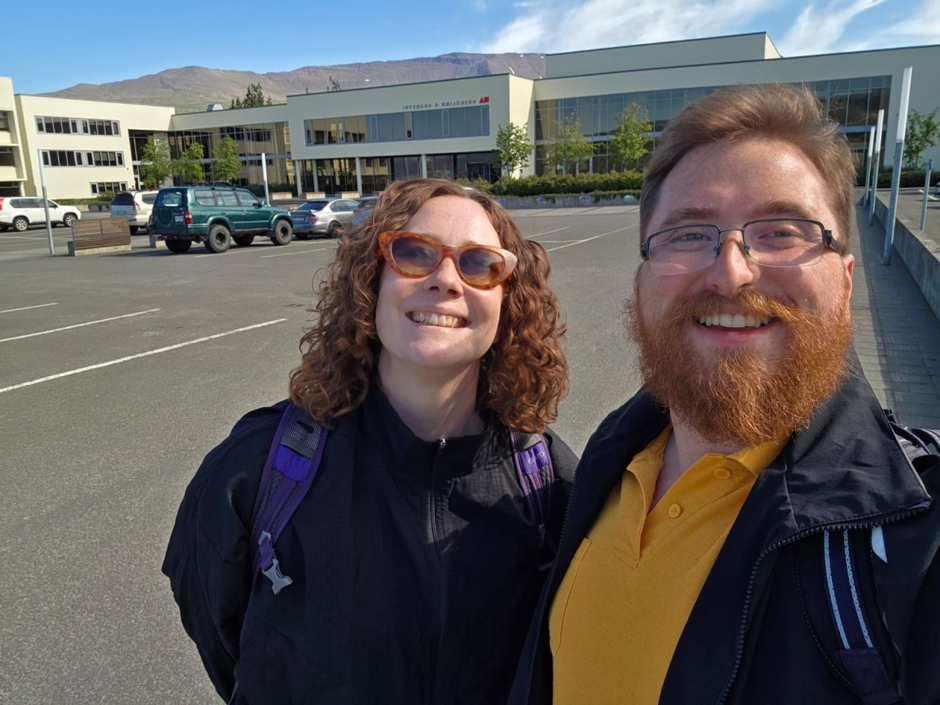
Above: Dr Emily Jones with Dr Romain Chuffart
New Publications
- Rizk A, Jones E, Saab A, Strobeyko A, Soininen N, Burci GL, Höll D, Bossert L, Larose C, Brown K, Keck F, Lorimer J, Haraoui L-P. Microbial rights for a planetary age. Earth System Governance 2026, 28, 100331.
- Heathcote G, Jones E, Labenski S, Kula L, The Law of War and Peace: A Gender Analysis (Volume 2), Bloomsbury 2026: https://www.bloomsbury.com/uk/law-of-war-and-peace-9781786996756/
Nonhuman Law Newsletter, Issue 2
May 2026
Funding success!
Ocean Harmonies for Global Governance
Ocean Harmonies for Global Governance is a British Academy International Interdisciplinary Fellowship awarded to Gina Heathcote. This collaborative project works with Indigenous communities in Australia and The Nulungu Institute at The University of Notre Dame Australia to understand the role of Indigenous Peoples in shaping the implementation of the new Agreement on Biodiversity Beyond National Jurisdiction (BBNJ) and builds on Saltwater Law, a two year Leverhulme International Fellowship building two-way legal methodologies through working with saltwater and Indigenous coastal management projects in the Kimberley region of the Australian continent.
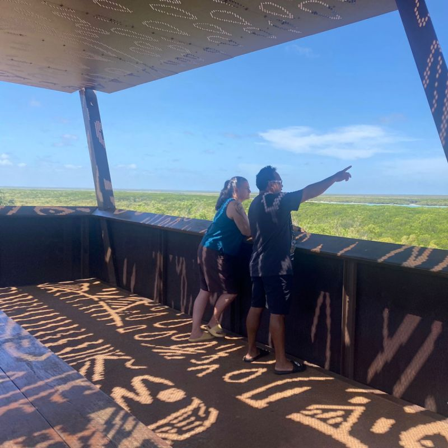
Image: ‘Prof Gina Heathcote working with community researcher Lloyd Pigram at Kennedy Hill, Broome January 2026. Photo credit to Jenna Hounslow.
Legal Personality
Dr Joshua Jowitt was awarded a Leverhulme Research Fellowship on the title of: ‘Legal personality: an ethics-led approach’. This Fellowship time will be used to write a monograph on this topic.
Dr Joshua Jowitt has also received a British Academy Talent Development Award for ‘German language perspectives on legal personality’.
Other news
Internship at the United Nations Division for Ocean Affairs and the Law of the Sea
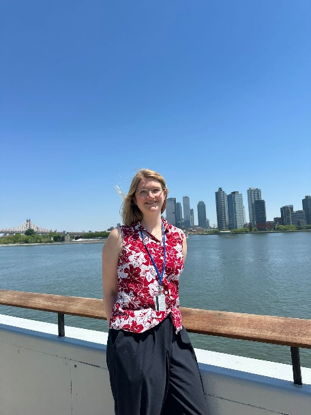
PhD candidate Louisa Dassow has spent the past two months in New York on an Internship with the United Nations Office of Legal affairs, specifically with the Division for Ocean Affairs and the Law of the Sea working with, though not exclusively, their BBNJ Agreement team (Biodiversity Beyond National Jurisdiction – the new Global Oceans Treaty). With thanks to the Northern Bridge Doctoral Training Partnership programme for funding this placement.
Posthuman Convergences Book Launch
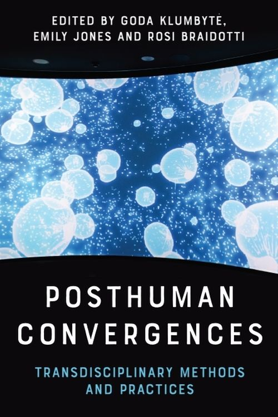
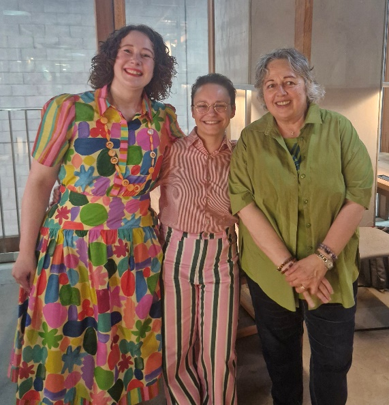
In February, Dr Emily Jones, alongside co-editors Dr Goda Klumbytė and Professor Rosi Braidotti, launched their new edited collection, Posthuman Convergences: Transdisciplinary Methods and Practices at RMIT in Melbourne, Australia.
About the book: While posthumanism has gained traction over the past few decades, its application has, so far, mostly been within the humanities. This volume brings together a collection of researchers working both within the humanities and beyond, including in marine biology, computer science, the social sciences, legal studies, decolonial studies, pedagogies, and nursing practice, to focus on methods and practices that showcase how to do transdisciplinary posthuman work.
At a time where the humanities are in question, with multiple departments and faculties being shut down or drastically cut in size, Posthuman Convergences provides a strong example of exactly why the humanities are so vital in the contemporary moment. It showcases a series of ways to help us think differently about the most pressing problems of our times.
New publications:
- Darren McCauley, (2026). The energy justice implications of reduced consent in planning reforms: assessing UK nuclear planning reforms for small modular reactors. Journal of Energy & Natural Resources Law, 1–22. https://doi.org/10.1080/02646811.2026.2635979
- Joshua Jowitt, ‘A constitutivist account of legal personality’ (2026) The Theory and Practice of Legislation DOI: https://doi.org/10.1080/20508840.2026.2658416
- Darren McCauley, ‘Re-evaluating procurement policies in UK small modular reactors for a just transition,’ (2026) Energy Policy, Volume 215: https://doi.org/10.1016/j.enpol.2026.115319
Forthcoming publications:
- Myriam Gicquello, Murcott M, Webster E, ed. Adjudicating Climate Change: Exploring Extra-Legal Factors. Bloomsbury, 2026 – LOOK OUT FOR A LAUNCH EVENT IN AUTUMN 2026!
- Louisa Dassow, A posthuman feminist approach to the Biodiversity Beyond National Jurisdiction (BBNJ) Agreement’ in Rowena Maguire and Katherine Keane (eds), Research Handbook on Feminist Approaches to Environmental Law (Edward Elgar, 2026)
- Emily Jones, ‘Population Control and Global Environmental Law: Manipulating Women’s Rights for Anti-Feminist Aims,’in Rowena Maguire and Katherine Keane (eds), Research Handbook on Feminist Approaches to Environmental Law (Edward Elgar, 2026) (forthcoming).
- Gina Heathcote, ‘International Law of the Sea.’ in Rowena Maguire and Katherine Keane (eds), Research Handbook on Feminist Approaches to Environmental Law (Edward Elgar, 2026)
- Gina Heathcote, Plural Legal Approaches to Everyday, Enduring and Environmental Violence. In: Nikki Godden-Rasul; Sidonia Lucia Kula, ed. Research Handbook on Gender, Violence and Law. Edward Elgar Publishing, 2026
Nonhuman Law Newsletter, Issue 1
January 2026
Welcome to the first ever newsletter from Newcastle University’s Non/Human Law Research Group!
Upcoming Public Events
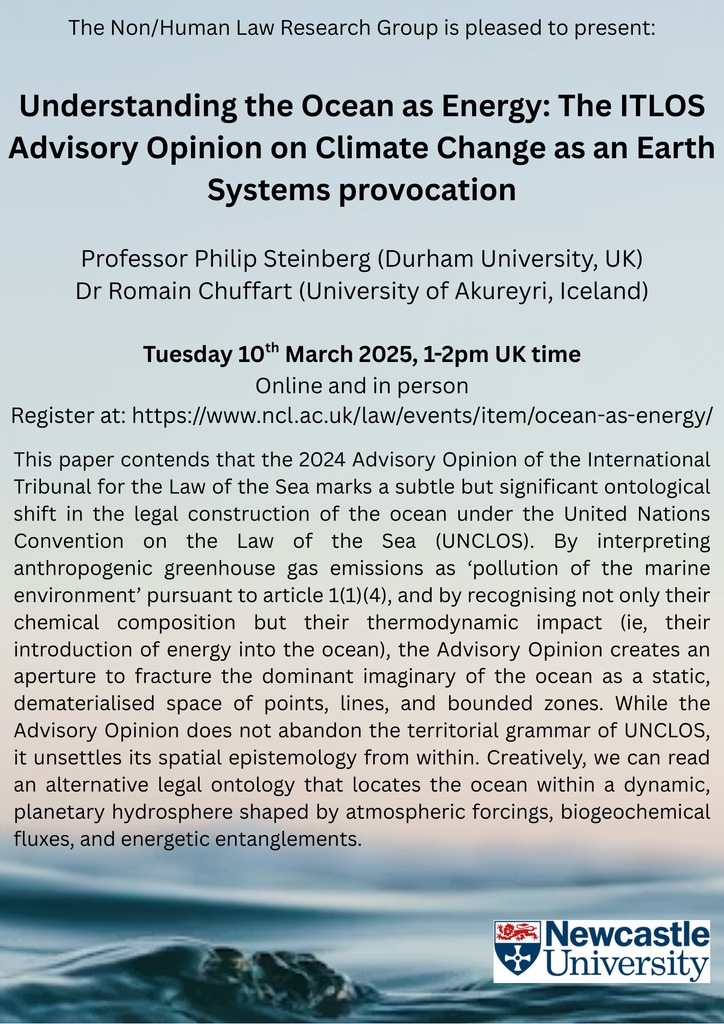
To register to attend either in person at Newcastle Law School or online, please click here
Select news from the Group
NUAcT PhD Funding in Law and the Nonhuman
Newcastle Law School is offering one fully funded PhD place for someone working on the theme of Law and the Nonhuman. The successful candidate will be supervised by Dr Emily Jones. Candidates should apply with their own project idea but should look at the call for details on what the theme encompasses.
Deadline: Friday 20 February 2026 at 17:00 UK time
For more information, see here.
Note that while this studentship covers UK fees and a stipend, international students can apply for a NUORS scholarship to cover international fees. See here for more information.
Funding and New Projects
Professor Gina Heathcote was awarded a two year Leverhulme International Fellowship for the project ‘Saltwater Law’. The research examines the scope for two-way legal methodologies that learn from models of Indigenous ocean care and custodianship in far the North West of the Australian continent. Through working with Traditional Owners, the research explores alternative legal models for ocean governance and human/non-human flourishing.
Publications
- Dr Emily Jones recently published ‘No future for future generations: who is international environmental law for?’ The article explores the concept of future generations from a nonhuman, decolonial and queer lens. It is available open access here.
- Dr Joshua Jowitt published a book chapter: ‘Bridging the gap between jurisprudence and questions of legal status’ in Tomasz Pietrzykowski and Birgitta Wahlberg (eds) Research Handbook in Animal Law (Edward Elgar 2025).
- Dr Emily Jones recently published an article on abolition feminism and environmental justice with colleague Eliana Cusato (University of Amsterdam): Eliana Cusato and Emily Jones, ‘Abolition Feminism and International Law: Critiques of Carcerality meet Environmental Justice,’ Australian Feminist Law Journal. It is available open access here.
Other news
- Dr Emily Jones recently took on the role of Co-Editor in Chief of the Journal of Human Rights and the Environment.
- Professor Gina Heathcote joined the Advisory Board for a newly funded project titled: Autonomous Technologies for Ocean Governance: Maritime Autonomy, Responsibility, and Environment (AUTO-MARE), funded by the NordForsk’s Nordic–Baltic initiative on the responsible use of Artificial Intelligence. The project is led by Dr Romain Chuffart, Nansen Professor, University of Akureyri (Iceland).
- In December 2025, Dr Joshua Jowitt delivered a keynote lecture entitled ‘Does my bot have rights’ Max Weaver Lecture, London South Bank University.
- In November 2025, Dr Joshua Jowitt presented a paper entitled ‘A Gewirthian account of legal rights for nonhuman animals’ at Rights to nonhuman animals: Philosophical justifications and legal perspectives in dialogue conference at Durham University
Past Events
Last semester we were lucky enough to be joined by Professor Susan Marks (LSE) who spoke to the title of her latest article: ‘If the World Is a Family, What Kind of Family Is It?’
If you missed the event but would like to read the article. It is available open access here.