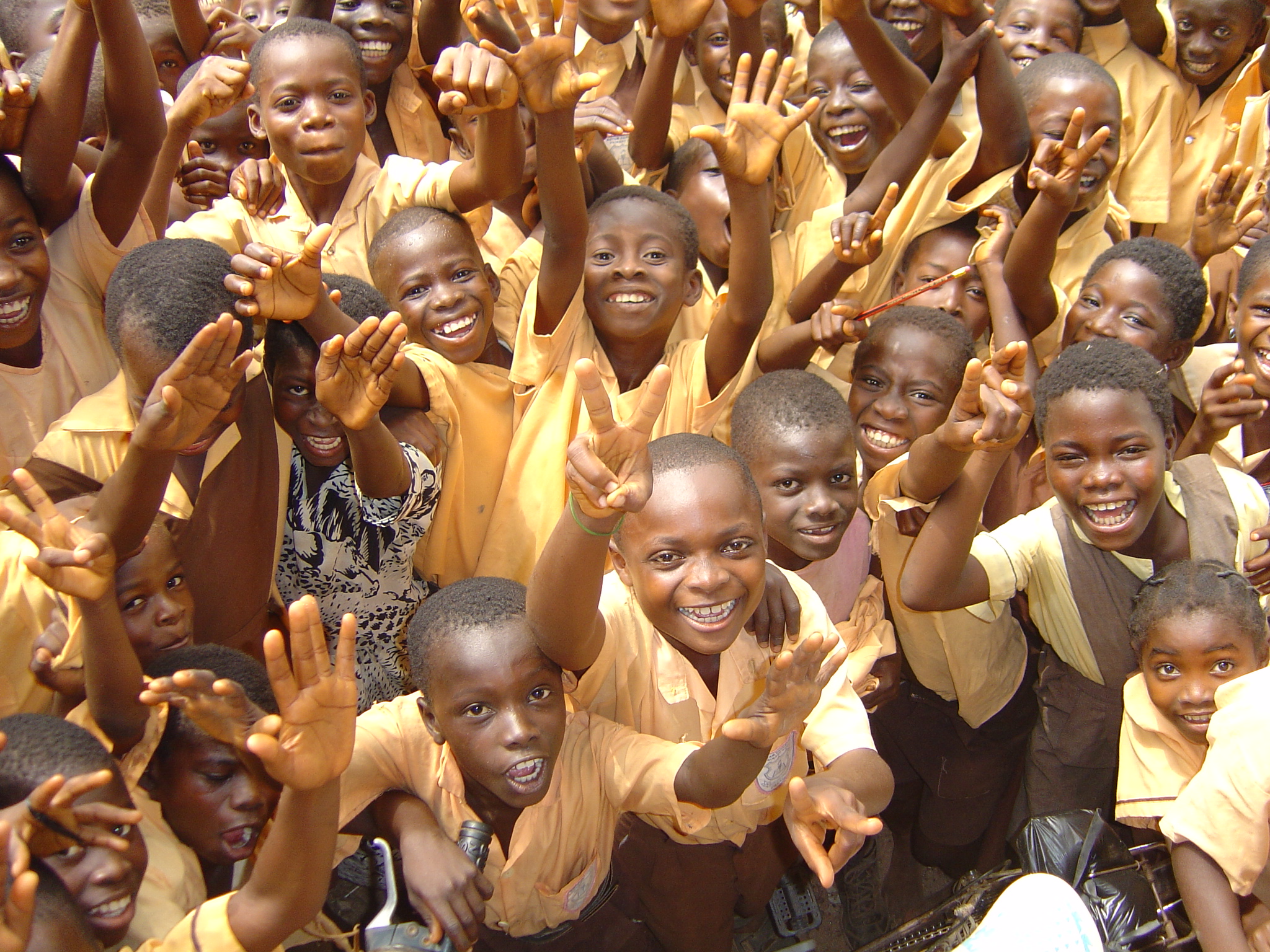
English immersion programmes in schools in the developing world provide children the skills, knowledge, and ability to participate in a globalised world and to become global citizens. Home language is part of cultural heritage, history and identity; therefore to achieve the goal of preparing young people for global participation as well as expanding and strengthening the language of their heritage teaching both is of great importance.
Our research looking at reading around the world started around 25 years ago, firstly in India followed by Nigeria and Ghana. Parents know how important literacy is for their children and their futures. We were asked all those years ago to assist schools with their literacy teaching. This was done through a research project where our research could inform what works and what doesn’t.
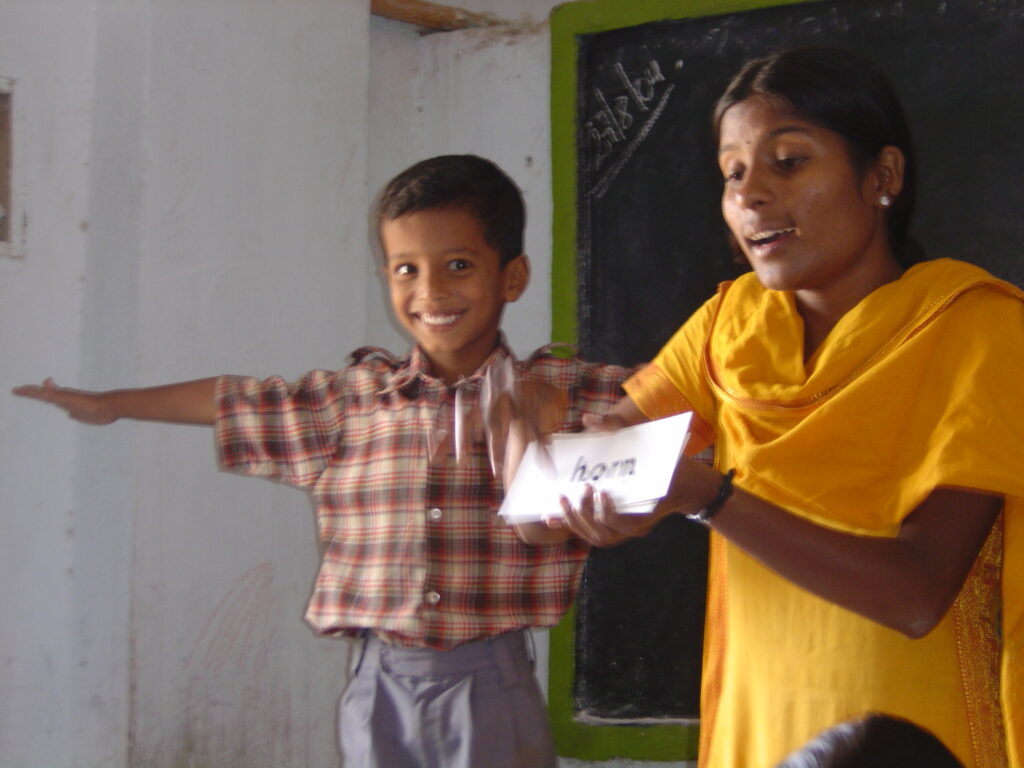
Our journey into investigating how children learn to read in schools around the world began in the early 2000s. We started by examining the teaching of reading in diverse contexts across Asia (China and India) and Africa (Ghana, Kenya and Nigeria). The research found that children involved in phonics aligned programmes significantly outperformed those children in control groups in reading and spelling. These findings showed what worked in early literacy instruction and how structured approaches strengthen learning outcomes for children who might otherwise be left behind.
Over time, our focus has increasingly centred on the African continent, where learning poverty and unequal access to quality literacy provision remain urgent development challenges. A key feature of our work is to inform local, national and international policy and practice around literacy instruction. Working together with governments, schools, teachers, and communities our research and interventions tackle societal and cultural challenges around the teaching of heritage and global languages.
Rather than treating literacy as a narrow classroom issue, our approach recognises that reading development is shaped by the wider ecosystem around the child—home practices, community language environments, teacher confidence, and the local systems that support schools.
Working in partnership with Universal Learning Solutions and members of the READ research group, we have co-created and developed literacy curricula that are informed by teacher expertise and community practices. This sustained collaboration has contributed to what some have described as a reading revolution. There has been a shift from fragmented literacy provision to more coherent, evidence informed teaching that can be implemented at scale without losing relevance to local realities.
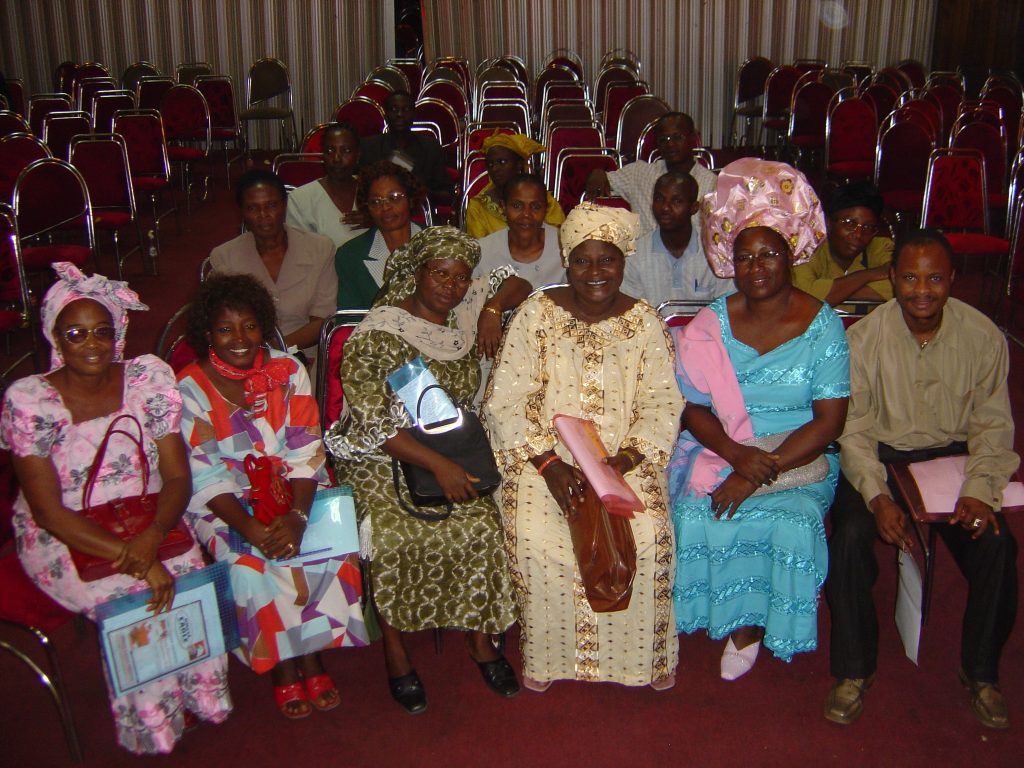
Importantly, this work has strengthened teacher capability through professional learning, supported school level practice, and generated wider engagement among families and communities who play a crucial role in children’s reading lives.
Our research partnerships with local and state governments have enabled large scale change. In Nigeria, 256,477 government primary teachers have undertaken continuing professional development, with an impact on 31 million children. Working alongside the Universal Basic Education Commission 7,438 local government officials have been trained strengthening system capacity for monitoring and support. This has enabled 130,678 monitoring visits to primary schools across nine states, improving follow up, accountability and practical assistance for teachers in their day to day work.
According to Unesco, literacy is a fundamental human right. Our research brings together a range of partners in order to share and support research impacting policy, practice and learning.