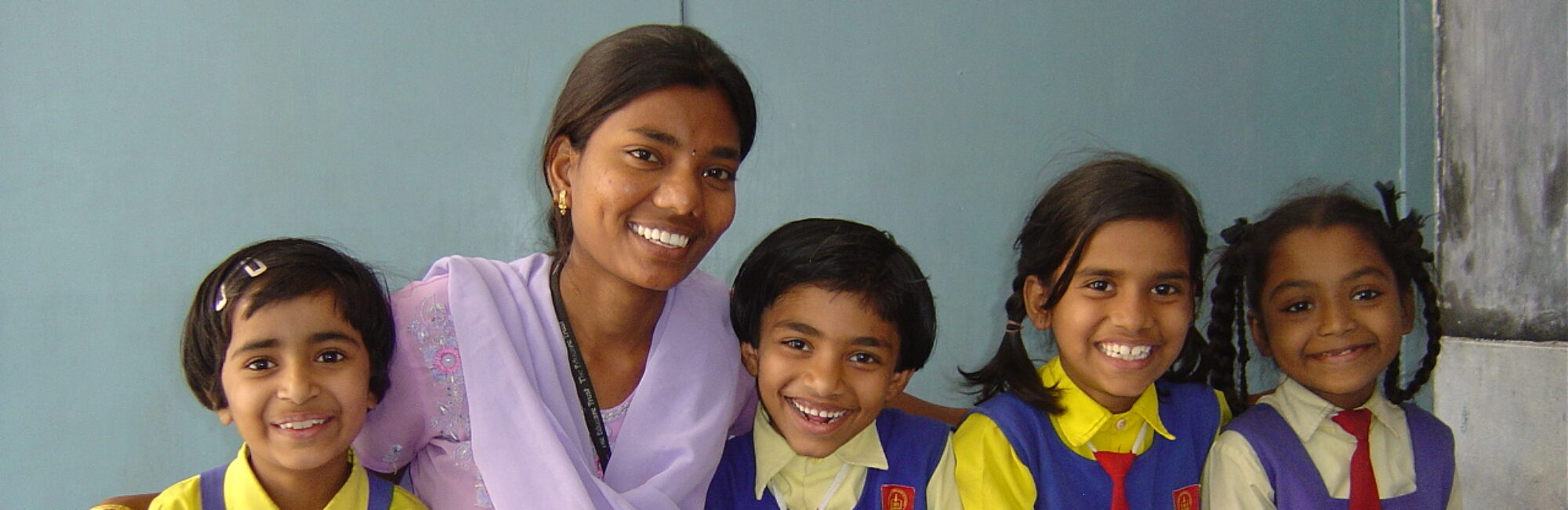
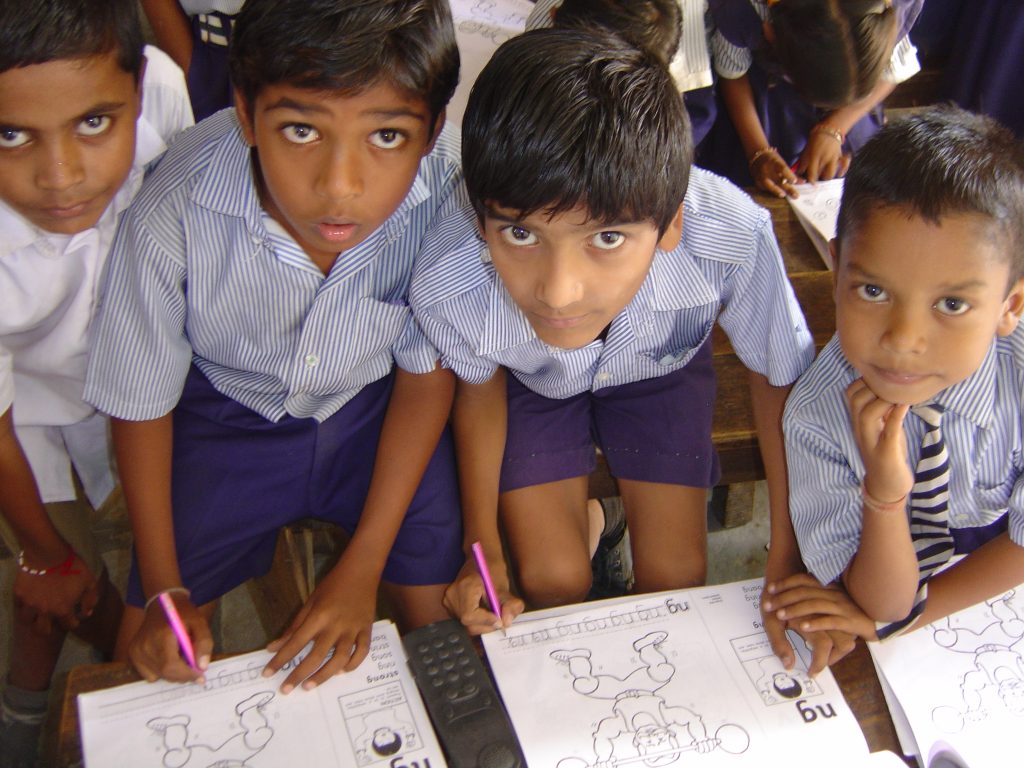
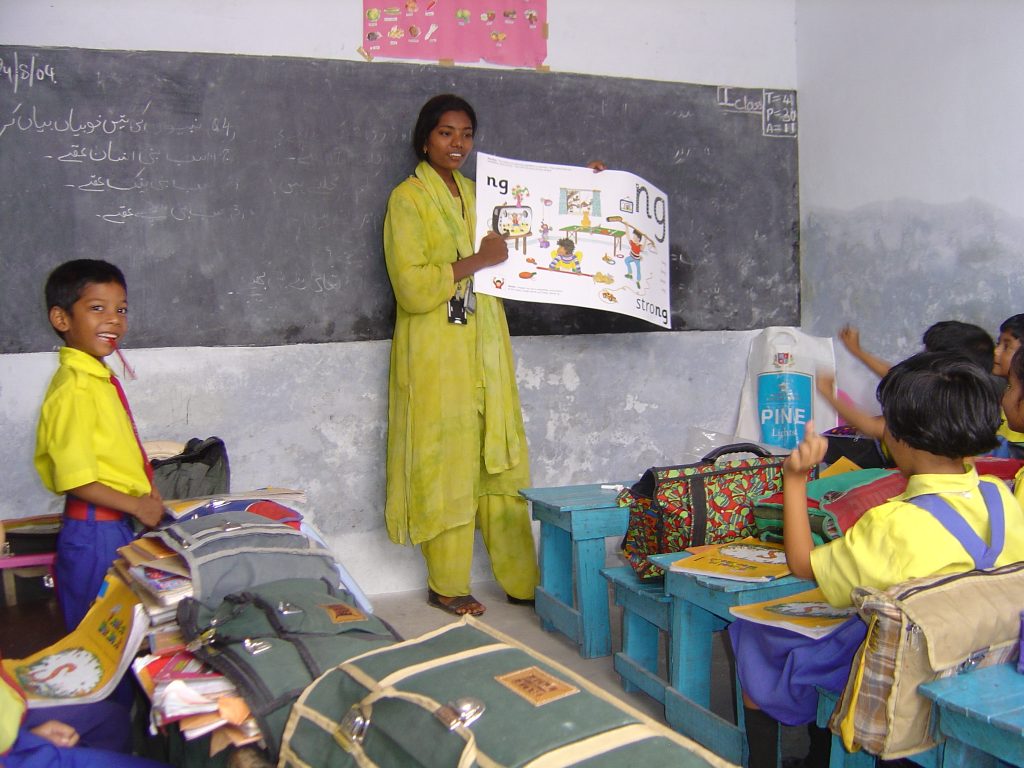
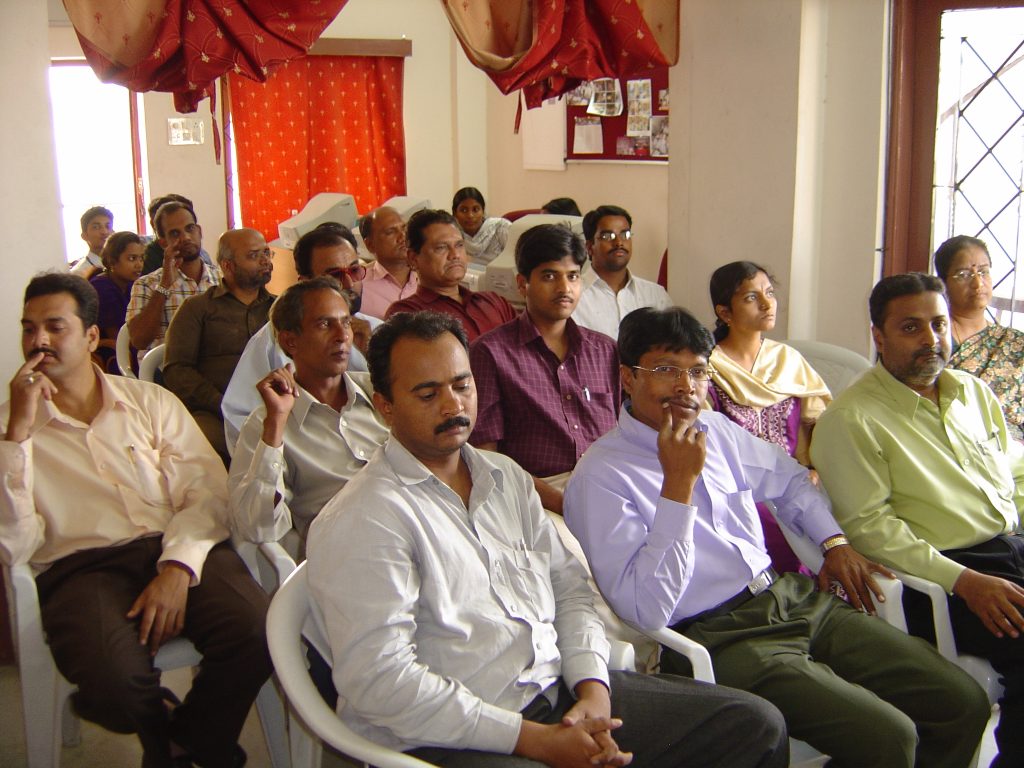
Our research demonstrates sustained, meaningful engagement with teachers, communities and education systems. Rather than imposing externally designed solutions, the research is rooted in co-creation. Working alongside teachers, communities, local organisations and government partners there has been a development of literacy approaches responsive to local languages, cultures and classroom realities.
The impact of this work is strongly place based. By partnering with local and state governments, teacher networks and education agencies, the research has strengthened capacity within education systems. Teachers and officials have been able to embed effective literacy practices. This is evident in the scale of professional development delivered, the increased confidence and capability of teachers, and the enhanced participation of communities and families in supporting children’s reading.
This work bridges research and practice. Evidence generated through rigorous research has been translated into curriculum, policy influence and professional learning, ensuring that engagement leads to lasting change rather than short term outcomes. By addressing literacy as a shared community responsibility and a fundamental human right, the work exemplifies how engaged scholarship can transform places, reduce educational inequality and improve life chances for millions of children.
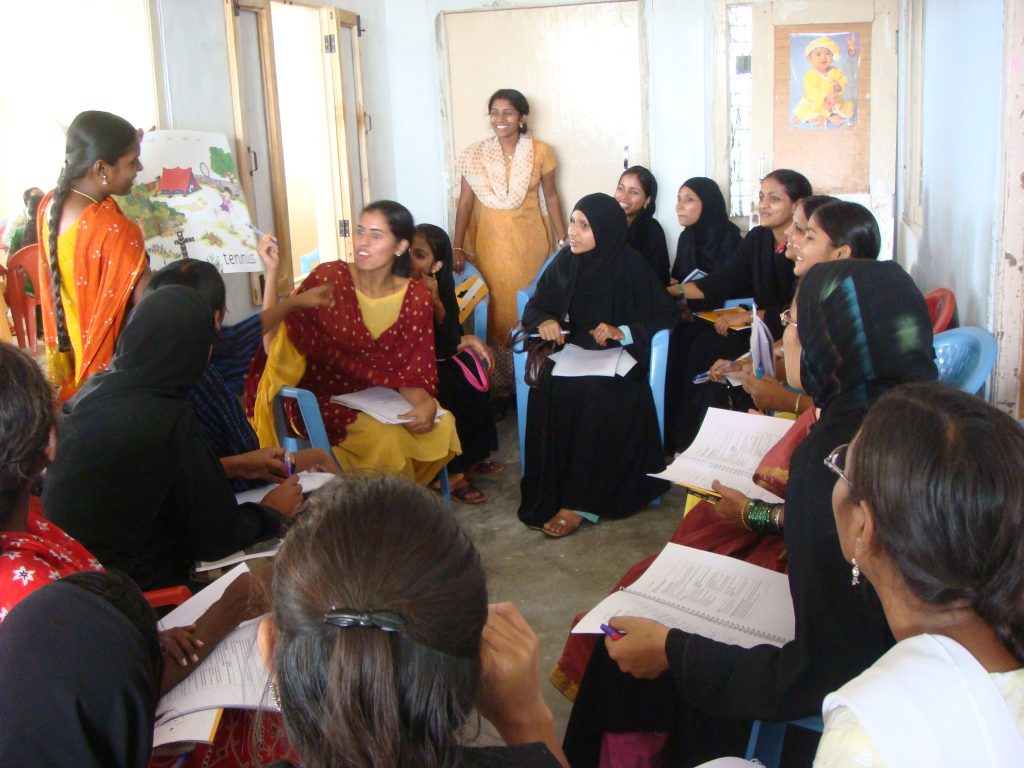
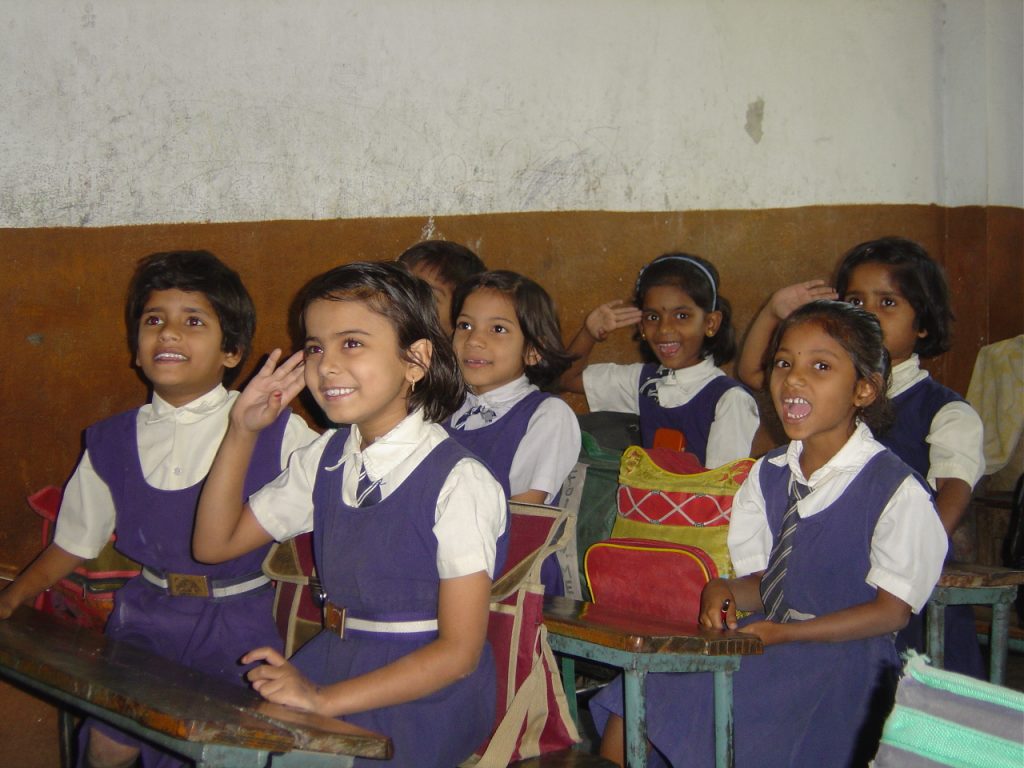
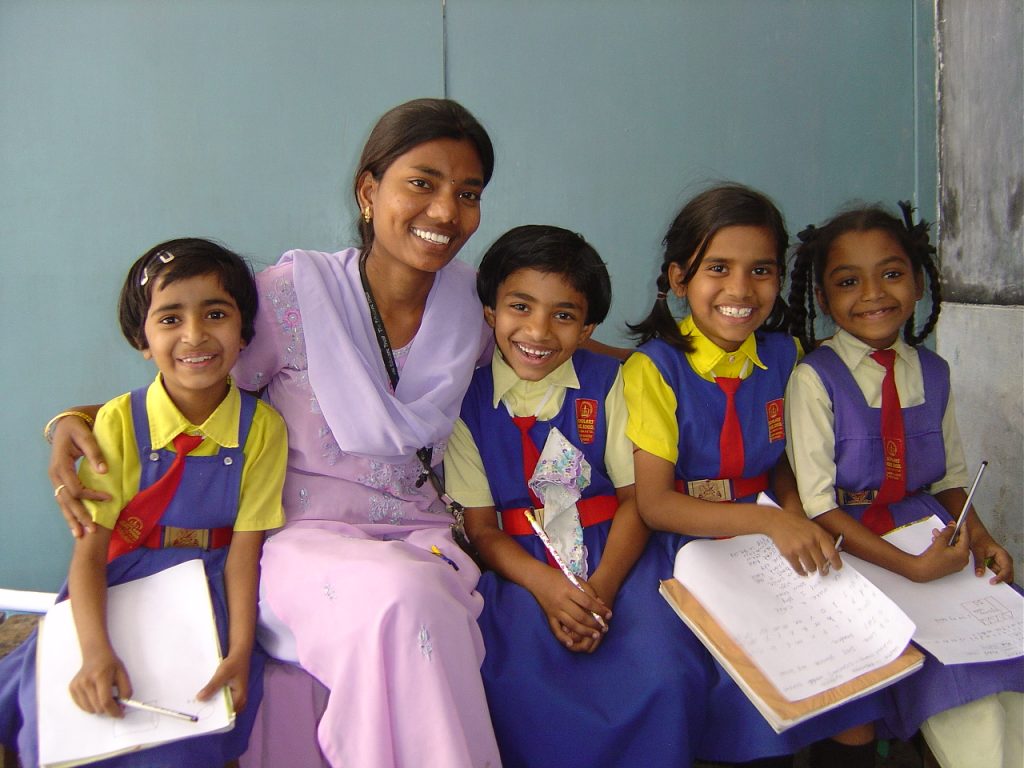
Our research demonstrates a strong and sustained relationship between high quality engagement and rigorous research, with each element informing and strengthening the other. Our literacy research is not undertaken in isolation, it is embedded within classrooms, communities, teacher education, and government systems. Findings from our research directly informs teaching practice, curriculum design, and policy engagement, while engaging with teachers, learners and education officials allows us to continually shape new research questions, data collection and pedagogical innovation.
A key strength of our research lies in its creative and innovative approach to engagement. Rather than relying on traditional dissemination, we work through co-creation, system level partnerships and policy facing research translation. This is exemplified by our 2026 collaboration with Universal Learning Solutions to pilot the Accelerated Learning Phonics Package for Adolescents (ALPA) in Nigeria. This project targets girls who are out of school or at risk of dropout due to low literacy, extending foundational reading research beyond early primary education into adolescence, an area often neglected in literacy interventions. By adapting phonics based pedagogy to new learner groups and contexts, this work demonstrates innovation in both research application and outreach.
Engagement with policymakers is another distinctive feature. Our submission of written evidence at the end of 2025 to the UK Education Select Committee on “Reading for Pleasure” draws together our international research, ensuring that insights from classrooms in Africa and Asia inform debates within UK education policy. Similarly, our research on cross language transfer has been shared with education departments and government officials in Rwanda and Botswana, where it is being used to inform decision making around the teaching of heritage languages alongside English as a language of instruction. In these contexts, our research functions as an accessible evidence base for policymakers, not merely an academic output.
This work consistently delivers mutual benefit. Teachers, communities and education systems benefit from improved literacy outcomes, enhanced professional development, and increased confidence in using structured, evidence informed pedagogy. At the same time, engagement deepens the quality of our research and teaching. New phonological awareness data collected in Nigerian government schools are strengthening academic publications while also feeding directly into policy briefs and teacher training materials. These reciprocal relationships ensure that external partners are not passive recipients of research, but active contributors to its direction and impact.
The long term ambition of this work is transformative and system wide. Our ongoing discussions with the World Bank around the HOPE-EDU funding in Nigeria ($3.755 billion) and the AGILE programme ($1.2 billion) reflect a commitment to scaling foundational literacy within national education systems, particularly for the most marginalised learners. By aligning research evidence with large scale education investment, this work seeks to reduce learning poverty, support adolescent girls’ empowerment, and embed sustainable literacy practices across generations.


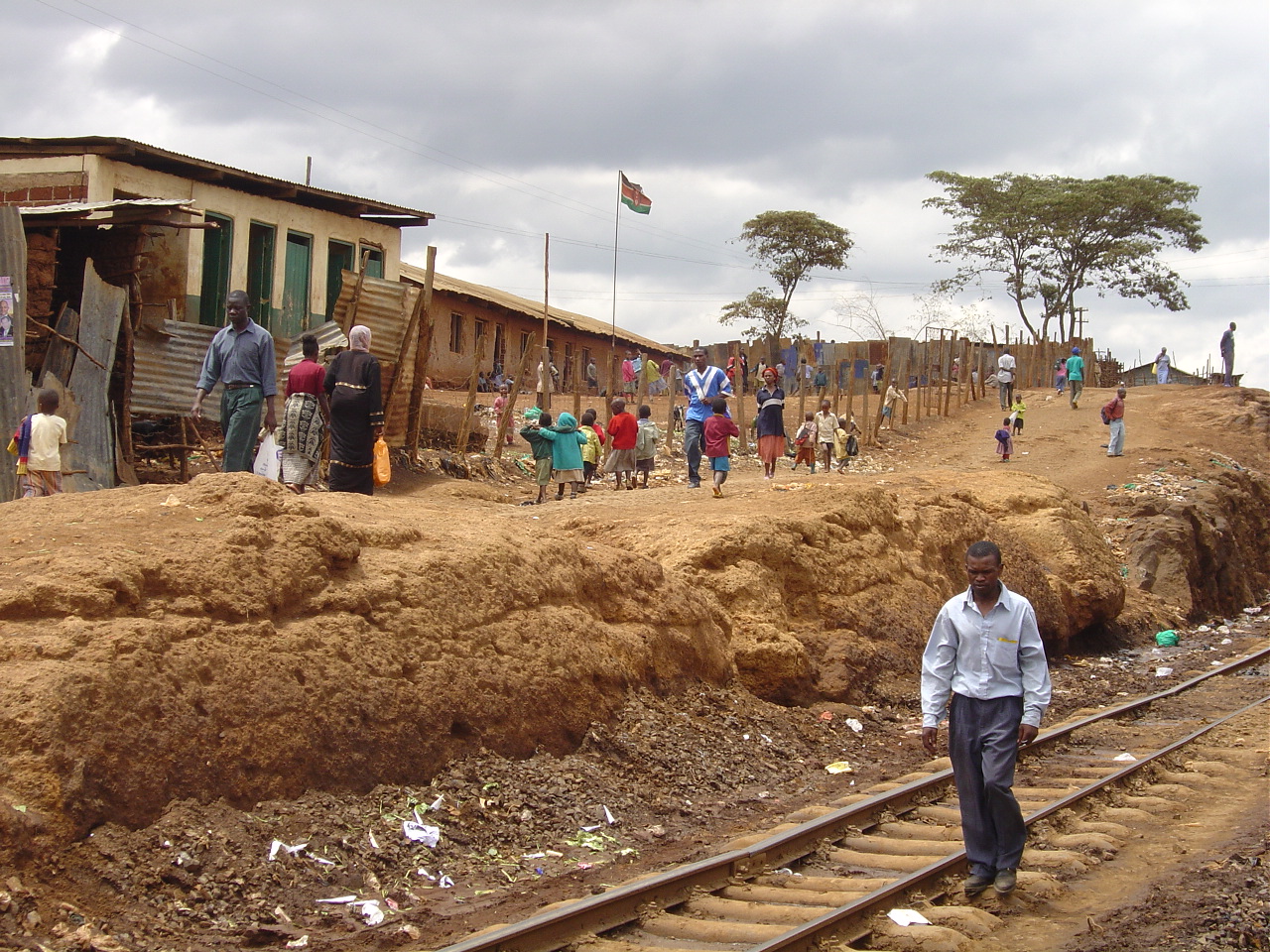
- Our research has changed education policy and teacher training initiatives/programmes around language learning in Nigeria. The evidence from our research shows the positive impact when teachers experience support mentorship, multiple training opportunities and support packages. Both national and state governments across nine states in Nigeria have implemented change based on our findings concerning language pedagogy in pre-primary and primary education.
- The research is being used to inform changes in education policy in Botswana, South Africa and Rwanda for the teaching of heritage language alongside English owing to the evidence from our research that shows cross language transfer of reading and language skills.
- Our research presented to the “African Union and the Gates Foundation” has informed education policy as well as the recommendations of UNICEF (knowledge transfer) around language learning in government schools across Africa. Evidence from our research has been included in the UNICEF recommendations for Education Ministries across the African continent: “Scalable Foundational Literacy Practices to End Learning Poverty in Africa”.
- The World Bank has implemented changes to their funding strategy owing to our research and focusing on HOPE-EDU ($3.755 billion). Our research shows the need for a structured pedogeological approach to language learning. This has been adopted in the strategy of “HOPE for Quality Basic Education for All” – improved textbooks access and teacher competencies through structured pedagogy program to reduce learning poverty.
- Knowledge exchange around education pedagogies for scalable literacy practices in pre and primary schools with a focus on Africa with UK Ministers in Parliament as well as the House of Lords. Meetings and conversations have taken place with The Right Honourable Lord Syed Kamall, Shadow Minister for Health and Social Care, The Right Honourable Lord Tony Sewell and the Erstwhile Minister of State for Development and Africa, Andrew Mitchell Foreign Commonwealth and Development Office.
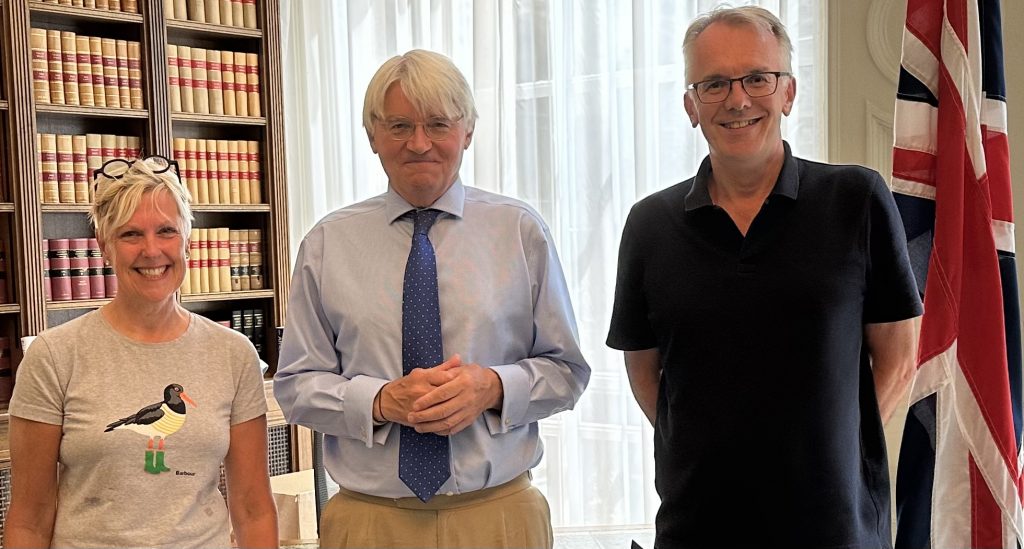
Professor Dixon, Minister of State for Development and Africa, Andrew Mitchell and Dr Humble meeting at the Foreign Commonwealth and Development Office, London 2024
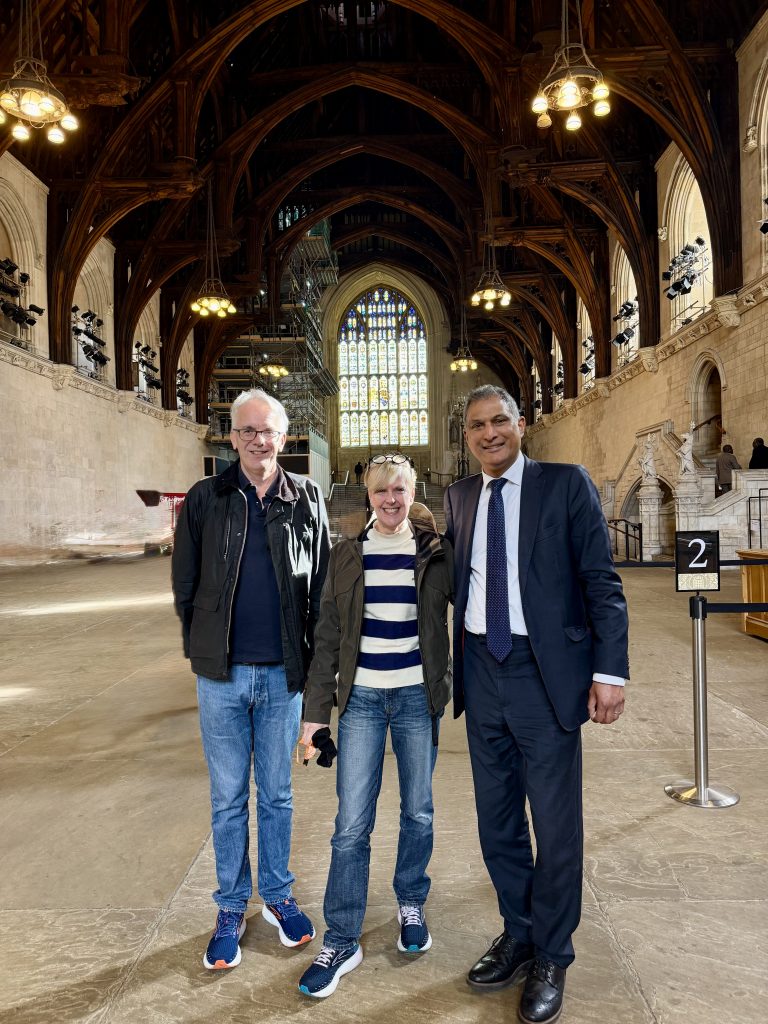
Dr Humble, Professor Dixon and The Right Honourable Lord Syed Kamall, Shadow Minister for Health and Social Care, Great Hall, Houses of Parliament, London, 2026.