Making the Archive Public #3 – Women’s Work: Oral Histories of the Women’s Institute

This is #3 of the ‘Making the Archive Public‘ series, where we are showcasing examples from this project, using the rich archive and rare book collections on offer to researchers in the North East.

Women’s Work: Oral Histories of the Women’s Institute

Visit: http://winortheast.omeka.net/

This website was created by Jess Kadow and Shelby Derbyshire as part of the Making the Archives Public: Digital Skills, Research and Public Engagement project at Newcastle University.

The Women’s Work project is a collaboration organised between Newcastle University, the Northumberland Federation of Women’s Institutes and The Northumberland Archives. The project consisted of recording and archiving the oral histories of the North-Eastern WI community, particularly its oldest members, as a means of preserving the tradition and heritage of the Women’s Institute.

The diversity of each woman’s experience with the WI, the changes they have witnessed, the friendships they have made and the activities they have participated in have given this project a great level of depth. This exhibition hopes to showcase its best elements.
 

Making the Archive Public #2 – The Execution of James Maben

This is #2 of the ‘Making the Archive Public’ series, where we are showcasing examples from this project, using the rich archive and rare book collections on offer to researchers in the North East.

The Execution of James Maben

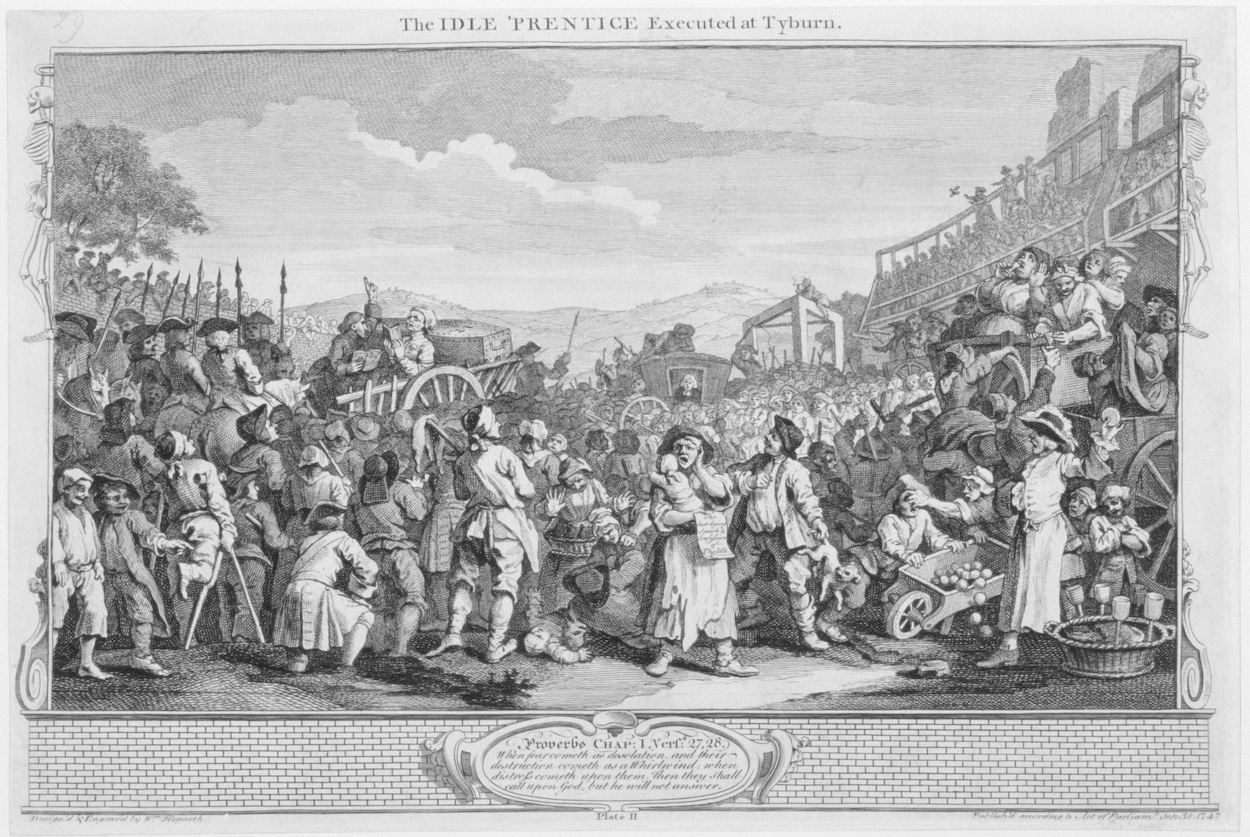
An eighteenth-century execution: Industry and Idleness, Plate XI, 'The Idle 'Prentice Executed at Tyburn', William Hogarth (1747).

An eighteenth-century execution: Industry and Idleness, Plate XI, ‘The Idle ‘Prentice Executed at Tyburn’, William Hogarth (1747).

Visit: http://executionofjamesmaben.omeka.net/about

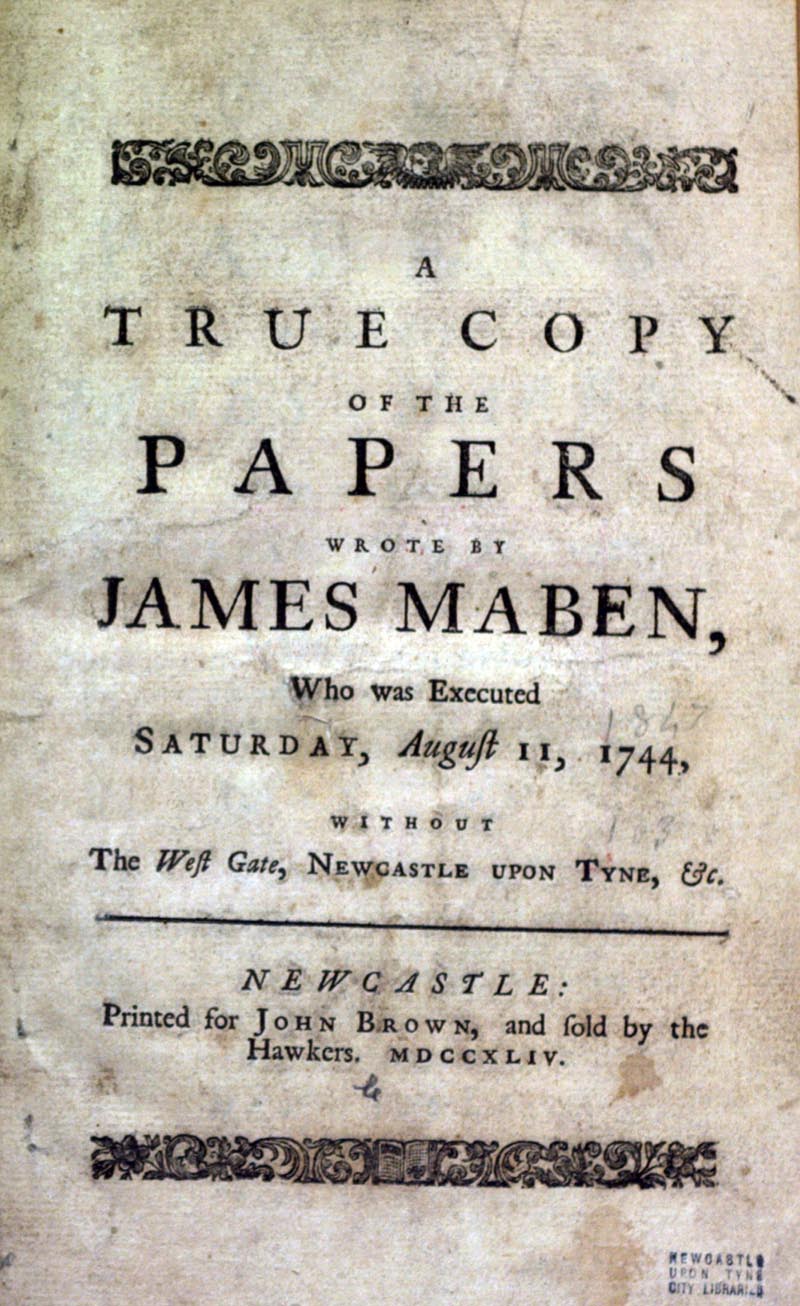
This project, by Robyn Orr, uses a digitised version of the eighteenth-century pamphlet, A True copy of the papers written by James Maben, held in the Newcastle City Library Special Collections. The themes that are discussed are Newcastle in the Eighteenth Century, Coins and Counterfeiting, and Prisons and Executions.

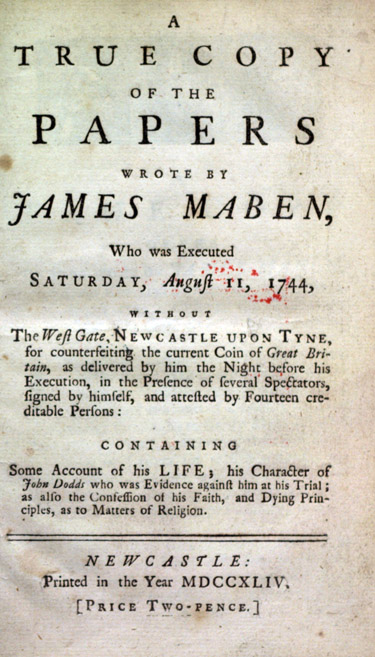
The pamphlet demonstrates that a single piece of archival material can be used to create a wider narrative (the front page and page 2 from the digitised pamphlet is shown below).

2nd page

Front page

Front page

Page 2