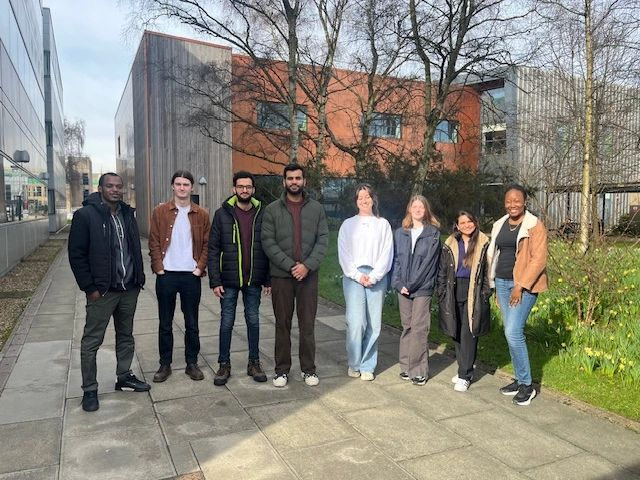
On the last Friday in January, Newcastle University joined in with households, schools, and parks for the UK’s biggest citizen science survey, the RSPB Big Garden Birdwatch.
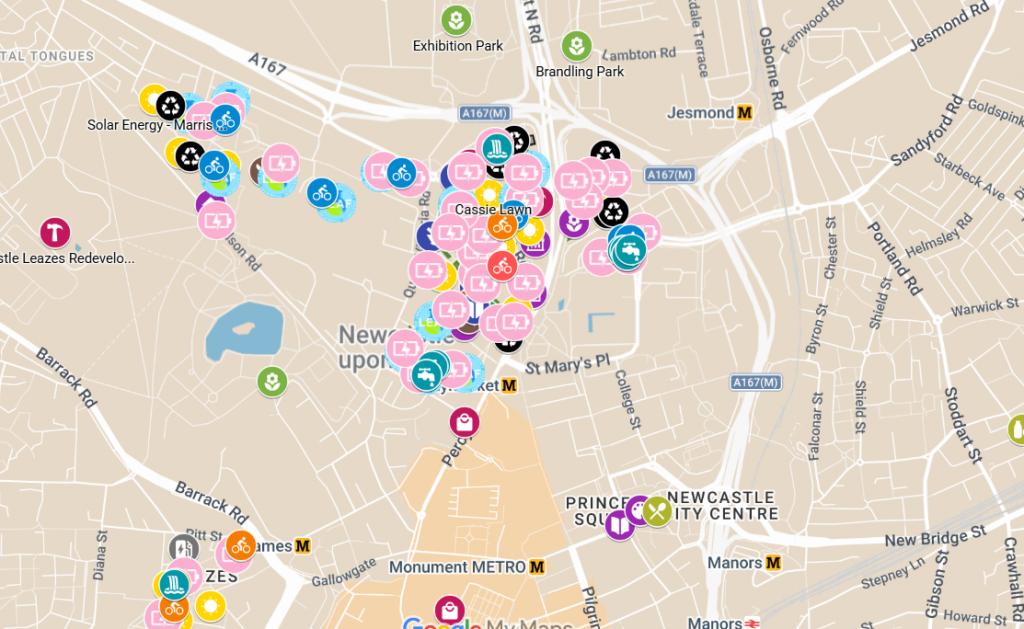
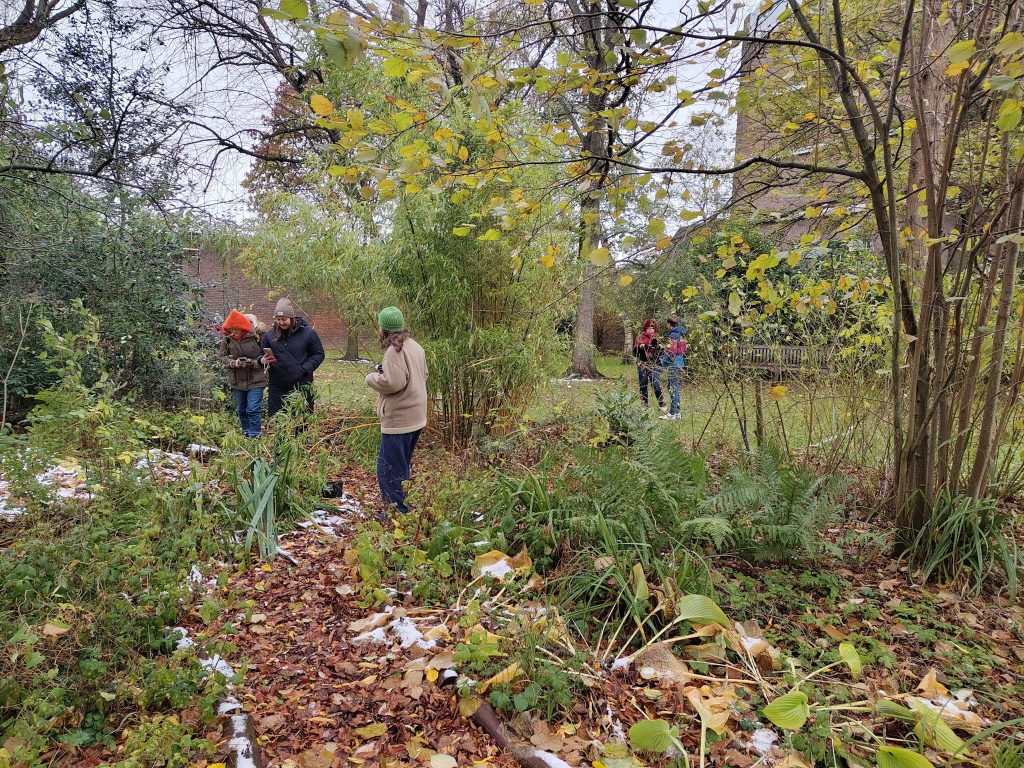
Despite the wind, cold and the threat of rain, participants met in Drummond Quad. We were armed with layers, binoculars, bird ID sheets and patience. The Quad is one of our beloved green spaces on campus, the area is home to some of our biggest trees, some little saplings and even a small pond! Check out our Sustainable Campus map for the location of all our Green spaces.
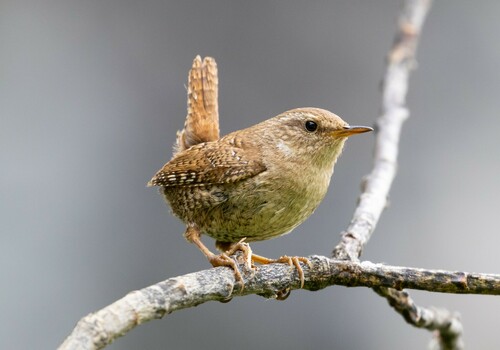
In the first 60 seconds of arriving in Drummond Quad we spotted a Wren! It was hopping around the pond and surrounding bushes and, unbothered by our presence, continued to do so for the remainder of our watch. We made sure to check it was the same Wren throughout, as not to over or under count.
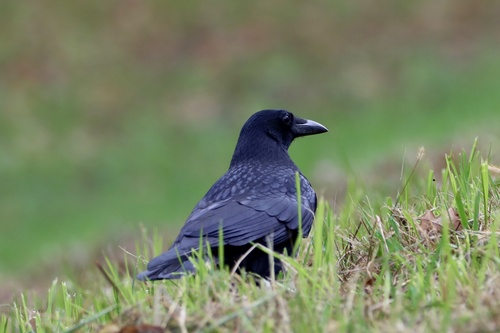
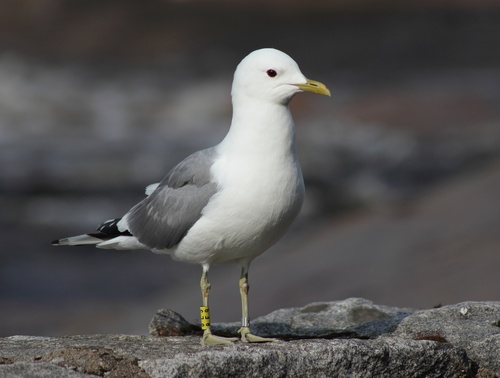
For nearly the entire time crows and seagulls flew and squabbled overhead and sometimes landed in the treetops of the Quad. When they landed, they got counted. Carrion Crow was our most spotted bird, counting 6 landing in the branches.
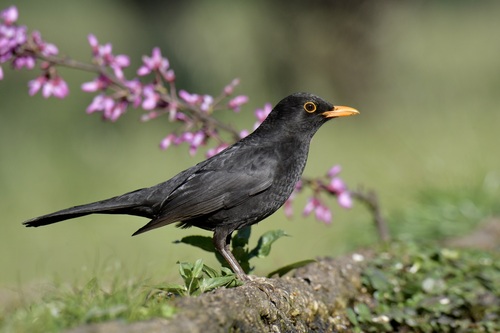
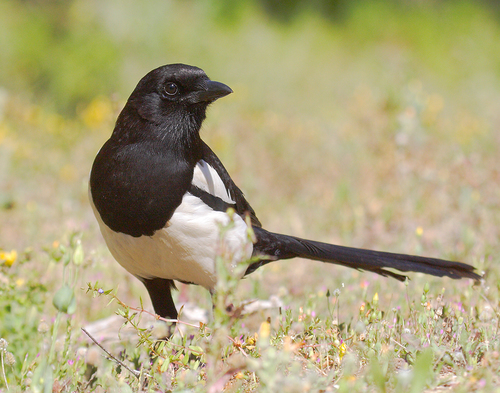
Amidst the noise from the crows and seagulls we were paid a visit by one Magpie and one Blackbird. The Blackbird was the 6th most spotted bird of the 2026 Birdwatch and 5th most spotted in 2025. So it seemed only right to add one to our count.
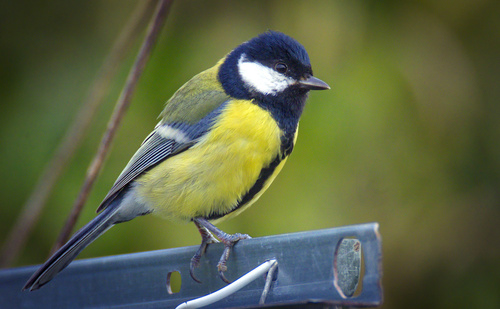
Lastly, one of the highlights of the watch was finding two Great Tits. They were spotted darting between the trees near Drummond Building. They are the 2nd most commonly spotted bird of the 2026 Birdwatch!
Overall, despite the weather, it was a success! Thank you to all who came along and helped us organise.
And even though the birdwatch is over, looking after our Biodiversity on campus definitely isn’t! If you ever see a bird, or some wildlife on campus feel free to record it on the INaturalist App. Make sure to join our Newcastle Project page too. If you’re new to the app, our beginners guide blog may be a useful starting point.
P.S. Check our events page to check a look out for more information coming up around our City Nature Challenge this April/ May.
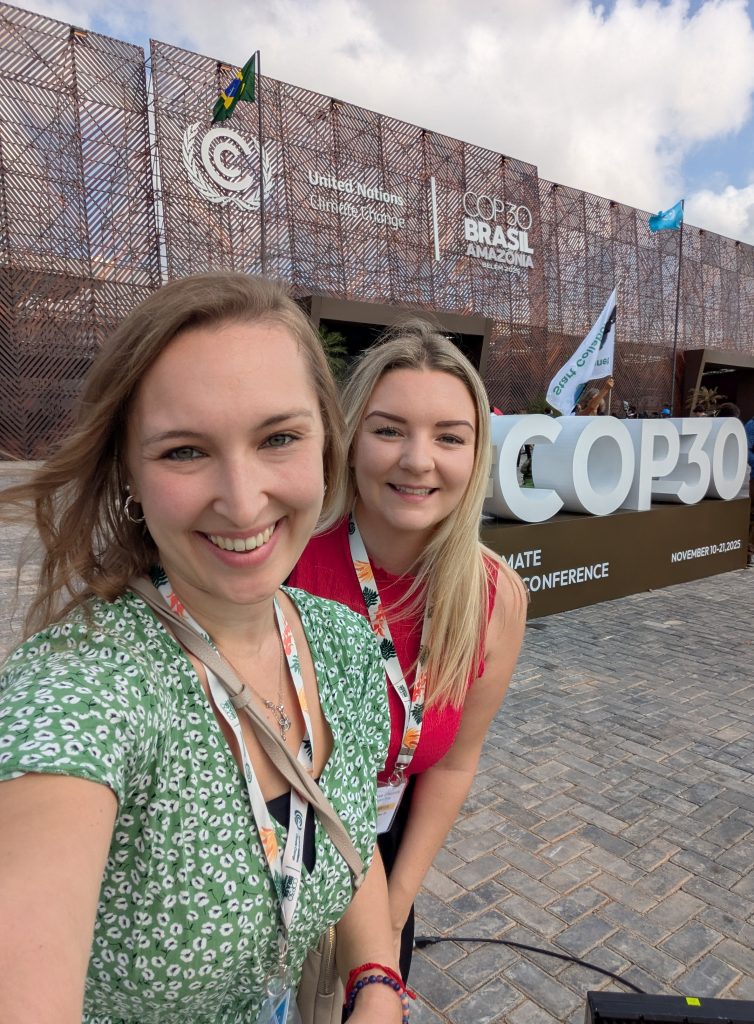
I don’t know how much you’ve heard about COP30. The annual Conference of the Parties is the birthplace of many landmark climate treaties. And on the 10-year anniversary of the Paris Agreement this year’s negotiations were set to take place in the city of Belém, coined the “The Gateway to the Amazon River”. The location alone has commanded a lot of media attention. It’s hard to miss the symbolic nature of negotiations occurring in the same region as the world’s largest rainforest.
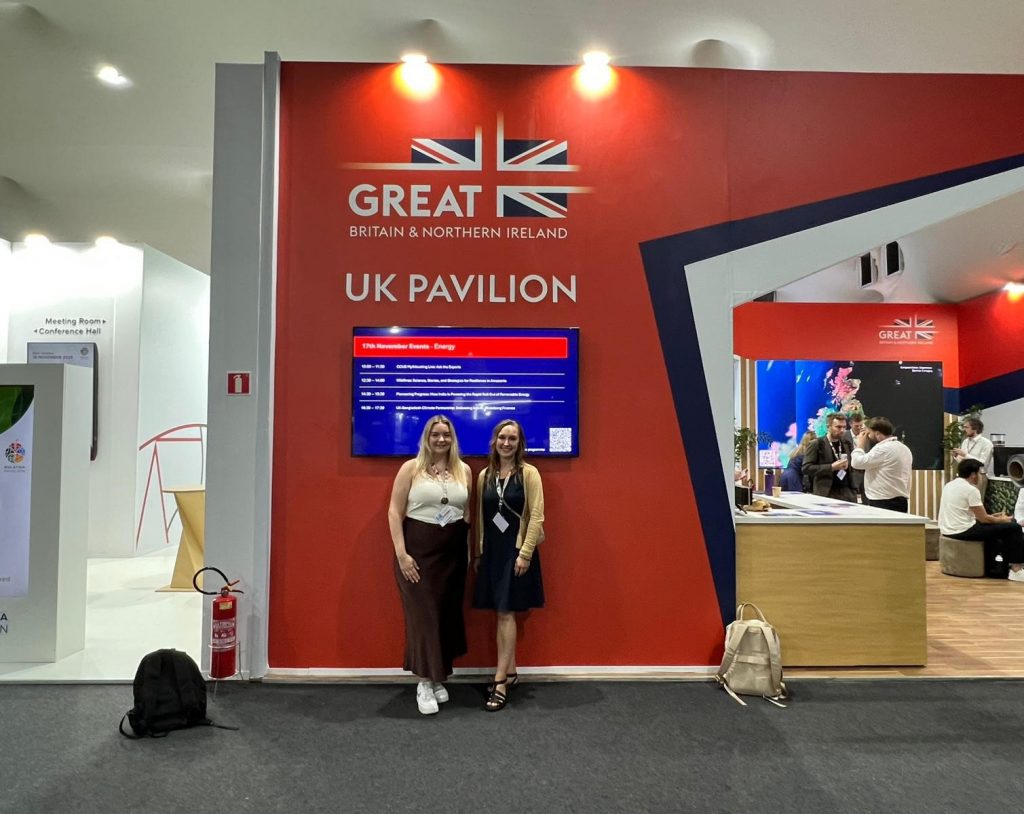
However, trying to keep track of 2 weeks of negotiations, across 78 pavilions, involving over 50,000 delegates is no easy task. Thankfully, 3 of those delegates were representatives from Newcastle University. I had the privilege of hearing the first-hand experiences and contemplations of Amy Neild, Professor David Manning and Dr Kristina Wolf. A priceless window into understanding what really happened at the COP of implementation” and “truth”.
What was Belém like?
None of our delegates had previously visited Belém, and it was immediately clear they were worlds away from a Newcastle November. Amy and Kistina were greeted by the kind of hot humid weather you could only expect from the “City of Mango Trees”. David even experienced a longer flight as the plane circled, waiting for a gap in the heavy rainfall. Heavy rain that was soon understood as a feature (not exception) of the afternoons.
The city, as expected, was alive with activity. Visits to the traditional Ver-O-Peso Market, historic centre, and the riverside restaurants and live music of the Ilha do Combú were standouts. With the aid of translation apps, local guidance and kindness were the beautiful backdrop to the city’s warm welcome.
The genuine care of the host city was clearly exemplified in the “Green Zone”. This part of the Conference was open to all and packed with participants. The space was bustling with stalls representing the interests of indigenous peoples and selling souvenirs.
What were your initial impressions of your first COP?
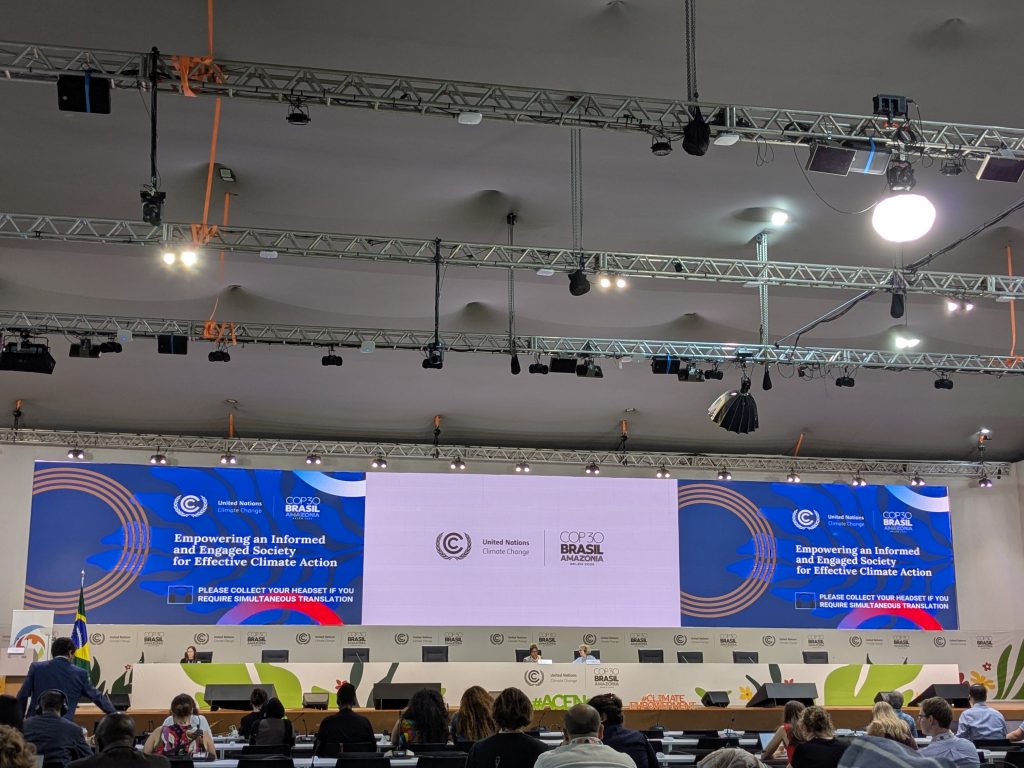
“I was immediately struck by the sheer size of the conference centre” Amy shared, 500,000 square metres of Blue and Green Pavillion truly made it the “Glastonbury of Conferences”. Kristina noted the overwhelming nature of stepping into a “conversation already in full flow, conducted in a new language of acronyms, abbreviations and technical terms”. “Resources like “Decoding UNFCC language” were extremely
helpful”. It was also the first time a COP had featured dedicated respective “Transport” and “Planetary Science” Pavilions.
Did you attend any formal negotiations, and could you contribute as an observer?
The resounding response was a mixed one. You could attend negotiation sessions but access for observers varied Kristina explained. “Some sessions were completely closed… others had only a handful of observer seats… as few as nine.” “Observers sit in the backrows and primarily listen”. This access to negotiation meetings became more limited the longer the conference went on. Long queues formed outside popular agenda item sessions, sometimes even surpassing the person limit of the overflow room. Amy described it as “eye-opening” to witness the COP presidency cut off the speeches of “delegations that overran their allotted time”, an abrupt but necessary tactic to ensure “all voices had a chance to be heard”. David came the closest to attending a negotiating meeting up close. His host had a status that permitted him to bring David into a typically non-observer space, as even Blue Zone security clearance wasn’t an “access all areas” card. Unfortunately, this entry point into a negotiation space was cut off by the Pavillion fire that made the headlines. Thankfully evacuations were well executed by the organisers, and our observers made it safely outside.
What about the many side events?
Each observer opted for the side events most relevant to their area of expertise. These sessions were noted as far more interactive, taking the form of panel discussions, presentations, storytelling and even some informal consultations. David spent a lot of time in the CDR30 pavilion. He “spoke at a panel in this pavilion, on the challenge of scaling CO2 removal by enhancing rock weathering”. Kristina noted the recurring theme of data challenges and the necessity of multi-level stakeholder engagement that empowers communities that were present in many of the events attended.
With over 50,000 participants, how was the networking?
In many ways the gold of the conference seemed to be found in the networking. “It was one of the most vibrant networking spaces I have ever experienced” Amy shared, recounting how networking opportunities kicked off in Rio de Janeiro before boarding the flight to Belém! David stated “I was able to meet people I wanted to meet, and many others by accident” the random nature of the networking seems to be part and parcel of a meeting that size. Nevertheless, it was a chance to start conversations with Makerere University in Uganda, alongside new contacts in Malawi and the USA as well as Brazil. Kristina noted the Higher Education Pavillion, lunch tables, queuing lines, WhatsApp groups, LinkedIn networks and informal discussions after side events all became
particularly useful meeting points for networking. “These conversations allowed me to share Newcastle’s work, including the DARe project and the data resources available through the Urban Observatory”.
After 3 decades of COP’s, some commentators have noted the conference may no longer be fit for purpose. What do you think having seen it up close? What needs changed?
There’s a “lively debate” around this Kristina agreed. “A lot depends on the chair or facilitator” they can “significantly shape the tone of the session and the way countries interact”. Amy added, “at times, negotiations were deliberately slowed down by delegations using strategic tactics”. David noted “processes are slow… frustrating given the urgency of the need to make change happen.” The president had to “navigate a difficult path to achieve a consensus”. Even a consensus that disappointed many due to the “inability to agree a roadmap leading to the end of fossil fuels”.
However, our observers unanimously agreed there was still much value in the conference. Kristina explained “COP remains unique: there is no other forum where almost every nation, plus observers, scientists and civil society, meet under one roof and negotiate climate action. That alone is enormously valuable”. David reiterated “if we didn’t have it, we’d go backwards”.
In terms of practical change, Kristina cited the need to improve inclusion and balance for smaller delegations, indigenous peoples and frontline communities to participate meaningfully, not just symbolically. Strengthening the role of science through regular and structured briefings would help negotiators navigate policy pathways. And lastly conflicts of interest need to be addressed, namely the influx of influence from fossil-fuel lobbyists.
Knowing what you know now is there anything you’d do differently?
David was in no doubt, “do more homework in advance!”. Amy agreed “I would plan my entire week ahead of the conference”. She noted “some last-minute searching will still be necessary” for those events released only the day before. Kristina found the best way to accommodate these last-minute event announcements and forward plan was to build in flexibility. “Sessions may run over time, speakers may arrive late, power cuts may occur, and room changes may happen unexpectedly… the walking distance between meeting rooms may be long”. Keeping an eye on the real-time updates and leaving space to be adaptable to the host country seemed like sage advice.
How can the University best utilise its status as a UNFCCC observer organisation?
“Early planning, strong coordination and visible engagement” shared Kristina. Early planning was the consensus of all our observers. This would enable the University to coordinate with other universities, observer groups, NGOs, and other sizeable UK institution delegations. It was noted that early engagement with the Higher Education for Climate Action Pavilion may create the path to co-host sessions, contribute speakers and/ or shape thematic events.
Amy also noted hosted pre and post COP events for students, colleagues and delegates would create a space to prepare for the specific language and processes of the negotiations and to share that knowledge and first-hand insight on return.
Post COP, how optimistic are you?
“50:50” David decided. “If it is left up to our governments the chances are zero… the burden falls on communities of committed individuals and organisations”. Amy landed on “More hopeful”. Of course there were concerns raised, many of them focused on climate finance, but the hearing about initiatives across the globe was a brilliant way to be encouraged by the action that is happening. Kristina surmised her view as “a mixture of cautious optimism and realism”. “I met an extraordinary number of committed people”, she shared. But “many delegates asked the same question: if science has been unambiguous for so long, why has action been so slow?”. Strengthening collective responsibility would aid this conditional optimism. David concluded: “universities have a vital role to play in helping our students to learn about climate change, about COP, and about how they can play their part in challenging the status quo and secure our global future”.
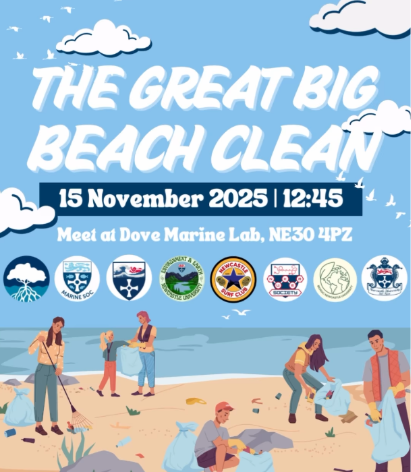
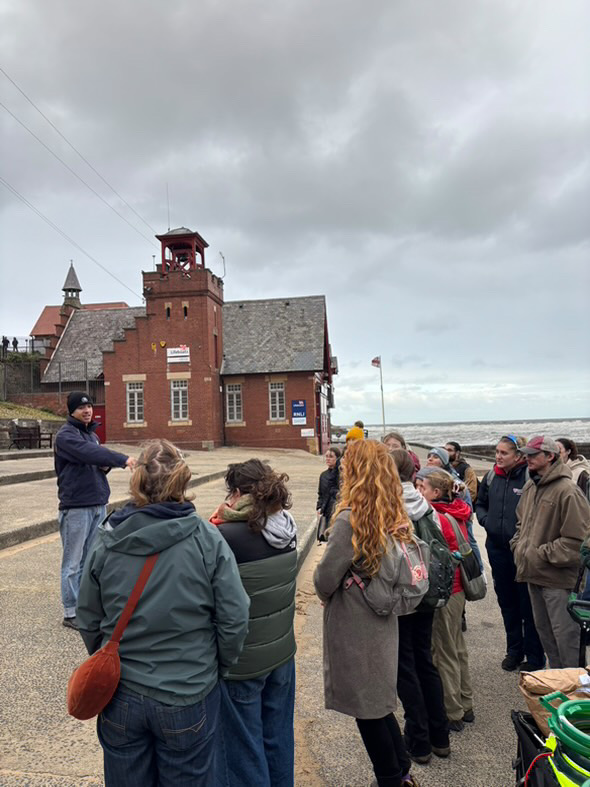
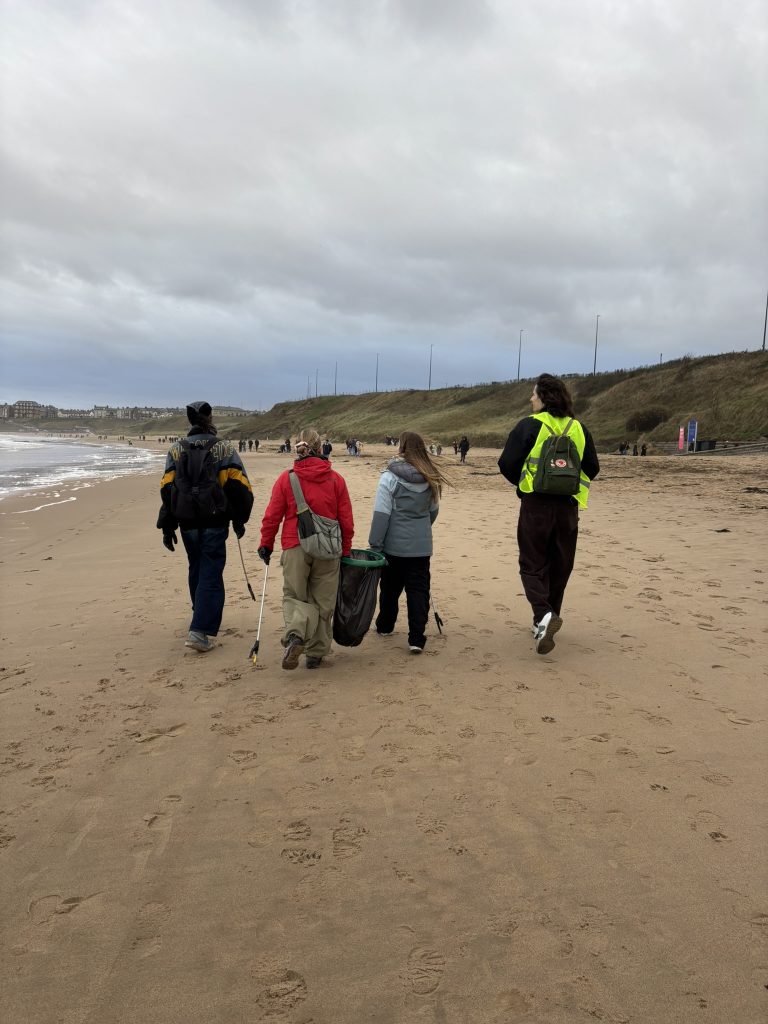
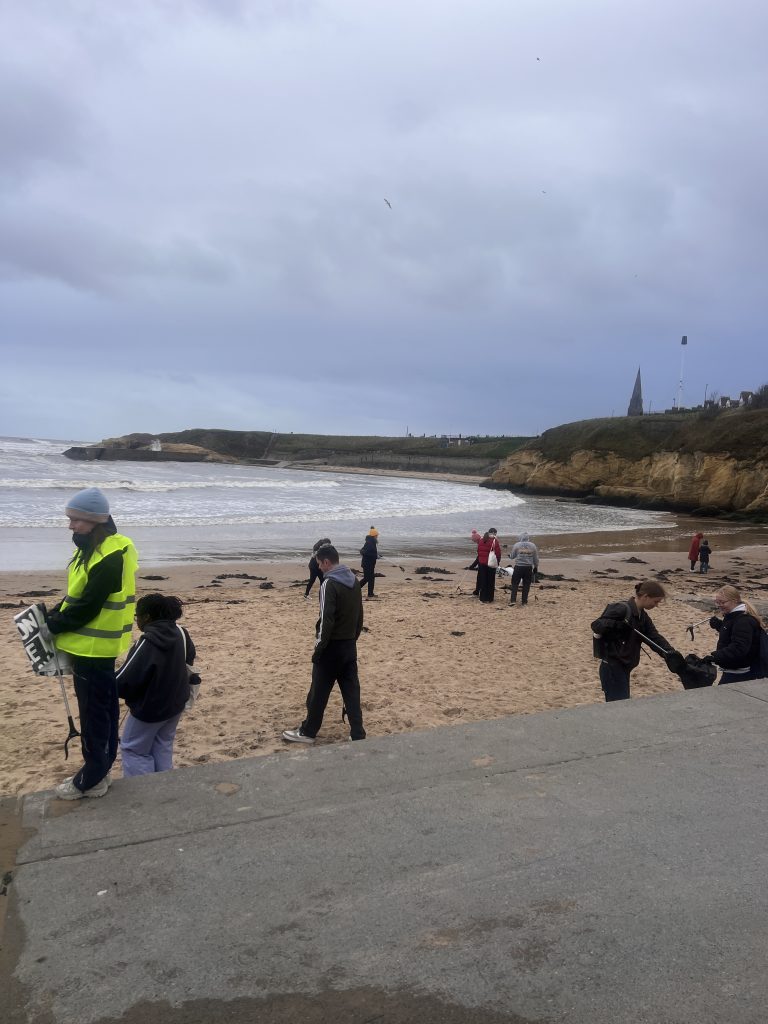
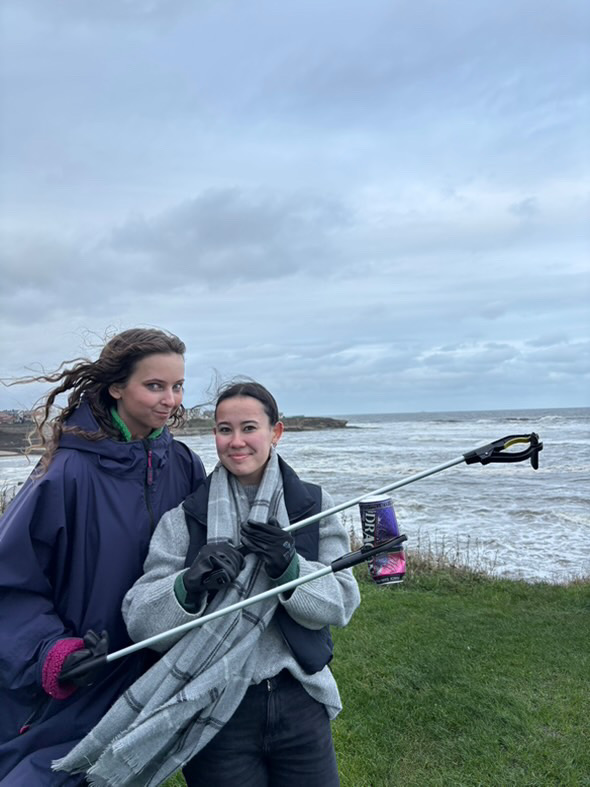
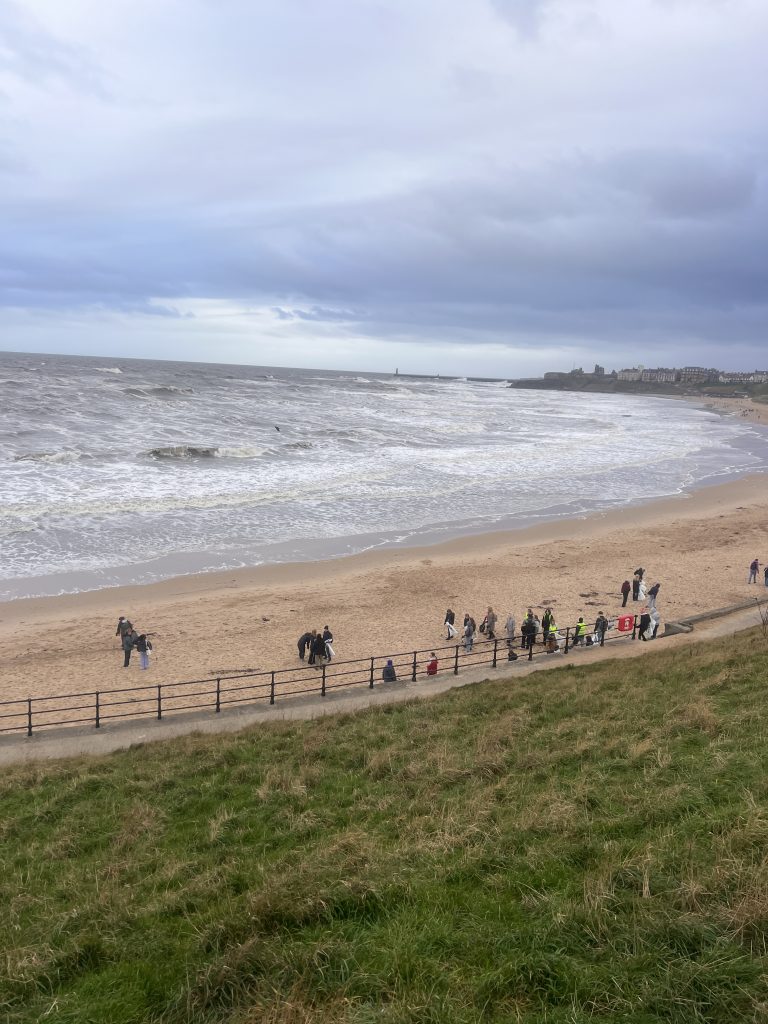
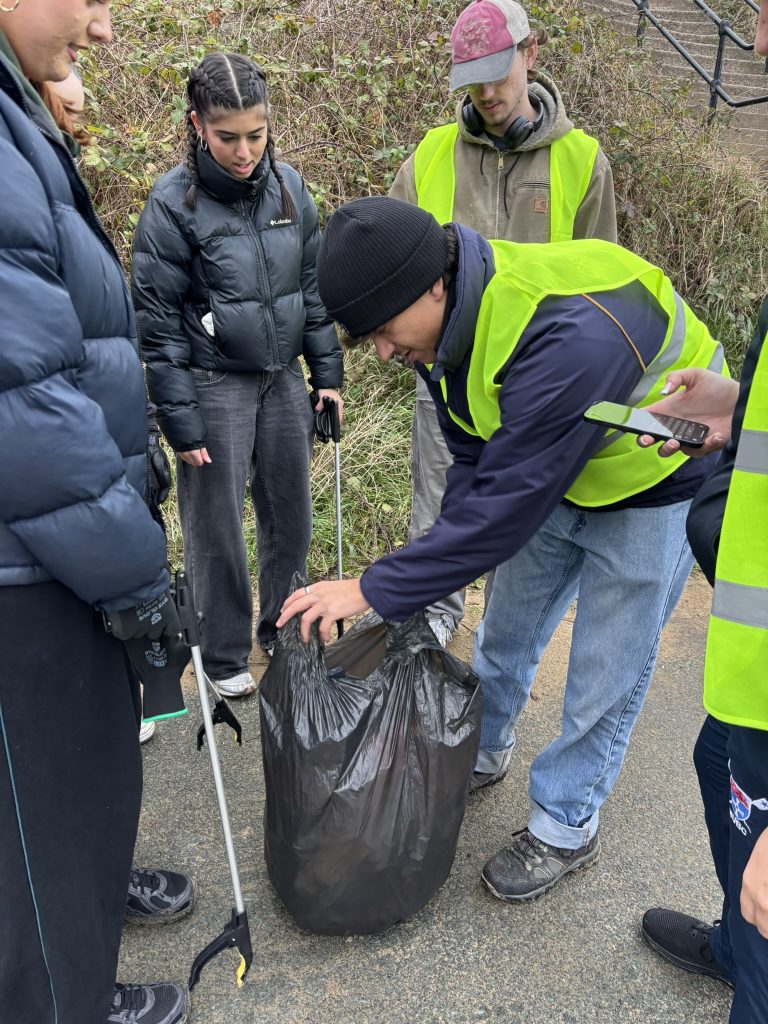
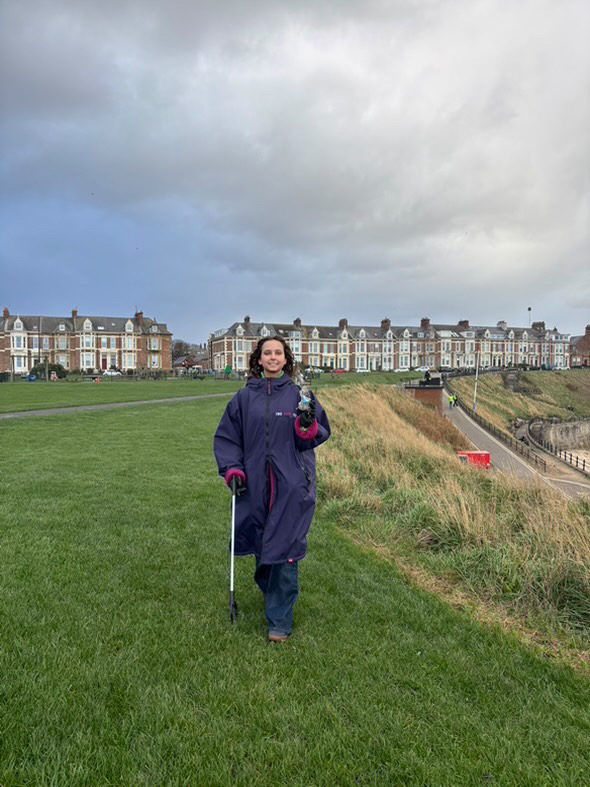
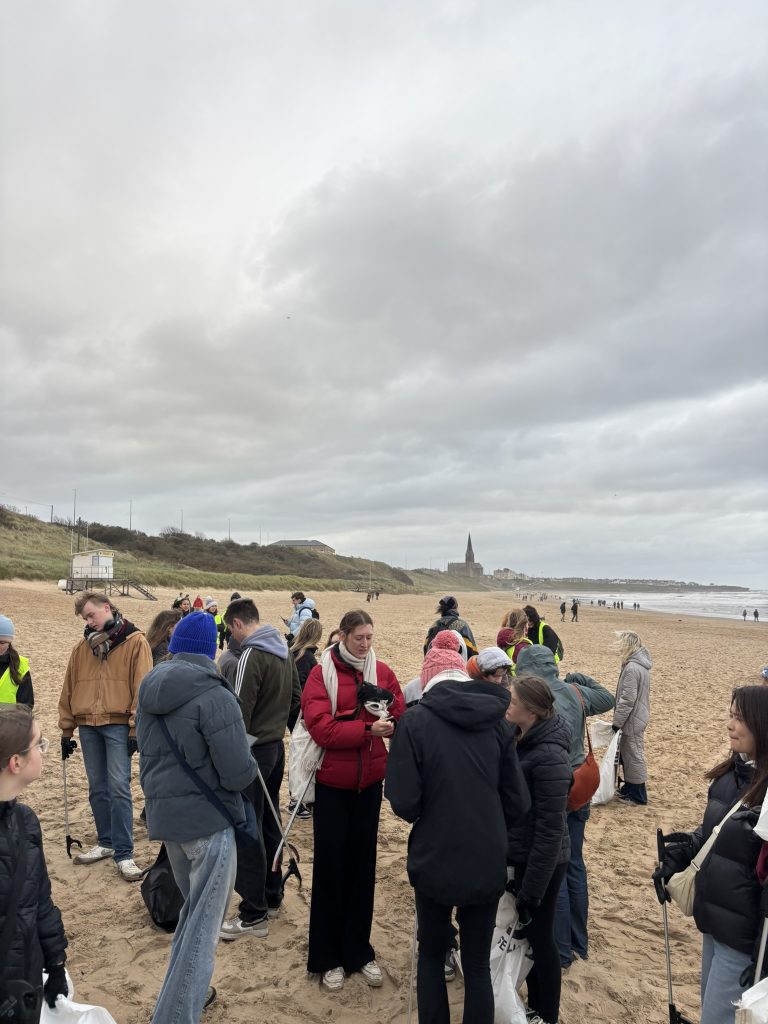
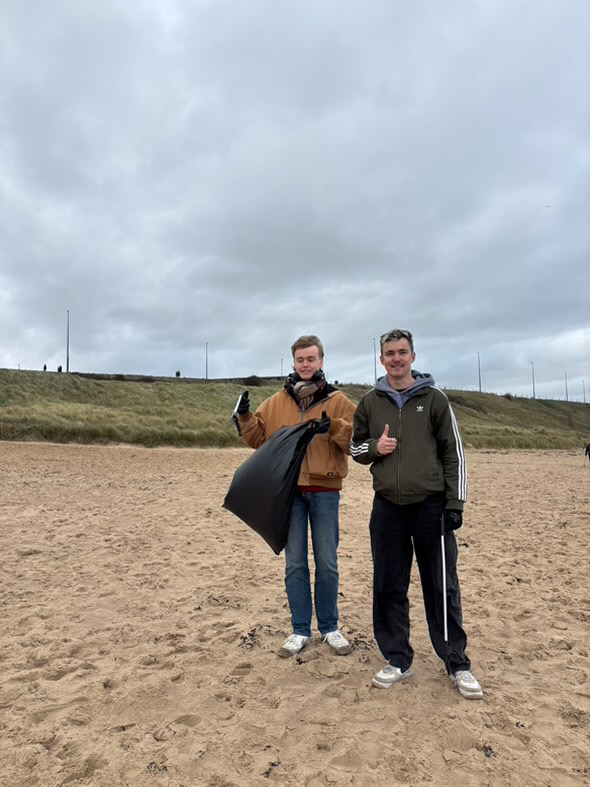
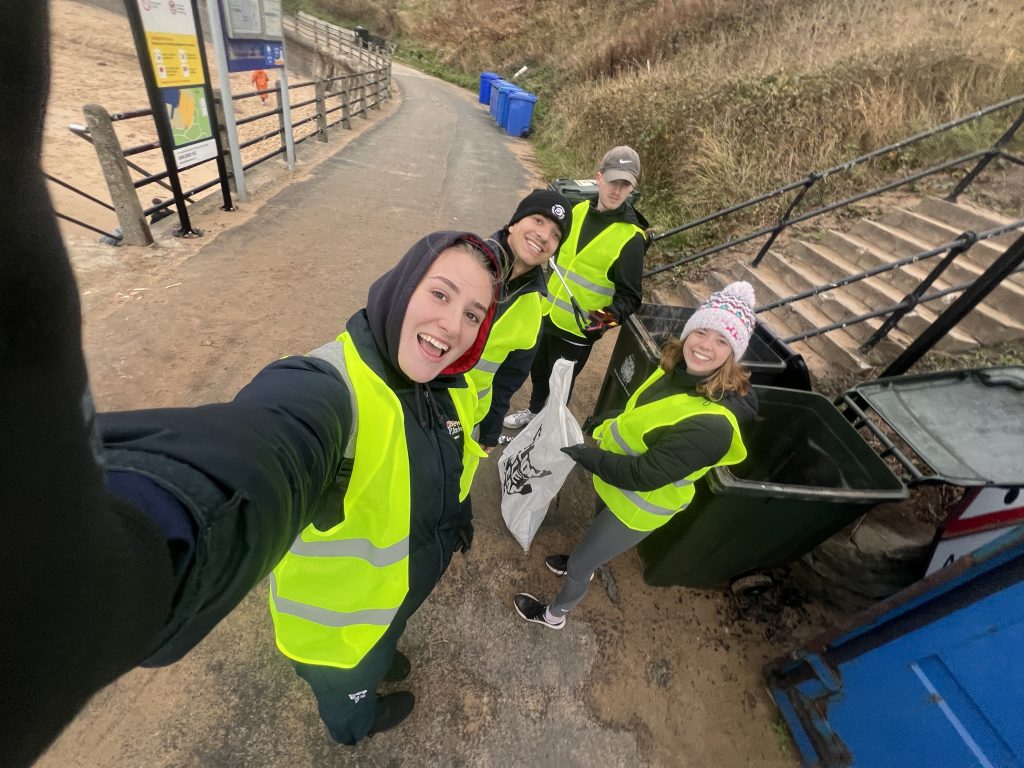
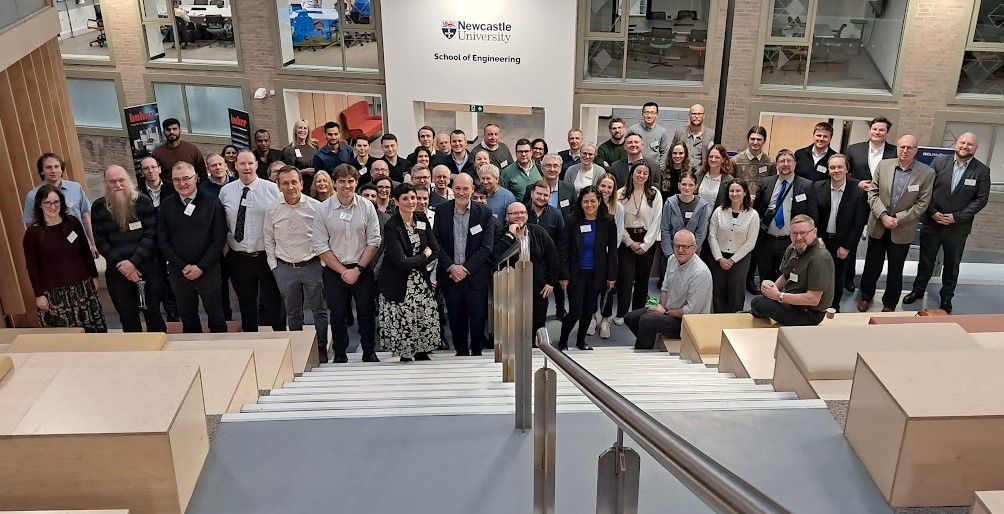
On the 15th of November 2025, a crowd of 68 Newcastle University students gathered by Dove Marine Laboratory, litter pickers and bin bags at the ready!
This group represented an ambitious and momentous cross-club/ society event, with members from 8 different student groups contributing to the pick.
The effort was also joined by some Women in Ocean Science and Northumberland Wildlife Trust ambassadors. The collective broke the participants record for Newcastle University society’s litter pick history.
Along the trail starting in Cullercoats at Dove Marine, across Longsands, and finishing at King Edwards Bay, Tynemouth these litter pickers collected a hefty 56kg of litter! The second to best for weight collected in the society’s history.
Really good turn out and we got the beaches looking spotless! – Lucy and Freya (Newcastle University Marine Society)
The Environment and Earth Society concurred the event was an undoubted success:
“Very rewarding and a fun challenge to try and pick up the most litter”
“A lovely afternoon spending time outdoors and doing something actively positive for nature”
“Exciting to be with such a big group of likeminded people!”
The Beach Cleaning Society were overwhelmed with the turnout and support:
“It was a great way to contribute to keeping our local beaches clean, and collaborating across multiple societies gave everyone an opportunity to connect with likeminded people- was a very enjoyable afternoon despite the cold!”
“It was an amazing event, and we were very proud with the turnout so a huge thank you to everyone who came to help clean our coastline!”
A huge congratulations and kudos to the students involved for the impressive positive impact created. Can’t wait to see what you do next!
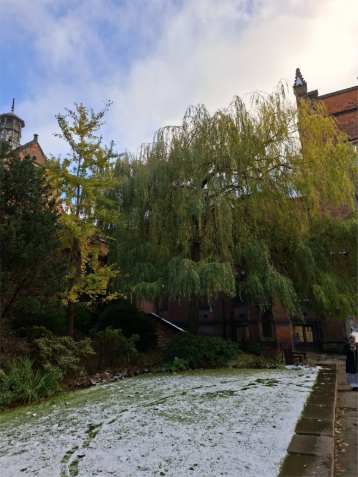
On a snowy November lunchtime, in icy air, colleagues from across the University joined the Sustainability team at Kings Gate stairs for a tour of the trees. Despite the unfavourable conditions the group remained undeterred, donning layers to shield the cold and a particularly brilliant array of hats. Once participants had a chance to download the iNaturalist app and join the Newcastle University Campus Biodiversity Network, we were off!
Our loop around campus took us past the Arches, Quadrangle, entrance to the Courtyard Cafe, Claremont Quad and across Claremont Road into Drummond Quad before returning to Kings Gate. If you want to check out some of these Green Spaces have a look at our Sustainable Campus Map!
In total 39 new observations were recorded on our Campus Project Page across the Winter Wander. This comprised of 32 different species: 1 bird, 1 insect, 2 fungi, and 28 different plants (of course plenty of trees).
Here are some highlights (top 3 trees and 2 special mentions):
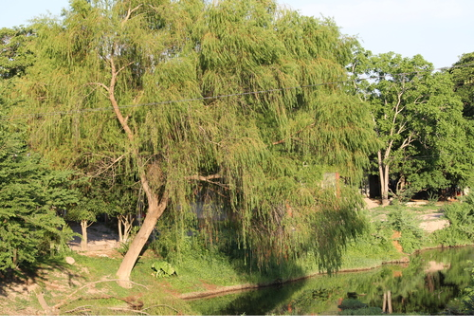
1. Weeping Willow (Salix babylonica)
Arguably one of the most iconic trees on campus, it’s the weeping willow that sways over the Fine Art entrance beside the Arches.
Captured on campus by iNaturalist user smah1Reference image from iNaturalist website
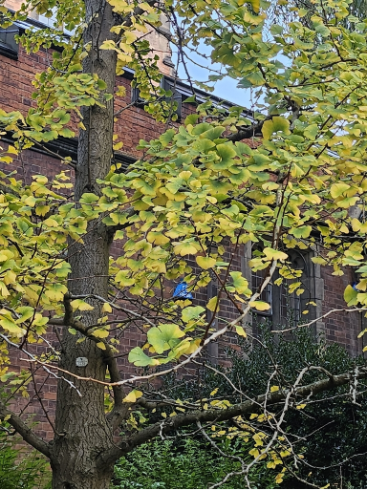
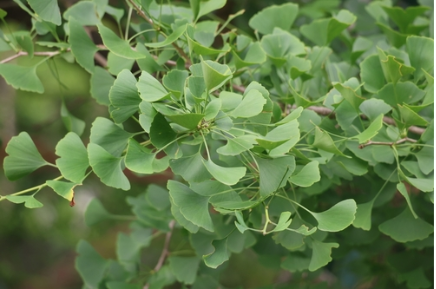
2. Ginkgo (Ginkgo biloba)
Also known as the “maidenhair tree” it is found in the Quadrangle. Native to East-Asia it was historically known as “silver fruit” or “white fruit” in Chinese. Due to a centuries old transcription error, it got the name “Gingko”.
Captured on campus by iNaturalist user steph50665 Reference image from iNaturalist website
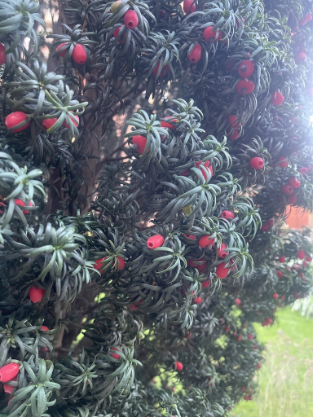
3. Common Yew (Taxus baccata)
This festive looking tree, adorned with striking red berries is not to be messed with. This old-world species of evergreen tree is completely poisonous, apart from the red flesh of the berries (although the seed inside is).
Captured on campus by iNaturalist user olivia_______ Reference image from iNaturalist website
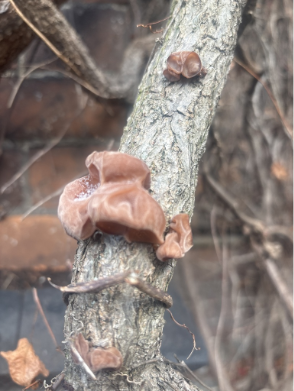
4. Jelly Ear Fungi (Auricularia auricula-judae)
These gelatinous looking fungi were spotted on a branch in the Quadrangle.
Captured on campus by iNaturalist user carys2030Reference image from iNaturalist website
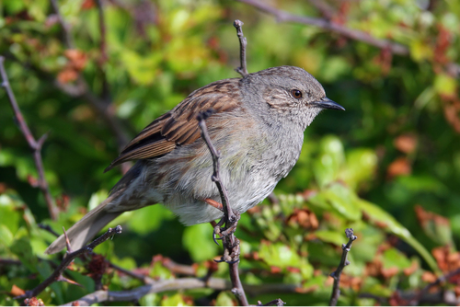
5. Dunnock (Prunella Modularis)– carys2030
Photographing any bird is tricky! But one walker managed to snap a photo of this little Dunnock hiding out under the bench outside the Old Library.
Captured on campus by iNaturalist user carys2030 Reference image from iNaturalist website
Thank you to all who joined us and contributed to the observations, laughs and impromptu litter pick! We look forward to seeing more iNaturalist spots over the Winter months.
Over the last week in October, the Sustainability Team had the joy of joining the Great North Museum for Hibernation Half-Term.
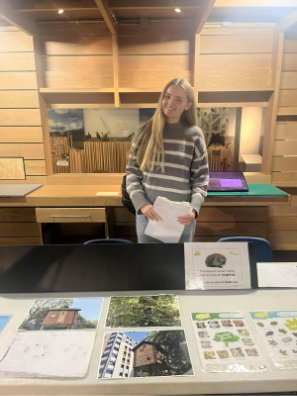
Throughout the vast Living Planet Gallery were a collection of stations for visiting kids and accompanying adults. Each had a unique offer, whether it was making a paper bat puppet, stroking (gently) a taxidermy hedgehog, or hearing about hibernating species on university campus, there was plenty to learn.
The Sustainability team stall focused on sharing about our on-campus hibernators. The main two being:
Common and Soprano Pipistrelle bats (November – March)
Hedgehogs (October – March)
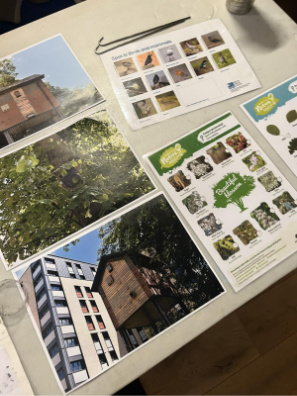
The stall featured photos of hibernation locations, such as the 2 large-scale bat barns and nearly 50 bat boxes across the city centre campus. And various instruments and aids used to help monitor these species, such as charcoal powder, plastic containers and one of the five hedgehog tunnels.
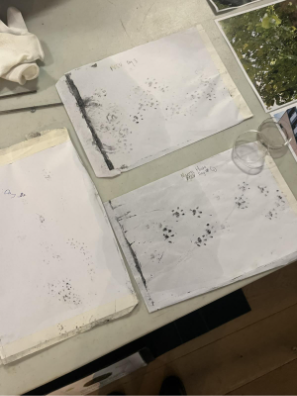
The most popular item on the table was the genuine hedgehog footprints. These were taken from the city campus hedgehog surveys carried out in June. More information about biodiversity on campus can be found on our Biodiversity webpage.
It’s a new academic year! And that means many things, including newly elected NUSU student representatives. I had the joy of catching up with the new Ethics and Environment student rep and asking all about the role and their hopes for the year ahead. Read on to listen into our conversation.
Hi Eleanor! Could you tell me a bit about who are and your experience at Newcastle University so far? Hi, I’m Eleanor and I’m this year’s Ethics and Environment rep at NUSU! I’m a Stage 4 student studying for an Integrated Master’s in Earth Science. I’ve really enjoyed my course because it’s so varied, I can’t believe I’m in my Master’s year now. I’ve had a great few years in Newcastle and societies have been a huge part of my experience.
They’ve given me the chance to meet so many great people. I’ve joined various societies over the years including Environment and Earth, Model UN, Irish Dance and Latin and Ballroom. I’ve also been involved in the committees for some of these. I was Secretary and then President of Environment and Earth, and now I’m Secretary for Model UN.
Amazing, so good to hear how societies have shaped your uni experience. So how did you get interested and involved in the NUSU rep role? Last year when I was President of the Environment and Earth Society I was asked by (now retired) Senior Lecturer Dr John Appleby if I wanted to get the society involved with ‘Hope not Heat’ a youth climate event he was organising. I reached out to other student groups like the Plant-Based Unis Campaign (PBU) and the Beach Cleaning Society. We put on events in addition to the organised public “Hope not Heat” events. John had mentioned the E&E rep role which I hadn’t heard of before and I became interested! At the end of the academic year, I attended Student Council to support a PBU motion. At that student council meeting. They were also electing the E&E rep and others encouraged me to go up for it. So that’s how I was elected! I’m very excited about the role given my passion for sustainability!
So now you’re elected, what’s the first thing you want to do? How can others get involved? The first thing I’m doing is starting up the Student Environmental and Sustainability Committee (SESC). It will be attended by reps from sustainability linked student groups and Environment and Sustainability (E&S) course reps. It provides a link between students and staff as I also attend the University Sustainability Committee (USC) where I raise environmental concerns from students. I’d really recommend becoming an E&S rep if you want to get involved and attend SESC where you can pass on environmental issues you want to raise from your School. Also, I want to encourage students to reach out to me about ideas/concerns so I understand student opinions on sustainability and can use this to shape future initiatives!
Brilliant! Well, I’m looking forward to seeing the SESC come together and for all the work it will do for sustainable action on campus.
This webinar will have all you need to get started, whether you’re new, returning, or just investigating whether to get involved. Either way, we’d be delighted to have you join us.
Curious, but not sure? We’d recommend you join the webinar to make up your mind. But also, why not hear the reviews of our previous Green Impact Teams? We sat down with three of the teams (SNES, Bioscreening Core, and NIHR BRC) to find out how Green Impact has helped them embed sustainability into their workplace.
How did the toolkit help?
“We became aware of the different steps we could take to operate more sustainably as a team, such as hosting events which integrated sustainability as part of the planning. We also discovered that there were areas that we were already doing successfully without really being aware of them” – Rachael Gray from, NIHR Newcastle BRC
What’s your advice for getting started?
“Start small and find 5 practical and easy solutions and move forward from there. Pass the message, on a one-to-one basis; rather than placing notices on corridors, a personal conversation is advantageous for the team (if only reputational!) as it can be more effective.” – Carmen Martin-Ruiz, Bioscreening Core Facility
What’s the biggest change your team made?
“Our infrastructure team now include regular sustainability checks in their scheduled building walkarounds, including fridge temperature checks, radiator checks, bin audits and push-tap checks. These now happen as a matter of course and have been embedded into the day-to-day tasks of the team.” – Katy Sawyer, SNES
Last year we had 16 teams participate, 9 achieve an award and 5 of those reach Gold! Due to this high level of gold awardees, this year we’ve introduced the “Platinum Award”. Could your team be the first Newcastle University Platinum Award winners?
Let the Green Impacting Commence!
P.S. A HUGE CONGRATULATIONS to the 24/25 awards winners:
Special Awards
Sustainability Hero – Katy Sawyer
Environmental Improvement – Comparative Biology Centre
This June Newcastle University hosted Discover Fest 2025! A free, one-day festival brimming with family-fun. The activities list overflowed with idea-sparking events, but there was one film screening that caught my eye… With the festival’s focus on the next generation, it’s maybe not at all surprising that the challenge of tackling climate change featured. But the “Climate Change Catastrophe!” film co-created by kids, Newcastle University engineers, and the Cap-a-Pie team, was full of surprises. The film expertly communicates the serious and interwoven issues of climate change with a childlike perspective and an attitude of play. So much so that it manages to, the audience into giggles while educating on a topic many would rather avoid discussing. I had the privilege of catching up with Catherine Walker and Katy Vanden, two instrumental players in bringing the film to the festival. I was keen to learn all about the film, from its very origins to the audience reactions at the festival screening.
First, a video call with Catherine Walker, NUAcT (Newcastle University Academic Track) Fellow in Cities and Place. Catherine’s research encompasses the intersections of young people, climate justice and education, zeroing in on how children are learning and reacting to climate issues. Catherine shared how she seeks in her research to learn from youth perspectives and uplift their voices. When she first encountered the film, she saw it as an incredibly useful way to centre child and youth perspectives at the Discover Festival. She explained that when it comes to climate change “people are fearful about bringing it up with children”. But the film demonstrates that “talking about climate change is not just necessary, it can also be fun, supportive and intergenerational”. On the day, the screening and Q&A sparked cross-generational curiosity in helping unpack these tricky topics. While adults tended to voice more technical and specific questions to the panel, the backdrop of laughter enabled young audience members to voice their questions with the hopeful curiosity and honesty of a primary school class.
Next up a call with Katy Vanden, a producer at Cap-a-Pie. She explained that the film’s primary purpose was to give the young people they work with a voice on an issue that concerns them. Action is a brilliant antidote for anxiety, and that’s true for all generations! By working with Newcastle University academic Dr Alistair Ford to ensure the script was supported by the facts, the kids had the opportunity for empowerment by their newfound knowledge. Katy noted the shelf-life of the film has been even longer than expected. The project began in 2019 and was first shown in 2021. Covid lockdown became the catalyst for filming what was initially exclusively a stage-show! It’s immortalisation on Youtube has enabled its transformation into a 6-episode resource for any and every-one interested. It’s proved particularly useful in schools, used in the programs of at least 10 partner schools in the Northeast and beyond! The film’s use outside of the classroom with mixed generation audiences (such as at Discover Fest) is incredibly impactful. It seems the climate science is even harder to forget when voiced by those who will be most affected in their lifetime. So, this rare opportunity for adults to get children’s view on a crucial topic is priceless as a call to action.
PINZ (Process Industries Net Zero) is home to an innovative cohort of researchers, paving the way for Net Zero within manufacturing industries. With a project focus on an industry problem in energy, feedstocks, or data, this research community is the first of its kind, collaborating across the Universities of York and Newcastle and working alongside their respective industry partners to drive the seismic shifts in practice required to achieve Net Zero.
I had the privilege of picking the brains of the inaugural cohort. To learn about the origins of their climate-concerned research focus, their highlights so far, and what they deem as the critical skills for future Net Zero leadership.
When and why did you first become interested in pursuing research centred on Net Zero and sustainability?
The origins of interest for these researchers were multi-faceted and diverse. However, some key themes bubbled to the surface of the group’s responses.
Nearly everyone cited a form of environmental educational as the key that unlocked their curiosity. For some it was a university master’s module, for others a previous research project from work or school. For both the space and time to meditate on the poly-problems of climate change proved to be the tipping point that led them to search for solutions.
“I realised I wanted to be more than just part of a project—I wanted to dig deeper, ask bigger questions, and help find long-term solutions. Pursuing a PhD feels like the natural next step.” – Abdul Samad
The other sentiment that really struck a chord with me was their realism concerning the urgency and planetary impact of their research. One researcher candidly shared about their personal lived experience of climate change.
“I was residing in Chennai, India and the city faced a severe drought that led to water rationing during an unusually intense summer. This experience got me thinking about the alarming consequences of climate change and the need for reduced emissions causing harm to the environment.” – Zuhair Ali
Many quoted the desire to see tangible change in the face of intertwined environmental crises as the baseline motivator for their dynamism. An energy that doesn’t confine itself to the theoretical confines of academia.
“I’ve become increasingly focused on sustainability and making more eco-conscious choices in my daily life” – Louise Amor-Seabrooke
What’s been the highlight so far?
Not even one year into the PhD programme, the group had no shortage of engaging experiences and pinpoint moments to share.
Praises were sung of how the wider PINZ team had made the switch to a research-mindset, although a learning-curve, all the easier. A few specified the intensive training that kickstarted the programme as formative to their practice. These workshops laid the foundations of clear communication, out-of-the-box thinking and ethical responsibility for each project.
“The highlight has been learning how to shift my mindset from thinking like a student to thinking like a researcher” – Vaishnavi Jambhokar
An additional stand out was the culture of collaboration. This culture spans universities, researchers, disciplines, industries, business partners, and the cohort itself! Knowledge sharing across networks seems to make up the bedrock of these projects, proving to be invaluable in their problem solving.
What’s going to be the most critical skill for future Net Zero Leaders?
One of the purposes of the PINZ PhD programme is to grow the net zero architects and leaders of tomorrow. Given this group have begun their journey, I wanted to hear their perspectives. What skills do they believe will be integral to the future champions of net zero?
A clear agreement across the cohort was the need for “Systems Thinking”. Researchers were quick to recognise solution finding in an interconnected world requires a deep understanding of the relationships at play. This work isn’t about answering one question in isolation, but instead about understanding a much more intricate tapestry of interrelated issues.
“It requires a fundamental change in how we work” – Ben Chapman
This inevitably demands an intentional focus on interdisciplinary and collaborative working. Clear communication was deemed essential. Not only to fellow researchers, but across industries, communities, governments and more.
“Achieving net zero requires… effectively communicating solutions to diverse audiences” – Abubakar Kuburi
Potentially most challenging on the essential skills list was the ability to imagine and actualise a world we don’t yet have. Building these new imaginaries requires minds so invested and excited by what the world could look like they are unconstrained by the limits of tradition and status quo.
“It could be detrimental to only stand by the ideas you are familiar with and not adapt to the needs of the project” – Beatrice Williams
Lastly, the group emphasised net zero leaders must be in it for the long haul. Recreating our existing systems isn’t for the fainthearted or isolated. Future leaders instead must prioritise being rooted in encouraging community.
“Collaboration is at the heart of the transition to Net Zero. No single person can solve this challenge alone—it requires cooperation and collective action” – Abdul Samad
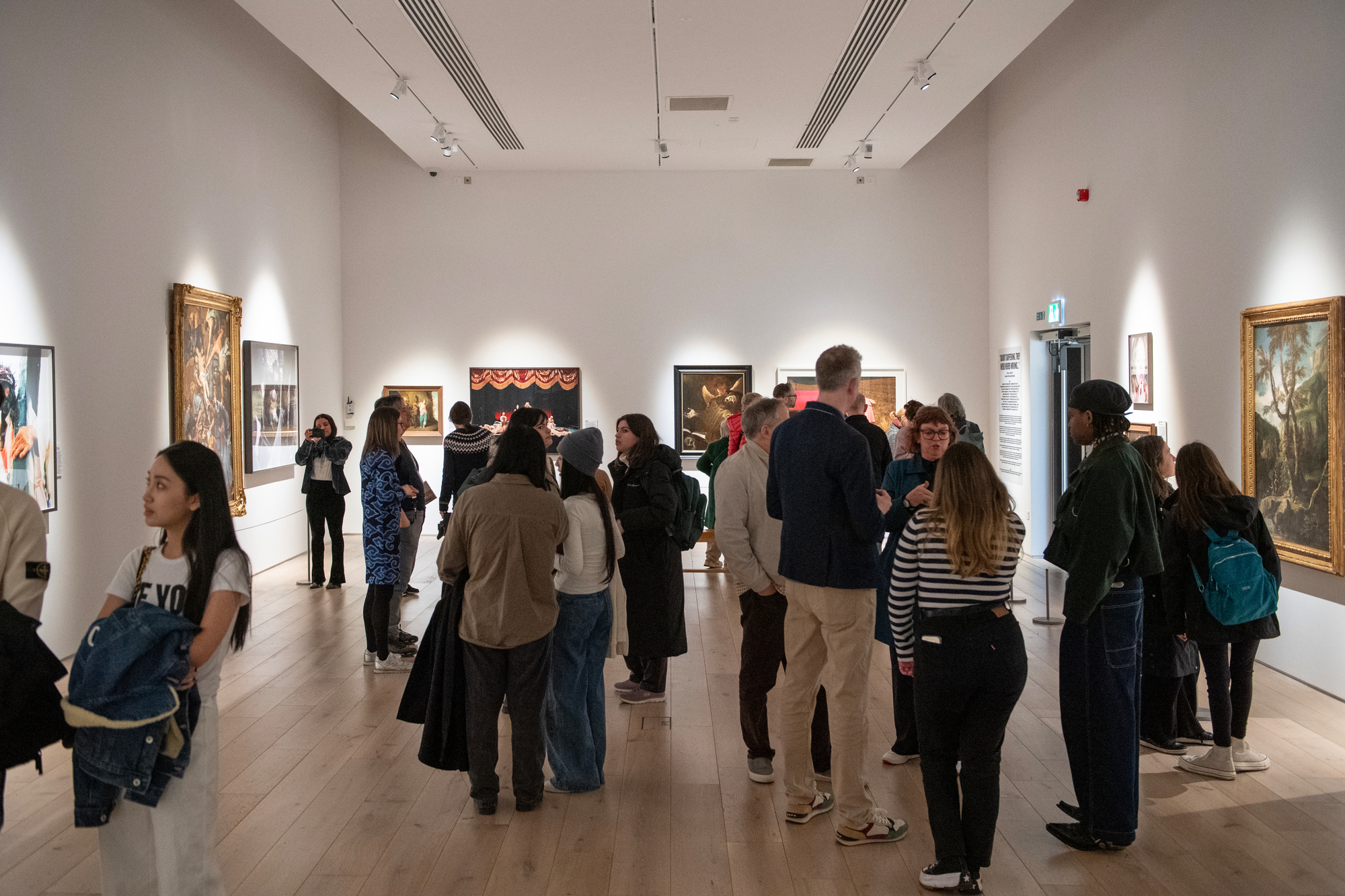
This February marks the unveiling of 3 exhibitions across campus, all with something to add to the sustainability conversation. Not sure which to carve into your calendar? Don’t worry! We’ve spoken to the curators responsible to give you a taste of what these displays have to say.
“Sustainable Clay” (Hatton Gallery)
A short chat with Matthew Jarret (the mind behind “Sustainable Clay”) and it was clear to see this display distils the accumulated wisdom of history, alongside many years of conversation, and shifts in the ceramics-sphere.
Combining Newcastle’s ceramics reputation and the growing environmental concerns of artists, Matthew has sculpted together an insightful exhibition. It tells the tale of the plethora of ways these 12 artists (all linked to Newcastle) are seeking to break from tradition by minimising their planetary impact.
The videos that accompany each work are the top glaze of the show. Filmmaker Jason Thompson affords each visitor unique access to sit in the artist’s studio and hear their thought process first hand.
“Everybody owns ceramics… everybody’s got a teapot or a cup or some plates… But we rarely think of where this stuff was mined from, how it was produced, if it was mass produced and the whole environmental footprint” ~ Matthew Jarret
Growing ecological concern is not unique to artists, let alone ceramicists. This exhibition aims to help us all meaningfully confront one arena of overconsumption which, in doing so, enable us to mould a new pattern of consumption that turns down the temperature on our planetary kiln.
Hatton Gallery Sustainable Clay, photo taken by Colin Davison
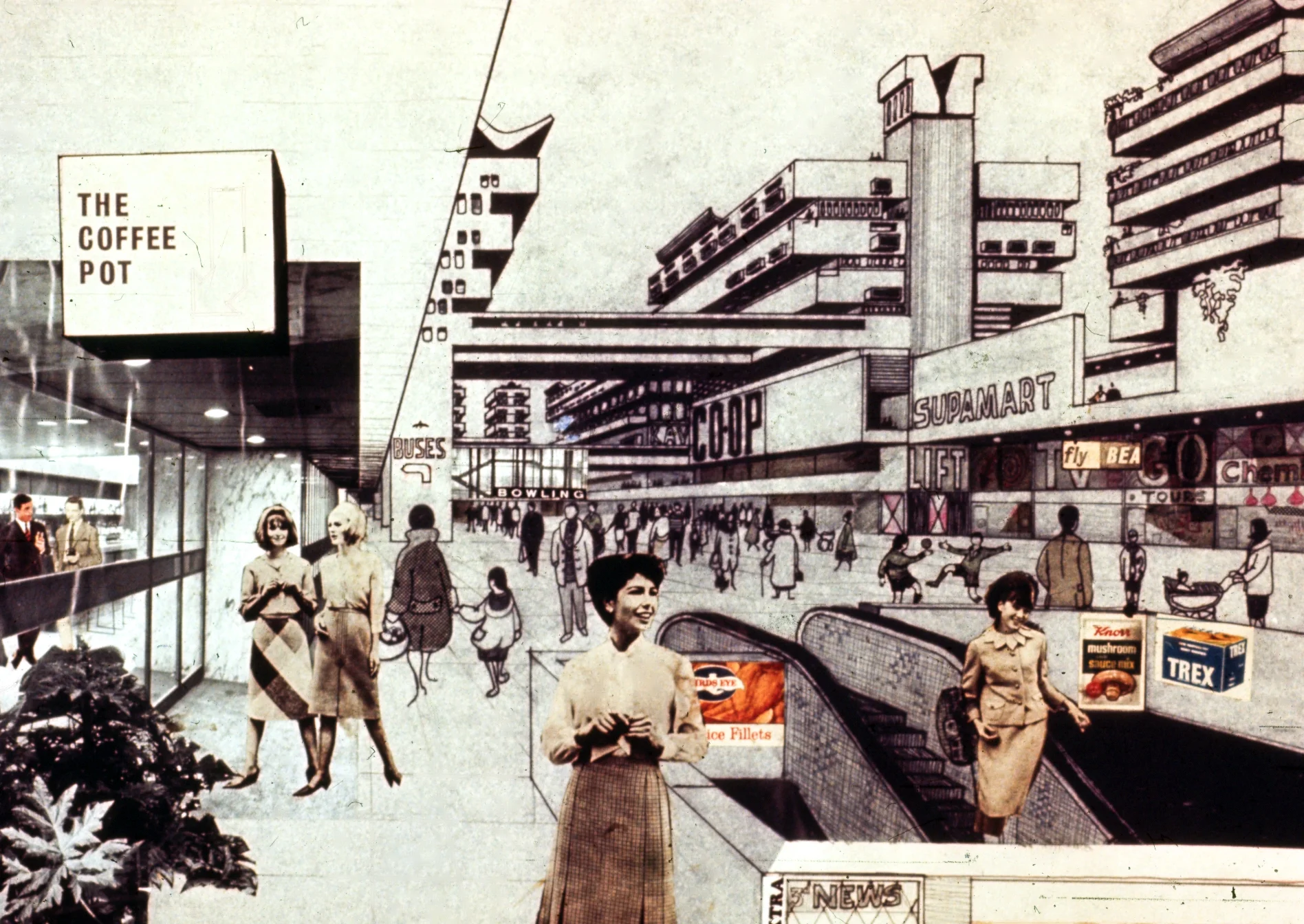
“Eco-Brutalism” as part of “Concrete Dreams” (Farrell Centre)
Bumping into Owen Hopkins, director of the Farrell Centre, and architect of “Concrete Dreams,” it was impossible to not be intrigued by the network of intersected ideas and concepts that seemed to naturally bubble over in our brief conversation. The exhibition (and its associated talks) creatively articulate these intersectional ties between the built environment, past social imaginaries, and the future narrative of the cityscape.
One talk, juxtaposingly entitled “Eco-Brutalism” seeks to unpack how buildings that starkly embody masses of carbon, could be creatively adapted to mitigate environmental impact. And how the boldness that first conceptualised them could be harnessed to imagine “new brutalisms.”
“New brutalisms… architectures that celebrate low carbon materials and techniques with the same vigour that Brutalism celebrated concrete.” ~ Owen Hopkins
Beyond the planned lectures the exhibition itself offers plenty to spark curiosity, including a city model, built to envision the future of the city. This piece is a favourite, as Owen explains, it “embodies a kind of long-term thinking – and belief in the roles of architecture and planning to reshape the world in positive ways.”
When it comes to joining the sustainability conversation, the Farrell Centre are crystal clear that climate is too all encompassing to relegate to an optional theme. Instead, they look to weave it into every exhibition, inviting visitors to engage with the built environment as a key to reimaging societal change on a large scale.
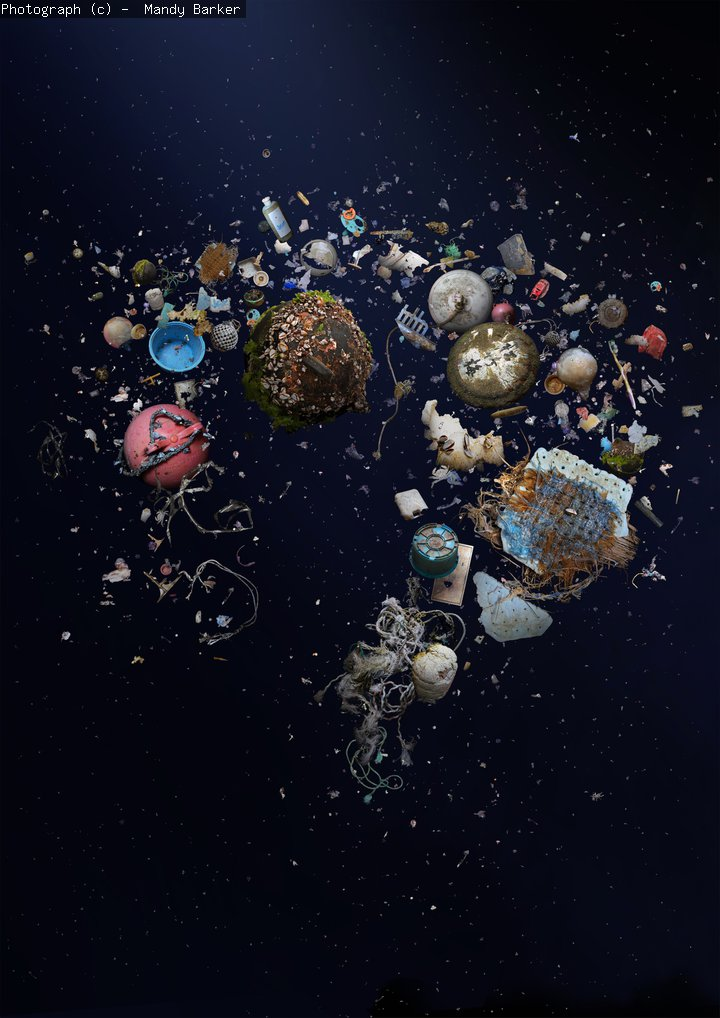
“SHOAL” (Great North Museum)
The work of Mandy Barker, shown from the 21st of February, is a short series of images, but nonetheless powerful in their ability to cultivate an atmosphere of reflection.
12 images featuring marine plastic debris collected from trawls, net samples, and shoreline between Japan and Hawaii after the 2011 Tōhoku earthquake and tsunami provoke viewers to contemplate the tragedy of environmental disaster, the impact on humanity, and the human propensity to prevent and contribute towards them.
This work is indicative of the programme at Great North Museum. Led by innovative research, no matter the scale of installation, they seek to engage both the team and their guests with the conversations that are cornerstone to building a sustainable future.