All posts by Katarzyna

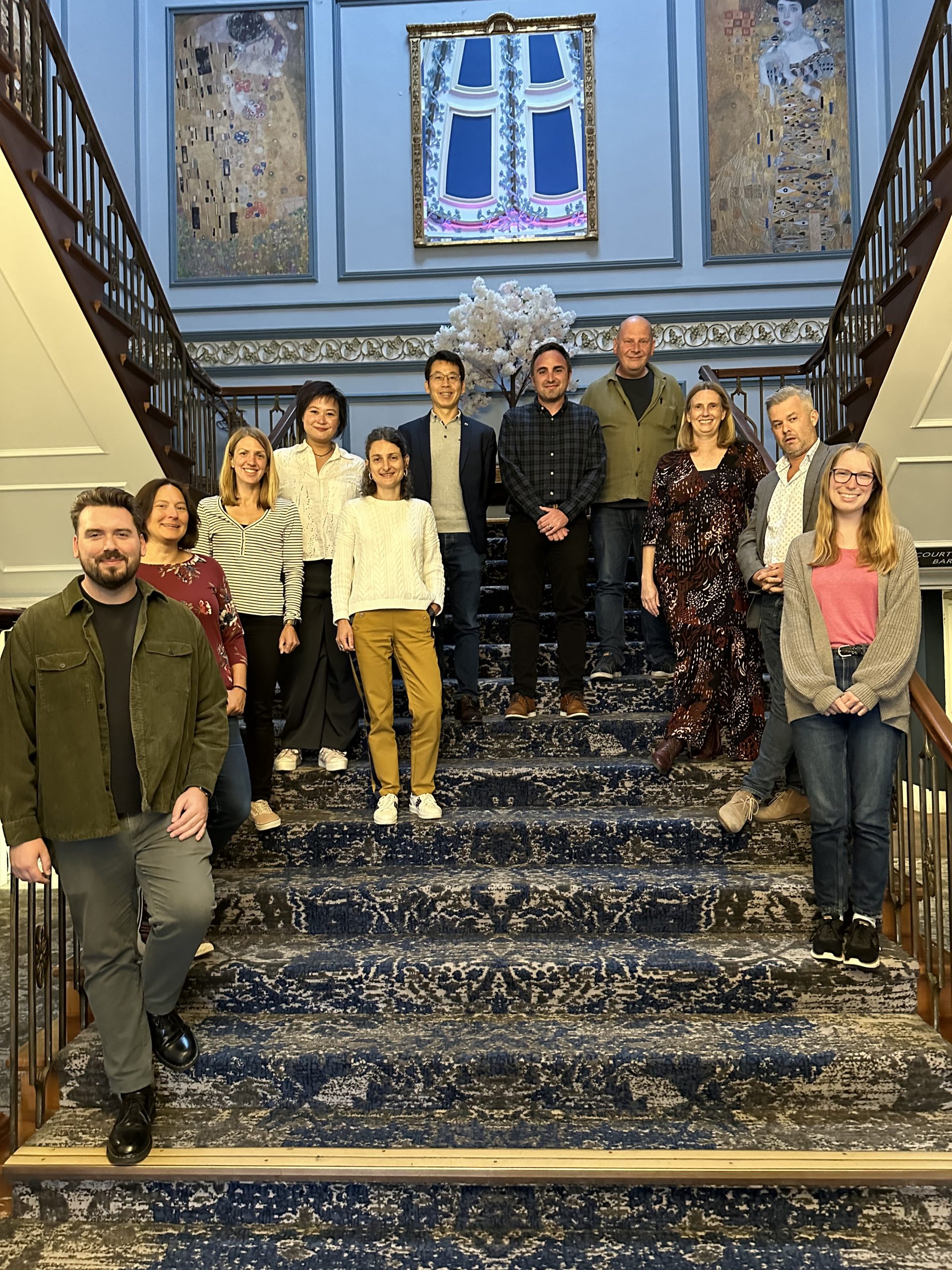
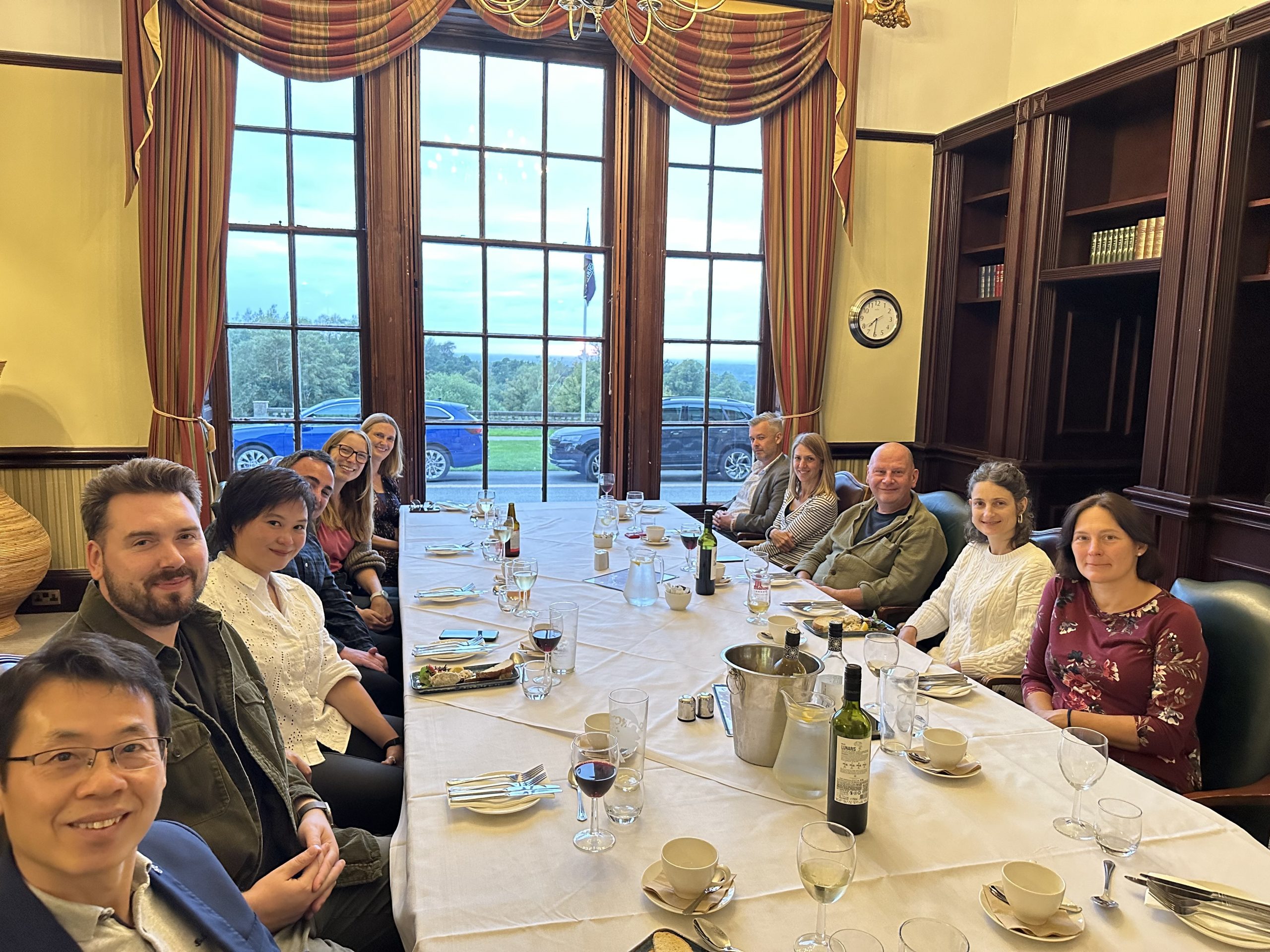
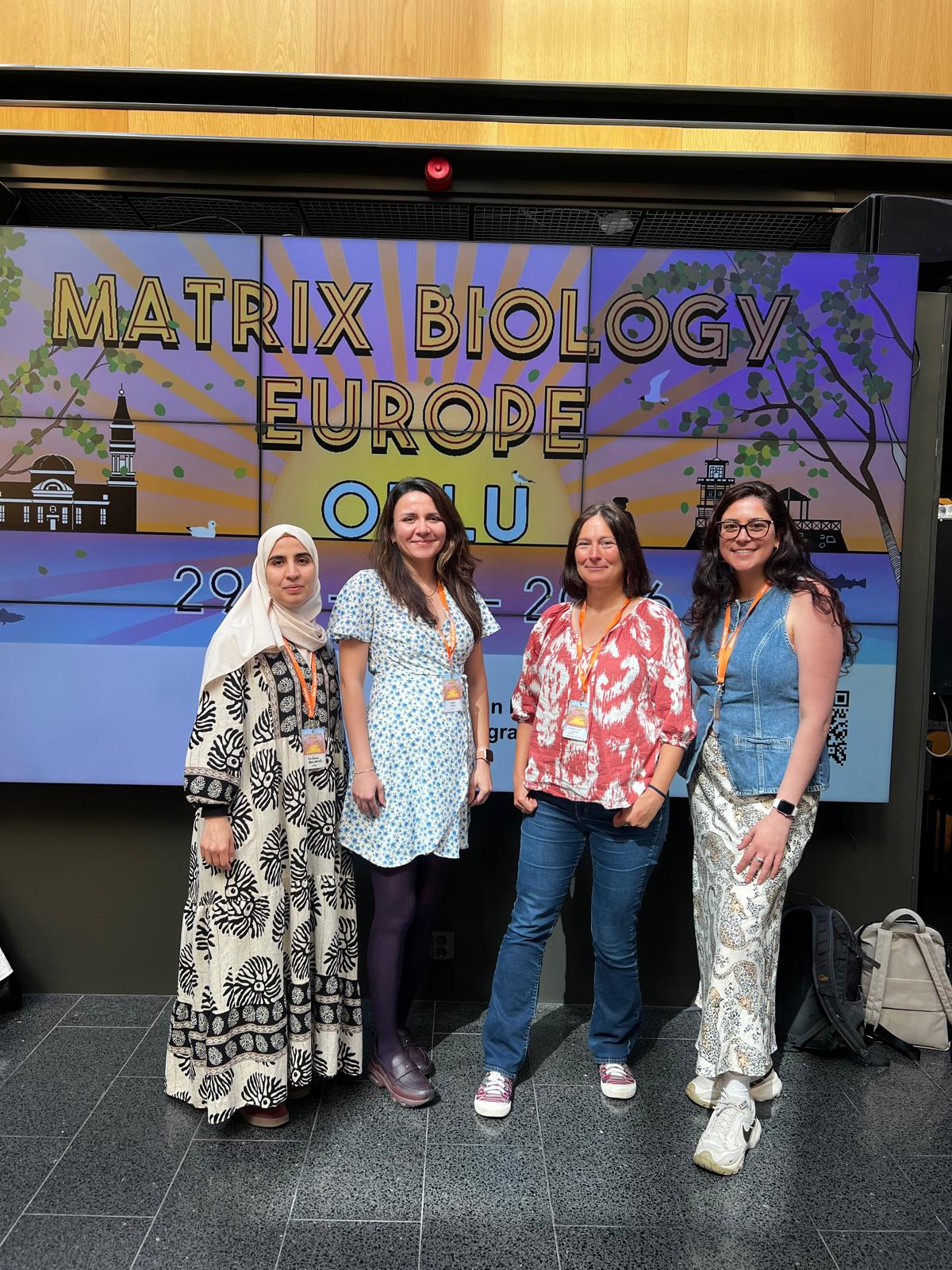
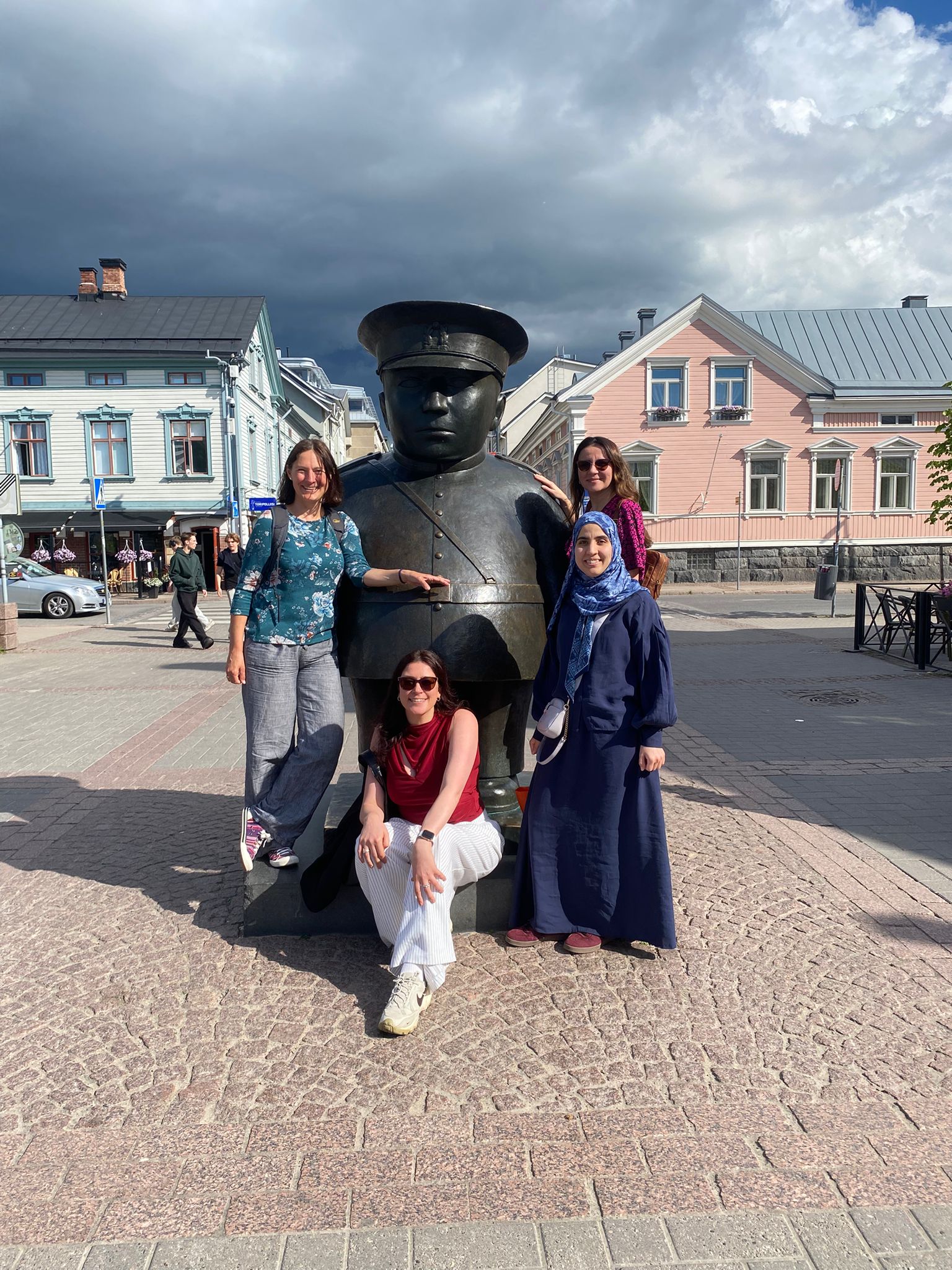
The lab at the MBE 2026 meeting in Oulu

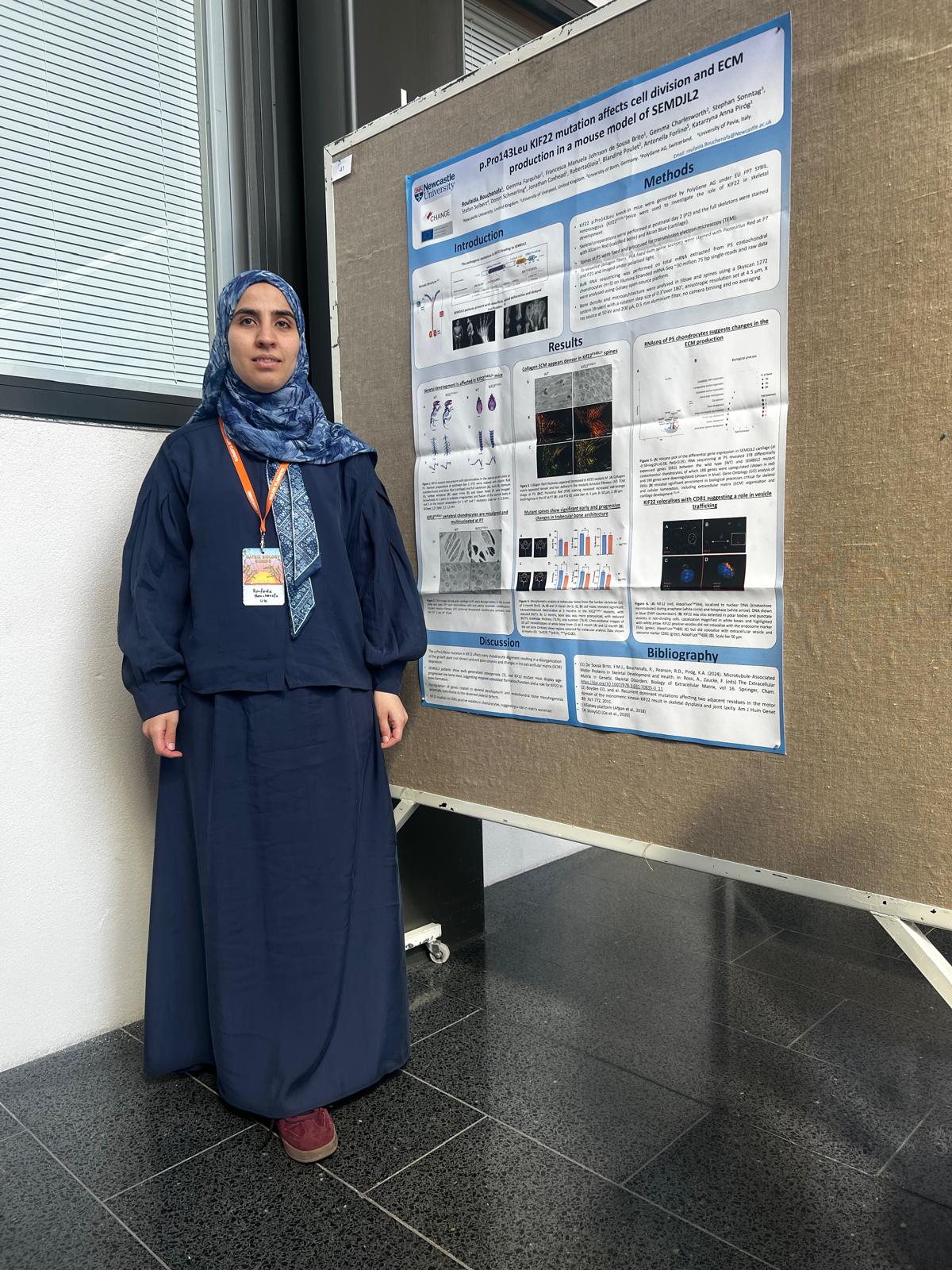
We had a great time at the Matrix Biology Europe (MBE, formerly known as the Federation of European Connective Tissue Societies or FECTS) meeting in Oulu in Finland this week.

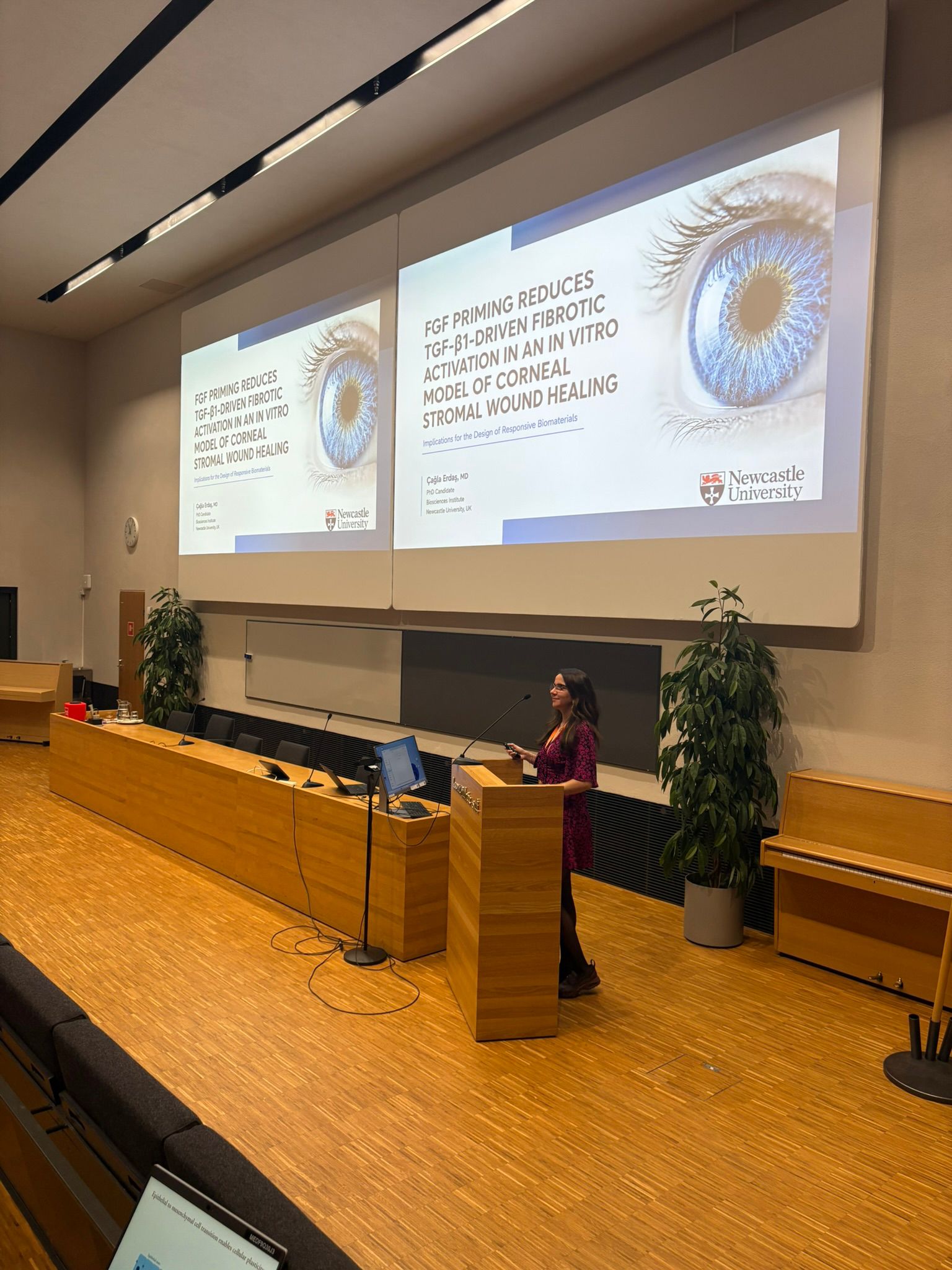
Çağla’s abstract was selected for an oral presentation

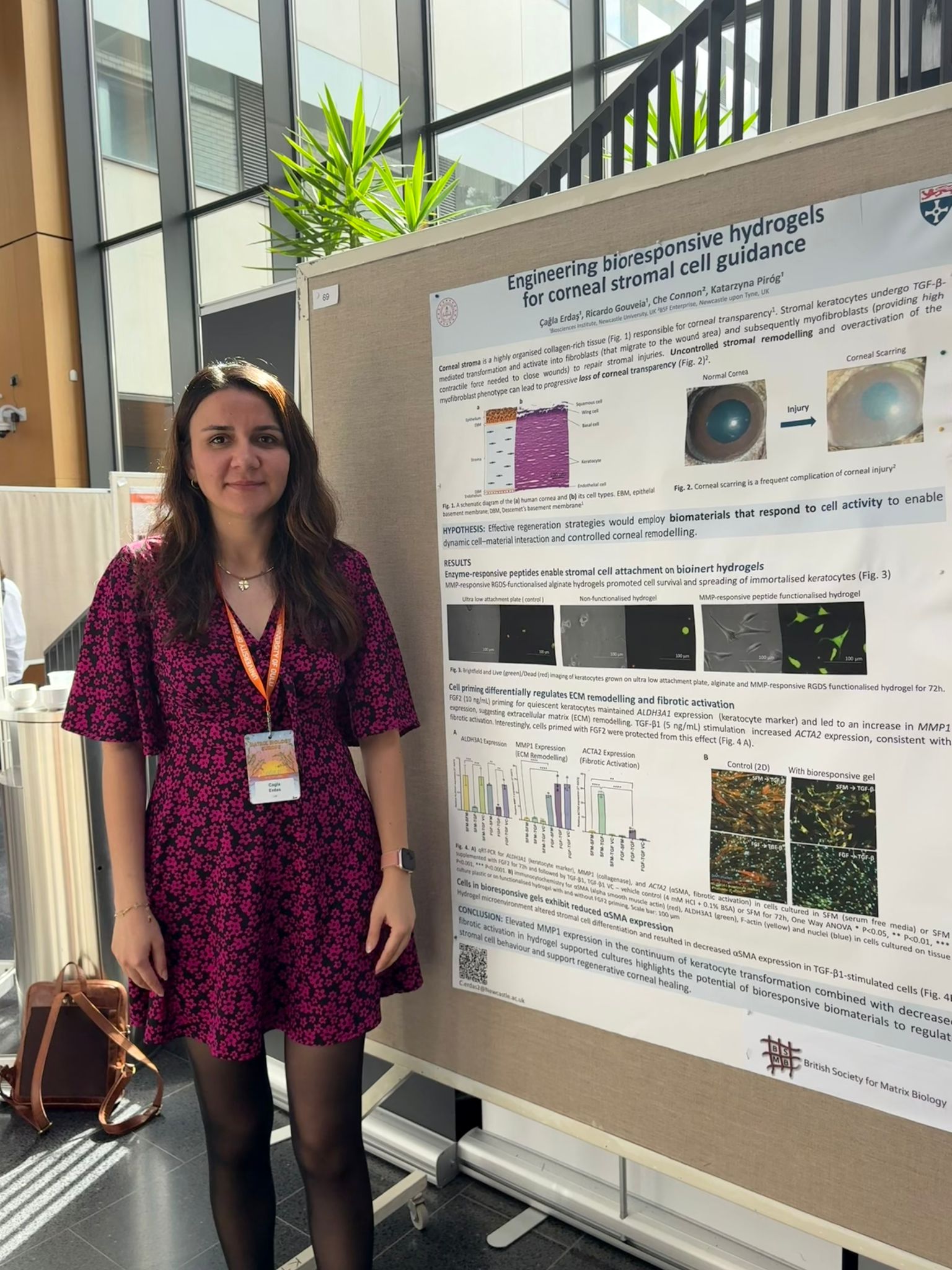
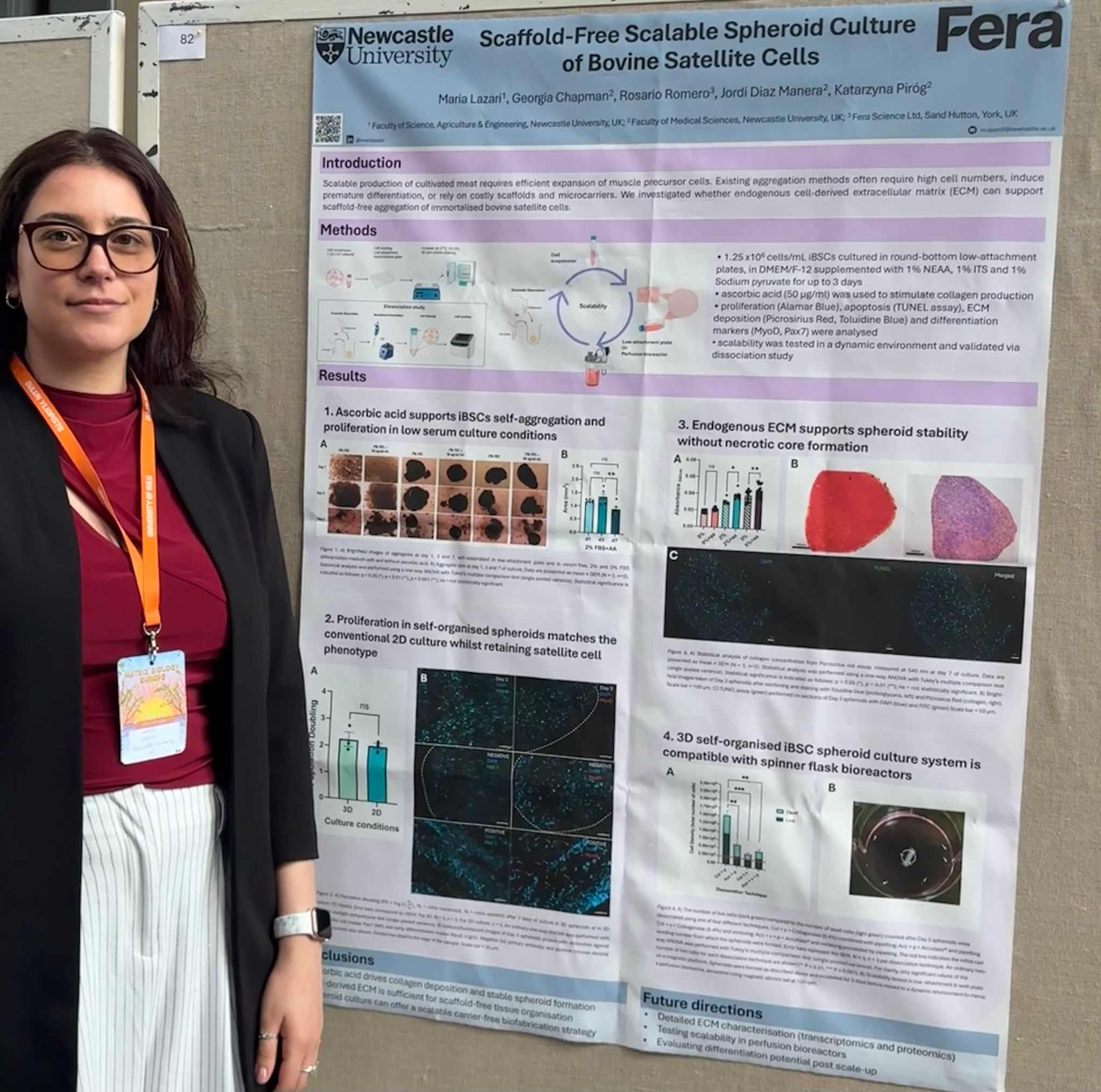
and Maria and Roufaida presented great posters which led to several interesting discussions.

The scientific program was great and covered many aspects of matrix biology, fibrosis, regenerative medicine, inflammation and tissue engineering.

We also had some time to explore Oulu, and meet its famous policeman! 🙂

We printed out first line today!

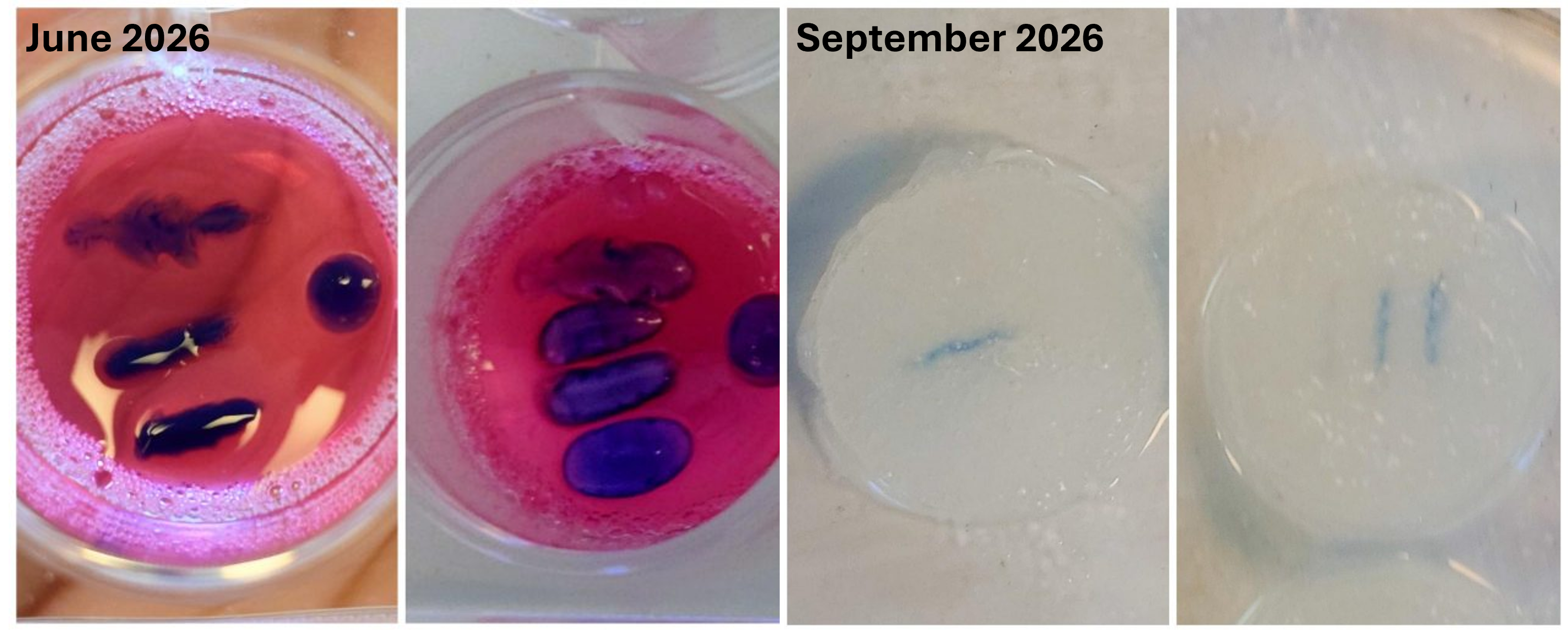
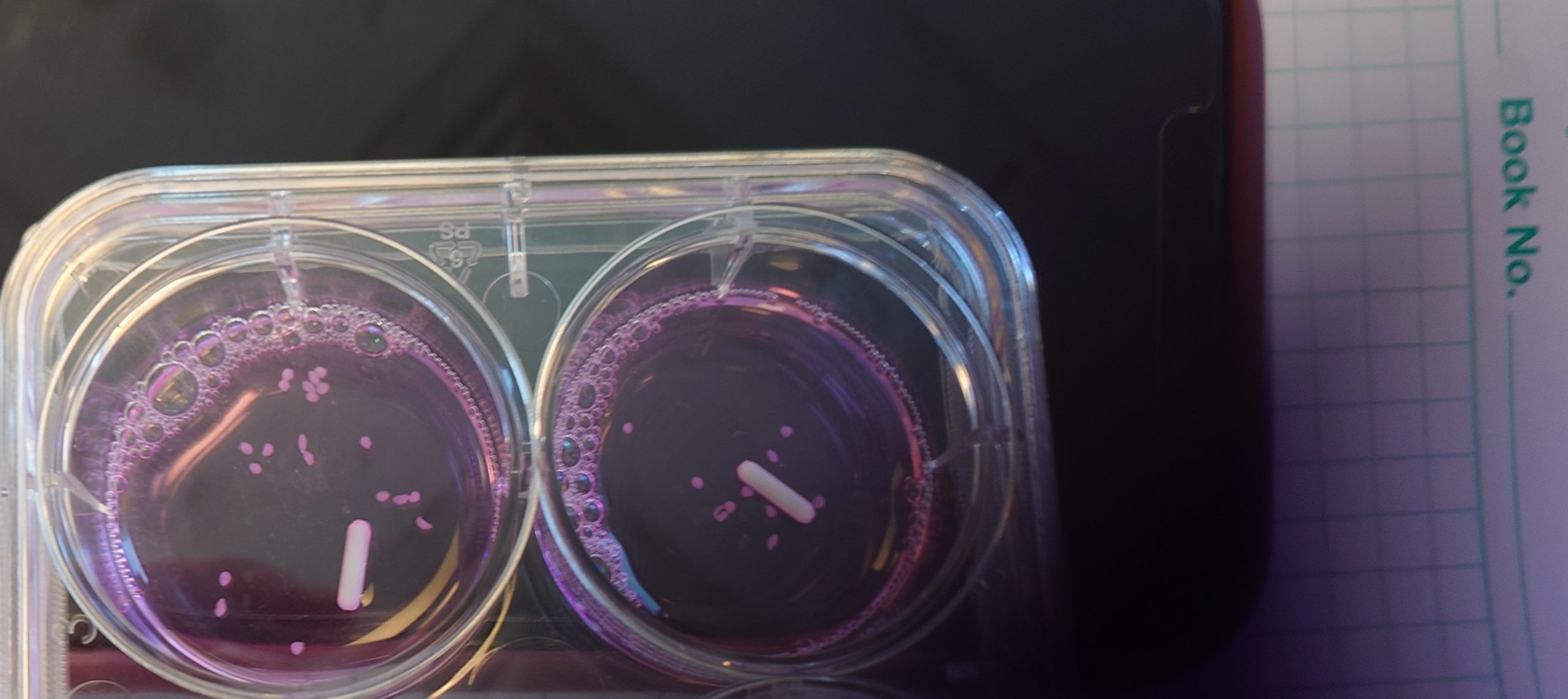
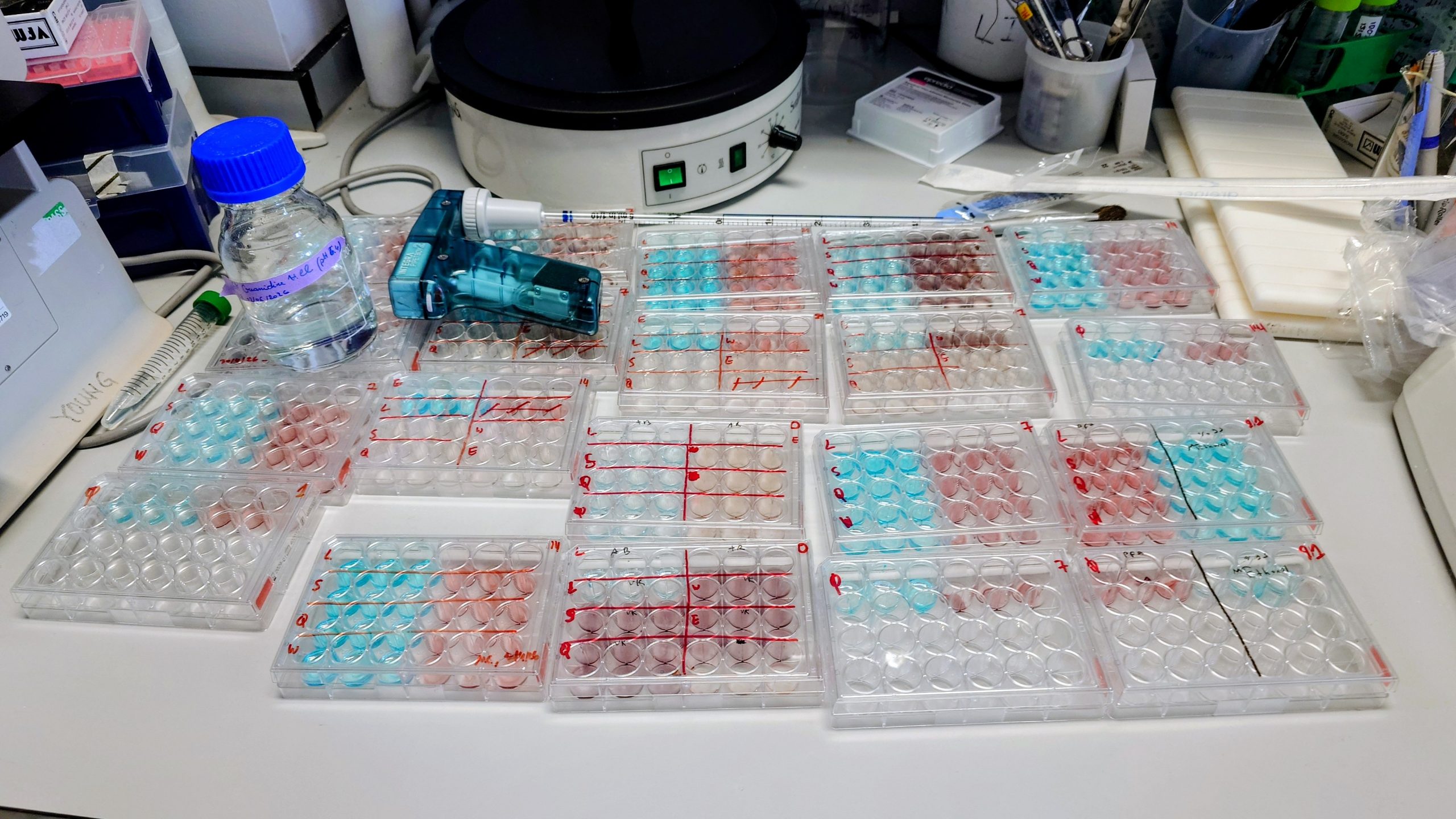
We were test printing into 24 well plates today, and making slight tweaks to optimise the extrusion pressure, printing speed, the supporting bath parameters and the thickness of the printed lines.

The panels on the left show how much we improved over the course of one day. Support bath is dyed red, the ink is in blue.

Top row – first attempt, fresh after print (left panel) and the lines 10 minutes after the print (right panel) showing considerable swelling.

Bottom row – printing a nice line after optimization. Left panel image taken straight after the print, right panel image taken after 10 minutes.

Not bad for a first print!

We will now work on optimising the hydrogels further before printing with living cells next month. Watch this space!

Great NC3Rs NAMs network meeting in London

On Monday the 22nd of June we participated in the NAMs (New Approach Methodologies) Network meeting organised by the NC3Rs. Kasia presented an update on our BBSCR/NC3Rs Business Interaction Voucher project and participated in a debate panel discussing hurdles that NAMs face when it comes to uptake and commercialisation of their innovations. It was a really interesting meeting and a great network to discuss our ideas and seek new collaborations!

PhD position open

Investigation of mechanical regulation of endoplasmic reticulum (ER) stress for clinical management of chondrodysplasia patients

This PhD project sits at the intersection of skeletal biology, mechanobiology, and molecular stress signalling, tackling a clinically urgent and mechanistically unresolved problem in rare disease. Chondrodysplasias—over 450 rare genetic skeletal disorders—collectively affect around 1 in 4,000 births. Interestingly, several chondrodysplasias are driven by mutations that disrupt protein folding, endoplasmic reticulum (ER) stress, oxidative stress, and ultimately altered cartilage cell function. Emerging experimental data suggest that mechanical growth restriction, often used as treatment for limb deformities in chondrodysplasia, as well as physical exercise and mechanical impact, may modulate ER and oxidative stress pathways. This project builds on the novel hypothesis that mechanical loading and intrinsic molecular stress responses interact in growth plate cartilage—and that this interaction may underlie the clinical outcomes of corrective surgery and pharmaceutical treatments in chondrodysplasia patients. 

The student will investigate how ER stress and oxidative stress pathways respond to different mechanical environments in cartilage, and how these pathways influence tissue behaviour. Using advanced tissue-engineered bioprinted cartilage systems, gene editing, and patient-derived chondrocytes, the project will dissect stress–mechanics crosstalk in a highly translationally relevant setting and explore how emerging therapeutic strategies modulate cartilage responses in this biomechanical context. 

This highly interdisciplinary project combines: 

  • Skeletal genetics and rare disease biology 
  • Mechanobiology  
  • ER and oxidative stress signalling 
  • tissue engineering and bioprinting 
  • Translational and personalised medicine approaches 

The supervisory team brings complementary expertise in ER stress–related chondrodysplasias, molecular stress pathway modulation, and advanced cartilage modelling. The student will gain training in sophisticated in vitro systems, molecular pathway interrogation, biomechanical modelling, and translational experimental design.  This project would particularly suit a candidate who is motivated by mechanistic discovery with clear clinical relevance, enjoys working across disciplines, and is excited by the opportunity to contribute fundamental insights that could directly influence surgical strategies and future therapeutic development in rare skeletal disease.

Funding

Students who have, or are expecting to attain, at least an upper second-class honours degree (or equivalent) in a relevant subject, are invited to apply. Funding is available for Home (UK) students to cover tuition fees, a tax-free stipend at the UKRI rate (indicative amount in year 1 in 2026-27, £21,805) and research costs, for four years. Applicants normally required to cover International fees will have to cover the difference between the Home and the International tuition fee rates. There is no additional funding available to cover NHS Immigration Health Surcharge (IHS) costs, visa costs, flights etc.

Funding for this studentship is awarded on a competitive basis and is not guaranteed; availability will depend on the outcome of the selection process and subject to final approval by the University.

HOW TO APPLY

Please complete the following application form – Google Form

Applicants can only apply for 1 project; any additional applications will not be accepted.

Applicants should send the following documents to FMSstudentships@newcastle.ac.uk:

  • a CV (including contact details of at least two academic (or other relevant) referees).
  • a Cover letter – stating project choice, as well as including additional information pertinent to the application.
  • copies of relevant undergraduate degree transcripts and certificates.
  • a copy of IELTS or TOEFL English language certificate (where required, Newcastle University English Language requirements can be found here – International Students: English Language Requirements | Newcastle Uni | Newcastle University)
  • a copy of passport (photo page).

Please submit your documents in the following format only:

  • each document should be submitted as a separate attachment and should be named as follows: candidate surname, candidate name – document type. For example: Jones, Jamie – CV; Jones, Jamie – cover letter.
  • submit .pdf documents where possible for your CV, cover letter, transcripts and certificates. Do not submit photos of certificates.
  • do not combine documents into one pdf. You may zip separate documents into a zip file to send via email if required.
  • when emailing the application, please use the email subject header: FMS PhD Application 2026

Applications not meeting these criteria may be rejected.

Informal enquiries may be made to the lead supervisor of the project you are interested in.

The deadline for all applications is 12 noon BST (UK time) on Wednesday 20th May 2026.  

Science talks for all

We have coordinated an exciting series of talks in June 2026 as part of the Explore Lifelong Learning Season 3 programme.

All talks will be delivered online in lay language and accessible format.

Come see us every Tuesday in June at 10:30am on Zoom!

The talks are:

  • 02 Jun Prof Jordi Diaz Manera Application of AI to the Diagnosis and Follow-up of People Living with Neuromuscular Diseases
  • 09 Jun Prof David Young Epigenetics: One Way in which Genetic Changes Cause Disease
  • 16 Jun Dr Kasia Pirog Deciphering the Molecular Mechanisms of Osteoarthritis
  • 23 Jun Dr Priscila Melo Exploring the Link between Irritable Bowel Disease and Joint Disease Using Advanced 3D In Vitro Modelling
  • 30 Jun Dr Annette Pantall Turning a Genetic “Flaw” into a Life-Saving Edge

The MSCA Postdoctoral Fellowships 2026 call is now open!

With a budget of €399.05 million, the European Commission will support nearly 1,600 researchers to acquire new skills, develop their careers, and gain international, interdisciplinary and inter-sectoral experience by working in another country.


There are two types of fellowships:

European Fellowships – open to researchers of any nationality to carry out a personalised project in the EU or countries associated to Horizon Europe for up to 24 months

Global Fellowships – open to EU and Horizon Europe associated countries nationals or long-term residents wishing to work with organisations in third countries for a period of 12 to 24 months, before returning to Europe for 12 months

Deadline for applications is 9 September 2026, 17:00 CEST.

Read more: link.europa.eu/t6jYb3

Postdoctoral Fellowships offer researchers holding a PhD the opportunity to acquire new skills through advanced training and international, interdisciplinary, and inter-sectoral mobility.

Biofabrication seminar 23rd of April 1pm

Our bioprinter is being installed on Thursday!

As part of the installation visit, Copner Biotech will deliver a seminar explaining their technology and potential applications. Everyone is welcome to attend.

The Biofabrication Seminar will be held next Thursday, 23rd April, 1-2 pm, in the Lecture Theatre, Ground Floor, West Wing, Centre for Life.

Established in 2020, Copner Biotech is a bioprinting biotechnology company with its focus on 3D cell culture and associated technologies. In April 2026, they will be installing their pioneering 4D Grape bioprinting system at the Centre for Life. The printer will be on loan to Newcastle University for one year as part of the NC3Rs/BBSRC Business Interaction Voucher award, awarded to Dr Katarzyna Pirog in collaboration with Dr Ana Ferreria-Duarte, Dr James Henstock (Northumbria University) and Copner Biotech. Combining expertise in biosciences, engineering, and advanced materials the team will use Copner Biotech advanced technology to generate cartilage-like structures for investigating the biological mechanisms involved in cartilage development, ageing and disease. NC3Rs/BBSRC Business Interaction Voucher is an initiative to foster academic-industry partnerships enhancing the 3Rs (Replace, Reduce, Refine). This seminar outlines the advantages and technological leaps that the 4D Grape system offers for bioprinting of living tissue models. During its residency at CfL the printer will be made available to other research groups to use provided they purchase project related consumables.