Great day in the Pirog lab, our bioprinter arrived today!
Part of the NC3Rs/BBSRC Business Interaction Voucher Award, the printer will help us create a novel zonally stratified model of cartilage, in partnership with Copner Biotech.
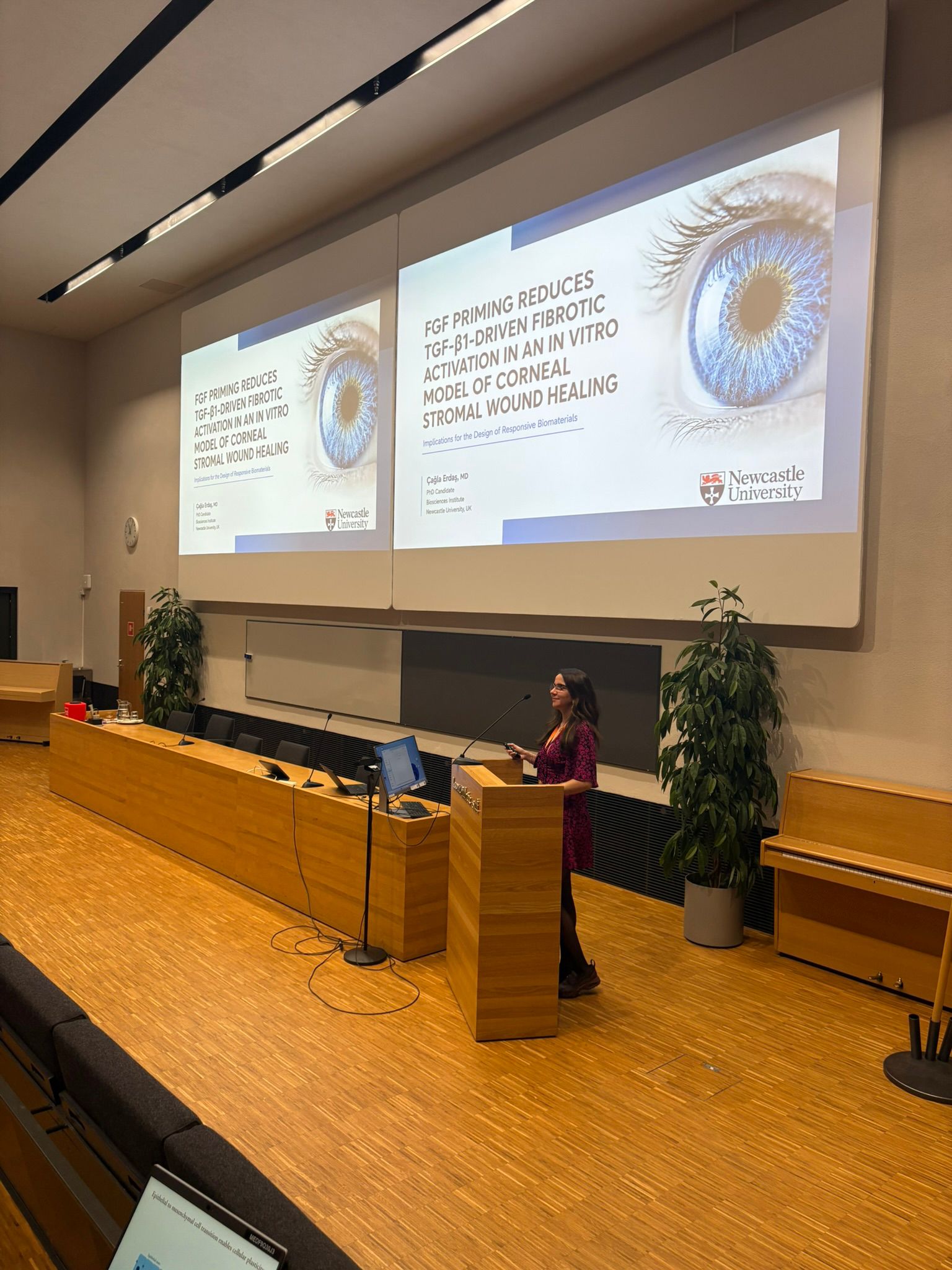
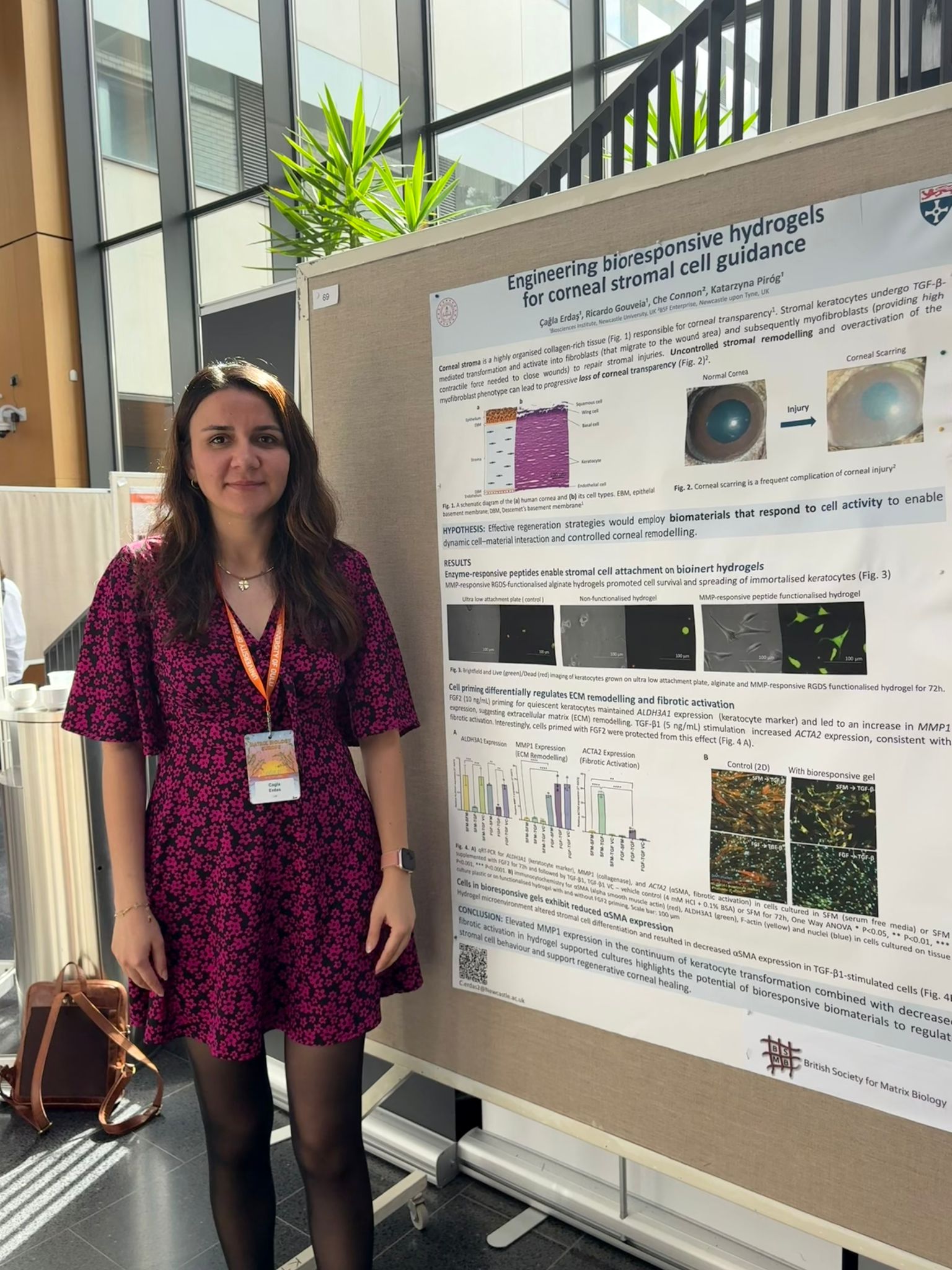
Çağla was representing the lab at Termis EU in Palma Mallorca this week, chairing a session on “Advances in Ocular Tissue Engineering” and presenting a poster of her work.
Well done Çağla!
The conference programme looks great, we are looking forward to the de-brief on your return.
With a budget of €399.05 million, the European Commission will support nearly 1,600 researchers to acquire new skills, develop their careers, and gain international, interdisciplinary and inter-sectoral experience by working in another country.
There are two types of fellowships:
European Fellowships – open to researchers of any nationality to carry out a personalised project in the EU or countries associated to Horizon Europe for up to 24 months
Global Fellowships – open to EU and Horizon Europe associated countries nationals or long-term residents wishing to work with organisations in third countries for a period of 12 to 24 months, before returning to Europe for 12 months
Deadline for applications is 9 September 2026, 17:00 CEST.
Postdoctoral Fellowships offer researchers holding a PhD the opportunity to acquire new skills through advanced training and international, interdisciplinary, and inter-sectoral mobility.
If cartilage is your jam, come to the North of England and work with us, we are happy to host you!
As part of the installation visit, Copner Biotech will deliver a seminar explaining their technology and potential applications. Everyone is welcome to attend.
The Biofabrication Seminar will be held next Thursday, 23rd April, 1-2 pm, in the Lecture Theatre, Ground Floor, West Wing, Centre for Life.
Established in 2020, Copner Biotech is a bioprinting biotechnology company with its focus on 3D cell culture and associated technologies. In April 2026, they will be installing their pioneering 4D Grape bioprinting system at the Centre for Life. The printer will be on loan to Newcastle University for one year as part of the NC3Rs/BBSRC Business Interaction Voucher award, awarded to Dr Katarzyna Pirog in collaboration with Dr Ana Ferreria-Duarte, Dr James Henstock (Northumbria University) and Copner Biotech. Combining expertise in biosciences, engineering, and advanced materials the team will use Copner Biotech advanced technology to generate cartilage-like structures for investigating the biological mechanisms involved in cartilage development, ageing and disease. NC3Rs/BBSRC Business Interaction Voucher is an initiative to foster academic-industry partnerships enhancing the 3Rs (Replace, Reduce, Refine). This seminar outlines the advantages and technological leaps that the 4D Grape system offers for bioprinting of living tissue models. During its residency at CfL the printer will be made available to other research groups to use provided they purchase project related consumables.
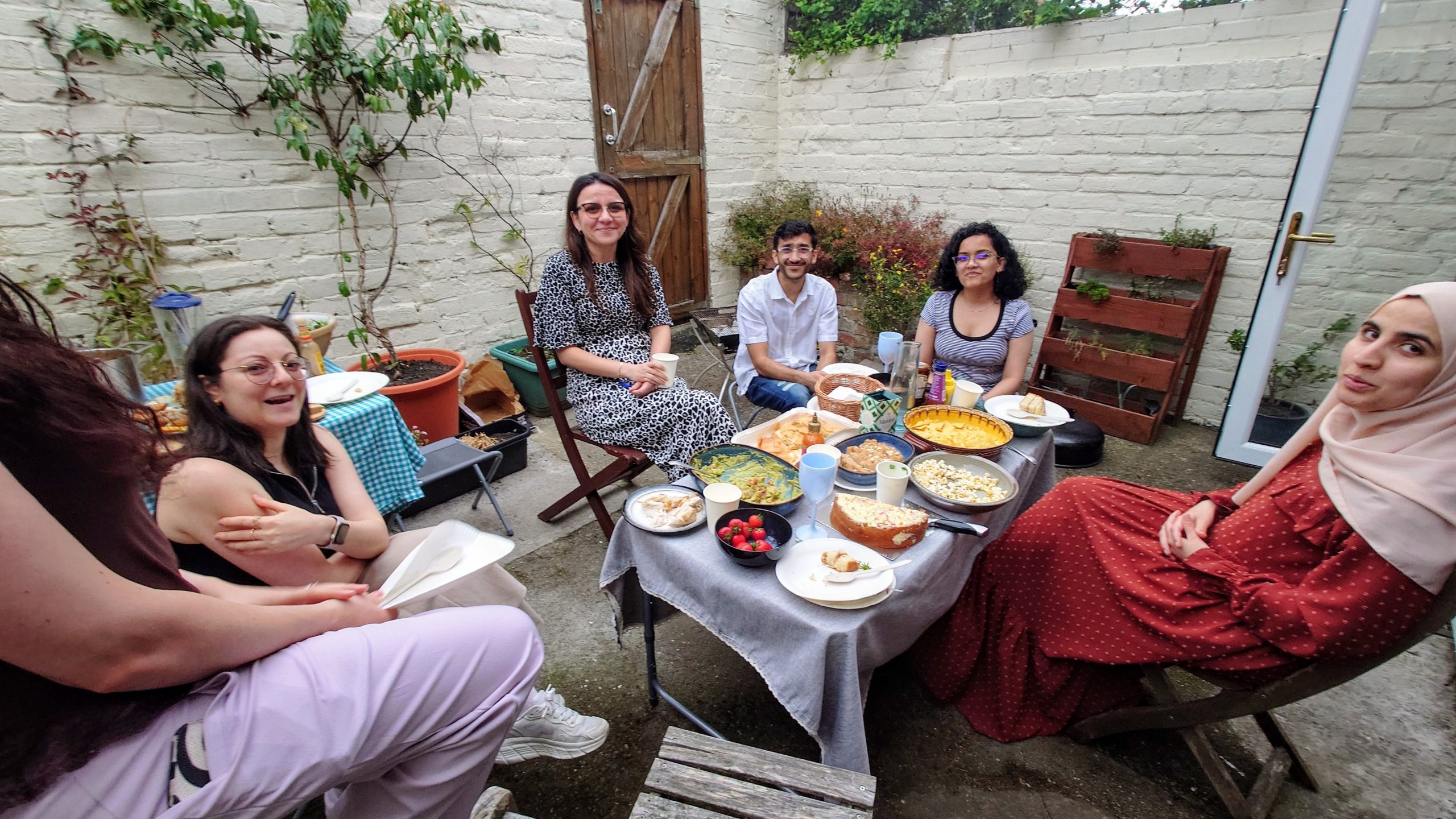
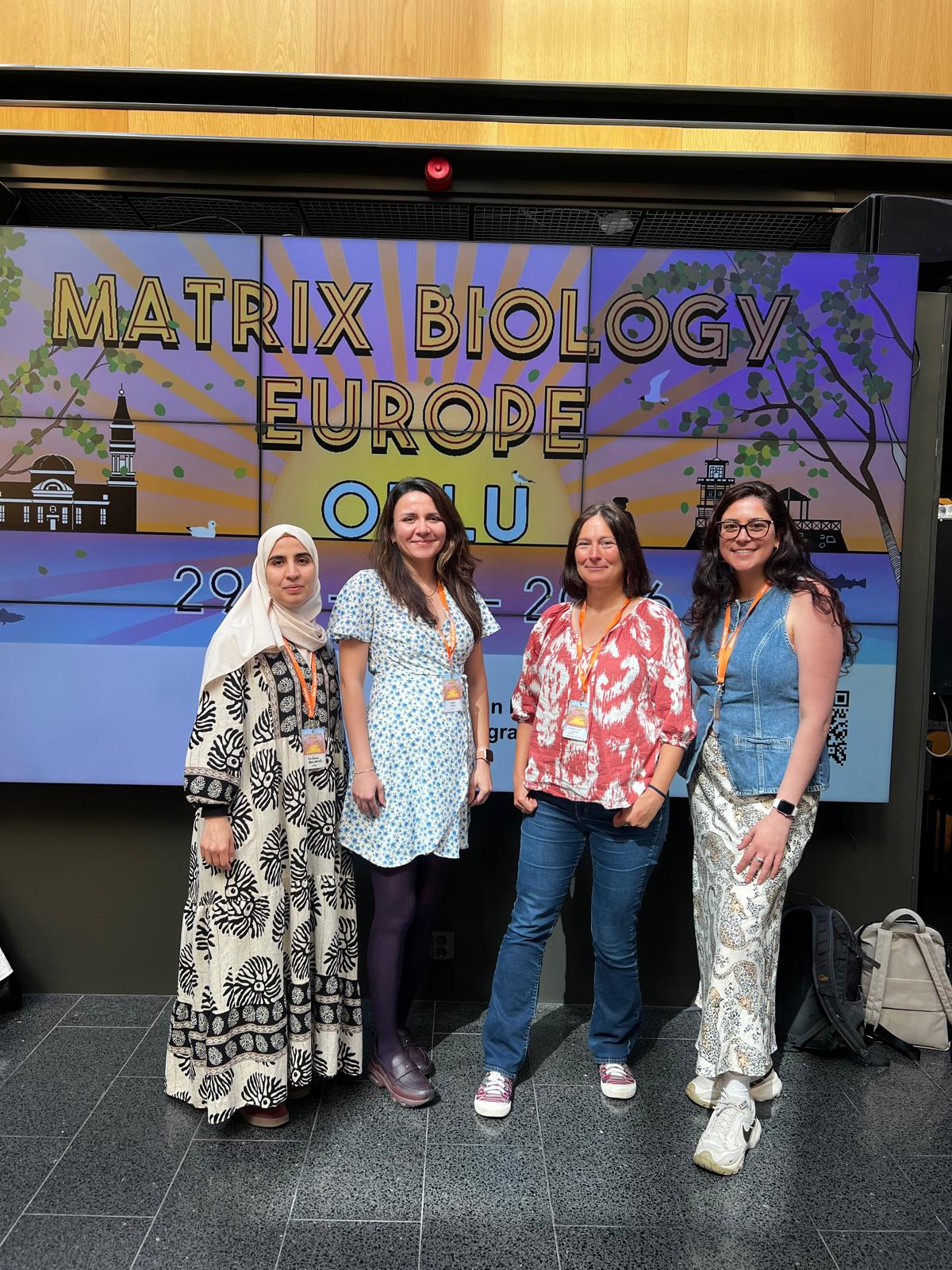
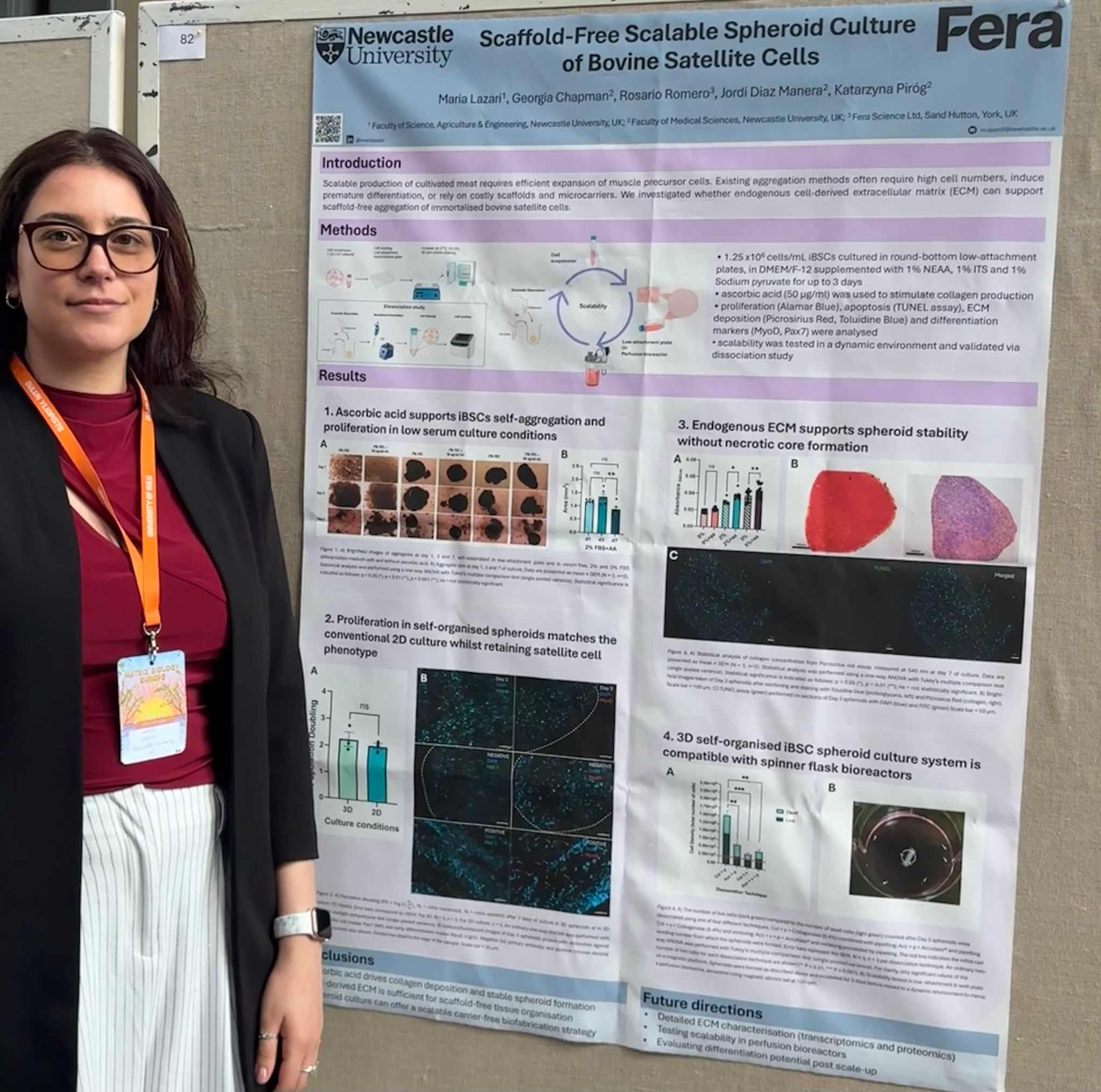
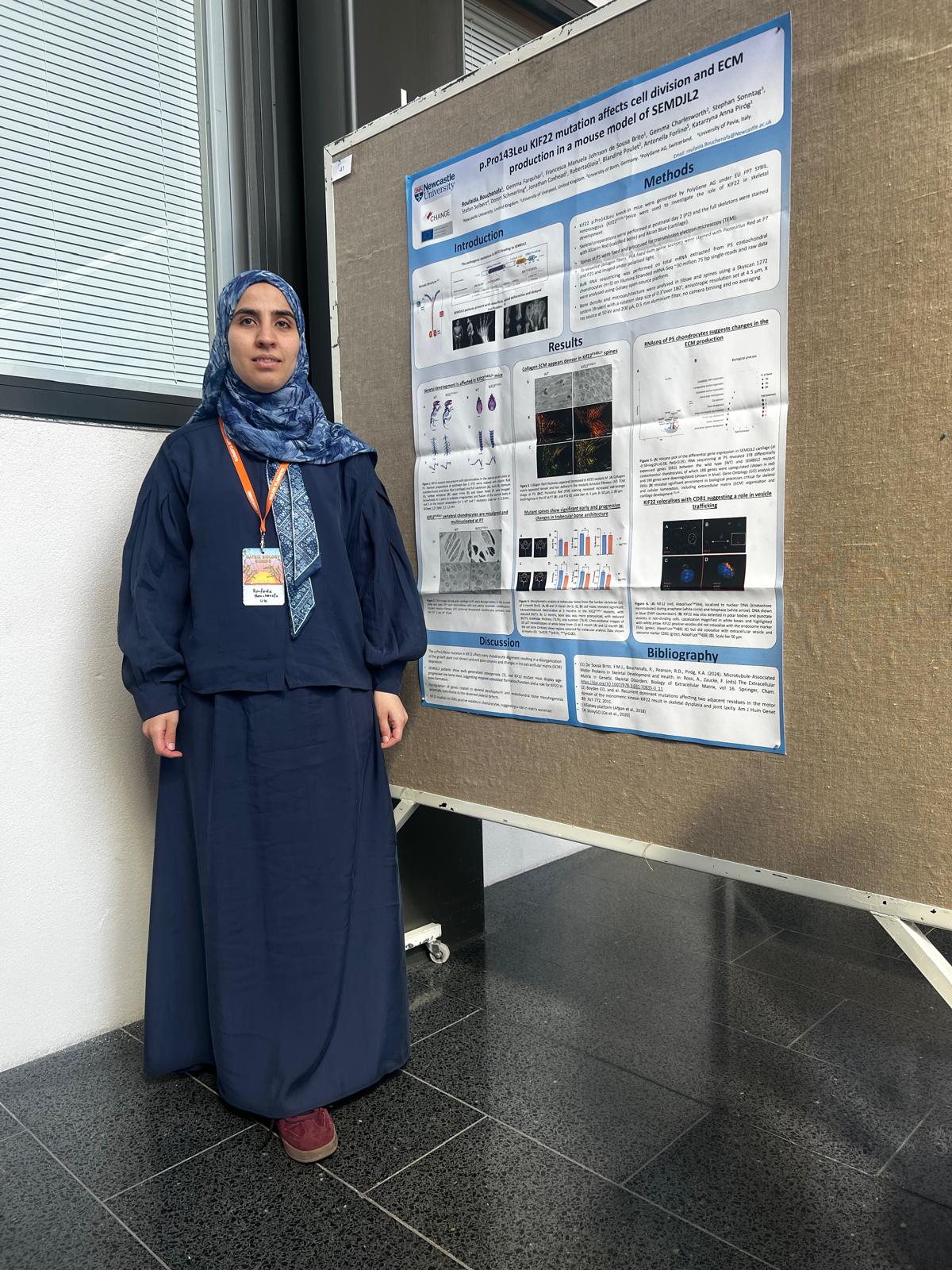
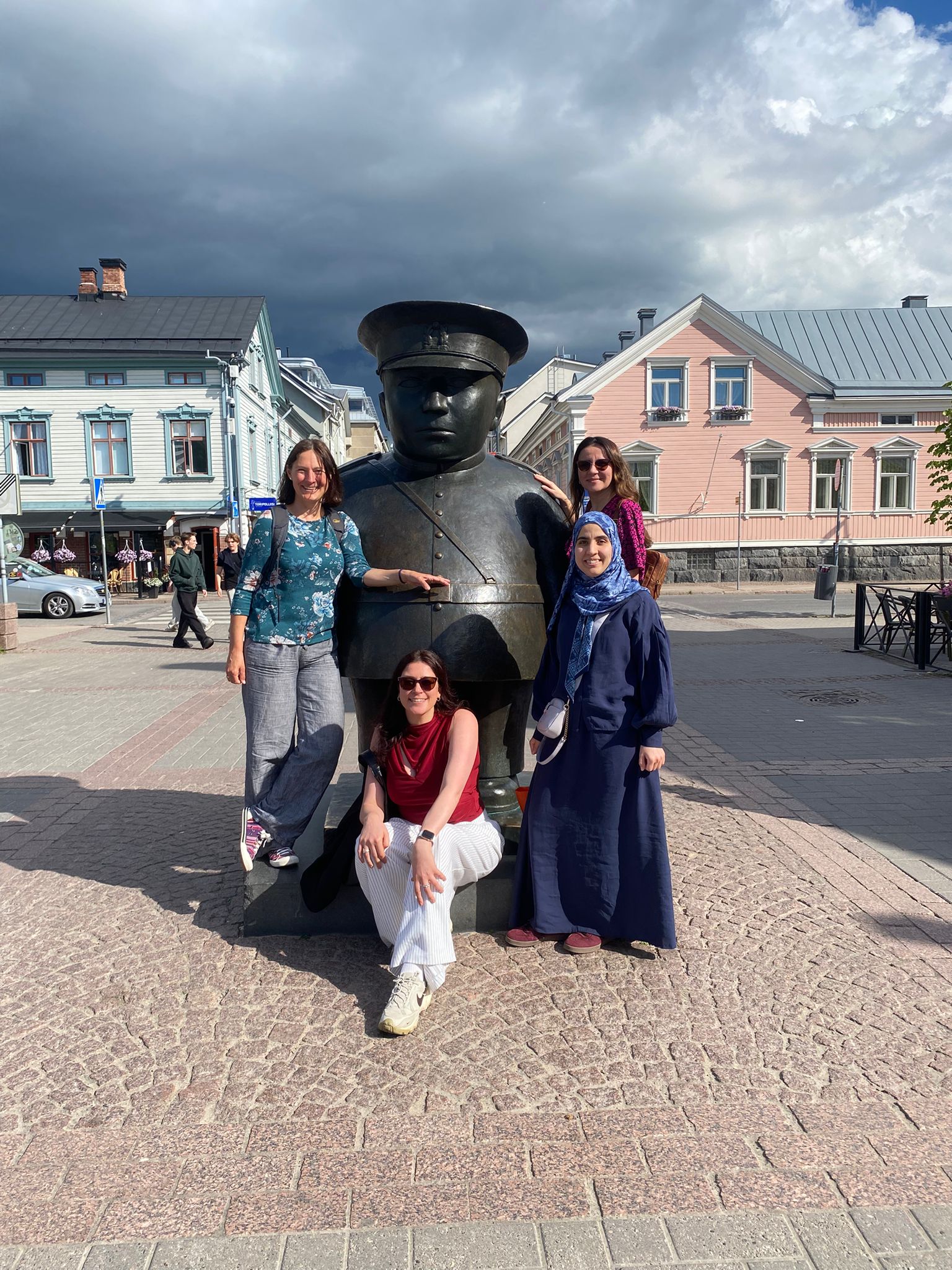
While Cagla and Kasia were representing the lab at the British Society for Matrix Biology (BSMB) in Manchester, Roufaida got a chance to present her work at the German Society for Matrix Biology (DGMB) meeting in Heidelberg, where our CHANGE DCs also organised a satellite conference as part of the meeting. Well done!
Research Assistant/Associate in Biomaterials for Tissue Engineering
We’re hiring a Biomaterials researcher! The PRISM project at Newcastle University is recruiting a Research Assistant/Associate in Biomaterials for Tissue Engineering, and we’d love to reach strong candidates through the community. This is an opportunity to work at the interface of biomaterials, regenerative engineering, and translational science within a collaborative, multidisciplinary environment.
We’re looking for someone with solid expertise in biomaterials and materials science, particularly: • Electroactive, naturally derived biomaterials (e.g. collagen or peptide-based systems) • Biomaterial chemistry and functionalisation • Nanoparticle/material fabrication and biological evaluation • AFM and multimodal characterisation
Experience in biomaterials–immune interactions or cartilage tissue engineering is desirable.
We’re back in Newcastle after a brilliant British Society for Matrix Biology Spring 2026 meeting in Manchester, organised by Douglas Dyer. It was great to be back in Manchester, see old friends and make new connections! The program was very inspiring and covered all aspects of matrix biology. Cagla Erdas from our lab presented her data and Jack B. Roberts from the Newcastle University Skeletal Research Group was awarded a poster prize (well done Jack!). Thank you Doug for organising a brilliant meeting!
It was also a great opportunity to pop over to Liverpool after the meeting, catch up with Blandine Poulet and discuss future projects. Back in Newcastle full of matrix inspiration!
“Business Interaction Vouchers support strategic R&D partnerships between businesses and academic researchers, helping to catalyse the development of tools, technologies, and methodologies that reduce reliance of the use of animals in research, whilst also advancing capabilities that could one day be more powerful than current animal models. This new strategic portfolio of projects supported across the NC3Rs networks, through joint investment with BBSRC, covers a broad and exciting range of new 3Rs innovations which will drive innovation across the sector.”
– Dr Lee Beniston FRSB, Associate Director for Industry Partnerships and Collaborative Research and Development, BBSRC
Our exciting project in collaboration with Copner Biotech and with researchers from across Newcastle and Northumbria Universities combines expertise in biosciences, engineering, and advanced materials. The team will use advanced bioprinting technologies to generate cartilage-like structures for investigating the biological mechanisms involved in cartilage development, ageing and disease. Using Copner Biotech’s next generation 3D modelling software and bioprinting platform, the team will combine a variety of bioinks to produce constructs with defined microarchitectures. The developed in vitro models will be compared against existing data from human samples and animal studies to assess the physiological relevance and suitability for safety testing of senolytic (i.e. those that selectively induce the death of senescent cells) drugs used to treat osteoarthritis.