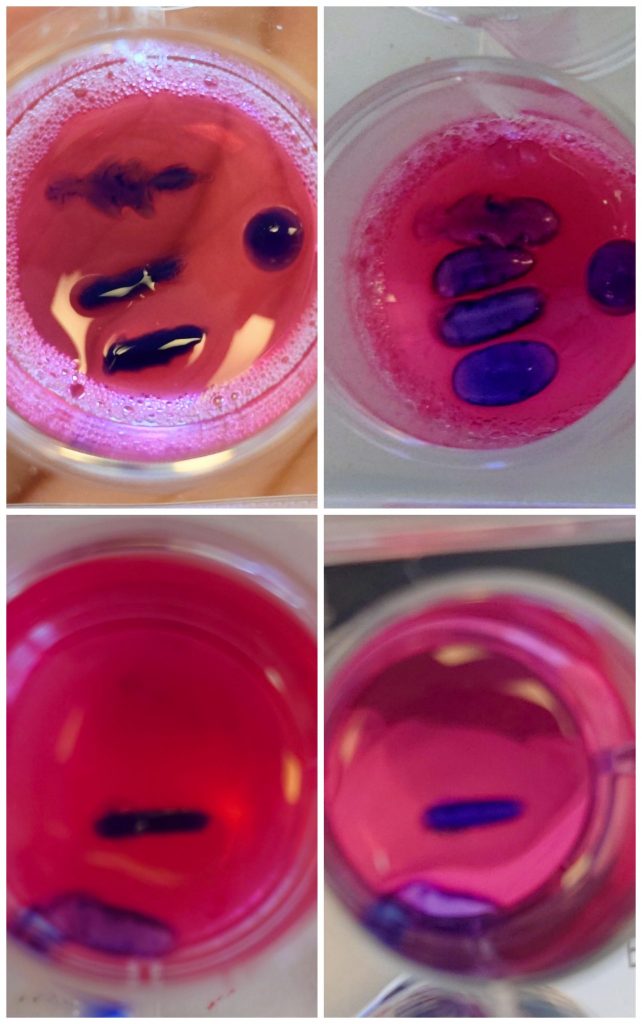
Investigation of mechanical regulation of endoplasmic reticulum (ER) stress for clinical management of chondrodysplasia patients
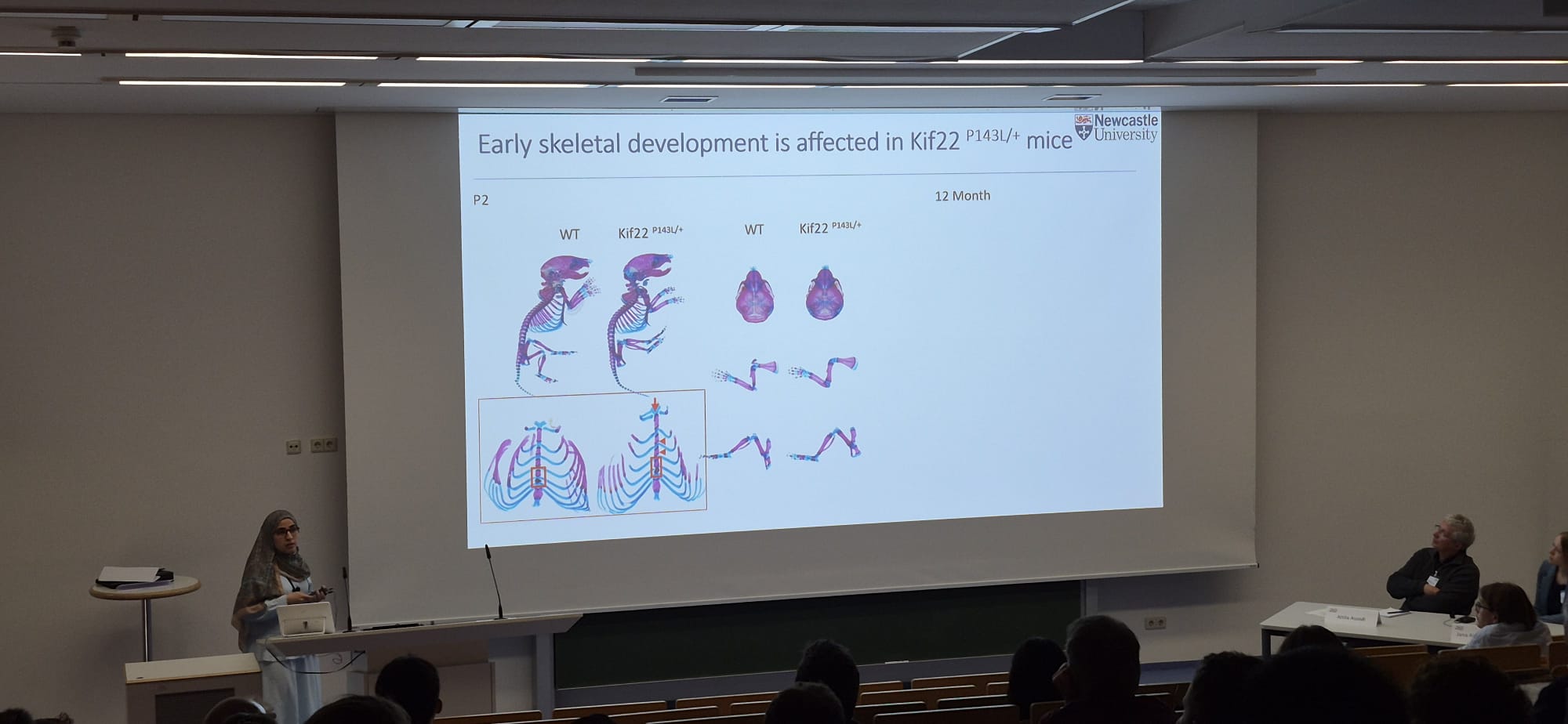
This PhD project sits at the intersection of skeletal biology, mechanobiology, and molecular stress signalling, tackling a clinically urgent and mechanistically unresolved problem in rare disease. Chondrodysplasias—over 450 rare genetic skeletal disorders—collectively affect around 1 in 4,000 births. Interestingly, several chondrodysplasias are driven by mutations that disrupt protein folding, endoplasmic reticulum (ER) stress, oxidative stress, and ultimately altered cartilage cell function. Emerging experimental data suggest that mechanical growth restriction, often used as treatment for limb deformities in chondrodysplasia, as well as physical exercise and mechanical impact, may modulate ER and oxidative stress pathways. This project builds on the novel hypothesis that mechanical loading and intrinsic molecular stress responses interact in growth plate cartilage—and that this interaction may underlie the clinical outcomes of corrective surgery and pharmaceutical treatments in chondrodysplasia patients.
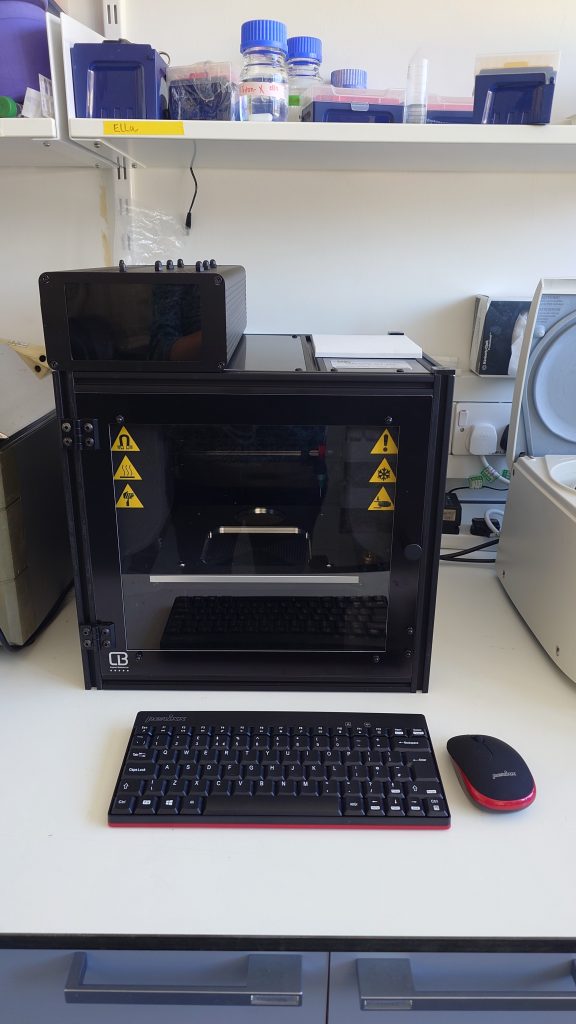
The student will investigate how ER stress and oxidative stress pathways respond to different mechanical environments in cartilage, and how these pathways influence tissue behaviour. Using advanced tissue-engineered bioprinted cartilage systems, gene editing, and patient-derived chondrocytes, the project will dissect stress–mechanics crosstalk in a highly translationally relevant setting and explore how emerging therapeutic strategies modulate cartilage responses in this biomechanical context.
This highly interdisciplinary project combines:
- Skeletal genetics and rare disease biology
- Mechanobiology
- ER and oxidative stress signalling
- tissue engineering and bioprinting
- Translational and personalised medicine approaches
The supervisory team brings complementary expertise in ER stress–related chondrodysplasias, molecular stress pathway modulation, and advanced cartilage modelling. The student will gain training in sophisticated in vitro systems, molecular pathway interrogation, biomechanical modelling, and translational experimental design. This project would particularly suit a candidate who is motivated by mechanistic discovery with clear clinical relevance, enjoys working across disciplines, and is excited by the opportunity to contribute fundamental insights that could directly influence surgical strategies and future therapeutic development in rare skeletal disease.
Funding
Students who have, or are expecting to attain, at least an upper second-class honours degree (or equivalent) in a relevant subject, are invited to apply. Funding is available for Home (UK) students to cover tuition fees, a tax-free stipend at the UKRI rate (indicative amount in year 1 in 2026-27, £21,805) and research costs, for four years. Applicants normally required to cover International fees will have to cover the difference between the Home and the International tuition fee rates. There is no additional funding available to cover NHS Immigration Health Surcharge (IHS) costs, visa costs, flights etc.
Funding for this studentship is awarded on a competitive basis and is not guaranteed; availability will depend on the outcome of the selection process and subject to final approval by the University.
HOW TO APPLY
Please complete the following application form – Google Form
Applicants can only apply for 1 project; any additional applications will not be accepted.
Applicants should send the following documents to FMSstudentships@newcastle.ac.uk:
- a CV (including contact details of at least two academic (or other relevant) referees).
- a Cover letter – stating project choice, as well as including additional information pertinent to the application.
- copies of relevant undergraduate degree transcripts and certificates.
- a copy of IELTS or TOEFL English language certificate (where required, Newcastle University English Language requirements can be found here – International Students: English Language Requirements | Newcastle Uni | Newcastle University)
- a copy of passport (photo page).
Please submit your documents in the following format only:
- each document should be submitted as a separate attachment and should be named as follows: candidate surname, candidate name – document type. For example: Jones, Jamie – CV; Jones, Jamie – cover letter.
- submit .pdf documents where possible for your CV, cover letter, transcripts and certificates. Do not submit photos of certificates.
- do not combine documents into one pdf. You may zip separate documents into a zip file to send via email if required.
- when emailing the application, please use the email subject header: FMS PhD Application 2026
Applications not meeting these criteria may be rejected.
Informal enquiries may be made to the lead supervisor of the project you are interested in.
The deadline for all applications is 12 noon BST (UK time) on Wednesday 20th May 2026.