Launch of the North East Funerary Heritage Group

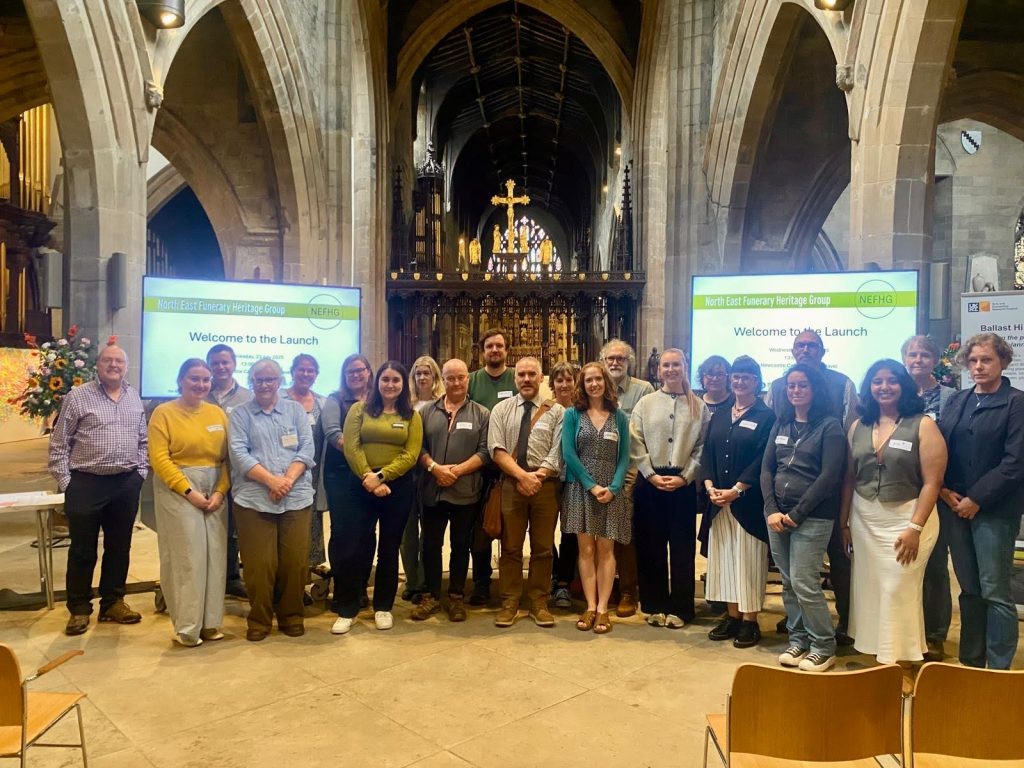
On 23 July 2025, the North East Funerary Heritage Group (NEFHG) was officially launched at Newcastle Cathedral. This regional initiative brings together individuals and organisations with a shared interest in funerary heritage, ranging from urban cemeteries to rural churchyards, to collectively explore the cultural, historical, and social value of burial spaces across the North East.

The event featured panel talks, focused group discussions, and a series of hands-on workshops designed to help shape the group’s future direction. These sessions created space for participants to reflect on shared experiences and identify common challenges. From preservation concerns and interpretation strategies to community engagement and ethical decision-making, the diversity of voices highlighted just how much can be gained through regional collaboration.

The BHBG project played a key role in helping establish the group and sponsored the launch event. Many of the participants present have been involved in projects facing similar opportunities and pressures, making BHBG’s contribution especially relevant. The project’s emphasis on inclusive, co-produced heritage, its navigation of archival and ethical complexities, and its growing community of volunteers offered a useful model as the group begins to take shape.

The launch brought together key players in the region, from local historians and heritage professionals to volunteers, artists, and civic groups to co-create and define what this network will become. The momentum generated was exciting, with a strong sense that the time is right to share knowledge, build capacity, and speak with a collective voice.

Membership in NEFHG is free and open to all. If you’re interested in joining, simply visit the group’s website or just sign up to become a member. It’s quick, easy, and a great way to stay informed and involved.

Together, we can ensure that the stories embedded in our region’s burial landscapes are recognised, respected, and remembered, and that they inform how we engage with heritage, community, and place today.
Bridging Seas and Centuries: The Beiyang Sailors’ Legacy Symposium

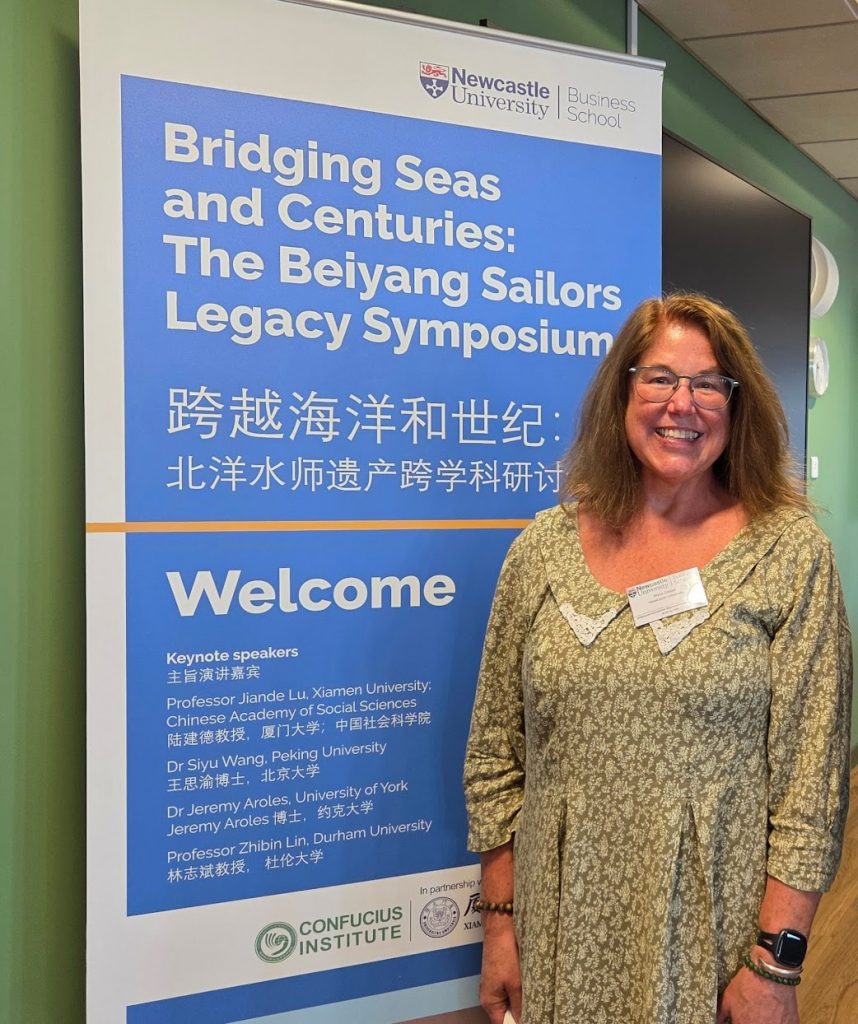
Project Lead Dr Myra Giesen delivered a talk titled “Ballast Hills Burial Ground: Ethical Engagement and Inclusive Commemoration in a Historic Urban Landscape” at Bridging Seas and Centuries: The Beiyang Sailors’ Legacy Symposium, held on 21 July 2025.

The symposium brought together international scholars, heritage practitioners, and community leaders to explore the lives, deaths, and remembrance of the Beiyang sailors. These Chinese sailors came to Newcastle in the 1880s as part of a delegation to receive cruisers that had been designed and built for the Qing Dynasty’s Beiyang Fleet.

Myra’s presentation highlighted BHBG as an important record of Newcastle’s social history. She emphasised the potential of the BHBG project to unearth Newcastle’s maritime past through the stories of those buried there, many of whom were connected to seafaring, shipbuilding, trade, and global movement. By examining BHBG as a layered historical landscape, the project helps reframe Newcastle not only as an industrial centre but as a dynamic seaport city shaped by migration, dissent, and working-class experience.

The talk drew thoughtful parallels between local and global memorial practices, showing how a small, often-overlooked burial ground can illuminate broader histories of labour, mobility, and identity. It also offered reflections on ethical engagement, collaborative stewardship, and the value of community-led approaches to heritage interpretation. Contributing to this international symposium raised the profile of the BHBG project and underscored its relevance to global conversations about memory, place, and inclusion.

Why the Calendar Changed in 1752 and Why It Matters

In 1752, Great Britain and its colonies adopted the Gregorian calendar, replacing the Julian calendar. The start of the new year shifted from 25 March to 1 January, and 11 days were dropped from the calendar to align with the rest of Western Europe. The omitted days were 3 to 13 September.

While the calendar year was adjusted, the financial year remained tied to the old “Lady Day” (25 March), which became 5 April in the new calendar to account for the dropped days, and later shifted to 6 April to correct for inaccuracies in the Julian system.

Dates between 1 January and 24 March were often recorded with double years (e.g., 1750/51) to indicate both Julian and Gregorian equivalents.

People famously went to bed Wednesday, 2 September, and awoke the following morning on Thursday, 14 September.

Understanding these changes is important when interpreting burial records, gravestone inscriptions, or archival materials at Ballast Hills Burial Ground. Many entries, particularly from the 18th century, reflect old-style dating or use double dates, which can affect how family history timelines are reconstructed and understood.

Credit for this content goes to Gary Taylorson.

Out in the Field at Ballast Hills

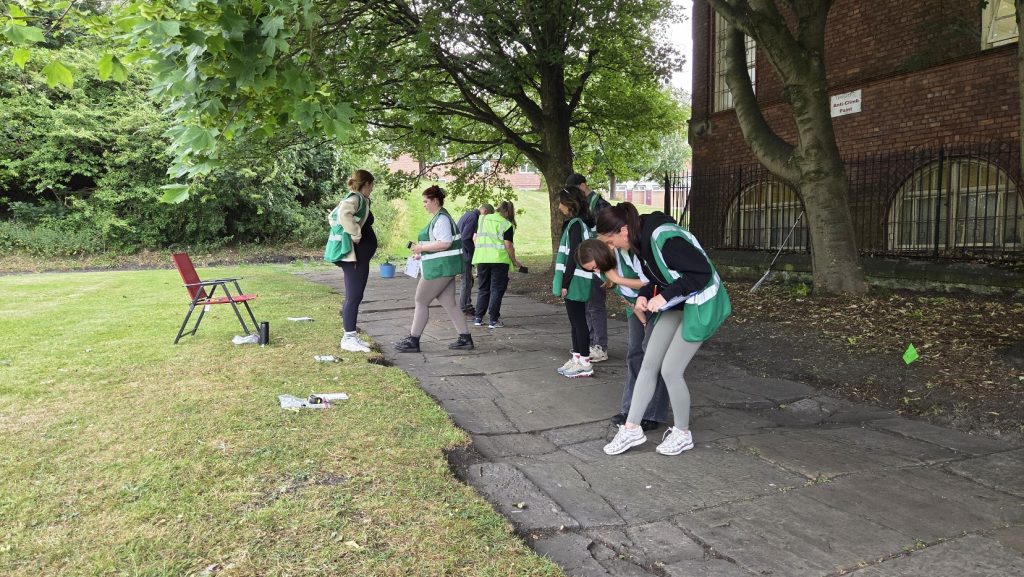
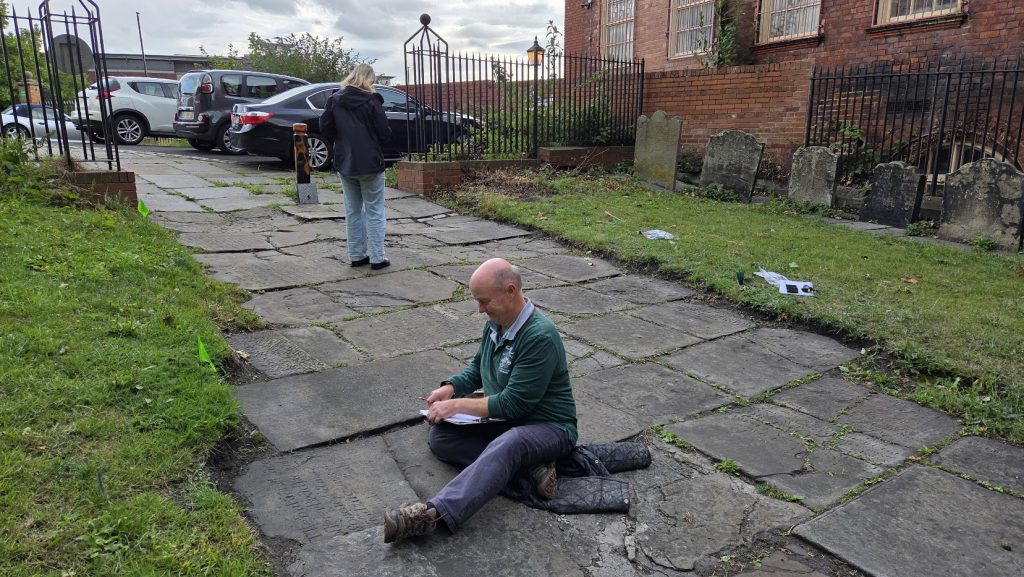
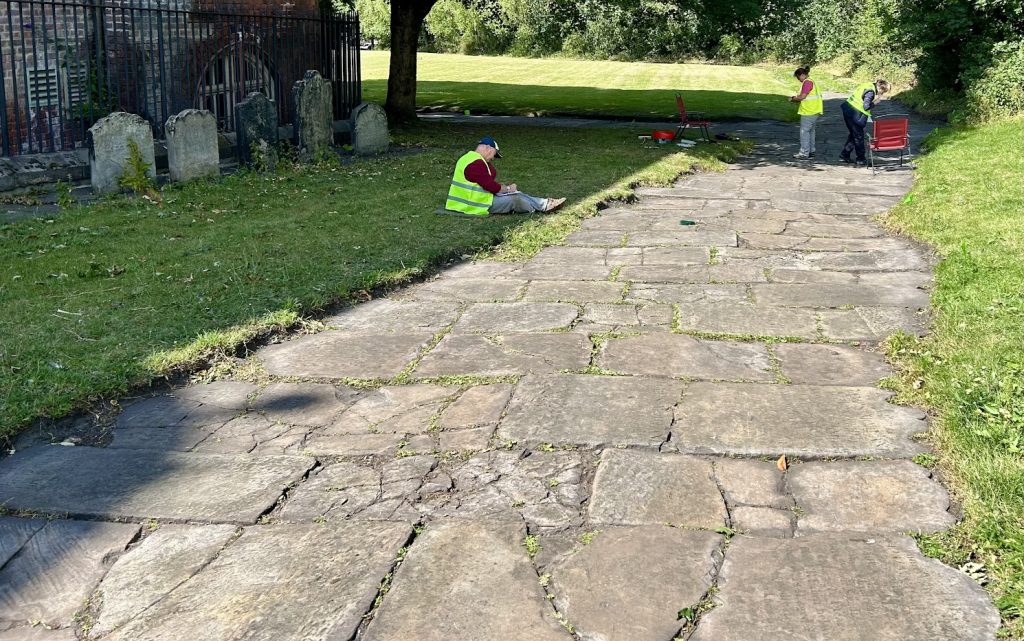
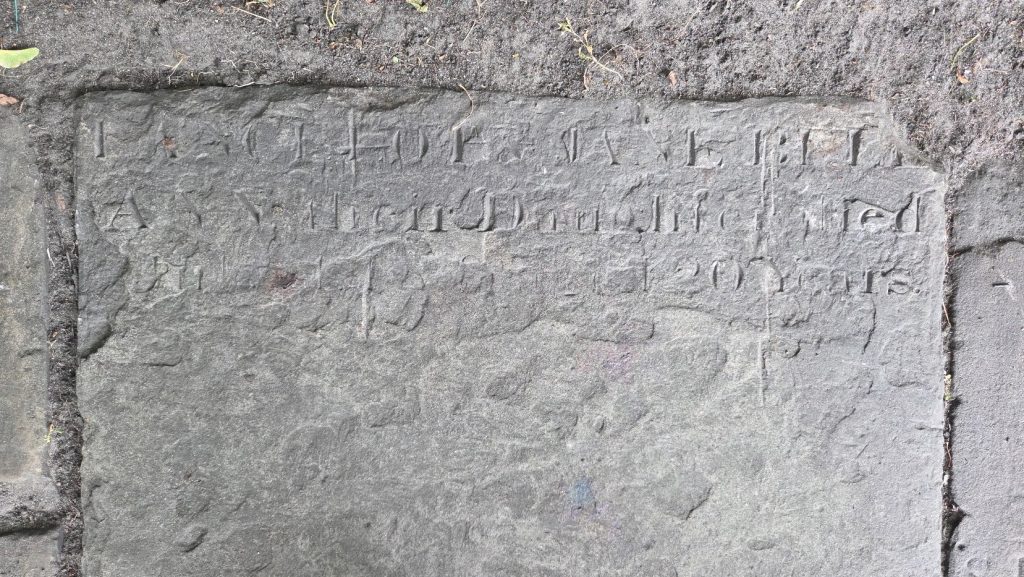
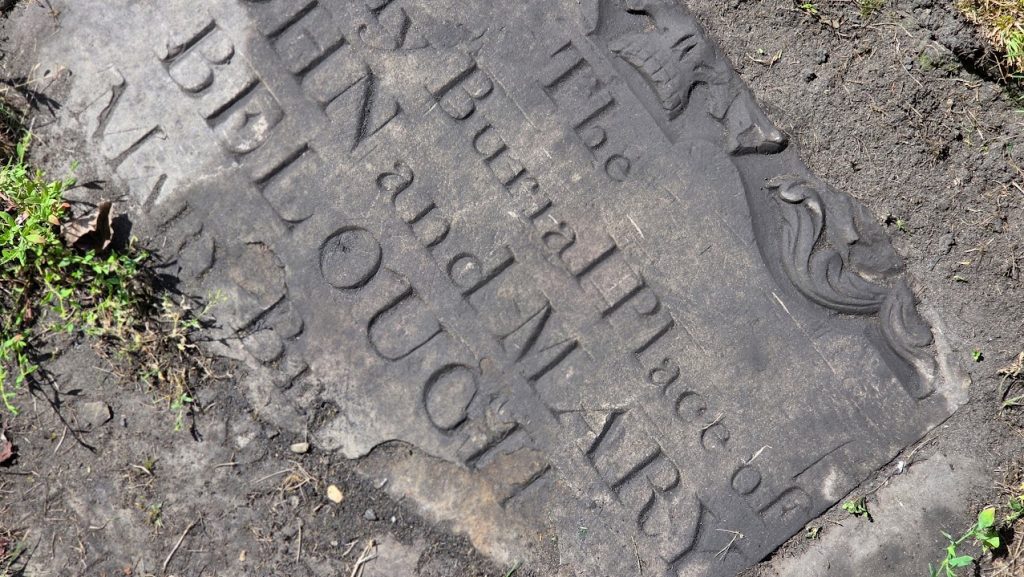
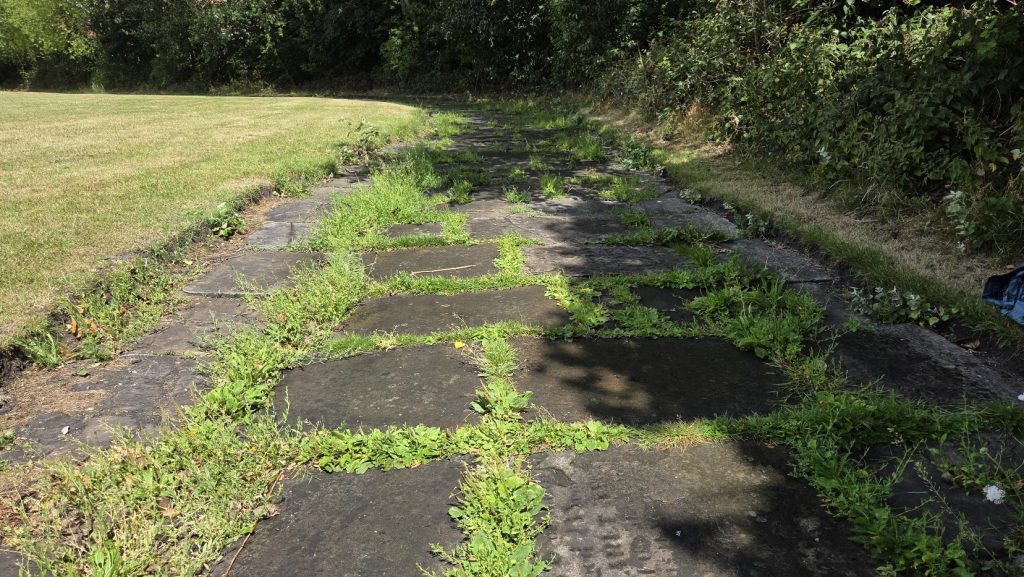
We’ve been hard at work at Ballast Hills Burial Ground, recording gravestones with the help of some truly fantastic volunteers. Despite the overgrowth, unpredictable weather, and the challenges that come with deciphering centuries-old inscriptions, our team has been making great progress and having a few laughs along the way!

We’ve now recorded nearly 175 of the 275 gravestone segments. That means we’re down to the final 100!

It was also great to speak to so many people coming from or heading to the Ouseburn Festival over the weekend. Your interest and encouragement help keep the momentum going.

If you’d like to get involved, we still have sessions available. Whether you’re interested in helping with the recording or prefer to support us by clearing overgrowth so inscriptions can be read and scanned, your contribution would be hugely appreciated.

Remaining July Fieldwork Days & Time

  • Wednesday, 9 – 14:00 to 18:00
  • Saturday, 12 – 10:00 to 16:00
  • Tuesday, 15 – 13:00 to 19:00
  • Thursday, 17 – 10:00 to 16:00

Book a recording/cleaning slot: here or register your interest in get involed in other ways: here.

Here are a few images from recent field sessions, stay tuned for more stories.

P.S. The newsletter might be running a bit late this month due to all the fieldwork—but hold tight, it will be out before the end of the month!