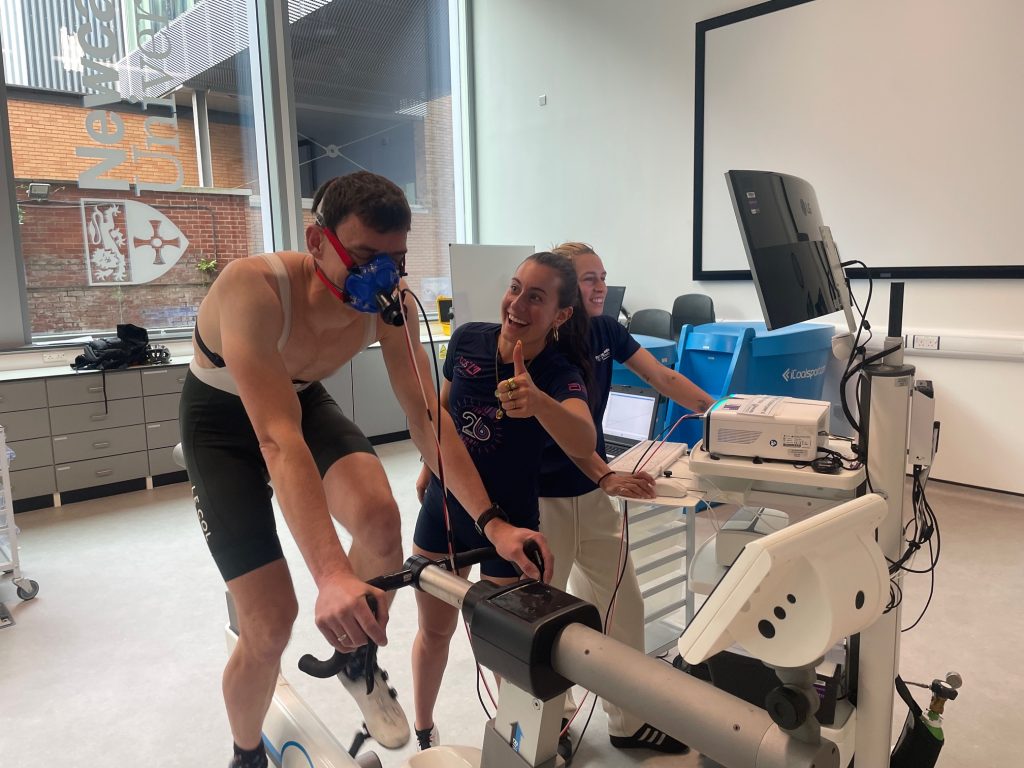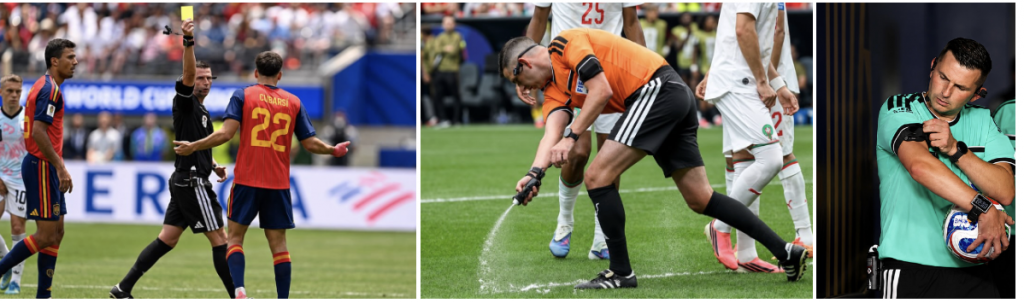
Michael returned to the environmental chamber again this year after a successful heat preparation last season prior to the Club World Cup, to prepare for the 2026 FIFA World Cup held across Canada, Mexico and the United States.
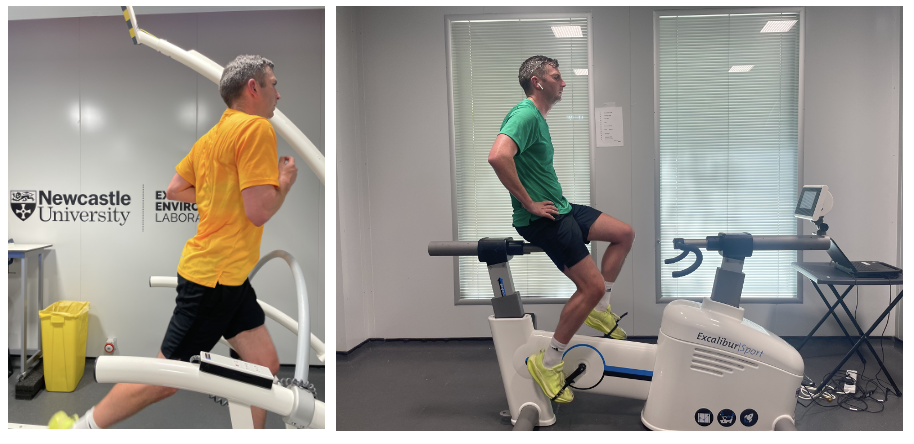
Blog focussing on research from the NCL extreme environments laboratory. Run by Dr Owen Jeffries
Michael returned to the environmental chamber again this year after a successful heat preparation last season prior to the Club World Cup, to prepare for the 2026 FIFA World Cup held across Canada, Mexico and the United States.
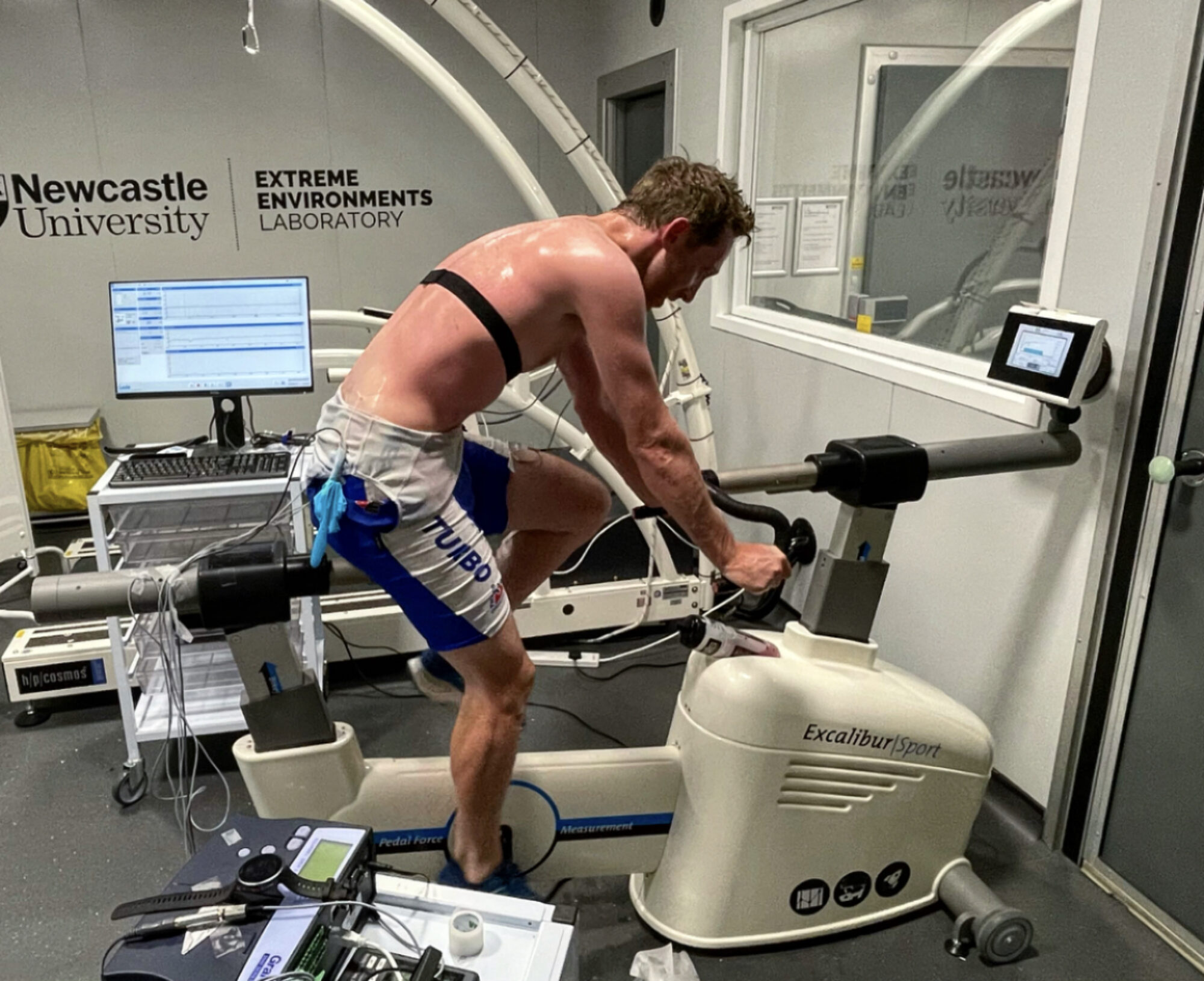
MSc students Maia Minson and Romany Tune worked together with PhD student Lee Ager to explore the impact of convective airflow on heat balance during exercise in extreme heat (40°C) under dry (30% RH) and humid (50% RH) conditions.
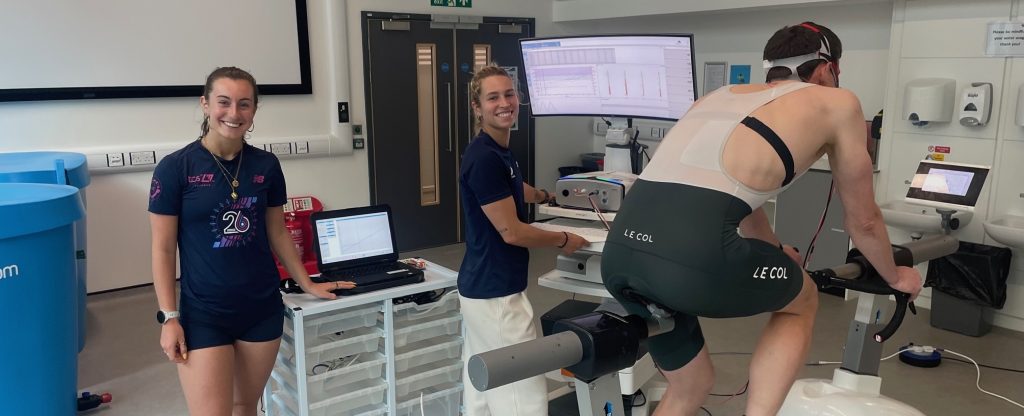
As environmental humidity increases, the water vapour pressure gradient between the skin and the environment is reduced, thereby limiting the potential for evaporative heat loss. Under such conditions, Maia and Romany investigated, as part of Lee’s PhD studies, the effect of convective airflow (15 km·h⁻¹) on body heat storage when ambient temperature exceeds skin temperature. What is currently unknown is how heat storage will be affected when airflow can theoretically increase convective heat gain while enhancing evaporative heat dissipation.