
Lion’s cartilage!
Cartilage growth plate in an adolescent lion at the Animals Inside Out exhibition at Centre for Life in Newcastle

IGM Open Day for A-level students 13th july 2016
Institute of Genetic Medicine in Newcastle are hosting their popular Ooen Day for A-level students on the 13th of July 2016.
To book a place, please contact: IGMEngagement@ncl.ac.uk

RUBICON meeting in Athens 14-15th June 2016
First group meeting with the training fellows. Exciting exchange projects are commencing this year! For details please visit: http://rubicon-network.org/

SYBIL satellite meeting, 13th May 2016 Rome
We are happy to announce that SYBIL will be hosting their 2nd Satellite Meeting for Young Researchers, this time as part of the ECTS (European Societies of Calcified Tissues) meeting 13-17th May in Rome.
Here’s the programme of our meeting:

We’re hoping to see you there!
Prof Che Connon (IGM) will talk about his research at the next SciBar in Newcastle

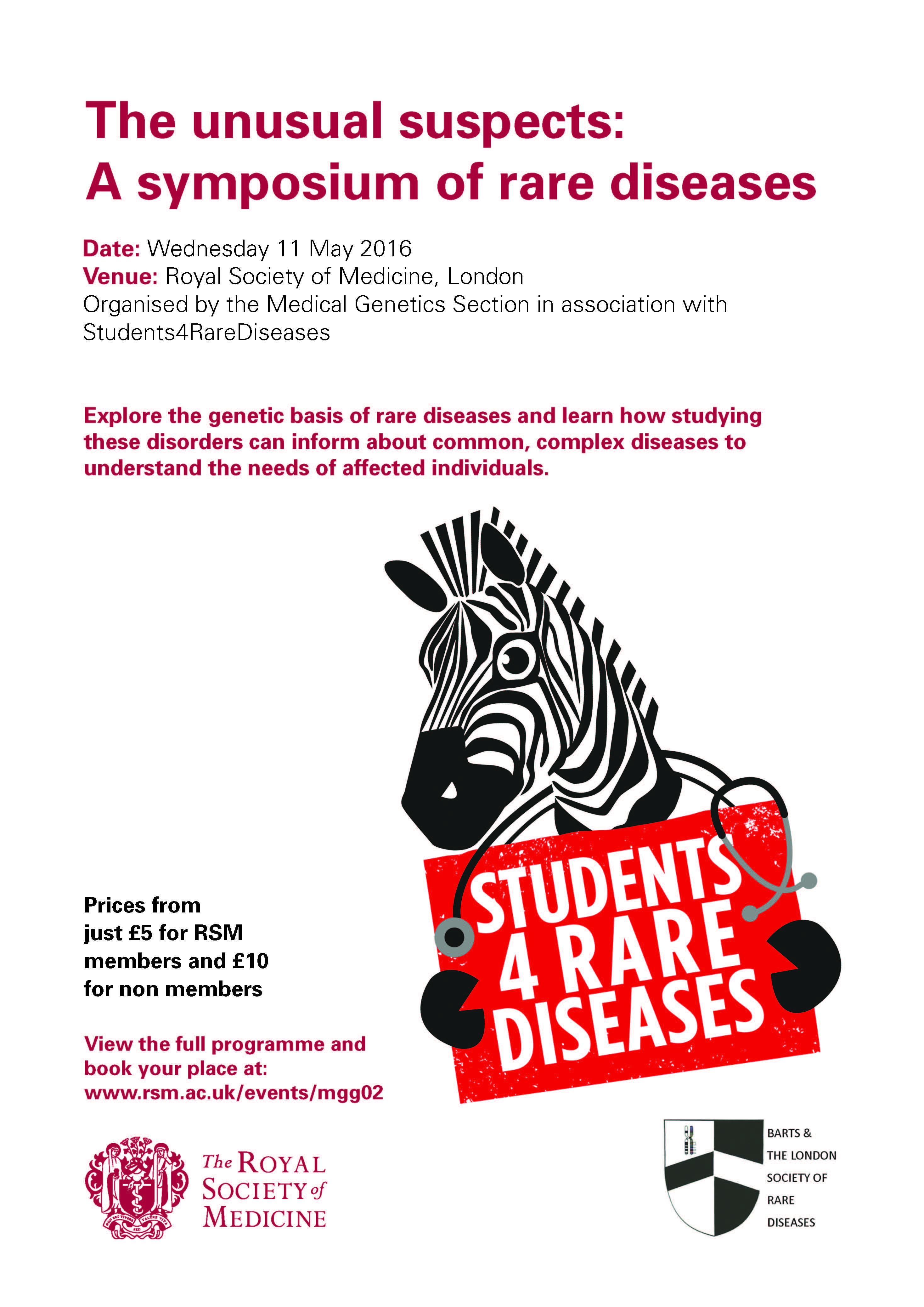
Students for Rare Diseases – a student symposium in London, 11th May 2016
We’re at the BSMB meeting in Chester!

Join hands to make the voice of rare diseases heard (Rare Disease Day 2016)!
 A show of hands from the Institute of Genetic Medicine today, to raise awareness of the international Rare Disease Day and the importance of rare disease research.
The image was shared via Twitter and email with the larger community today.
 1 in 17 people in the EU is affected by a rare condition. That’s 3.5 million people in the UK alone! Although individually rare, together the rare conditions affect more people than cancer and AIDS combined.
Let’s all unite to make the rare disease voice heard!
Genetics Matters event a success!
On the 27th of February 2016 the IGM held their popular “Genetics Matters” event at the International Centre for Life, as part of the international Rare Disease Day. The day was a huge success and included presentations form the leading Newcastle University scientists and patient organisations as well as meet the scientist tables, giving the participants a chance to chat about rare diseases and hear about the exciting state of the art research at Newcastle University.
We would like to thank all the participants, presenters and patient group representatives for making this event so informative and enjoyable. Together we will make the voice of rare diseases heard!

For more information and photos from the event please visit: https://blogs.ncl.ac.uk/igmengagement/27th-february-2016-genetics-matters/