Special Guest Blog: Courier 1955-62, Changing Directions

This is the second instalment in our Courier Special Collections Guest blog series. You can see the first, ‘1948-55 the early years’ here.


1955-62 Changing Directions
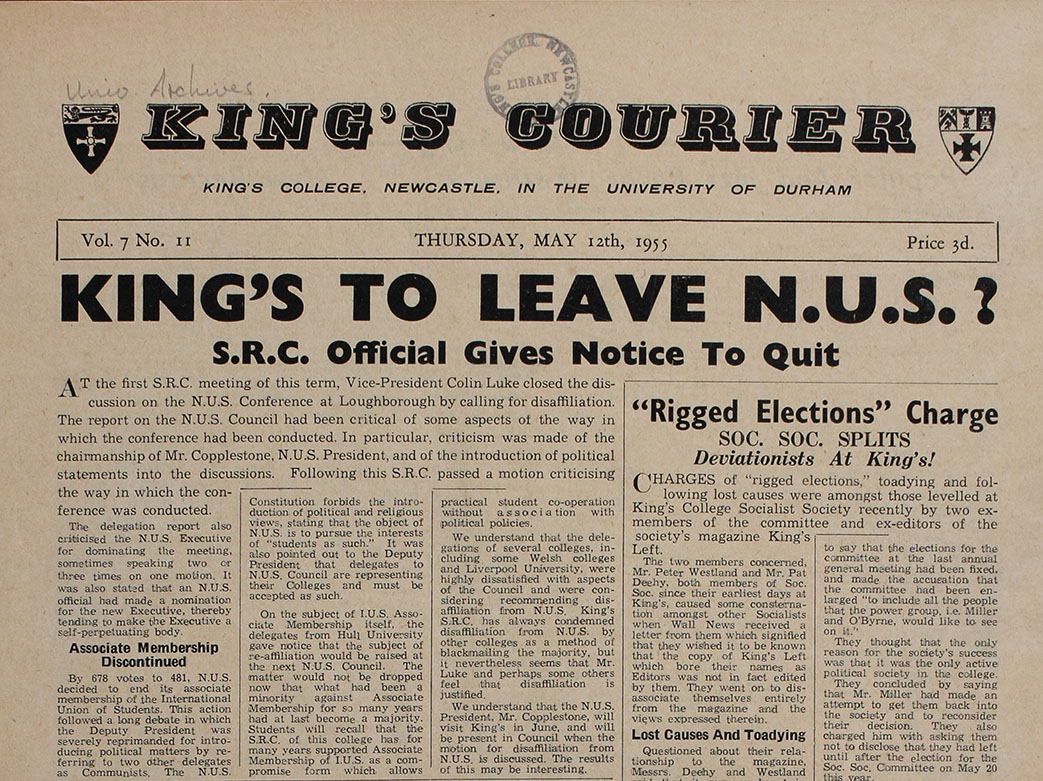
'Kings to Leave N.U.S', 12th May 1955

‘Kings to Leave N.U.S’, 12th May 1955

In 1955 the handover between editors was brought forward from summer to Easter, so that the outgoing editor could concentrate on their exams. It was also around this time that Monica Doughty joined the Courier as a permanent secretary, helping to provide stability to the paper during the frequent changes to the editorial team. Doughty organised the day-to-day running of the paper, while each editor shifted the overall tone and style of the paper to suit their own tastes. Brian Lloyd Davies, editor 1955-56, attracted controversy by his frequent use of the paper to publicise his own, left-wing, views.
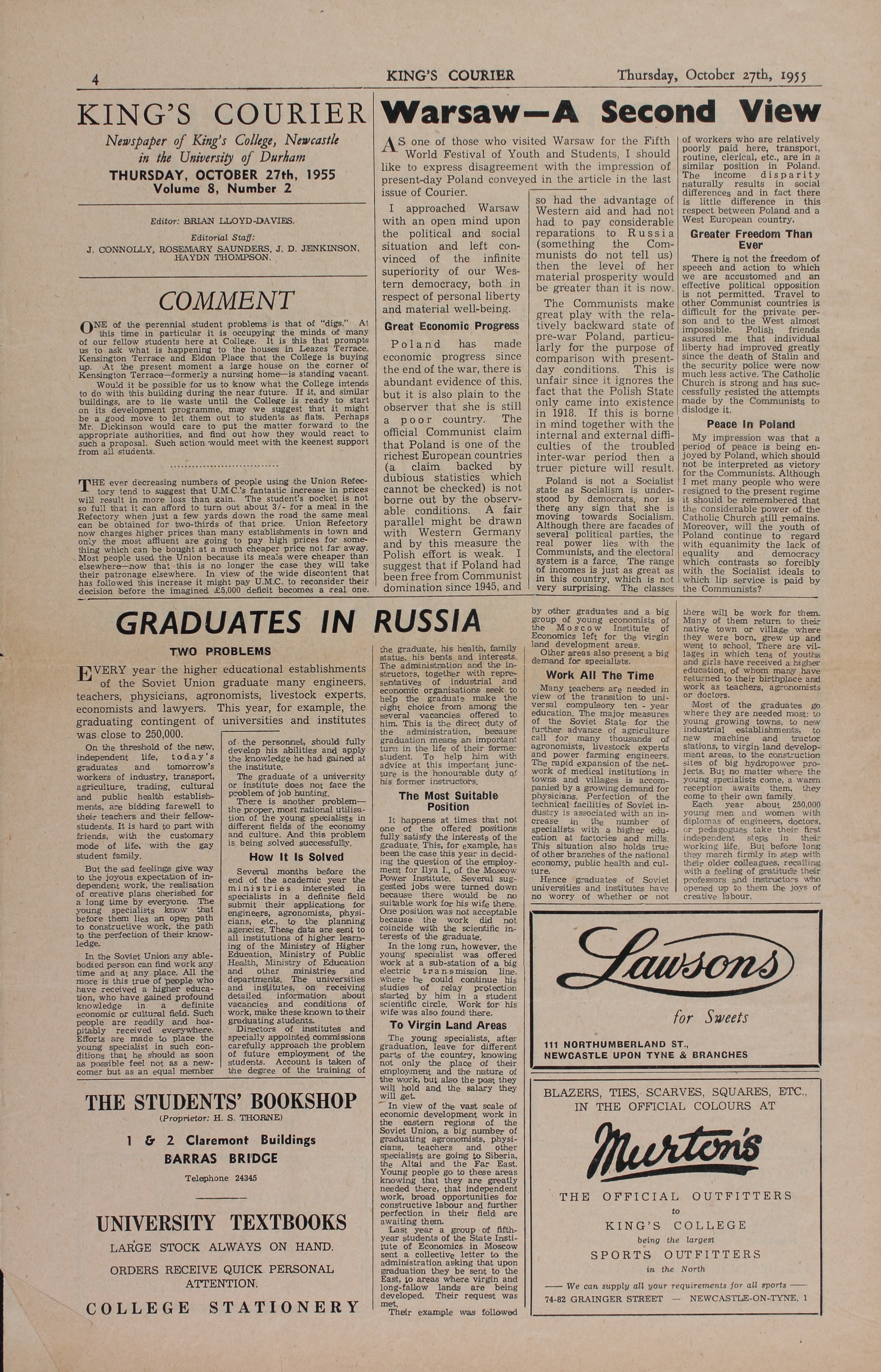
Brian Lloyd as Courier editor, 27th October 1955

Brian Lloyd as Courier editor, 27th October 1955

His successor, Ramsey Rutherford, returned King’s Courier to a neutral position, being more interested in the arts and music than politics; he was described in the paper as a fan of “traditional jazz, modern jazz, classical music, opera, folk songs of all types, and modern ‘pops’.” The changeover of editors was a big event in the late 1950s, with each editor’s final issue including multiple tributes to their time with the Courier from other members of the team. Rutherford was followed by John McCormack, who continued the arts focus and non-confrontational tone.
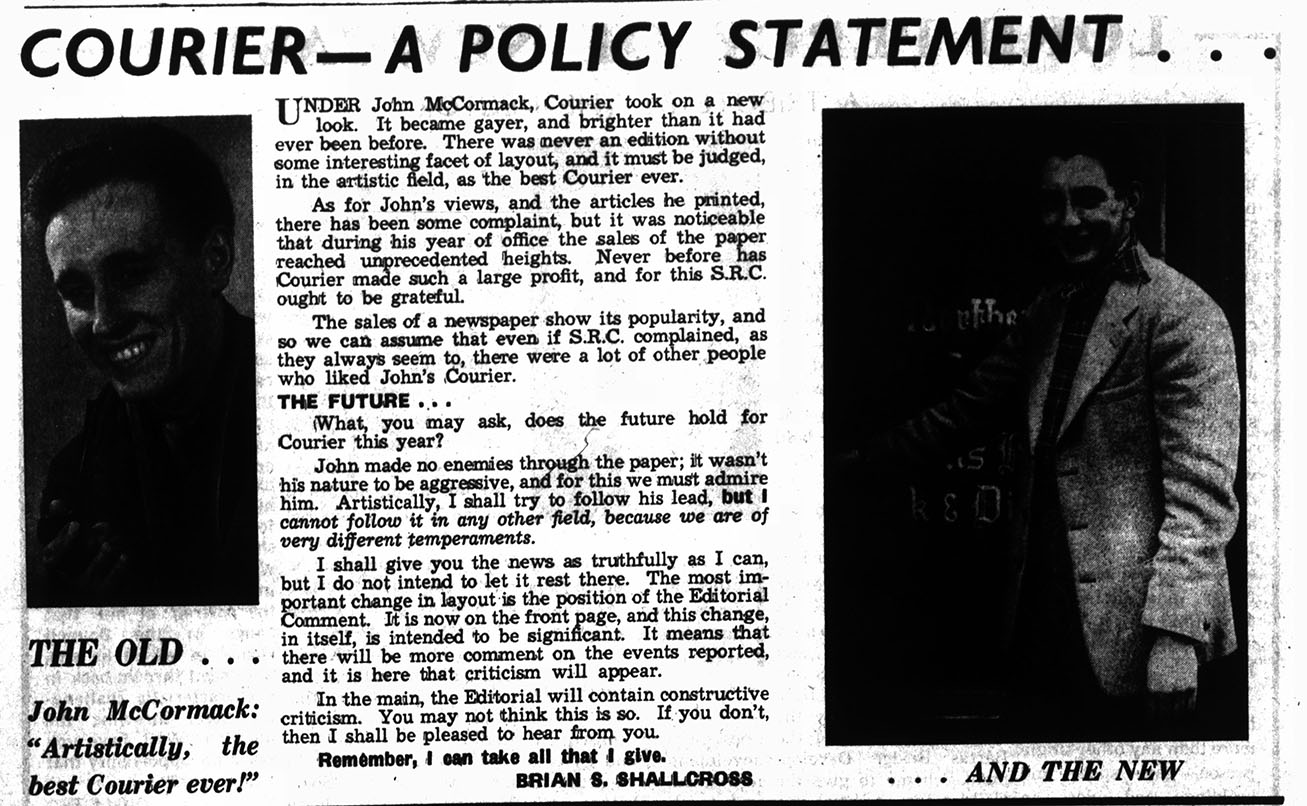
'Courier-A Policy Statement' reviewing John McCormack, 8th May 1958

‘Courier-A Policy Statement’ reviewing John McCormack, 8th May 1958

In 1958, however, his successor, Brian Shallcross, shifted the focus to news. He redesigned the paper, introducing a new colour masthead, significantly more photographs, and large, tabloid-style headlines.
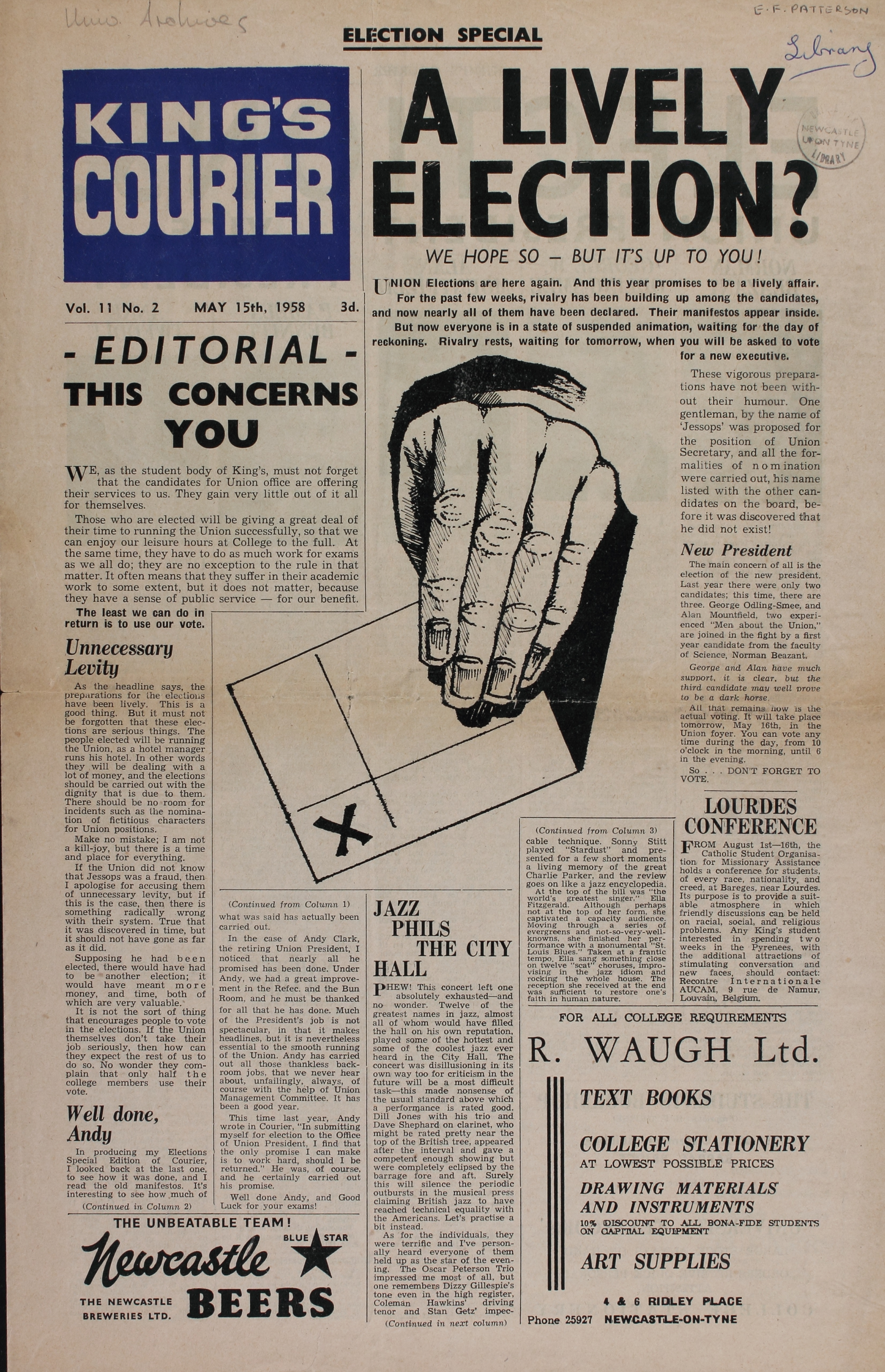
The King's Courier with the new colour masthead, 15th May 1958

The King’s Courier with the new colour masthead and tabloid style headlines, 15th May 1958

The stories were similarly daring, including a survey that revealed very few students knew who their elected student representatives were, and close scrutiny of a poorly-organised Rag Week.
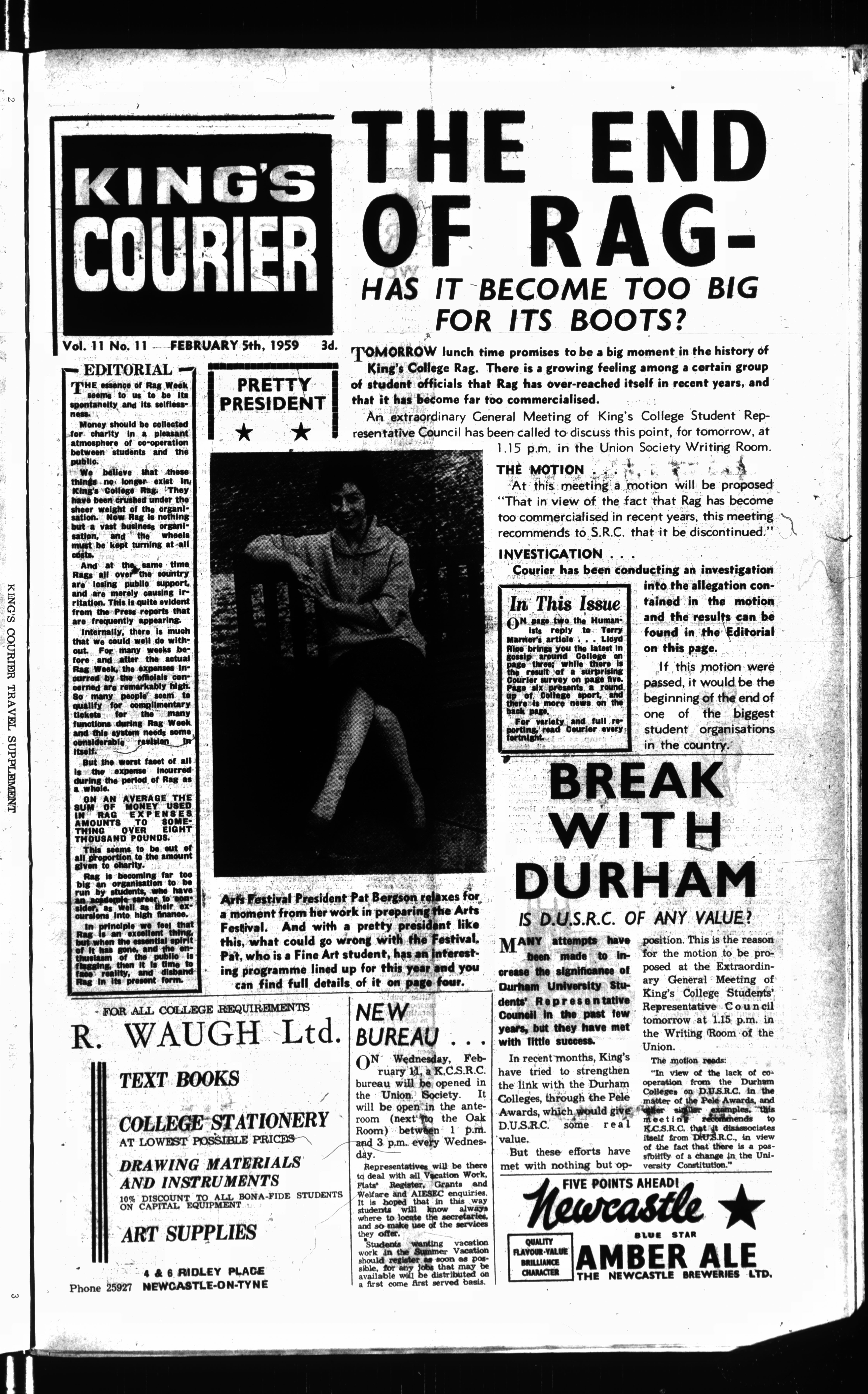
'The End of Rag', 5th February 1959

‘The End of Rag’, 5th February 1959

Most of these changes were reversed once Shallcross left the paper, when it became known simply as Courier. As the new decade dawned the paper became a weekly publication, coming out every Wednesday during term time. The extra issues placed a greater demand on the editor, and at the end of 1960 it was agreed that editors should only serve half the year, with changeovers in December and at Easter.

The Courier‘s main competition during this period was the Wall News, posted on noticeboards in the Union and often a vehicle for gossip and scandal. The Wall News predated the Courier and survived well into the 1960s, with the relationship between the two publications occasionally descending into one or the other printing derogatory comments about their competitor.
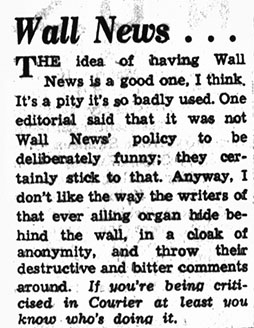
Wall News complaint about the gossip, 8th May 1958

Wall News complaint about the gossip, 8th May 1958

The other significant publication at King’s College was the Northerner, a literary magazine founded in 1901 and published once or twice a year. Whilst never especially successful, the introduction of a 6d cover price in 1958 marked the beginning of the Northerner‘s decline, and by the early 1960s the publication faced major financial problems. A revamp in 1963 saw the Northerner printed on glossy paper and with a greater focus on design, but this was not enough to save the magazine and staff shortages and printing problems contributed to its decline in the mid 60s. Numerous attempts were made to revive it, as Package in 1968, Ashes in 1970, the New Northerner in 1972 and Five Seconds in 1973. None of these, nor more recent arts magazines such as Alliterati, established in 2006, lasted more than a few years.
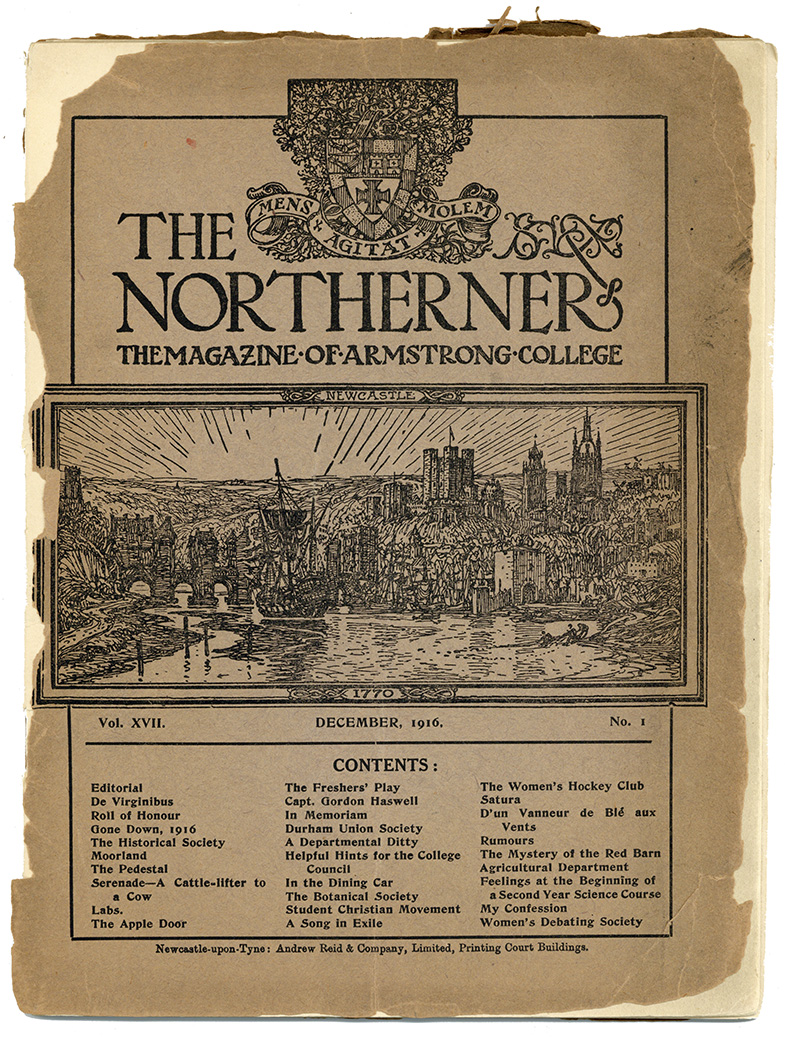
Front cover of the first issue of the Northerner, 1st December 1916

Front cover of the first issue of the Northerner, 1st December 1916


The above content is taken from Courier alumni, Mark Sleightholm’s Courier History site and is interspersed with images from the Courier Archive online website. Mark has begun documenting the history of Newcastle University’s Courier student newspaper, which gives a fascinating insight into reporting trends, recurrent stories and issues, and profiles of the different sections through the ages.

You can read the next instalment in this series, ‘Special Guest Blog: Courier 1962-69, The Golden Years’ here.
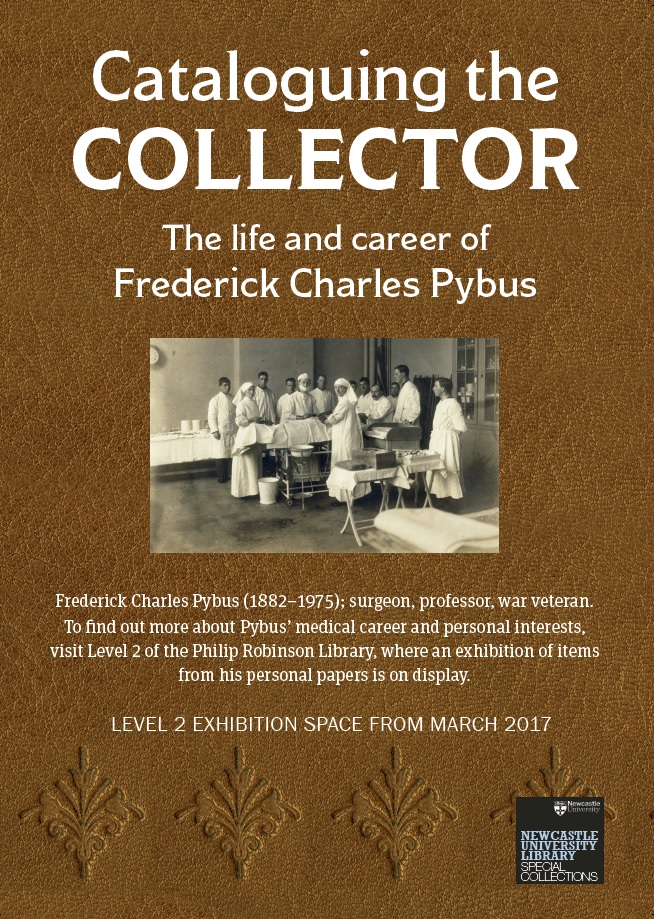
Cataloguing the Collector: The life and career of Frederick Charles Pybus

Exhibition now open to the public March – August 2017.
Level 1, Philip Robinson Library, Newcastle University. 

The text and images below are from the exhibition, ‘Cataloguing the Collector: The life and career of Frederick Charles Pybus’. Items within this exhibition are taken from the Frederick Charles Pybus Archive.  


Exhibition talk: ‘The Life of the Collector: Frederick Charles Pybus


ALL WELCOME

Date: 29th March 2017
Time: 5.30-7pm
Location: Room 152, Level 1 of the Philip Robinson Library

A talk on the exhibition will be given by our archivist Alex Healey hosted by the Friends of the University Library.


Frederick Charles Pybus is arguably best known for his collection of historic medical books, held here in the library. However, items from his personal archive reflect his medical career and personal interests, demonstrating that collecting was only one aspect of his personality.

Pybus the Surgeon

fp-1-3-9-1

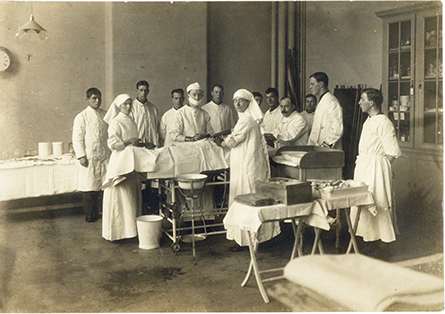
Surgery team including Pybus ready for theatre in the Fine Arts department at Armstrong College, 1st Northern General Hospital, c. 1915 (Professor Frederick Pybus Archive, FP/1/3/9)


At the start of the 20th century, medical developments relating to antiseptics and anaesthesia allowed surgeons to perform more elaborate and lengthy procedures on their patients.

Frederick Charles Pybus entered the profession, registering as a medical student in 1901 and graduating in 1906. He was to remain associated with the medical profession for over 50 years, until his retirement in 1961.

Pybus not only witnessed the development of surgery in this period, but himself conceived and undertook experimental processes on his patients, contributing directly to the development and improvement of surgical procedures, including tonsillectomies and the removal of cysts.

With the exception of a brief stint in London after his graduation, Pybus’ career both as a student and a practitioner was spent working in medical institutions here in Newcastle, including the Royal Victoria Infirmary, the Fleming Hospital for Sick Children and the Newcastle General Hospital.


Pybus the Veteran

The Royal Army Medical Corps (RAMC) were responsible for the wellbeing of all military personnel during the First World War. As well as serving overseas, members of the RAMC worked on the home front. Suitable buildings were requisitioned as hospitals to accommodate the huge number of wounded soldiers returning from the trenches.

Pybus received his papers placing him on reserve duty in 1910. When war arrived four years later, he helped requisition Newcastle University’s Armstrong College for use as the 1st Northern General Hospital.

Over 1000 operations were performed by Pybus at the 1st Northern, at least some of which were performed in what had been the Fine Arts department. Many surgeries were attempts to correct the damage caused by gun-shot wounds and it was during this period that the field of plastic surgery was developed.

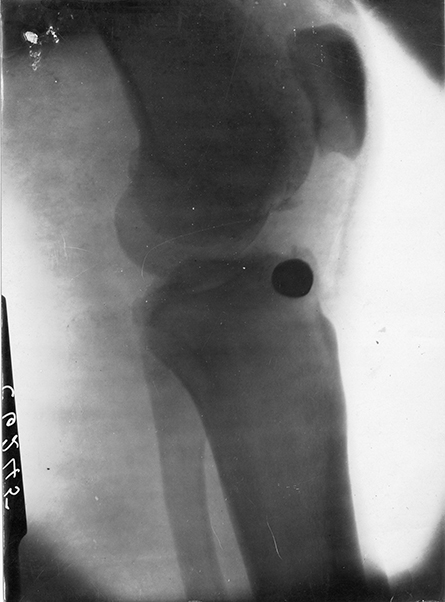
Image included in patient notes for removal of a bullet from Private J. Shrubb of the Inneskilling Fusiliers, Sept 1914 (Professor Frederick Pybus Archive, FP/1/3/3)

Image included in patient notes for removal of a bullet from Private J. Shrubb of the Inneskilling Fusiliers, Sept 1914 (Professor Frederick Pybus Archive, FP/1/3/3)


Pybus and Children’s Medicine

After the First World War Pybus was appointed Assistant Surgeon at the Fleming Memorial Hospital for Sick Children, located at what is now Princess Mary Court in Jesmond.

The early 20th century was a period of change for children’s hospitals, in which their status was shifting from being seen as the last resort of impoverished families, to places in which modern medical techniques, tailored to the needs of children, were delivered by skilled practitioners.

During this period, Pybus’ publications and research interests became focussed on the treatment of children. This culminated in the publication of his book The Surgical Diseases of Children: A Handbook for students and practitioners in 1922. The book was published in England and North America, and was received favourably by the medical press.

The Surgical Diseases of Children: a handbook for students and practitioners, 1922 (Pybus J.I.11)

The Surgical Diseases of Children: a handbook for students and practitioners, 1922 (Pybus J.I.11)

Pybus and Cancer Research

At the start of the 20th century improved understandings of the causes of cancer caused this long known illness to become a focus of public debate. The understanding that environmental factors could directly cause cancer made the illness a social issue as well as a medical one.

As a result of this, research into the identification of carcinogens became increasingly popular as the 20th century progressed. Having spent some time at cancer specialist hospitals early in his career, Pybus established a Cancer Research Institute in Newcastle in 1925.

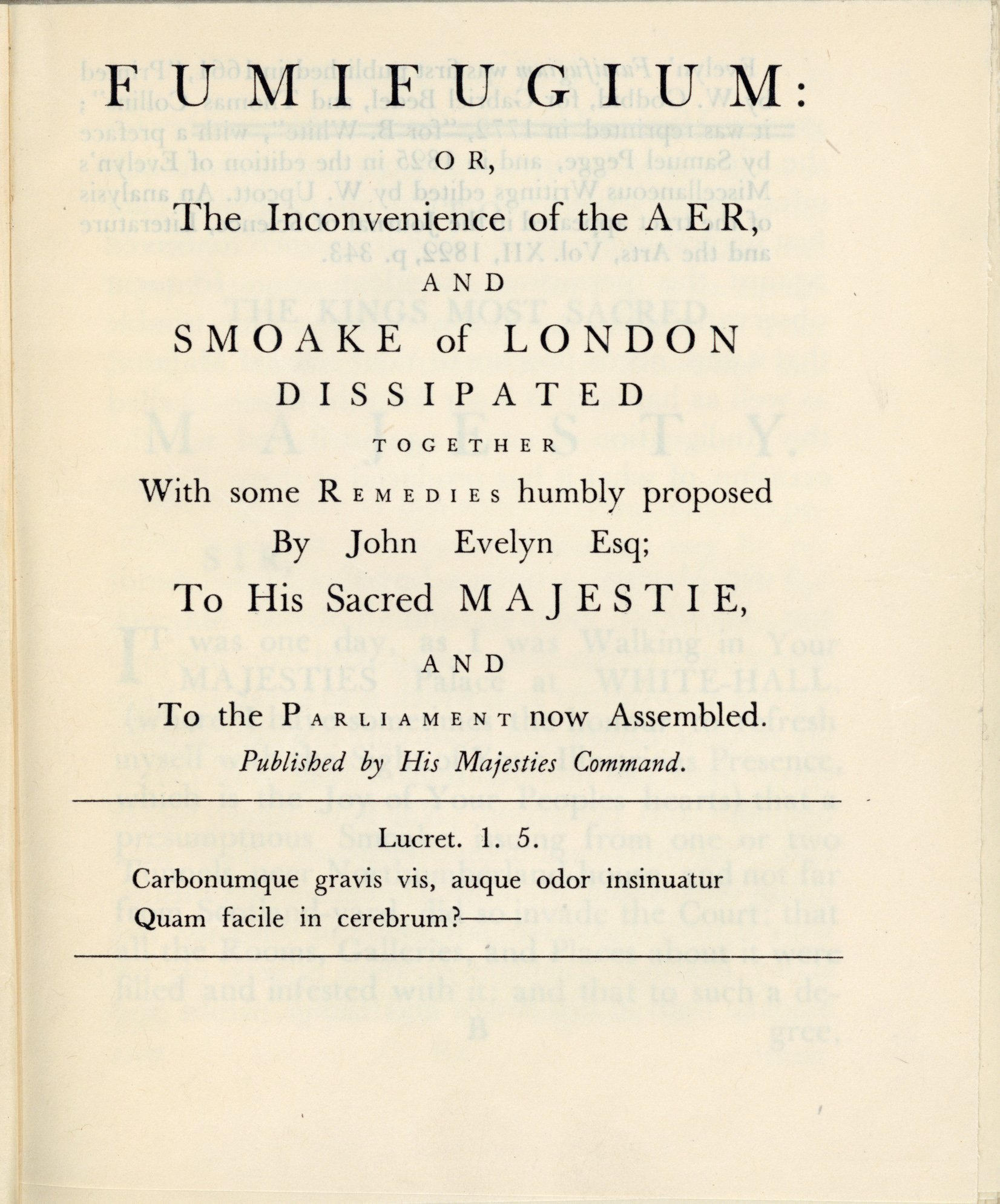
The Institute used animal testing to research bone tumours and was one of the first to suggest that atmospheric pollution could be a major contributing cause.


Pybus the Collector

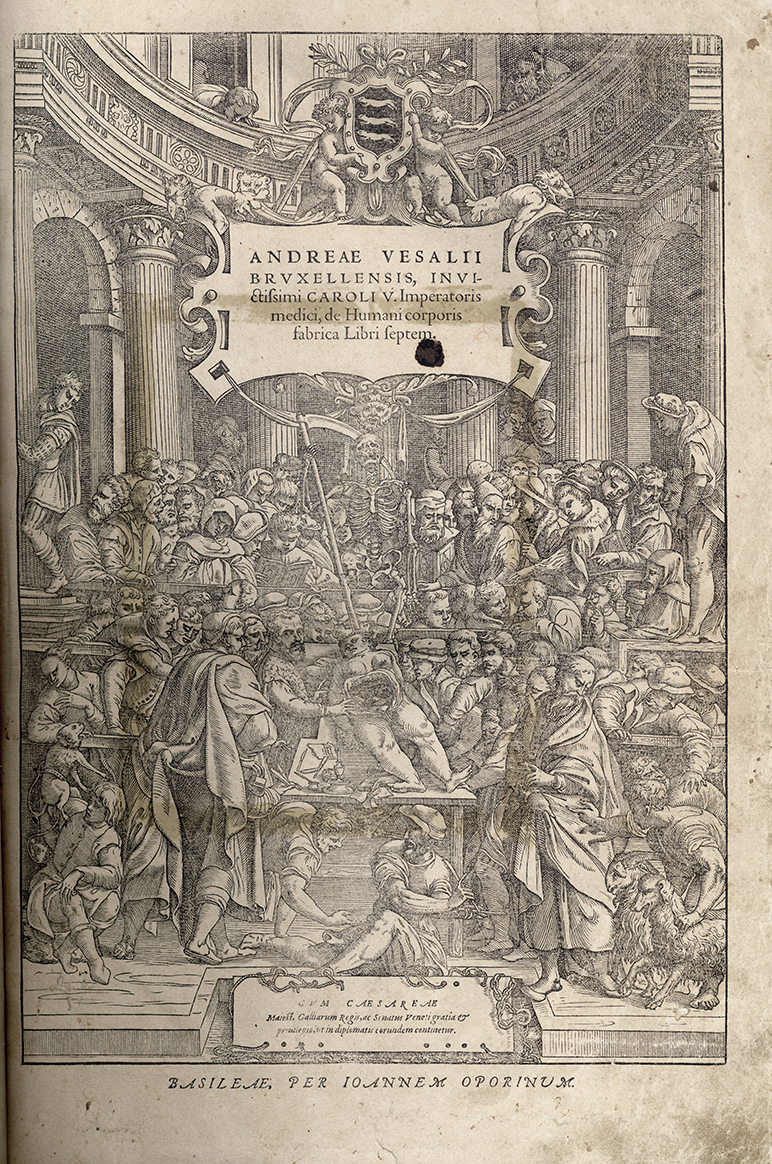
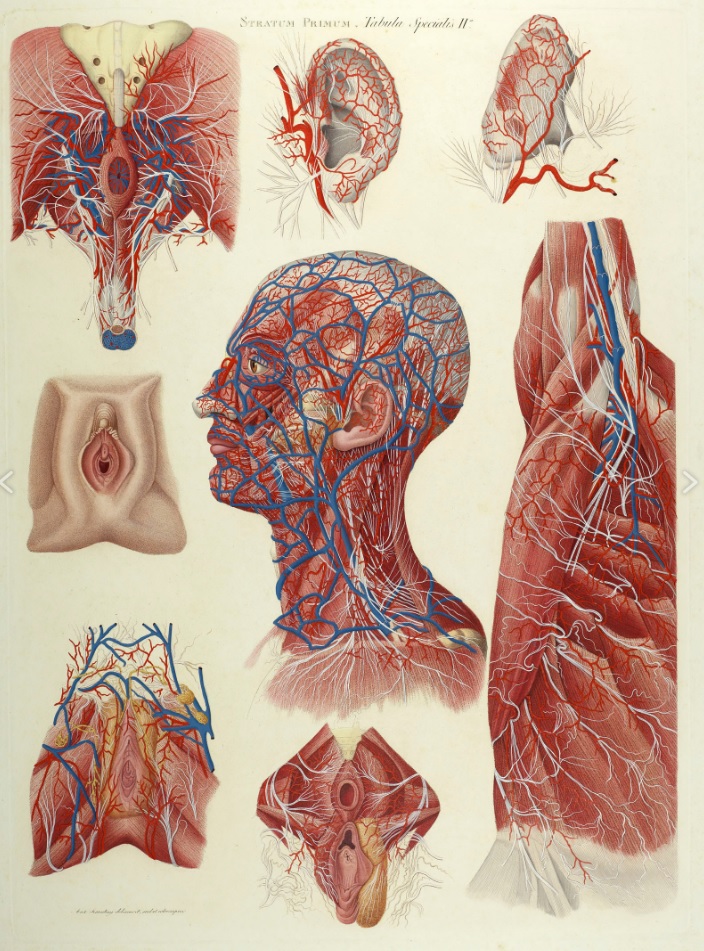
Arguably, Pybus’ most well-known legacy is the Pybus Collection of historic and rare medical texts. He became interested in such books after an encounter with a ‘really handsome book’ at the first meeting of the Association of Surgeons in the early 1920s. He later recalled that this encounter with the ‘magnificent’ plates of a Vesalius folio ‘wetted his appetite with a vengeance’.

Frontispiece from 'De humani corporis fabric' (Fabric of the Human Body) by Andreas Vesalius (Pyb.N.v.10)

Frontispiece from ‘De humani corporis fabric‘ (Fabric of the Human Body) by Andreas Vesalius (Professor Frederick Pybus Collection, Pyb.N.v.10)

Despite offers from book dealers and American universities to purchase parts of the collection, Pybus donated it in its entirety to Newcastle University Library in 1965, where a dedicated reading room was established in the old library. The collection is now held by Special Collections here in the Philip Robinson Library, and is included on the library catalogue.


Pybus the Person

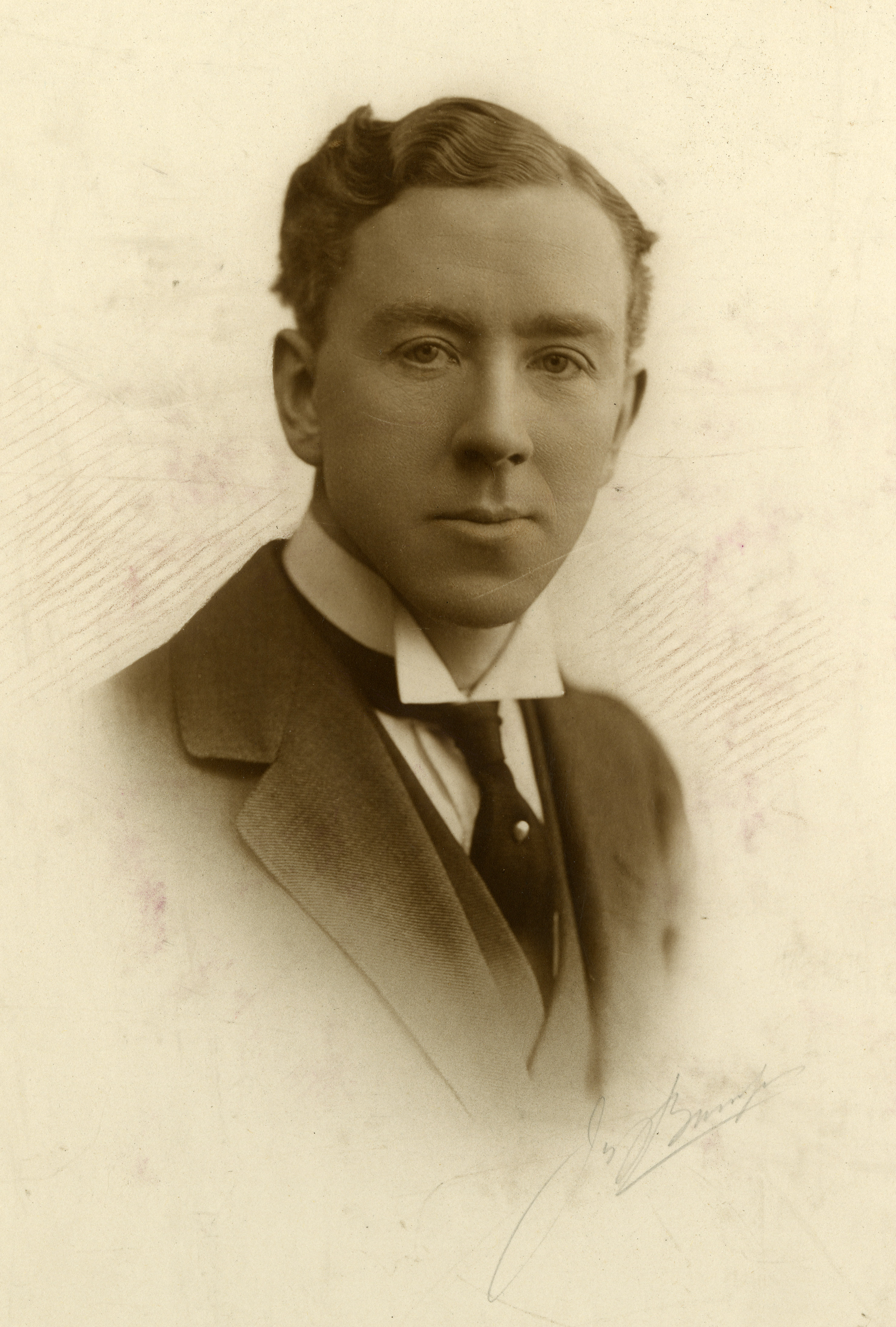
Photograph of Professor Pybus, c. 1913

Photograph of Professor Pybus, c. 1913 (Frederick Charles Pybus Archive)

Much of Pybus’ life was taken up with his medical career and hobby of collecting medical texts. His archive demonstrates that these were the dominating aspects of his life. Nevertheless, there is evidence of other interests.

Other items in the archive hint at Pybus’ other interests. These include involvement with lecture societies, membership of Masonic organisations and an attempt to resurrect the historic Company of Barber Surgeons and Tallow Chandlers of Newcastle upon Tyne.


Other Resources

Interested in Pybus’ book collection. Find out more about the Professor Frederick Pybus Collection.

More about Pybus our blog: