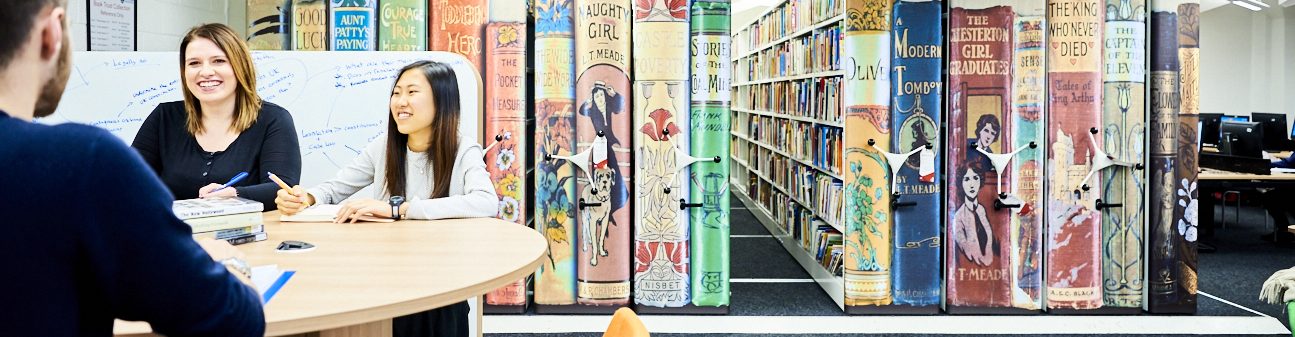
Welcome to the first digital newsletter from Newcastle University Library for the year for PGR students. In this update we highlight what has been happening in the Library over the summer and essential updates to services for 2026-27, including updated opening hours, space developments in the Philip Robinson Library and details of PGR training opportunities.
Academic Engagement Team
Over the summer, the Library Liaison and Academic Services team has been renamed the Academic Engagement team. This reflects a broader shift within higher education librarianship from the term liaison to engagement – a more active expression of the relationship-building and partnership work we undertake.
Importantly, this is a change in name only. Please be assured that we will continue to work closely with you, as we do now, to support your learning and research at the University. Alongside our Academic Skills colleagues, your Librarians will continue to offer sessions as part of the PGR training programme as well as 1-2-1 appointments to focus on your research needs.
Our email address has been updated, and you can contact your Faculty Engagement Librarians Aimee, Emily and Louise at libengagement@ncl.ac.uk.
Library Spaces
Redevelopment of Philip Robinson Library Level 1
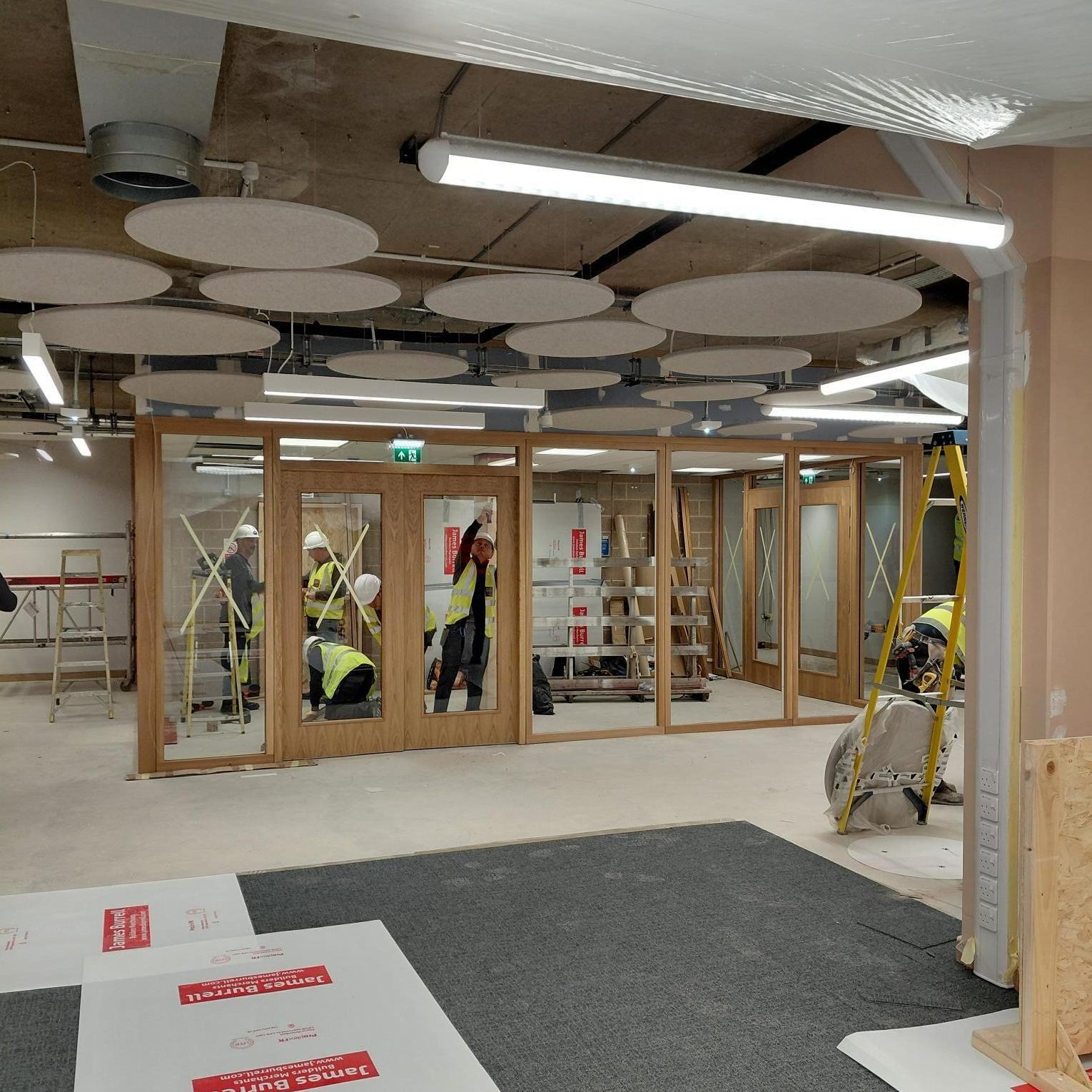
During the summer months, work has been undertaken to refurbish and re-zone Level 1 to provide fully accessible toilets, create a larger collaborative study space and combine existing cluster spaces to become a single, 48-person cluster. The work is in the final phase and will be open from the 2nd of October.
More information about the UX research that informed the space redevelopment is available on the Library website and more updates and pictures will be provided over the coming weeks.
Library Opening Hours
Term-time service hours resumed on the 21 September 2026, with the three Library spaces open:
- Philip Robinson Library: 24 hours 7 days a week.
- Walton Library: Monday to Friday 08.30 – 22.00; Saturday and Sunday 10.00 to 22.00.
- Marjorie Robinson Library Rooms: Monday to Sunday 08.30 – 17.00; Saturday and Sunday 09.00 to 17.00.
Library Resources
New resource subscription to Mass Observation Project 1981-2019
We are delighted to add the most recent release from Mass Observation to our collections. This database provide unique insight into the social history of Britain by recruiting volunteers to write about their lives and opinions. It provides amazing qualitative social data for researchers. A nice 1 minute read from Adam Matthews Publishing highlights its value and usefulness.
Supporting Research with Special Collections
New research webpages from the Special Collections and Archives team highlight how you can make use of our unique archival and rare book collections. The pages bring together research tools, guidance and opportunities for collaboration, helping you and your students discover new ways to engage with distinctive primary source material.
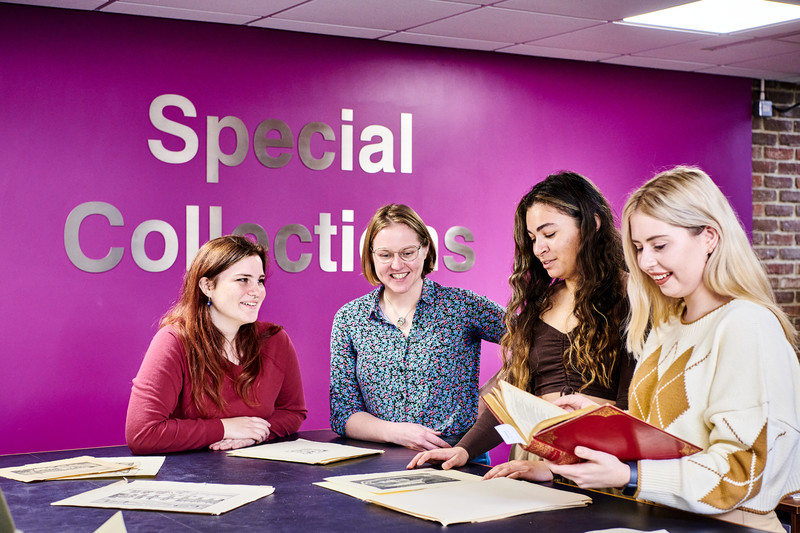
We welcome collaboration with academic and external researchers at all stages of the research lifecycle, from developing funding proposals and building collections to digitisation projects, exhibitions and digital scholarship. Early engagement can help shape projects and maximise the potential of our collections.
Find out more on our research webpages and contact the team to discuss potential collaborations.
Student Support
Training opportunities from the Library
All Postgraduate Researchers from the three Faculties have a wealth of support and training available from the Library.
If you’re new you maybe interested in the support available on literature searching, specialist information, writing a literature review, systematics reviews or creating a research data management plan.
Later or returning postgraduate researchers may benefit from other sessions involving open access publishing; maximise the visibility of your research, Your writing toolkit or academic writing; accessible abstracts.
Visit the University PGR workshop booking system to find training provided by the Library for your Faculty.
Understanding Academic Culture
An Academic Skills Kit collection of resources and practical advice to help students studying in the UK for the first time understand academic expectations and prepare for their time at Newcastle University.

Contact your Faculty Engagement Librarian
Contact the team: libengagement@ncl.ac.uk
Faculty of Humanities and Social Sciences:
Louise Masson
Faculty of Medical Sciences:
Aimee Watson-Cook
Faculty of Science, Agriculture and Engineering: Emily Dott
Academic Skills Development Manager: Liv Jonassen