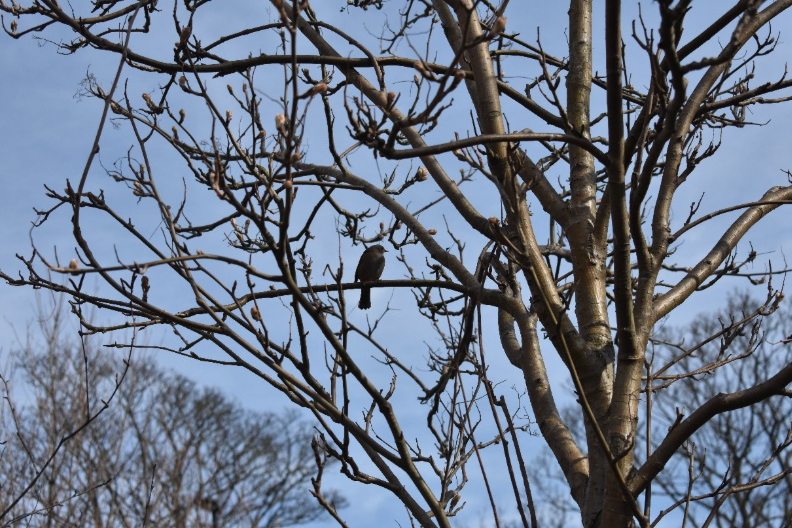
Recent research has shown a significant decline in some garden birds (such as Greenfinches and Chaffinchs) due to Trichomonosis, a highly contagious disease that spreads when birds gather in large numbers and share contaminated food. The RSPB have released new guidance to help make a difference. In this blog we have provided a summary of the two key recommendations to feed seasonally and feed safely, so we can all help protect our garden birds 🐦.
- Feed seasonally
May – October
- In summer and autumn (1 May – 31 October) put a hold on filling bird feeders with seeds or peanuts. Instead, you can feed them small amounts of mealworms, fatballs or suet.
- Natural foods are more available in summer, so feeding isn’t necessary!
November – April
- You can feed your birds a full range of bird foods, including seeds and peanuts
- Feed safely
- Clean bird feeders and water baths at least once a week with hot soapy water and non-toxic disinfectant such as Ark-Klens or a mild (5%) bleach solution. Also clean away old food or droppings beneath the feeders
- Refresh water every day
- Place your bird feeder in a new spot every week
- Avoid putting feeders under places where birds roost such as under trees
- Choose hanging feeders over flat feeders.
- Adjust the amount you offer based on demand and try to prevent it from getting wet
- Help birds find their own food by filling your outdoor space with bird-friendly plants e.g. sunflowers, teasel and ivy
What are we doing?
In April 2025 and 2026, we conducted urban bird surveys, which confirmed the presence of European Greenfinches on our City campus.
In line with updated RSPB guidance on bird feeding and to help reduce the risk of spreading bird disease, we will be removing the bird feeders on campus that we are aware of. We are currently in the summer season where food is prevalent, and the summer it would also be challenging to keep all bird feeders regularly clean on our large campus.
If you think one of these bird feeders was yours or you see a bird feeder that needs removing, please email us at sustainable-campus@newcastle.ac.uk.
Instead, our campus planting provides natural food sources for many types of wildlife, with areas designed to support pollinators and wider biodiversity. We also provide dedicated habitats for birds and bats, including 2 large bat barns at Park View Student Village Accommodation which are used by both birds and bats.
For more information about how we are supporting biodiversity on campus, visit our biodiversity page.
Thank you for reading!