Urban Life in Delhi Slums

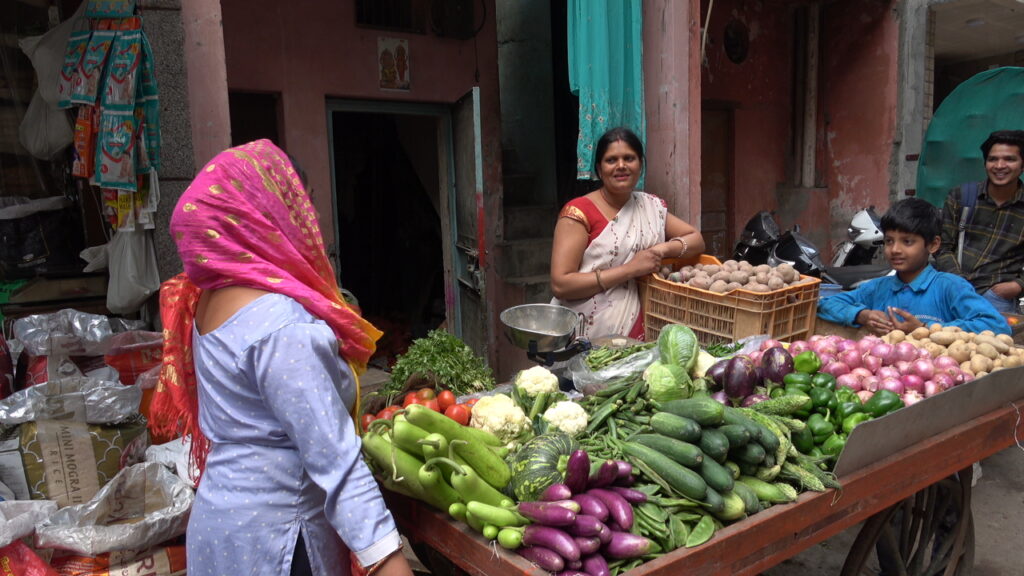
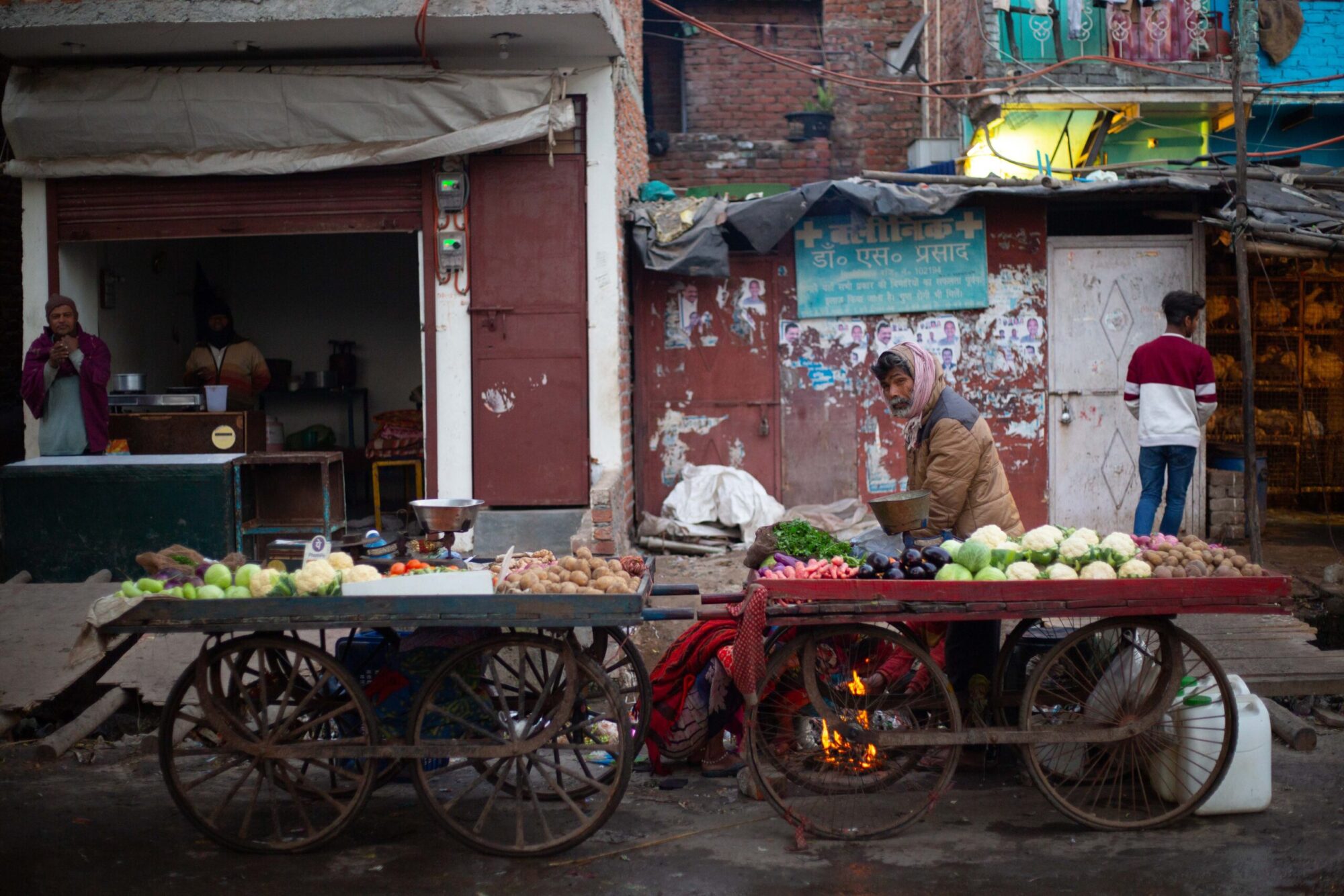
Around one-quarter of the world’s urban population live in informal, slum and squatter settlements, representing a significant economic and cultural force. Despite this, settlements are often perceived as marginal, homogenous places, overlooking the resilience and agency of the diverse actors, networks and social groups working collectively within them. This book draws on extensive qualitative and quantitative data from squatter and resettlement colonies in and around Delhi, foregrounding the voices of residents to build a bottom-up picture of place and urban development. The book analyses the contexts in which households operate within their communities and the adaptiveness of individuals living in different slum types, with differing levels of governance. In doing so, the book demonstrates the effect which different institutional agreements and governance systems have on enterprise, empowerment, resilience, trust, dignity and engaging in life that has purpose and meaning.

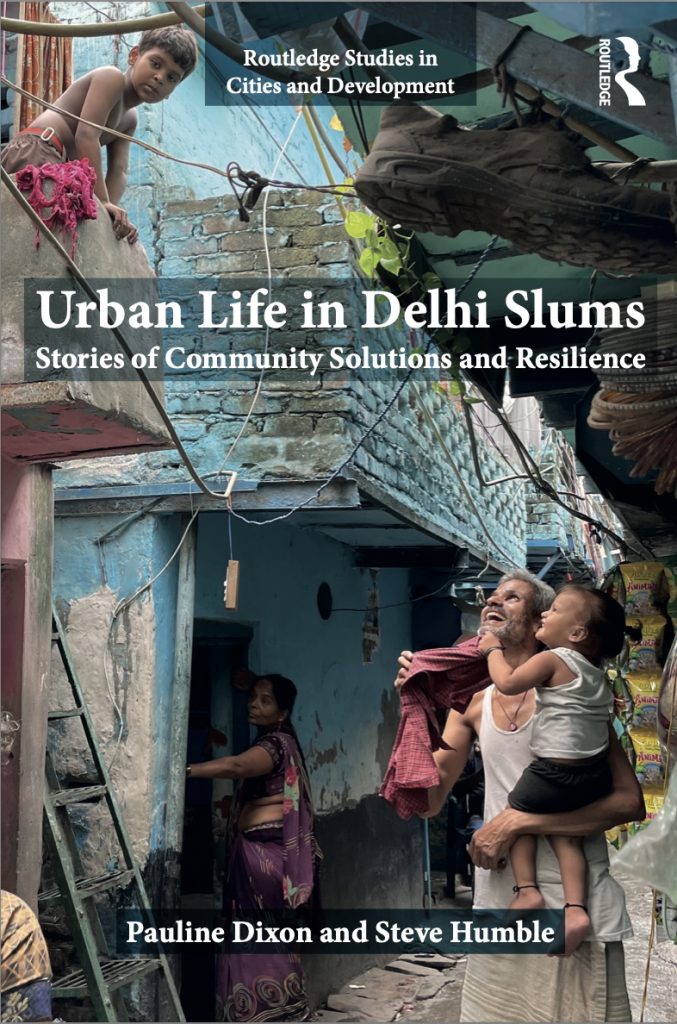
Our new book is now available on open access from Routledge. Download the whole book as a pdf or as individual chapters. This book investigates urban life in the slums of Delhi, demonstrating how individuals and communities self-organise to solve problems that arise in their neighbourhoods. The book sets out some of the research undertaken during our Rising Tide Foundation project and the chapters include:

Chapter One: The draw of the city; Chapter Two: Resilient cities; Chapter Three: Community action solving problems through polycentric systems; Chapter Four: Leading the slums, governance, politics and brokers; Chapter Five: Stories from the street: An intricate sidewalk ballet; Chapter Six: Is there a doctor in the house?; Chapter Seven: The draw of the city looking ahead.
Medical Society of London

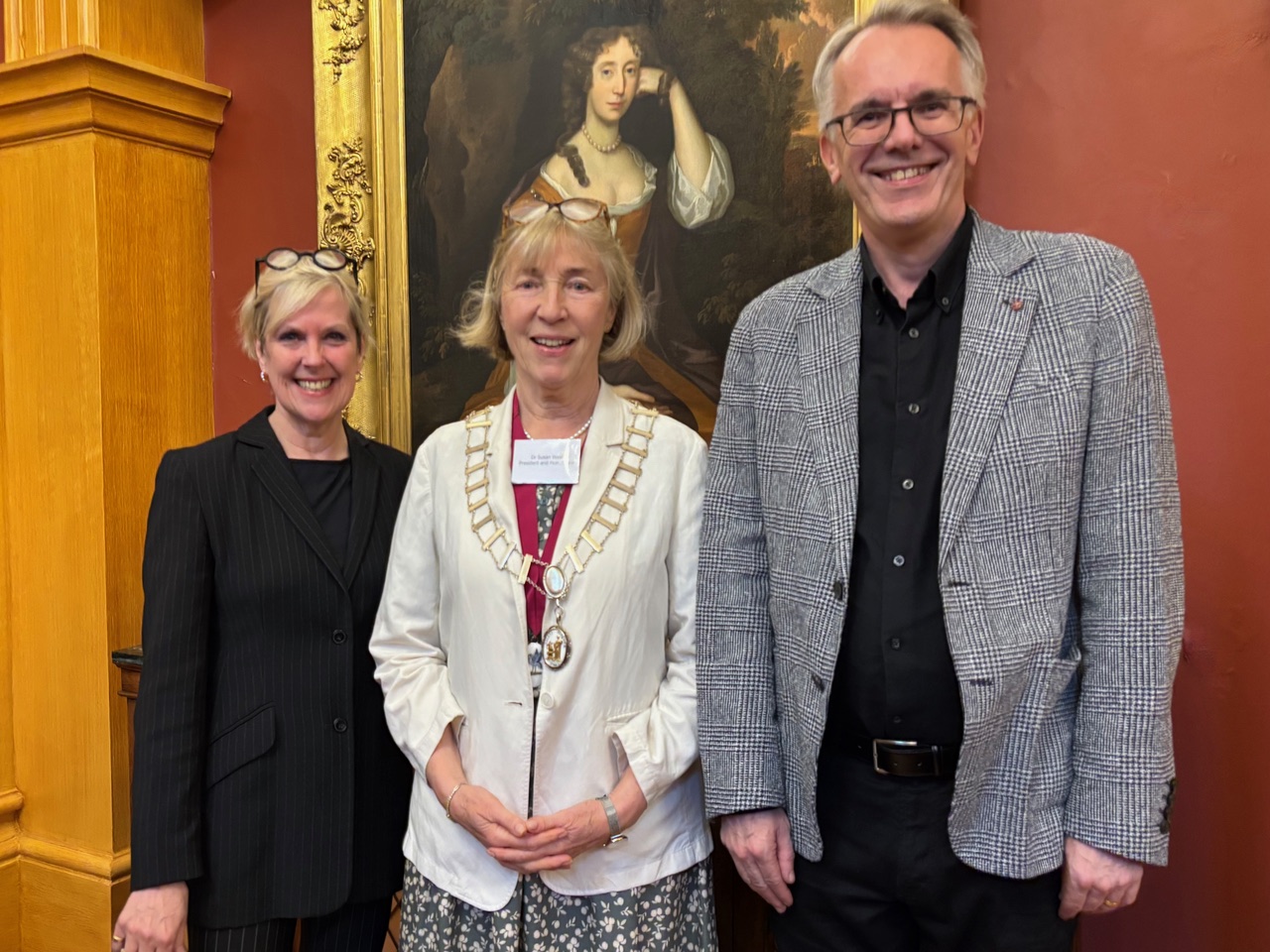
Professor Pauline Dixon and Dr Steve Humble were invited by the President of the Medical Society of London, Dr Susie West, to give a talk around the Rising Tide project’s findings concerning well-being and place and space. On Monday 28th April 2025 Pauline and Steve presented to around 60 members who asked questions about the Delhi settlements and healthcare and other services provided depending upon settlement type after the presentation and supper.

Dissemination continues…

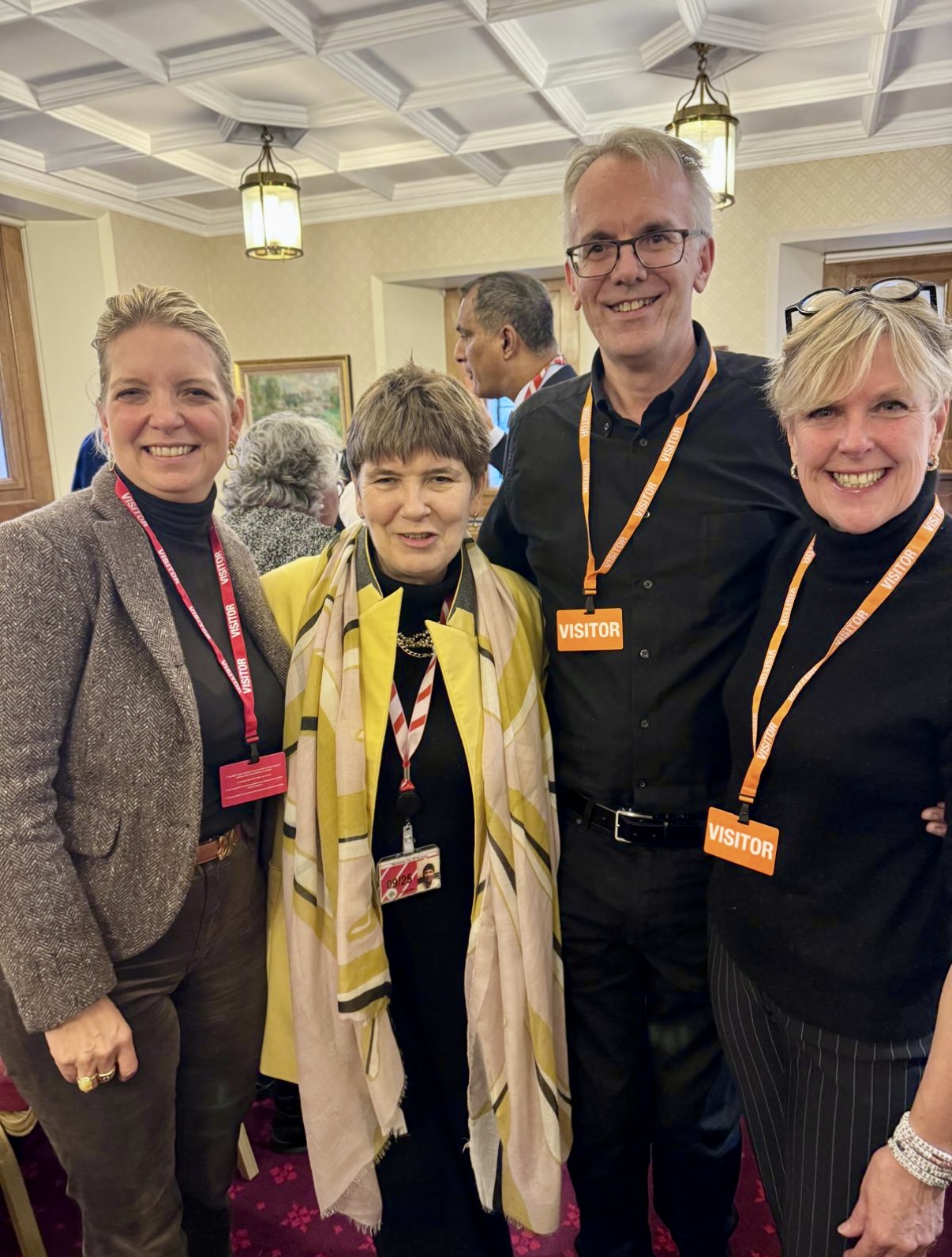
House of Lords Lunch November 2024 with Isabelle Hirs and Baroness Fox

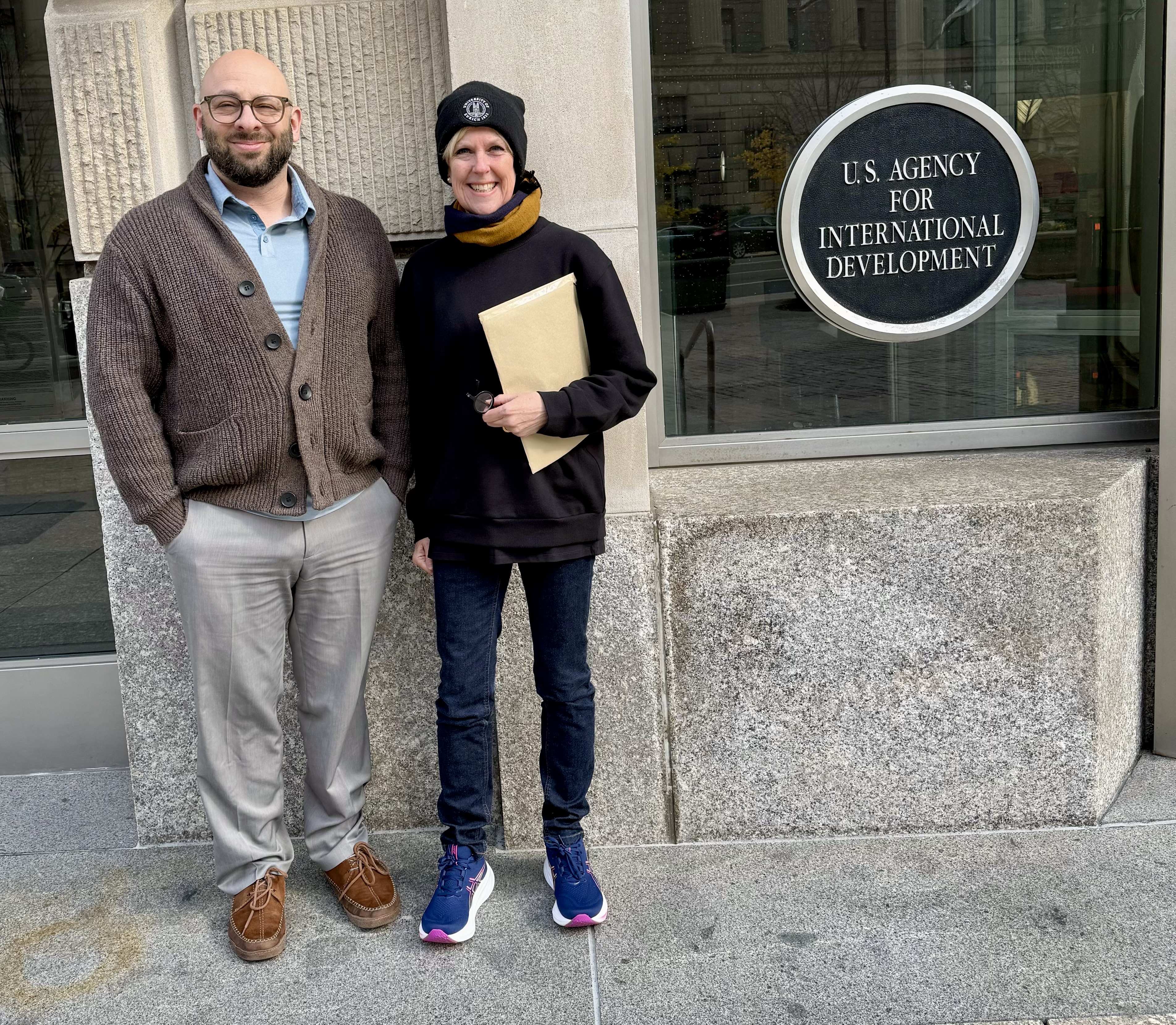
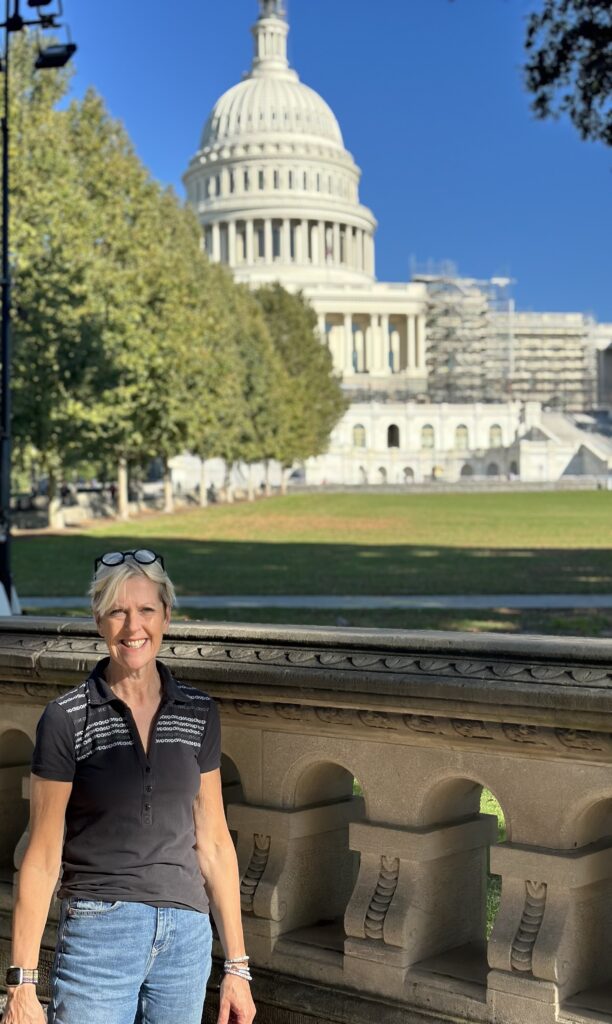
Dissemination at USAID Washington DC Michael Lisman and Suezan Lee Education Specialists November 2024

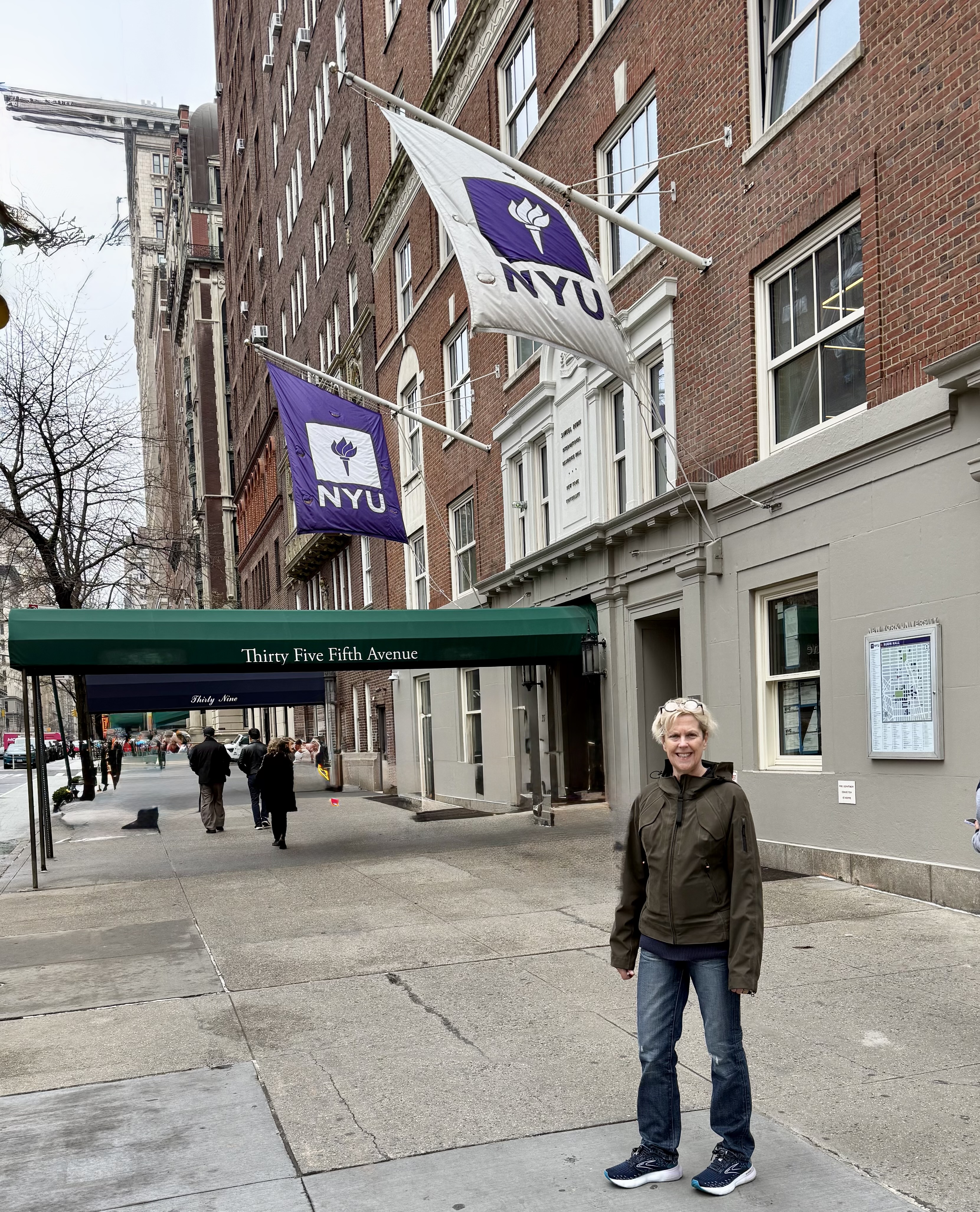
Meetings and dissemination at New York University April 2025

House of Lords visit

Steve and Pauline paid a visit to the House of Lords on Thursday 5th September for discussions around the Rising Tide project and findings. Further meetings with members are in the pipe line so watch this space!

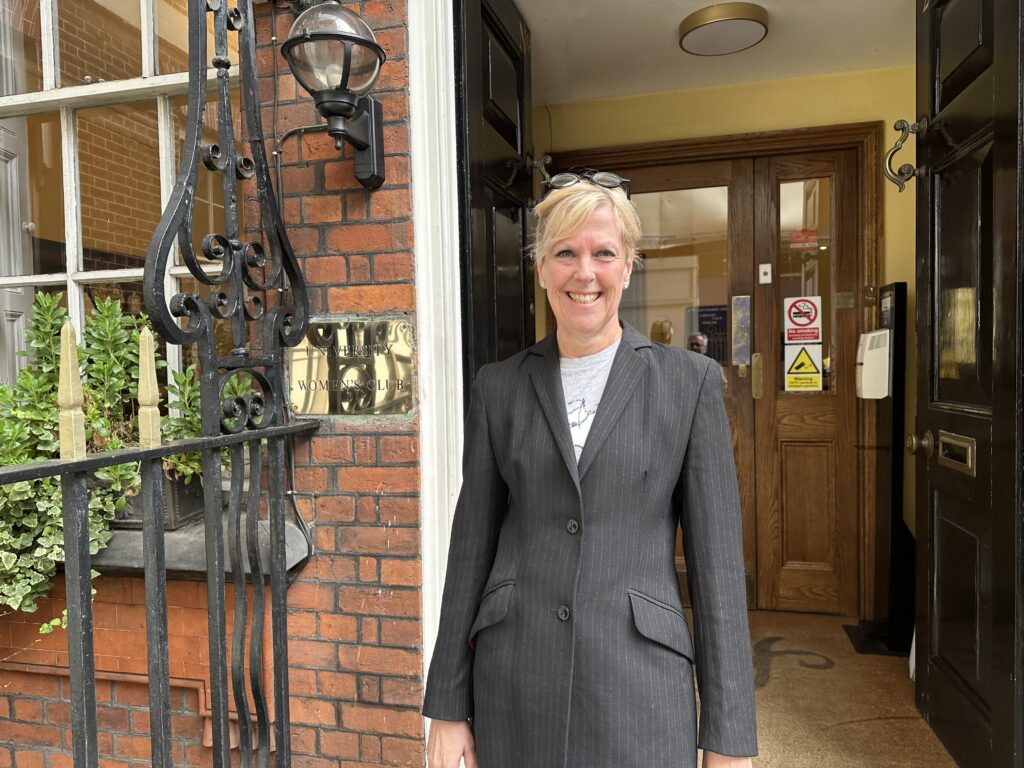
University Women’s Club and House of Lords

In 2022 on the 100th year anniversary of the University Women’s Club, London, Mayfair Pauline was made an Honorary member in recognition of her work in International Development. One of only three Honorary bestowments. Pauline was invited to give a Library talk on September 4th around her research for Club members.

School Choice Conference, Madrid

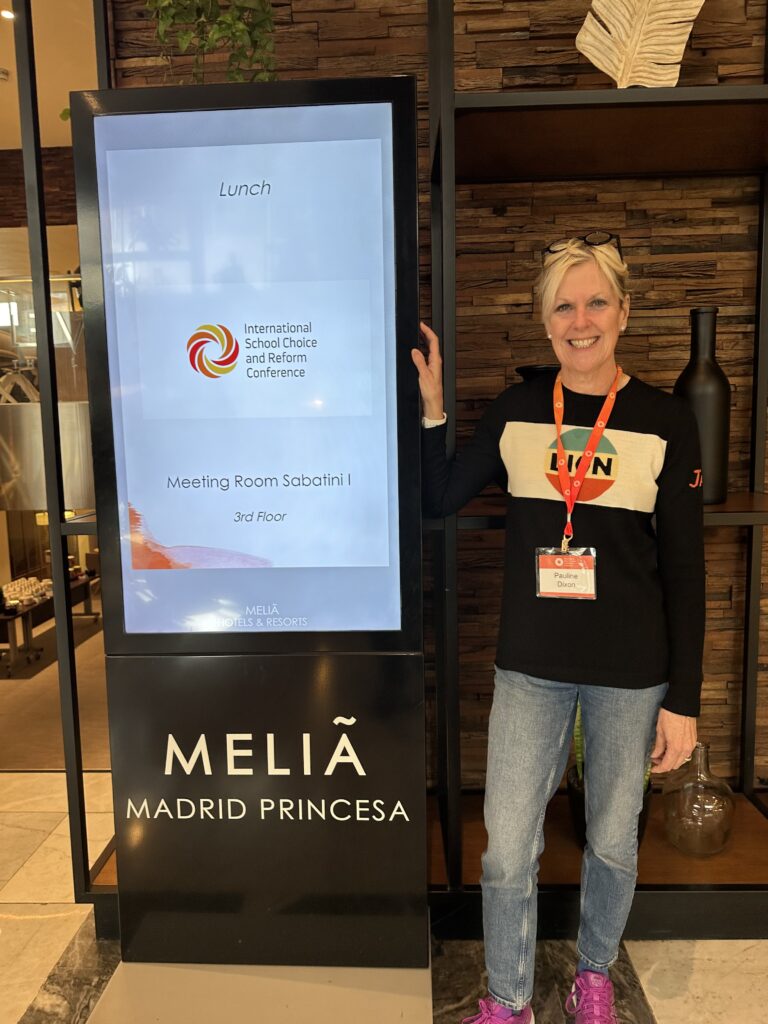
Professor Pauline Dixon, International School Choice and Reform Conference, Madrid, Spain
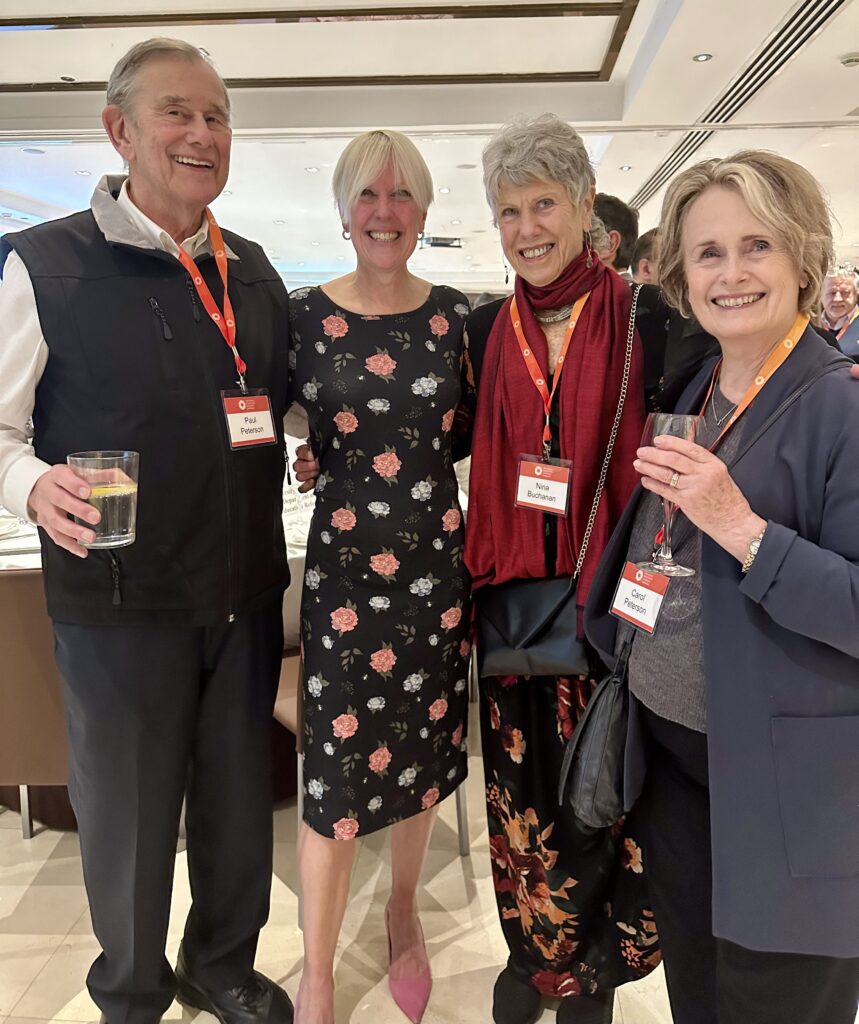
Professor Paul E Peterson, Pauline, Professor Nina Buchanan and Carol Peterson

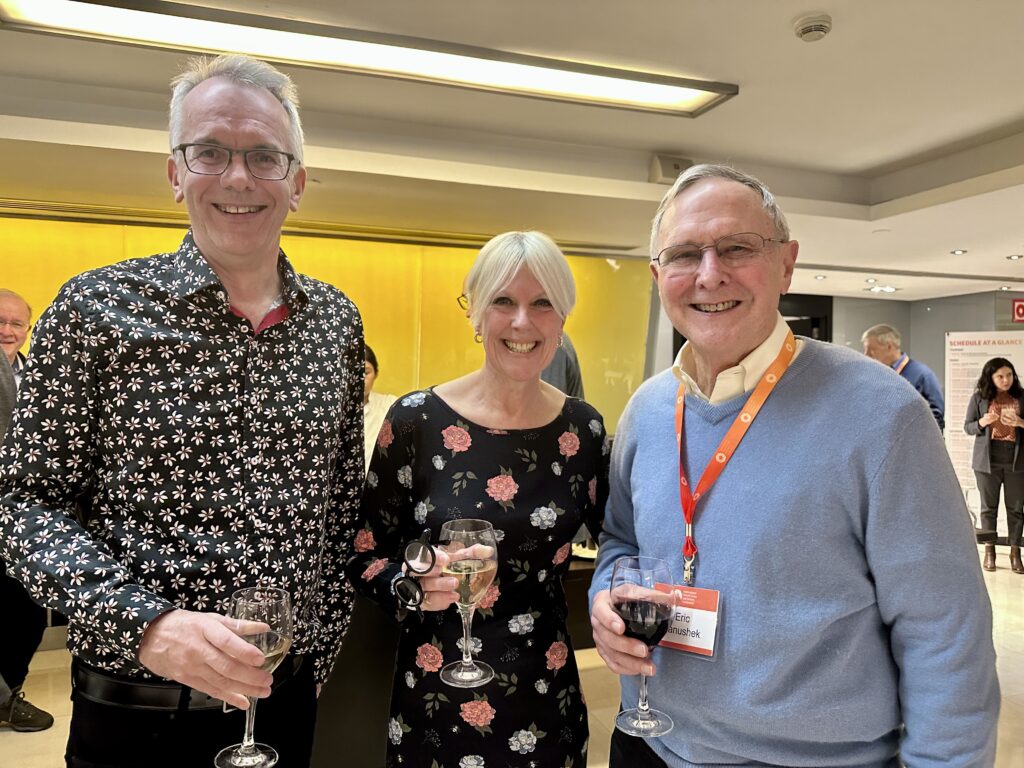
Dr Steve Humble, Professor Pauline Dixon, and Professor Eric Hanushek

Pauline and Steve attended the International School Choice and Reform Conference in Madrid, Spain, January 2024. They met up with some old friends, including Professor Eric Hanushek, Stanford University and 2021 winner of the Yidan Prize, the world’s highest education accolade. Pauline and Steve disseminated the ideas and findings of the Rising Tide project, illustrating choice from education, health and neighbourhood perspectives. Others attending the conference included Professor Paul Peterson (Hoover Institute), Dr Ian Kingsbury (Educational Freedom Institute) and Robert Enlow (EdChoice).

Safetipin film

Safetipin is a technology platform which has the mission to build a world where everyone can move around without fear, especially women and other excluded groups. Click the image to access the film produced by Professor Karen Ross

Reflections from Empower

Professor Karen Ross has produced a film that comprises a series of personal reflections on the fieldwork from the community advocates and Newcastle University research team who spent time working with communities on the ground. This inspirational film is part of a series of outputs showing our engagement with the communities in Delhi.

Dissemination in Washington DC

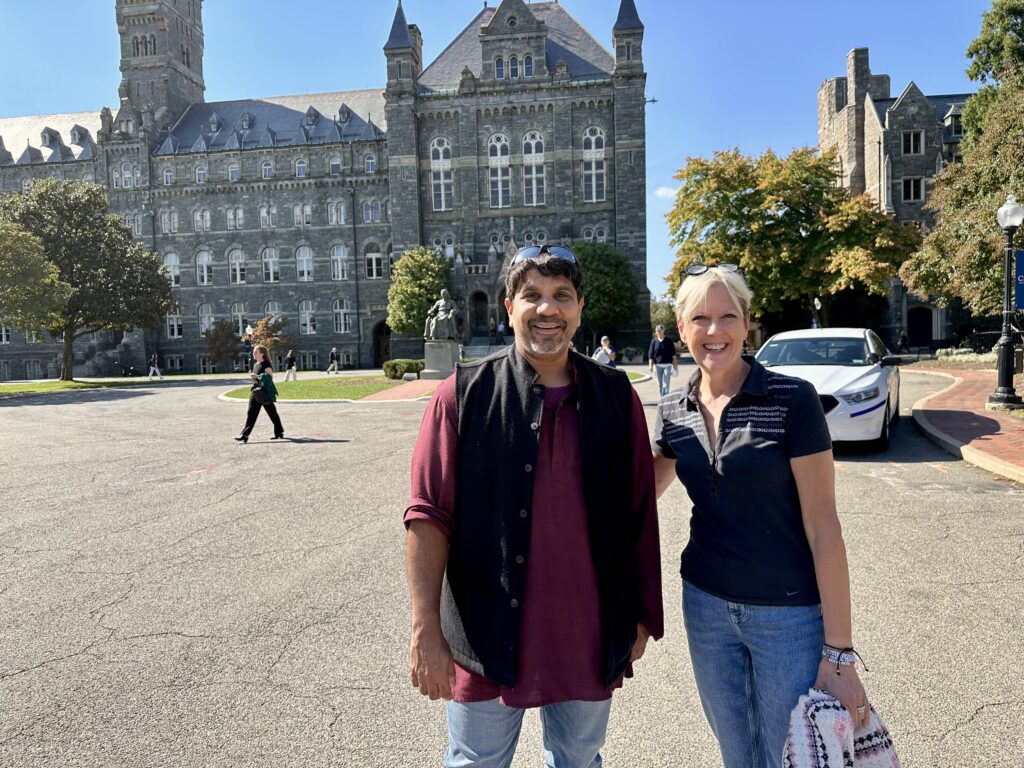
Professor Pauline Dixon with the renowned Professor Jishnu Das, Distinguished Professor of Public Policy, at Georgetown University, USA in October 2023

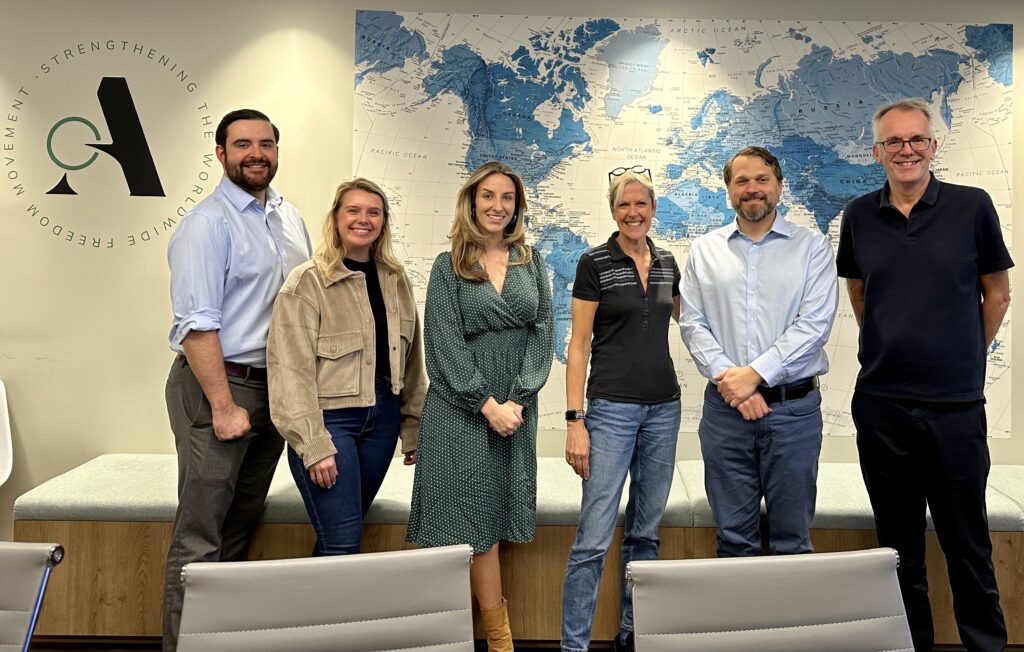
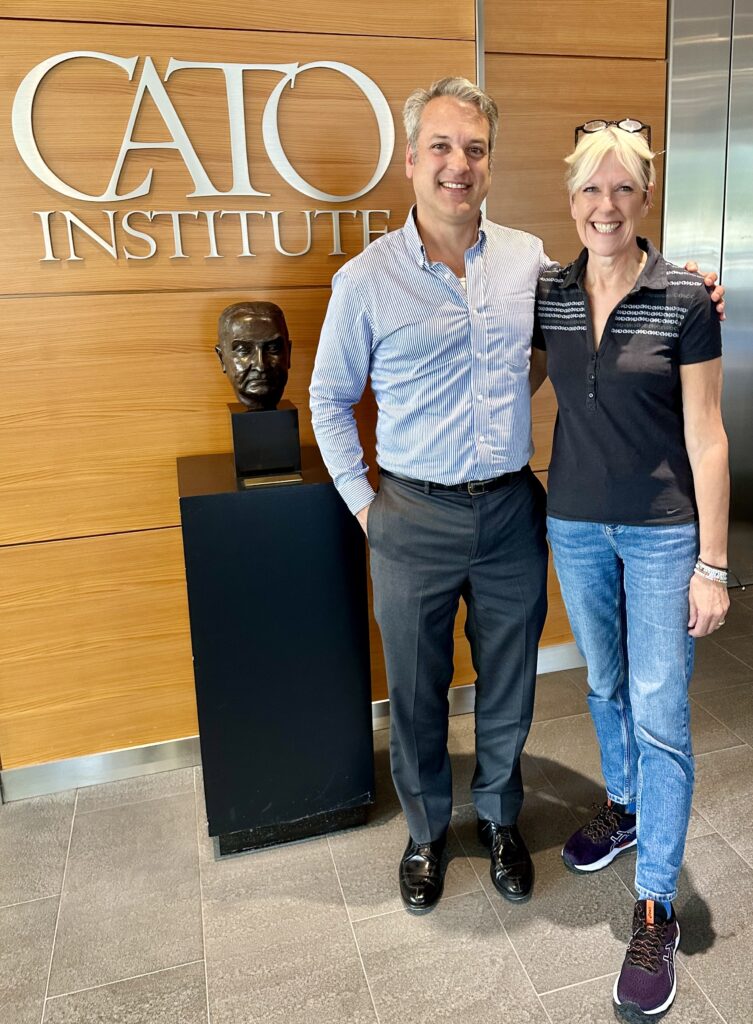
Professor Pauline Dixon and Dr Steve Humble presented some of the findings from the project at the McCourt School of Public Policy, Georgetown University, the Atlas Network Arlington Virginia and the CATO Institute Washington DC. This was to students, faculty members as well as Think Tank executives including Matt Warner, President at Atlas Network pictured on the right.