Today, we’re celebrating one of the world’s most overlooked yet vital ecosystems – peatlands! Whether it’s bogs, fens, swamps, or marshes, these incredible landscapes play a crucial role in the fight against climate change, biodiversity loss, and water pollution.
Although peatlands cover just 3% of the Earth’s surface, they are the largest terrestrial carbon store on the planet, holding an estimated 550 gigatons of carbon, more than all the world’s forests combined. Read on to discover what makes peatlands so special, the benefits they offer, and how we can all help to protect them.
What are Peatlands?
Peatlands (or bogs) are areas of wetland with thick layers of decomposed vegetation stored in their soils, and 1 metre of peat takes around 1,000 years to build!
There are three broad peatland types in the UK:
- Blanket bog – typically found in the uplands, fed by rainfall. Nutrient poor and acidic.
- Raised bog – localised domes, common in lowland areas. Rain fed, nutrient poor and acidic.
- Fen – fed by rain and groundwater sources, so differing pH levels from base rich to base poor.
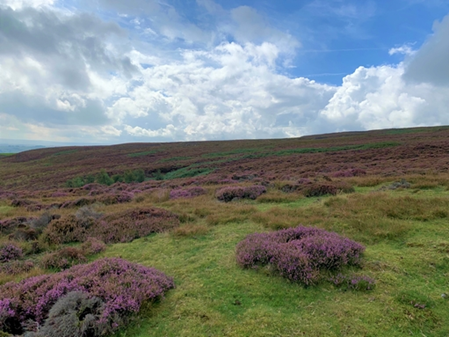
In the North East we have some great examples of peatlands, such as Cuthbert’s Moor in the heart of the Durham Dales and the Border Mires blanket bog next to Kielder Forest.
Benefits of peatlands
Peatlands provide a host of benefits, known as “ecosystem services”, to society. Some of the ecosystem services that peatlands provide include carbon storage, drinking water filtration, flood prevention, wildlife habitats, grazing land and recreational areas. Although in the UK, due to the way peatlands have been managed, peatlands are estimated to be a net source of greenhouse gas emissions i.e. they release more CO2 into the atmosphere than they store.
This damaged peat is often referred to as “wasted peat.”
Protecting Peatlands
Peatlands are under threat, but through restoration, better land management, and community awareness, we can work to restore these amazing landscapes.
The UK government has pledged up to £400 million for nature restoration, including efforts to restore peatlands. There are also consultations underway to extend the ban on burning deep peat, a practice that releases emissions and causes habitat loss.
Nature Minister Mary Creagh said:
“Our peatlands are this country’s Amazon Rainforest and in desperate need of restoration and protection, as this mapping and research work starkly demonstrates. That is why we have announced up to £400m for nature restoration, including of our peatlands, and are consulting on new plans to extend the ban on burning deep peat. This government, as part of our Plan for Change, are committed to expanding nature-rich habitats and turning the tide on nature’s decline after years of neglect.”
Further information