
For much of England’s history, the year did not begin on 1 January. Instead, it began on 25 March, a date known as Lady Day. This marked the Feast of the Annunciation and, until the reforms introduced by Calendar (New Style) Act 1750, it served as the official start of the legal year.
This older way of structuring time still shapes the records that historians rely on today. Dates recorded between 1 January and 24 March in pre-1752 documents often fall within what would now be considered the following year. A burial recorded as February 1740 may, in modern terms, be February 1741. Some documents reflect this through double dating, such as 1740/41, although many do not.
Lady Day also structured how death itself was counted. The Bills of Mortality, which recorded burials, were often issued weekly and compiled into annual summaries. These annual totals followed the legal year, running from 25 March to 24 March. A “yearly” total therefore reflects deaths recorded between one Lady Day and the next.
This system has important implications. Mortality data for January and February appear at the end of the reporting year rather than the beginning. Patterns of disease, seasonal mortality, and year-on-year comparisons require careful interpretation to avoid misreading the sequence of events.
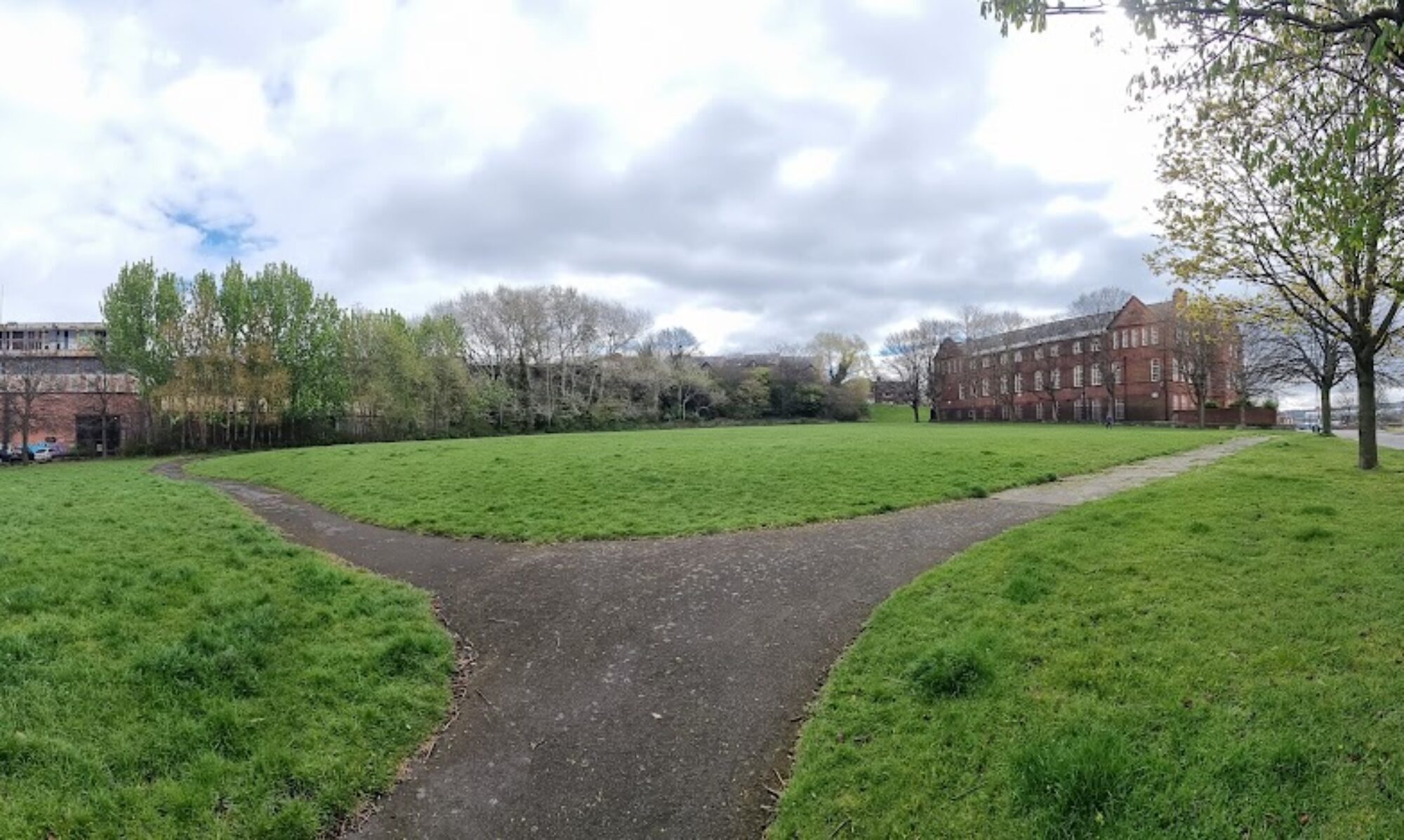
For Ballast Hills Burial Ground, this matters in practical ways. The burial ground emerged in the early to mid seventeenth century, when this system remained in use. Early burial records, parish registers, and related archival material often follow the Lady Day convention. Without recognising this, clusters of burials can appear misleading, and family timelines can shift out of alignment.
Attention to dating conventions restores the rhythm of the past. Winter mortality can be understood in its proper sequence, and life events can be placed in the order in which they were experienced rather than recorded.
Lady Day no longer marks the start of the year, yet it remains present in the records. It shapes how lives are reconstructed and how histories are written. Careful reading allows that older structure of time to become visible again, offering a clearer understanding of the people and communities connected to Ballast Hills Burial Ground.