Category Archives: All Blogs

Food Waste at Newcastle University

Globally, it’s estimated that 1/3 of all food produced for human consumption goes to waste every year – that’s around 1.3 billion tons! This is a huge problem, especially as we have limited resources to feed an ever-growing population. It is therefore essential we work to avoid waste and make the most of what we have. 

Food waste at Newcastle University

Newcastle University is highly aware of the issues surrounding food waste and has implemented several initiatives to combat this. These include: 

  • Giving excess food to local food banks and to our new Student Pantry. 
  • Catered events are advised to order an amount of food which is less than the amount of people visiting so there is less waste. 
  • Ingredients which are left over are used to make other meals if possible. 
  • If one food outlet closes earlier than another, the food is transported to another that is open later. 

The university also has food waste bins across campus. This waste is taken by an external contractor to an anaerobic digestion facility. Here, billions of bacteria ‘feed’ on the food waste and produce a methane rich ‘biogas’ which can be used for heating and energy production.  For more information on the anaerobic digestion process, check out our current food waste contractor’s website.

Want to know how you can make a difference? Check out these top tips to lower your individual food waste. 

  1. Take stock of what you have 

By checking what you have before you go shopping, you can stop overbuying groceries. Apps such as Kitche are a great way to do this! They allow you to list what you have (and its expiration date!) so you only buy what you need. 

  1. Plan your meals 

By planning a few meals a week, you know exactly what you need to buy when you hit the supermarket and will avoid unnecessary purchases.  A plan can also help you eat healthier and have more variety in your meals. It stops your falling back on the same recipes as you know you have the ingredients to try something new!  

  1. Don’t throw your leftovers 

If you have food leftover from a meal, put it in the fridge or freezer. This means you can eat it at a later date, and it doesn’t get wasted! Top tip: Make sure to label your food with a date so you know how long it has been there to ensure its safe to eat. 

  1. Store your Fruit and Veg right 

Did you know that millions of us are storing our fruit and veg the wrong way? For example, onions and potatoes should not be stored together as onions produce a gas which causes potatoes to spoil. This guide created by Love Food Hate Waste has some great tips about how to best store different products. 

A guide how to organise your fridge by Love Food Hate Waste

  1. Check your fridge temperature  

The average UK fridge is set at least 2°C too warm! This means food will go out of date quicker, leading to more waste. Make sure your fridge is set below 5°C to keep your food fresh for longer. If you’re not sure how to change your fridge temperature, check out this useful guide.  

  1. Try a food waste app 

If you know you won’t use your item and it is still within its use-by date, list it on a food waste app like Olio. This way, you can get rid of items you won’t use and somebody in your community can benefit from a free food donation!   

Did we miss any of your favourite food waste tips? Let us know in the comments below! 

Top 6 Sustainable Fashion Tips

In the past, clothes shopping used to be a special event. It was restricted to something we mostly did when we no longer fit in what we had, or the seasons changed. However, around 25 years ago, this trend changed. 

Fast fashion is a business model which involves copying and mass-producing catwalk/fashion trends. This usually happens very quickly as it aims to make products available while demand is still high. Unfortunately, this usually means that clothes are cheaply made and so are thrown away after a few wears.  Furthermore, the production of these clothes often has serious social and environmental consequences including the over abstraction and pollution of water sources and the exploitation of workers. 

We have put together a few simple tips to stay in style in a more eco-friendly way. 

  1. Be more informed. 

Before you buy something do some background research about the brand’s social and environmental values. This will help you to understand the story behind your purchase and make an informed decision about whether you would like to buy it or not. Sites such as Good on You or the Fashion Transparency Index make finding this information super simple and help you to avoid any greenwashing.  

  1. Change your attitude to shopping. 

Only take to the shops when there is something you need rather than as a way to pass time. This will stop you buying things you don’t need and creating unnecessary waste when they are discarded. Try taking up an alternative hobby such as crocheting or knitting. The results are much more satisfying and better for your wallet too! 

  1. Invest in a Capsule Wardrobe. 

The fast fashion industry is designed to make you feel ‘out of trend’ after a few short weeks. While previously many brands had 4 fashion ’seasons’, many now have 52 ‘micro-seasons’, bringing out new styles every week. This means that it can be difficult to stay up to date with current trends and clothes are quickly disregarded by consumers after a few short wears. We recommend instead investing in a capsule wardrobe. This involves buying some timeless pieces including coats, jackets and t-shirts which you can re-wear throughout the seasons. This will not only help the environment but save you money too! Check out this link for how to create your own capsule wardrobe. 

  1. Look after your Clothes. 

Looking after your clothes is one of the best ways to make sure your garments look great for as long as possible. Make sure you read the care label and only tumble dry if necessary. We also recommend trying to repair your broken items before buying new. Not only will this increase the life of your clothes but also gives you the opportunity to explore your creative side! 

  1. Buy Second-Hand 

Vintage or second-hand shopping has hugely increased in popularity in the last few years and you can certainly see why! Buying clothes second-hand keeps them in circulation for longer, thereby saving them from entering landfill. It can also help save you money and enables you to create your own unique style! Check out Depop and Vinted or some of the great charity and vintage shops we have in Newcastle for some great second-hand finds! 

An amazing charity shop find! This outfit was created by one of our students from clothes she bought from local charity shops.
  1. Rent your Outfit 

Got a big event coming up but don’t want to buy something you will only wear once? Why not rent an outfit! There are plenty of websites you can rent an outfit for an occasion and return it as soon as your event is over. 

Top Tip: Only order what you’ll wear! Some websites will not refund you if you don’t wear the item and will give you store credit instead. This is great if you want to hire clothes in the future s but works out expensive if it’s just a one off! 

Know any more sustainable fashion tips? Let us know your favourite in the comments below! 
The Christmas Switch Off at Newcastle University

What is the Christmas Switch Off? 

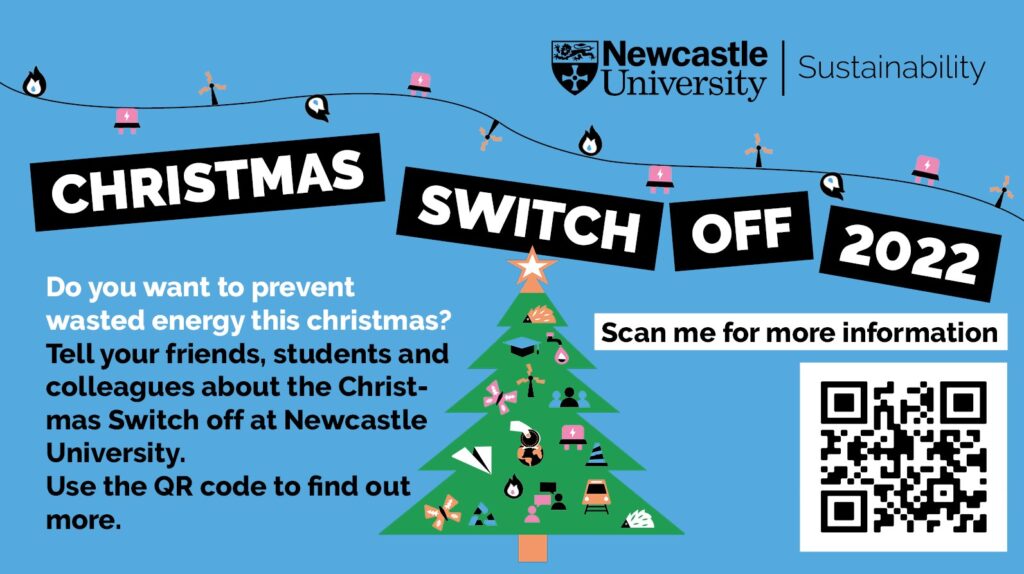
The Christmas Switch Off is a University-wide campaign where we encourage staff and students to turn off any electrical items that can be switched off instead of leaving them on standby over the Christmas break. 

Why is the Christmas Switch Off important?  

By turning off everything that can be turned off, we will reduce our energy consumption across the campus, which is especially important this year given the current an energy crisis. The Christmas Switch Off campaign has been run for a number of years to minimise energy wastage and contribute to our carbon reduction targets.

We also hope that promoting of the Christmas Switch Off will promote positive behaviour change more widely and remind colleagues and students to minimise their energy wastage by remembering to switch off what they can every day.

Who participates in the Switch Off? 

We would like everyone at the university to participate if they are able to, that includes staff and students across labs, offices, and accommodation. The advice on what to turn off will vary for each location – guidance on what should be switched off is in this blog post.  

When switching off your work area, it can be helpful to organise a switch off team that can check each area after most people have left for the term to ensure everything that can be switched off, has been.

Here are some examples of items that could be switched in various area across campus:

  • Staff working in offices: Lighting, computers, monitors, printers and photocopiers, kettlers and fridges (after they have been emptied and cleaned). Also, it is important to make sure that all windows have been properly closed.  
  • Labs and medical buildings: All the above can be applied in addition to drying cupboards, fume cupboards and fridges/freezers that are not needed to be on over the break.

Many students leave their accommodation will be empty over the holidays. If you are going away over the winter break, these are a few things that you could do before you leave:

  • Clean out and defrost your fridges and freezers the day before you leave by turning them off at the wall and popping a towel underneath them to soak up the melted ice.
  • Turn off your kettles and toasters at the wall.
  • If there is a wall switch for your oven this is also a good thing to turn off easily, as well as lights and plug sockets.

For more switch off information, visit the Sustainable Campus website: https://bit.ly/3OP5yLN

If you have any questions or ideas about the Christmas Switch Off, please email the Sustainability Team at sustainable-campus@ncl.ac.uk 

Upcoming Events

Find out more about some of the fascinating research we undertake on our farms.

​The School of Natural and Environmental Sciences along with NU Farms and EcoBreed, undertakes ground-breaking plant and crop science research. These discoveries help to drive the latest innovations and make positive change.

One of the many things we grow on our farms is potatoes. Every year, we grow tonnes of potatoes and this year, we’re inviting you to join us in celebrating them!

The event taking place from 10am-4pm on 15 December in the Boiler House will showcase SNES’ pioneering potato research, and working alongside the Sustainability Team, Keenan Recycling Ltd, Eat@Newcastle and Newcastle Food Bank prevent food waste resulting from the harvest.

The daylong event will have plenty of informative talks, fun activities, free tasting samples, potatoes to take away to cook yourself and other freebies, courtesy of Bayer Crop Science and Keenan.

Find out more here: https://www.ncl.ac.uk/nes/news/events/event-items/spud-fest/

We hope to see you there!

COP27 – What Went Well and What Needs Work

COP27, Sharm El-Sheikh

Over the last couple of weeks, the world has been watching leaders talk about the future of our climate at COP27. The event, which has been happening annually since 1992, brings politicians, diplomats and non-governmental organisations from around the world to discuss the effects of climate change and actions we can take to combat it. These measures aim to keep the world below 1.5°C warming [from pre-industrial levels], a point at which, according to the International Panel on Climate Change (IPCC), ‘climate impacts will become increasingly harmful for people and the entire planet.’

Whilst there have been some positive advancements made at Sharm El-Sheikh, it is clear that we are not taking enough action to limit warming. We have identified three things that went well at the conference and three items which require more work.

What went well

A Loss and Damage Fund was established

The highlight of COP27 was the creation of the ‘loss and damage fund’. This monetary support will go to poorer nations who have suffered damage and economic loss as a result of climate change and the climate crisis that has unfolded. The formation of this fund is hugely significant as it overcomes decades of resistance from richer nations who are the primary contributors of greenhouse gas emissions. It is also the most significant gesture made in acknowledging inequalities surrounding the climate crisis.

Although the historic deal still has a way to go in terms of discussing its operation and which nations will contribute, the deal is a big step in the right direction.

Children and Young people had a voice for the first time

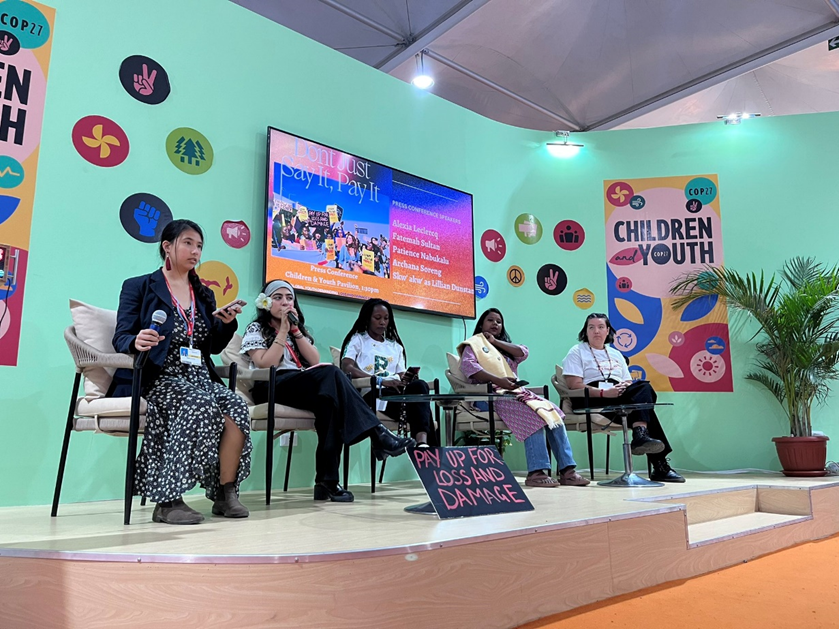
For the first time this year, children and young people were given an official space at the conference. The Children and Youth Pavilion gave young people a chance to hold discussions and policy briefings like never before. The inclusion of this platform is highly significant, especially as climate change is said to disproportionately affect children and young people.


Image of the COP27 Youth Pavillion

It got people talking

Large events like COP27 put the climate crisis at the forefront of diplomatic agenda and the global media. They bring both rich and poor nations together to discuss an issue which affects us all and requires a global response. The high-profile nature of these events means the climate crisis is given much more media time and encourages conversations which otherwise may not have been had.

What needs work

A lack of female representation

A BBC analysis of the event found that less than 34% of country negotiating staff were women and, in some teams, staff were over 90% men. This is very problematic, especially as research has found women to be disproportionately affected by the effects of climate change. Women are more likely to depend on the land for their income and food and these resources are being increasingly threatened. Moreover, they are usually responsible for securing water, and when resources run dry, they must walk greater distances to find them. This leaves them exposed to increased risks of gender-based violence.

Gender equality is crucial to future talks about climate change. It is only by acknowledging the struggles women face and listening to their inputs that effective change can be made. We therefore hope that future negotiations will have equal representation.


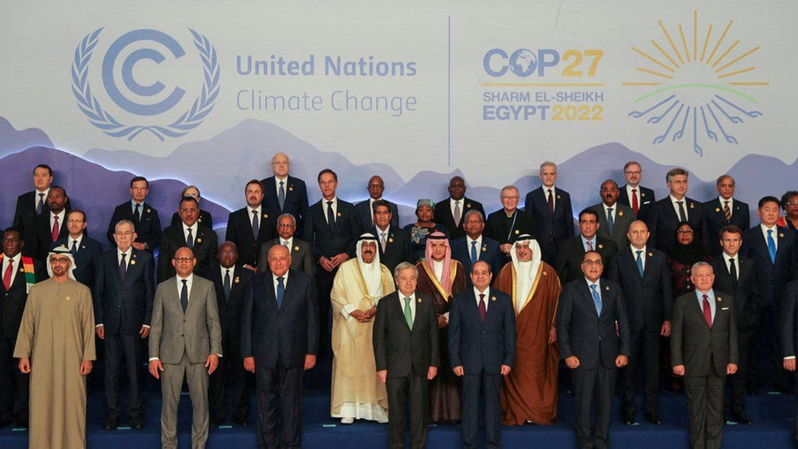
The lack of women at the event can clearly be seen by the COP27 ‘family photo’. Out of the 110 leaders present, just 7 of them were women.

There were too many fossil fuel lobbyists.

A new analysis found that there were over 600 fossil fuel lobbyists at COP27 this year. This was higher than the number in COP25 in Glasgow last year and more than the combined number of delegates from the 10 most climate-impacted countries. These people often push quick-fix solutions which allow companies to carry on as usual and make little to no change. Furthermore, they are known to delay policymaking processes and participate in greenwashing.

‘If you are going to discuss malaria, don’t invite the mosquitoes,’ – Philip Jakpor, Public Participation Africa

It is essential that we keep the interruption from these corporate lobbyists to the minimum and ensure the most vulnerable voices are instead elevated.  

There was no direct action taken against reducing fossil fuels.

Despite the advances made with the creation of the Loss and Damage Fund, many other areas suffered losses at COP27. Very limited action was taken to directly reduce emissions, and the final deal produced involved a significant step back in terms of language used around fossil fuels. The text now refers to ‘low emission and renewable energy’, an ambiguous new phrase which could invite fossil fuels to be part of a green future. This loophole would allow the development of further gas resources, as gas produces less carbon dioxide emissions than coal.

“I said in Glasgow that the pulse of 1.5C was weak. Unfortunately, it remains on life support.” – Alok Sharma, UK COP26 President

In order to ensure the target of keeping warming to 1.5°C is met, more drastic actions to phase out fossil fuels must be implemented. The UAE’s COP28 must better address this concern if we are to limit warming and protect people and the planet.

What did you think of COP27? Let us know in the comments below what you thought went well and what you think needs work for COP28.

Event recap: Climate Action at Newcastle University

On the 10th November, 2022, we invited colleagues and students to join us at a conference-style, collaborative event on climate action.

First, we would like to thank everyone who attended our event, Climate Action at Newcastle University. We had a wonderful day and are so grateful that we got to meet you all and discuss climate action and sustainability.

Our aim for the event was to discuss future climate action plans, and to incorporate the outcomes into Phase 2 of our Climate Action Plan.

Please have a read of this blog if you would like to learn more about the climate conversations which happened at our event.

A Net Zero Campus of the Future: what did we learn?

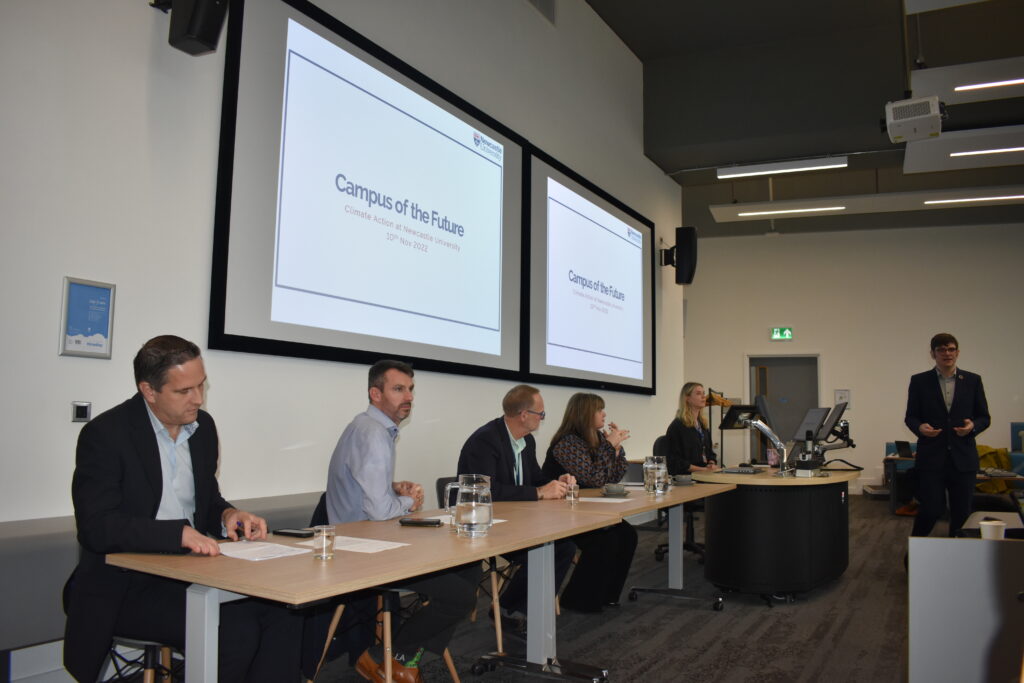
Our first session of the event was a panel discussion on ‘A Net Zero Campus of the Future’.

Campus of the Future is a project that has been running for a number of months, involving a variety of stakeholders and changemakers at the University. The project looked at connectivity, and that a campus of the future should be physically, digitally and culturally connected.

During the panel discussion, we learnt that people will be held at the heart of the campus of the future, and that increasing cultural connectivity, enables physical and digital connectivity to be all the more effective.

The panel members communicated that better connecting different people across our campus, making our physical spaces (buildings and the outdoors) into shared spaces between groups and communities, and increasing our digital connectivity, our net zero and other sustainability targets will be supported.

What is the appetite for radical or revolutionary solutions?

Audience member question on the Campus of the Future plans

The Campus of the Future conversations will now continue beyond the initial project, and work has already begun to put changes in place.

The panel members were:

  • Matt Dunlop: Head of Sustainability, Newcastle University
  • Lisette Nicholson: Director of People Engagement and Culture, Newcastle University
  • Iain Garfield: Director of Estates and Facilities, Newcastle University
  • Daniel Birkinshaw: Sustainability Manager, Bowmer + Kirkland
  • Alan Cecchini: Enterprise Architect, Newcastle University
The panel members. From left to right: Alan Cecchini, Daniel Birkinshaw, Iain Garfield, Lisette Nicholson, Katy Smith (Admin support), Matt Dunlop.

Travel Better: what did we learn?

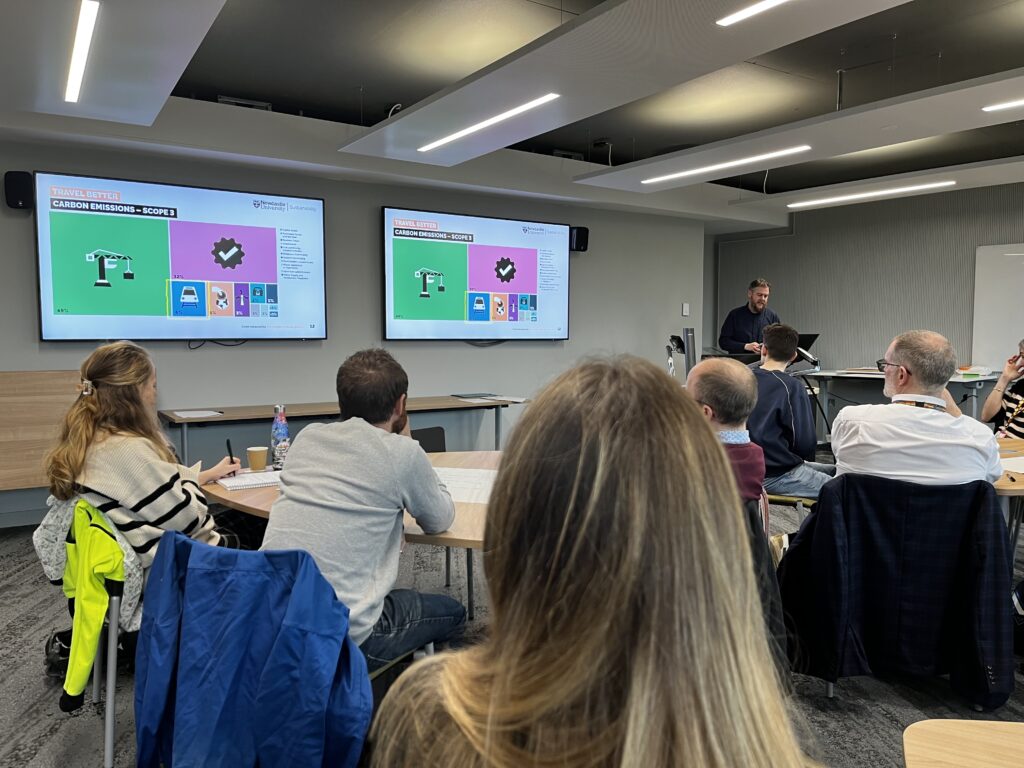
This interactive session explored the contribution that business travel makes to the University’s carbon emissions. Business travel is the third highest emitter of scope 3 (indirect) carbon dioxide emissions at the University. Within our business travel emissions, airplane travel is our highest emitter.

As part of the cultural aspect of the campus, what can we do about reducing air travel of staff?

Audience member question on the Campus of the Future plans

Attendees were invited to assess the impact travel has on their personal and professional lives and look at innovative travel initiatives within their specific areas of work. It was very interesting to hear, from a wide range of perspectives, what travel enables at the University, and what we could on a personal level to decrease our air travel.

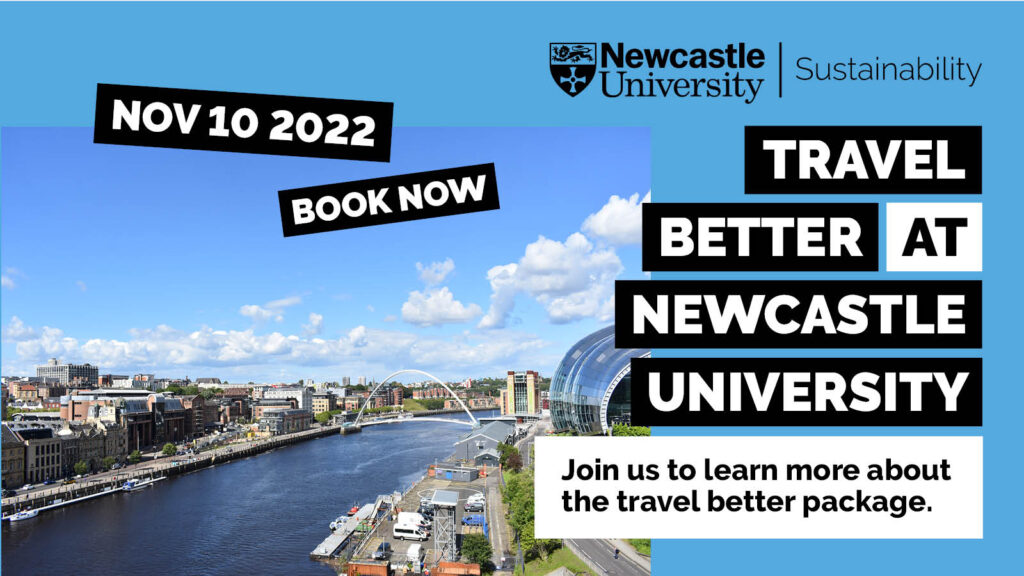
Post-discussion, the attendees were introduced to the Travel Better Package, which is an initiative created by the EAUC to support the reduction of air travel, mostly targeted at academics and researchers. The package allows individuals to assess whether attending a conference in-person, for example, will give them benefits that will outweigh other forms of engagement that don’t require travel, particularly air travel. Attendees were very interested to learn how they could revaluate their travel plans and use the framework within their own departments.

Travel Better session

Net Zero Research: what did we learn?

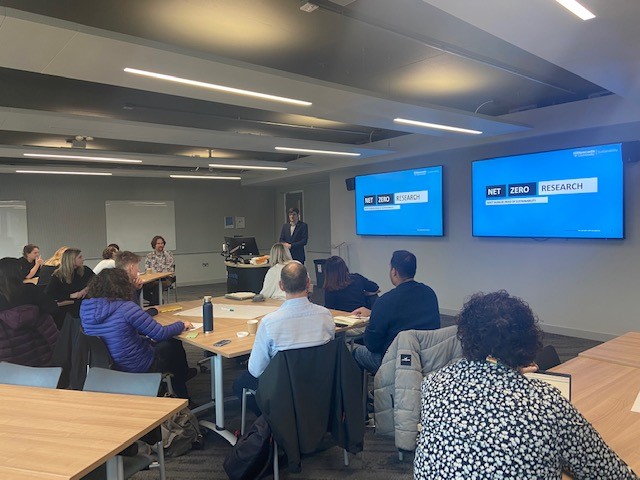
We held a net zero research session to understand how the Sustainability Team and researchers can work in a collaborative way to achieve our net zero target. We learnt more about the processes and systems that researchers and their various internal and external teams struggle with when combining research expertise with professional services.

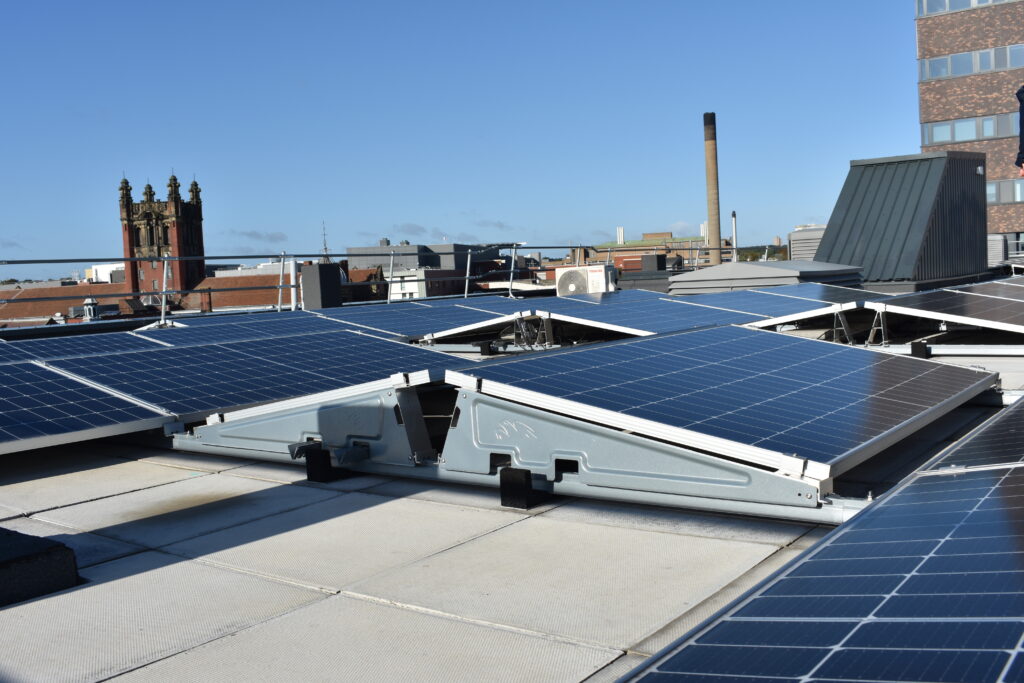
Discussions also included assessing the various environmental assets which are present at Newcastle University, which could provide foundations for future research projects. We established that assets such as Cockle Park Farm, the multiple solar PV arrays and an energy district heating system would be key assets when researching environmental problems and their solutions.

Net Zero Research session

To conclude

This event will help shape the next phase of the Climate Action Plan. Relationships between collaborators were strengthened as the day went on, and the Sustainability Team will be continuing the conversations that were started, and turning these into action.

Upcoming events

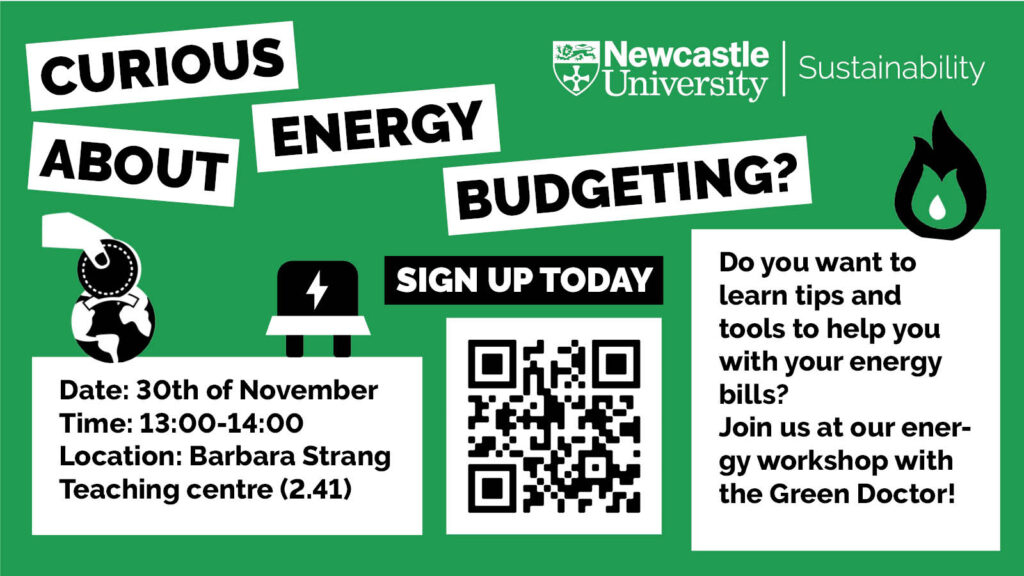
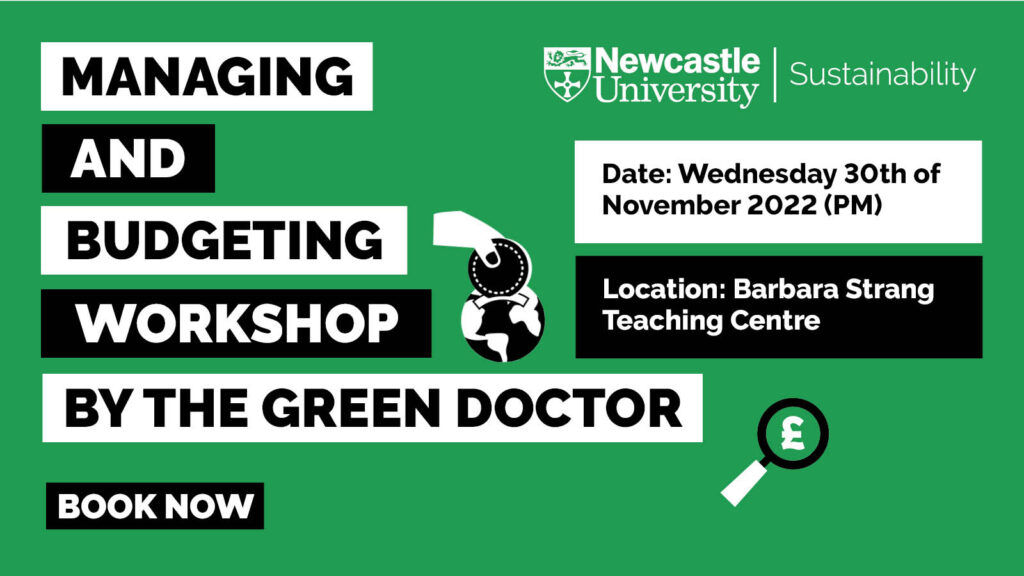
Managing your energy bills workshop by the Green Doctor on the 30th of November, 2022.

We are hosting an energy bills workshop which will focus on budgeting and managing bills with the Green Doctor (North East). If you are a student who is 25 or under and curious or worried about energy bills you can join us to learn some tips and tools to help you and your household.

Sign up: https://forms.office.com/r/fPa42feyQv

Small sustainable swaps for your bathroom

Whilst some of these products may have properties that are more sustainable than other products that we are likely to use, the most sustainable option is to use what you have currently have if it is in a good condition or you have plenty of it. However, should you run out of some bathroom essentials then you should check out the post below for some eco-conscious swaps if you would like to try something new.

Hair care 

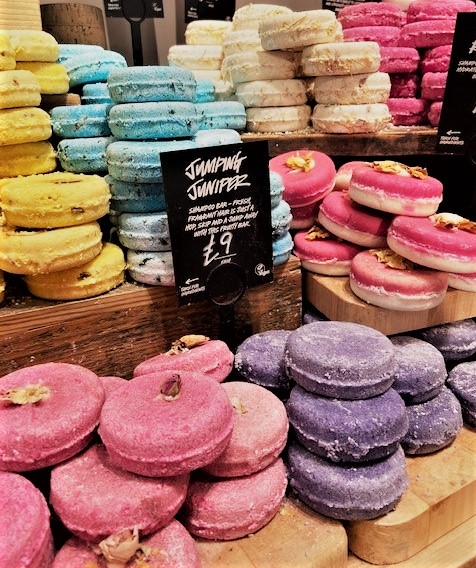
  • Why not try out solid shampoo and conditioning bars instead of instead of liquid in a plastic bottle? We recommend Ethique, Lush or Gruum. You could also try out products from the Body Shop, who offer a refill service where you buy a metal bottle and pump and take it into their shops with a refill station when you need products such as shampoo or conditioner. Our Body Shop in Eldon Square is one of these!
  • An additional swap would involve swapping single-use plastic razors for a razor that you can change the head or blades on instead of buying a new handle. You could also get a recycle bag from Gillette to post all your old blades and heads in for them to be recycled.   

Deodorant

You could swap out your single-use deodorant for a case and refill deodorant system, such as the one provided by Wild. We have been using Wild for two years and really love the product. You can order the refills online and change scents every time (look out for their incredible seasonal limited editions) and they arrive through the post-box in recyclable and biodegradable packing.  Or, you can head to Boots in Eldon Square and pick up the product in-store, the only disadvantage here is that they have less scents to choose from!

Menstrual products  

Many menstrual products such as mainstream pads can contain up to 90% of plastic (Action Aid) so there is a need for moving towards more sustainable alternatives. There are a wide range of sustainable alternatives available, we have listed some below:  

  • Menstrual cups (Mooncup or TOTM
  • Menstrual underwear by brands such as WUKA and Thinx
  • Re-usable pads (Wear ‘Em Out or Bloom and Nora available in Holland and Barrett)  
  • Alternatively, you could try non-reusable products that are made from cotton instead of plastic (TOTM

As most of these products are all reusable you can save money overall as you no longer need to buy the products you need every month. However, they do require a larger cost upfront.  

Makeup removal

People often use makeup wipes to remove their makeup. Whilst these are more commonly biodegradable now, not all are, as they may still contain some plastic and they are also not reusable. We have listed an alternative method below.   

  • Switch to make up remover in a bar form (the Superstar bar by Ethique is recommended) instead of makeup removing wipes.  
  • You can also use washable cotton rounds to cleanse and remove makeup or a flannel, both of which can go in the wash and be used repeatedly.  

Toothbrushes and toothpaste

Finally, when it comes to a toothbrush there are a few options you can choose from.  

  • The first is investing in an electric toothbrush where you swap out the heads instead of the entire toothbrush. 
  • The second option is to buy a bamboo toothbrush, which reduces your use of plastic.
  • Toothpaste tubes are non-recyclable, but there are some other options available. The first is toothpaste tablets that you can chew and come in a glass container. The second is a paste-like product that also comes in a glass jar instead of a plastic tube. Both these products are available at refill shops around Newcastle like Replenish by the Bay.

Sustainable events in November:

  • We are hosting an energy bills workshop which will focus on budgeting and managing bills with The Green Doctor on the 30th of November. If you are a student who is under 25 and curious or worried about energy bills you can join us to learn some tips and tools to help you and your household.

Sign up: https://forms.microsoft.com/r/fPa42feyQv

  • There is also a festive pop-up market taking place on the 24th of November in the Boiler House which will feature ethical and sustainable businesses.

Keep an eye out for a follow up blog on alternative swaps for your kitchen!

What does net-zero carbon emissions mean to Newcastle University?

Introduction 

Newcastle University has set a goal to be net-zero on carbon dioxide emissions by 2030. Initially this goal was set for 2040, however upon recognising the international urgency of many environmental issues such as climate change and biodiversity loss, Newcastle University took the brave decision to move this goal forward by ten years.  

The term ‘net zero’ can be a complex and multi-faceted term, this blog post aims to outline what the term means to Newcastle University and why it is important when discussing all things climate change and carbon related.  

Definition of net zero 

“Achieving an overall balance between greenhouse gases produced and those taken out of the atmosphere. This should be achieved through a rapid reduction in carbon emissions, but where zero carbon is not possible, offsetting through carbon credits or sequestration through technological or nature-based solutions needs to be utilised” 1.  

With this definition, emphasis is placed on attempts to reduce carbon emissions opposed to focusing on offsetting initiatives. Multiple institutions across Newcastle city centre are working towards net-zero carbon emissions including Newcastle University, so they became a member of Newcastle City’s Net Zero Task Force (NZTF) in 2019.  

If you are wondering what Newcastle University is doing regarding climate change then we would recommend that you check out the Climate Action Plan. Within the Climate Action Plan there are phases outlined which explain how the university aims to address the goal of being net-zero for carbon emissions by 2030. The plan addresses the various ways that carbon emissions are produced across the university which are categorised into scopes, so it is easier to address the forms of direct and indirect emissions.  

What is a scope?  

The term scope in this context originates from the Greenhouse Gas Protocol that was released in 2001. Scopes can be described as categories that institutions, organisations, and corporations can use to examine the variety of their greenhouse gas emissions and set targets for reduction.  

How many scopes are involved in achieving net zero at Newcastle University? 

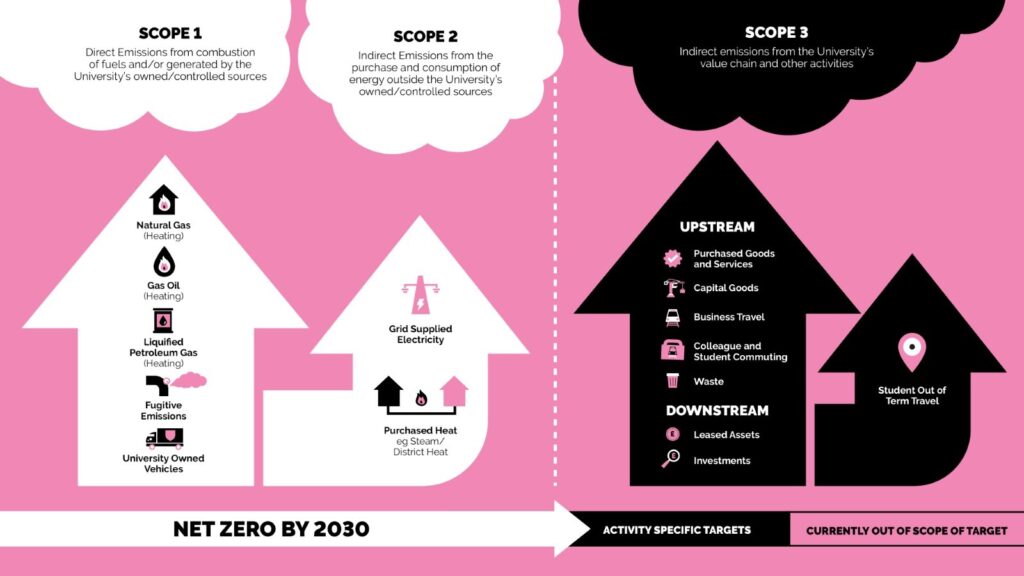
There are three scopes identified within the University’s Climate Action Plan. Our net zero target applies to Scopes 1 and 2, and we have ambitious targets for reducing Scope 3 emissions.

Scope 1 covers direct emissions from combustion or generation by university-owned or controlled sources. This includes the burning of fuels directly by activities such as using university-owned vehicles and the burning of fuels to heat and refrigerate across campus. Meanwhile, Scope 2 covers indirect sources of consumption and purchase of energy from outside the University which can includes electricity purchased from the grid but is used by the campus.

Scope 3 includes emissions that that the University is indirectly responsible for across their entire value chain, and is often the most difficult scope to monitor and account for. Whilst Scope 3 emissions are not currently covered within our net-zero carbon target, we are implementing a similar, phased carbon budget approach in order to better monitor our progress.

Climate Action Event  

By now you may have heard that an event is taking place during enrichment week on the 10th of November, the event is called Climate Action at Newcastle University.  

During this event, staff and students will be coming together to discuss phase 2 of Newcastle University’s Climate Action Plan. The Climate Action event is being held to assess the progress Newcastle University has made in phase 1 of the plan and to help shape the next steps in phase 2.  

Our travel better session and nature positivity sessions still have places if you would like to join. Below are links to the sign-up form and program for the event if you would like some more information.

Program: Programme Poster2.pdf (ncl.ac.uk)

Sign up: https://bit.ly/3CFum4r

Thanks for reading, keep an eye out for the next blog post next week!

Introduction to Sustainability at Newcastle University

Newcastle University aims to be net zero by 2030. Wondering how? Meet the team behind the plan…  

The Sustainability Team are based in Newcastle University’s Estates and Facilities department, today, we are a team of eleven, and we are responsible for environmental and energy management whilst driving continual improvement.

Our work also involves collaborating with colleagues throughout the University, engaging with our student body, whilst encouraging best practice and statutory compliance. We work to drive forward climate action in a variety of areas, from biodiversity to energy, water to waste.

Net zero by 2030 

Newcastle University has committed, following its Climate Emergency Statement, to net-zero carbon dioxide emissions by 2030. This target (along with others) is outlined in the University’s Climate Action Plan which was created to address the climate crisis and our impact on it.

A range of carbon reduction projects are currently being delivered, that will lower the carbon emissions produced by our organisation once they are completed. You can read more about these projects on our Carbon Reduction Projects page.

Importance of sustainability at Newcastle University 

 “The greatest threat to our planet is the belief that someone else will save it.” – Robert Swan OBE

Sustainability is the ability to ‘meet the needs of the present without compromising the ability of future generations to meet their own needs’.1 In other words, it is the prominent need to cut resource exploitation to ensure there are sufficient supplies for generations to come. 

Adopting a more sustainable way of life is not only essential to the protection of our ecosystems but also to economic growth and social wellbeing. Environmental issues such as climate change, plastic pollution and biodiversity loss have global effects, and most often affect people who are the most vulnerable, the most seriously. 

We know that we have to play our part in reducing our greenhouse gas emissions. Our Climate Action Plan and our EMS & EnMS Action Plan both outline actions that we want to take to reduce our negative impact and increase our positive impacts both locally and internationally.

Play Your Part

Do you want to play your part in increasing environmental sustainability at Newcastle University? Take a look at our Sustainable Campus webpage to find out about how colleagues and students can get involved and our upcoming events.

References:

  1. United Nations Brundtland Commission (1987). Available at: Sustainability – United Nations. (Accessed: 26th October 2022).

5 Tips to have a Green Halloween

This spooky season, the scariest thing might not be a ghost or a ghoul! Every year, millions of Halloween costumes and party décor are bought only to be disposed of straight after the holiday. In fact, a 2019 report by the Fairyland Trust, found that 7 million costumes Halloween costumes are thrown away every year. That’s the equivalent of 83 million plastic bottles! To help combat this trend, we have put together some simple tips to have a more eco-friendly Halloween.

  1. Re-use, Repair and Recycle your Costume

Not sure what to wear this Halloween? Why not upcycle some of your old clothes! This are plenty of costumes you could create with very little effort and cost too.

If you can’t find any inspiration in your own wardrobe, why not organise a Halloween clothes swap? You can trade old outfits with members of your local community. This is a great way to not only get a ‘new outfit’ but meet new people.

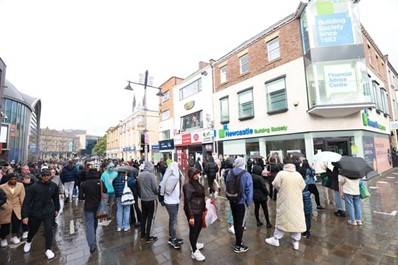
Skip the queues! 30min+ waiting times reported at this Newcastle costume shop last year!

2. Get crafty with your Halloween Decorations

There are plenty of low-waste ways to decorate for Halloween. As well as reusing your spooky décor from last year, there are plenty of green craft ideas you can try! Decorate some old glass jars with some ghostly designs or use old cardboard to make tombstones.

If you want to buy some new decorations, check out your local second-hand shop. You can find some great treasures there which you can use year after year.

If you plan to use candles for decorating, make sure they are eco-friendly. The majority of candles are made from paraffin, a product made from unsustainable fossil fuels. Try using candles made from soy, coconut, rapeseed or beeswax instead.

3.  Use your pumpkins wisely

Pumpkins are an essential part of every Halloween- we buy 39.9 million every year! Nevertheless, a large proportion of these pumpkins are wasted and go uneaten. Make the most of your pumpkin by using the insides to make a delicious recipe. Our team particularly love these recipes for pumpkin dopiaza, banana bread and pumpkin cake.  

If your pumpkin is no longer usable after Halloween, make sure to put it in your compost bin.  Pumpkins left outside could be consumed by hedgehogs, making them ill thus, hindering their preparation for hibernation.

4.  Ditch the disposables for your party

If you plan on having a Halloween party this year, try to avoid using disposable plates and cups. These are often made of plastic which cannot be recycled and ends up in landfill. If you don’t own enough supplies, try borrowing from a friend or visiting your local second-hand shop.  

You can also set out clear recycling bins for glass and food waste. Not only will stop unnecessary waste going to landfill but will also help with your clean up afterwards!

5. Make your own Halloween Treats

If you plan to host a Halloween party, why not make your own treats? There are plenty of brilliant recipes for homemade Halloween snacks to choose from. From ghost cookies to pumpkin hummus you will be spoilt for choice!

If you do don’t want to hand out homemade treats to trick or treaters, buy packaged products from ethical brands. Look out for Fairtrade products or other independent certifications on packaging and check that the packaging is easily recyclable. If you have snacks left over that you won’t eat, share them on a food waste app such as Olio. This means another person can benefit from your amazing Halloween treats!

Have we missed one of your favourite Green Halloween tips? Let us know in the comments below!