A Placement Year at GSK – Sequencing Genomes

By: Natalie Taylor – BSc Biomedical Sciences

Edited by: Laila Hussain

Second year of uni rolled around, and I realised I hardly had any lab experience (thanks COVID). This was a dilemma I attempted to remedy by applying for a placement year. I never considered I’d be accepted by such a prestigious company as GSK. Even less did I consider I would be working in a field as interesting as genetics. The application stress paid off! I was placed in the Discovery Genomics department working on single cell RNA sequencing. This basically means reading genes that are currently ‘switched on’ (expressed). Knowing this information is crucial for understanding disease, as we can quantify which genes were switched on/off in disease states compared to healthy states. With this information we can then get an idea of the genes function and thus, what therapeutic action to take. 

My Application Journey – It’s ok not to know everything!

When I say I was almost 100% sure I failed my interview I was not joking. GSK’s interview stage was split into two sections. One half was situational questions such as “tell us a time you faced a challenge” etc. The other was technical questions. This was where I flopped. I didn’t know the answer to any of the questions! However, I discovered the point of these questions was not only to test your scientific knowledge, this can be taught, but to also see how you manage uncertainty and to test your resilience. It was a daunting experience, but thanks to the kind interviewers and some persistence I managed to give all the answers a go. This was what the interviewers were looking for!

Two days later I received a call from one of the interviewers offering me the placement!

My-day-to-day 

As I mentioned above, I’m working on sequencing (or reading) the genes of individual cells. This means I’m in the lab a lot! I get to work on many different diseases and cell types, which all involve working with very small volumes. Attention to detail is paramount – something I’ve had to learn the hard way! 
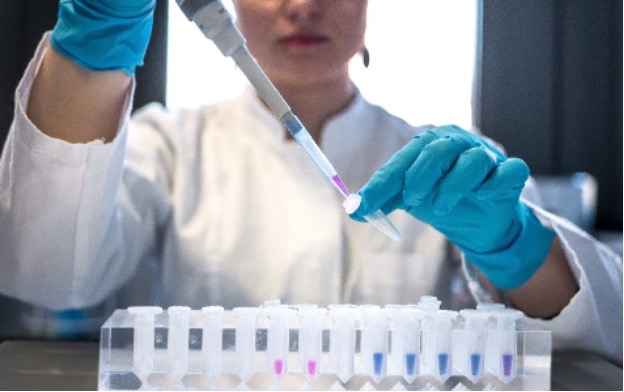
A visual example of the types of tubes and volumes we typically work with in RNA sequencing- sometimes even smaller! Image from: unsplash

I also get to use lots of very cool – and very expensive – machines. The machine pictured below on the left is what sequences RNA and the one to the right is a robot that can do a big portion of the lab work involved with preparing the RNA for sequencing for you. It has some limitations though, so I mostly performed my experiments manually by hand. 
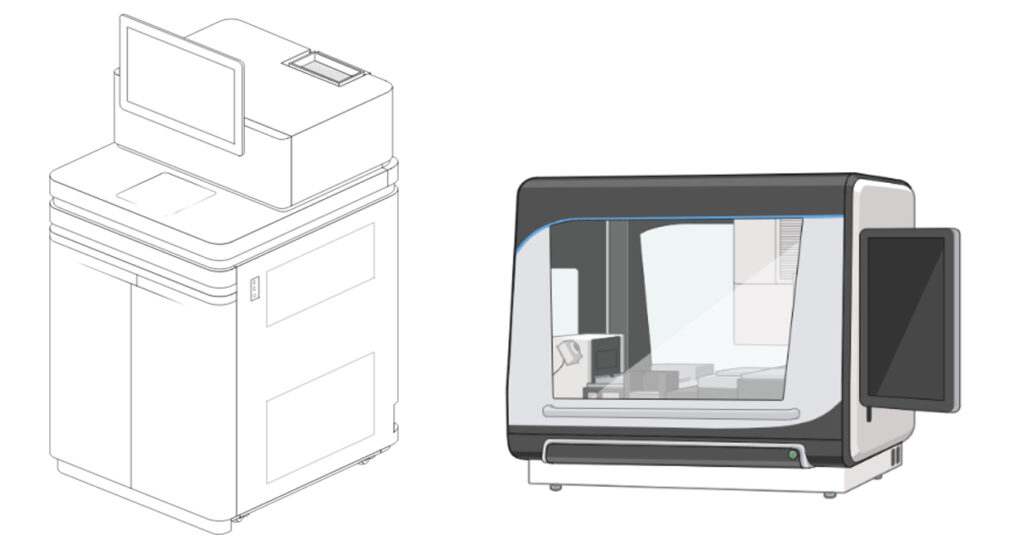
Illumina Sequencer (Left) & Chromium Connect (Right): Photos from 10x Genomics and Illumina

After about three months of training, I started planning and carrying out my own experiments independently. I got the chance to sequence many different immune cells, including T cells and macrophages as part of active experiments in the search for potential cancer therapeutics. Apart from single cell RNA sequencing, I’ve also been fortunate to perform a CRISPR knock out experiment on B cells whilst using cutting-edge automation platforms such as the Dragonfly and Bravo.  

On a typical day, my experiments take around 6 hours to reach a safe stopping point. Luckily, I’m able to get a few breaks in when my samples are incubating. During these breaks, I take full advantage of all of the green space at GSK Stevenage. It’s quite normal for employees to go on regular walks around the site – breaks are very encouraged which is nice!
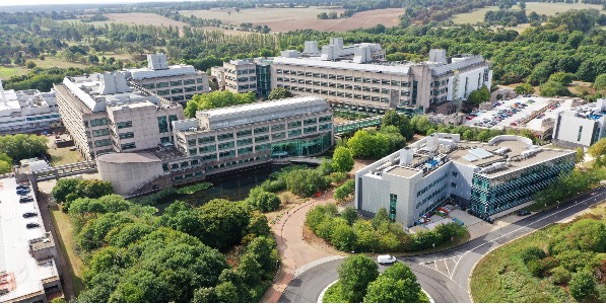
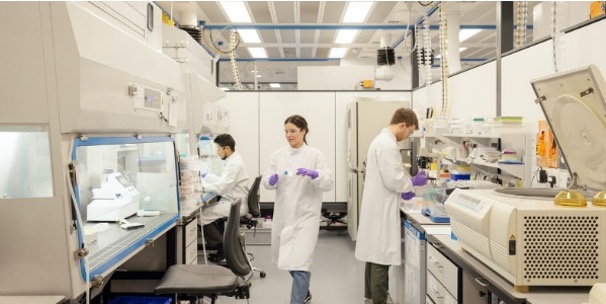
GSK Campus and Labs in Stevenage: Photos from GSK’s Website

Outside of lab work, I’ve also gotten involved with the wider community at GSK by being a part of a committee for students called IP Unite and an employee resource group called Women’s Leadership Initiative (WLI). My role in these groups varies, typically I will plan and host events aimed to foster new relationships and grow networks. One of the scariest events I held was a PhD information event with IP Unite that involved me speaking in front of 100 people in a lecture theatre – luckily I was only introducing speakers and closing the event – still, it was very outside of my comfort zone! In general, I find that the placement pushes me outside of my comfort zone, but that’s what yields the most growth so I know it’s super beneficial. 

Overall, the placement has been the best experience, better than I expected! I have grown so much as a scientist and a person. I feel much more prepared for life after uni. For now though, I’m just ready to tackle final year!


Why Can’t Science be Funny?

By Emily Longman, BSc Biochemistry

Edited by Maddie Wildridge

Tom and Jerry Reading – if only scientific journals were as fun!

I know I’m not just speaking for myself when I say if they wrote academic papers the same way they wrote Tom and Jerry cartoons, I’d be reading them a lot more! So why don’t they? 

There are 3 reasons: 

  1. They want to avoid confusion 

The aim of academic writing is to convey a complex idea with concision and without confusion to fellow academics. By adding quips or breaking free from the pretty rigid model of academic papers, one risks readers getting distracted, and missing the point of the paper.  

  1. They don’t want to “dumb it down” 

A lot of the time academics associate digestibility and informality with having to “dumb something down” which certainly goes against the aim of academic writing for likeminded academic readers. 

  1. The fear of peer reviews 

Although it sounds shallow, it’s especially important that those reading your paper like it, as the pillars of academic publishing are peer reviews. A paper won’t make it anywhere near my screen if the peer reviews frown upon it. So many writers bow down to the peer review system for approval in the name of their paper’s progression.  

Peer Review Panel – I imagine many people have different opinions on scientific articles.

Considering this, it’s true that breaking a tradition by cracking a joke is a risk that might not pay off… 

But I’m not asking for an hour long stand-up gig about RNA! Merely a funny title, a bit of intentional alliteration perhaps? Just some variation from the (although novel and fascinating) DULL papers we students have to read. 

I’ve found a few papers that have done just that, and you tell me if these would catch your eye: 

These had me giggling! (You can never go wrong with a Barbie reference.)  

My housemates and I were laughing at these titles last night, and it made us realise how easy it is to get bogged down by the weight of studying a science degree, or working a science-based job. Science is serious for good reason, we’re often discussing diseases affecting thousands of lives, but it’s important to show a balance. I chose a Biochemistry degree because I had FUN in labs at school, not because I wanted to be serious and intellectual all the time.  

I’m a big fan of the Science journal, not just for the published papers, but for their science humour column, and their blogs. The informality is inclusive and far less intimidating than the impenetrable, science jargon stuffed papers. I strongly believe that a bit of humour goes a long way in academic publishing becoming unique and approachable without sacrificing complexity and content.  

If you’re also the type of person to rather read a blog than a paper, or if you’re interested in learning some more creative skills to use for bioscience careers outside the lab, then you might enjoy the science communication module Newcastle provides that sparked me writing this article in the first place! 

Check out the module here! 

Author: Emily Longman

Overview of my GSK placement year

By Lauren Wheeler, Stage 3 Biomedical Sciences

During my placement, I worked at the GSK R&D site in Stevenage as a placement student within the SPMB department (Screening, Profiling and Mechanistic Biology). SPMB works on assay development, compound profiling and mechanism of action studies.

My role involved automating a 3D hepatotoxicity assay by creating a model to validate a fully integrated platform in order to move the manual assay onto the platform, as well as running a biweekly safety screening assay.

When starting my labwork, I was supervised but I was allowed to complete the work myself which I found very beneficial as it allowed me to make mistakes which I could learn from. I found myself able to start completing my own experiments independently a lot faster than I expected to. Everyone in the lab was also very helpful and was always willing to help or answer any questions when I got stuck.

During my time at GSK, I also got to take part in many other activities alongside my project work which allowed me to gain and improve skills, to network and improve relationships with other IPs (industrial placement students) as well as other GSK employees.

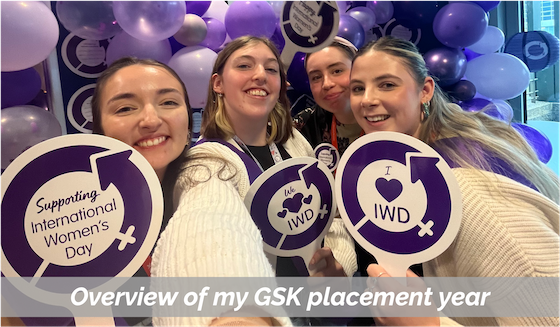
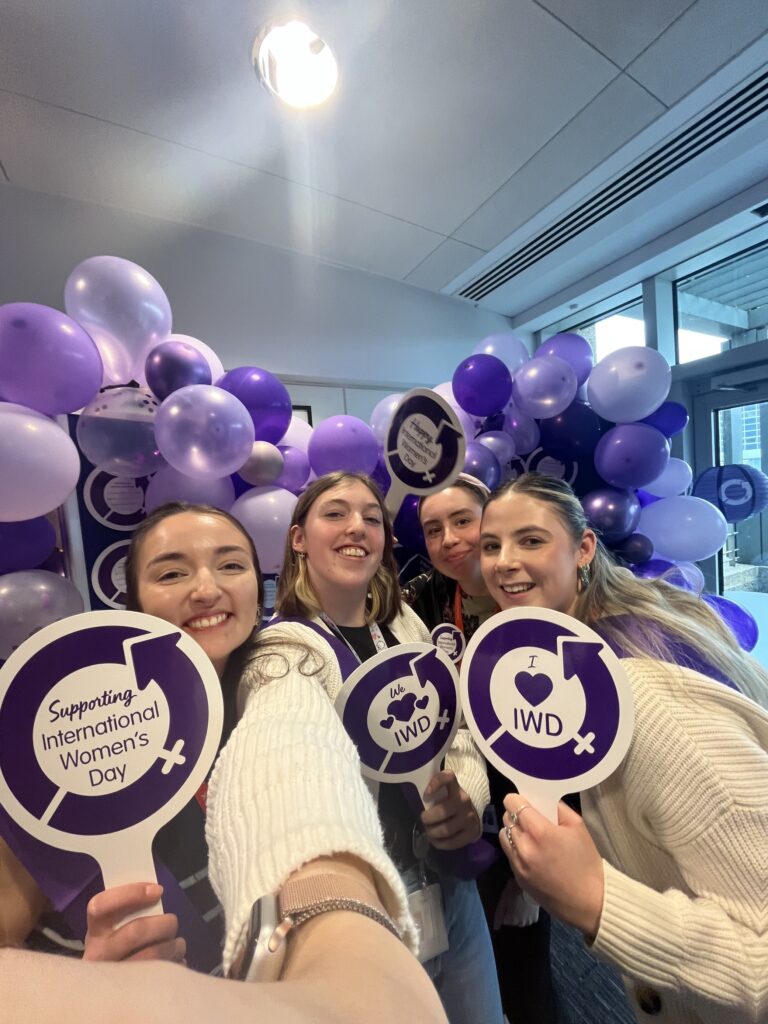
Myself and some other committee members at the International Women’s Day selfie corner – names of people from left to right: Francesca Dale, Lauren Wheeler, Lydia Haines, Neve Richardson

I became a committee member of both the Women’s Leadership Initiative (WLI) and the Stevenage hub committee. With both, I worked with other IPs and members of the committee to organise events such as International Women’s Day and the employee appreciation cookie post.

I was head of logistics for International Women’s Day in which I held key responsibilities in organising attendance numbers, booking catering, setting up market stalls with other employee resource groups at GSK and setting up of the lecture theatre for the event. The event included 2 talks and a panel which were all very insightful and turned out to be a great success with many attendees. I was also rewarded a recognition award (R&R) for my contribution.

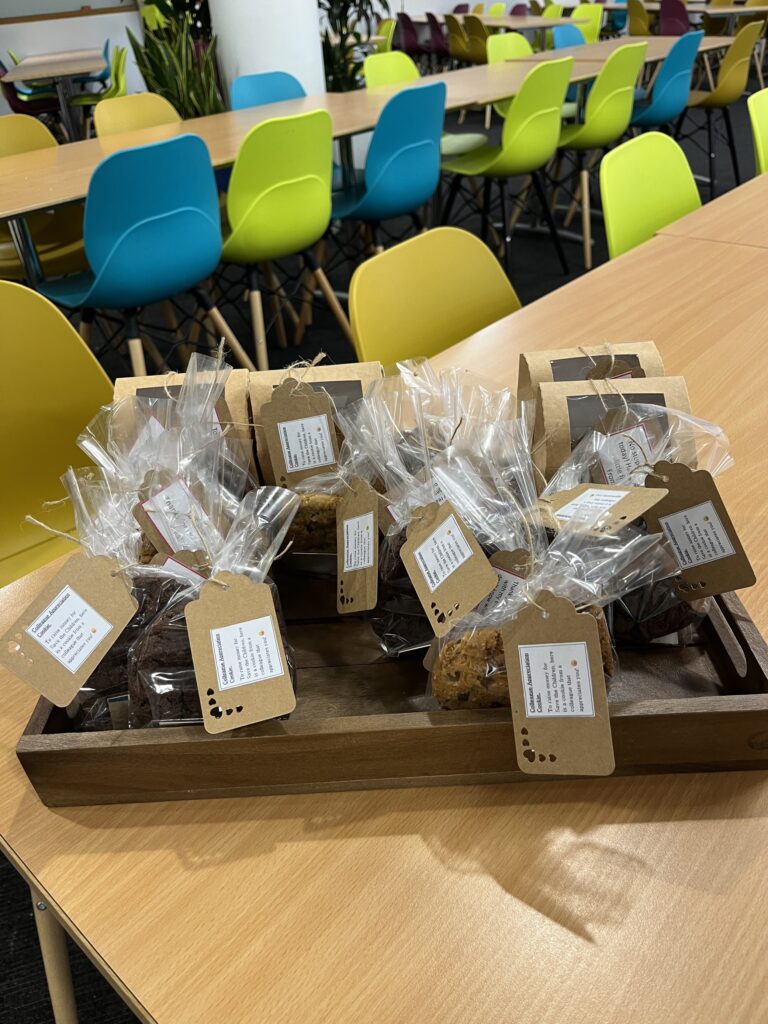
I also worked with another IP to organise the employee appreciation cookie post in which GSK employees could donate £2 to save the children which would allow them to send a cookie along with a message to another GSK employee. These were delivered by hand by us, so it was really nice to see how happy and thankful people were when receiving a cookie.

Basket of cookies labelled for each person ready to be delivered

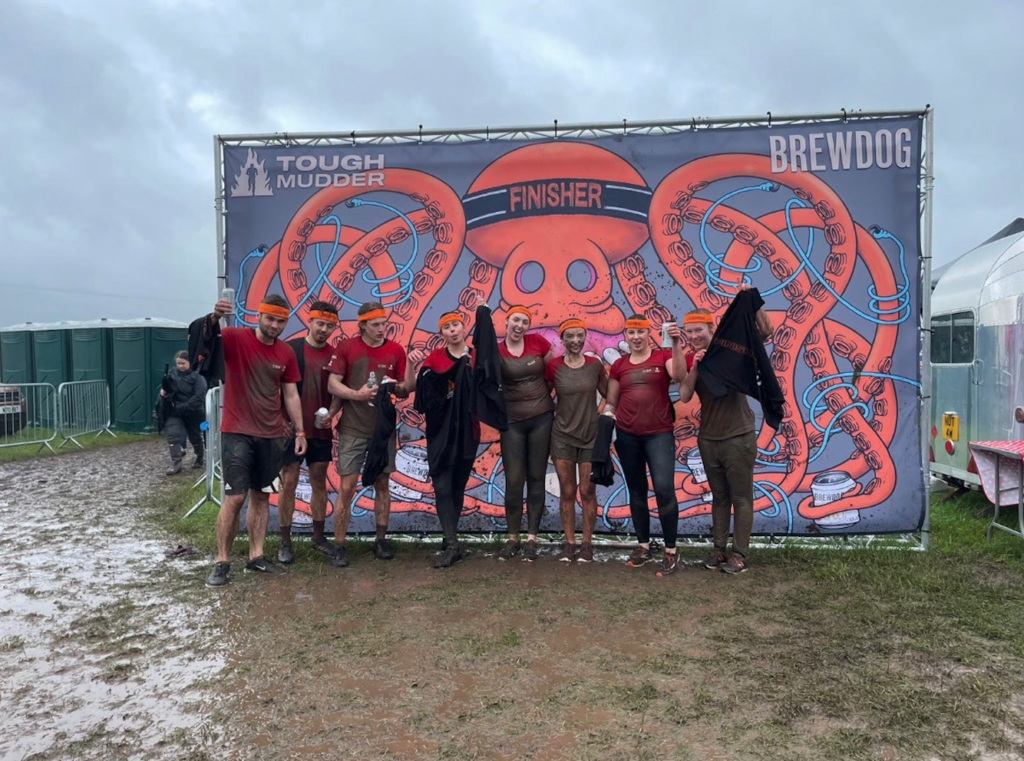
I took part in the Tough Mudder challenge in May 2023 with around 30 other GSK employees in which we raised £350 each and completed a 15km run with 30 obstacles. This was a difficult challenge however we stuck together as a team throughout the course, and it felt like a big achievement once we completed it.

Myself and other GSK employees after finishing the Tough Mudder – names of people from left to right: Ross Biddulph, Samuel Pearson, Jake Brett, Lydia Haines, Lauren Wheeler, Francesca Dale, Neve Richardson, Rebecca Glenny

I was also a part of a netball team at GSK where we trained once a week on a Wednesday, it was a mixed team with members from across the GSK Stevenage site. We took part in a match against the Ware site, which we won as well as a charity tournament, all of which were great experiences to take part in.

During this year, I have also had the chance to take part in IP collaboration events. I attended an IP organised presentation session every 2 weeks in which IPs across different departments presented about their projects as well as discussing any issues they had been having. This was a good opportunity to network and learn more about other departments work.

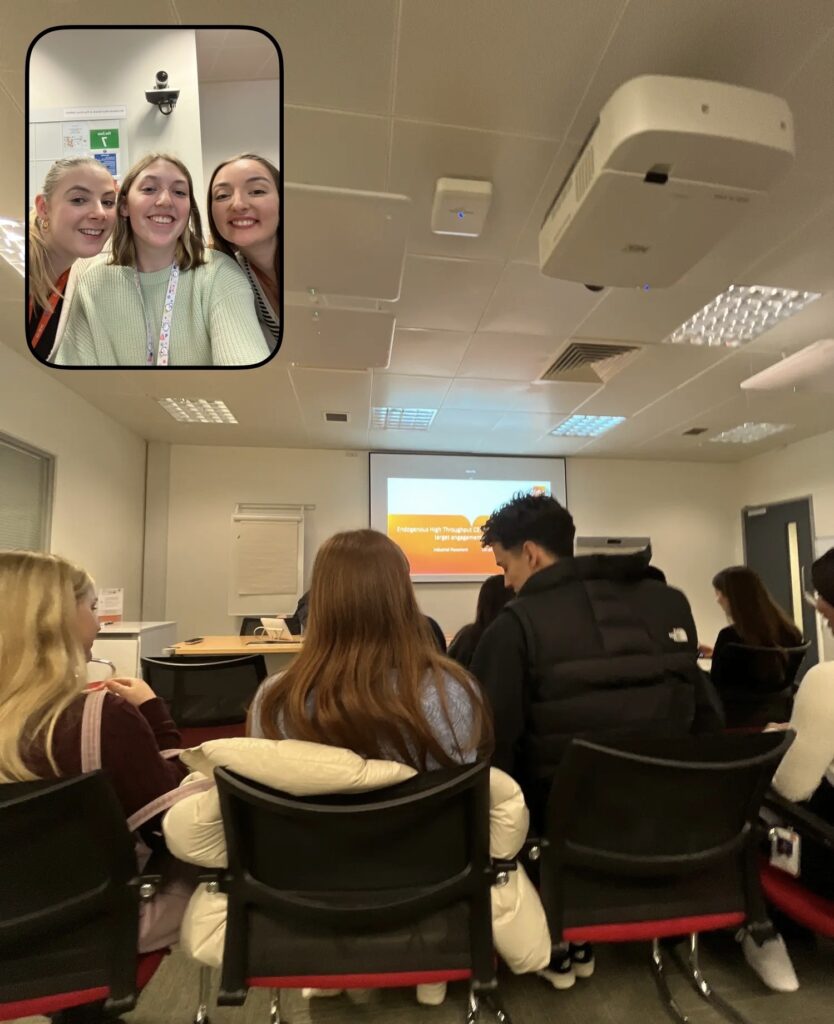
Myself and some other IPs attending an IP collaboration presentation session – names of people from left to right: Neve Richardson, Lauren Wheeler, Francesca Dale

We also had a lab tour exchange with the Ware site in which I helped in touring the IPs around the labs I worked in as well as going to the Ware site for a tour. It was insightful to see the later stages of the drug development process.

Overall, this placement year has been an invaluable experience in which I have been able to learn and experience far more than I could have expected when I first joined. I have gained many new skills and have really increased my confidence. I’d highly recommend a placement at GSK! Check out their Early Career talent site here for more information.

From One First Year Student to The Next

By: Caroline Elaine

I’ll give you a little teaser of your first year at Newcastle University if you’re planning to study at BNS school.

When I was giving the offer holders’ students a tour of the school, I noticed that some of the questions they asked were quite similar. For example, how are the lectures, what modules are we studying, and so on.

Therefore, I’ll go over some of the things I believe you should all know. Hopefully, after reading this, you have a better idea of how your first year of university will go. Okay, let’s get started! 

Continue reading “From One First Year Student to The Next”

A day in the life with Amelia Guest

Interviewed and edited by Elayna Hugh-Jones

What do you study here at Newcastle University?

So I’m in my 2nd year of Biomedical science, and I’m doing a placement year in September so it’ll be a 4 year degree for me. Then I’m thinking about further study, such as a Master’s or post-grad medicine.

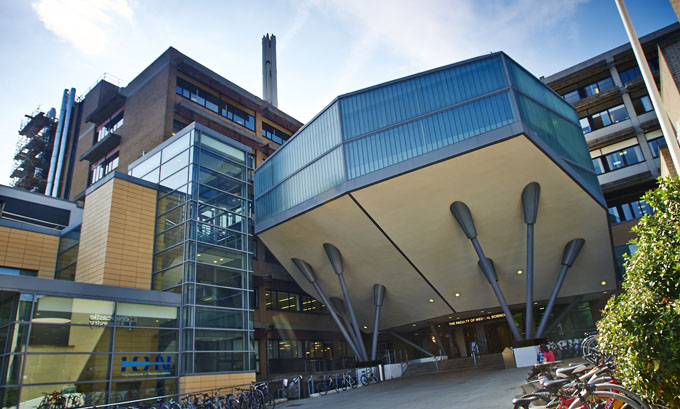
Newcastle University Medical School

What does a typical day look like for you?

So I’m an early bird, I get up around 6:30 and I take some time to wake up and have breakfast. Then if we have any 9am or 10am lectures I like to go to the Uni gym beforehand to start my day on a good note, which means I leave my house in Jesmond at about 7:30. We typically have 2 or 3 lectures a day and I’ll head to the Walton Library in between if we have any breaks. But if we have no lectures, Wednesdays are usually our days off, I still head to the library and set myself up for a day there. I’ll usually take my packed lunch and stay for the majority of the day and then head home for dinner. I and my housemates tend to all eat together which is a nice part of the day to look forward to.

Continue reading “A day in the life with Amelia Guest”

How is Stage 2 Different from Stage 1?

By Caroline Elaine

Hello everyone, my name is Caroline, I am a BSc. Biomedical Sciences student. I have finally begun stage 2 of my course after spending a year in Newcastle adjusting to a new life, making new friends, and doing other bits and pieces. The seminars, lab practicals, and lectures have been ongoing for more than two months now.

So I figured it’d be a good time to evaluate the differences between stage 1 and stage 2. 

Continue reading “How is Stage 2 Different from Stage 1?”

Spending my summer break in labs in Thailand

By: Cornelia V. Genika BSc Biomedical Sciences

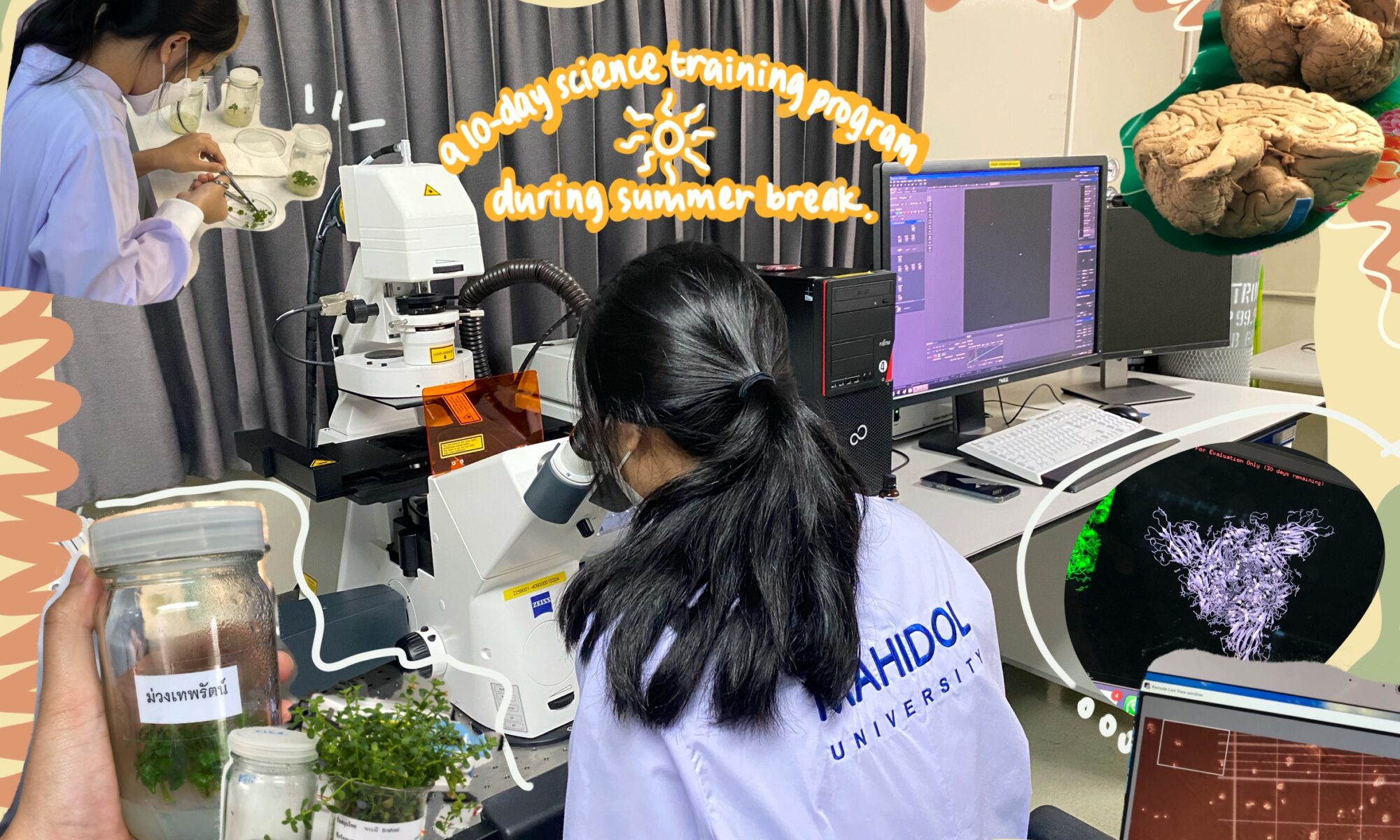
Hi! I am Cita, from Indonesia, and a stage 2 student of Biomedical Sciences, and here I would like to share my experience joining a 10-day science training program in Thailand during the summer break!

Over the summer I joined a science training program ran by Mahidol University in Thailand. I was introduced to this program by my friend, and I decided to join it as I thought this would be a great opportunity for me to develop the lab skills that I have gained throughout the first year and gain new scientific knowledge, meet new people, and build connections, as well as improve my CV.

Continue reading “Spending my summer break in labs in Thailand”

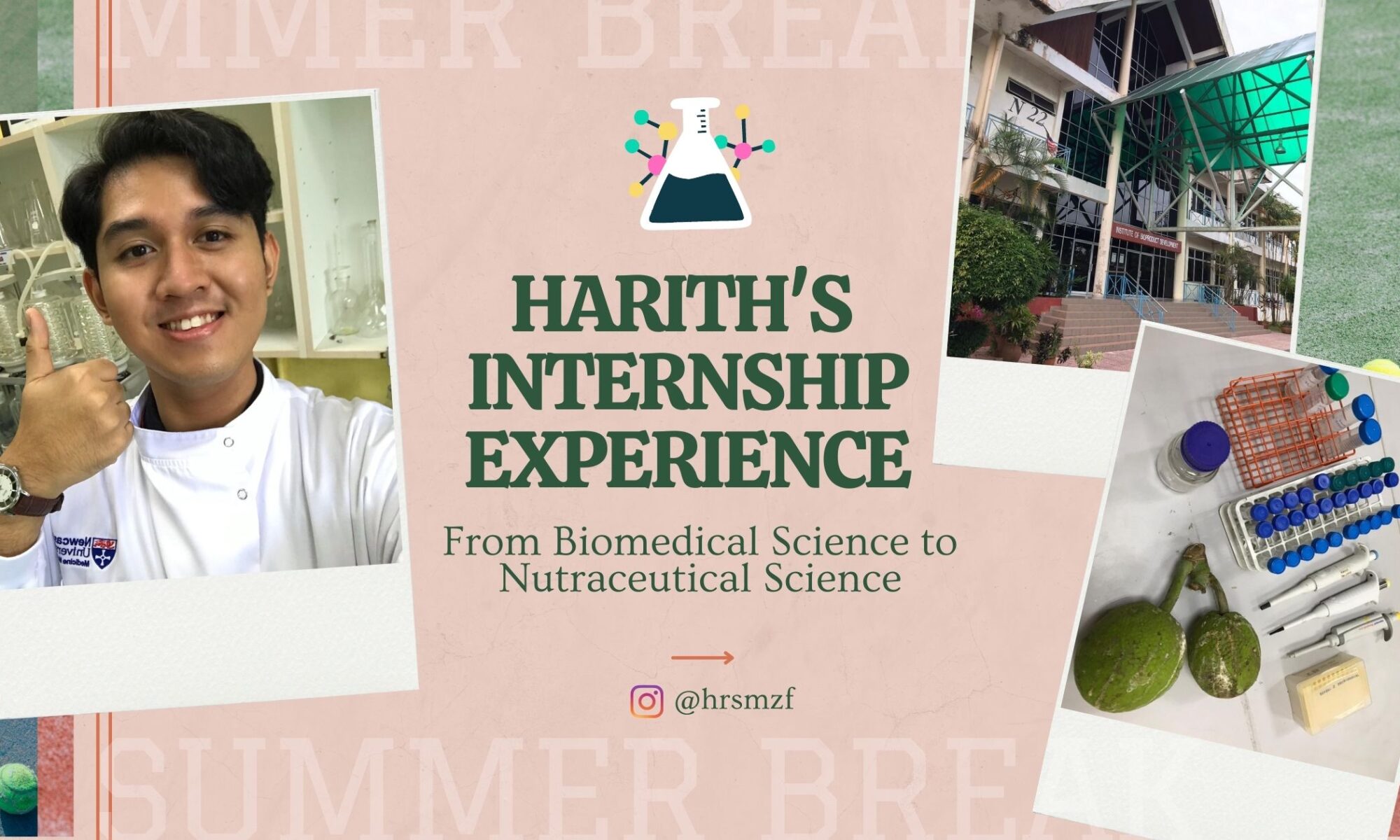
Harith’s Internship Experience: From Biomedical Science to Nutraceutical Science

By: Harith Syahmie Zulfikree 

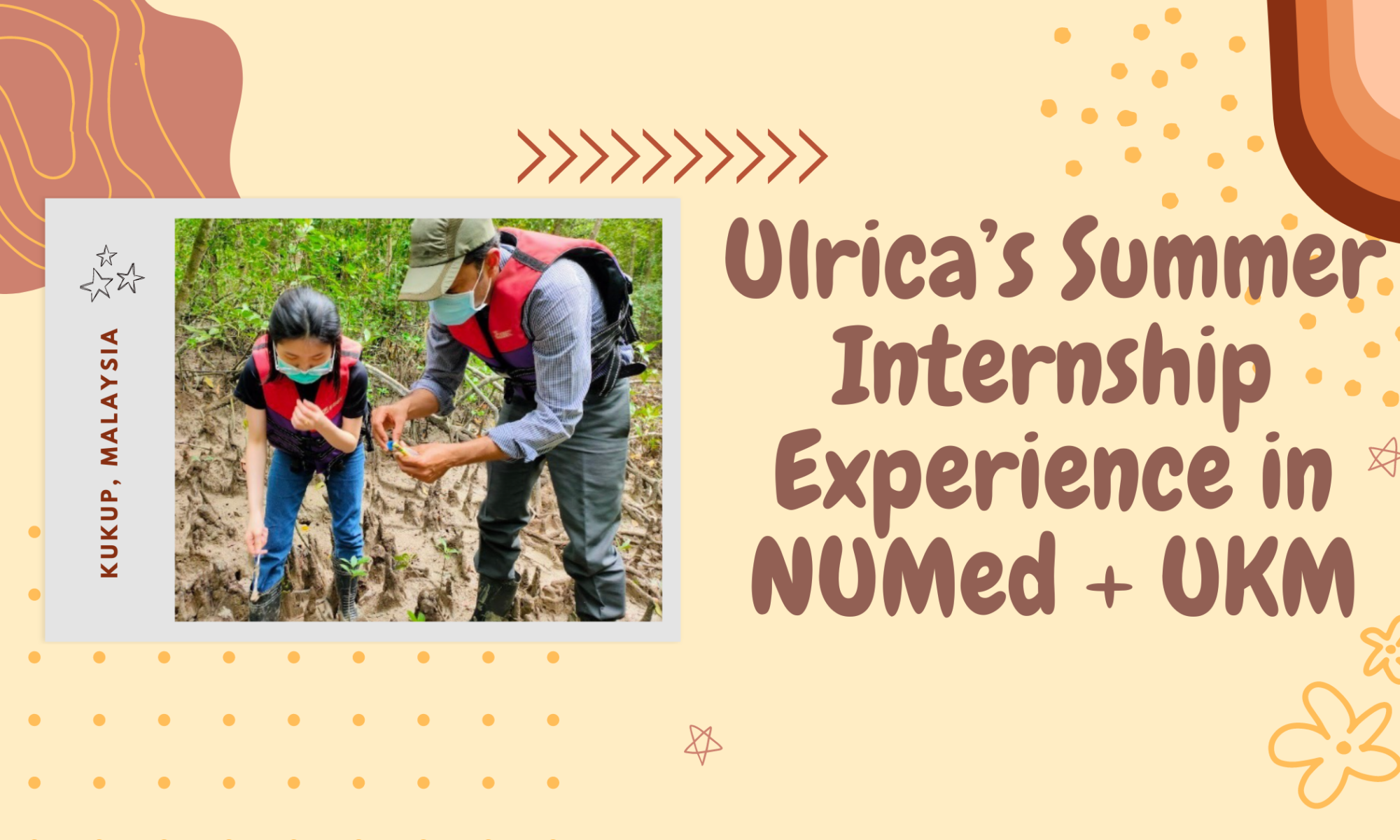
Hi everyone! I’m Harith and I’m a first-year BSc (Hons) Biomedical Sciences student from Malaysia! In this blog post, I will share my 2-month internship experience during my summer break at the Institute of Bioproduct Development (IBD), Universiti Teknologi Malaysia (UTM), Johor, Malaysia.   

Continue reading “Harith’s Internship Experience: From Biomedical Science to Nutraceutical Science”

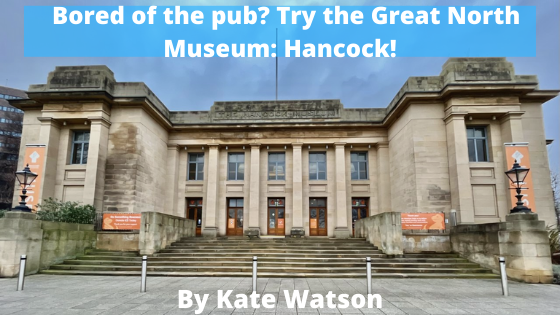
Bored of the pub? Try the Great North Museum: Hancock!   

By Kate Watson – 3rd year Biomedical Sciences

As a twenty-year-old student, there are many places I go to in Newcastle: clubs, parks and restaurants. When you’re only living in a city for a few years, you’ve got to try to make the most of it! I thought I’d visited everything that was worthwhile. How wrong I was!  

A grand building on campus was hiding a multitude of wonders. I’d walked past it many times, but I’d never once considered going in. Who wants to spend their free time in a boring old museum?  

Continue reading “Bored of the pub? Try the Great North Museum: Hancock!   “