My Experience as a Year In Industry Student

By Joel Tyler, BSc Physiological Sciences

Edited by Maddie Wildridge

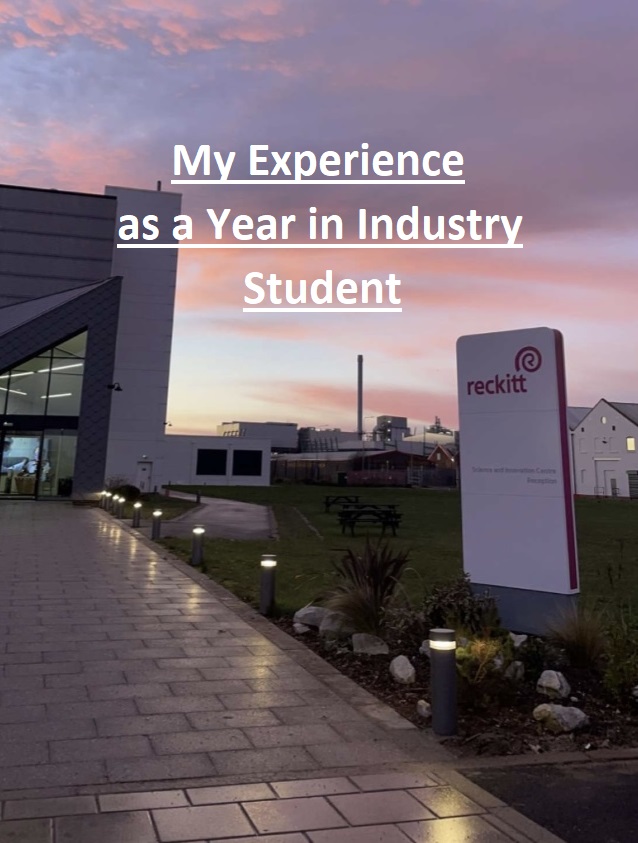
Reckitt is a Fast Moving Consumer Goods (FMCG) company with offices and employees spread out across the world. Founded in 1870, Reckitt started off by selling laundry starch in Hull, now, Reckitt operates in a range of markets and is the owner of various health and medicinal brands such as; Neurofen, Strepsils, Dettol, Vanish and Durex to name a few.
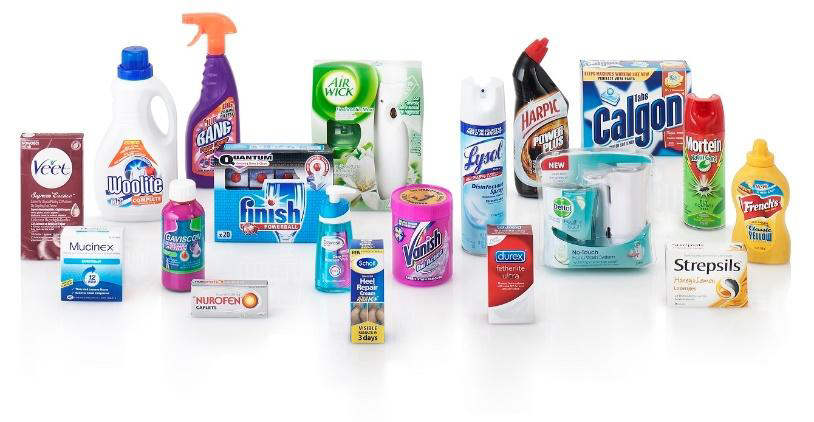
Examples of some Reckitt products sold around the world

My placement year was a lab-based role involved in working for the brand Veet, this included both formulation manufacturing and analytical testing for the depilatory cream products currently available to buy in shops as well as a new product being developed and to be released in the near future.

A Day in the Life
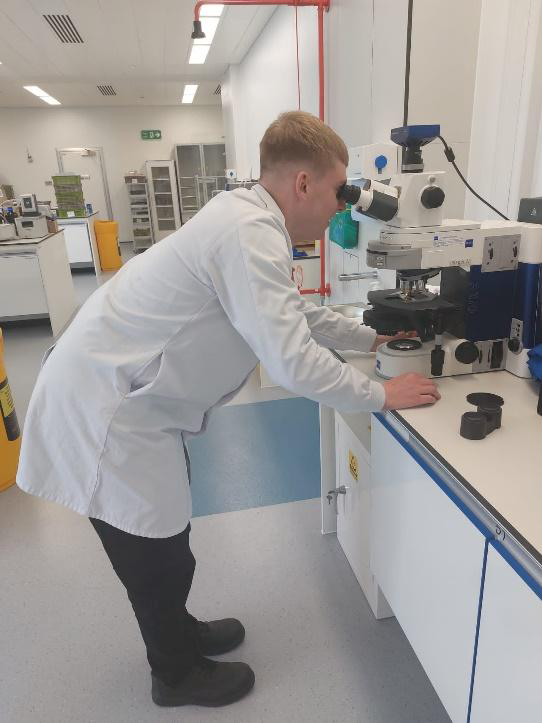
Using a Light Microscope to examine the structure of a hair sample

Due to the fast paced environment (as an FMCG company), I found that there was always something to do all the time and the days/weeks were fairly similar. This is because of the constant manufacturing of different formulations of new products to be tested under different stability conditions, and then followed by analytical testing of the formulations to identify which was the best product.

Therefore, my normal day would start with a team meeting to discuss where everyone was at with formulation/testing work and to discuss steps/processes going forward or if anything had failed/gone wrong with the batch. After, I would go to the lab to complete any formulation/analytical testing which needed to be done.

I enjoyed this working routine as it meant I gained far more lab experienced than I initially thought I would, it was always very clear what work I needed to be doing and I was always given lots of support if things ever went wrong. I would say I definitely wasn’t treated as a ‘student’ but a very integral part of the team which also surprised me!

Student Project
In the second half of my placement, I organised and created a project alongside my line manager which involved testing the tensile strength of hair using a texture analyser and a brand new test method. I also presented my results to the rest of the Veet brand to explain my findings.
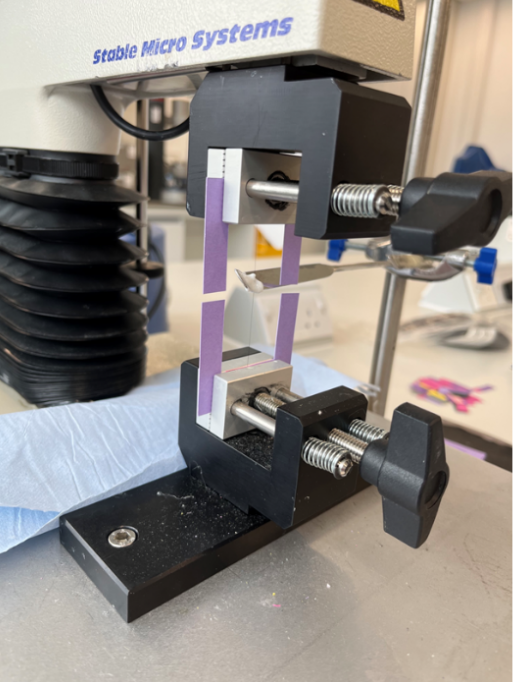
Hair sample being tested in the Texture Analyser to investigate the tensile strength

During my project I had to test thousands of individual hair samples and as a result became the most experienced within the lab at using the texture analyser, this meant that I had the opportunity to present and perform samples to higher up executives within the company (and even the Global Head of R&D) which was an amazing experience.
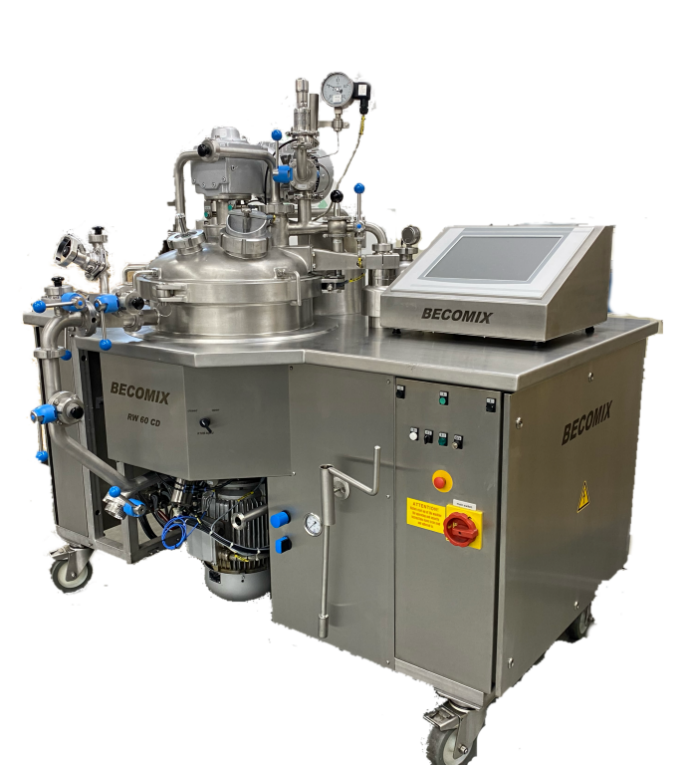
A Becomix machine used to formulate and manufacture different depilatory creams during my placement year

Why I Chose To Do a Placement
I decided during first year of my degree that I wanted to do a placement, specifically a lab based placement, because I was enjoying being in the lab at university but I was curious if I would enjoy working in a lab as a full time job to give myself an idea for post graduate jobs.

Having completed my full year, I now know I could happily work in a lab after university, so applying for lab based roles isn’t a big risk but also that I know I can work efficiently and thrive under the environment. My placement gave me many challenges along the way (which is natural when learning new things in a short space of time) but I gained valuable and employable experience in overcoming these obstacles and realised that I feel confident within a lab setting.

I Would Highly Recommend a Placement!
Completing my placement year was definitely one of the most important things I have done within my life. The obvious reasons being all the different skills and attributes which I learnt/developed along the way, but also, the experiences which are available in just one year really surprised me, with the huge amounts of social networking needed to be done for my day to day job, I found myself naturally speaking to and shadowing other departments, creating professional relationships which will last for life. So I would say even if you are even considering to apply for placements, just go for it because you won’t regret it!
Overview of my GSK placement year

By Lauren Wheeler, Stage 3 Biomedical Sciences

During my placement, I worked at the GSK R&D site in Stevenage as a placement student within the SPMB department (Screening, Profiling and Mechanistic Biology). SPMB works on assay development, compound profiling and mechanism of action studies.

My role involved automating a 3D hepatotoxicity assay by creating a model to validate a fully integrated platform in order to move the manual assay onto the platform, as well as running a biweekly safety screening assay.

When starting my labwork, I was supervised but I was allowed to complete the work myself which I found very beneficial as it allowed me to make mistakes which I could learn from. I found myself able to start completing my own experiments independently a lot faster than I expected to. Everyone in the lab was also very helpful and was always willing to help or answer any questions when I got stuck.

During my time at GSK, I also got to take part in many other activities alongside my project work which allowed me to gain and improve skills, to network and improve relationships with other IPs (industrial placement students) as well as other GSK employees.

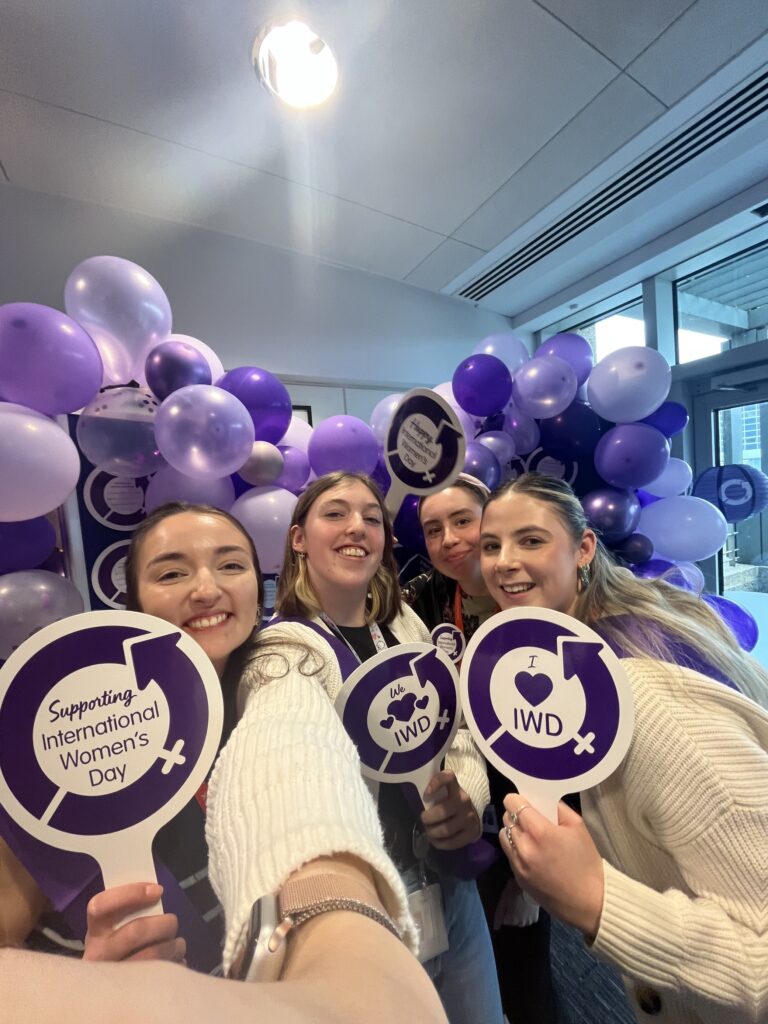
Myself and some other committee members at the International Women’s Day selfie corner – names of people from left to right: Francesca Dale, Lauren Wheeler, Lydia Haines, Neve Richardson

I became a committee member of both the Women’s Leadership Initiative (WLI) and the Stevenage hub committee. With both, I worked with other IPs and members of the committee to organise events such as International Women’s Day and the employee appreciation cookie post.

I was head of logistics for International Women’s Day in which I held key responsibilities in organising attendance numbers, booking catering, setting up market stalls with other employee resource groups at GSK and setting up of the lecture theatre for the event. The event included 2 talks and a panel which were all very insightful and turned out to be a great success with many attendees. I was also rewarded a recognition award (R&R) for my contribution.

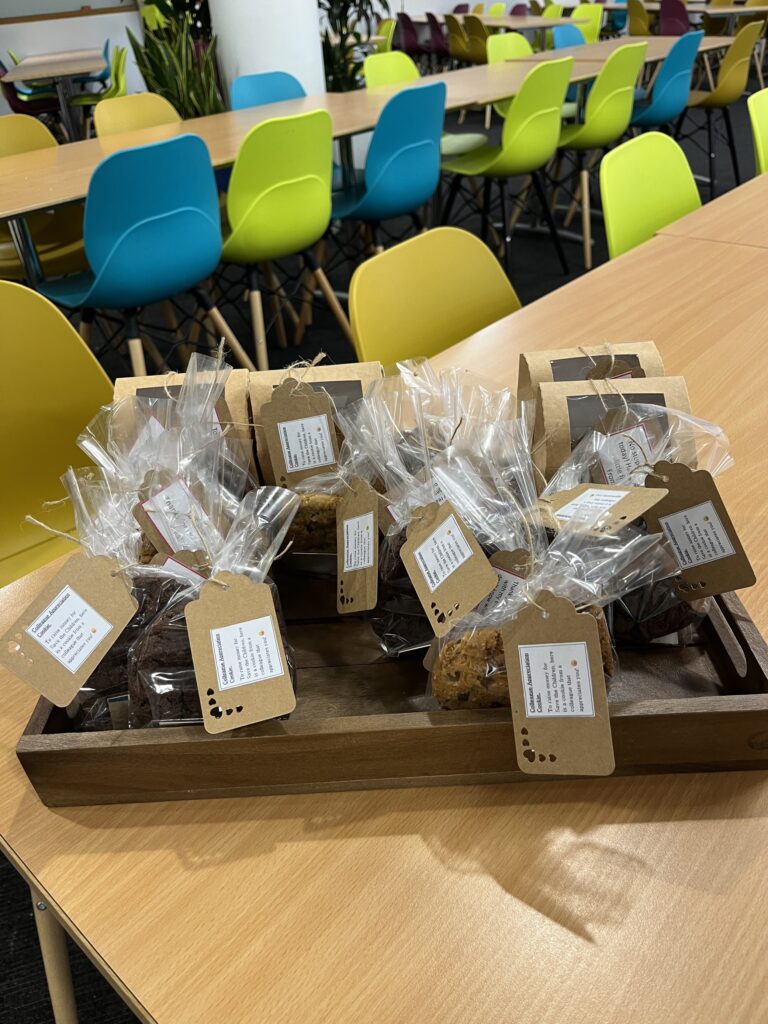
I also worked with another IP to organise the employee appreciation cookie post in which GSK employees could donate £2 to save the children which would allow them to send a cookie along with a message to another GSK employee. These were delivered by hand by us, so it was really nice to see how happy and thankful people were when receiving a cookie.

Basket of cookies labelled for each person ready to be delivered

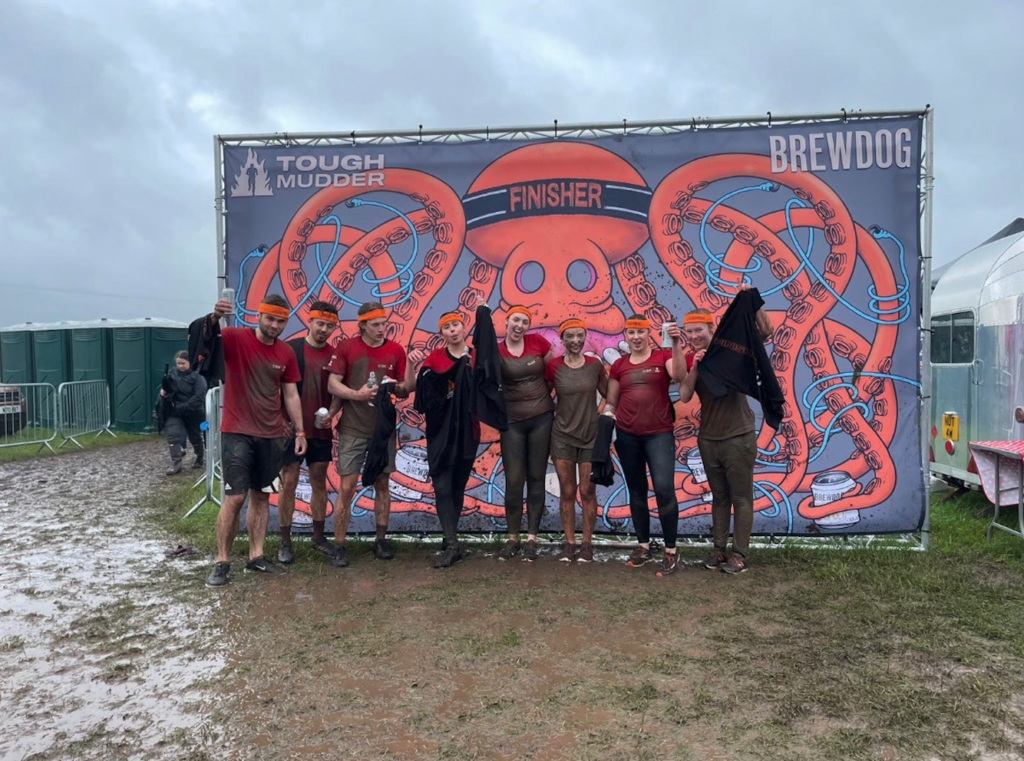
I took part in the Tough Mudder challenge in May 2023 with around 30 other GSK employees in which we raised £350 each and completed a 15km run with 30 obstacles. This was a difficult challenge however we stuck together as a team throughout the course, and it felt like a big achievement once we completed it.

Myself and other GSK employees after finishing the Tough Mudder – names of people from left to right: Ross Biddulph, Samuel Pearson, Jake Brett, Lydia Haines, Lauren Wheeler, Francesca Dale, Neve Richardson, Rebecca Glenny

I was also a part of a netball team at GSK where we trained once a week on a Wednesday, it was a mixed team with members from across the GSK Stevenage site. We took part in a match against the Ware site, which we won as well as a charity tournament, all of which were great experiences to take part in.

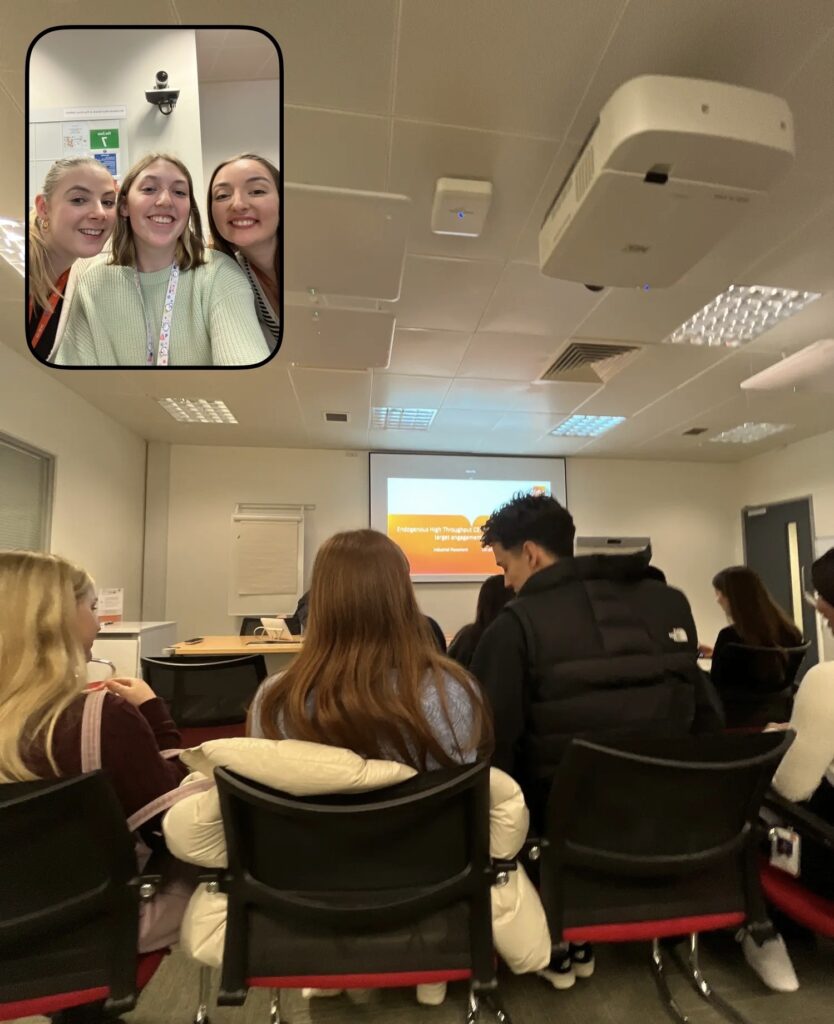
During this year, I have also had the chance to take part in IP collaboration events. I attended an IP organised presentation session every 2 weeks in which IPs across different departments presented about their projects as well as discussing any issues they had been having. This was a good opportunity to network and learn more about other departments work.

Myself and some other IPs attending an IP collaboration presentation session – names of people from left to right: Neve Richardson, Lauren Wheeler, Francesca Dale

We also had a lab tour exchange with the Ware site in which I helped in touring the IPs around the labs I worked in as well as going to the Ware site for a tour. It was insightful to see the later stages of the drug development process.

Overall, this placement year has been an invaluable experience in which I have been able to learn and experience far more than I could have expected when I first joined. I have gained many new skills and have really increased my confidence. I’d highly recommend a placement at GSK! Check out their Early Career talent site here for more information.

FUJIFILM Diosynth Biotechnologies: Advancing Tomorrow’s Medicines

By Declan Wales

FUJIFILM Diosynth Biotechnologies (FDB for short) is a global contract development and manufacturing organisation (CDMO) in the biopharmaceutical industry providing process development and manufacturing of biologics, cell and gene therapies and viral vaccines. This basically means that FDB are able to manufacture a broad range of therapeutic proteins for customers using mammalian, bacterial, viral and insect expression systems and can develop these expression systems to suit the needs of these target compounds.

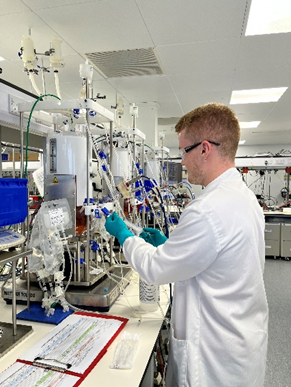
I spent my placement year within the Process Development (PD) division, specifically the Mammalian Cell Culture (MCC) PD department.  One of the tasks in my department was to carry out optimized fed-batch processes using bioreactors to grow cell lines, the cells then produce the target therapeutic protein which can then be purified and analysed by other departments within PD for customers.  

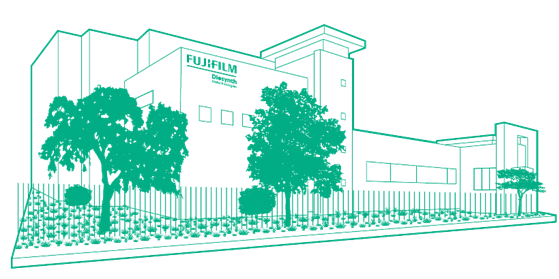
FUJIFILM Diosynth Biotechnologies Billingham Site: Art used from FDB Marketing

Why did I want to do a placement?

When starting my degree I hadn’t thought about the possibility of doing a placement year. Then COVID hit and my degree was heavily impacted which meant I missed out on a lot of lab sessions and became disappointed with the lack of hands-on experience I was getting. I read the BNS placement blogs and was really impressed with what other students had got up to in previous years and how they were able to get some industry experience before graduating so I applied for three placements that appealed to me and managed to secure the second one which was FUJIFILM Diosynth Biotechnologies! 

A Day in the life

I’ve found every day to be different so there wasn’t much of a typical day.  However, we had a team meeting daily to discuss everyone’s tasks for the day which gave me the opportunity to offer my help and get involved in work.

If there was a bioreactor process ongoing, then my days would be much more regimented. The morning would begin with sampling several bioreactors growing Chinese Hamster Ovary (CHO) cells and measuring the metabolites, gases, osmolality and cell counts using high-tech analytical equipment. Sampling shows us how the culture is doing and if we need to alter any of the parameters to improve the process, any abnormal data would indicate possible contaminations which are serious during customer projects. These bioreactors would need feeding later in the day with supplements such as feeds, glutamine and glucose to maintain the cultures and ensure the best product titres.

Adapting to a new routine

I thought I would be able to adapt quickly to working on placement, but it was harder than I anticipated. The 9 to 5 is a big change when you are used to the flexible timetable of university and it can be hard to stay engaged at work if you are tired so making sure you get enough sleep is important. However, one huge benefit was that my weekends were totally free and I could do whatever I liked free of Uni work. I had a lot of training to ensure I was confident and competent in carrying out my tasks which can take some time to get used to and can be a lot of information to take in but it meant that I was comfortable undertaking tasks independently.   

It’s not all lab work!

I found time outside of the lab to be just as fulfilling as time in the lab. I had not really thought before about the business side of science but it was interesting to see the relationships between employees and customers when I attended meetings for certain projects and how being able to present information and communicate effectively and professionally with customers is just as essential in an industry role as is being skilled in the lab.  

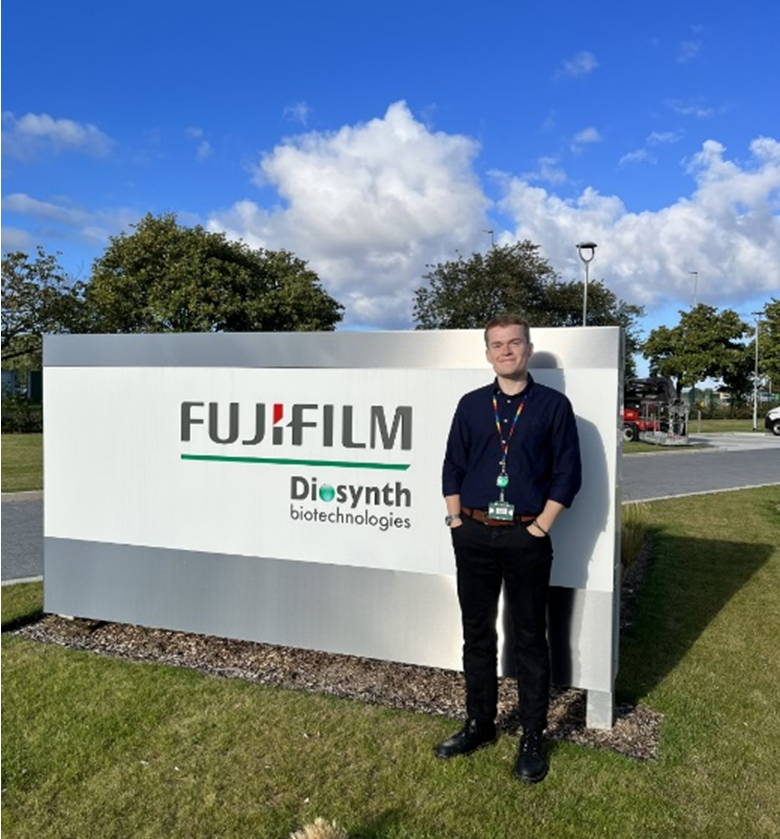
One of my last days on site.

I got to take on responsibilities outside of the lab that were essential to the running of my department, the biggest helping to implement a new electronic laboratory notebook system in which I inputted equipment as well as essential reagents used for media and feed preparations. I also got to train my colleagues how to use this system and software for their feed preps as I was the one of the first to use it. This allowed me to develop important skills outside of the lab which I can now demonstrate to future employers.  

Would I recommend a placement?

Yes, I would absolutely recommend a placement for a lot of reasons, some of the main ones being:

  • You get more lab experience if you’re on a lab-based placement 
  • You gain a lot of new skills you can demonstrate in the future and develop ones you already have 
  • You can earn a good wage 
  • You get to experience the science industry and see if it’s for you 
  • Make friends/network with people in the industry find out what they did and if they enjoy what they do 
  • In some cases, if you impress the company they will offer you a job if you come back after you have graduated

My IDS Adventure!

By: Ben Gardner

What I thought of the summer placement.

My time at ImmunoDiagnosticSystems (IDS) was extremely valuable and interesting, it was great to see what we learn about at uni being used in real-life.

I learnt many skills in the lab including immunoassays, antibody purification, and accurate working. I have also developed my ability to document labwork, process data, and think critically. It was interesting to see the many different departments IDS has and how they interact. IDS is an excellent company for aspiring bio-scientists with special thanks to Michael Gardner, the rest of the Process Development department, and the Quality Control department. They all really helped me on my placement, and I had a great experience chatting with them in the labs and the office. I would highly recommend other students to take up a placement at IDS and I can guarantee they will have a wonderful time!

Continue reading “My IDS Adventure!”

Spending my summer break in labs in Thailand

By: Cornelia V. Genika BSc Biomedical Sciences

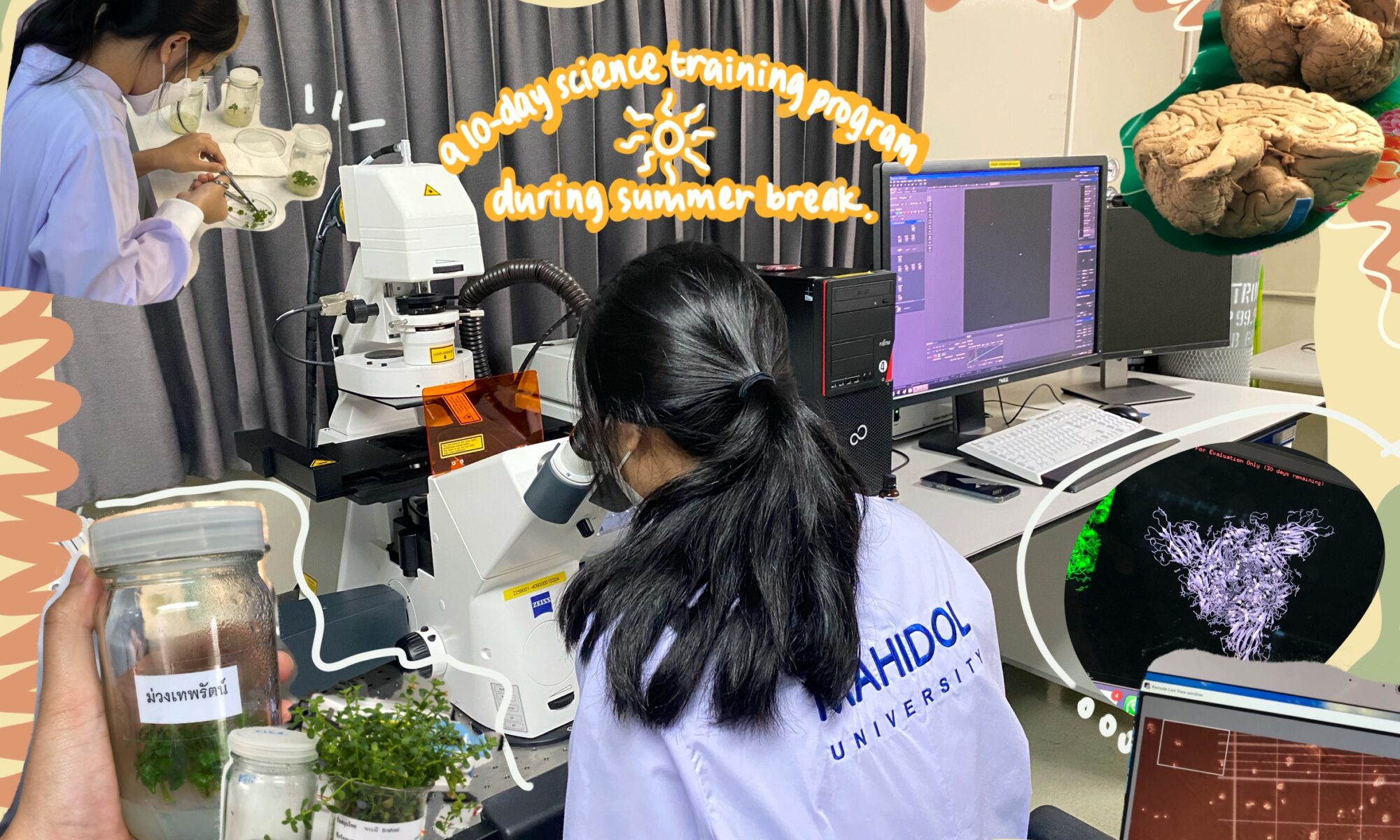
Hi! I am Cita, from Indonesia, and a stage 2 student of Biomedical Sciences, and here I would like to share my experience joining a 10-day science training program in Thailand during the summer break!

Over the summer I joined a science training program ran by Mahidol University in Thailand. I was introduced to this program by my friend, and I decided to join it as I thought this would be a great opportunity for me to develop the lab skills that I have gained throughout the first year and gain new scientific knowledge, meet new people, and build connections, as well as improve my CV.

Continue reading “Spending my summer break in labs in Thailand”

Pengalaman Latihan Industri Harith: Daripada Sains Bioperubatan kepada Sains Nutraseutikal

Ditulis oleh Harith Syahmie Zulfikree 

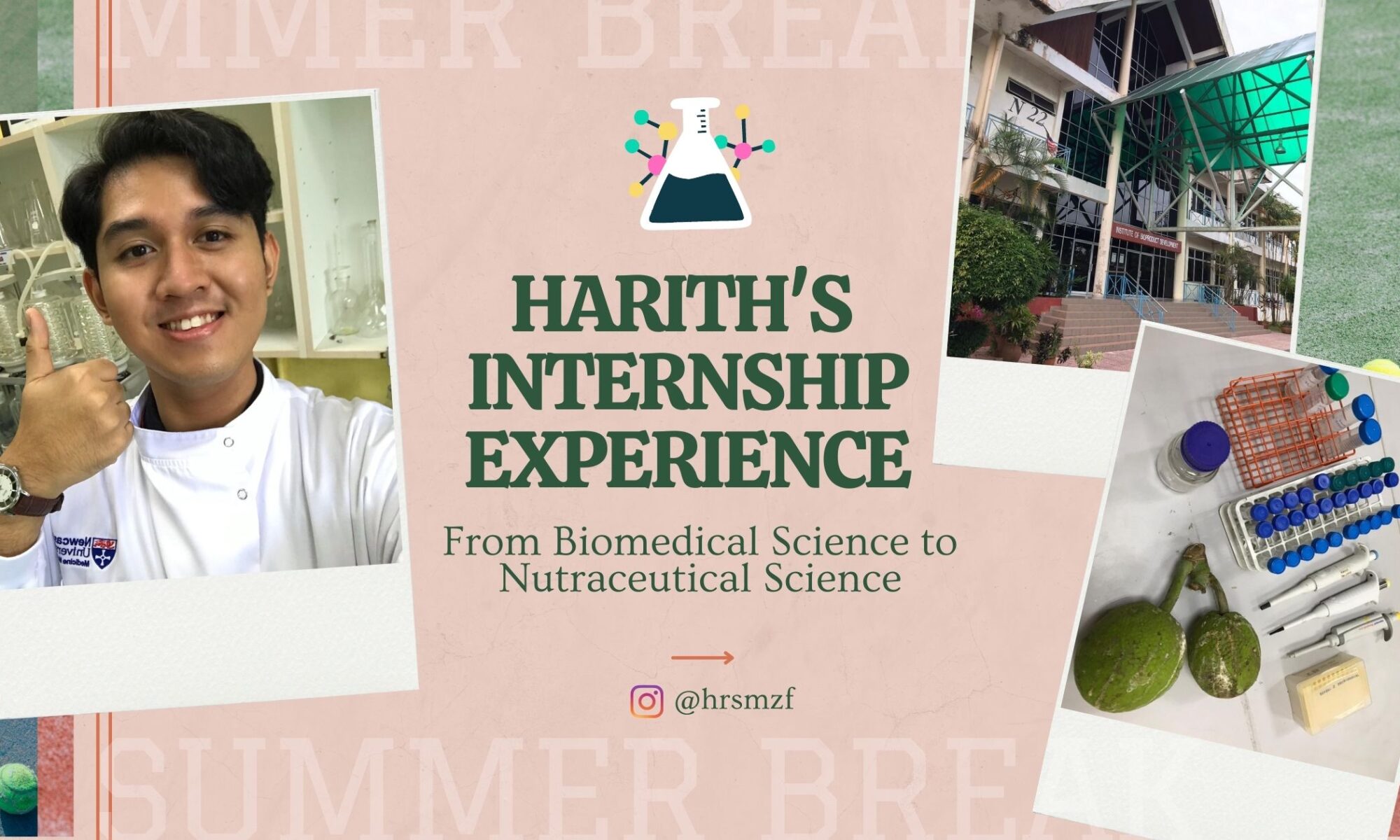
Hi semua! Saya Harith, pelajar tahun satu jurusan Ijazah Sarjana Muda Sains Bioperubatan (Kepujian) dari Malaysia! Dalam blog ini, saya akan berkongsi pengalaman menjalani latihan industri selama 2 bulan semasa cuti musim panas di Institut Pembangunan Bioproduk (IBD), Universiti Teknologi Malaysia (UTM), Johor, Malaysia.   

Continue reading “Pengalaman Latihan Industri Harith: Daripada Sains Bioperubatan kepada Sains Nutraseutikal”

Harith’s Internship Experience: From Biomedical Science to Nutraceutical Science

By: Harith Syahmie Zulfikree 

Hi everyone! I’m Harith and I’m a first-year BSc (Hons) Biomedical Sciences student from Malaysia! In this blog post, I will share my 2-month internship experience during my summer break at the Institute of Bioproduct Development (IBD), Universiti Teknologi Malaysia (UTM), Johor, Malaysia.   

Continue reading “Harith’s Internship Experience: From Biomedical Science to Nutraceutical Science”

What a “Wonderful World of Microbiology” Event

By: Caroline Elaine

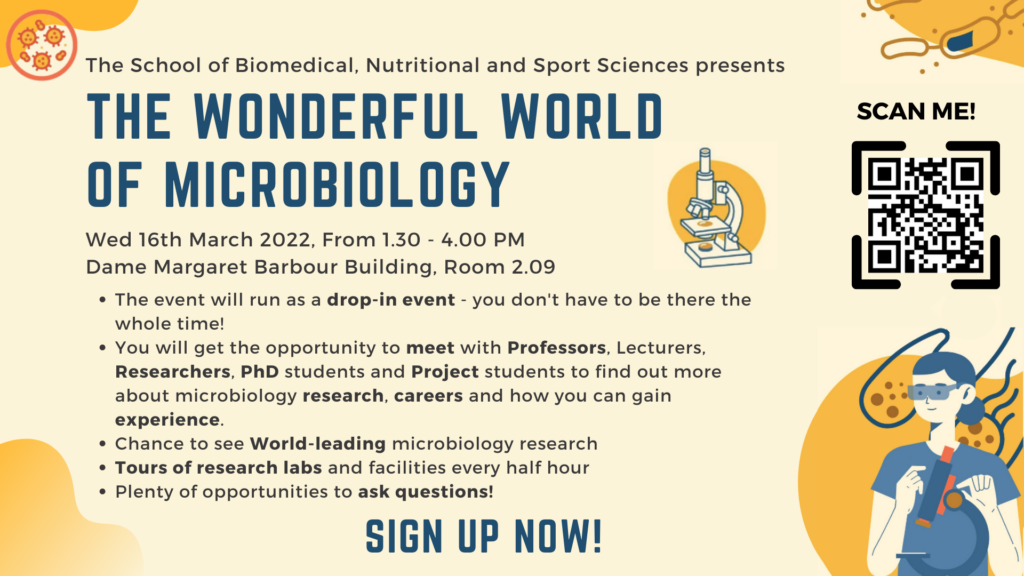
The School of Biomedical, Nutritional, and Sport Sciences hosted a recent microbiology event, advertised with posters around the School, email to all students and on social media platforms such as the School’s Instagram and Facebook. As a result, many students became aware of this event, including my friends and me.  

The poster that was everywhere in the school and sent to us by email
Continue reading “What a “Wonderful World of Microbiology” Event”

The Secretive World of the Personal Care Industry

Procter & Gamble is one of the largest personal care companies in the world. If I gave you 10 seconds to find a P&G product, I guarantee there would be at least 5 in the kitchen cupboard. They are responsible for delivering Ariel, Fairy, Bold, Gillette, and so many more brands.

Naturally, working for such a large business means having access to a lot of confidential information, which can be very daunting at first. What if I get it wrong? What if I release millions of pounds worth of information to our top competitor?

Continue reading “The Secretive World of the Personal Care Industry”

Wholemeal is the new white!

By Katerina Sakellaropoulou, Stage 1 MDiet student

Hello everyone! My name is Katerina Sakellaropoulou and I’m a first-year MDiet student at Newcastle University, from Greece.

I don’t know about you, but for me bread often accompanies most meals of my day. From simple avocado or beans on toast, to egg salad sandwiches to even those amazing “croque madames” served for Sunday brunch. Let’s face it, bread or flour are impossible to avoid, and why would you?

Continue reading “Wholemeal is the new white!”