My Placement Year at Almac Group

By Sam Branton, Stage 3 Pharmacology

Hi, I’m Sam, I completed a placement year as part of my BSc Pharmacology degree. I worked as an analyst for Almac Group for 14 months at their Charnwood Site (in Loughborough). 

Almac Group is a Northern Irish pharmaceutical contract development and manufacturing organisation (CDMO). Pharma Services was the part of the company I worked for, specifically the Analytical Operations department. 

As an analyst I was responsible for performing the analytical testing of drug products and drug substances. The lab I worked in was a Good Manufacturing Practice (GMP) compliant lab so there were procedures to follow for pretty much everything that I did. This was tricky to begin with, but once I got used to it, it became a lot easier. 

A day in the life of an analyst

Working for a CDMO meant that I got to work with many different companies’ products. I worked with many different drug products and performed many different types of analytical tests. Unfortunately, due to the products I worked on being in the early phases of clinical trials, there was a lot of confidentiality around the companies I worked with and the products I analysed. 
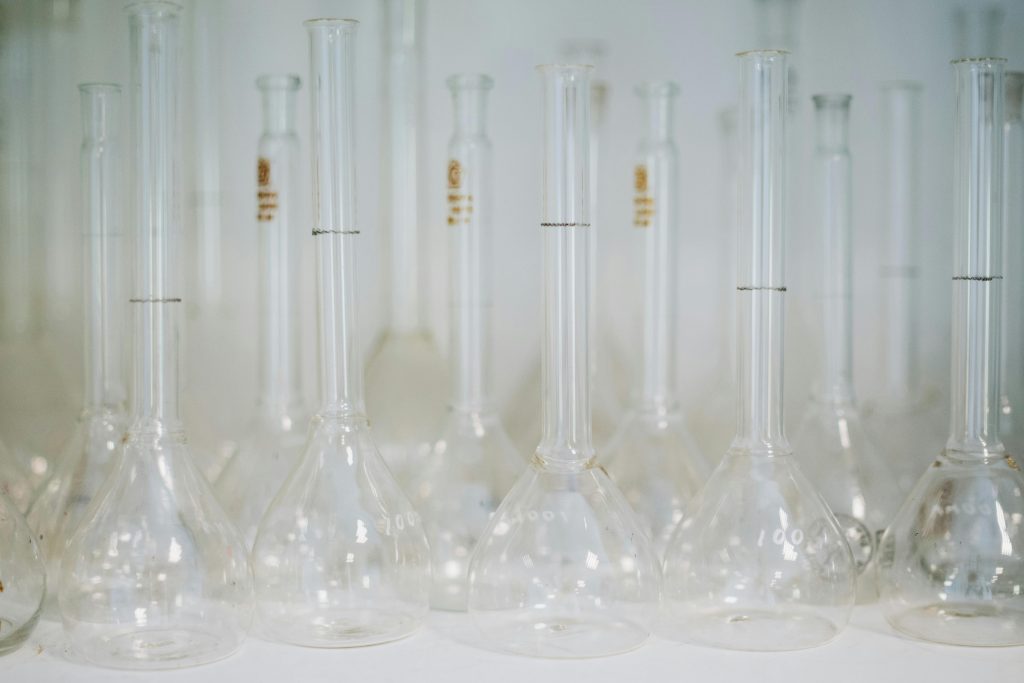
Volumetric flasks – a regular sight on placement. Photo by Mikhail Nilov on Pexels.

There was a lot of training I had to complete before I was able to perform any analysis. This involved reading and being signed off on all standard operating procedures (these basically told you how everything was done) related to the task. This took a very long time due to the amount that there were, so the first few weeks were not the most exciting. It got much better when I started my practical assessments for the analytical techniques. Then I could complete analysis on products. 

I was trained in a range of analytical techniques; dissolution, content uniformity, assay and related substance, water content (Karl Fischer titration), water activity, appearance, hardness, and disintegration. Some of which had to be analysed by high-performance liquid chromatography (HPLC) (or ultra-performance liquid chromatography (UPLC)) or UV-Vis spectroscopy, all of which I had to be trained on. Over the year I managed to gain lots of experience with each of these analytical techniques. 

Even though this was a chemistry-based role, placements provide training to ensure you are confident in your role. So, if you are thinking about applying to a role that isn’t directly linked to your degree I’d still recommend applying! 

Being a placement student

Despite being the only placement student on the site, I never felt out of place. Everyone was really friendly and made me feel welcome as soon as I started. As placement roles are usually similar to graduate roles, I worked with a lot of people who were also starting their first full-time job, which helped with my transition into the role. 

Outside of my placement, every Thursday me and some of my colleagues would go to the local climbing centre to relax and catch up outside of work. This made my placement year so much more enjoyable and helped me discover a new hobby I really enjoy! 
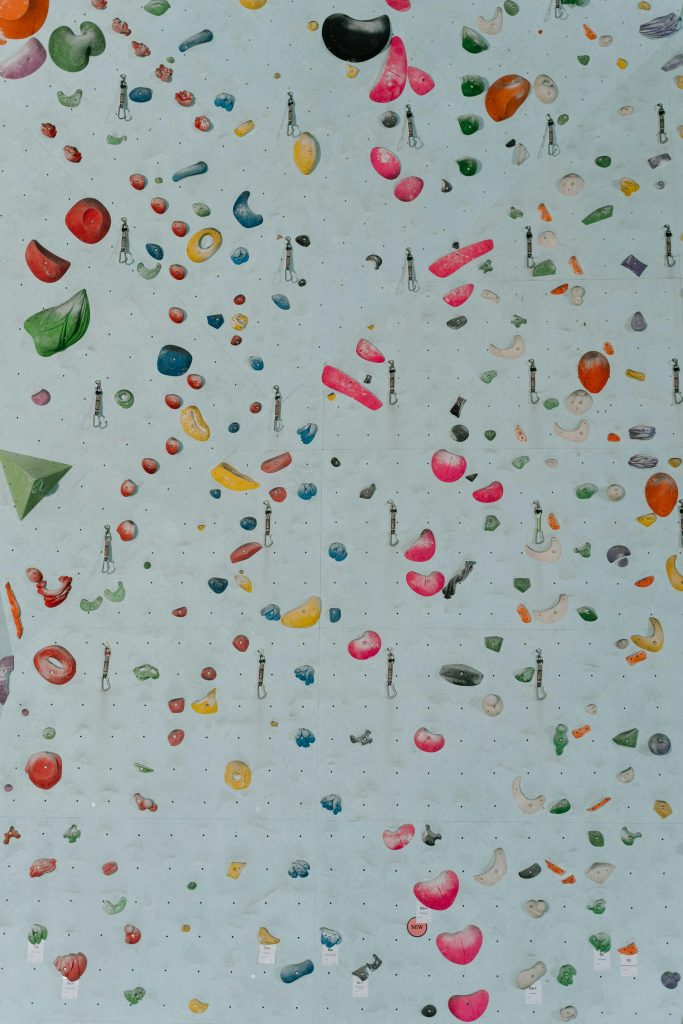
Discovering a new hobby in climbing – a good way to decompress after work! Photo by cottonbro on Pexels.

Do I recommend doing a placement year?

Definitely! I learnt so much during my placement and learnt how to use many bits of fancy (and expensive) equipment that I wouldn’t have done if I’d gone straight into my final year. Pretty much all placements are paid too which can help reduce some stress for your final year. The experience you gain from your placement will help when applying to graduate roles. It’s also possible to be offered a job where you completed your placement for when you have finished your degree! So, if you are considering applying, I’d highly recommend it! 

If you’re applying to placements, good luck! Photo by Jon Tyson on Unsplash.
Placement years: there are more options than you think!

By Megan Groves, BSc Biomedical Genetics with Professional Placement Year

Hi, I’m Megan and I’m a Biomedical Genetics student at Newcastle. I was very lucky to be able to undertake a unique type of placement year and learn more than I ever could have imagined! 

I find it so much easier to learn new skills while working and being able to apply my knowledge in real time so I knew a placement would suit me perfectly. I applied to a few placements advertised through the university, but none really spoke to me. I wanted to see if I could find other options, so I typed “Genetics UK” into Google and cold-emailed the first 5 pages of companies that came up. Luckily, Gemini Genetics was among the ones that answered!  

After a phone interview, I travelled to Shropshire for a trial day, and I was easily convinced that I would really enjoy my time there.  

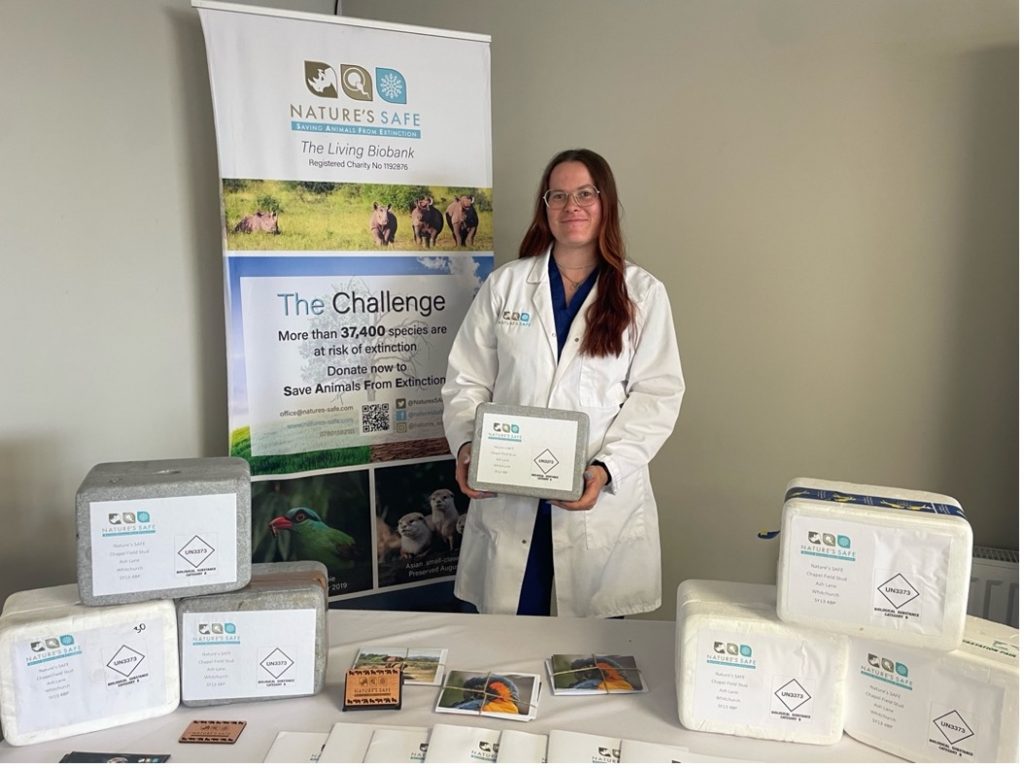
Social media promotional posts for charity Nature’s SAFE.

The placement I undertook was quite particular as I worked part time for 2 very different companies that operate on the same site. The first one, Gemini Genetics is a company that offers genetic preservation and cell culture services for pet owners who wish to clone their cats, dogs or horses. It is a very small company, so I was able to get involved in a lot of projects and make progress quickly.

My job involved everything from data management, contact with clients and social media marketing, to genetic preservation sample processing, cell culture work, liquid nitrogen handling and all lab work for sister charity Nature’s SAFE – a charity that endeavours to save animals from extinction by cryopreserving samples from hundreds of endangered species.

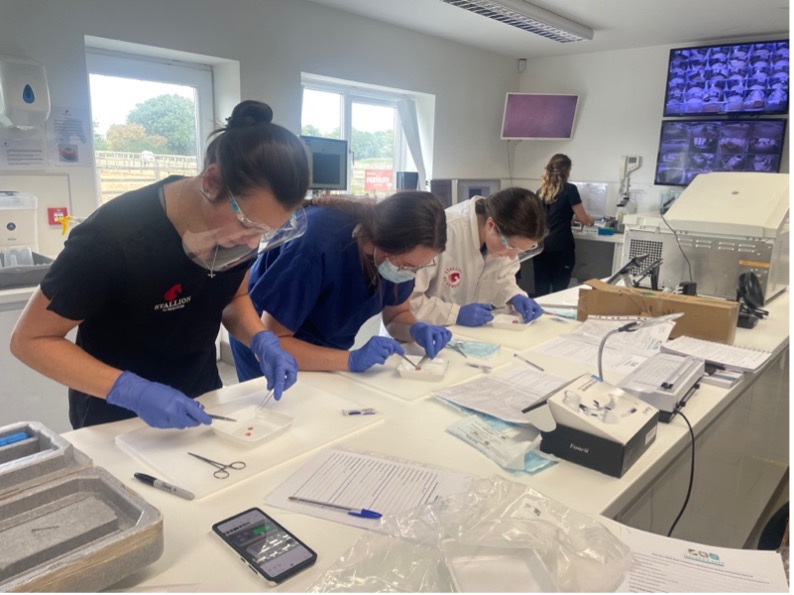
Performing an epididymal semen extraction on squirrel monkey tests for charity Nature’s SAFE.

My second job was working for Stallion AI Services, a world-renowned company in the field of equine breeding. I spent 2 days a week working on the yard as a stud groom, taking care of the stallions as well as learning about semen collection and processing. This allowed me to have a very varied workload, going from physical yard work in the morning to lab work in the afternoon multiple times a week. The team working with the stallions was also incredibly warm and welcoming and it felt very rewarding to become a true part of it. Stallion AI Services also employed 2 other placement students and as we all lived onsite together, it allowed us to grow very close and make some fantastic memories!

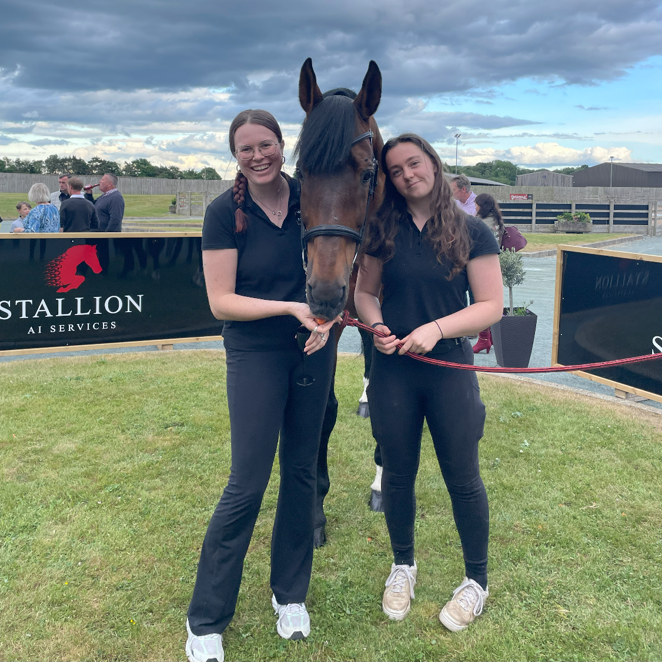
Big Star Movie Premiere Event at Stallion AI Services

Working both of these jobs allowed me to condense so much learning into one short year – building on completely different skills every other day. I thrive on variety and being able to hop from one role to another, sometimes multiple times within a day, was truly the best thing I could have asked for.

Why would I choose to do a placement at a small company?

When you work at a small company, you end up being involved in more aspects of its daily operations and get to see the full scope of your work! At Gemini Genetics, the lab staff included my manager, myself, and one other part-time member of staff. This meant I was able to get fully stuck in with loads of different jobs, from social media to sample processing and client enquiries which meant I was able to be involved in processes from start to finish!

How can I find a placement tailored to me?

Because the placement itself is so unique, there isn’t just one answer to this! For me, I found that really leaning into what differentiated me from my peers and what I could bring to the company was key.

For example, I have a background working in the equine industry from before going to university so I leaned into that when I found the opportunity to do these placements – and I speak French and German which ended up being a massive plus in these companies that have loads of European clients, and not always staff members that are proficient in the languages!

Is taking a placement year beneficial?

I personally cannot put into word how beneficial I think placements are! They teach you so much about yourself as well as the industry you might (or might not!) want to work in. There is nothing like a steep learning curve in a completely new environment to build friendships for life and some hard-earned resilience – especially if you have to be around moody horses in the cold and wet Shropshire winter!

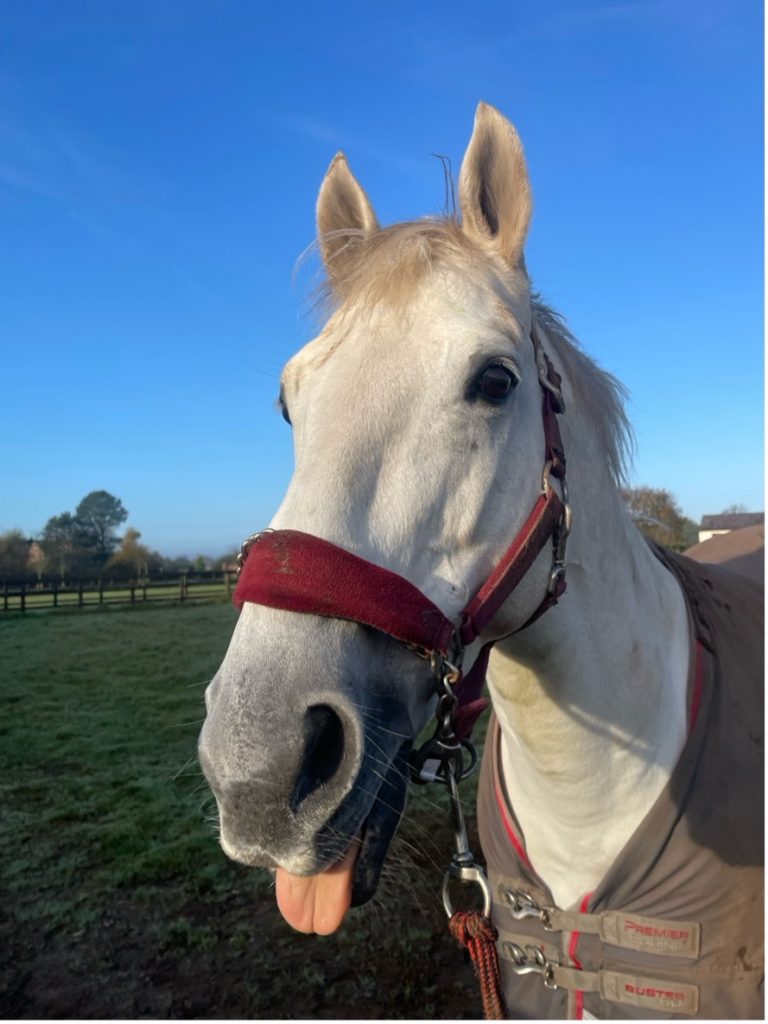
Cloned stallion Murka’s Gem striking a pose.

My Immunology Placement at GSK 

By Laura Butler, BSc Biomedical Sciences with Professional Placement Year

For my placement year, I spent 12 months working for GlaxoSmithKline (GSK) at their Stevenage site.  

I was part of the Respiratory, Immunology and Inflammation Research Unit, who focus on developing medicines for immune-driven diseases including asthma, chronic obstructive pulmonary disease, systemic lupus erythematosus (or just ‘lupus’), and other inflammatory diseases. I worked within the biology team of this research unit, who perform experiments to aid in the pre-clinical development of drugs. I really enjoyed working within the biology unit, as it was clear to see how my research contributed to the drug discovery process, and how it could potentially help patients in the future.  

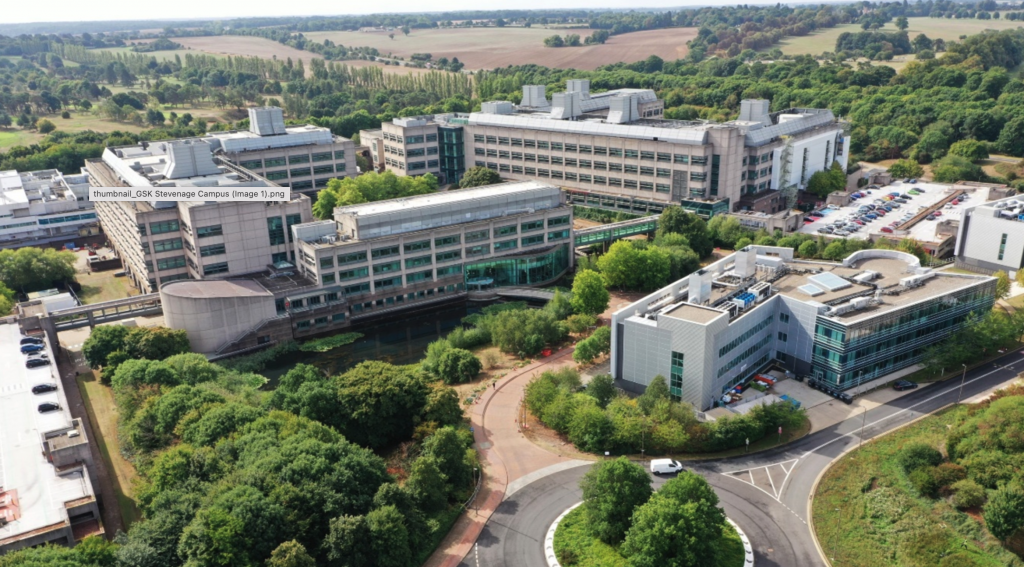
GSK’s Stevenage Campus – home to about 90 placement students each year.

Day to Day

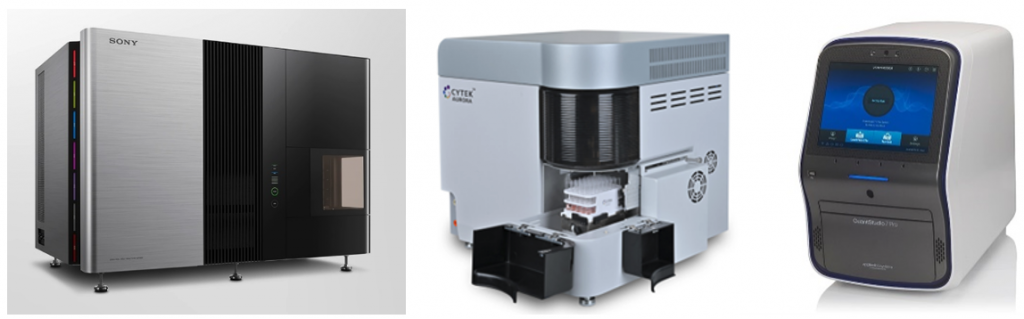
I usually spent a couple of hours in the lab performing experiments each day. I was supervised in the lab during my first month, but then I was able to work independently. I was involved in multiple different projects during my time at GSK, so I learnt a range of lab techniques including cell culture, ELISA (enzyme-linked immunosorbent assay), qPCR (quantitative polymerase chain reaction), and spectral flow cytometry. I also learnt how to design experiments, and to troubleshoot when things go wrong.  

These are some of the machines I used on my placement. Left to right: Sony ID7000 spectral analyser, Cytek Aurora, and the Quant Studio 7 Pro 

Outside of the lab, I analysed the data from my experiments so I learnt how to use multiple data analysis softwares. I then wrote up the method, results, and conclusions of my experiments so the company keep a record of them. I also attended team meetings, where I would often present my results to colleagues from across the company. I now feel much more confident presenting my work and my presentation skills have improved massively. I also attended seminars to learn more about work going on outside my project.  

Adjusting to working a 9-5 job was a big change because I was used to the flexible timetable of university. However, the placement 9-5 meant I could enjoy my evenings, weekends, and holidays without feeling guilty about not doing university work which I really liked. I also really enjoyed designing my own experiments and not knowing the outcome, which I haven’t been able to do at university yet.

Volunteering

Whilst working for GSK, I participated in the Leaders in STEM program, which involved running weekly sessions for year 12 students at a local school. I worked with other placement students to deliver several sessions about STEM topics, such as bioinformatics, drug discovery, STEM careers, and genetics, and we also ran several practicals.  

The students then planned a presentation on a topic of their choice which they delivered at a symposium at the GSK site to students from other schools. We delivered sessions on presentation skills, referencing, and how to find reliable sources to help them plan this presentation, and then they delivered it in front of us and we provided feedback. This experience helped me feel more confident mentoring and teaching other people, and it was a very rewarding experience.  

Life on Placement

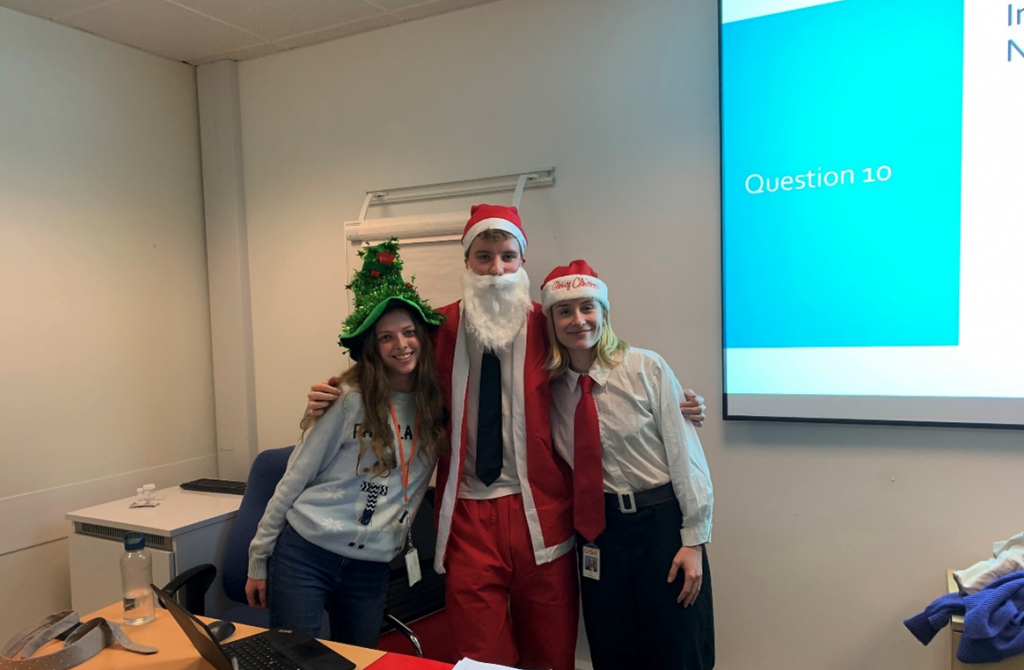
Outside of the lab, I also helped organise a Christmas quiz for my team alongside the other placement students which was really fun and our team enjoyed it! 

Picture taken at the Christmas quiz. Pictured left to right: Laura Butler, Nathan Whitty, Vera Kjellberg.  

The placement student committee organised pub quizzes, a ball at the Gherkin in London, and a boat party. There are about 90 placement students at the Stevenage site so I still felt that I had a student community whilst on placement. Stevenage is well-connected with cities such as London and Cambridge, so me and the friends I made on placement were able to go to Thorpe park, Kew Gardens, the theatre in London, punting in Cambridge etc. 

Pictures from visits to (clockwise from top left): Thorpe Park, Notting Hill, Tower Bridge and the Houses of Parliament.

Advice

I was nervous leading up to my interview for this placement year, so I wrote out answers to common interview questions using the STAR technique and I practiced them, and did some research on GSK and the immunology drugs they have on the market. I also did a practice interview with Dr Beth Lawry, one of the academic placement officers. The preparation I did and the practice interview really helped me in my real interview. 

I am very thankful for this experience and have really enjoyed my placement year. I would like to continue working in the lab after university so the skills I have learnt during my placement will be really valuable. I have learnt a lot about the pharmaceutical industry, and my colleagues have been very supportive and have given me some very useful career advice. I would really recommend a placement year to anyone considering one! 

A year at Pharmaron UK

By Billy James

Most, if not all of you, will have never heard of Pharmaron. Neither had I, till I applied for a placement in their Formulation Development Team. 

A little context 

I first came across Pharmaron when looking for placements back in September 2021. A lecture entitled “Drug Formulation” had sparked my interest in the first few weeks of term, so when I came across Pharmaron’s “Formulation Development” placement I applied straight away.

 In preparation for interviews I did a little research into the company and found out they were a CDMO, or contract development and manufacturing organisation. Essentially, Pharmaron take on client contracts for anything ranging from drug discovery all the way through to manufacturing drug product for clinical trials.

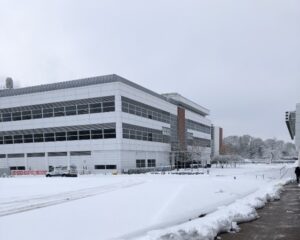
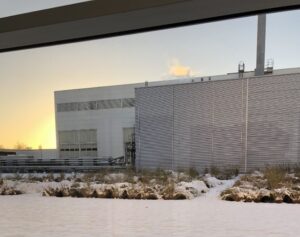
Two of the buildings at Pharmaron’s Hoddesdon Site

My Placement

The placement itself was a 12-month stint within the formulation development team at the company’s site in Hoddesdon (I still wouldn’t be able to point this out to you on a map!). During the year, I was exposed to and involved in much more than I expected. If, like me, you expected a year of photocopying and running errands, then think again.

I couldn’t believe how soon I was thrown in the deep end! The CDMO work environment is very dynamic, any minute a client can email in a request to change or add to a contract and then its all hands on deck to get the work done. After only a few weeks of training (and reading lots of documentation), I was straight into helping my supervisor with the production of a batch of tablets for stability testing. And that was only the start.

Some examples of things I did while on placement include: qualification of fridges, freezers and digital clocks (yes, even clocks have to qualified in a GMP environment), production of stability batches (many, many tablets and capsules), installation and set up of new automatic balances (terrifyingly expensive pieces of kit) and completing a case study for the team.

The case study

Case studies are carried out on topics the team have little experience in or to show off their expertise to potential clients.

A case study I was asked to complete while on placement looked at tablet coatings. Specifically, the team wanted to learn more about (and show clients we knew about) titanium dioxide free coatings and how they compared to regular, titanium dioxide containing coatings. I won’t bore you with the legislative details, but to make a long story short, the EU may ban this compound from tablet coatings. This would be a bad thing as it would mean many drug shortages and discontinuations, as it has many very useful properties. Other compounds with similar properties simply do not exist.

I was given free reign on how to complete the case study, which gave me a real sense of pride as the team felt confident enough in my abilities to complete this important piece of work for them. Completing the case study also gave me an excellent piece of work to write my Placement Report on.

Another opportunity which arose from completing this case study was submitting a poster and abstract to the APS (Academy of Pharmaceutical Sciences) to present at their annual PharmSci conference.

APS and PharmSci

After completing my case study and placement report, and as my placement was coming to an end, my supervisor suggested submitting an abstract and poster of my work to the APS for their PharmSci annual conference.

I thought this was an amazing opportunity which I couldn’t pass up on, so in the last few days of my placement I worked hard to prepare both a poster and abstract detailing the work we had completed on the case study.

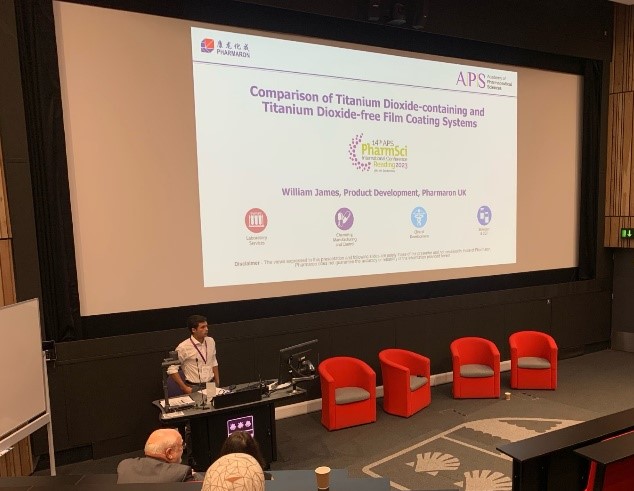
To my surprise, both were accepted for presentation at the conference, and the abstract was also selected for an oral presentation (at the time this terrified me, but I soon realised it was an amazing opportunity)!


Attending the (all expenses paid!) conference was truly the highlight of my year, and being able to present the work I had spent many months on was an extremely proud moment.

Presenting at the APS PharmSci conference

I can’t recommend doing a placement enough, irrespective of if it involves lab work, office work or a combination of the two, it really is a fantastic and formative experience. Not only do you get paid (usually quite well!) for a year, but you also learn and are exposed to so many new things which could eventually be what you decide to do when you leave university.

If you are in two minds over doing a placement or not, take this as a sign to go for it!

You won’t regret it!

Overview of my GSK placement year

By Lauren Wheeler, Stage 3 Biomedical Sciences

During my placement, I worked at the GSK R&D site in Stevenage as a placement student within the SPMB department (Screening, Profiling and Mechanistic Biology). SPMB works on assay development, compound profiling and mechanism of action studies.

My role involved automating a 3D hepatotoxicity assay by creating a model to validate a fully integrated platform in order to move the manual assay onto the platform, as well as running a biweekly safety screening assay.

When starting my labwork, I was supervised but I was allowed to complete the work myself which I found very beneficial as it allowed me to make mistakes which I could learn from. I found myself able to start completing my own experiments independently a lot faster than I expected to. Everyone in the lab was also very helpful and was always willing to help or answer any questions when I got stuck.

During my time at GSK, I also got to take part in many other activities alongside my project work which allowed me to gain and improve skills, to network and improve relationships with other IPs (industrial placement students) as well as other GSK employees.

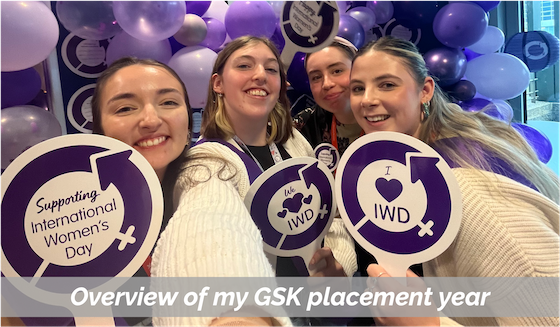
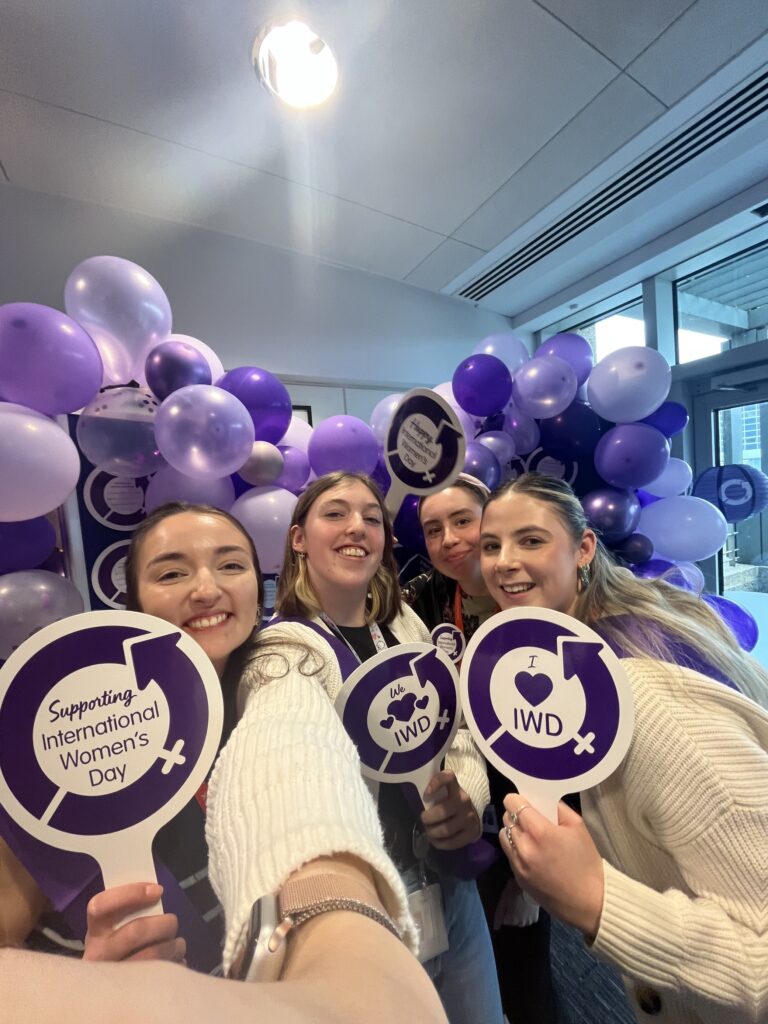
Myself and some other committee members at the International Women’s Day selfie corner – names of people from left to right: Francesca Dale, Lauren Wheeler, Lydia Haines, Neve Richardson

I became a committee member of both the Women’s Leadership Initiative (WLI) and the Stevenage hub committee. With both, I worked with other IPs and members of the committee to organise events such as International Women’s Day and the employee appreciation cookie post.

I was head of logistics for International Women’s Day in which I held key responsibilities in organising attendance numbers, booking catering, setting up market stalls with other employee resource groups at GSK and setting up of the lecture theatre for the event. The event included 2 talks and a panel which were all very insightful and turned out to be a great success with many attendees. I was also rewarded a recognition award (R&R) for my contribution.

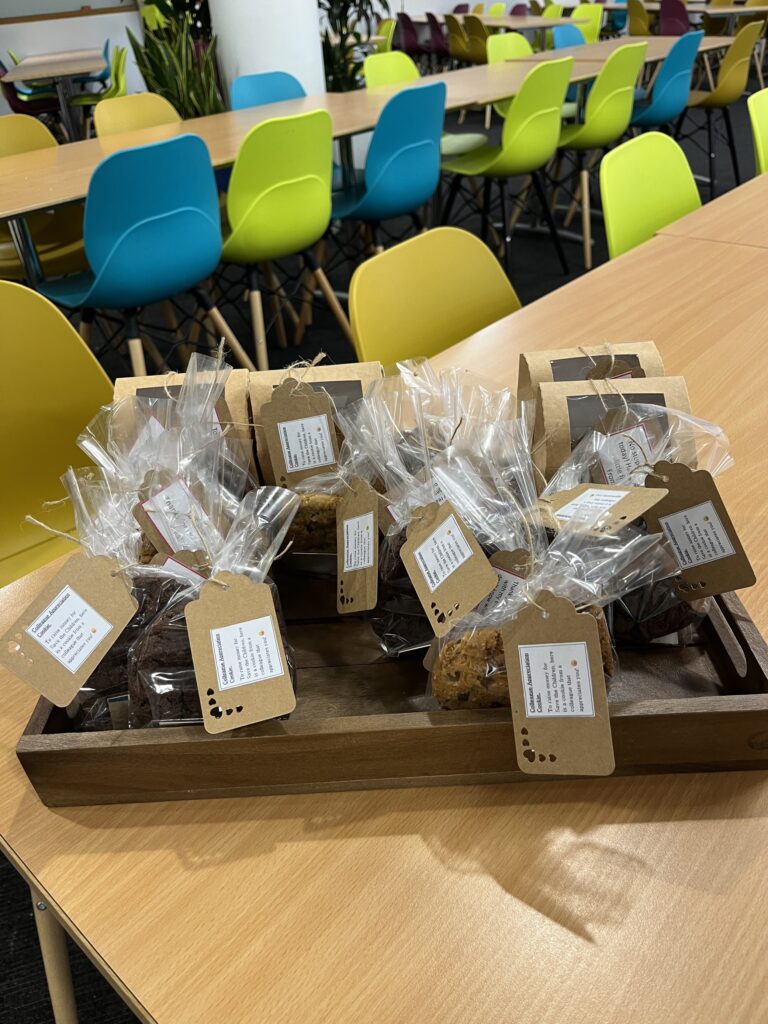
I also worked with another IP to organise the employee appreciation cookie post in which GSK employees could donate £2 to save the children which would allow them to send a cookie along with a message to another GSK employee. These were delivered by hand by us, so it was really nice to see how happy and thankful people were when receiving a cookie.

Basket of cookies labelled for each person ready to be delivered

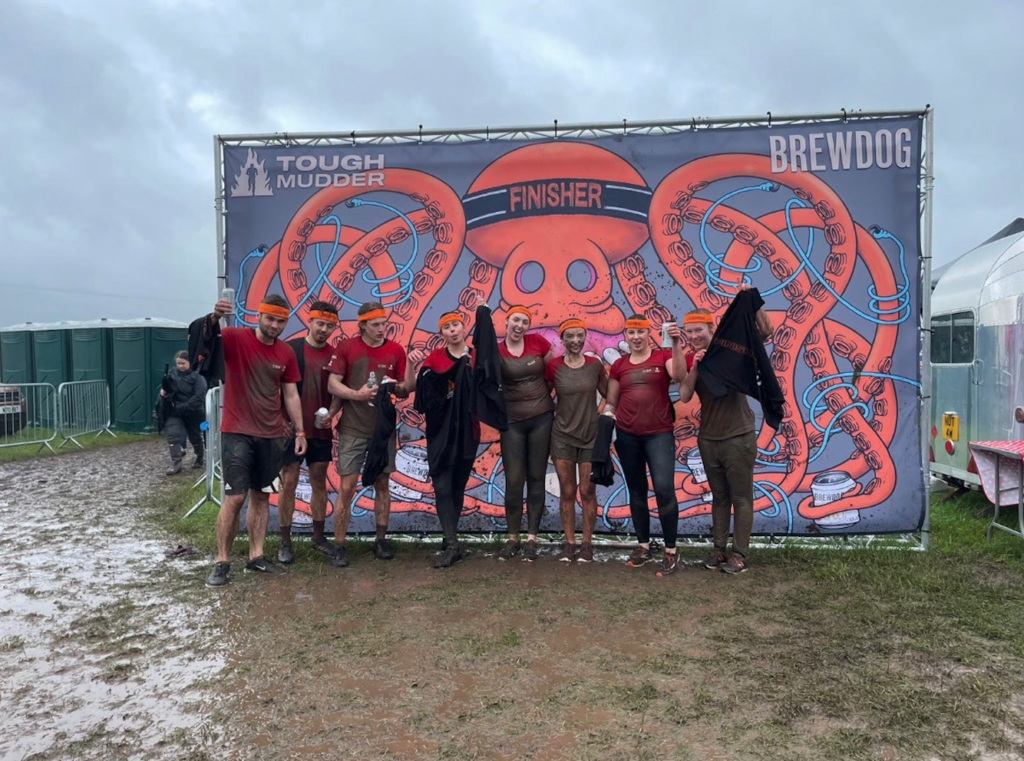
I took part in the Tough Mudder challenge in May 2023 with around 30 other GSK employees in which we raised £350 each and completed a 15km run with 30 obstacles. This was a difficult challenge however we stuck together as a team throughout the course, and it felt like a big achievement once we completed it.

Myself and other GSK employees after finishing the Tough Mudder – names of people from left to right: Ross Biddulph, Samuel Pearson, Jake Brett, Lydia Haines, Lauren Wheeler, Francesca Dale, Neve Richardson, Rebecca Glenny

I was also a part of a netball team at GSK where we trained once a week on a Wednesday, it was a mixed team with members from across the GSK Stevenage site. We took part in a match against the Ware site, which we won as well as a charity tournament, all of which were great experiences to take part in.

During this year, I have also had the chance to take part in IP collaboration events. I attended an IP organised presentation session every 2 weeks in which IPs across different departments presented about their projects as well as discussing any issues they had been having. This was a good opportunity to network and learn more about other departments work.

Myself and some other IPs attending an IP collaboration presentation session – names of people from left to right: Neve Richardson, Lauren Wheeler, Francesca Dale

We also had a lab tour exchange with the Ware site in which I helped in touring the IPs around the labs I worked in as well as going to the Ware site for a tour. It was insightful to see the later stages of the drug development process.

Overall, this placement year has been an invaluable experience in which I have been able to learn and experience far more than I could have expected when I first joined. I have gained many new skills and have really increased my confidence. I’d highly recommend a placement at GSK! Check out their Early Career talent site here for more information.

From One First Year Student to The Next

By: Caroline Elaine

I’ll give you a little teaser of your first year at Newcastle University if you’re planning to study at BNS school.

When I was giving the offer holders’ students a tour of the school, I noticed that some of the questions they asked were quite similar. For example, how are the lectures, what modules are we studying, and so on.

Therefore, I’ll go over some of the things I believe you should all know. Hopefully, after reading this, you have a better idea of how your first year of university will go. Okay, let’s get started! 

Continue reading “From One First Year Student to The Next”

Partners: more than just a summer school

decorative header photo introducing foreword by Dr Damian Parry

I have been leading the Partners programme in the School of Biomedical Sciences (as it was then) since 2014 – and have enjoyed every moment.

In “normal times” it’s a great opportunity for students to come onto campus and experience university life in a “snapshot”. It’s my ideal that the experience will minimise fear of the unknown, seeing that Newcastle University’s School of Biomedical, Nutritional and Sport Sciences is a place where students can feel at home, see themselves thriving and anticipate a great 3 or 4 years ahead.

Obviously, last year and this year things have changed, and we’ve had to move the provision totally online, but hopefully there is still a chance to see what university life will be like, meet future colleagues in studies and members of staff, and get to know each other.

Continue reading “Partners: more than just a summer school”