Global Accessibility Awareness Day (GAAD) is an international event intended to get everyone talking, thinking and learning about digital accessibility and inclusion.
This year the event will be held on 15 May 2025.
To honour GAAD, we will be posting a series of blog posts and videos highlighting issues and provide guidance on accessibility issues (more on that later in this post).
Let’s begin by exploring what digital accessibility means, identifying the individuals it affects, and challenging common misconceptions about accessibility.
What is Digital Accessibility?
Digital accessibility refers to the ability of people with disabilities/impairments to independently consume and/or interact with digital.
This can include web content and applications (including on mobile devices).
The Diverse 21st Century Learner
Digital accessibility is often perceived as a set of practices aimed solely at helping individuals with disabilities. However, accessibility is much broader and benefits everyone, regardless of their abilities or circumstances. By incorporating accessibility into digital design, we create inclusive environments that enhance usability and convenience for all users.
Our learners come from a wide range of backgrounds, each with unique needs shaped by their individual circumstances. Unfortunately, these needs are sometimes overlooked, particularly in terms of accessibility.
These learners could include:
Learners with Visible Disabilities
This can include individuals with visible disabilities, such with mobility impairments, visual impairments, or hearing impairments.
Learners with Invisible Disabilities
This could include users with invisible disabilities, such as cognitive impairments, mental health conditions, or chronic illnesses.
Learners with Temporary Disabilities
Users experiencing temporary disabilities, such as a broken arm or temporary vision impairment.
International Students
Students from different countries who may face language barriers and cultural differences.
Professionals Seeking more Education
Working professionals looking to further their education.
Learners with Different Preferences
Users with specific preferences, such as those who prefer dark mode or larger text.
Parents
Parents who may be juggling multiple responsibilities and need efficient and accessible digital tools.
Commuters
Individuals who frequently travel and use digital tools on the go.
Learners Who Use Mobile Devices
Users primarily accessing digital content via mobile devices.
Offline Users
Users who prefer or need to access content offline due to limited internet connectivity.
With knowledge of who our potential learners could be, we can help create digital content that is accessible and helps towards meeting their needs.
What is Happening This Week
To help our colleagues and students at Newcastle to engage with accessibility content, colleagues in the Learning and Teaching Development Service (LTDS) are going to be sharing blog posts each day during this week on Digital Accessibility.
Schedule of Posts
Tuesday 13th May 2025 – Document Design Fundamentals
Wednesday 14th May 2025 – Creating Accessible Videos in Recap (Panopto)
Thursday 15th May 2025 – Anthology Ally in Canvas
Friday 16th May 2025 – Accessibility Resources Available at Newcastle University
Global Accessibility Awareness Day (GAAD) takes place on the 3rd Thursday of May each year. Individuals are encouraged to take an hour to experience first-hand the impact of digital accessibility (or lack thereof). This year GAAD takes place on Thursday 15th May.
Participate Directly
There are many ways to get involved. The GAAD webpage recommends ways that individuals can participate directly– for example, you can:
Think about how you can make your events and meetings more accessible – whether it’s the moment you start planning, writing communications, and looking at how these are hosted (online, in-person or hybrid).
The GAAD webpage also shares how we can spread awareness. One of the suggestions is sharing blog posts. To help our colleagues and students at Newcastle to engage with accessibility content, colleagues in the Learning and Teaching Development Service (LTDS) are going to be sharing blog posts each day during the week that GAAD falls in (week of 12th May). We will be writing and sharing content for you to engage with, including additional resources available to you, around digital accessibility.
Resources
There are plenty of resources you can use to get started and learn about how you can make further considerations around accessibility and encourage others to do the same. You can check out the following resources available at Newcastle:
On March 5th 2025, Disability Interest Group and Christian Lawson-Perfect, with support from LTDS, hosted the first Digital Accessibility Demo day in the Boiler House on the central campus of Newcastle University.
We were very pleased with the high turnout of attendees. It was wonderful to initiate conversations with colleagues about accessibility awareness and the importance of creating inclusive environments.
Attendees were greeted on entry and encouraged to take away a series of handouts giving accessibility advice prior to visiting one of the stations.
People from LTDS, NUIT and the Disability Interest Group were on hand offer support and answer any questions attendees had about digital accessibility.
Sample of Handouts
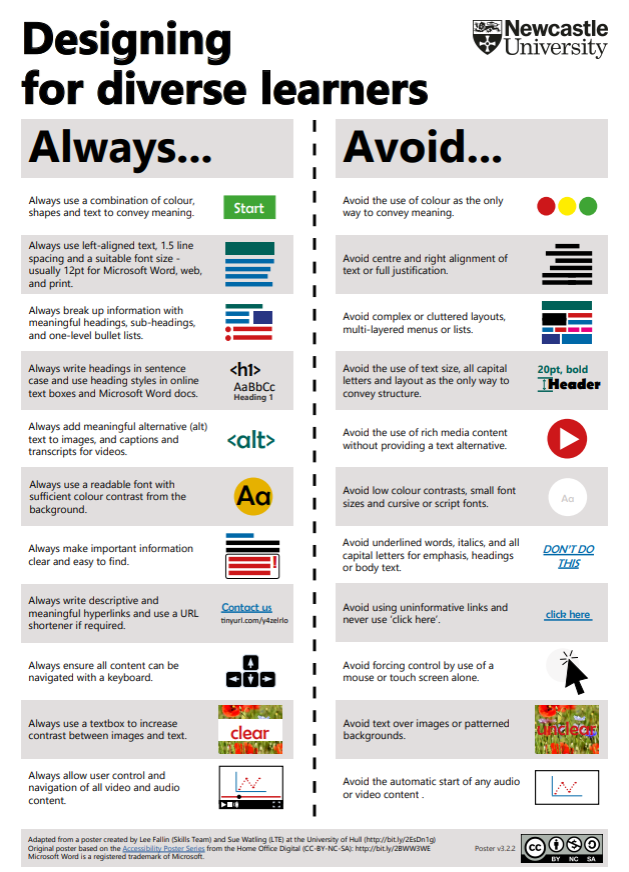
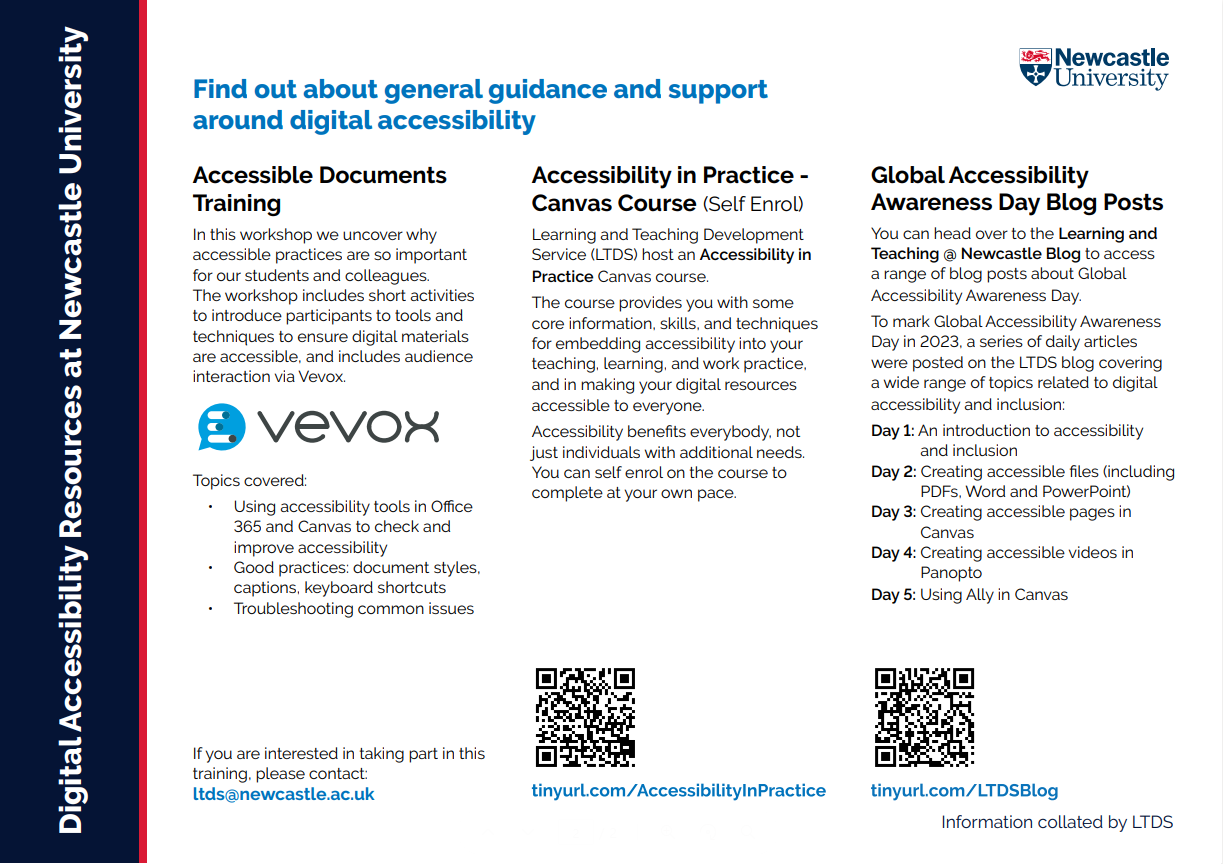
Poster for “Designing for Diverse Learners”Poster for Digital Accessibility Resources at Newcastle University”
You can download copies of these handouts at:
Designing for Diverse Learners – Poster on the what you do and what to avoid when designing content. Digital Accessibility Resources at Newcastle University.
Attendees were also informed of the wide range of digital accessibility resources available on the Digital Accessibility Webpages on the Learning and Teaching Website.
Review of Accessibility Demonstration Stations
We had set up stations that simulated various access requirements and featured different accessibility software for attendees to try out.
Screen Reader
A laptop was set up with a red card covering the screen. Attendees were asked to use the provided headphones and screen reader (NVDA) software to navigate online teaching materials.
After using the screen reader, the red card was removed to reveal the content.
This setup provided attendees with a first hand experience of navigating online materials using a screen reader, highlighting the challenges and solutions associated with this.
NVDA enables blind and visually impaired users to interact with the Windows operating system and many third-party applications through synthetic speech.
Devin Louttit of LTDS testing the Screen Reader Station
Text to Speech Software (ClaroRead)
A station featuring ClaroRead was set up alongside a course created on Canvas with intentionally poor accessibility. This setup aimed to demonstrate the capabilities of text-to-speech software. While ClaroRead was used for this demonstration, many other programs offer similar functionality.
Text-to-speech software converts written text into spoken words using synthetic voices. This technology is designed to assist individuals who have difficulty reading text on a screen, but it can also be used for convenience and productivity.
It was demonstrated how ClaroRead works on the demonstration course, providing attendees with the opportunity to experience the software first hand.
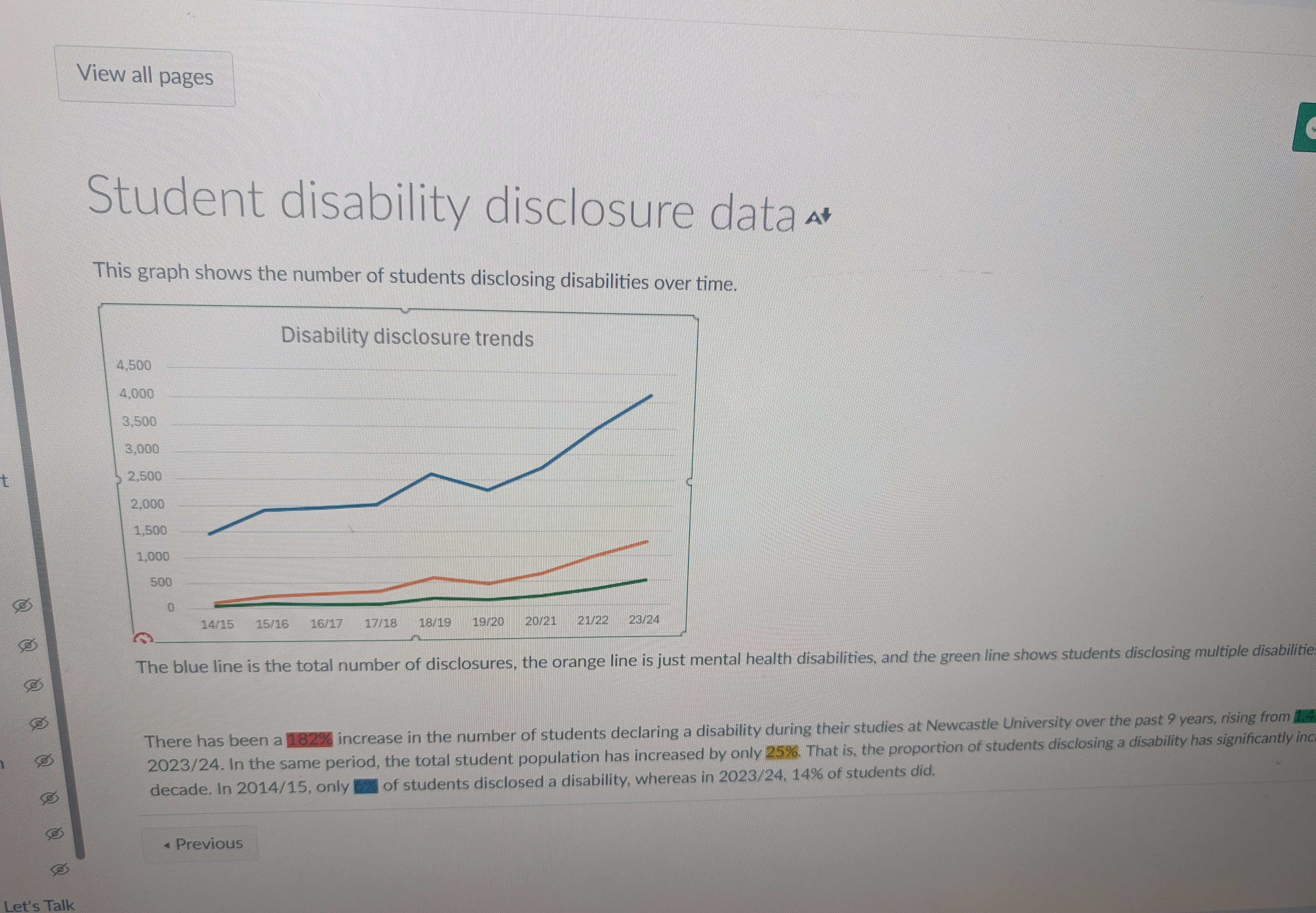
Colour Vision Deficiency
Colour Vision Deficiency (CVD), commonly known as colour blindness, is a condition where an individual has difficulty distinguishing between certain colours.
To demonstrate this, a station was set up with colour filters that removed all colours from the screen, rendering everything in black and white. This setup aimed to illustrate the challenges faced by individuals with CVD and to emphasise the importance of not relying solely on colour to convey meaning. It also highlighted potential contrast issues that could arise if colours were inverted. This also would impact users who print materials in black and white.
By experiencing this simulation, attendees gained a better understanding of the need for accessible design practices that consider colour vision deficiencies.
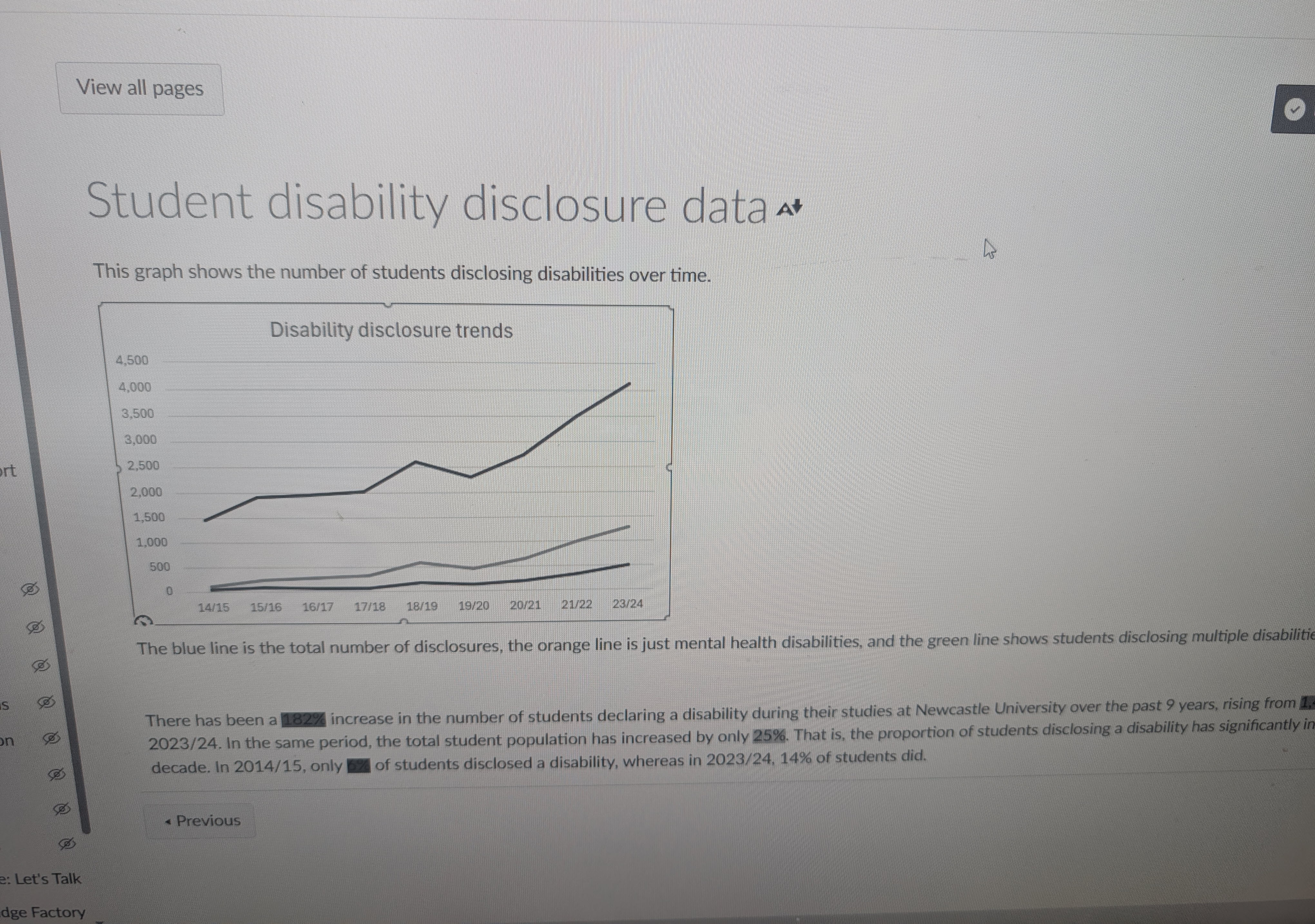
An example was provided of online materials that used colour in a way that could be challenging for users with Colour Vision Deficiency (CVD) to understand, particularly when reading the graph and the highlighted text.
When colour is removed, interpreting the graph and text becomes noticeably more challenging.
Canvas materials in greyscale (with colour removed)Canvas materials with colour
Attendees remarked on the increased difficulty in understanding the content when the colours were changed to greyscale. This experience prompted them to reconsider how they use colour in their own online teaching materials to ensure better accessibility.
Low Mobility
A laptop was set up just out of reach, requiring attendees to use a long stick to access the keyboard. This added level of difficulty was designed to demonstrate the challenges faced by users with mobility issues when accessing content. By experiencing this first hand, attendees gained a deeper understanding of the importance of designing accessible digital environments that accommodate various physical limitations.
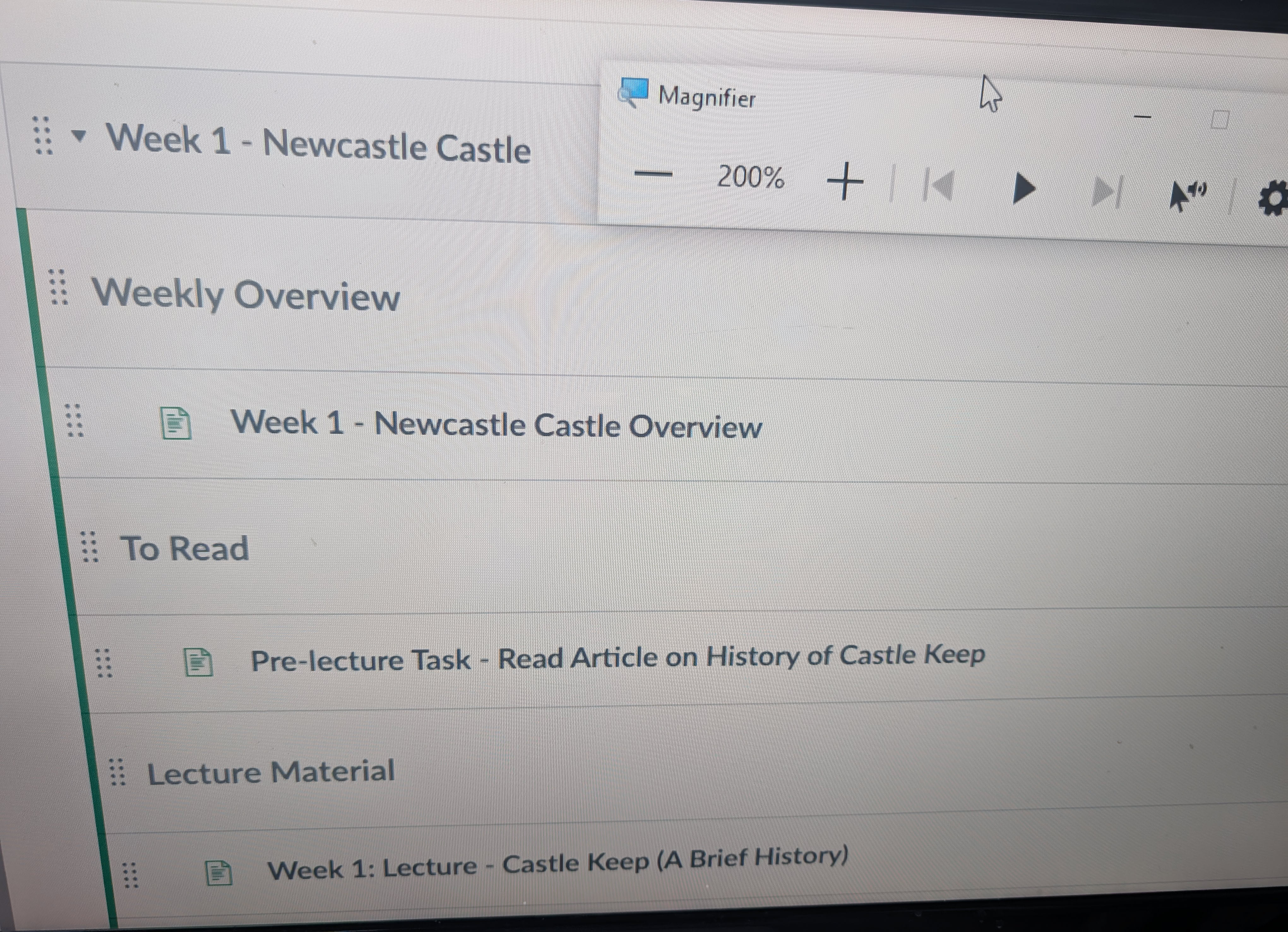
Magnification
A laptop and screen were set up for using the Magnifier in Microsoft Windows. The Magnifier on Microsoft Windows is an accessibility tool designed to make parts or all of your screen larger, making words and images easier to see. This is particularly useful for individuals with low vision.
Microsoft Windows Magnification in action on a Canvas course
Canvas Accessibility Tools
There are numerous accessibility tools built into Canvas and Microsoft Office. At this station, we demonstrated some of the accessibility features in Canvas that can help you make your materials more accessible.
In addition to Canvas, Microsoft Office offers a variety of tools designed to enhance accessibility, such as the Accessibility Checker and Immersive Reader. By integrating these features, attendees learned how to create more inclusive and user-friendly online teaching materials.
Canvas Built in Accessibility Tools
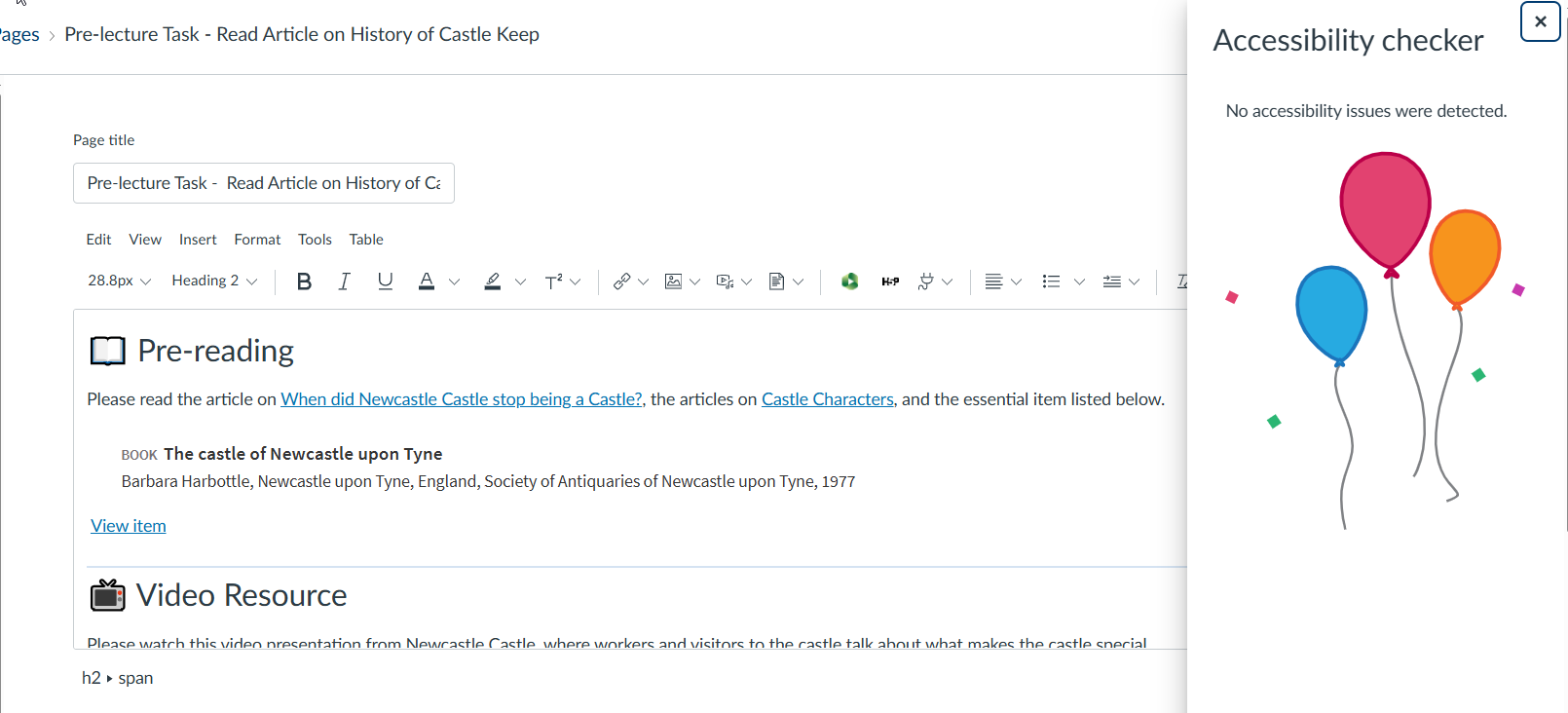
Canvas Rich content editor accessbility checker
The demo included looking at the Rich Content Editor Accessibility Checker which helps identify common accessibility issues within your course content. It checks for issues such as missing alt text for images, improper table structures, and insufficient colour contrast.
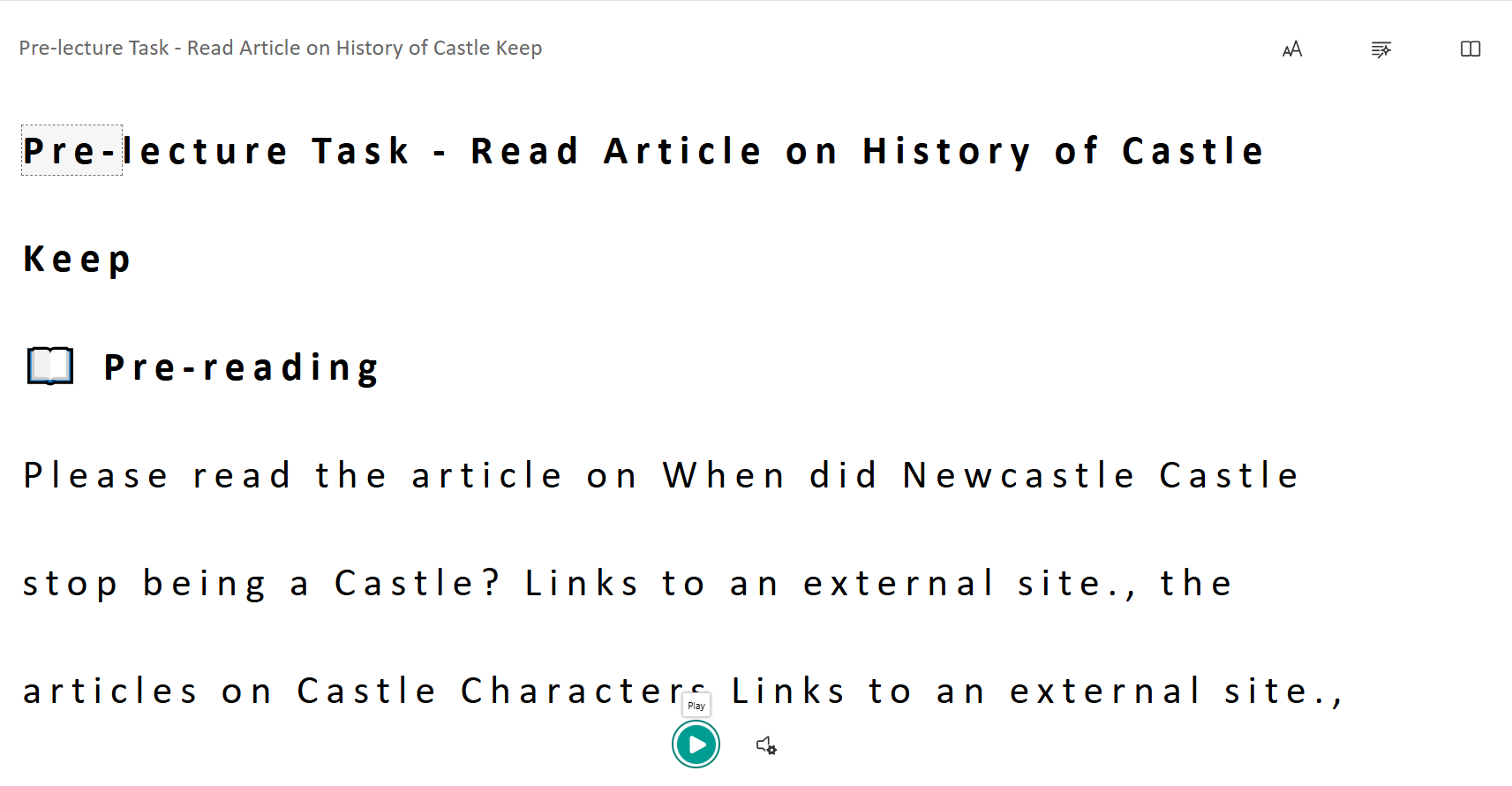
canvas immersive reader
The Immersive Reader in Canvas tool designed to enhance reading accessibility and comprehension for all learners. Developed by Microsoft, it offers features such as text-to-speech, syllable breakdown, line focus, picture dictionary, and adjustable text settings.
The Immersive Reader can be used on various Canvas pages, including the Course Home Page, Syllabus, assignments, and individual pages, helping to create a more inclusive learning environment.
A group of students that attended the event were unaware that this was available and were very impressed with how the tool worked, they said they’d be looking to incorporate this into their future use of Canvas.
Ally Tool with Canvas
The Ally tool in Canvas is designed to improve the accessibility of course content. The key features include:
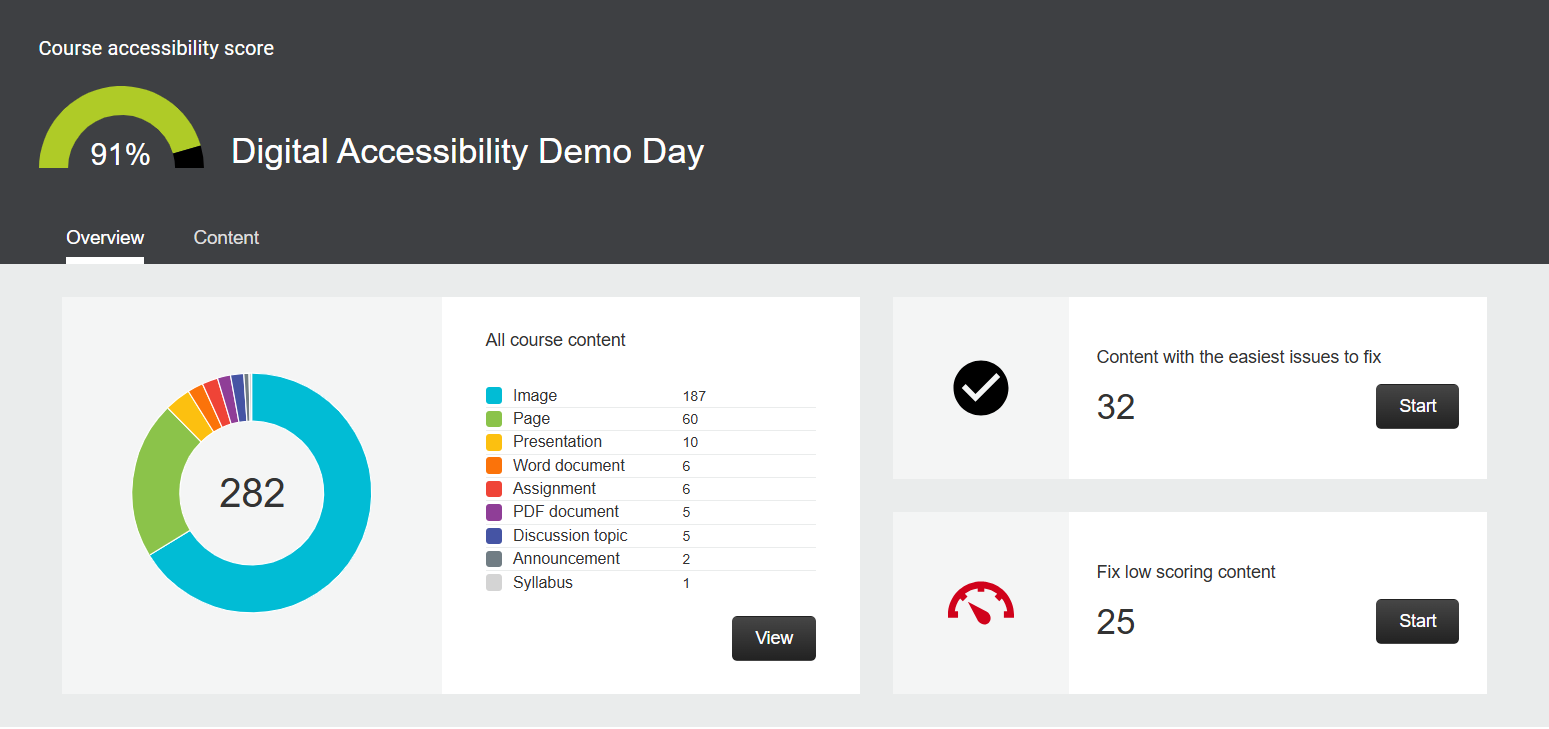
Accessibility Scores: Ally provides detailed accessibility scores for course materials, helping instructors identify and prioritise accessibility issues that need attention.
Instructor Feedback: It offers guidance and support to instructors on how to improve the accessibility of their content, including suggestions and documentation on how to correct barriers.
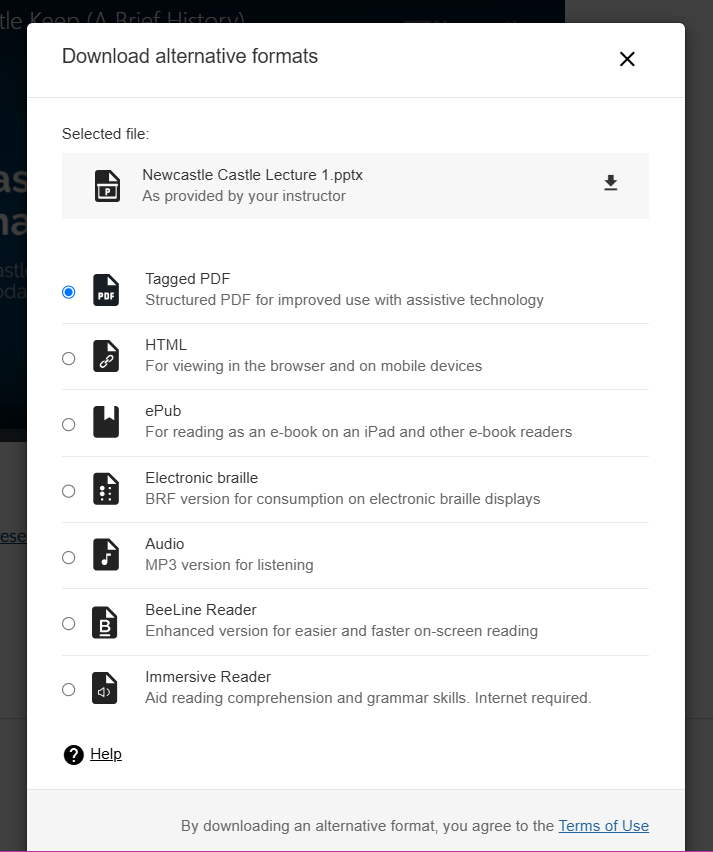
Alternative Formats: Ally automatically generates alternative formats of course content, such as readable text for screen readers, tagged PDFs, HTML, ePub, and audio files. These formats are made available alongside the original content, ensuring students can access materials in the format that best suits their needs.
Some students attending the event had never been introduced to Alternative Formats and were very impressed with their functionality. They were very enthusiastic about incorporating these tools into their studies moving forward.
Microsoft Office Accessibility Tools
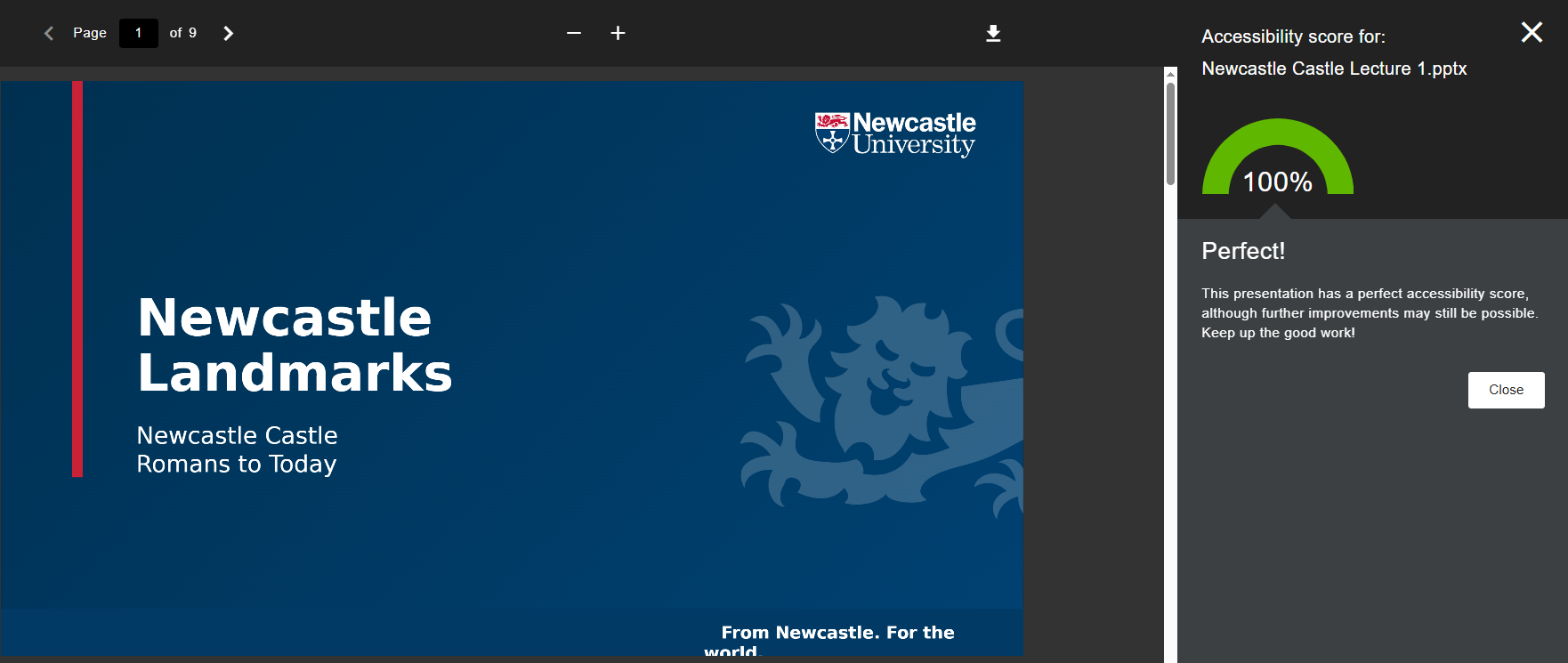
The Accessibility Checker in Microsoft Office is a tool that identifies and suggests fixes for common accessibility issues in your documents and presentations. By scanning your content for problems such as missing alt text, improper table structures, and insufficient colour contrast, it ensures that your materials are accessible to all users. The tool provides real-time notifications and detailed explanations for each issue, helping you understand and address them effectively.
This ensures that content is checked for accessibility before being uploaded to Canvas, which helps improve the course’s accessibility score. Additionally, it can be used to troubleshoot and resolve accessibility issues in existing course materials.
A number of academic and professional service colleagues remarked that they would start using these tools when creating materials following the event as they were easy to use and would save time in the future troubleshooting accessibility issues in uploaded documents to Canvas.
Recap Captioning
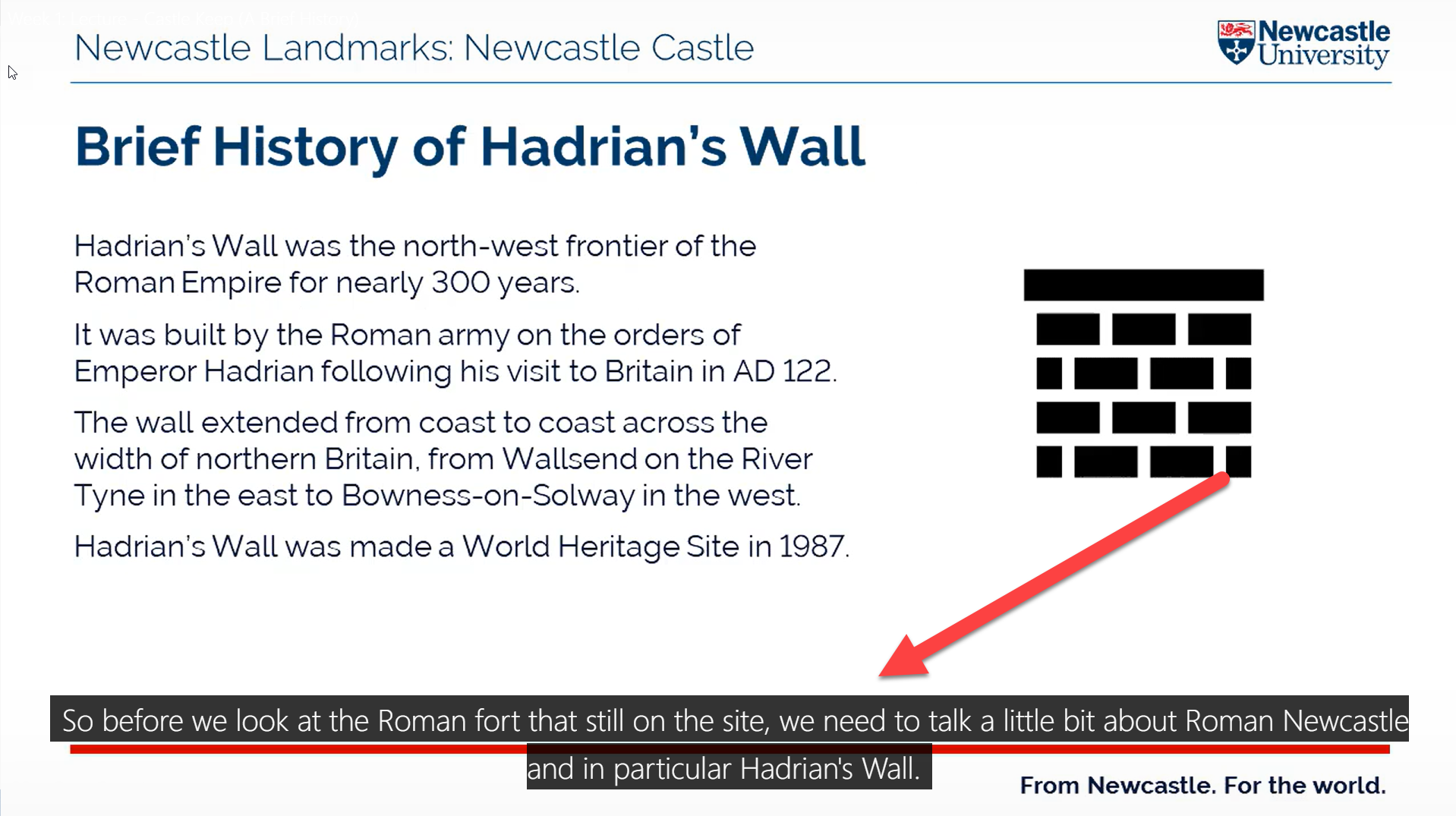
The captioning tool in Recap was also demonstrated. Captions also benefit those who may struggle to understand spoken language due to background noise or where their first language isn’t English.
Additionally, captions support flexible viewing in various environments, such as public places where sound may be disruptive.
It was demonstrated how easy it is to check and alter these captions in your course using the Recap editor.
Sample of Tool Demonstrations
Image of Microsoft Immersive ReaderImage of Canvas Accessibility CheckerImage of Alternative Formats OptionsImage of Ally Canvas Course ReportImage of Ally Tool for file checkingImage of Recap captions
Loiana Leal, Lecturer in Modern Languages, in the School of Modern Languages has recently developed a case study around their use of Inspera for digital assessment via digital examinations in a language module for formative and summative assessments.
Head over to the Case Study database to read all about Loiana’s work of using Inspera in their POR2010 – Level B Portuguese HE Intermediate module.
We have created a new resource with our students to help us create a more inclusive university experience.
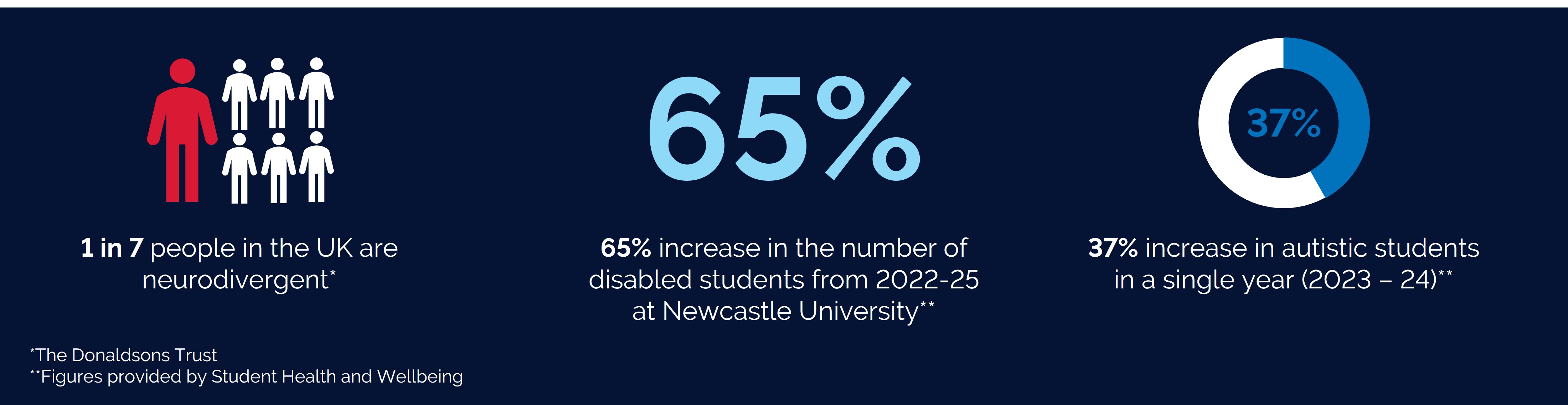
Neurodivergent students are a growing and important part of our university community, yet many still encounter barriers that impact their ability to thrive. With increasing numbers of neurodivergent students enrolling each year, most colleagues will interact with them regularly—whether they realise it or not.
Many of our students struggle with traditional academic structures, unclear expectations, and inaccessible learning environments, often without formal support plans in place. By making small adjustments and genuinely listening to our neurodivergent students, we can create a more inclusive university experience that benefits everyone—not just neurodivergent students, but the entire learning community.
How the Project Started
This project emerged from recognising that student needs are evolving, and traditional academic structures do not always provide the necessary support for neurodivergent students. With funding from LTDS, we collaborated with the Student Health and Wellbeing Team to ensure that student voices remained central to this project.
Hearing Real Student Experiences
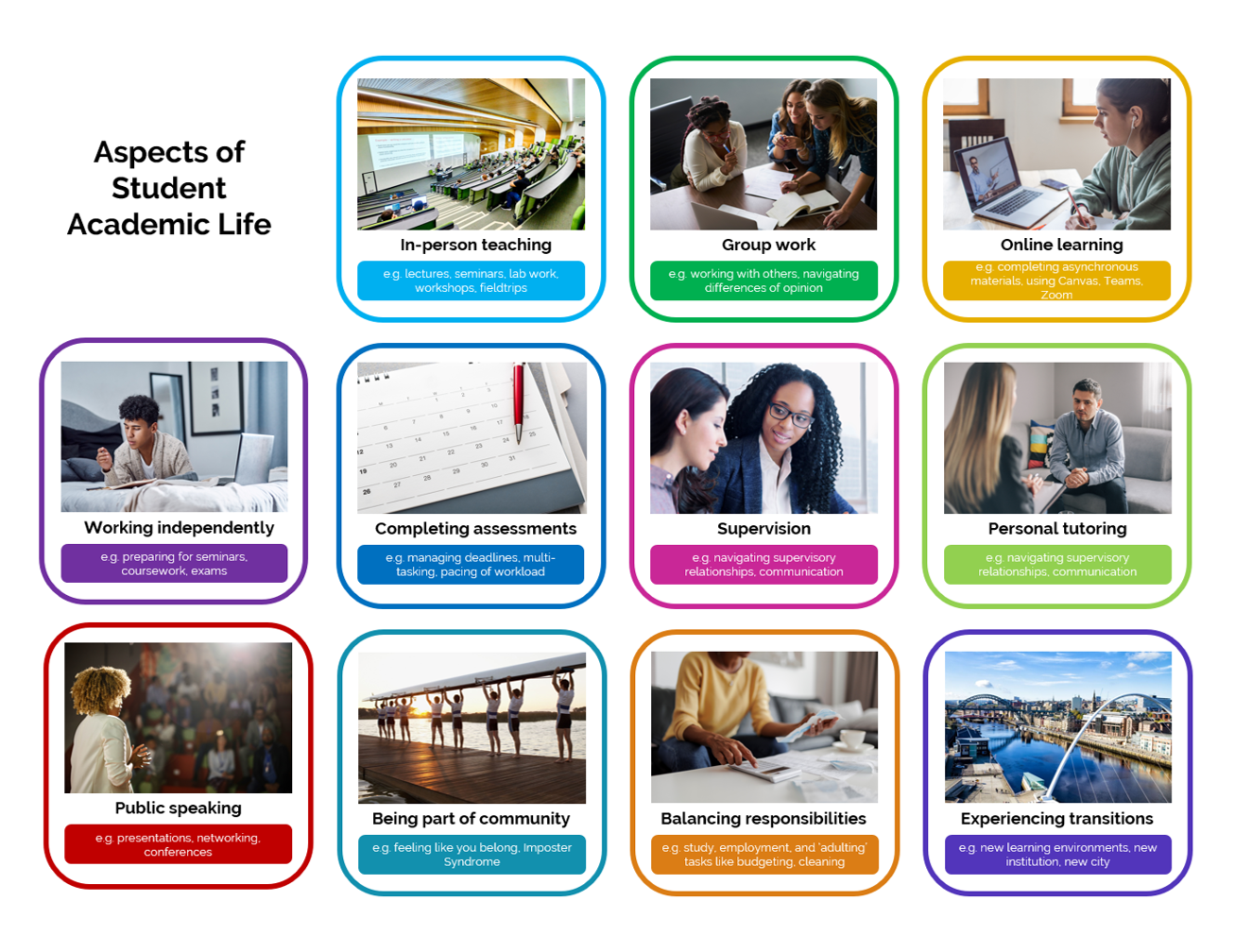
Our key focus was understanding how neurodivergent students experience university life, both academically and socially. We used a framework called Key Aspects of Student Academic Life, which helped us examine crucial areas such as learning environments, social interactions, and overall student wellbeing.
We recruited students through JobsOC, then held relaxed, open discussions where students shared their perspectives on university life—what works, what doesn’t, and what could be improved. Their insights were honest, eye-opening, and full of valuable ideas for change.
Creating a Resource for Staff
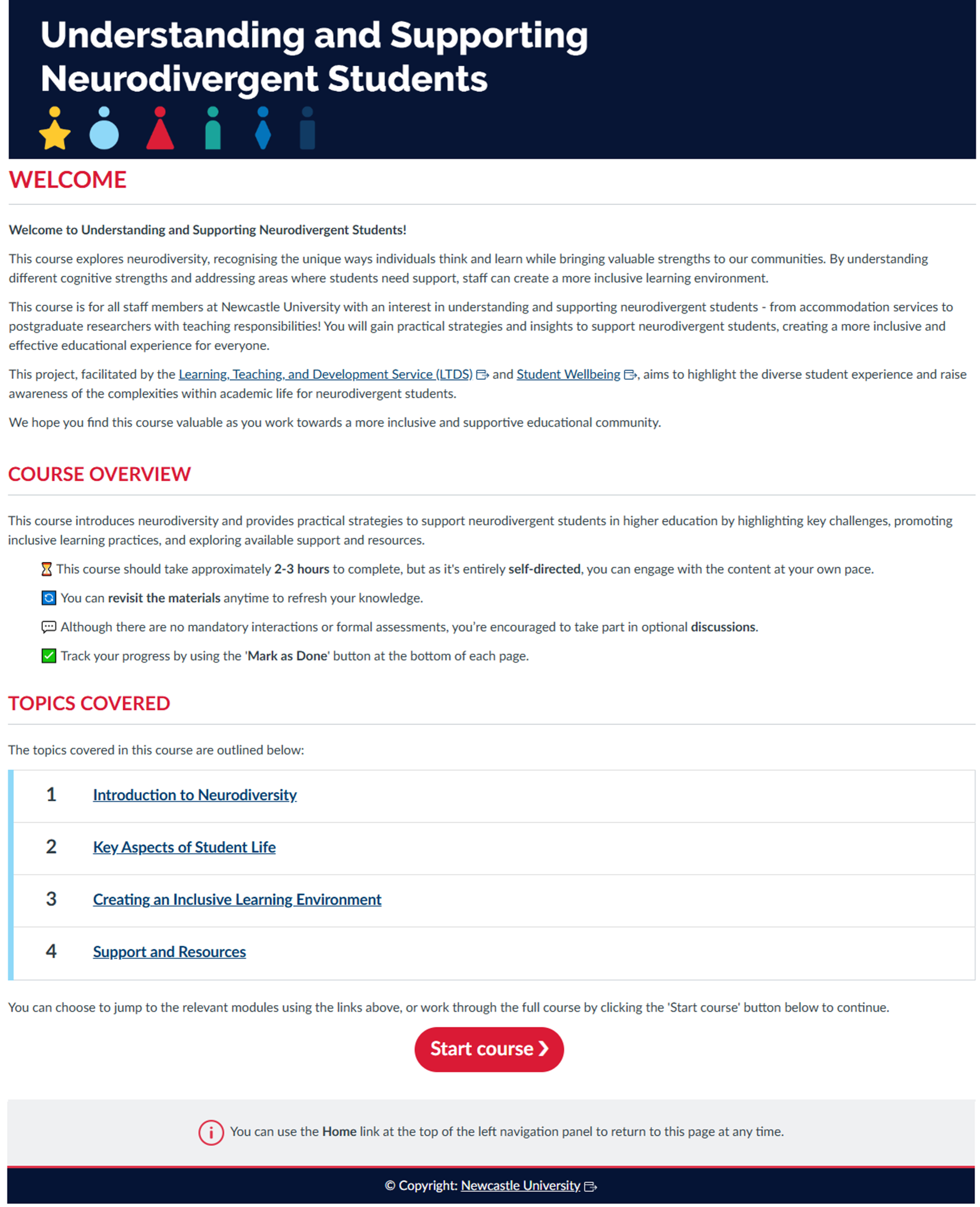
From these discussions, we developed the Understanding and Supporting Neurodivergent Students Canvas course. The course is flexible and self-guided, allowing Newcastle University colleagues to explore the sections most relevant to them. Whether it’s deadlines, adapting to university life, or common challenges, the course offers real student perspectives and practical recommendations for staff.
The course covers a range of key topics, including:
Introduction to Neurodiversity
Key Aspects of Student Life
Creating an Inclusive Learning Environment
Support and Resources
Why Student Voices Matter
One of the most powerful aspects of this project has been hearing directly from students. Many shared not just their struggles but also practical solutions, demonstrating how valuable their voices are in shaping a better university experience.
By listening to students, we have already made positive changes. For example, students told us they like using the Room Finder tool to see what a classroom looks like before attending, as unfamiliar environments can cause significant anxiety. However, many students were unaware of this tool. Thanks to their feedback, we have made it more accessible on the Student Timetables webpage. Hopefully, this is just one of many positive outcomes from this project.
What’s Next?
This project has highlighted the importance of truly listening to students. By ensuring neurodivergent voices are heard and acted upon, we are taking steps towards a more inclusive and supportive university for everyone.
If you are interested in learning more about supporting neurodivergent students, you can self-enrol in the Canvas course using the following link: https://ncl.instructure.com/enroll/B9YKFJ.
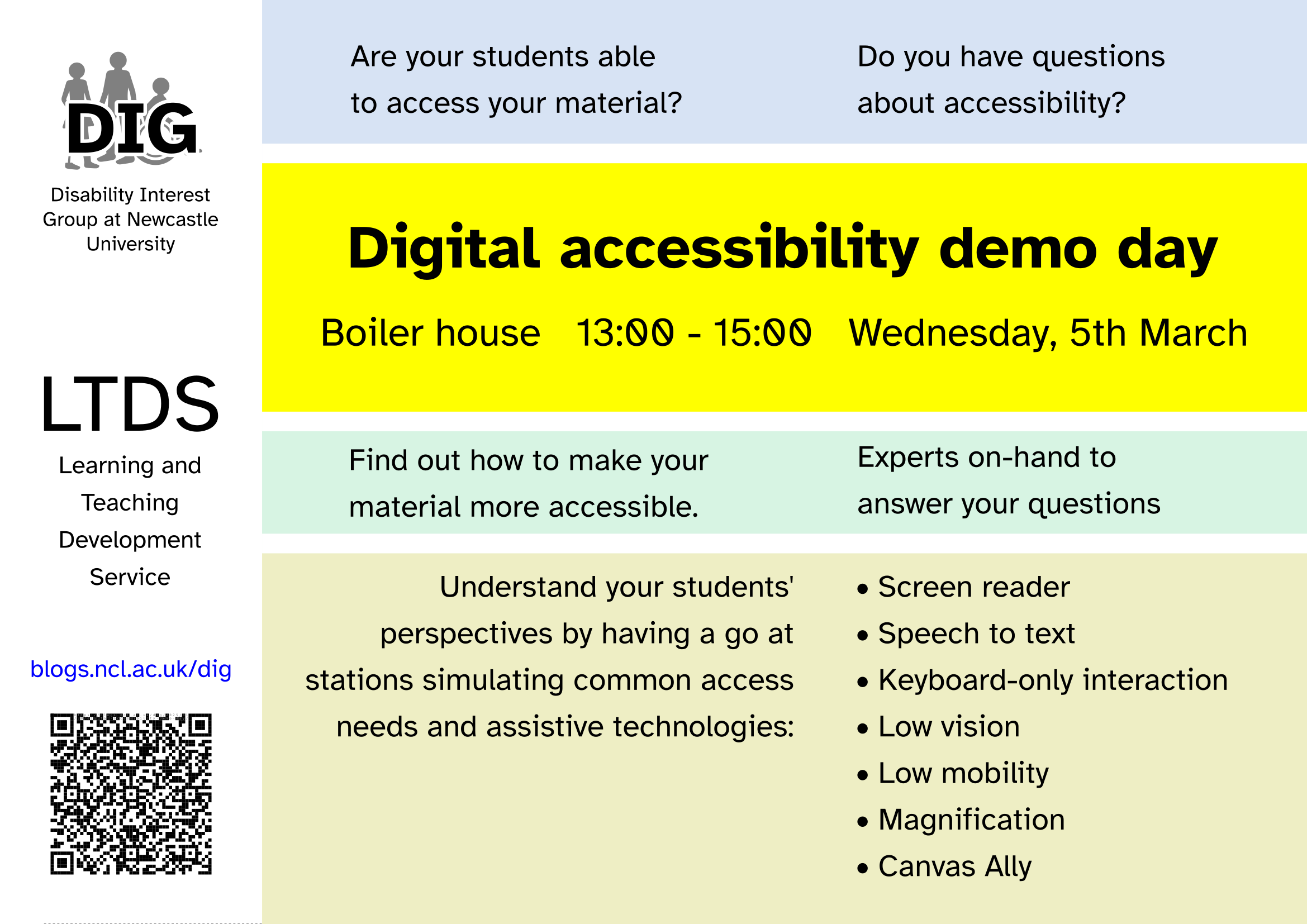
What difficulties do students have accessing the material we provide?
How do students surmount those difficulties?
How do you improve the accessibility of your material?
We’re putting on an event to help answer those questions.
It’s important that all of our digital services are accessible to their users, whether they’re students or colleagues. The Public Sector Bodies Accessibility Regulations set out some legal requirements that we must meet.
But digital accessibility is a complex topic and many colleagues have found it hard to understand what they need to do to ensure their teaching material is accessible.
At our digital accessibility demo day, you can have a go at accessing university teaching material at a selection of stations simulating different access requirements and supports, including:
Screen reader
Speech to text
Keyboard-only interaction
Low vision
Low mobility
Magnification
Canvas Ally
We’ll have plenty of pointers to guidance and training opportunities to help you improve the accessibility of your material.
People from LTDS, NUIT and the Disability Interest Group will be there to offer support and answer any questions you may have about digital accessibility.
Time and location
The event will take place 13:00 – 15:00 on Wednesday 5th March 2025, in the Boiler House.
The Boiler House is in the middle of campus, between the Armstrong Building and the Student Union. Access is step-free.
There’s no presentation as part of the session – just drop in and talk to one of the facilitators.
With the launch of the Newcastle University Learning Analytics (NULA) system we will be posting regular blog updates to inform our users of the latest developments within the system.
Finding students
We have updated how the lists of students are displayed; you can now find your personal tutees when selecting students you are “directly” linked to. To find any other students you can use the “by modules” or “by courses” options. A full guide on how to find students is available on the learning and teaching website here.
Tagging
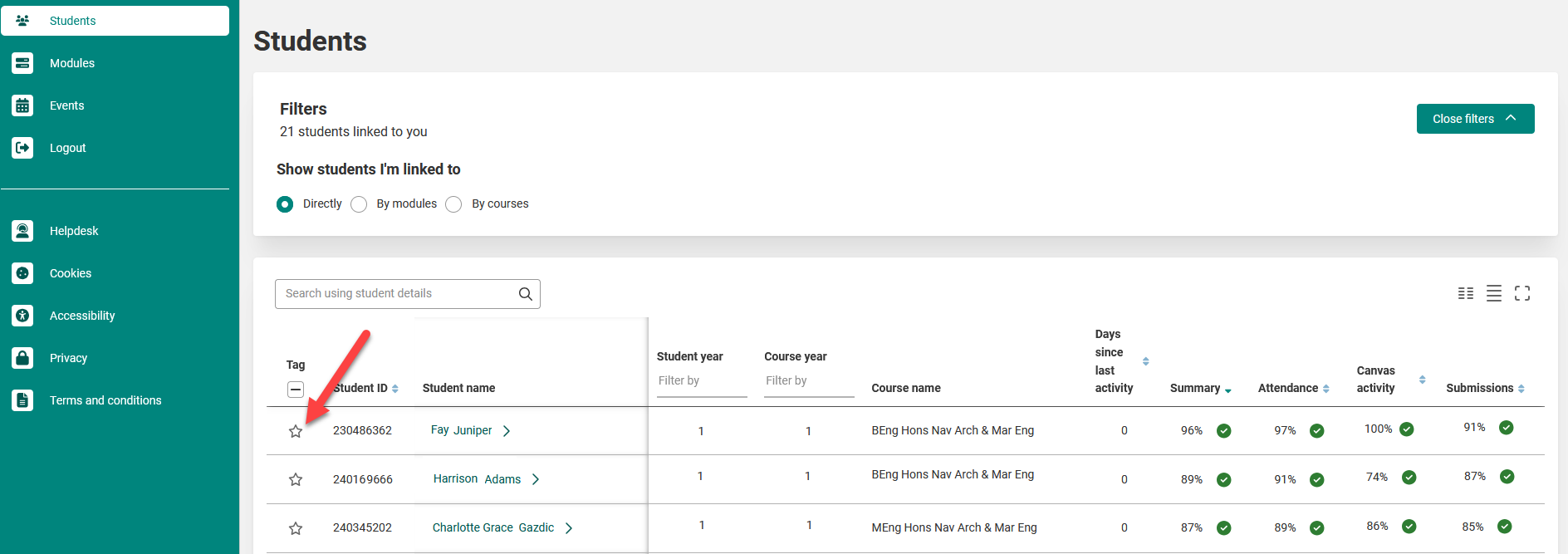
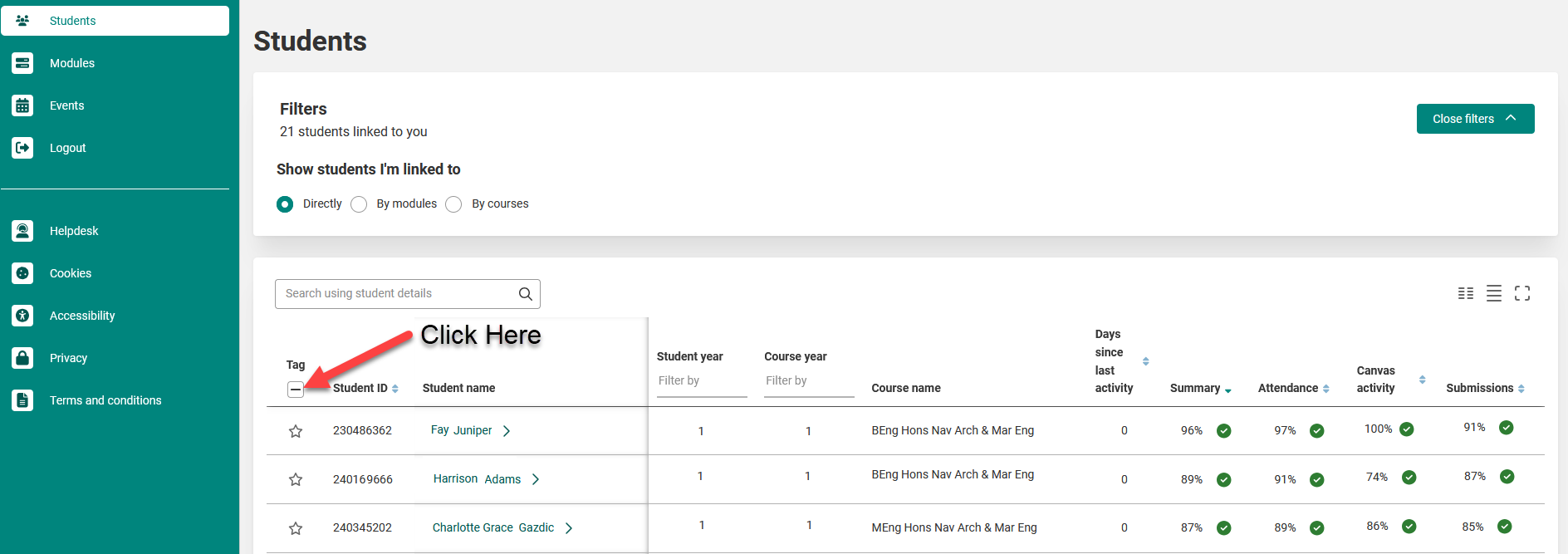
The ability to tag a stuent using the star icon next to the students name is now available.
You can then filter a list of students to only show tagged/untagged/all students as shown below.
Student overview
When you view a student’s profile the first item you will be presented with is the student overview, which shows a quick snapshot of the students most recent engagement and lists some basic information such as the students contact details and personal tutor.
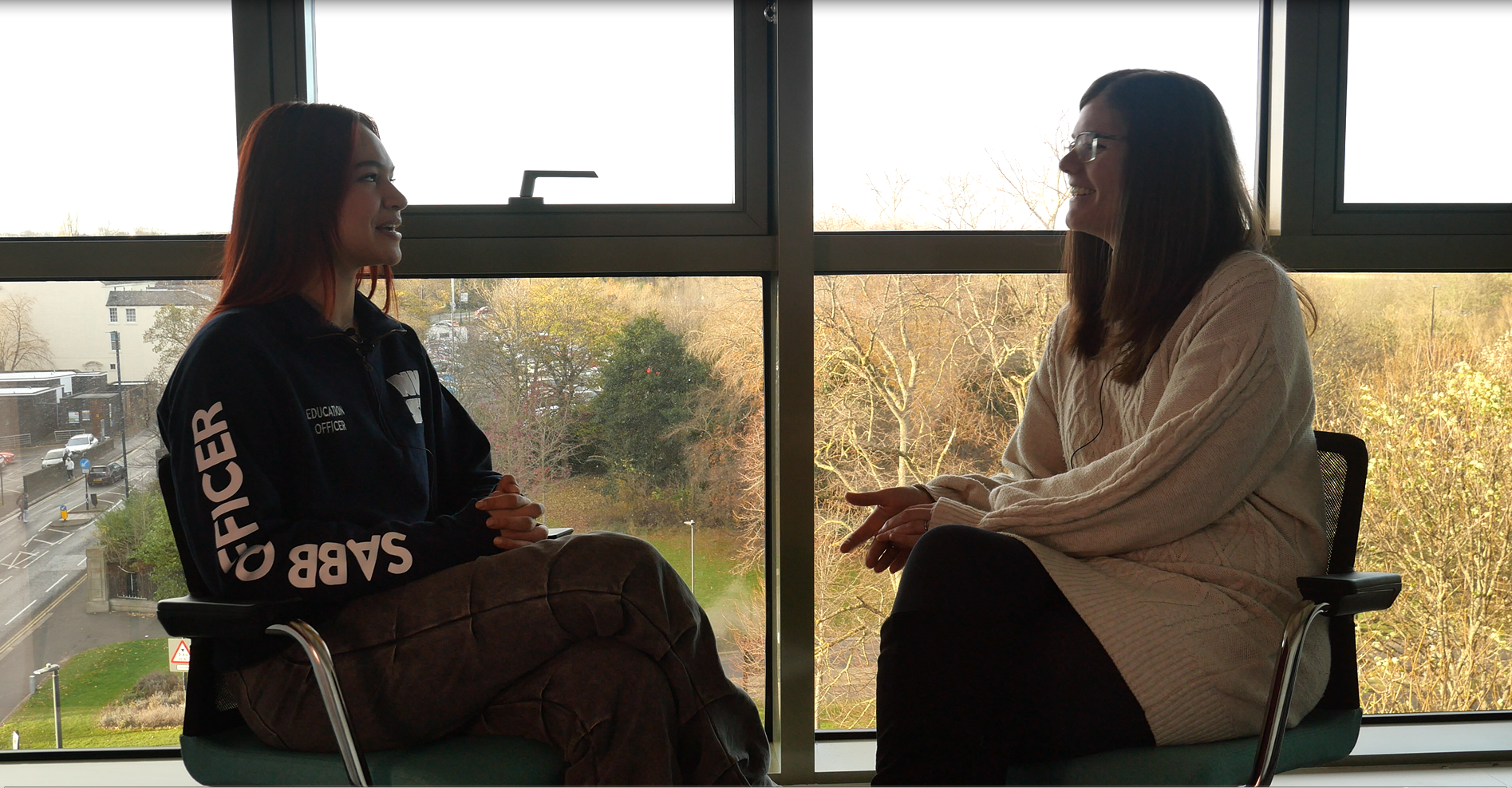
To introduce NULA to students Jasmine Banks, Education Officer at the Students’ Union, found out more about the system in conversation with Dr Lindsey Ferrie, Academic Lead.
They discuss: How NULA will benefit you What you can expect What you need to do
Watch our Introducing NULA video featuring Jasmine and Lindsey and read Jasmine’s article on the Student Noticeboard to find out how students are being updated.
Why this is important for colleagues
Students are being reassured that NULA is there to help support their learning, not to monitor or judge them. Keeping this in mind can help you talk to students about their data in a way that feels open, positive, and focused on their success.
What’s next?
Students have been encouraged to watch Jasmine Banks’ conversation with Dr. Lindsey Ferrie to learn more about NULA, and we recommend you do the same. This will give you a deeper insight into the messages they’re receiving, enabling you to mirror this approach in your tutoring practice.
Over the summer there have been a series of updates to the SpeedGrader tool within Canvas to improve the ability to provide feedback.
In this blog post, we will highlight some of the key changes to the SpeedGrader and how you can utilise these changes in your courses.
Submission Comment Drafts
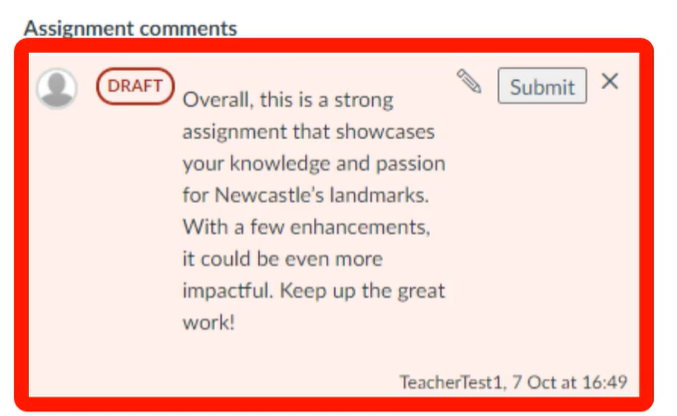
In SpeedGrader, after adding a submission comment, if this has not been saved, a Draft pill displays indicating that this comment has not been saved and a warning message is presented alerting the teacher that the comment has not been saved.
Previously there was no clear indication that a comment had been submitted and this would lead to students not seeing comments/feedback in their assignments.
With this update, it is clear for a teacher to see the status of a submission comment.
You can see in the example below that the submission comment has not been submitted and we have a draft pill alongside our comment:
When we press submit on this comment, the draft pill disappears which means the comment is visible to the student:
Rich Content Editor (RCE) In Submission Comments
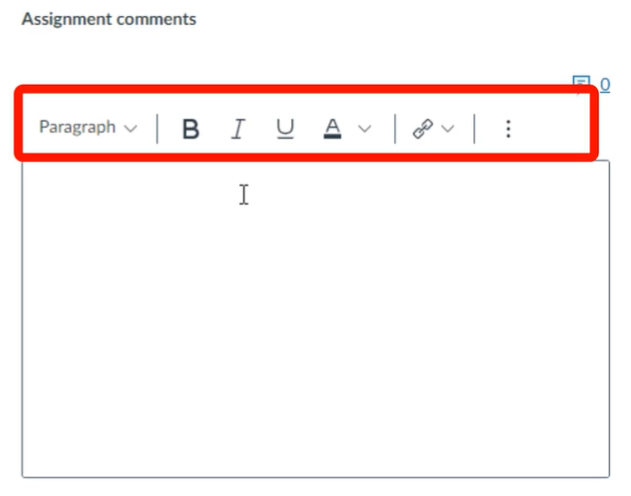
In SpeedGrader, some Rich Content Editor (RCE) features are available when using submission comments. The available RCE features include:
Heading
Bold
Italic
Underline
Font colour
Insert Hyperlink
Bullets
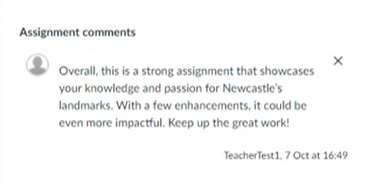
This allows teachers to style feedback and provide further resources via linking. In the example below, you can see a link is provided to further resources to assist the student:
This functionality is available at the top of the submission comments box as demonstrated below:
Equation Editor in Submission Comments
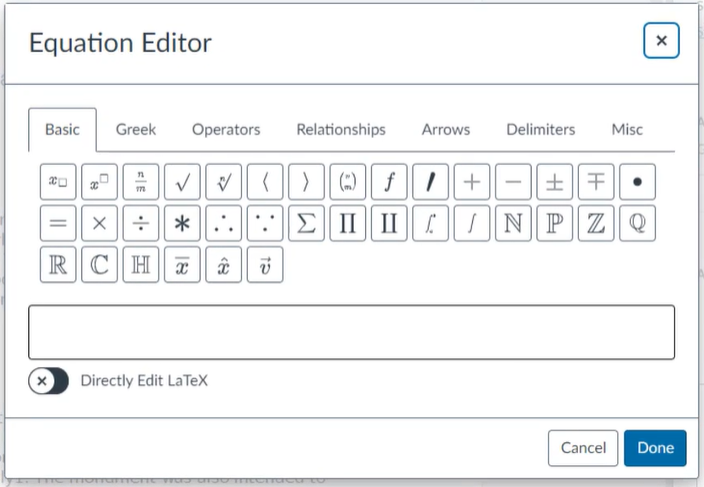
In SpeedGrader, an Equation Editor function has been added to the Rich Content Editor. This feature enables instructors to incorporate math equations into their submission comments.
In the below example, you can see the new equation editor function within the submission comments in SpeedGrader:
Randomise Students in Submission List
In SpeedGrader Settings, instructors now have the option to randomise the order of students within each submission status. This update helps mitigate grading fatigue and biases by ensuring a random sorting of students. Additionally, it enhances grading efficiency by maintaining this random order within submission statuses.
Below are step by step instructions on how to do this:
In the top left corner of the SpeedGrader, select the cog icon
From the dropdown menu select “Options”
Within SpeedGrader options, select “randomise students within a submission status”
Select the “Save settings” button
Please note that when the randomised students, the preference is saved as the default in the browser for the course. When logging in on another device, instructors must select the sort by options again.