The International Student Barometer is currently open and, as with any survey, there are actions that could be taken to help boost response rates.
Mobile Devices
Actively encourage completion using a mobile device. Most people have at least one mobile device and the ISB Survey can be completed on any device by following the personalised link emailed to students. Wireless access is being continuously improved across campus (as a result of student feedback!) which should make this really easy and convenient.
If possible arrange dedicated information sessions or set aside a brief amount of time at the start or end of timetabled sessions for students to complete surveys on their own devices.
Engage Students
Task student ambassadors or stage reps with encouraging their cohort to take part in surveys by posting on School/Programme social media. Encouraging discussion among student cohorts may lead to positive suggestions for improvement. Announcements could also be made on Blackboard community or module pages.
For all internal and external surveys it is important to ensure examples of improvements made both in house and across the wider University in response to results are communicated to students. Try to highlight what has been achieved at local level in response to past surveys of any kind and direct students to the ‘You Said We Did‘ webpage for examples of how student feedback has helped shape the student experience.
Prizes to be won!
Don’t forget to remind students that in return for their valued opinions, all respondents are entered into a prize draw (see terms and conditions). In 2017, the prizes include:
1st Place prize: 5-inch iPad Pro (one available to win)
2nd Place prizes: iPad mini 4 (two available to win)
3rd Place prizes:£20 Amazon gift card (20 available to win)
What does it matter anyway?
The Student Voice is an essential component of how the University does business. We need to hear about student experiences and work with students to improve the student experience for them and for future students. While feedback can be gathered in other ways such as through Student-Staff Committees, student surveys give the opportunity to capture data that can be compared easily between academic years and stages. Positive and negative responses are equally as important as we need to know what we do well so it can be rolled out as best practice, and where we can improve to help students have the best experience possible.
The higher the response rate to a survey, the more representative the findings should be.
If you have any queries regarding the ISB or any examples of efforts to boost response rates you would like to shareplease contact us.
By Em Beattie, Stage 2, Geography, Politics and Sociology student
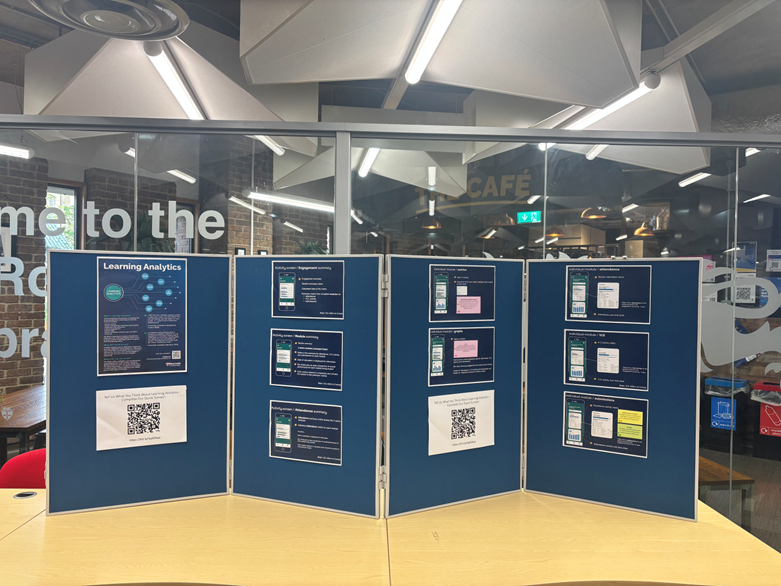
This summer I worked as an intern for the learning analytics team. The learning analytics team has been developing a new system for Newcastle University students to allow them to review and have access to their own learning analytics data. Learning analytics refers to the measurement, collection, analysis, and reporting of data, for the purpose of understanding and improving students’ learning. Student’s data is collected from a variety of sources to enable students to view their attendance, engagement and module summaries. The aim of this new roll out is to empower and positively impact students’ academic achievement and progress for smarter insights and stronger outcomes.
My key role was to contribute to the methodology and development of student communication channels, organise pop ups, analyse and manipulate data, contribute to design and evaluation of material and present findings. I really wanted this experience to develop my career skills, and I am passionate about academic growth and attainment.
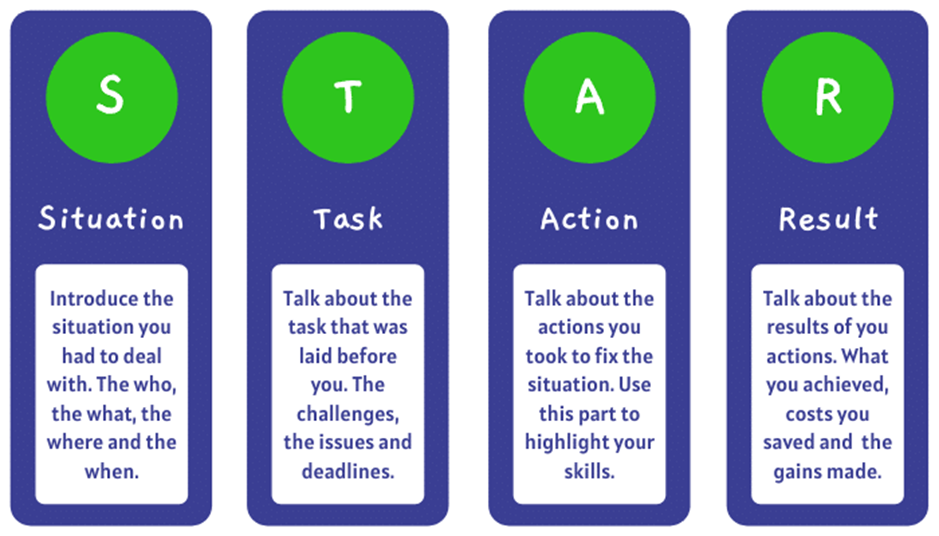
I found the internship on MyCareer, which is a Newcastle University platform which provides internships and work experience students can apply for. After finding the learning analytics internship and reading through the description I thought it would be a valuable and interesting opportunity. The applying process was very simple I attached my CV and answered three questions on how I would manage the hours required to work, what skills I brought to the internship and why I am the right person for the experience. When writing these answers, I used the STAR technique to provide efficient details of skills I brought to the table. After submitting my application, I was fortunately emailed a few weeks later asking if I was available for an interview. I was very nervous for the interview as I had never had an in-person interview before. However, to prepare I read over the description of the role, writing down on a notepad what skills I could bring to each of the tasks I would be completing and ideas I had. I also looked at the advice Newcastle university gave about internships on their website. https://www.ncl.ac.uk/careers/making-applications/interviews-assessments/interviews/. After I completed my first ever in person interview which although was nerve wracking provided me with real world experience which will be super helpful later in life, I waited to hear for the result.
Before starting the internship, I was slightly nervous, but I worked with an incredible team which were very supportive all the way. The learning analytics internship has given me an incredible experience, teaching me valuable skills and lessons that have allowed me to develop both professionally and personally.
Working with the learning analytics team has been so much fun. Through hosting pop-ups and interviewing students, I learned how to gather meaningful feedback, listen actively, and represent student voices in a constructive way. This experience also helped me understand the importance of real student insights and how they can inform and improve educational strategies. Although the pop up was quieter than expected as some students had left to go home for summer, we still gathered a range of responses online and in person.
After the pop up and students filling in online forms, I analysed data which taught me valuable skills of critical thinking and paying close attention to detail to observe patterns and trends of student’s responses. This experience confirmed my interest in qualitative and quantitative research, and I am now more confident in analysing data.
I thoroughly enjoyed providing a student perspective and spin to the marketing research. Another one of my tasks for the internship was to develop communication channels for students. There were multiple channels that were highlighted from the pop-up including emails, canvas, social media and in person discussion. For social media channels I utilised Canva, which was a fun experience to design a social media post about the new learning analytics system. Additionally, I also helped design the structure of the student facing webpages, using PowerPoint to design an example and writing descriptions around explaining why videos and images should be used. As someone who lacks creative skills, I found it really fun to try and design social media posts and webpages for learning analytics and felt it definitely developed my creativity.
The best part of the internship was knowing that what I was working on would help current students in their academic growth allowing students to set targets and review their engagement of their work.
An example of a type of day from the internship includes a meeting which would either be held in the Kingsgate building or remotely on teams depending on the team’s availability. During this meeting we discussed what we had all been working on, gave each other feedback and ideas and planned our tasks for next week. A lot of the work I did complete was online such as analysing data, creating ideas for communication channels and researching and comparing other universities learning analytics system.
The experience massively helped my confidence, interviewing students and presenting my research pushed me out of my comfort zone but helped me become much more comfortable in putting myself out there.
One challenge I faced was managing all the weekly tasks. Some weeks were busier than others, but on those busy weeks I used my notebook to schedule when I was completing each task, how long the tasks would take, when meetings where and if I had any questions during those tasks to keep track of everything.
One tip I would give to students doing an internship is to write down the skills that they have learnt during the experience with a description. I have done this, and it was helpful as I completed my student internship pathway reflection and will be useful for future interviews and applications as I can explain clearly what skills I developed from this experience.
Looking into the future…
Moving into third year is scary but knowing I am bringing valuable skills that I have learnt from this experience makes me feel more confident and ready. I am looking forward to use study goal to improve my academic progress and create targets to better myself.
We have created a new resource with our students to help us create a more inclusive university experience.
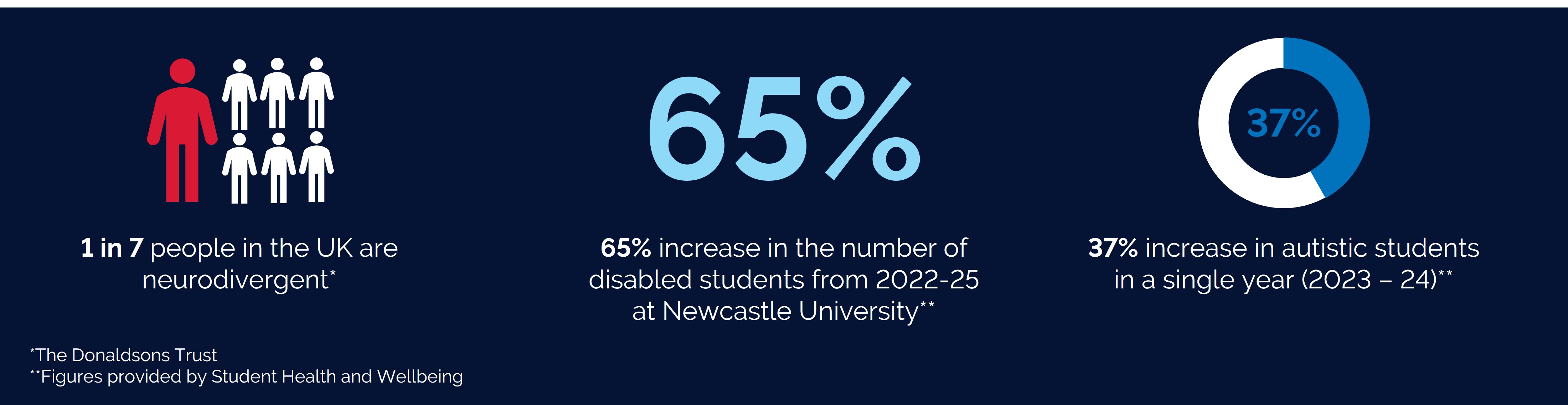
Neurodivergent students are a growing and important part of our university community, yet many still encounter barriers that impact their ability to thrive. With increasing numbers of neurodivergent students enrolling each year, most colleagues will interact with them regularly—whether they realise it or not.
Many of our students struggle with traditional academic structures, unclear expectations, and inaccessible learning environments, often without formal support plans in place. By making small adjustments and genuinely listening to our neurodivergent students, we can create a more inclusive university experience that benefits everyone—not just neurodivergent students, but the entire learning community.
How the Project Started
This project emerged from recognising that student needs are evolving, and traditional academic structures do not always provide the necessary support for neurodivergent students. With funding from LTDS, we collaborated with the Student Health and Wellbeing Team to ensure that student voices remained central to this project.
Hearing Real Student Experiences
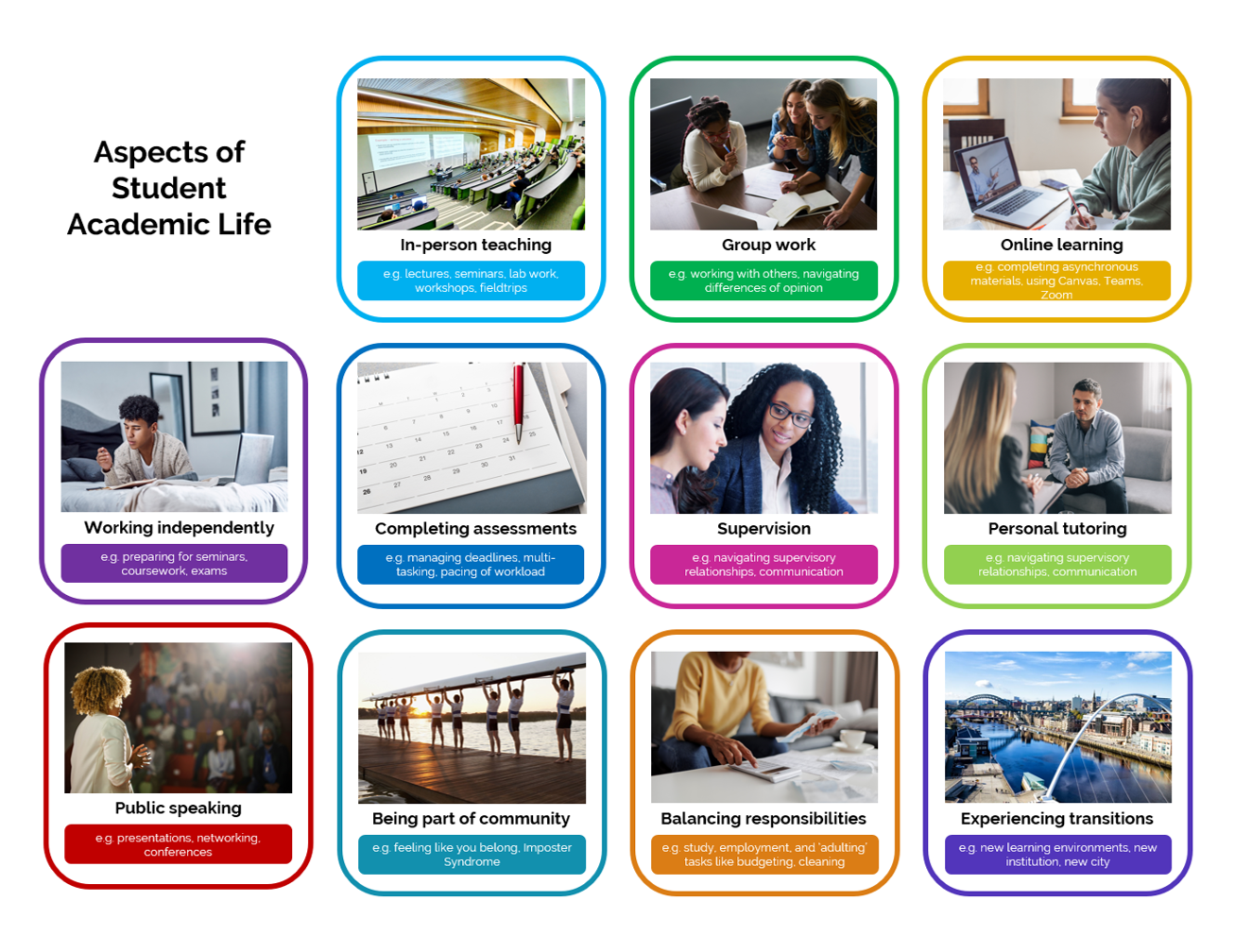
Our key focus was understanding how neurodivergent students experience university life, both academically and socially. We used a framework called Key Aspects of Student Academic Life, which helped us examine crucial areas such as learning environments, social interactions, and overall student wellbeing.
We recruited students through JobsOC, then held relaxed, open discussions where students shared their perspectives on university life—what works, what doesn’t, and what could be improved. Their insights were honest, eye-opening, and full of valuable ideas for change.
Creating a Resource for Staff
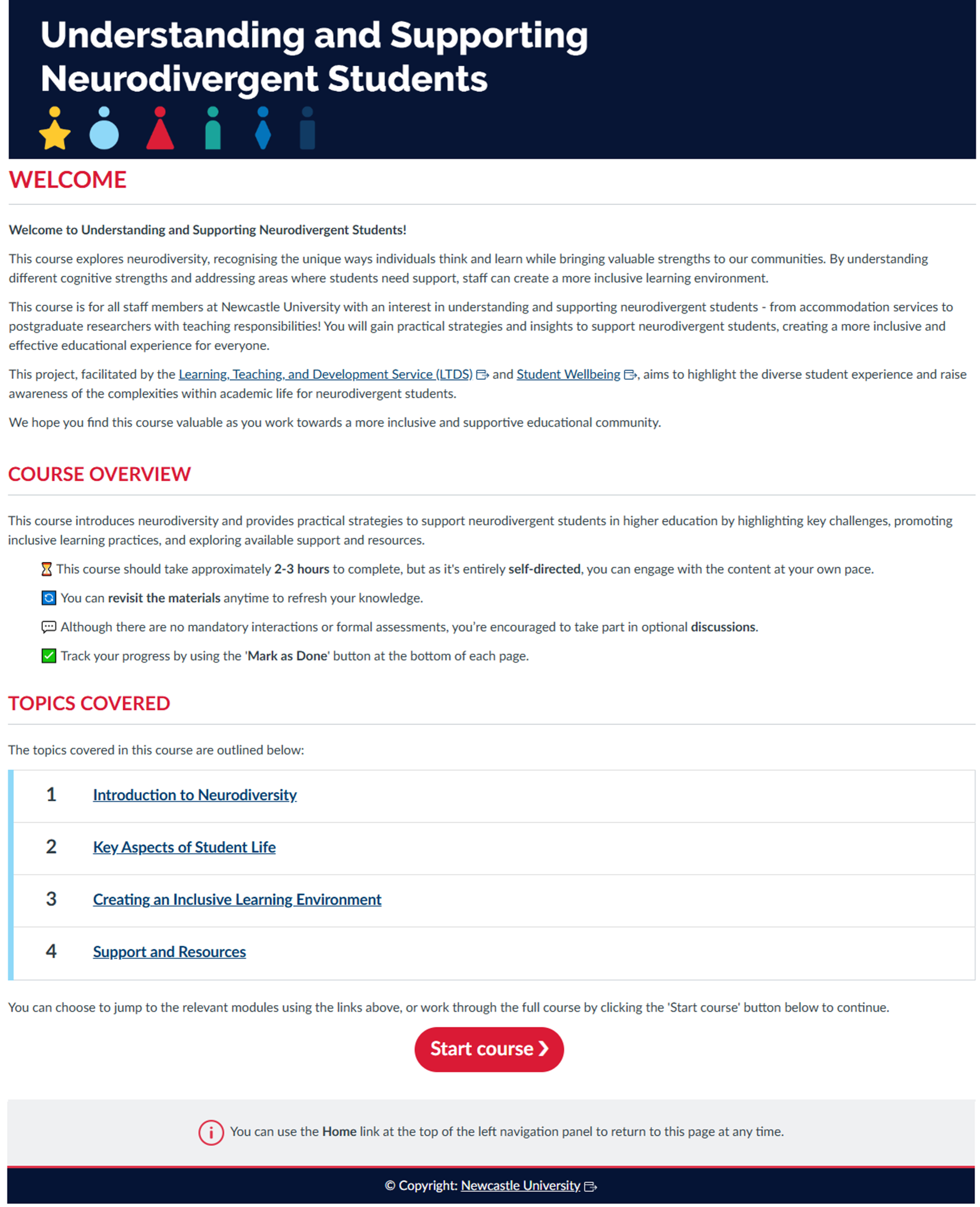
From these discussions, we developed the Understanding and Supporting Neurodivergent Students Canvas course. The course is flexible and self-guided, allowing Newcastle University colleagues to explore the sections most relevant to them. Whether it’s deadlines, adapting to university life, or common challenges, the course offers real student perspectives and practical recommendations for staff.
The course covers a range of key topics, including:
Introduction to Neurodiversity
Key Aspects of Student Life
Creating an Inclusive Learning Environment
Support and Resources
Why Student Voices Matter
One of the most powerful aspects of this project has been hearing directly from students. Many shared not just their struggles but also practical solutions, demonstrating how valuable their voices are in shaping a better university experience.
By listening to students, we have already made positive changes. For example, students told us they like using the Room Finder tool to see what a classroom looks like before attending, as unfamiliar environments can cause significant anxiety. However, many students were unaware of this tool. Thanks to their feedback, we have made it more accessible on the Student Timetables webpage. Hopefully, this is just one of many positive outcomes from this project.
What’s Next?
This project has highlighted the importance of truly listening to students. By ensuring neurodivergent voices are heard and acted upon, we are taking steps towards a more inclusive and supportive university for everyone.
If you are interested in learning more about supporting neurodivergent students, you can self-enrol in the Canvas course using the following link: https://ncl.instructure.com/enroll/B9YKFJ.
The Educational Governance Team have developed new webinars for 2021-22 for academic and professional services staff in Schools.
School and Programme Data
The first session aims to help make more use of the range of available programme data to inform and identify areas of effective practice and where actions are needed to address issues.
The sessions are split into two parts and are bookable via Elements at:
Part 1 will focus upon how to use the new Power BI dashboard which brings together programme and school data from recruitment and admissions through to progression and award. The dashboard also provides links to the various internal and external student surveys results. The session will show you how to drill down in the data to look at trends and at specific student groups.
Part 2 will allow participants to explore in more detail specific uses and interpretation of the data to help inform decisions at Board of Studies and for reflection in Annual Monitoring and Review reports.
The Power of Feedback: Student Surveys
The second session relates to the student voice and how to encourage students to engage with surveys. An overview of all the range of survey activity that takes place over an academic year both nationally (National Student Survey, Postgraduate Taught/Research Experience Survey) and internally (stage evaluations, informal module check-ins) will be provided and an exploration how the survey results can be used to inform changes to the student experience.
Space will be available in the session to discuss with colleagues’ ways in which surveys are promoted and methods used to improve student engagement across the institution.
This session will run twice per semester and is bookable at:
We’re keen to make sure our postgraduate taught students have the best possible experience while studying with us. To do this, we need to know what they think works well and what we could do better.
The Postgraduate Taught Experience Survey (PTES) is the student’s chance to tell us about their experience as a taught postgraduate student at Newcastle University.
The PTES launched in April and students will have already received an invitation from JISC to take part in the survey and also a further email on behalf of studentsurveys@newcastle.ac.uk with a personal link to the survey. To date, 13% of taught postgraduate students at Newcastle University have taken part in the survey.
The survey will close on 17 June, 2021, and is anonymous and will only take around 15 minutes to complete.
This academic year it is more important than ever to capture how our students are doing in these first few weeks of teaching. Two tools that will help us do so are informal module check-ins and the Student Pulse Survey.
Informal Module Check-ins
As the Student Voice Schedule indicates, module leaders are asked to organise informal module check-ins in Teaching Weeks 3 or 4 of each semester. There are various ways in which you can approach these informal check-ins, which will provide you with feedback on students’ engagement and help you decide on any changes you might want to make. Q&A were organised in Teaching Week 2 and at the start of Teaching Week 3 to support you with any queries. Should you have additional queries, do not hesitate to get in touch (ltds@newcastle.ac.uk).
Student Pulse Survey
While the informal check-ins are focused at module level, the Student Pulse Survey gathers information on the student experience at University and programme level.
In Teaching Week 4, all of our taught students will be asked to undertake a short survey. This survey is run centrally from Monday 9th November until Monday 16th November, 10am.
The questions, available on Sharepoint, relate to a student’s overall experience. The survey also includes a reminder about the support available from their personal tutor and an opportunity to request to speak to someone about their broader student experience.
While the administration of the Student Pulse Survey will be managed centrally, we ask that academic units encourage their students to complete the survey, to supplement central promotion.
The results of the survey are to provide academic units with additional feedback from students on their experience, to further reflect on what is working well and what you may want to adapt/modify for the second half of the semester. The same questions from the Student Pulse Survey will be included in the Stage/Semester Evaluations that will take place at the end of Semester 1. This way you can see whether and if so how student views have developed and changed.
Academic units will be sent the quantitative results of the Student Pulse Survey on 16th November. Academic units will receive one PDF report of results, per programme per stage of study.
In an effort to streamline stage and module evaluations, changes to the way we conduct surveys across the University are coming into effect from 2019/2020.
Individual module evaluations will no longer run in the
academic year 2019/20, except through consultation with LTDS for new modules or
to support accreditations. Stage evaluations will continue but from academic
year 2019/20 will be run once per semester and managed centrally by LTDS.
Schools will no longer be required to set these up.
Newcastle University Peer Mentoring is proud to launch the parent HUB.
This hub is aimed for all students who are parents, foster carers, adoptive parents, or about to become parents, regardless of age, gender or sexuality.
The free online hub allows you to share experiences, ask questions and be part of a parenting community within the university. There will be trained university wide peer mentors as part of the network to offer one-to-one support and guidance, as well as answer any question in the discussion board.
The hub will be based on Microsoft Teams and is an excellent source of advice and support from like-minded, empathetic and patient peers.
There will be a schedule of face-to-face activities for you to meet up with other parents, ask questions, have a chat, share your experiences and support you through the balance of being a student and a parent. And for those of you unable to attend these, there will also be a range of ZOOM online conference activities to allow you to meet new parents and be able to engage in conversation as though you were in the same room from the comfort of your own home.
The parent hub will also allow you to share, lend, borrow, give, donate, sell, and buy those much needed pieces of equipment and clothing via the online discussion group.
The files section of the hub will allow the University to share useful information and documents with you – as well as members of the network being able to upload documents as well.
There will be the opportunity to share your experiences of child-friendly shops, restaurants, taxi companies, as well as provide some top tips of baby-changing facilities in the University and city, and baby feeding friendly places.
There will be the official launch of the parent HUB at an activity event on Wednesday 17 April 2019 between 11am and 2pm. This will take place in the Lindisfarne Room in the Hadrian’s Building opposite the Bedson Building and Boiler Room.
There will be refreshments and activities for the children, as well as the opportunity for you to meet other parents. There will be a child feeding room available, as well as the opportunity to speak to members of the University Peer Mentoring scheme and Student Health and Wellbeing Services.
Come along at any point during the event and sign up for the parent HUB on the day as well.
Monday 22 October sees the launch of the 2018 International Student Barometer (ISB), in which Newcastle University is undertaken for the fourteenth year.
The ISB gives European Union and international students the opportunity to give their opinions on their experiences at Newcastle, from arrival at the University, through to teaching, accommodation and employability
We will survey all full-time and part-time EU and international undergraduate, taught and research postgraduate students, as well as study abroad and exchange students, based here in Newcastle and at Newcastle University London. We are unable to survey non-UK based and distance learning students as part of the ISB.
How and when are results of Module Evaluations received by Academic Staff?
Each module should be evaluated every time it is delivered using the University’s module evaluation system, EvaSys. The results are usually sent to Academic staff via email in the form of PDF attachments, and this is done in one of two ways;
The survey is set up by local Professional Services staff to automatically send the PDF results upon closure of the survey. This option can be selected during the creation of the survey.
Local Professional Services staff manually send the results in PDF format from within the EvaSys system at an agreed time. This option can be used if the automatic dispatch is not selected during survey setup.
In both instances the timing of the surveys and the receipt of results should be agreed within the academic unit, paying particular attention to survey close times to allow for discussion of results with senior colleagues if required.