A Placement Year at GSK – Sequencing Genomes

By: Natalie Taylor – BSc Biomedical Sciences

Edited by: Laila Hussain

Second year of uni rolled around, and I realised I hardly had any lab experience (thanks COVID). This was a dilemma I attempted to remedy by applying for a placement year. I never considered I’d be accepted by such a prestigious company as GSK. Even less did I consider I would be working in a field as interesting as genetics. The application stress paid off! I was placed in the Discovery Genomics department working on single cell RNA sequencing. This basically means reading genes that are currently ‘switched on’ (expressed). Knowing this information is crucial for understanding disease, as we can quantify which genes were switched on/off in disease states compared to healthy states. With this information we can then get an idea of the genes function and thus, what therapeutic action to take. 

My Application Journey – It’s ok not to know everything!

When I say I was almost 100% sure I failed my interview I was not joking. GSK’s interview stage was split into two sections. One half was situational questions such as “tell us a time you faced a challenge” etc. The other was technical questions. This was where I flopped. I didn’t know the answer to any of the questions! However, I discovered the point of these questions was not only to test your scientific knowledge, this can be taught, but to also see how you manage uncertainty and to test your resilience. It was a daunting experience, but thanks to the kind interviewers and some persistence I managed to give all the answers a go. This was what the interviewers were looking for!

Two days later I received a call from one of the interviewers offering me the placement!

My-day-to-day 

As I mentioned above, I’m working on sequencing (or reading) the genes of individual cells. This means I’m in the lab a lot! I get to work on many different diseases and cell types, which all involve working with very small volumes. Attention to detail is paramount – something I’ve had to learn the hard way! 
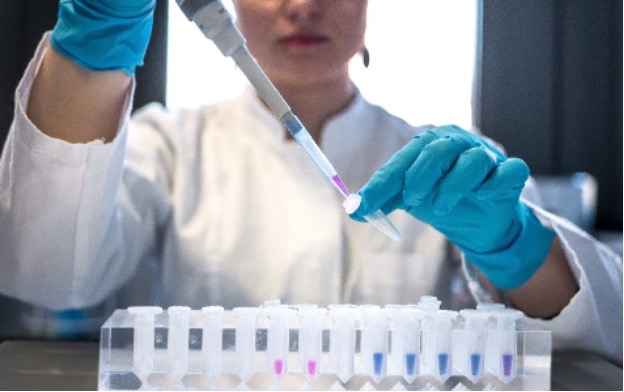
A visual example of the types of tubes and volumes we typically work with in RNA sequencing- sometimes even smaller! Image from: unsplash

I also get to use lots of very cool – and very expensive – machines. The machine pictured below on the left is what sequences RNA and the one to the right is a robot that can do a big portion of the lab work involved with preparing the RNA for sequencing for you. It has some limitations though, so I mostly performed my experiments manually by hand. 
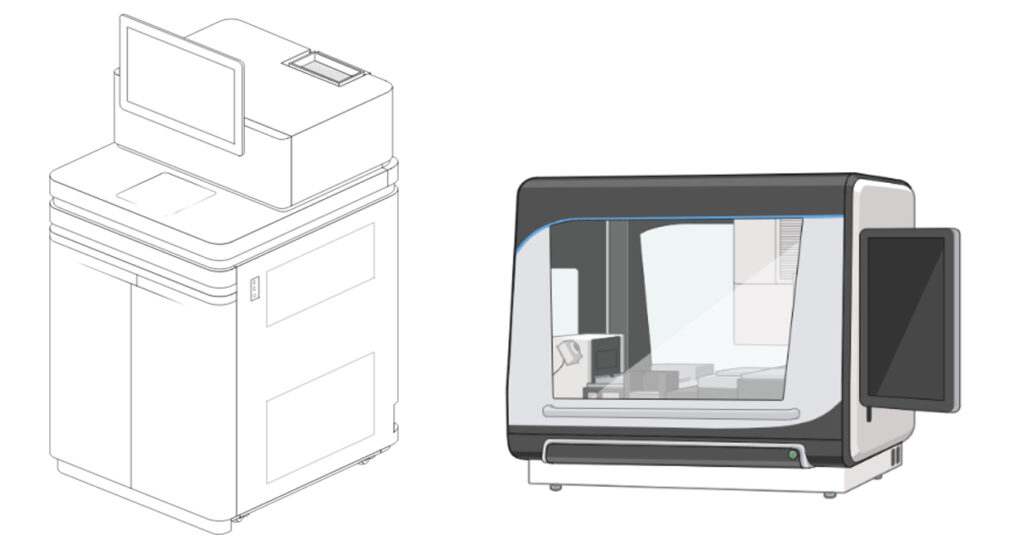
Illumina Sequencer (Left) & Chromium Connect (Right): Photos from 10x Genomics and Illumina

After about three months of training, I started planning and carrying out my own experiments independently. I got the chance to sequence many different immune cells, including T cells and macrophages as part of active experiments in the search for potential cancer therapeutics. Apart from single cell RNA sequencing, I’ve also been fortunate to perform a CRISPR knock out experiment on B cells whilst using cutting-edge automation platforms such as the Dragonfly and Bravo.  

On a typical day, my experiments take around 6 hours to reach a safe stopping point. Luckily, I’m able to get a few breaks in when my samples are incubating. During these breaks, I take full advantage of all of the green space at GSK Stevenage. It’s quite normal for employees to go on regular walks around the site – breaks are very encouraged which is nice!
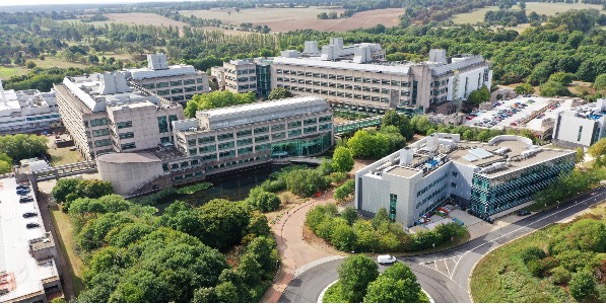
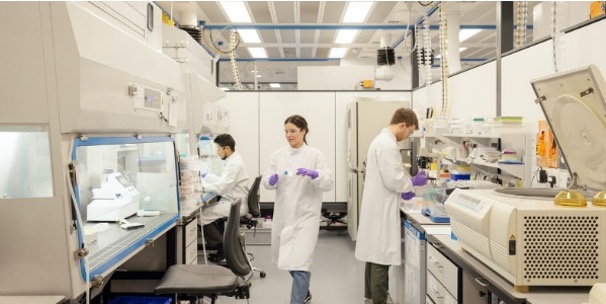
GSK Campus and Labs in Stevenage: Photos from GSK’s Website

Outside of lab work, I’ve also gotten involved with the wider community at GSK by being a part of a committee for students called IP Unite and an employee resource group called Women’s Leadership Initiative (WLI). My role in these groups varies, typically I will plan and host events aimed to foster new relationships and grow networks. One of the scariest events I held was a PhD information event with IP Unite that involved me speaking in front of 100 people in a lecture theatre – luckily I was only introducing speakers and closing the event – still, it was very outside of my comfort zone! In general, I find that the placement pushes me outside of my comfort zone, but that’s what yields the most growth so I know it’s super beneficial. 

Overall, the placement has been the best experience, better than I expected! I have grown so much as a scientist and a person. I feel much more prepared for life after uni. For now though, I’m just ready to tackle final year!
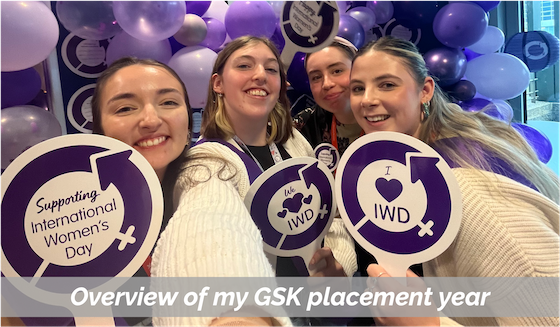
Overview of my GSK placement year

By Lauren Wheeler, Stage 3 Biomedical Sciences

During my placement, I worked at the GSK R&D site in Stevenage as a placement student within the SPMB department (Screening, Profiling and Mechanistic Biology). SPMB works on assay development, compound profiling and mechanism of action studies.

My role involved automating a 3D hepatotoxicity assay by creating a model to validate a fully integrated platform in order to move the manual assay onto the platform, as well as running a biweekly safety screening assay.

When starting my labwork, I was supervised but I was allowed to complete the work myself which I found very beneficial as it allowed me to make mistakes which I could learn from. I found myself able to start completing my own experiments independently a lot faster than I expected to. Everyone in the lab was also very helpful and was always willing to help or answer any questions when I got stuck.

During my time at GSK, I also got to take part in many other activities alongside my project work which allowed me to gain and improve skills, to network and improve relationships with other IPs (industrial placement students) as well as other GSK employees.

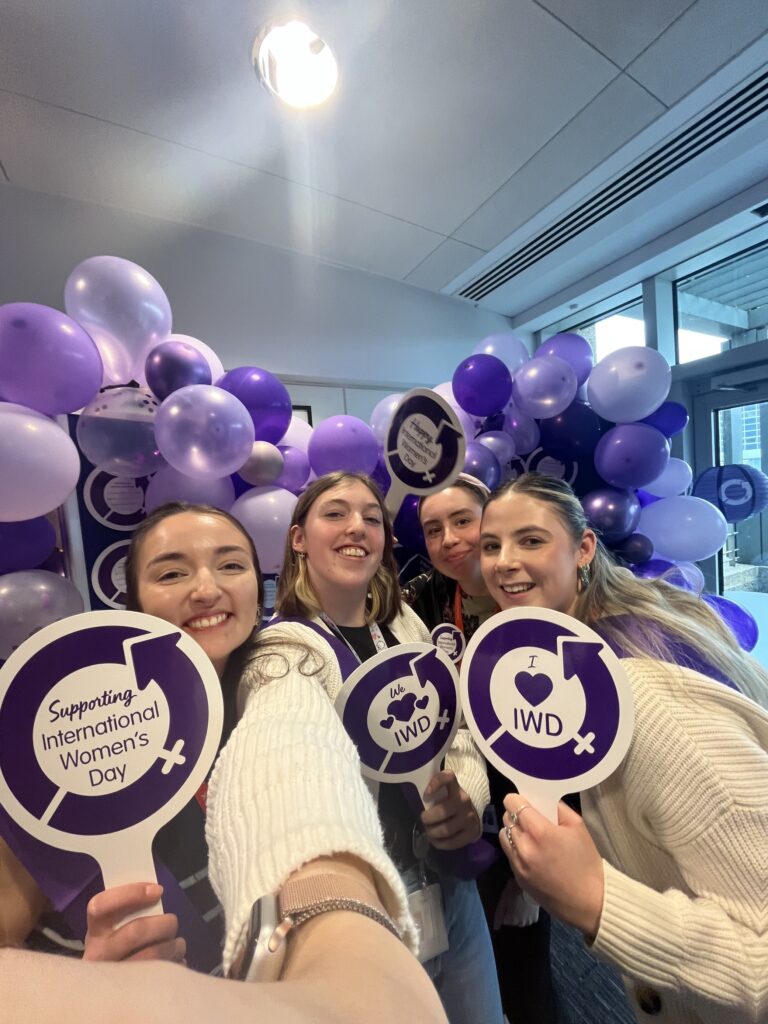
Myself and some other committee members at the International Women’s Day selfie corner – names of people from left to right: Francesca Dale, Lauren Wheeler, Lydia Haines, Neve Richardson

I became a committee member of both the Women’s Leadership Initiative (WLI) and the Stevenage hub committee. With both, I worked with other IPs and members of the committee to organise events such as International Women’s Day and the employee appreciation cookie post.

I was head of logistics for International Women’s Day in which I held key responsibilities in organising attendance numbers, booking catering, setting up market stalls with other employee resource groups at GSK and setting up of the lecture theatre for the event. The event included 2 talks and a panel which were all very insightful and turned out to be a great success with many attendees. I was also rewarded a recognition award (R&R) for my contribution.

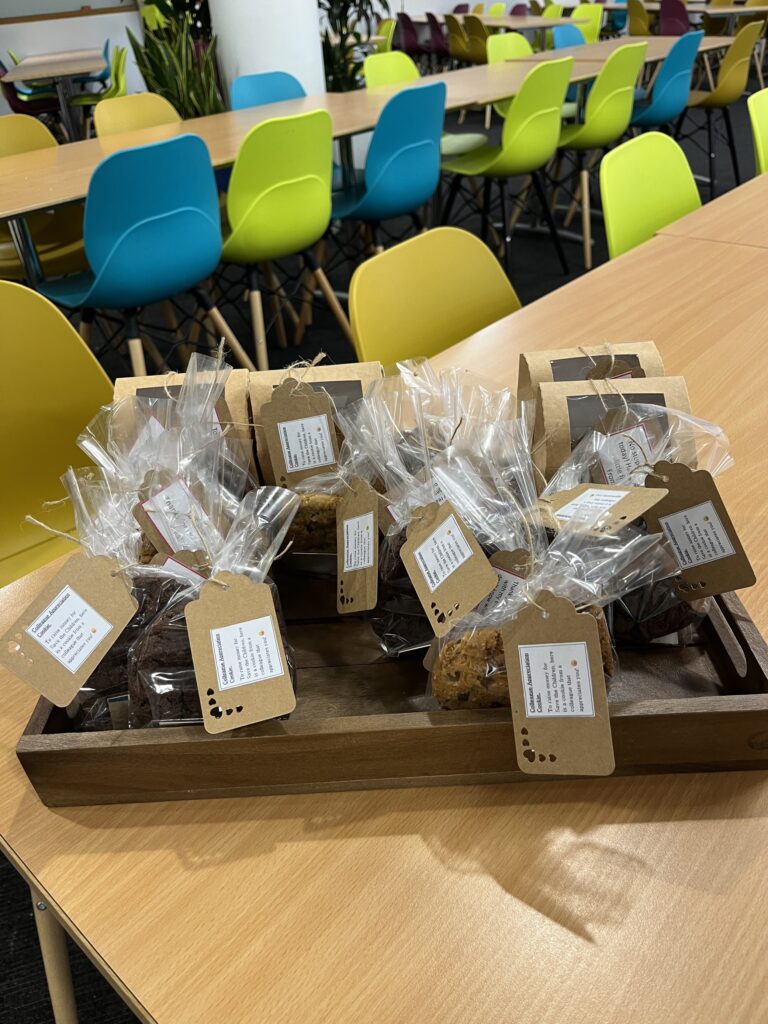
I also worked with another IP to organise the employee appreciation cookie post in which GSK employees could donate £2 to save the children which would allow them to send a cookie along with a message to another GSK employee. These were delivered by hand by us, so it was really nice to see how happy and thankful people were when receiving a cookie.

Basket of cookies labelled for each person ready to be delivered

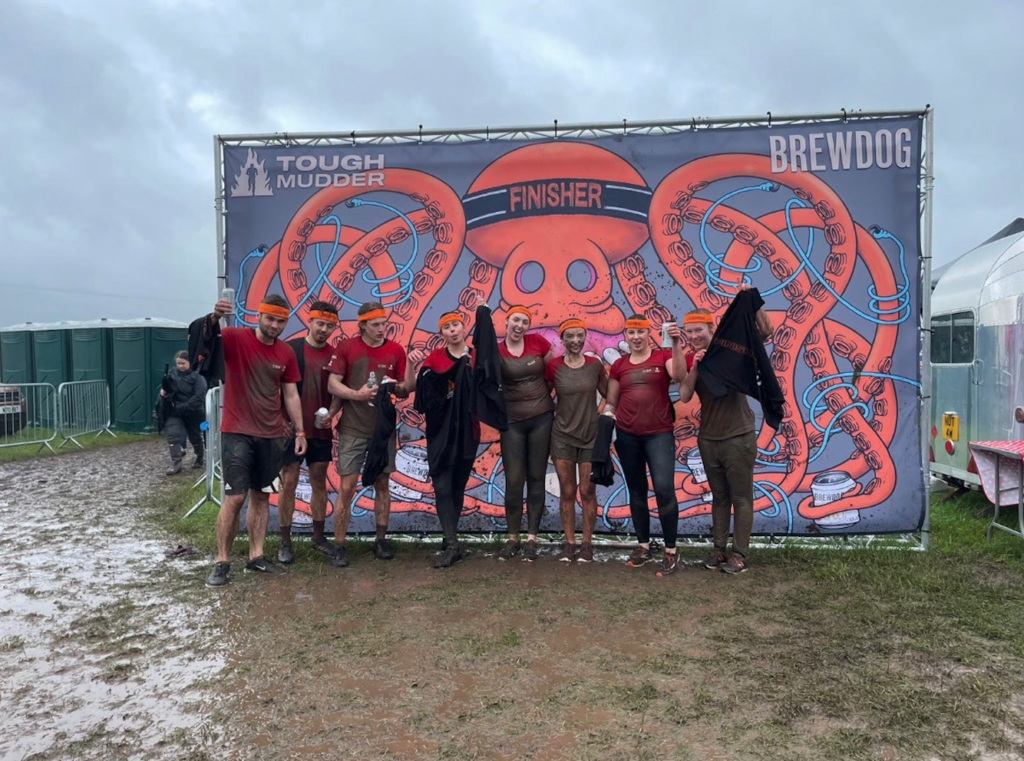
I took part in the Tough Mudder challenge in May 2023 with around 30 other GSK employees in which we raised £350 each and completed a 15km run with 30 obstacles. This was a difficult challenge however we stuck together as a team throughout the course, and it felt like a big achievement once we completed it.

Myself and other GSK employees after finishing the Tough Mudder – names of people from left to right: Ross Biddulph, Samuel Pearson, Jake Brett, Lydia Haines, Lauren Wheeler, Francesca Dale, Neve Richardson, Rebecca Glenny

I was also a part of a netball team at GSK where we trained once a week on a Wednesday, it was a mixed team with members from across the GSK Stevenage site. We took part in a match against the Ware site, which we won as well as a charity tournament, all of which were great experiences to take part in.

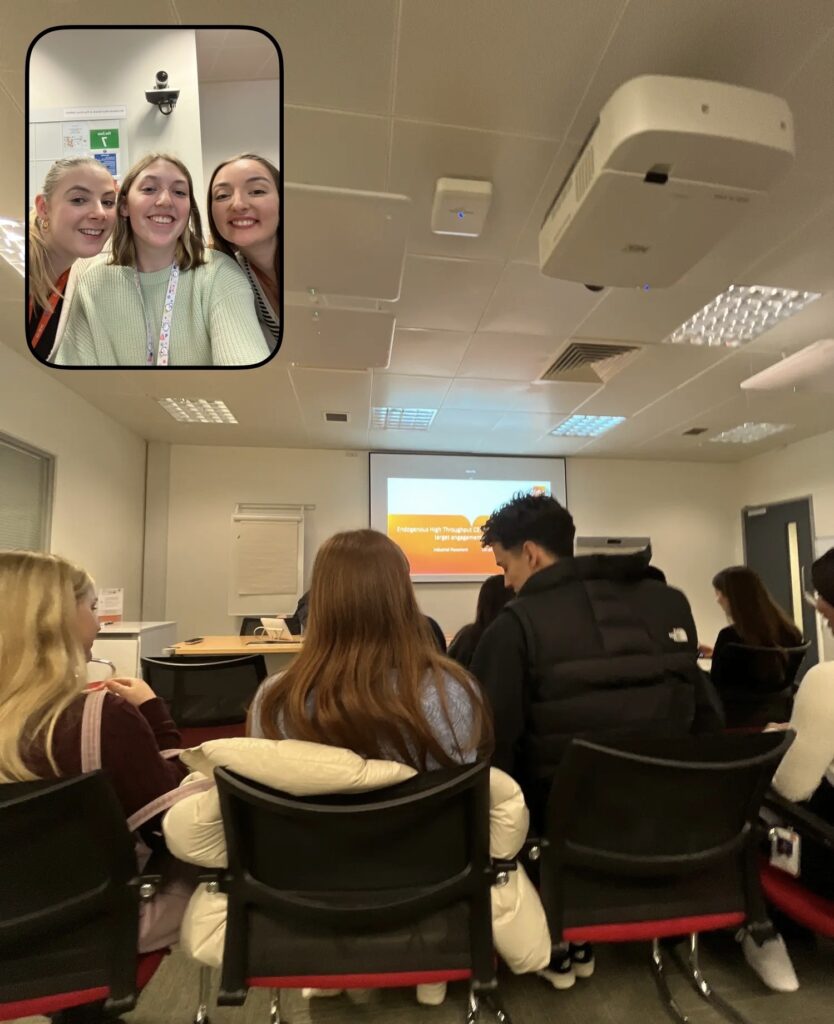
During this year, I have also had the chance to take part in IP collaboration events. I attended an IP organised presentation session every 2 weeks in which IPs across different departments presented about their projects as well as discussing any issues they had been having. This was a good opportunity to network and learn more about other departments work.

Myself and some other IPs attending an IP collaboration presentation session – names of people from left to right: Neve Richardson, Lauren Wheeler, Francesca Dale

We also had a lab tour exchange with the Ware site in which I helped in touring the IPs around the labs I worked in as well as going to the Ware site for a tour. It was insightful to see the later stages of the drug development process.

Overall, this placement year has been an invaluable experience in which I have been able to learn and experience far more than I could have expected when I first joined. I have gained many new skills and have really increased my confidence. I’d highly recommend a placement at GSK! Check out their Early Career talent site here for more information.

Top tips for applying to placements!

By Amelia Guest, BSc Biomedical Sciences

Hi! My name is Amelia, and I am a third-year Biomedical Sciences student. I am currently on a year of placement at AstraZeneca, and I wanted to share some top tips for anyone who is applying for their placement year!

LinkedIn for networking

LinkedIn is a great tool to use for networking. This platform allows you to contact current placement students and ask for their experience and assistance, as well as connecting with potential placement providers! In fact, I got my first interview through LinkedIn.

Prioritise

Put all of your focus on a few providers which you are really interested in – it will be more beneficial than applying to loads of providers halfheartedly. When interviews start, they take a lot of time so if you are not too interested in a certain provider it will probably be best to utilise this time elsewhere.

Gather information

Make sure you research the website or social media platforms of the placement provider so you can be really specific in your application and interview. It may even be worth using LinkedIn to contact someone internal to get some extra information! During the interviews they often ask about company values, so it will really help your case if you can discuss these.

Rejections

It is easier said than done, but try not to let rejections put you down! Each interview is a learning curve and you can learn new things that you can do better next time. The more people you talk with and interview with – the more networking! All of the students that I am currently working with at AstraZeneca received rejections from other companies, so it just goes to show that perseverance can go a long way!

Careers Service

Use the Careers Service to help with your application – the Careers Service are there to help you with CV advice and practice interviews, so utilise them! It may be the difference between getting your dream job or not.

Good luck! Try your best and have a great placement year.

FUJIFILM Diosynth Biotechnologies: Advancing Tomorrow’s Medicines

By Declan Wales

FUJIFILM Diosynth Biotechnologies (FDB for short) is a global contract development and manufacturing organisation (CDMO) in the biopharmaceutical industry providing process development and manufacturing of biologics, cell and gene therapies and viral vaccines. This basically means that FDB are able to manufacture a broad range of therapeutic proteins for customers using mammalian, bacterial, viral and insect expression systems and can develop these expression systems to suit the needs of these target compounds.

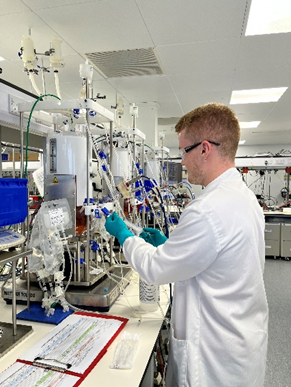
I spent my placement year within the Process Development (PD) division, specifically the Mammalian Cell Culture (MCC) PD department.  One of the tasks in my department was to carry out optimized fed-batch processes using bioreactors to grow cell lines, the cells then produce the target therapeutic protein which can then be purified and analysed by other departments within PD for customers.  

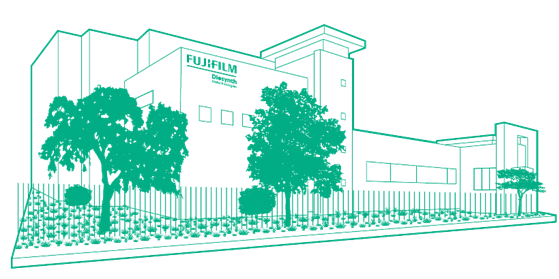
FUJIFILM Diosynth Biotechnologies Billingham Site: Art used from FDB Marketing

Why did I want to do a placement?

When starting my degree I hadn’t thought about the possibility of doing a placement year. Then COVID hit and my degree was heavily impacted which meant I missed out on a lot of lab sessions and became disappointed with the lack of hands-on experience I was getting. I read the BNS placement blogs and was really impressed with what other students had got up to in previous years and how they were able to get some industry experience before graduating so I applied for three placements that appealed to me and managed to secure the second one which was FUJIFILM Diosynth Biotechnologies! 

A Day in the life

I’ve found every day to be different so there wasn’t much of a typical day.  However, we had a team meeting daily to discuss everyone’s tasks for the day which gave me the opportunity to offer my help and get involved in work.

If there was a bioreactor process ongoing, then my days would be much more regimented. The morning would begin with sampling several bioreactors growing Chinese Hamster Ovary (CHO) cells and measuring the metabolites, gases, osmolality and cell counts using high-tech analytical equipment. Sampling shows us how the culture is doing and if we need to alter any of the parameters to improve the process, any abnormal data would indicate possible contaminations which are serious during customer projects. These bioreactors would need feeding later in the day with supplements such as feeds, glutamine and glucose to maintain the cultures and ensure the best product titres.

Adapting to a new routine

I thought I would be able to adapt quickly to working on placement, but it was harder than I anticipated. The 9 to 5 is a big change when you are used to the flexible timetable of university and it can be hard to stay engaged at work if you are tired so making sure you get enough sleep is important. However, one huge benefit was that my weekends were totally free and I could do whatever I liked free of Uni work. I had a lot of training to ensure I was confident and competent in carrying out my tasks which can take some time to get used to and can be a lot of information to take in but it meant that I was comfortable undertaking tasks independently.   

It’s not all lab work!

I found time outside of the lab to be just as fulfilling as time in the lab. I had not really thought before about the business side of science but it was interesting to see the relationships between employees and customers when I attended meetings for certain projects and how being able to present information and communicate effectively and professionally with customers is just as essential in an industry role as is being skilled in the lab.  

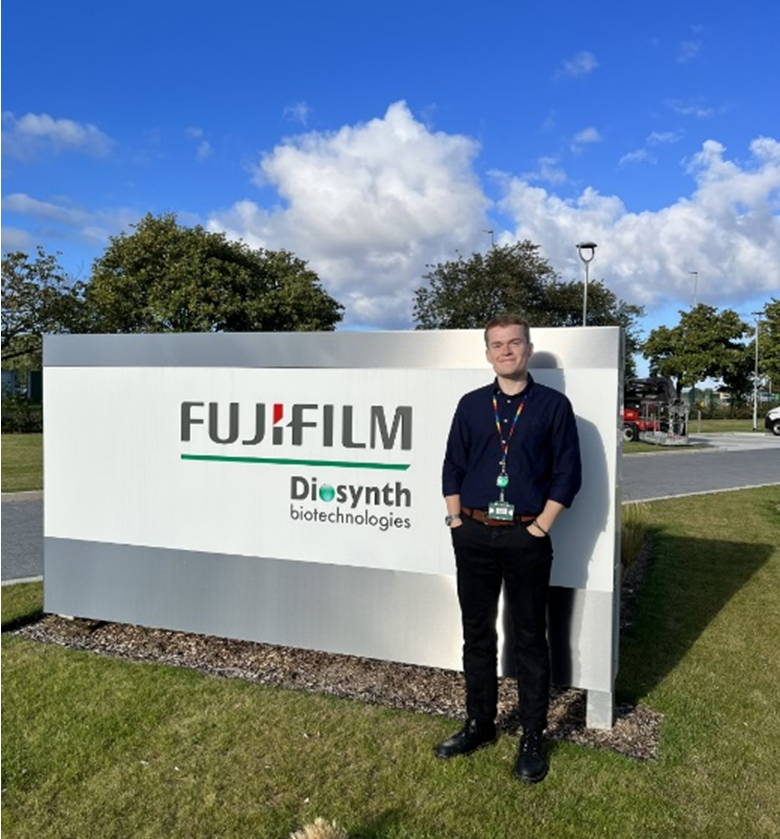
One of my last days on site.

I got to take on responsibilities outside of the lab that were essential to the running of my department, the biggest helping to implement a new electronic laboratory notebook system in which I inputted equipment as well as essential reagents used for media and feed preparations. I also got to train my colleagues how to use this system and software for their feed preps as I was the one of the first to use it. This allowed me to develop important skills outside of the lab which I can now demonstrate to future employers.  

Would I recommend a placement?

Yes, I would absolutely recommend a placement for a lot of reasons, some of the main ones being:

  • You get more lab experience if you’re on a lab-based placement 
  • You gain a lot of new skills you can demonstrate in the future and develop ones you already have 
  • You can earn a good wage 
  • You get to experience the science industry and see if it’s for you 
  • Make friends/network with people in the industry find out what they did and if they enjoy what they do 
  • In some cases, if you impress the company they will offer you a job if you come back after you have graduated