My Placement Year at Almac Group

By Sam Branton, Stage 3 Pharmacology

Hi, I’m Sam, I completed a placement year as part of my BSc Pharmacology degree. I worked as an analyst for Almac Group for 14 months at their Charnwood Site (in Loughborough). 

Almac Group is a Northern Irish pharmaceutical contract development and manufacturing organisation (CDMO). Pharma Services was the part of the company I worked for, specifically the Analytical Operations department. 

As an analyst I was responsible for performing the analytical testing of drug products and drug substances. The lab I worked in was a Good Manufacturing Practice (GMP) compliant lab so there were procedures to follow for pretty much everything that I did. This was tricky to begin with, but once I got used to it, it became a lot easier. 

A day in the life of an analyst

Working for a CDMO meant that I got to work with many different companies’ products. I worked with many different drug products and performed many different types of analytical tests. Unfortunately, due to the products I worked on being in the early phases of clinical trials, there was a lot of confidentiality around the companies I worked with and the products I analysed. 
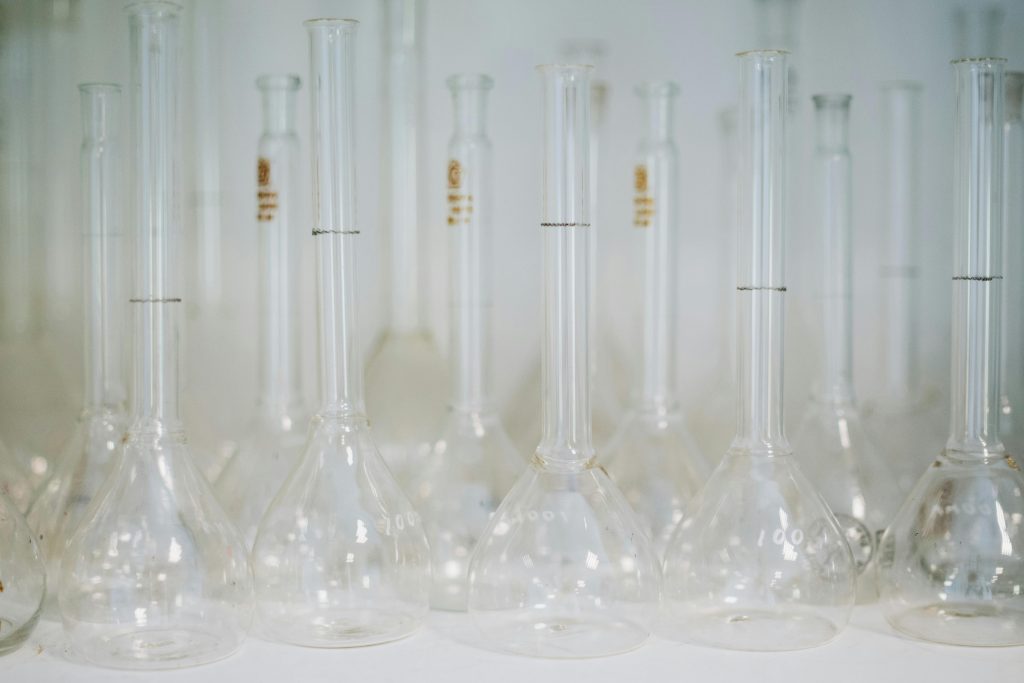
Volumetric flasks – a regular sight on placement. Photo by Mikhail Nilov on Pexels.

There was a lot of training I had to complete before I was able to perform any analysis. This involved reading and being signed off on all standard operating procedures (these basically told you how everything was done) related to the task. This took a very long time due to the amount that there were, so the first few weeks were not the most exciting. It got much better when I started my practical assessments for the analytical techniques. Then I could complete analysis on products. 

I was trained in a range of analytical techniques; dissolution, content uniformity, assay and related substance, water content (Karl Fischer titration), water activity, appearance, hardness, and disintegration. Some of which had to be analysed by high-performance liquid chromatography (HPLC) (or ultra-performance liquid chromatography (UPLC)) or UV-Vis spectroscopy, all of which I had to be trained on. Over the year I managed to gain lots of experience with each of these analytical techniques. 

Even though this was a chemistry-based role, placements provide training to ensure you are confident in your role. So, if you are thinking about applying to a role that isn’t directly linked to your degree I’d still recommend applying! 

Being a placement student

Despite being the only placement student on the site, I never felt out of place. Everyone was really friendly and made me feel welcome as soon as I started. As placement roles are usually similar to graduate roles, I worked with a lot of people who were also starting their first full-time job, which helped with my transition into the role. 

Outside of my placement, every Thursday me and some of my colleagues would go to the local climbing centre to relax and catch up outside of work. This made my placement year so much more enjoyable and helped me discover a new hobby I really enjoy! 
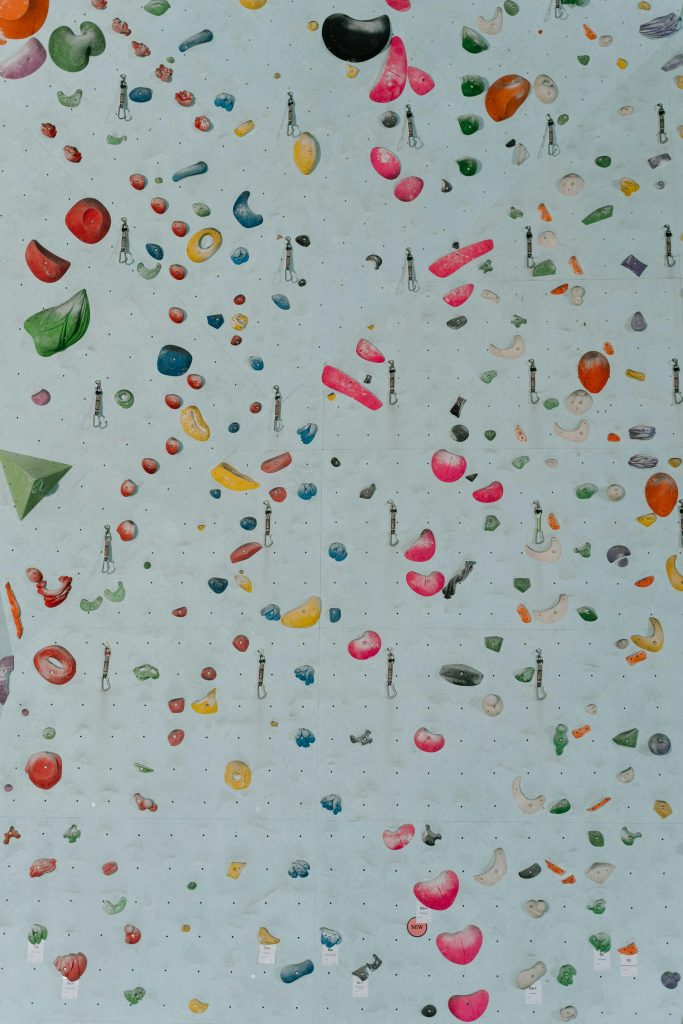
Discovering a new hobby in climbing – a good way to decompress after work! Photo by cottonbro on Pexels.

Do I recommend doing a placement year?

Definitely! I learnt so much during my placement and learnt how to use many bits of fancy (and expensive) equipment that I wouldn’t have done if I’d gone straight into my final year. Pretty much all placements are paid too which can help reduce some stress for your final year. The experience you gain from your placement will help when applying to graduate roles. It’s also possible to be offered a job where you completed your placement for when you have finished your degree! So, if you are considering applying, I’d highly recommend it! 

If you’re applying to placements, good luck! Photo by Jon Tyson on Unsplash.
Placement years: there are more options than you think!

By Megan Groves, BSc Biomedical Genetics with Professional Placement Year

Hi, I’m Megan and I’m a Biomedical Genetics student at Newcastle. I was very lucky to be able to undertake a unique type of placement year and learn more than I ever could have imagined! 

I find it so much easier to learn new skills while working and being able to apply my knowledge in real time so I knew a placement would suit me perfectly. I applied to a few placements advertised through the university, but none really spoke to me. I wanted to see if I could find other options, so I typed “Genetics UK” into Google and cold-emailed the first 5 pages of companies that came up. Luckily, Gemini Genetics was among the ones that answered!  

After a phone interview, I travelled to Shropshire for a trial day, and I was easily convinced that I would really enjoy my time there.  

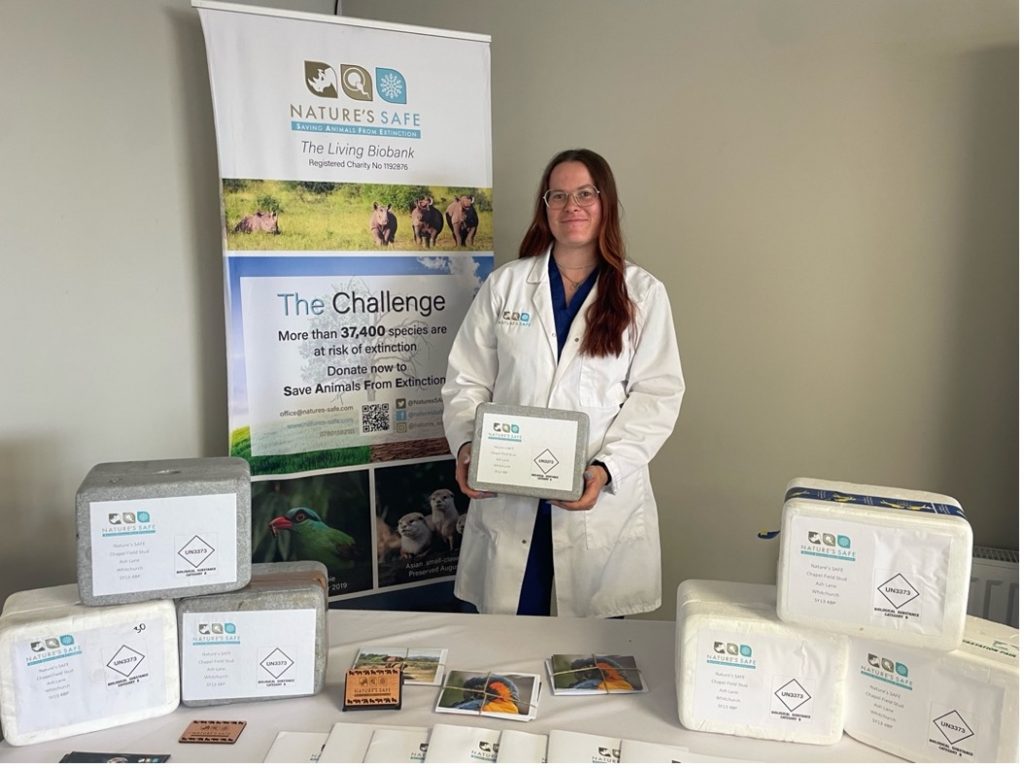
Social media promotional posts for charity Nature’s SAFE.

The placement I undertook was quite particular as I worked part time for 2 very different companies that operate on the same site. The first one, Gemini Genetics is a company that offers genetic preservation and cell culture services for pet owners who wish to clone their cats, dogs or horses. It is a very small company, so I was able to get involved in a lot of projects and make progress quickly.

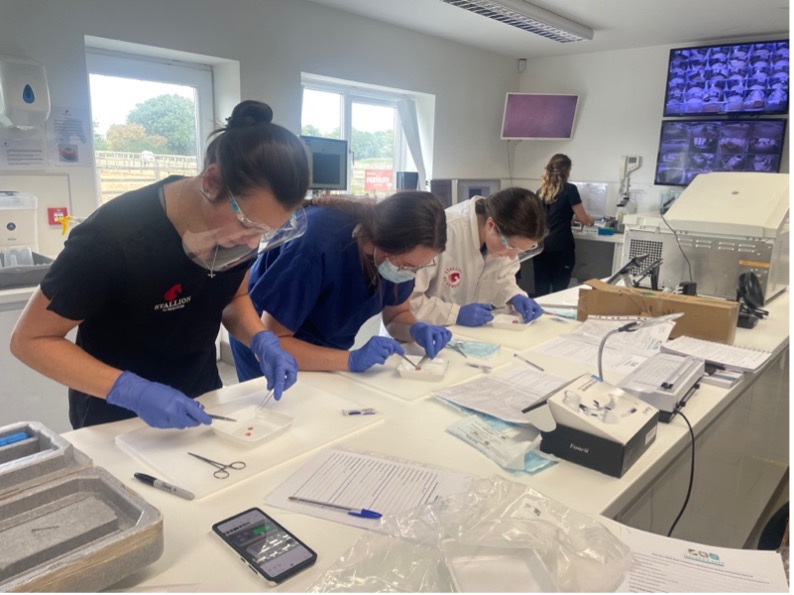
My job involved everything from data management, contact with clients and social media marketing, to genetic preservation sample processing, cell culture work, liquid nitrogen handling and all lab work for sister charity Nature’s SAFE – a charity that endeavours to save animals from extinction by cryopreserving samples from hundreds of endangered species.

Performing an epididymal semen extraction on squirrel monkey tests for charity Nature’s SAFE.

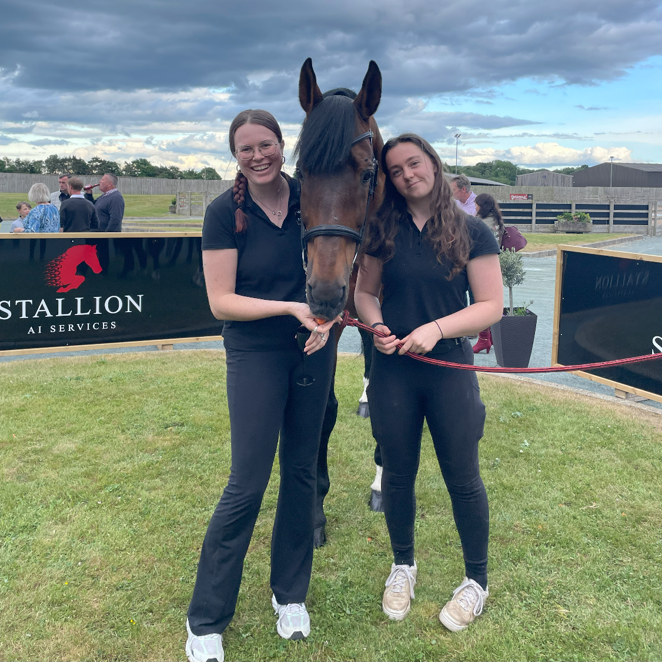
My second job was working for Stallion AI Services, a world-renowned company in the field of equine breeding. I spent 2 days a week working on the yard as a stud groom, taking care of the stallions as well as learning about semen collection and processing. This allowed me to have a very varied workload, going from physical yard work in the morning to lab work in the afternoon multiple times a week. The team working with the stallions was also incredibly warm and welcoming and it felt very rewarding to become a true part of it. Stallion AI Services also employed 2 other placement students and as we all lived onsite together, it allowed us to grow very close and make some fantastic memories!

Big Star Movie Premiere Event at Stallion AI Services

Working both of these jobs allowed me to condense so much learning into one short year – building on completely different skills every other day. I thrive on variety and being able to hop from one role to another, sometimes multiple times within a day, was truly the best thing I could have asked for.

Why would I choose to do a placement at a small company?

When you work at a small company, you end up being involved in more aspects of its daily operations and get to see the full scope of your work! At Gemini Genetics, the lab staff included my manager, myself, and one other part-time member of staff. This meant I was able to get fully stuck in with loads of different jobs, from social media to sample processing and client enquiries which meant I was able to be involved in processes from start to finish!

How can I find a placement tailored to me?

Because the placement itself is so unique, there isn’t just one answer to this! For me, I found that really leaning into what differentiated me from my peers and what I could bring to the company was key.

For example, I have a background working in the equine industry from before going to university so I leaned into that when I found the opportunity to do these placements – and I speak French and German which ended up being a massive plus in these companies that have loads of European clients, and not always staff members that are proficient in the languages!

Is taking a placement year beneficial?

I personally cannot put into word how beneficial I think placements are! They teach you so much about yourself as well as the industry you might (or might not!) want to work in. There is nothing like a steep learning curve in a completely new environment to build friendships for life and some hard-earned resilience – especially if you have to be around moody horses in the cold and wet Shropshire winter!

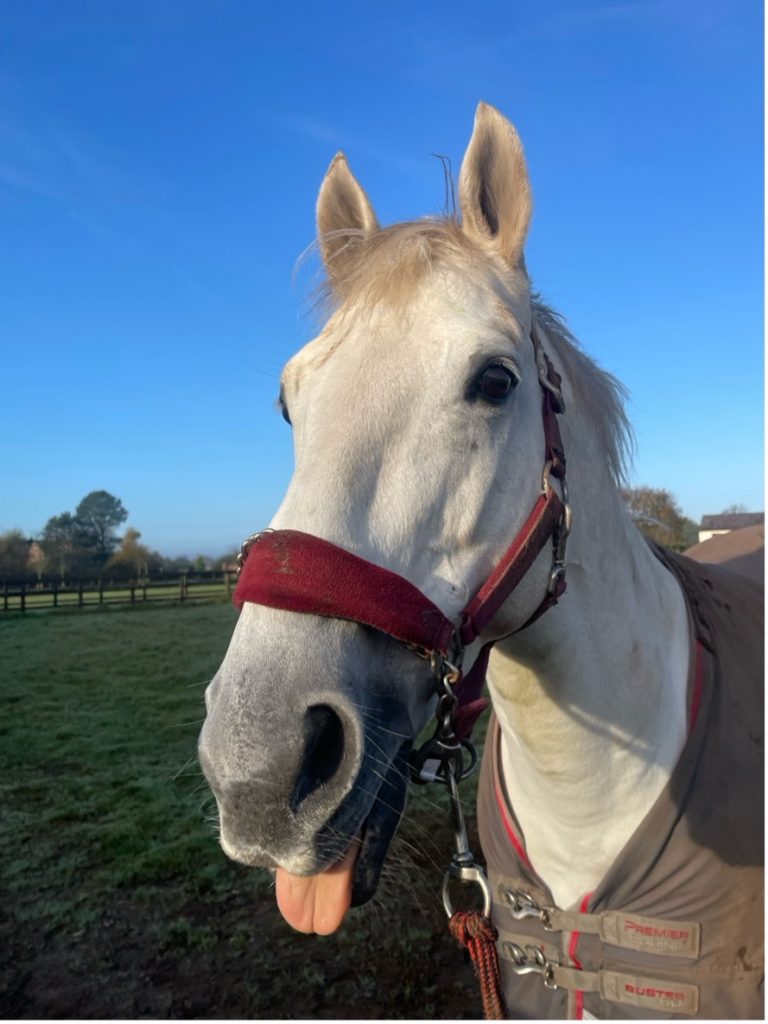
Cloned stallion Murka’s Gem striking a pose.

My Immunology Placement at GSK 

By Laura Butler, BSc Biomedical Sciences with Professional Placement Year

For my placement year, I spent 12 months working for GlaxoSmithKline (GSK) at their Stevenage site.  

I was part of the Respiratory, Immunology and Inflammation Research Unit, who focus on developing medicines for immune-driven diseases including asthma, chronic obstructive pulmonary disease, systemic lupus erythematosus (or just ‘lupus’), and other inflammatory diseases. I worked within the biology team of this research unit, who perform experiments to aid in the pre-clinical development of drugs. I really enjoyed working within the biology unit, as it was clear to see how my research contributed to the drug discovery process, and how it could potentially help patients in the future.  

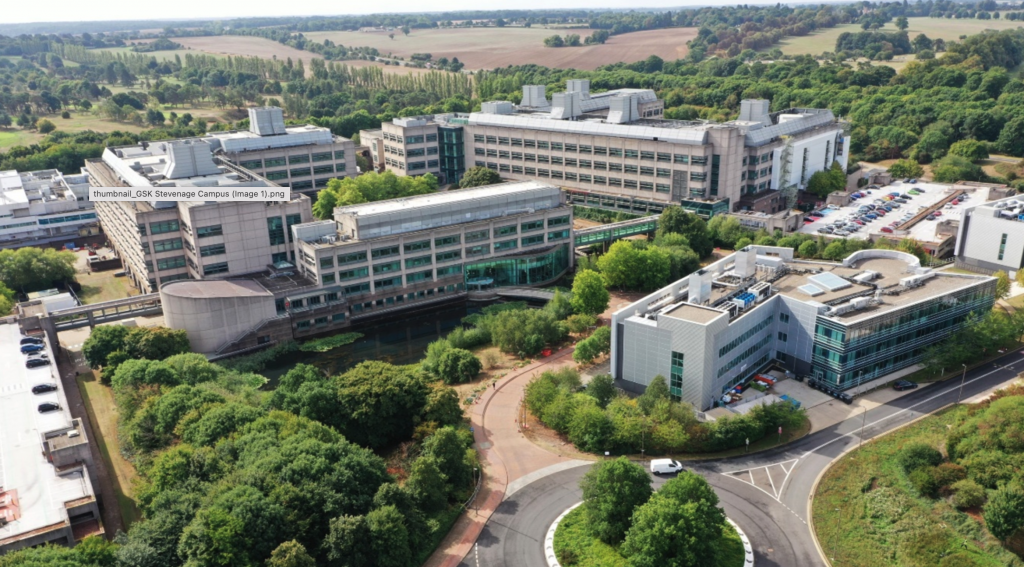
GSK’s Stevenage Campus – home to about 90 placement students each year.

Day to Day

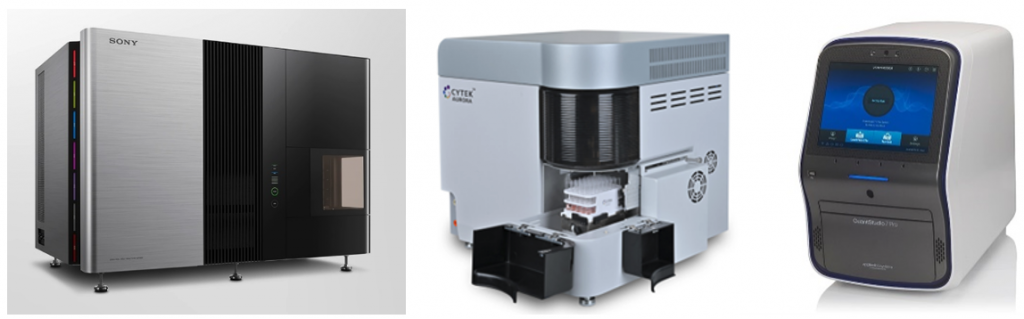
I usually spent a couple of hours in the lab performing experiments each day. I was supervised in the lab during my first month, but then I was able to work independently. I was involved in multiple different projects during my time at GSK, so I learnt a range of lab techniques including cell culture, ELISA (enzyme-linked immunosorbent assay), qPCR (quantitative polymerase chain reaction), and spectral flow cytometry. I also learnt how to design experiments, and to troubleshoot when things go wrong.  

These are some of the machines I used on my placement. Left to right: Sony ID7000 spectral analyser, Cytek Aurora, and the Quant Studio 7 Pro 

Outside of the lab, I analysed the data from my experiments so I learnt how to use multiple data analysis softwares. I then wrote up the method, results, and conclusions of my experiments so the company keep a record of them. I also attended team meetings, where I would often present my results to colleagues from across the company. I now feel much more confident presenting my work and my presentation skills have improved massively. I also attended seminars to learn more about work going on outside my project.  

Adjusting to working a 9-5 job was a big change because I was used to the flexible timetable of university. However, the placement 9-5 meant I could enjoy my evenings, weekends, and holidays without feeling guilty about not doing university work which I really liked. I also really enjoyed designing my own experiments and not knowing the outcome, which I haven’t been able to do at university yet.

Volunteering

Whilst working for GSK, I participated in the Leaders in STEM program, which involved running weekly sessions for year 12 students at a local school. I worked with other placement students to deliver several sessions about STEM topics, such as bioinformatics, drug discovery, STEM careers, and genetics, and we also ran several practicals.  

The students then planned a presentation on a topic of their choice which they delivered at a symposium at the GSK site to students from other schools. We delivered sessions on presentation skills, referencing, and how to find reliable sources to help them plan this presentation, and then they delivered it in front of us and we provided feedback. This experience helped me feel more confident mentoring and teaching other people, and it was a very rewarding experience.  

Life on Placement

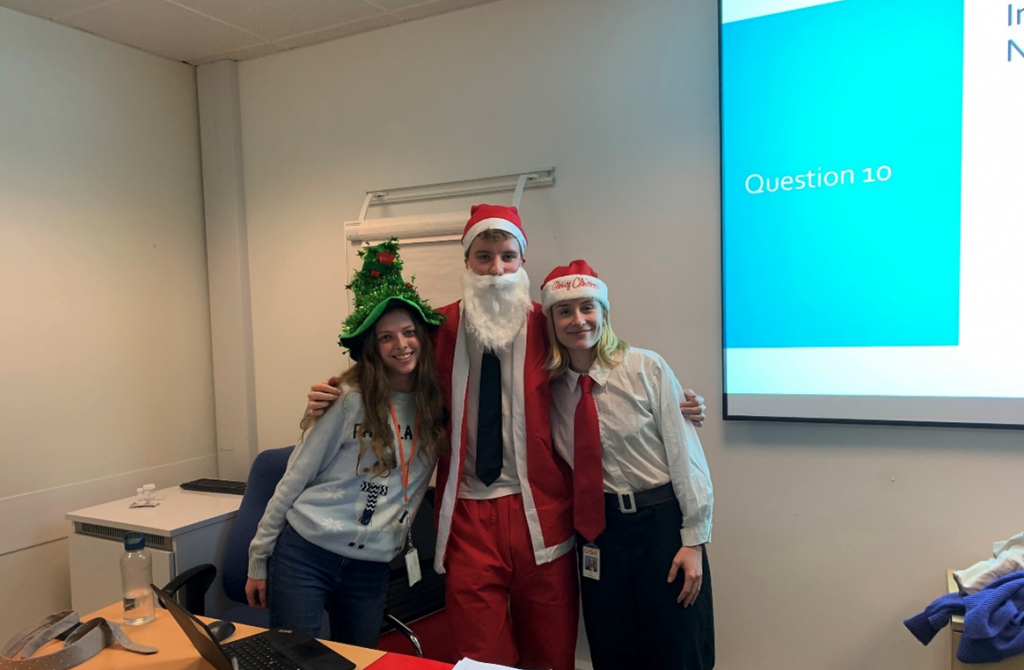
Outside of the lab, I also helped organise a Christmas quiz for my team alongside the other placement students which was really fun and our team enjoyed it! 

Picture taken at the Christmas quiz. Pictured left to right: Laura Butler, Nathan Whitty, Vera Kjellberg.  

The placement student committee organised pub quizzes, a ball at the Gherkin in London, and a boat party. There are about 90 placement students at the Stevenage site so I still felt that I had a student community whilst on placement. Stevenage is well-connected with cities such as London and Cambridge, so me and the friends I made on placement were able to go to Thorpe park, Kew Gardens, the theatre in London, punting in Cambridge etc. 

Pictures from visits to (clockwise from top left): Thorpe Park, Notting Hill, Tower Bridge and the Houses of Parliament.

Advice

I was nervous leading up to my interview for this placement year, so I wrote out answers to common interview questions using the STAR technique and I practiced them, and did some research on GSK and the immunology drugs they have on the market. I also did a practice interview with Dr Beth Lawry, one of the academic placement officers. The preparation I did and the practice interview really helped me in my real interview. 

I am very thankful for this experience and have really enjoyed my placement year. I would like to continue working in the lab after university so the skills I have learnt during my placement will be really valuable. I have learnt a lot about the pharmaceutical industry, and my colleagues have been very supportive and have given me some very useful career advice. I would really recommend a placement year to anyone considering one! 

I Did a Placement In My Uni City, And You Should Too!

Bailey McBride, Physiological Sciences 

Hi! I’m Bailey, I study BSc Physiological Sciences at Newcastle and had the option of doing a placement year between stages 2 and 3 of my degree. I now work in the NHS, as a Junior Information Analyst for Northumbria Healthcare Trust, and I’m here to share all the joys I’ve experienced whilst being on placement in my uni city.  

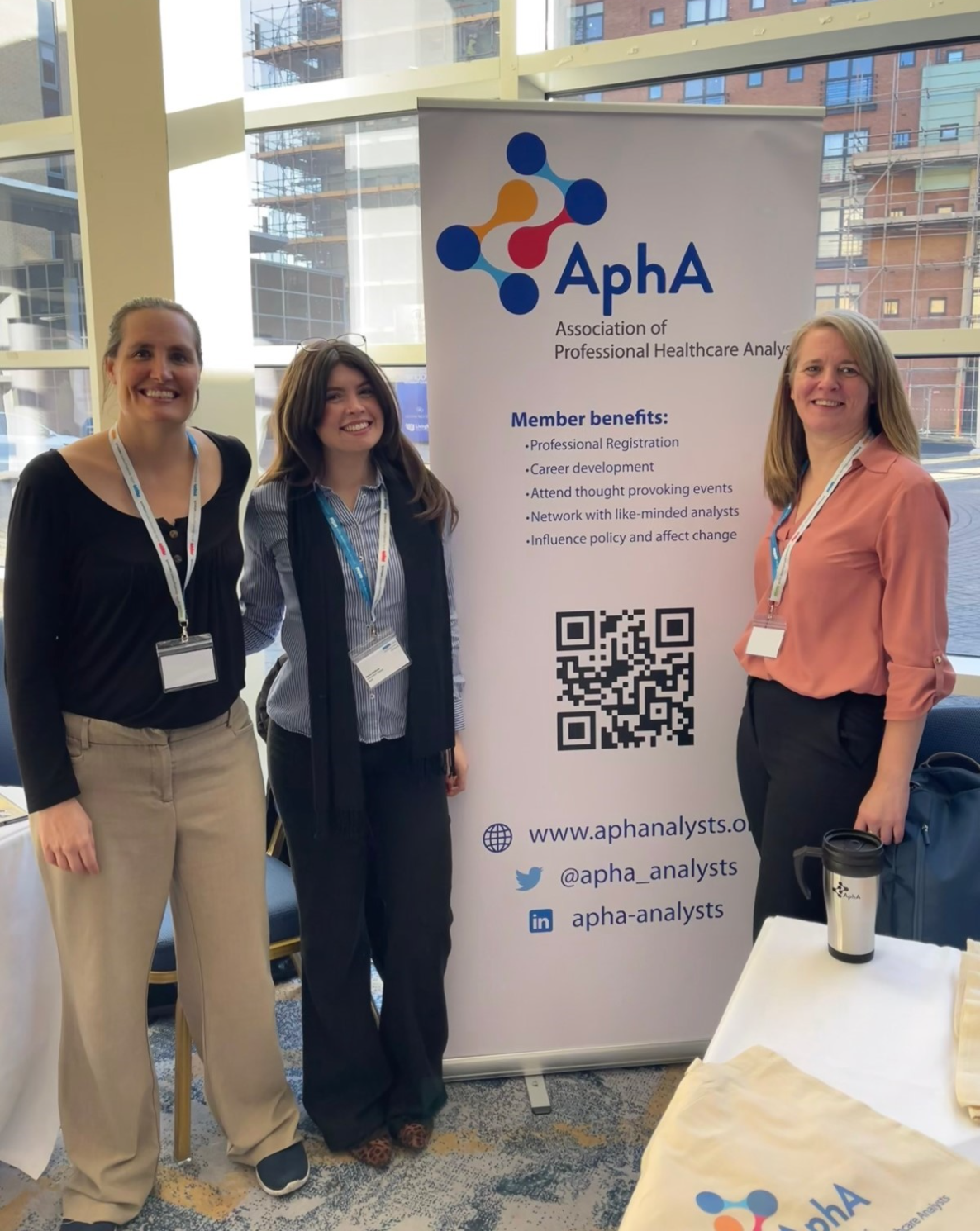
Helping out at our stall at the North East and North Cumbria Skills Development Network Digital Conference on my placement year.

BUT WHY SHOULD I DO A PLACEMENT? AND WHY IN UNI CITY?

Good questions, thanks for asking. Personally, my placement year has been one of the most valuable things I’ve done at uni. It’s given me the space and time to realise what I like and don’t like about office 9-5 working, and truly confirmed what I want to do in the future. 

Now, I’ll be honest. I didn’t originally plan for things this year to work out so well… but you can! I had my sights set on completing a placement back home, but after a few tiring months of learning to deal with rejection – I decided to look further afield. My office-based placement, situated just outside of Newcastle, has been the loveliest addition to my life at uni, and I hope the following helps you understand why I advocate for YOU doing a similar thing. 

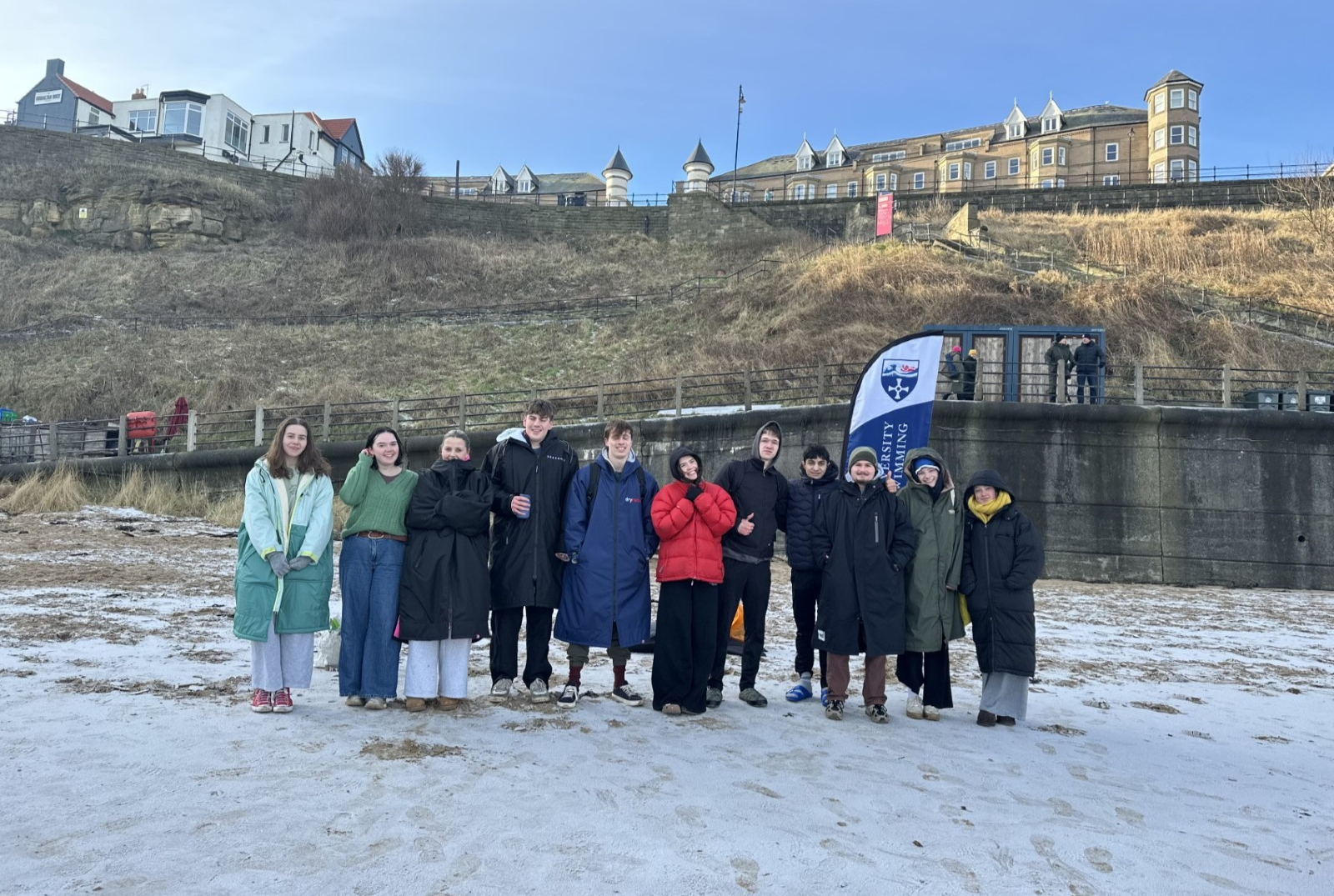
Newcastle University’s Cold Water Swim Society in the snow at Tynemouth – Placement students are still registered with their university so staying in Newcastle means keeping up with your societies. 

TAKING THE PRESSURE OFF

If you’re a student anywhere in the UK, you’ll know of the immense pressures of finding ‘next year’s house’. Add a potential placement into the mix and you’re stuck. I’ve come across one too many people who’ve held out for a placement and haven’t managed to secure one before final year arrives.  

Does the thought of spending your final year in a house with strangers stress you out? Me too. 

So, sign that house with your best mates. Commit to living in Newcastle again – but hope that this time your desk won’t be used for late night revision, but as storage, as a makeup table, as a work from home station.  

Try your best to find a placement in/around your uni city, and if worst comes to worst, you carry on with Stage 3 – living with people you know and trust. 

Going on placement can be daunting, and a lot of change at once. But staying in Newcastle, with my friends, took some of the pressure off. 

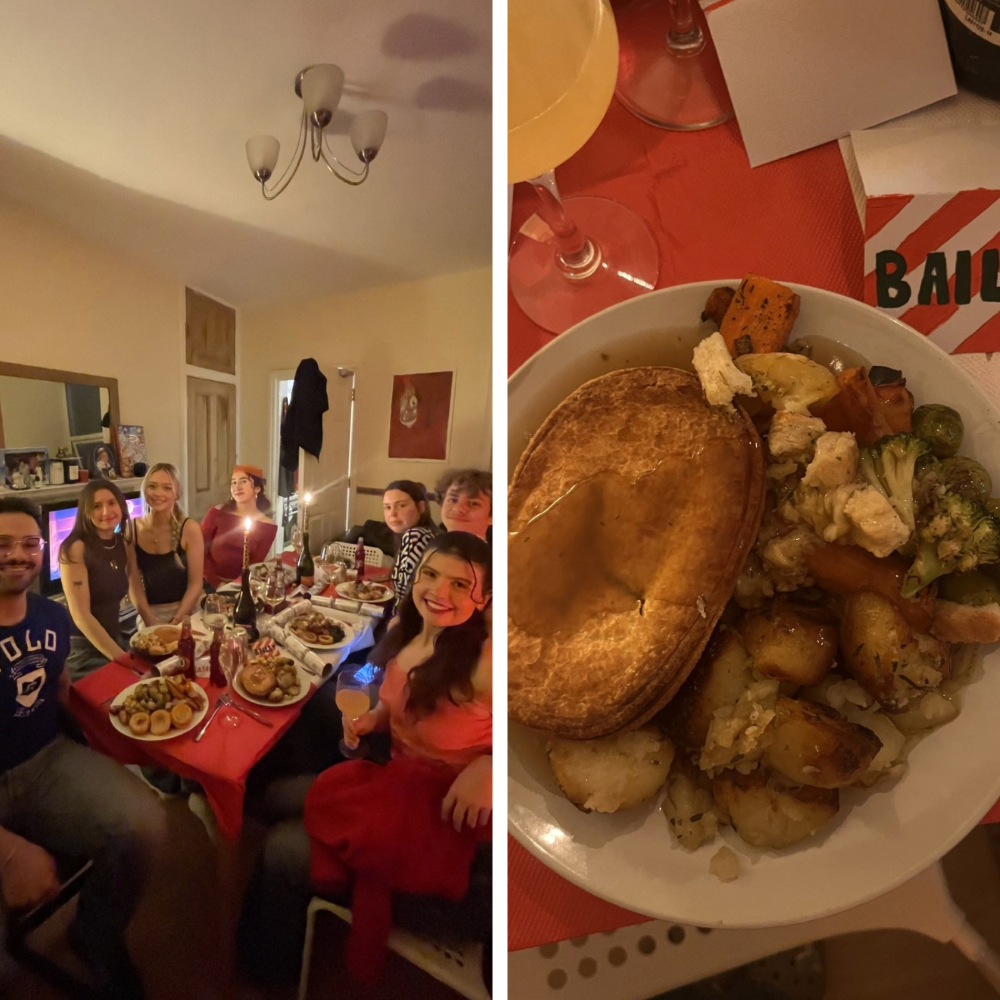
Christmas dinner with my lovely friends! ‘24 

LOCATION, LOCATION, LOCATION

Let’s talk Newcastle. A great place to be a student – a place surrounded by opportunity. Newcastle is bursting with business and science parks, and so are the surrounding areas. With the metro, commutes out of the city are made easy. Perfect placement is in Durham? Be there in 10 on the train. 

Not only do you have a wide area to apply for placements within, but there’s so much to explore on your weekends/ evenings. Say goodbye to the guilt you feel when you spend your afternoon at Tynemouth when you could’ve been in the library. Your time outside of work is yours

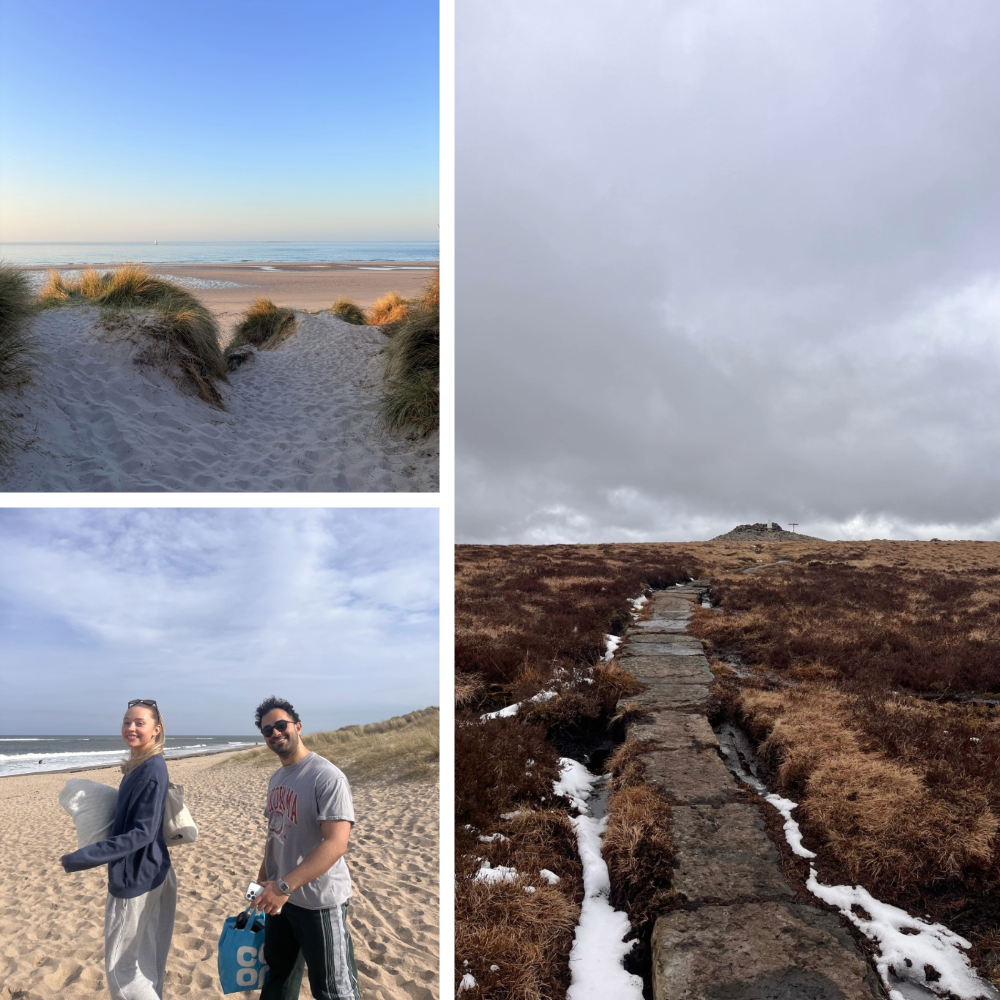
Bamburgh beach, Cresswell beach and Windy Gyle in the Cheviots, all Northumberland treasures 

I’ve never truly felt a clear divide between uni work and personal life before this year, but not having to think about work until I clock back in the next morning is something I aim to carry with me into my final year. Which brings me onto my next point … 

PREP FOR STAGE 3

Taking this year to refine my time management, digital organisation and overall personal routine has been invaluable. My aim for this year was to create habits that’d serve me in my final year of Physiology, and I have. Living a semi-uni lifestyle on a graduate budget, with something to get me up and out *early* every morning has been a dream. I can’t recommend it enough. 
King Edward’s Bay, Tynemouth – late October sunrise Yoga & Swim 

QUICKFIRE QUESTIONS

Q – What if I hate my placement? It’s a whole year! 

A – Half of knowing what you want to do is knowing what you don’t want to do, and every experience teaches you something valuable. At the very minimum, your placement should be paid! 
Q – Have you felt out of place at all working a full-time job whilst your friends have been at uni? 

A – Honestly, no. For most of the year, the people I’ve surrounded myself with have worked similarly to me. If anything, it’s nice to be the one with free time for once. 

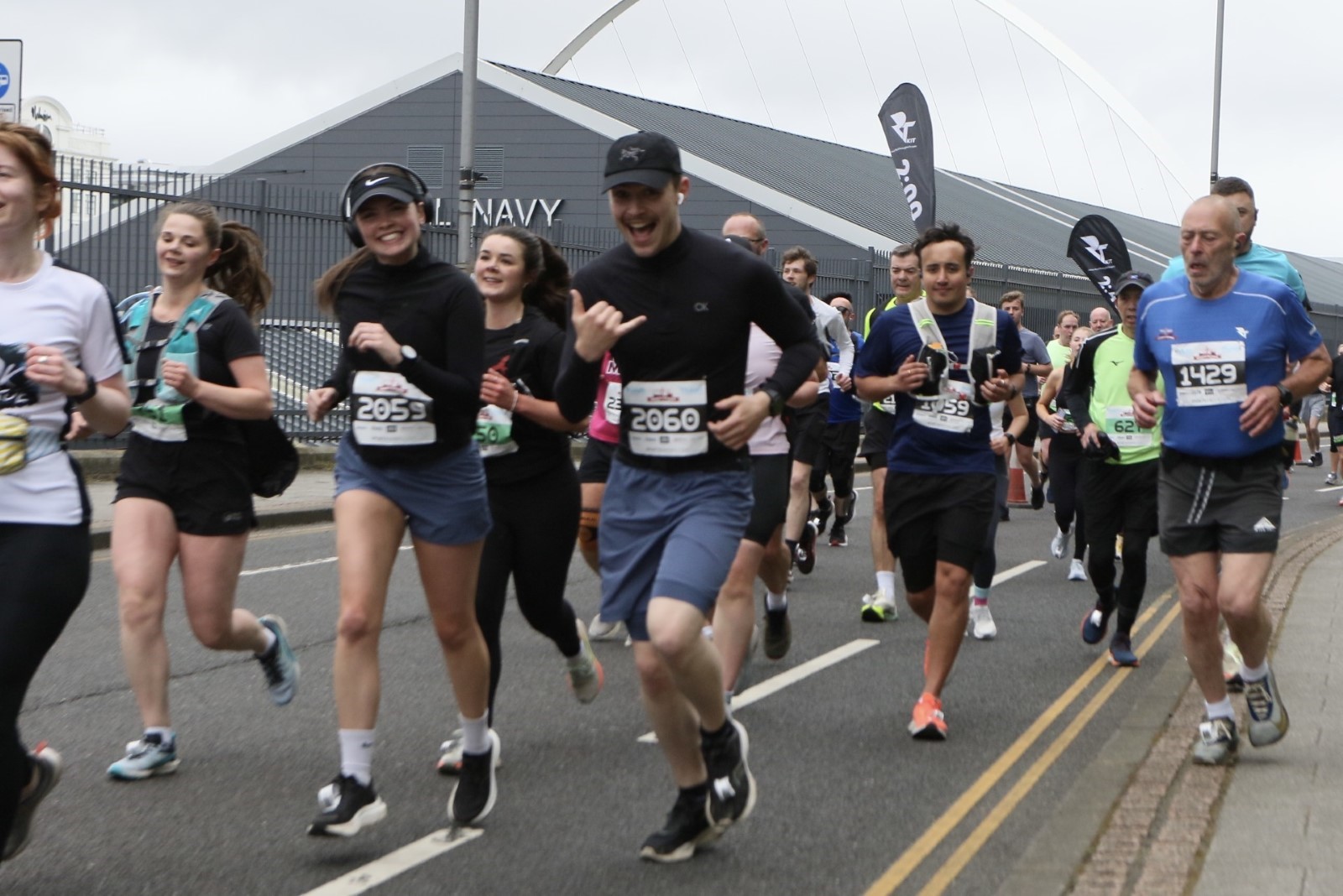
Gateshead Half Marathon, May Bank Holiday 2025 

FINDING SPACE

The space I’ve experienced this year to grow and find my feet in Newcastle has been great. Placements can be challenging (especially at the beginning) but once I got used to my routine, I found myself doing SO much outside of work to avoid my 9-5 (actually 8-4) taking over my life. From sunrise swims to marathon training, learning to code to working in a tight-knit team, my placement year has nurtured every part of my life. It’s an experience I’d recommend to a friend. 

Find out more about Northumbria Healthcare Trust here.

My Internship at Organon

by Grace Preston, Stage 3 Biomedical Sciences

A Little Context

Hello, I’m Grace, I study Biomedical Science and I had the option to take a placement year away from studying and get into the job role behind my subject. I was one of the lucky few to be offered a year at Organon.  

Most of you will not have heard of Organon but once I did my research into the company and its values, I found it to be the perfect option for me.  

Organon is a global women’s healthcare company based in 62 countries (to be precise) but lucky for me I was based just around the corner in Cramlington. Different sites vary in testing and research but in Cramlington we focus on testing drugs already on the market (known as stability) and new drugs preparing to be put on the market (known as release). 

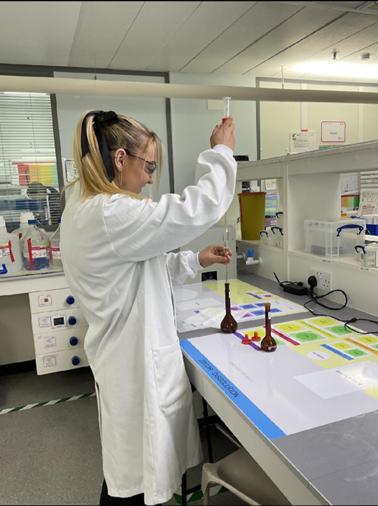
Me preparing standards.

A Day in the Life of a Lab Intern

After our training we were given the teams we would be based in. I got put into the montelukast team also known as singular (I know, long drug name) which is a drug for asthma specifically for children’s asthma attacks but can be used for lots more. The team were so helpful in getting me up to speed with the number of drugs we receive each week and the typical plan for the week to make sure we release them before their guideline date. I soon learnt each week is different with which type of drug we received and trust me I still can’t name you every single variation of each different drug and how many different tests are needed for them.

My days varied with the different training I received during my year such as UV work, use of DR baths, content uniformity and assays all used to determine how effective the drug is through time points. After a couple months our teams changed and become merged with another drug called Zocor also known as Simvastatin which is for lowering cholesterol.  

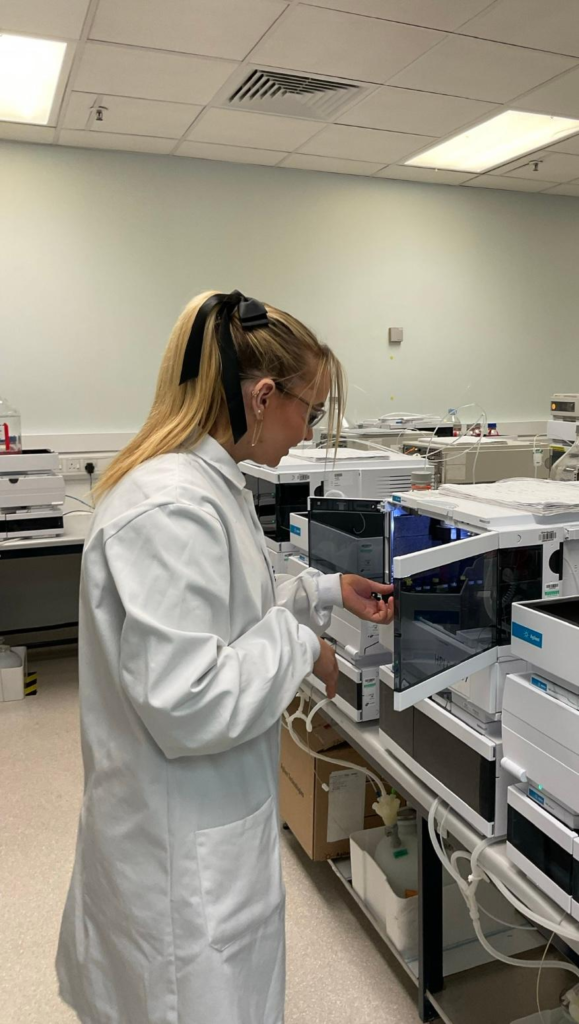
Me using a high-performance liquid chromatography (HPLC) system.

Is It Challenging?

Of course it is, as is every job. Going from a full-time uni student going out with friends (a little too much I care to admit) and basing your life around lectures and which test or essay is next to a full time 9-5 job is a struggle at first, but you’ll be surprised to know how easy it becomes after a few weeks. The timelines and responsibility were very similar to university, but the stress is so much different at the end of the day you finish work and that’s your day done; not “oh no I need to revise”.  

My Advice

If you’re looking for placements look into the companies and job roles so you can understand the expectation and if it suits you. Theres no harm in applying for lots and when you get to the interview stage, practice your questions and even make some of your own for when you get there, and do some research into the company but most importantly just be yourself.

Ps LinkedIn is amazing for connecting with current placement students as well as current placements on offer. 

Motivation (via Giphy)

So Should You Do a Placement…?

Simple answer, absolutely! The experience in a scientific working atmosphere is amazing. It helps you gain experience for your future jobs as well as lets you understand your subject so much better and helps you realise what areas you’d like to be based in in later life. I have not only gained so much experience scientifically but also made some incredible friends and gained so much more working life skills that I will 100% be using.

It may be stressful looking at jobs in areas you’ve never even looked at before but trust me just do it, everyone is so welcoming and helpful and you’ll be surprised how much you can learn in just a year. 

So, take this as a sign to start placement hunting and get your CVs and cover letters sent in, you won’t regret it! 

The wonderful world of Microbiology

Ever wondered what goes on in the Newcastle University Biomedical Sciences labs behind the scenes? On Wednesday 28th February, researchers from the school of Biosciences, Nutritional and Sports Sciences organised a Microbiology research fair to give students a sneak peak into the fascinating world of microbiology research, PhDs, careers, summer placements and final year projects. There were also amazing opportunities to go and see the research laboratories and facilities on the lab tours. So I couldn’t resist tagging along to see what was going on – and let me tell you, it didn’t disappoint! From chatting with researchers deep in ground-breaking projects to getting a first hand look at cutting-edge equipment, there was so much to discover.

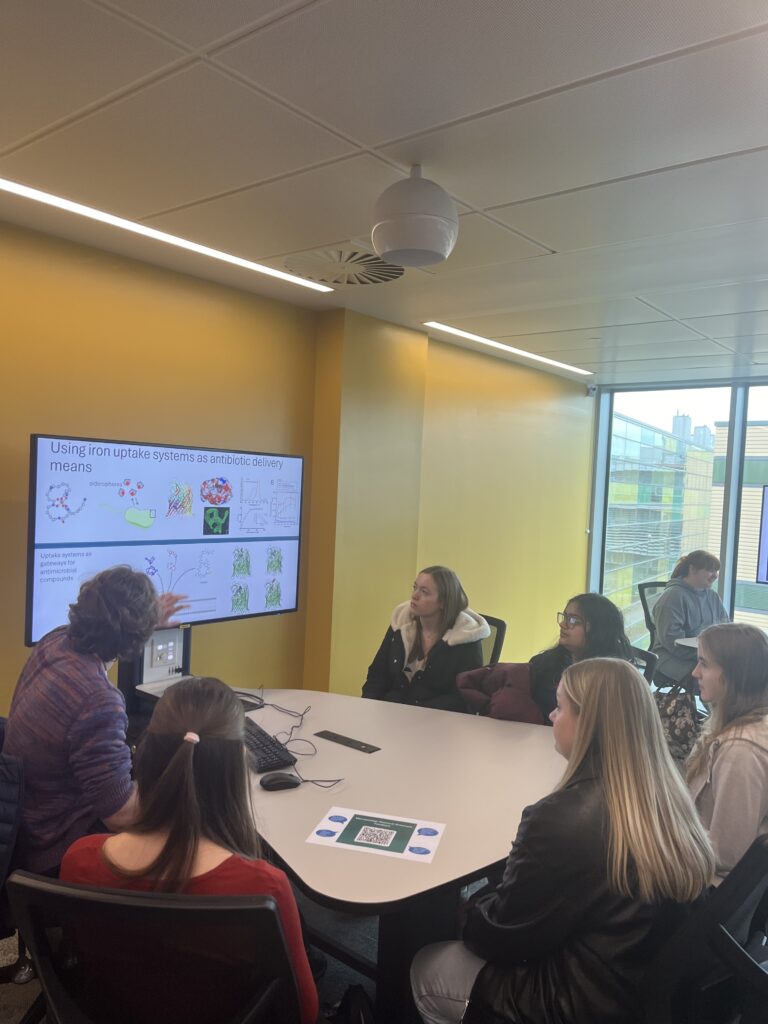
Students were talked through different research at each station

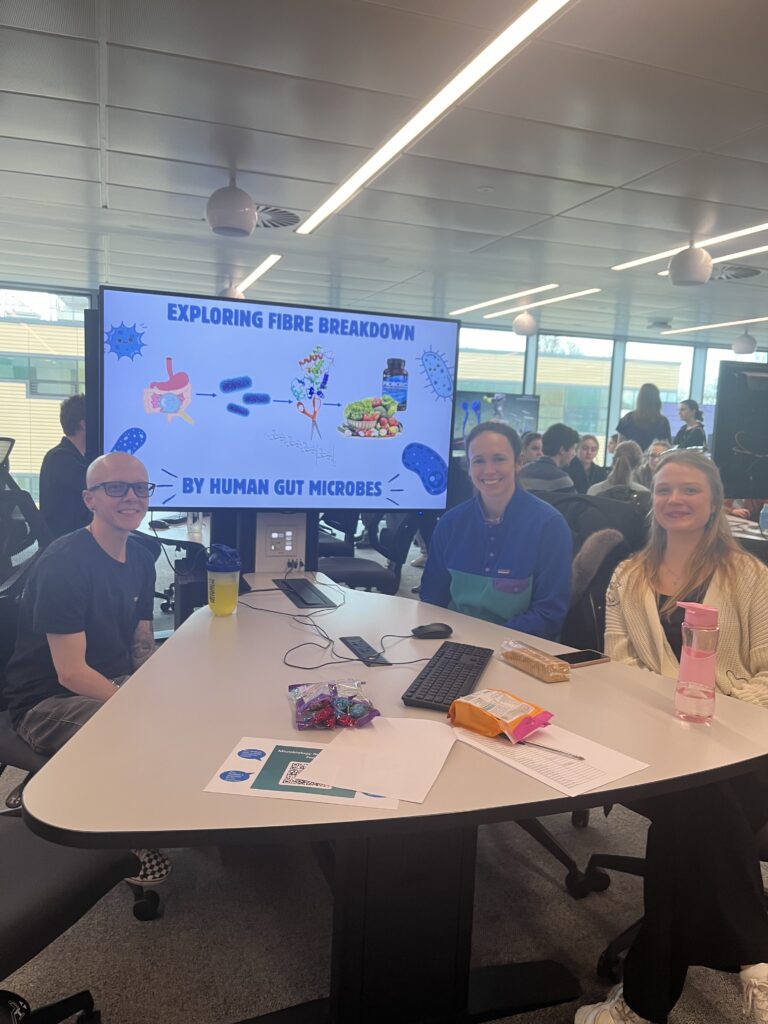
There were many areas of research, but one big topic that caught my attention was the gut microbiome. Even though this research fair was mainly aimed at Biosciences students, it was interesting as a student dietitian myself to see the vast amount of research that the University is conducting on this area, as it is a really new and exciting area in the advancing field of nutrition. Some PhD students were researching into how fibre is broken down in the gut by different strains of gut bacteria and how the body uses these chemicals that are produced. One student was focussing particularly on how caramelised sugars are digested by the gut microbiome, and even though excess sugars are seen to have harmful effects on health, some gut bacteria can break these down to useful chemicals!

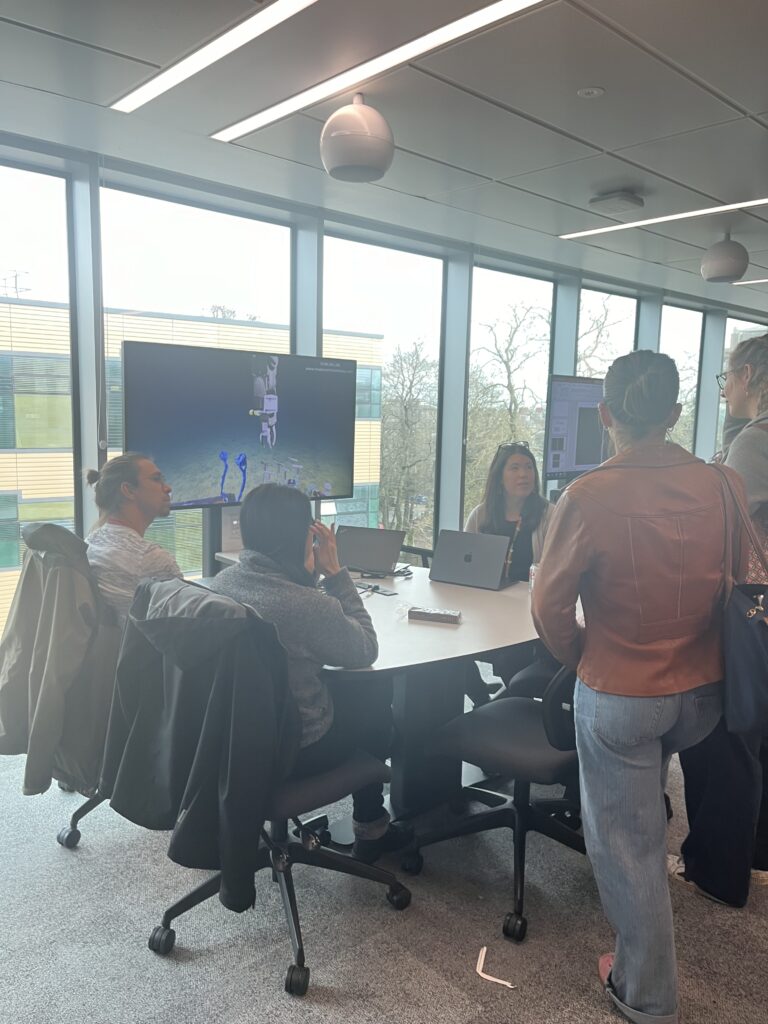
One of the most interesting stations for me was the station that was showing a machine taking species from the sea to make antibiotics. A remote machine goes down 4000m deep in the South Pacific and takes samples from the bottom of the ocean. It was fascinating how intricate the collection process was, yet how simply the machine could extract the sediment. These samples are then transported back to the labs and the microbes are cultured. The microbes of particular interest to them are Actinomycetes, and these produce 70% of all antibiotics. These actinomycetes have the ability to kill MRSA and other large strains of microbes. These researchers really had a passion for the undiscovered potential of the sea, and it seems like this is a really up and coming area of research.

Here you can see the machine arm working at the bottom of the sea floor to extract the sediment

The most exciting part of the afternoon was the tours of the research labs! From state-of-the-art equipment to cutting-edge facilities, the students got a first hand look at what goes on in the world of research. Our tour leader’s research was focussing on Staphylococcus Aureus. Yes, we are talking about the superbug MRSA – a bacteria that is very complicated as it has the potential to cause lots of different diseases.

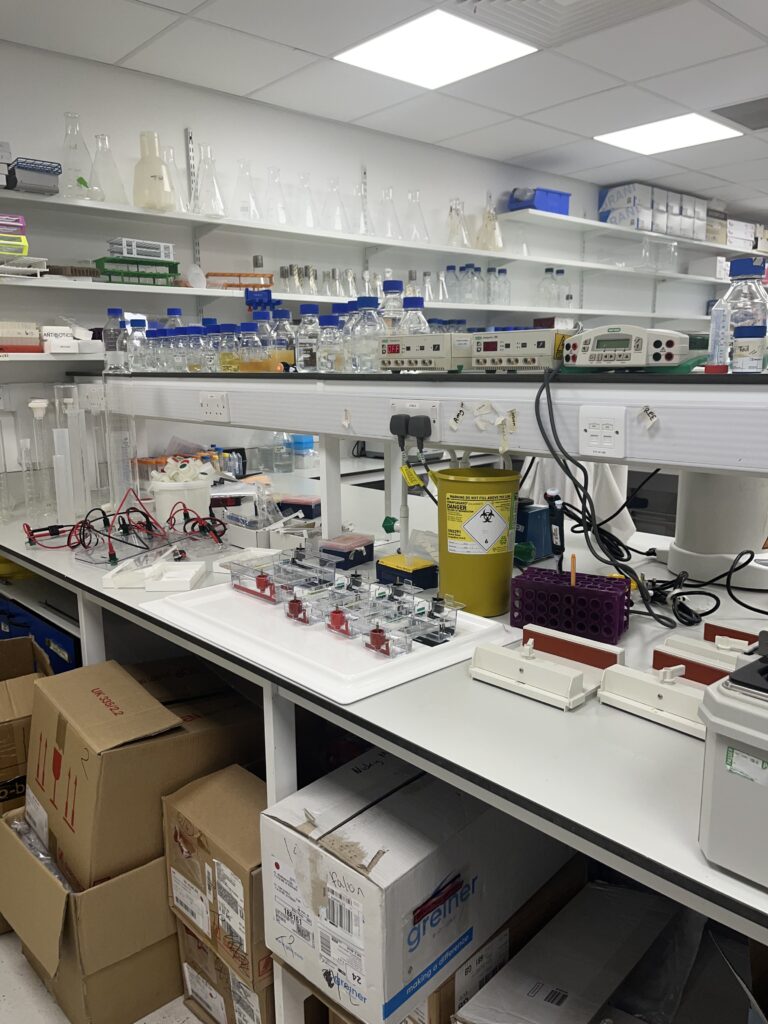
Gel electrophoresis equipment in the laboratory
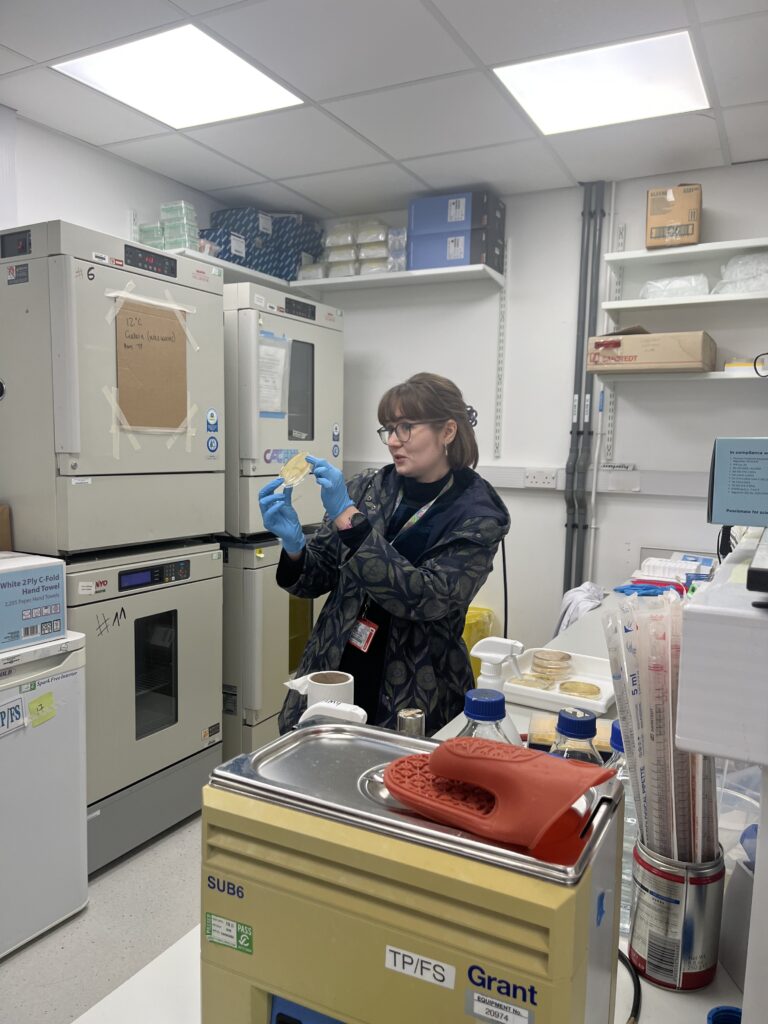
Our fab laboratory tour guide showing us her MRSA superbug cultures

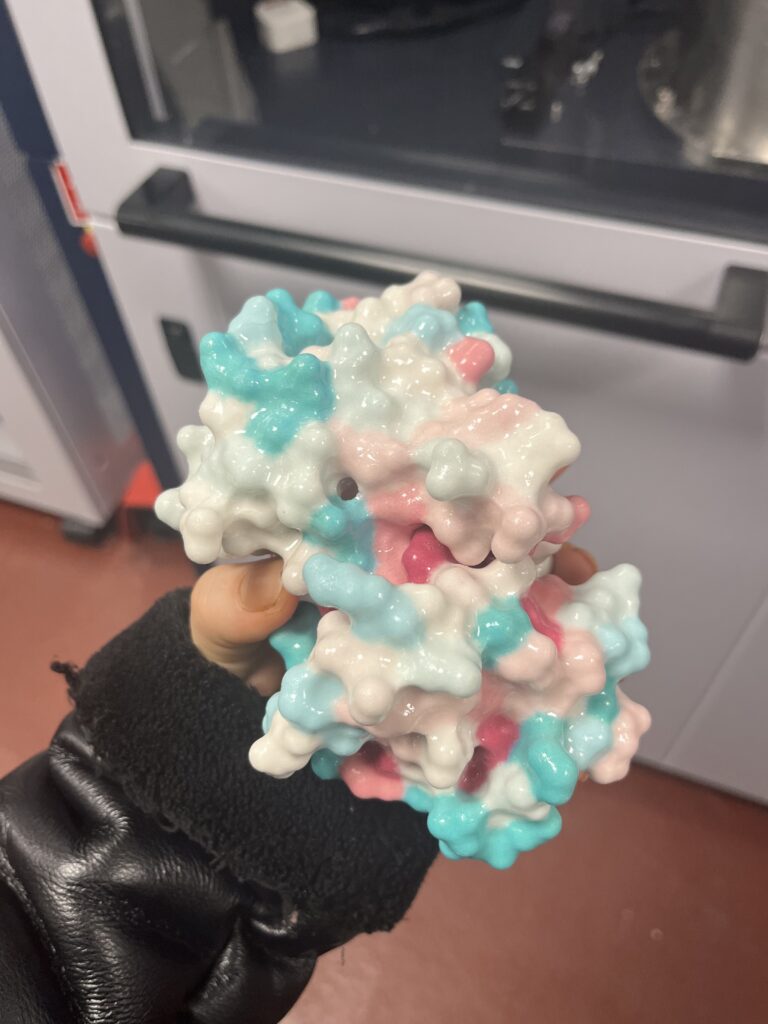
The labs had loads of cool equipment – the second one we were showed around was a biochemistry lab with research focussing on proteins. Their mission is to purify tiny proteins to find the protein of interest, and then grow crystals of it. The coolest machine in the lab by far was the X ray generator, which focuses on the protein crystal. The x ray signal is then amplified and detracts using electron density, which will rotate and shoot as many x rays as possible to collect the data. This helps them to calculate the structure of the molecule with the help of computer software, therefore figuring out what the protein looks like and its function. Ever heard of the lock and key interaction? Well, imagine the protein as the lock and the target molecule as the key. With 3D printing technology, these researchers can create super cool models of the protein structure. And here’s a fun fact to wrap things up – this model below was created of a tyrosine residue. Turns out, it’s not just some fancy scientific term – it’s actually a super important ingredient that can be used in toothpaste to break down plaque in your mouth, showing how important this science research is in everyday life!

The 3D model of tyrosine residues generated by the 3D printer


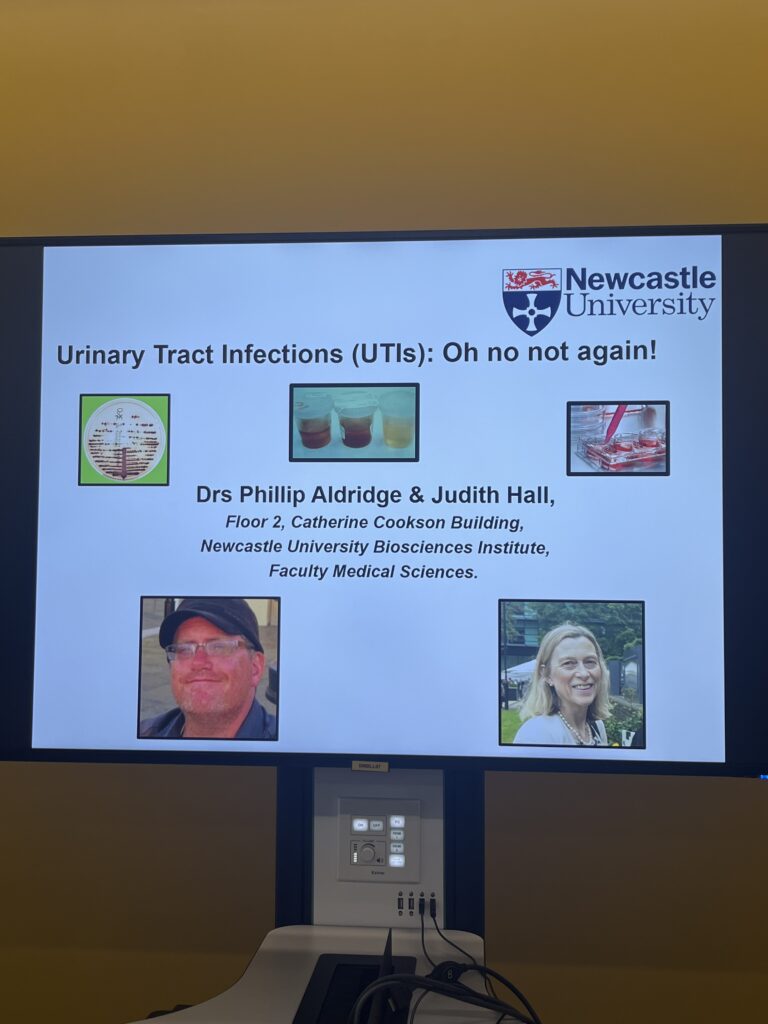
Biomedical scientists are also actively involved at the Freeman Hospital in researching urinary tract infections (UTIs) through a patient-centred approach, involving collaboration with clinicians ant their patients. This approach emphasizes the importance of understanding the individual needs and experiences of patients in managing and treating UTIs. By working closely with clinicians and patients, these biomedical scientists are contributing to the development of personalized treatment strategies and interventions to improve patients outcomes. They also are conducting laboratory based research to better understand the underlying causes of UTIs, including identification of pathogens, antibiotic resistance patterns and host immune responses to help advance our understanding of them and develop more effective treatment options. This work shows the diverse scope of the Biomedical science profession, which extends beyond traditional lab-based research to the hospitals to use more patient-centred approaches to better improve quality of care.

Judith and Phillip are both active researchers within the Freeman Hospital and with Newcastle University

The research showcased at the fair provided a glimpse into the groundbreaking research happenign at the university in various fields. From the gut microbiome to exploring the potential of the sea for antibiotic discovery, students had so much opportunity to ask questions. The future of science is definitely looking bright!

My placement year at Reckitt

By Joel Tyler

Reckitt is a Fast Moving Consumer Goods (FMCG) company with offices and employees spread out across the world. Founded in 1870, Reckitt started off by selling laundry starch in Hull, now, Reckitt operates in a range of markets and is the owner of various health and medicinal brands such as; Nurofen, Strepsils, Dettol, Vanish and Durex to name a few. 

Some examples of Reckitt products sold around the world. Via Google Images

My placement year was a lab-based role involved in working for the brand Veet, this included both formulation manufacturing and analytical testing for the depilatory cream products currently available to buy in shops as well as a new product being developed and to be released in the near future. 

A day in the life

Due to the fast paced environment (as an FMCG company), I found that there was always something to do all the time and the days/weeks were fairly similar. This is because of the constant manufacturing of different formulations of new products to be tested under different stability conditions, and then followed by analytical testing of the formulations to identify which was the best product.  

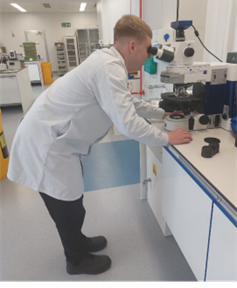
Using a light microscope to examine the structure of a hair sample

Therefore, my normal day would start with a team meeting to discuss where everyone was at with formulation/testing work and to discuss steps/processes going forward or if anything had failed/gone wrong with the batch. After, I would go to the lab to complete any formulation/analytical testing which needed to be done.  

I enjoyed this working routine as it meant I gained far more lab experienced than I initially thought I would, it was always very clear what work I needed to be doing and I was always given lots of support if things ever went wrong. I would say I definitely wasn’t treated as a ‘student’ but a very integral part of the team which also surprised me! 

Student Project

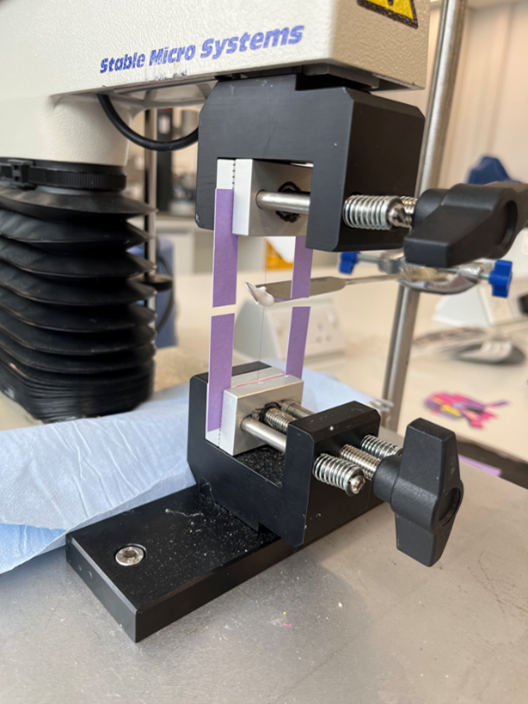
In the second half of my placement, I organised and created a project alongside my line manager which involved testing the tensile strength of hair using a texture analyser and a brand new test method. I also presented my results to the rest of the Veet brand to explain my findings. 

During my project I had to test thousands of individual hair samples and as a result became the most experienced within the lab at using the texture analyser, this meant that I had the opportunity to present and perform samples to higher up executives within the company (and even the Global Head of R&D) which was an amazing experience. 

Hair sample being tested in the Texture analyser to investigate the tensile
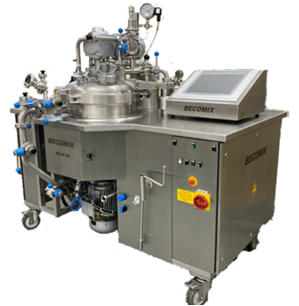
A Becomix machine used to formulate and manufacture different depilatory creams. Via Google Images

Why I chose to do a placement

I decided during first year of my degree that I wanted to do a placement, specifically a lab based placement, because I was enjoying being in the lab at university but I was curious if I would enjoy working in a lab as a full time job to give myself an idea for post graduate jobs.  

Having completed my full year, I now know I could happily work in a lab after university, so applying for lab based roles isn’t a big risk but also that I know I can work efficiently and thrive under the environment. My placement gave me many challenges along the way (which is natural when learning new things in a short space of time) but I gained valuable and employable experience in overcoming these obstacles and realised that I feel confident within a lab setting.

I would highly recommend doing a placement!

Completing my placement year was definitely one of the most important things I have done within my life. The obvious reasons being all the different skills and attributes which I learnt/developed along the way, but also, the experiences which are available in just one year really surprised me, with the huge amounts of social networking needed to be done for my day to day job, I found myself naturally speaking to and shadowing other departments, creating professional relationships which will last for life. So I would say even if you are even considering to apply for placements, just go for it because you won’t regret it! 

A year at Pharmaron UK

By Billy James

Most, if not all of you, will have never heard of Pharmaron. Neither had I, till I applied for a placement in their Formulation Development Team. 

A little context 

I first came across Pharmaron when looking for placements back in September 2021. A lecture entitled “Drug Formulation” had sparked my interest in the first few weeks of term, so when I came across Pharmaron’s “Formulation Development” placement I applied straight away.

 In preparation for interviews I did a little research into the company and found out they were a CDMO, or contract development and manufacturing organisation. Essentially, Pharmaron take on client contracts for anything ranging from drug discovery all the way through to manufacturing drug product for clinical trials.

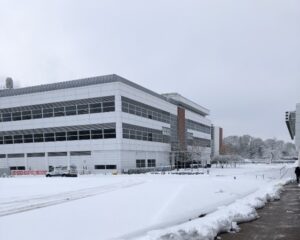
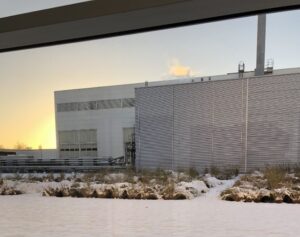
Two of the buildings at Pharmaron’s Hoddesdon Site

My Placement

The placement itself was a 12-month stint within the formulation development team at the company’s site in Hoddesdon (I still wouldn’t be able to point this out to you on a map!). During the year, I was exposed to and involved in much more than I expected. If, like me, you expected a year of photocopying and running errands, then think again.

I couldn’t believe how soon I was thrown in the deep end! The CDMO work environment is very dynamic, any minute a client can email in a request to change or add to a contract and then its all hands on deck to get the work done. After only a few weeks of training (and reading lots of documentation), I was straight into helping my supervisor with the production of a batch of tablets for stability testing. And that was only the start.

Some examples of things I did while on placement include: qualification of fridges, freezers and digital clocks (yes, even clocks have to qualified in a GMP environment), production of stability batches (many, many tablets and capsules), installation and set up of new automatic balances (terrifyingly expensive pieces of kit) and completing a case study for the team.

The case study

Case studies are carried out on topics the team have little experience in or to show off their expertise to potential clients.

A case study I was asked to complete while on placement looked at tablet coatings. Specifically, the team wanted to learn more about (and show clients we knew about) titanium dioxide free coatings and how they compared to regular, titanium dioxide containing coatings. I won’t bore you with the legislative details, but to make a long story short, the EU may ban this compound from tablet coatings. This would be a bad thing as it would mean many drug shortages and discontinuations, as it has many very useful properties. Other compounds with similar properties simply do not exist.

I was given free reign on how to complete the case study, which gave me a real sense of pride as the team felt confident enough in my abilities to complete this important piece of work for them. Completing the case study also gave me an excellent piece of work to write my Placement Report on.

Another opportunity which arose from completing this case study was submitting a poster and abstract to the APS (Academy of Pharmaceutical Sciences) to present at their annual PharmSci conference.

APS and PharmSci

After completing my case study and placement report, and as my placement was coming to an end, my supervisor suggested submitting an abstract and poster of my work to the APS for their PharmSci annual conference.

I thought this was an amazing opportunity which I couldn’t pass up on, so in the last few days of my placement I worked hard to prepare both a poster and abstract detailing the work we had completed on the case study.

To my surprise, both were accepted for presentation at the conference, and the abstract was also selected for an oral presentation (at the time this terrified me, but I soon realised it was an amazing opportunity)!


Attending the (all expenses paid!) conference was truly the highlight of my year, and being able to present the work I had spent many months on was an extremely proud moment.

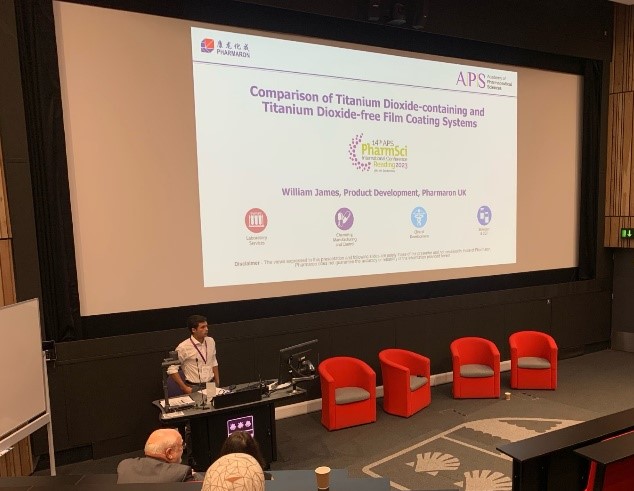
Presenting at the APS PharmSci conference

I can’t recommend doing a placement enough, irrespective of if it involves lab work, office work or a combination of the two, it really is a fantastic and formative experience. Not only do you get paid (usually quite well!) for a year, but you also learn and are exposed to so many new things which could eventually be what you decide to do when you leave university.

If you are in two minds over doing a placement or not, take this as a sign to go for it!

You won’t regret it!

A year in NHS labs

By Chloe Heppenstall

What goes on in the NHS laboratories? 

Rather than a research-based placement, my time in the NHS laboratories involved completing routine assays to test samples and deliver crucial patient results as soon as possible. I was part of the Immunology team within Laboratory Medicine, however there are numerous different departments, such as haematology, virology, microbiology, or chemistry. Having previously worked in the NHS as a domestic, I thought I knew a lot about what happens in the hospitals, but this placement was a huge eye opener as to how much goes on behind the scenes! 

Thank you NHS by Karolina Grabowska from Pexels

Why I applied for a placement year. 

As I was heading into my second year of University, I was developing a deep interest for Immunology, however I was unsure on what careers would involve this work, and if I would enjoy it. I figured a laboratory-based placement would be the best way for me to understand what work in this sector looks like, and if it was something that I could thrive in. From enjoying my time in the labs at university, I knew a hands on, lab-based placement would be something for me. By taking on this exciting opportunity in the Immunology laboratory in the NHS, I was able to utilise my skill set and knowledge further in an area I was keen on progressing into. 

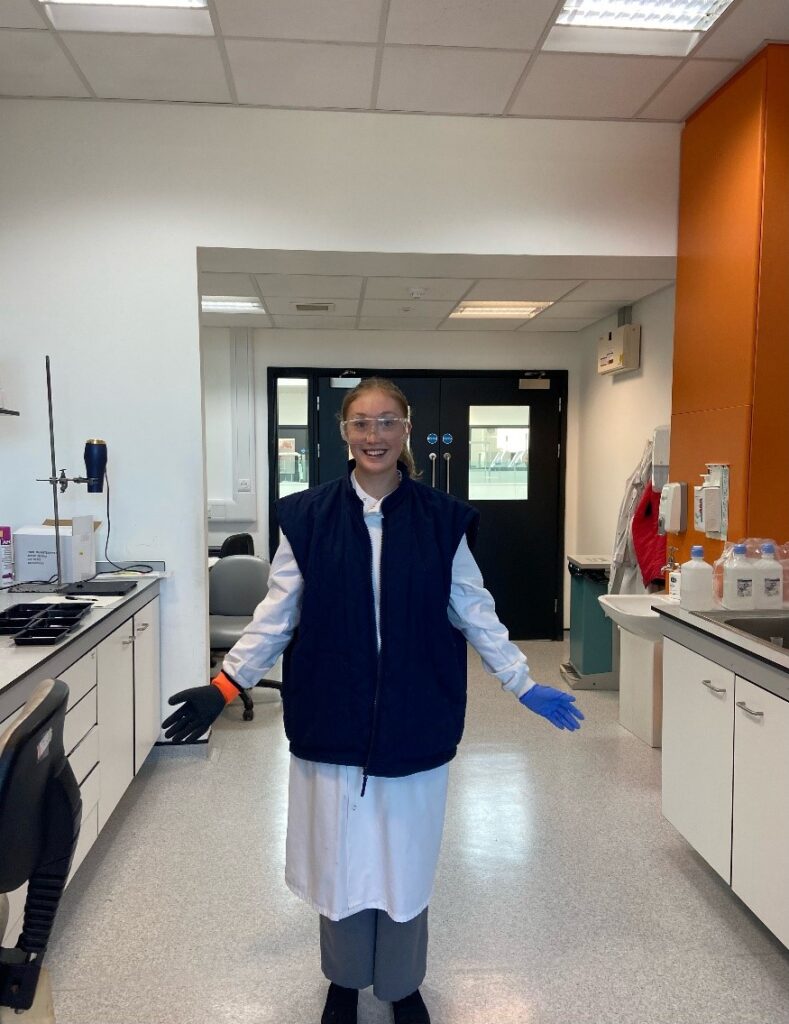
Me wearing different PPE

What does a typical day look like? 

Each day differed depending on which bench I was allocated to. Within the department, there are 7 different benches, which a Biomedical Scientist would usually spend between 2-6 months on before rotating. These benches involve techniques such as gel electrophoresis, immunofluorescence, immunofixation, immunodisplacement, and automated and manual assays. As part of my placement, I had the opportunity to rotate around all the benches, and each bench was dissimilar to the last. Depending on turnaround times, any backlogs of samples, or any additional work the lab was taking on from other labs, one bench could be a lot busier compared to other benches, and require more staff members to help.  

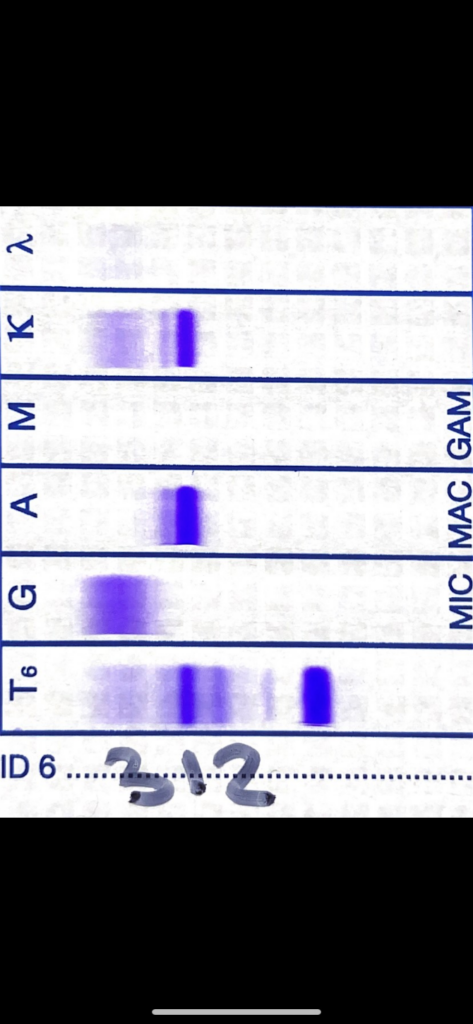
Identifying monoclones via gel electrophoresis] 

What did I learn? 

In addition to utilising laboratory techniques I acquired during university, I learnt a range of new methods which I will carry as valuable experience for future job prospects. Furthermore, I learnt the importance of turnaround times, and the impact which can occur for the patient if these are not met. My professionalism also grew, as I frequently had to speak to other healthcare professionals, such as nurses in A&E, or midwives. Outside of the lab, the clinical scientists held lectures and journal club sessions, which focussed on the clinical applications and impact of the assays we were completing in the laboratory. This was useful as time in the lab can become very fast paced and repetitive, and it can be easy to forget why you are doing what you are doing. Finally, I made a lot of friends who share similar interests and hobbies to myself, which enabled me to develop a healthy work-life balance. 

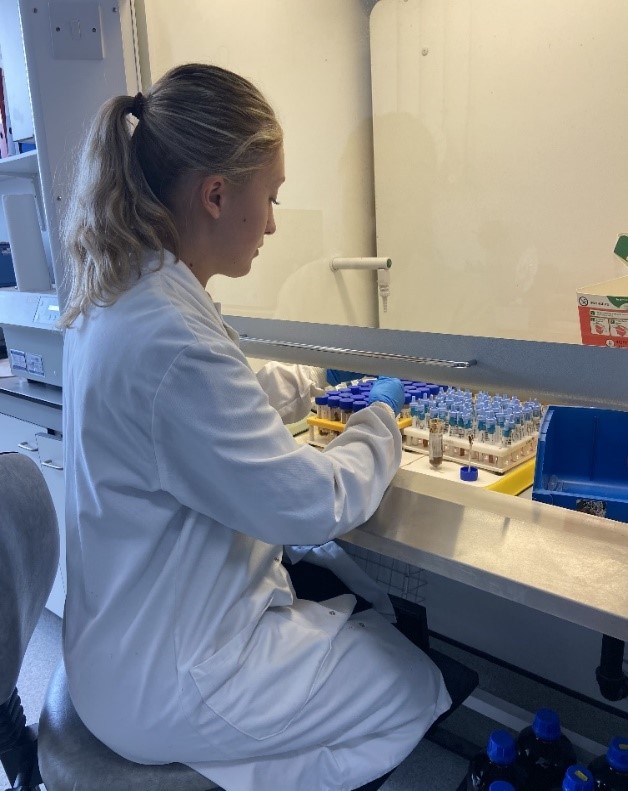
Me extracting calprotectin samples in a fume cupboard

What did I find challenging? 

Although many people warned me, adjusting to the 9-5 working life was extremely difficult. Despite my day finishing at 5 and having my weekends off, I have been just as tired working 9-5 than I was at university with loads of deadlines! On the other hand, there was no stress like there is with university, and if I ever had any problems with work, or I did not understand a concept, the team in Immunology were so welcoming and would give me as much time as I needed to understand and complete something. 

Would I recommend a placement to other students? 

Absolutely. The skills and experience you acquire whilst on a placement are invaluable, and put you in the best position for applying to jobs after university. If you are seeking hands on experience and a taste of the real world outside of university, do not hesitate to apply to placement opportunities! Aside from the unique skillset I have acquired, I have also been given opportunities to meet new people and discuss their opinions on interesting real-life assay topics, and my potential career in the NHS. I feel confident in a laboratory workplace, which is something I never thought I would be saying! 

I now cannot wait to complete my final year at university, obtain my degree, and take my skillset further either in postgraduate studies or in a job. 

A Placement Year at GSK – Sequencing Genomes

By: Natalie Taylor – BSc Biomedical Sciences

Edited by: Laila Hussain

Second year of uni rolled around, and I realised I hardly had any lab experience (thanks COVID). This was a dilemma I attempted to remedy by applying for a placement year. I never considered I’d be accepted by such a prestigious company as GSK. Even less did I consider I would be working in a field as interesting as genetics. The application stress paid off! I was placed in the Discovery Genomics department working on single cell RNA sequencing. This basically means reading genes that are currently ‘switched on’ (expressed). Knowing this information is crucial for understanding disease, as we can quantify which genes were switched on/off in disease states compared to healthy states. With this information we can then get an idea of the genes function and thus, what therapeutic action to take. 

My Application Journey – It’s ok not to know everything!

When I say I was almost 100% sure I failed my interview I was not joking. GSK’s interview stage was split into two sections. One half was situational questions such as “tell us a time you faced a challenge” etc. The other was technical questions. This was where I flopped. I didn’t know the answer to any of the questions! However, I discovered the point of these questions was not only to test your scientific knowledge, this can be taught, but to also see how you manage uncertainty and to test your resilience. It was a daunting experience, but thanks to the kind interviewers and some persistence I managed to give all the answers a go. This was what the interviewers were looking for!

Two days later I received a call from one of the interviewers offering me the placement!

My-day-to-day 

As I mentioned above, I’m working on sequencing (or reading) the genes of individual cells. This means I’m in the lab a lot! I get to work on many different diseases and cell types, which all involve working with very small volumes. Attention to detail is paramount – something I’ve had to learn the hard way! 

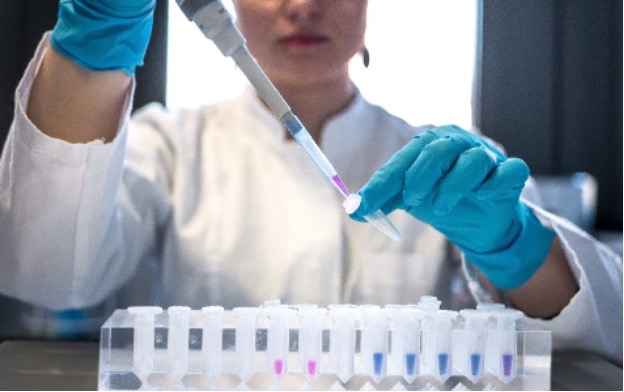
A visual example of the types of tubes and volumes we typically work with in RNA sequencing- sometimes even smaller! Image from: unsplash

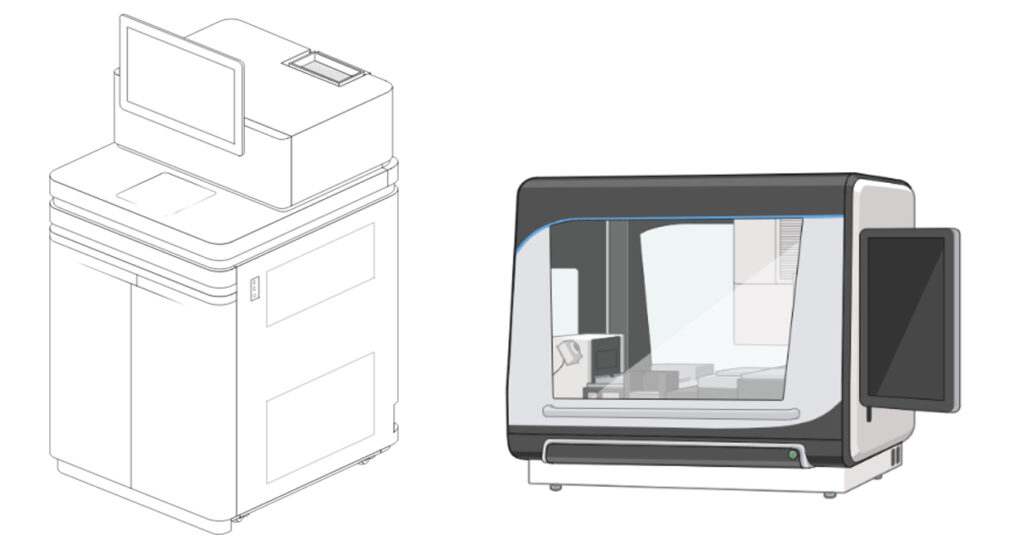
I also get to use lots of very cool – and very expensive – machines. The machine pictured below on the left is what sequences RNA and the one to the right is a robot that can do a big portion of the lab work involved with preparing the RNA for sequencing for you. It has some limitations though, so I mostly performed my experiments manually by hand. 

Illumina Sequencer (Left) & Chromium Connect (Right): Photos from 10x Genomics and Illumina

After about three months of training, I started planning and carrying out my own experiments independently. I got the chance to sequence many different immune cells, including T cells and macrophages as part of active experiments in the search for potential cancer therapeutics. Apart from single cell RNA sequencing, I’ve also been fortunate to perform a CRISPR knock out experiment on B cells whilst using cutting-edge automation platforms such as the Dragonfly and Bravo.  

On a typical day, my experiments take around 6 hours to reach a safe stopping point. Luckily, I’m able to get a few breaks in when my samples are incubating. During these breaks, I take full advantage of all of the green space at GSK Stevenage. It’s quite normal for employees to go on regular walks around the site – breaks are very encouraged which is nice!

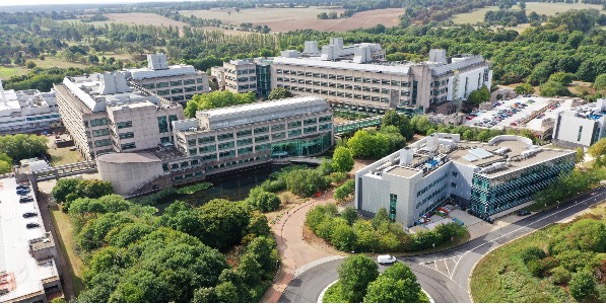
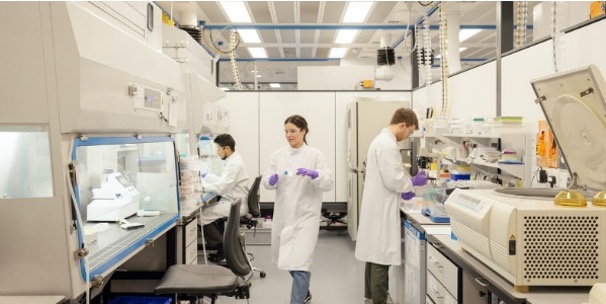
GSK Campus and Labs in Stevenage: Photos from GSK’s Website

Outside of lab work, I’ve also gotten involved with the wider community at GSK by being a part of a committee for students called IP Unite and an employee resource group called Women’s Leadership Initiative (WLI). My role in these groups varies, typically I will plan and host events aimed to foster new relationships and grow networks. One of the scariest events I held was a PhD information event with IP Unite that involved me speaking in front of 100 people in a lecture theatre – luckily I was only introducing speakers and closing the event – still, it was very outside of my comfort zone! In general, I find that the placement pushes me outside of my comfort zone, but that’s what yields the most growth so I know it’s super beneficial. 

Overall, the placement has been the best experience, better than I expected! I have grown so much as a scientist and a person. I feel much more prepared for life after uni. For now though, I’m just ready to tackle final year!