The ‘first women’ of the Newcastle College of Medicine

This blog was inspired by the simple question of ‘who was the first woman to gain a medical degree from the College of Medicine at Newcastle?’  In fact not so simple a question! The history of women’s medical education in Britain is a complex, fraught, and litigious one as women were forced to fight separately for access to medical education; for access to the medical profession; and for access to various closed branches of medicine. Rather than one ‘first woman’ there are therefore a group of several ‘first women’, as the College of Medicine at Newcastle expanded the award of its medical degrees firstly to women who had already received a medical education at non-degree awarding women’s medical colleges; then opening it’s medical programme to women, and finally admitting women to the various higher medical degrees and specialisms.

Thank you to research volunteer (and retired member of Library staff!) Alan Callender for this blog piece and for all of the hours of painstaking research behind it. Information was gathered using our collection of student registers and medical college class lists (Newcastle University Archive) together with information kindly given through family research.

Women’s access to the medical profession in the Nineteenth Century

By the mid-19th Century there were two significant barriers to British women becoming doctors – firstly access to a medical education, and secondly access to the registration process that enabled them to practice.

In 1834 when the ‘School of Medicine and Surgery at Newcastle’ was established, women were barred from a British medical education.  However, until the middle of the century it was possible to gain a medical education abroad and return to practice in Britain without registration.  The gradual opening of medical education to women in both Europe and the USA during this period increasingly made this route viable (for those with money to travel).

1858 Medical Act – The Creation of the Medical Register and a new barrier for women.  This Act sought to professionalise medicine by formalising the educational requirements to practice medicine in Britain.  However, by placing registration in the hands of those institutions who already prohibited women’s medical education, it acted as an insurmountable barrier to British women wishing to practice medicine.  In 1865 Elizabeth Garrett Anderson (1836-1917) used a loophole to force the Society of Apothecaries to grant her registration.  The society promptly closed this route and with it any options for women to legally practice medicine in Britain.

1869 the ‘Edinburgh Seven’ attempt to gain a medical education at a British University.  In 1869 a group of seven women led by Sophia Jex-Blake (1840-1913) gained admittance to Edinburgh University and were allowed to attend some medical classes and take some medical examinations. As they progressed controversy grew as various sympathetic supporters (including much of the public press) pitted against opponents to the idea of women doctors.  The fight was long and complex as Sophia Jex-Blake fought to access various routes, whilst the University responded each time by trying to close these routes.  Eventually in 1873 the women lost their campaign.  Despite having completed their medical degree courses the High Court ruled that Edinburgh University could not be forced to award medical degrees to women.
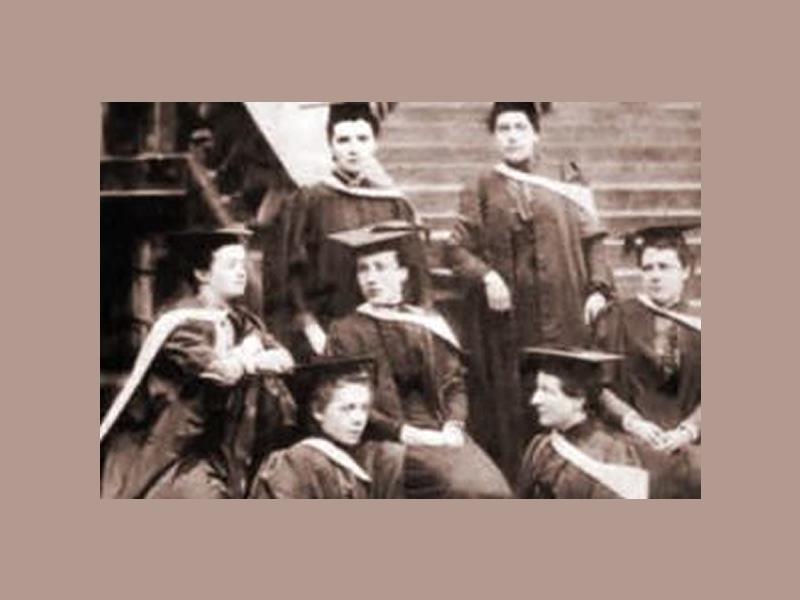
Image of the Edinburgh Seven
The Edinburgh Seven, re-produced under Creative Commons c/o Edinburgh Museums

1874 The first British Medical College for Women is established.  In 1874 Sophia Jex-Blake and Elizabeth Garrett Anderson founded the London School of Medicine for Women. Finally women had access to a medical education.  However the College could not award degrees, and for students of the college the bar on medical registration still remained. 
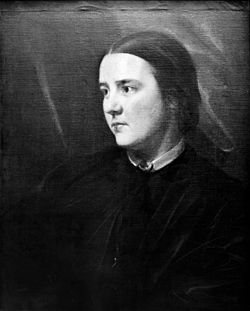
Image of Sophia Jex-Blake
Sophia Jex-Blake. Photographer: Swaine, re-produced under Creative Commons c/o Welcome Collection
Image of Elizabeth Garrett Anderson
Elizabeth Garrett Anderson. Photographer: Swaine, re-produced under Creative Commons c/o Welcome Collection

1877 A route to the registration of female doctors is established.  In 1876, the ‘Enabling Act’ was passed which stated that the nineteen British medical examining bodies were permitted to accept women candidates but were not compelled to do so. In 1877, the King and Queen’s College of Physicians in Ireland became the first British medical qualification body to admit women for examination.  In the same year, an agreement was reached with the Royal Free Hospital that allowed students at the London School of Medicine for Women to complete their clinical studies there.

The 1870s and 1880s and the growth of women’s medical schools.  Once a route for both the education and registration of women had been established, three further colleges of medicine for women were established: 1886 Edinburgh School of Medicine for Women; 1888 Medical College for Women Edinburgh; 1890 Glasgow School of Medicine for Women (Queen Margaret College).

1880s and 1890s Women begin to access University education. Meanwhile, in 1867 the establishment of the North of England Council for Promoting Higher Education for Women had started the movement for opening university lectures to women, and by the 1880s and 1890s women were increasingly allowed to study at British universities. However, despite gaining admittance, and even passing university examinations, women were not allowed to be awarded degrees.  This was significant for women wishing to study to medicine, as the refusal to award a degree meant an effective bar to the profession.  In 1878 the University of London finally granted a supplementary charter to enable the admission of women to degree programmes, followed in 1895 by Durham University (the College of Medicine at Newcastle having by this time become a college of Durham University).

1890s and 1900s The growth of regional co-educational medical education. The opening of degrees to women in British universities did not necessarily mean that these women were allowed access to medical courses.  In fact the University of London, the first University to grant women access to its degrees, did not admit women to its Medical Faculty for a further 39 years.  Interestingly however, Durham started to accept women onto their medical degrees immediately.  And in line with Durham various other northern universities also began to open their medical schools to women in the early 1900s. Equally significantly, most did not create a separate medical school for women as the early Scottish colleges had done.  For women this was the start of a trend towards both co-educational medical training for men and women, and the growth of the role of regional universities in providing women with medical training.

Many other barriers were to present themselves over the next century, but we’ll stop there for now!  And celebrate our pioneering medical graduates:


Our first female medical student 1892

The first female student – Edith Blanche Joel – appears on the student register at the College of Medicine. She appears again during the academic years of 1893/4 and 1894/5. However, at this time she would not have been permitted to graduate.

Our first women MBBS’s (Bachelor of Medicine, Bachelor of Surgery), 1898 and 1902

In 1896 three students from the London School of Medicine for Women, unable to graduate from this institution, registered at the College of Medicine at Newcastle to complete their medical degrees: Grace Harwood Stewart, Margaret Joyce, and Claudia Anita Prout. All three take their medical examinations and graduate in 1898. In 1896 Mary Evelyn De Russett also appears on the student register as a first year.  In April 1902 she became the first female medical student to graduate who had undertaken all of her medical training at Newcastle.

Grace Harwood Stewart (Billings) (1873 – 1957) was born at Portishead in Somerset, one of nine children to James and Louisa Stewart. Following her graduation from the Newcastle, she registered as a medical practitioner on 11 November 1898. Grace married Frederick Walter Billings, a builder, in 1899 and the same year established her medical practice at 3 Pittville Parade Cheltenham – the first woman to set up a medical practice in Gloucestershire.  She went on to have a remarkable career and in addition to running her own practice was also a medical officer of the Cheltenham Infant Welfare Association and, a pioneer in family planning, she eventually set up the Cheltenham Municipal Women’s Welfare Clinic. During the First World War she was in charge of the St Martin’s V.A.D Hospital and was a locum anaesthetist at the Cheltenham General Hospital. Grace retired in 1936. Her daughter, Brenda, became a GP in Cheltenham and then School Medical Officer for Gloucestershire County Council. Her son, Stewart, had a distinguished naval career, becoming a Rear Admiral. He was awarded the CBE in 1953. She died on the 13 June 1957 at the Douro Nursing Home in Cheltenham aged 84. A great biography of Grace with some fabulous details about her amazing life can be seen here.
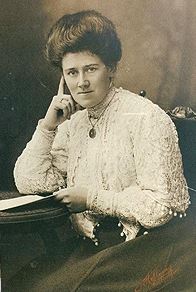
Image of Grace Billings
Grace Billings, image kindly provided c/o the King and Billings families.

Margaret Joyce was born in Blackfordby, Burton-on-Trent in 1873. Following her graduation from Newcastle she registered as a Medical Practitioner on 18 November 1898.  Margaret was in practice in Burton-on-Trent, and then became House Surgeon at the New Hospital for Women in London.  She was subsequently in practice for many years in Liverpool and then Ashby-de-la-Zouch.  Margaret died on 28 August 1966 at Syston in Leicestershire.

Claudia Anita Prout Rowse (Bell) was born in Hackney, London in 1873, one of five children. Following her graduation from Newcastle she registered as a medical practitioner on 15 November 1898. Claudia married Hubert Bell, a shipping agent in Chinkiang, China in 1910. The marriage register states that Claudia had been resident in China for 12 years at this point. Claudia died on 30 October 1950 at Reigate, Surrey.
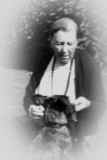
Claudia Anita Prout Rowse, taken circa 1934. Image kindly provided by family researchers.

Mary Evelyn De Russett (Howie) was born in Blackheath c.1872, although the family later moved the Tynemouth. Following her graduation from Newcastle, she registered as a medical practitioner on 9 May 1902. Mary married a doctor in 1902, John Coulson Howie, and together they ran a practice in Glasgow. After John’s death in 1912 the family moved to Newport. In 1920 she was appointed Maternity and Child Welfare Medical Officer for Durham County, a post which she held until her retirement. It should be noted that this post was open to her only because she was a widow, the Civil Service Marriage Bar prohibiting the employment of married women until it was abolished in 1946. Mary died in the Leazes Hospital in Newcastle on 7 September 1946.


Our first Women MDs (Doctor of Medicine), 1903 and 1906

An MD is a higher doctorate or research doctorate. In 1903 Selina Fitzherbert Fox, became the first woman to graduate with an MD from Newcastle.  Selina had undertaken her initial training at the London School of Medicine for Women before transferring to Newcastle to complete her MBBS in 1899 and then proceeding to her MD. In 1906 Sophia Bangham Jackson became the first woman to gain her MD who had undertaken all of her medical training at the Newcastle College.

Selina Fitzherbert Fox was born in 1871. After her graduation from Newcastle she registered as a medical practitioner on 10 May 1899.  Selina worked as an Assistant Medical Officer for the Zanana Bible and Medical Mission between 1900 and 1901 but returned to Britain because of ill health.  She settled in Bermondsey and worked at the Church Missionary Society’s medical centre until it closed.  As there was still the need for medical care for women and children in the area, Selina founded the Bermondsey Medical Mission in 1904 and was awarded an M.B.E for her work as its founder and director on 1 January 1938.  Selina died at Bermondsey Medical Mission Hospital on 27 December 1958. A family blog about Selina and the campaign for a Blue Plaque to honour her can be seen here and here.
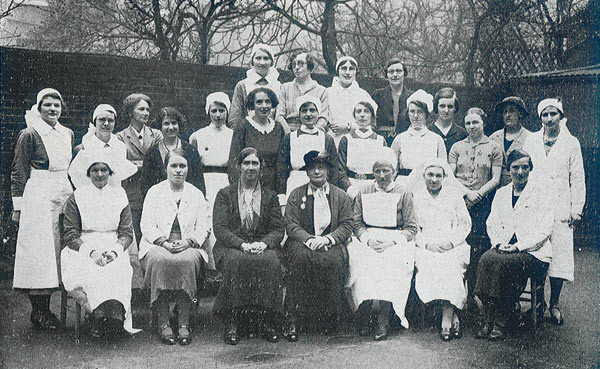
Group photograph
Selina Fitzherbert Fox. Image c/o her family who found this picture with the words Selina Fitzherbert Fox written on the back. They believe that Selina is seated in the middle, front row.

Sophia Bangham Jackson (Smith) was born in Finsbury Park in 1877.  Following her graduation from Newcastle she registered as a medical practitioner on 12 November 1904.  Sophie practiced in Thornton Heath, Chingford and then Selsden.  She married Frederick B Smith in 1939 and died on 18 January 1952 at Selsden.


Our first women to be awarded a Bachelor of Hygiene, 1902 and 1909

In September 1902 Emeline Da Cunha, who had gained her Licence in Medical Surgery from Bombay University in 1894, became one of two ‘first women’ to be awarded a Bachelor of Hygiene from the College of Medicine at Newcastle.  Joining her was Esther Molyneux Stuart who had undertaken her initial medical training at Edinburgh University. The first woman to be awarded a Bachelor of Hygiene who had completed all of her undergraduate training in Newcastle was Gertrude Ethel O’Brien who gained her MB in 1908 and subsequently her Bachelor of Hygiene and Diploma in Public Health in 1909.

Emeline Da Cunha was born in Panjim, India in 1873 and was awarded her initial Licence in Medicine and Surgery at Bombay University in 1894, funded by the Medical Women for India Fund.  She later graduated from Newcastle with a B.Hy in 1902 and registered as a medical practitioner in England on 30 September 1901.  From entries in the Medical Register it would appear that Emeline then returned to India to continue her career.

Esther Molyneux Stuart (Parkinson) was born in Liverpool on 19 January 1877.  Esther registered as a medical practitioner on 4 August 1899 following her graduation from Edinburgh University, and in 1902 graduated from Newcastle with her B.Hy. She married Thomas Parkinson in 1903 and died on 19 September 1912 at Benton in Northumberland.

Following her graduation from Newcastle Gertrude Ethel O’Brien (Bartlett) registered as a medical practitioner on 15 August 1908. She married Robert Bartlett, and died on 19 February 1953 in Barnet.


Our first women to be awarded a Diploma in Public Health, 1908 and 1909

In April 1908 Lilian Mary Chesney (M.B. Ch.B. Edinburgh University 1899) became the first Newcastle female graduate to be awarded a Diploma in Public Health. One year later in 1909 Gertrude Ethel O’Brien became the first woman who had undertaken all of her medical training at Newcastle to receive this award.

Lillian Mary Chesney was born in Harrow in 1869.  Following her graduation from Newcastle she registered as a medical practitioner on 31 July 1899 and subsequently set up a practice in Harley Street. Later in life Lillian moved her practice to Sheffield and then to Palma de Majorca in Spain.  During the First World War Lillian served as a doctor in the Kragujevac (Serbia) Unit 1914-1915 and the London (Russia and Serbia) Unit from 1916-1917. Thanks to the research of John Lines whose great aunt, Margaret Box, also served with the SWH, we have evidence that by October 1918 Dr Chesney appears to be running the hospital in Skopje (Serbia) for the SWH. Margaret refers to Dr Chesney in several of her wartime letters and calls her “our chief”. Lillian died on 20 December in Mallorca, Spain. 
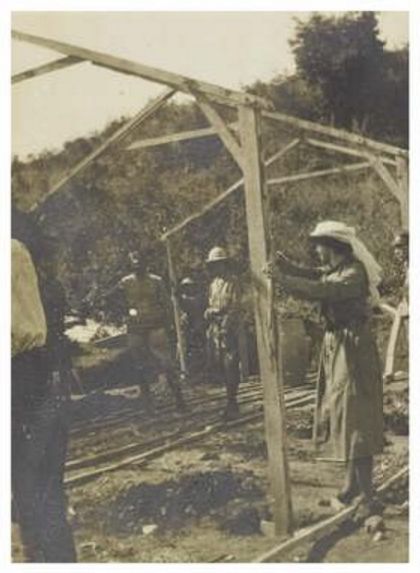
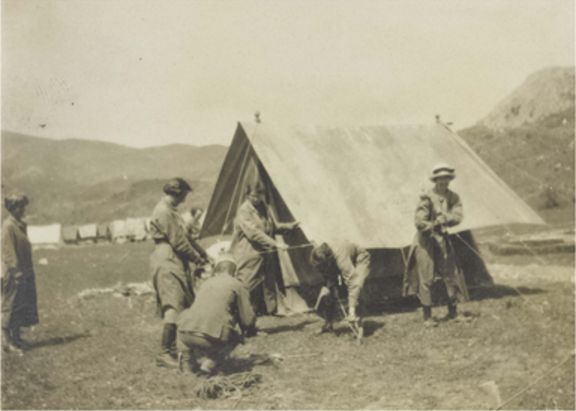
Images of the the Kragujevac (Serbia) Unit setting up camp. Lillian Chesney was the Assistant Medical Officer at this time, although we do not have an image of her. Both images kindly provided by Nikifóros SIVÉNAS

Our first women to be awarded a Master of Surgery, 1911 and 1923

In 1911 Charlotte Purnell was awarded a Master of Surgery, having undertaken her initial training at the London School of Medicine for Women before transferring to Newcastle. In 1904 Ruth Nicholson started her medical course at the College of Medicine at Newcastle, gaining her MBBS 1909, and BHy., D.P.H. in 1911.  In 1923 she became the first woman to gain a Master of Surgery who had undertaken all of her initial medical training at Newcastle.

Charlotte Purnell was born in Dursley, Gloucestershire c1869. Following her graduation from Newcastle she registered as a medical practitioner on 13 April 1908. For most of her medical career Charlotte worked in Church Mission Society hospitals in Palestine and Transjordan.  Her work was recognised by the award of the O.B.E in 1933.  Charlotte died on 20 June 1944 in Amman in Transjordan.

Ruth Nicholson was born in Newcastle in 1885, one of six children.  Following her graduation from Newcastle she registered as a medical practitioner on 16 September 1909.  Before the First World War she practiced in Palestine, but returned to England at the start of the War, subsequently serving as Surgeon and Second in Command of the Royaumont Military Hospital in France. For this work she was awarded the Croix de Guerre and the Médaille d’Honneur des Épidémies by the French government.  After the war she specialised in obstetrics and gynaecology as Clinical Lecturer and Gynaecological Surgeon at the University of Liverpool with consultant appointments at Liverpool hospitals. She was a founder member of the Royal College of Obstetricians and Gynaecologists in 1929, being elevated to fellow of the College in 1931. Ruth died on 16 July 1963 in Exeter. A blog about Ruth’s fascinating life story can be seen here.
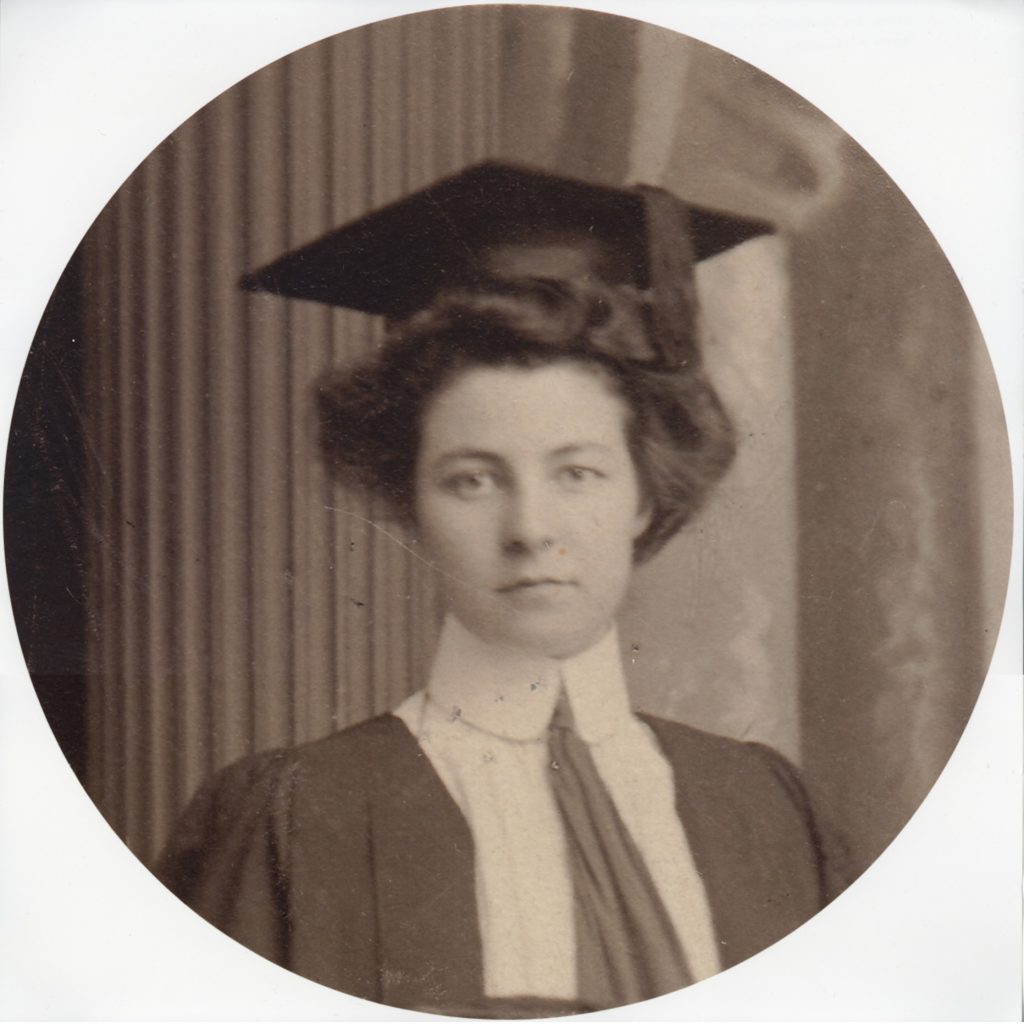
Image of Ruth Nicholson graduating
Ruth Nicholson, image kindly provided c/o the Nicholson family

You may also be interested in an accompanying blog piece by Alan discussing the largely un-credited role of our female graduates in WWI: They also served…
Black History Month – Oct 2020

Newcastle University Library’s Special Collections and Archives include several collections which contain materials with relevance to race equality issues. These are highlighted below, together with contextual resources such as blogposts and online exhibitions.

Collections

Jack Mapanje Archive

Jack Mapanje was born in Malawi in 1944, growing up in Kadango village in the Mangochi district.

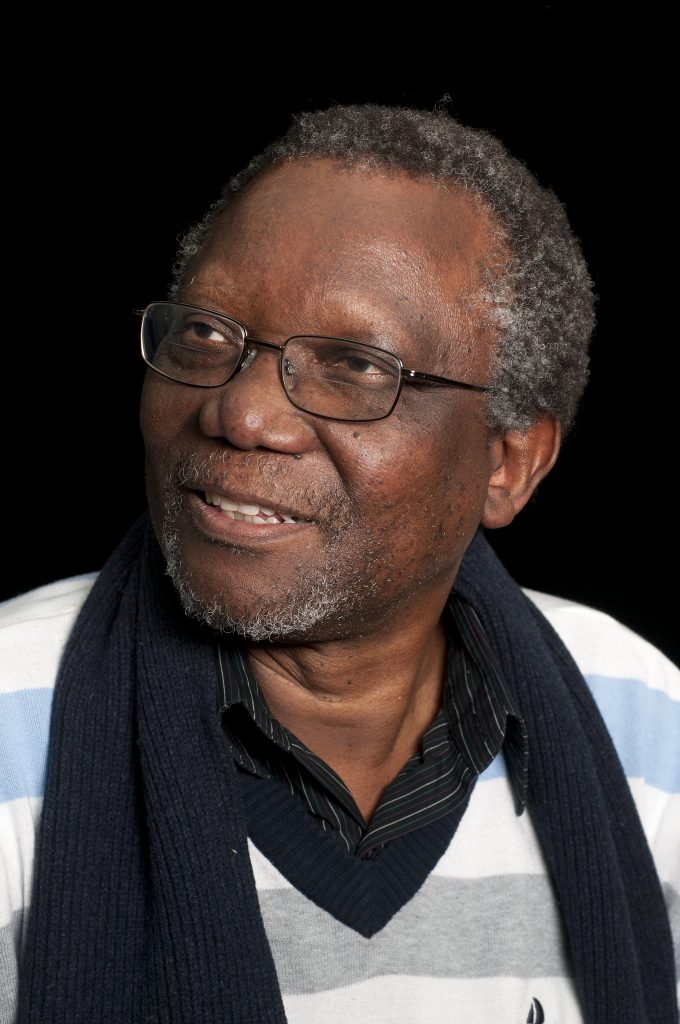
Photograph of Jack Mapanje
Photograph of Jack Mapanje. Image attribution: Amnesty International, CC BY-NC-SA 2.0, via Flickr

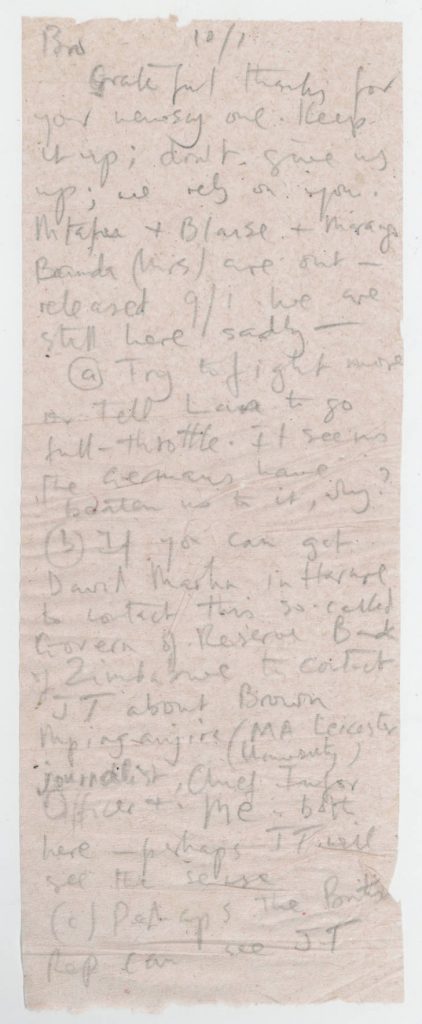
He first started to write poetry from despair at the political situation in Malawi; his first collection, Of Chameleons and Gods, was published in the UK in 1981 by Heinemann. The collection was critically acclaimed around the world, but withdrawn from circulation in Malawi in June 1985 by the government of dictator Hastings Banda. In September 1987, Jack was arrested and detained without charge or trial in Mikuyu Prison in Malawi. During his imprisonment, Of Chameleons and Gods won the Rotterdam Poetry International Award in 1988, and Jack was subsequently also awarded the PEN/Barbara Goldsmith Freedom to Write Award in 1990, recognising his fight for freedom of expression. Despite an international campaign by numerous writers, linguists, and human rights activists, including Harold Pinter, Wole Soyinka, Susan Sontag, and Noam Chomsky amongst others, Jack was not released until May 1991, and was given no explanation of his detention. During his time in prison, he wrote his second collection of poetry, The Chattering Wagtails of Mikuyu Prison (1993), and much of his third, Skipping without Ropes (1998).

After leaving Malawi with his wife and children, Jack settled in Britain, where he has lived ever since, and has held numerous prestigious posts in universities, the first of these being a fellowship at the University of York in 1992. He was later an Honorary Visiting Professional Fellow in the School of English at the University of Leeds, where he taught a degree course between 1993 and 1996, and edited the collection Gathering Seaweed: African Prison Writing (2002) based on this course. Jack held a Royal Literary Fund Fellowship at Leeds Trinity University from 1999–2001, and has since held a post as Senior Lecturer in Creative Writing and Literatures of Incarceration at Newcastle University. Most recently, he was awarded an honorary doctorate from the University of Bedfordshire in 2015 and has held a Visiting Professorship post in the Faculty of Arts at York St John University.

In the Mapanje (Jack) Archive we hold material relating to his poetic works, items relating to his academic career in both Malawi and the UK, and perhaps most interestingly, correspondence written during and after his time held as prisoner of conscience.

You can find out more about his life and career in the blogpost ‘Jack Mapanje – poet and prisoner of conscience‘.

Anne Walmsley Archive

A specialist in Caribbean art and literature, Anne Walmsley is a British editor, scholar, critic and author. Anne started her career in the late 1950s when she worked as a secretary for Faber and Faber.

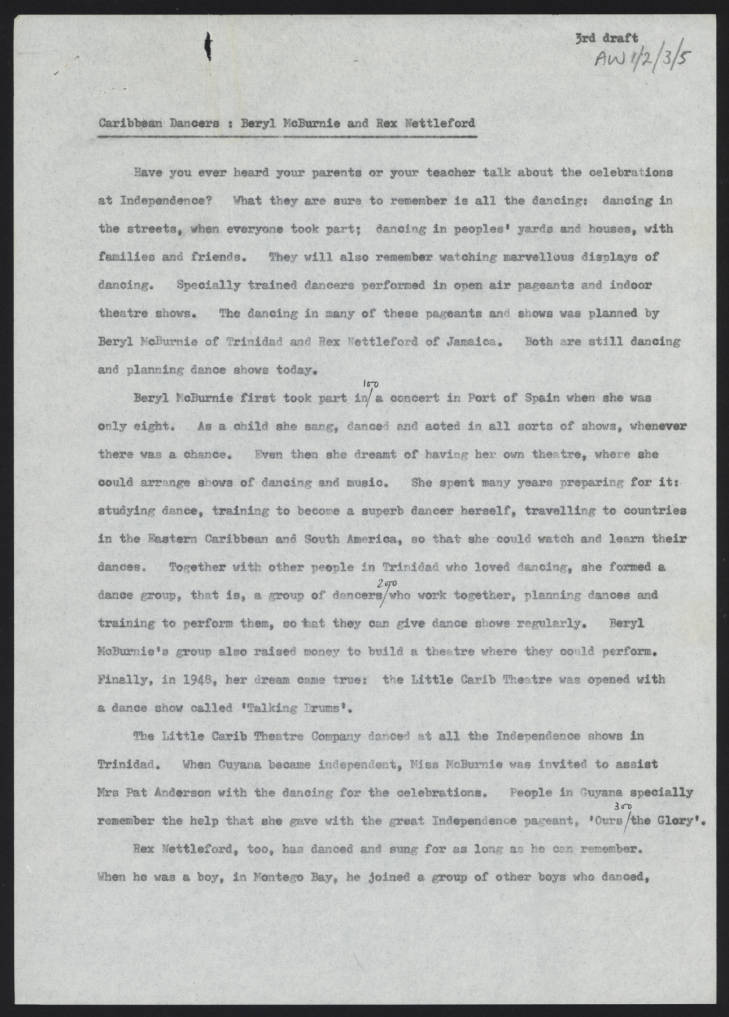
Typescript draft of Caribbean Dancers
Typescript draft of Caribbean Dancers [Walmsley (Anne) Archive, AW/1/2/3/5]

Anne Walmsley participated in the Caribbean Artists Movement (CAM), founded in 1966 by Kamau Braithwaite, John La Rose and Andrew Salkey. In 1985 she was awarded a Leverhulme Fellowship to research CAM and in 1992 she was awarded a Ph.D. from the University of Kent for her thesis on this, which was also published as a book entitled The Caribbean Artists Movement: A Literary and Cultural History, 1966-1971. 

Anne Walmsley has contributed to a range of journals, literary magazines, exhibition catalogues and anthologies. The Walmsley (Anne) Archive holds a range of material including letters and reports from her time at Longman’s, her scrapbook from teaching at Westwood, research on CAM, and research on a range of Caribbean artists.

Highlights from the collection include:

Several titles published by Margaret Busby OBE, Britain’s youngest & first black female book publisher. Titles include, And Still I Rise (2006) and CLR James’s 80th birthday lectures (1984).

Photograph of Margaret Busby
Photograph of Margaret Busby. Image attribution Andy Mabbett, CC BY-SA 4.0, via Wikimedia Commons

The critically acclaimed debut novel, In the Castle of My Skin (1953), the critically acclaimed debut novel of Bajan novelist, essayist and poet George Lamming (b. 1927).

Photograph of George Lamming
Photograph of George Lamming. Image attribution: Public domain

Bloodaxe Books Archive

The Bloodaxe Books archive is considered one of the most exciting archives for contemporary poetry that exists. The material in the collection includes 592 boxes of original typescripts, editorial work, correspondence and examples of marketing, business and financial records dating from the 1970’s to the present day. These records represent authors and books that have won virtually every major literary award given to poetry, including the T.S. Eliot Prize, Pulitzer Prize and Nobel Prize. Bloodaxe is also known for its work with translated collections and American poetry, and have published responsively to cultural change in Britain, publishing some of the finest writers in the British-Caribbean and South-Asian diaspora. Another significant achievement is that Bloodaxe publish more female writers than any other British poetry publisher, at a 50:50 male:female ratio. The company has opened up poetry to thousands of new readers and the material held in the archive demonstrates how Bloodaxe Books has been able to achieve this.

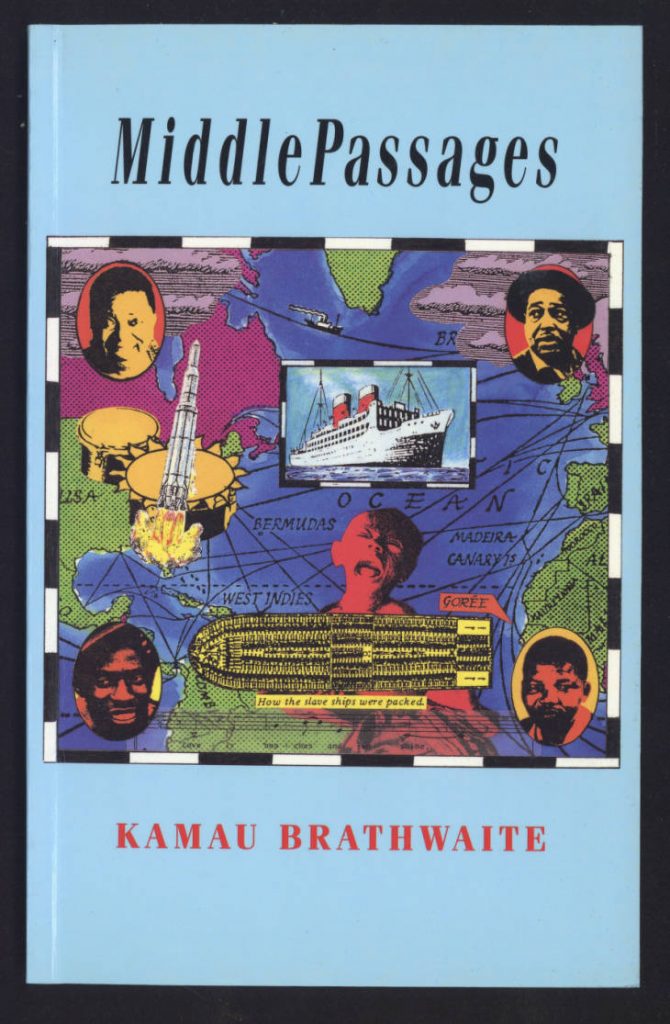
Front cover of 'Middle Passages' written by Anne Walmsley
Front cover of ‘Middle Passages’ written by Anne Walmsley [Bloodaxe Books Collection]

Bloodaxe Books Collection

The Bloodaxe Books Collection consists of poetry, prose, translations and critical work published by the company since its inception in 1978.

Want to find out more about some of the poets that Bloodaxe Books represents? Check out ‘Contemporary Poetry Collections: poets and their archives‘ on the blog.

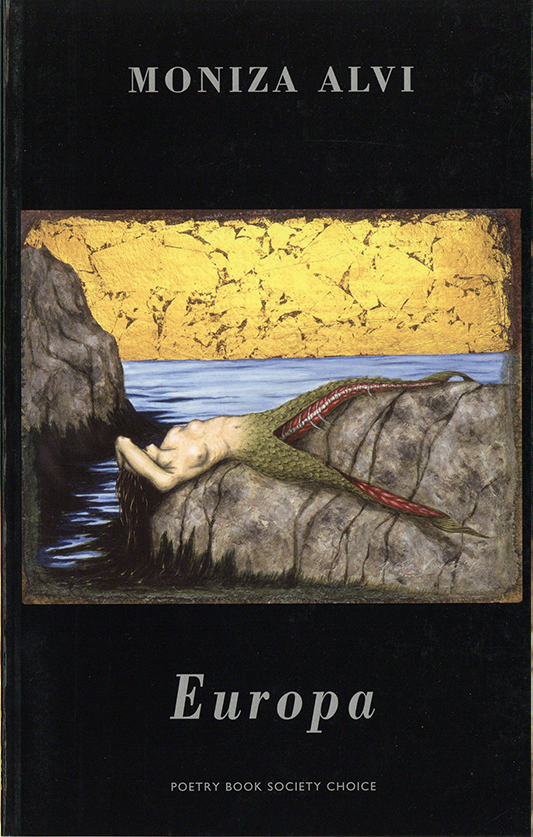
Front cover of ‘Europa’ writtwen by Moniza Alvi
Front cover of ‘Europa’ written by Moniza Alvi [Bloodaxe Books Collection, 821.914 ALV]

Joseph Cowen Tracts

The Cowen (Joseph) Tracts are almost two thousand pamphlets which were formerly owned by local (radical) M.P., Joseph Cowen (1829-1900). The tracts date mostly from the mid- to late-Nineteenth Century and reflect Cowen’s interest in the social, educational, political and economic issues of the day.

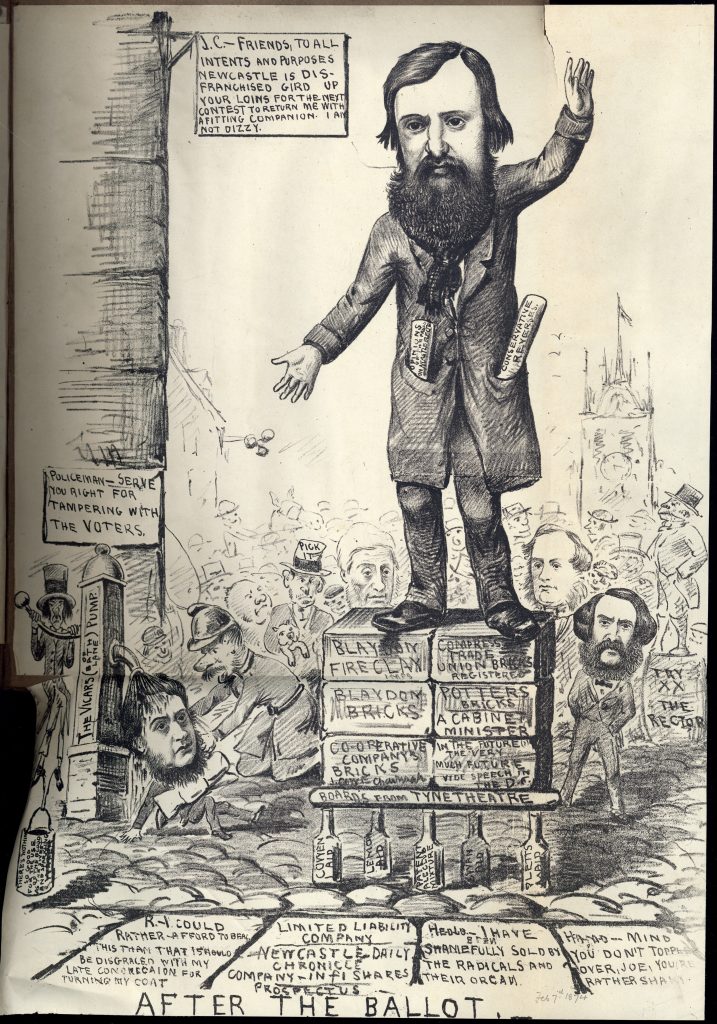
Political cartoon of ‘After the ballot’
‘After the ballot’ [A volume of printed ephemera, broadsides, posters, cartoons, referring to election in Northumberland, Necwcastle and Tyneside divisions, 1826-1931] (RB 942.8 ELE Quarto, Rare Books Collection)

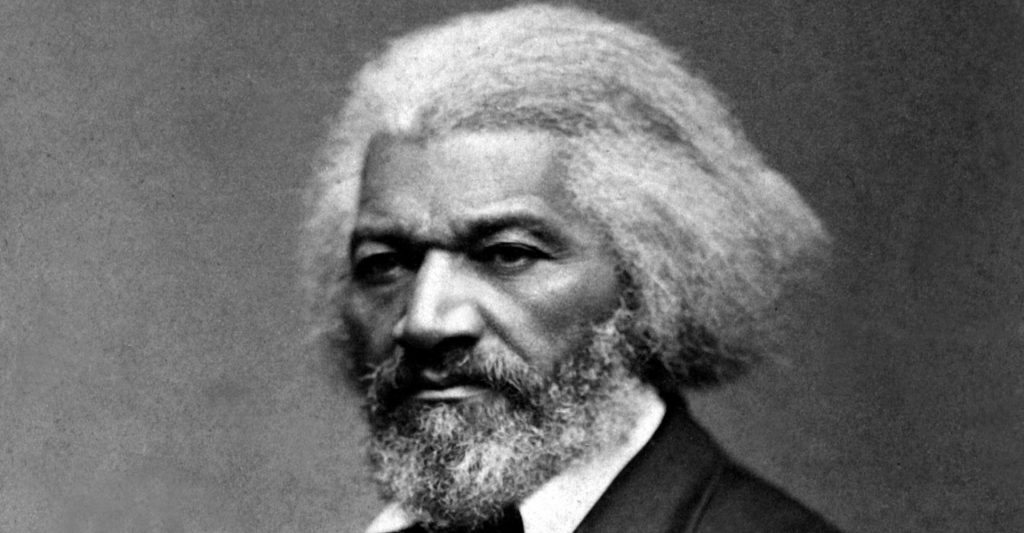
Included in the pamphlets are subjects on abolition and the slave trade, including material relating to Frederick Douglass. Douglass was born into slavery c. 1818 on a plantation in Talbot County, Maryland, USA. He became one of the most famous intellectuals of his time. He advised Presidents and lectured to thousands on a range of causes, including women’s rights and Irish Home Rule. On 3 September 1838, Douglass escaped from slavery in Baltimore. He disguised himself as a sailor and headed north, travelling by train and boat, first to Philadelphia, then on to New York. Find out more about Frederick Douglass and Newcastle on the University’s website. You can find material from the Cowen Tracts, relating to Douglass on the library catalogue.

Black and white photograph of William Douglass
Photograph of Frederick Douglass

Pamphlets were an effective form of public debate because they could be circulated to a wider audience than books and authors could remain anonymous. Other subjects include discussions around Irish politics, foreign policy, women’s rights, religion, education and public health and include such titles as The Union programme for 1880: constructive, not destructive, Irish legislation [1879?], Are women fit for politics?: are politics fit for women [185-] and The education of the agricultural labourer: a paper read before the Morpeth Chamber of Agriculture, on Wednesday, Feb. 2, 1870 by M.W. Ridley (1870).

2nd Earl Grey Tracts

The Grey (2nd Earl) Tracts reflect the interests of their former owner, the 2nd Earl Grey (1764-1845) whose Whig government was responsible for the 1832 Reform Act, 1833 Factory Act and the 1834 Poor Law Amendment Act.

The pamphlets cover a broad range of historical, social and economic subjects including colonial policy, public finance and banking, the Corn Laws and agriculture, poor relief, slavery, Catholicism, Ireland and the Greek Revolution.

Digital Resources and Blog Posts

Martin Luther King at Newcastle University

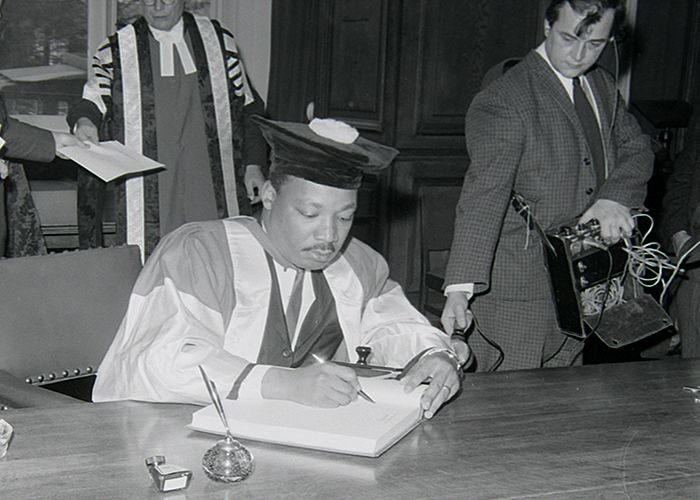
A digital exhibition tells the story of the civil rights campaigner Dr Martin Luther King Jr., receiving an honorary degree at Newcastle University in November 1967 using original photographs and documents from the University Archives.

Photograph of Martin Luther King signing the University's visitors' book, 13 November 1967
Martin Luther King signing the University’s visitors’ book, 13 November 1967 (University Archives, NUA/052589-5)

Dr Martin Luther King Memorial Service

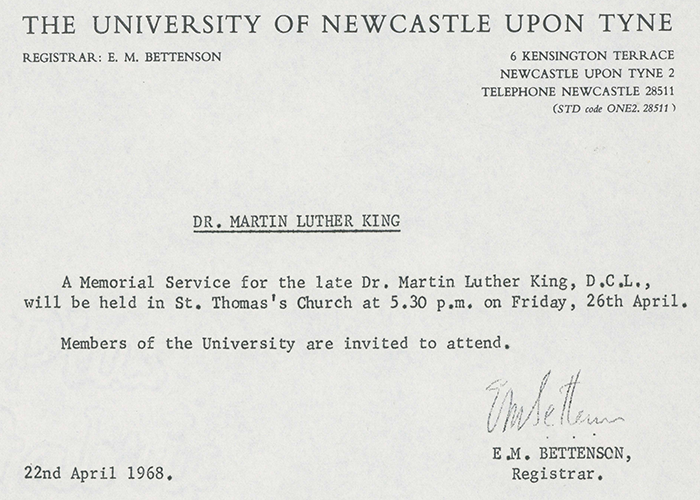
Dr Martin Luther was assassinated shortly after 6pm on 4th April 1968, King was short dead in Memphis, Tennessee. He was just 39 years old. This is a blog post on the memorial service for Dr Martin Luther King, held at St. Thomas’ Church, Haymarket in Newcastle, 1968.

E.M. Bettenson, “Dr. Martin Luther King,” announcement, 22 April, 1968
E.M. Bettenson, “Dr. Martin Luther King,” announcement, 22 April, 1968 (University Archives, NUA/00-7621/3/21)

Books We Forgot to Remember: the radical tradition in British children’s literature of the early twentieth century

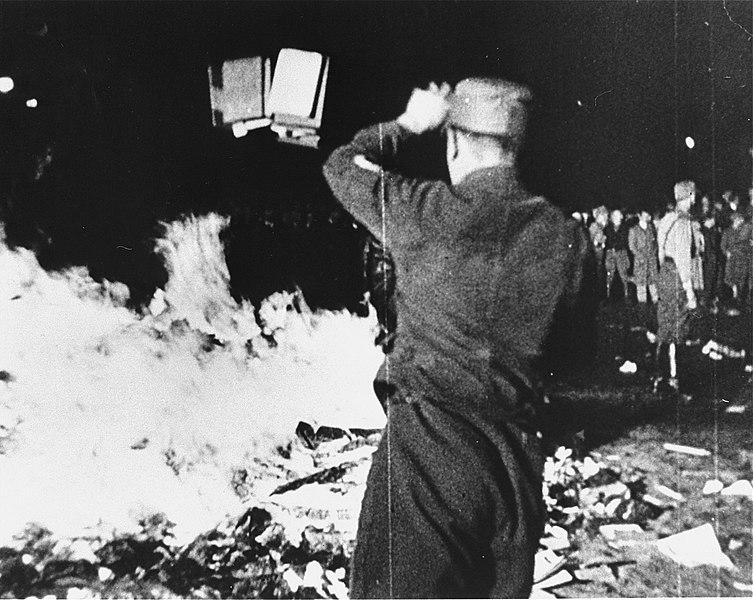
A blog post from Newcastle University students about the radical tradition in British children’s literature of the early twentieth century. This includes the includes the book, Blue Peter, which was written to tell a tale of marginalised minorities at the time of its production during the World War II.

A member of the SA throws confiscated books into the bonfire during the public burning of “un-German” books on the Opernplatz in Berlin (image not from Newcastle University Library Special Collections and Archives)
Continue reading

The Enlightened Educationalist: Lady Bridget Plowden (1910-2000) – September 2020

“I’ve found the Chairman I want and that’s it”. The words of Sir Edward Boyle, the then Conservative Secretary of State for Education, upon first encountering Lady Bridget Plowden in 1963, which sums up in a nutshell Bridget and her innate ability to lead and influence.

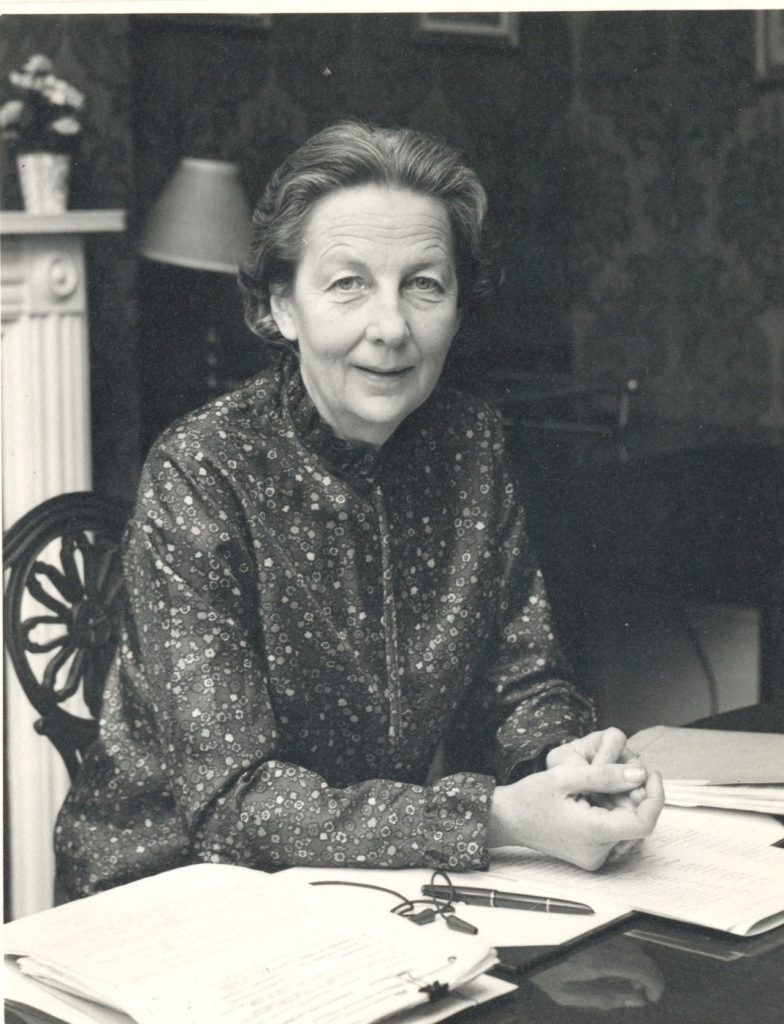
Photograph of Lady Plowden at her desk
Photograph of Lady Plowden at her desk [Plowden (Lady Bridget) Archive, BP 30/4/33/15]

Wife of wealthy industrialist Edwin Plowden and mother of four, Yorkshire-born Lady Bridget Plowden (nee Richmond) became a prominent public figure later in her life. Having initially focused her energies on her children and supporting her husband’s career, at the age of 53 she was appointed Chairman of the Central Advisory Council for Education (CACE), despite her lack of experience, by Sir Edward Boyle, after wowing him at a dinner party with her knowledge and enthusiasm.

It was an appointment which surprised many, but education became a passion and personal commitment for Bridget and an area in which she wielded great influence and brought about significant transformation.

The Plowden Report

The CACE was tasked with considering and reviewing all aspects of primary school education, which was held at the time to be undervalued and underfunded. Said to have been both an inspirational and a demanding Chair, Bridget presided over the compilation of a 1200-page report, Children and their Primary Schools, published in 1967.

The report, known most often by its unofficial name ‘The Plowden Report’, was ground-breaking and reshaped primary education in the UK. It advocated child-centred approaches to Education, stressing that “at the heart of the educational process lies the child“. It reduced class sizes, introduced classroom assistants, recommended annual school reports and abolished corporal punishment.

Although not everyone agreed with all the report’s recommendations, and aspects of the report have naturally since been superseded by more recent innovations and developments over time, The Plowden Report nonetheless remains a hugely significant and transformative milestone in the history of primary school education on the UK.

Education for Roma and Traveller Children

Amongst the many findings of The Plowden Report was that Roma and Traveller children were “the most severely deprived children in the country” and that, owing to their travelling lifestyle, they had worse access to education than any other minority group.

Determined to improve this situation and demonstrating a continuing and broader commitment to primary education, Bridget helped establish The Advisory Council for the Education of Romany and other Travellers (ACERT) in 1973. As the first Chair of ACERT’s steering committee, Bridget used her status and influence to create a positive environment for work towards improving the education of Roma and Travellers, shining a light on the issue and placing it firmly on the political map, benefitting huge numbers of children within the Roma and Traveller communities.

Front cover of ACERT report number 1
Front cover of ACERT report number 1 [Plowden (Lady Bridget) Archive, BP/9/9/1/1]

Broad field of interests

Bridget held a great many other public roles, including Vice-Chairman of the BBC Board of Governors (1970 – 1975) and Chairman of the Independent Broadcasting Authority (1975 – 1980). Her broad field of interests also encompassed adult education, the care and resettlement of offenders, the role of voluntary work, young adult unemployment and training, and women and employment.

The Plowden (Lady Bridget) Archive

After her death 20 years ago this month (September 2020), Lady Plowden’s family generously gifted her archive to Newcastle University Library in 2003. An extensive and rich resource reflecting her many areas of concern, the catalogue to the archive is available to researchers via the Special Collections web pages. View the Lady Bridget Plowden Archive online.

Grey’s Monument struck by lightning – July 2020

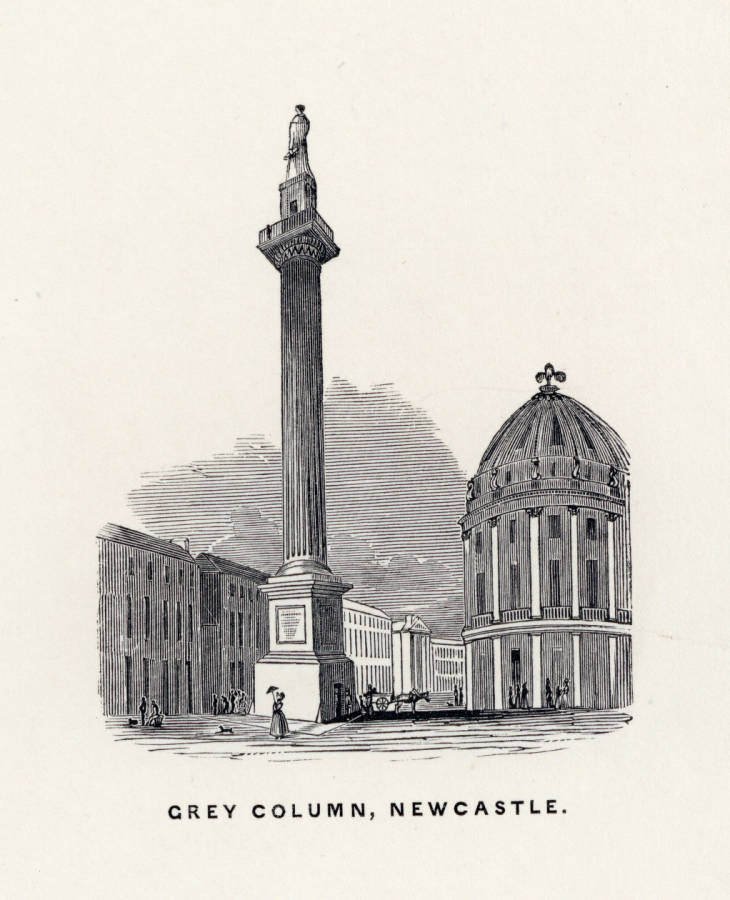
Illustration of Grey Column, Newcastle, 19th Century
Illustration of Grey Column, Newcastle, 19th Century (ILL/11/218, Local Illustrations)

The recent Black Lives Matter protests in UK cities and across the world, have drawn attention to statues which ‘commemorate’ individuals who are thought to have profited from the slave trade. Newcastle’s major statue is Grey’s Monument. This is a Grade I listed monument to Charles Grey, 2nd Earl Grey who was prime minister during the passing of the Great Reform Act of 1832, which set in motion the abolition of the slave trade.

The monument was built in 1838 and consists of a statue of Grey on top of a 135-foot (41 meters) high Roman Doric column. It was designed by local architects John and Benjamin Green, and the statue of Grey was created by the sculptor Edward Hodges Baily (the creator of Nelson’s statue in Trafalgar Square). It was paid for by public subscription.

After over a century of marking the top of Grey Street, the monument was hit by a bolt of lightning on 25 July 1941, which dislodged the head of Earl Grey from his body.

The Newcastle Chronicle reported the dramatic incident:

“The stone head of Earl Grey, 133 feet above the ground at the junction of Grainger, Grey and Blackett Street, crashed to the tram lines without causing any personal injuries, and was badly damaged.

“It was impossible to state whether the original head could be restored.”

The bits of head were gathered up and were reputedly placed in a nearby shop window, with the slogan “Earl Grey’s losing his head over our prices”. The statue was headless until 1947, when local sculptor Roger Hedley (the son of painter Ralph Hedley) created a new head based on the preserved fragments of the original.

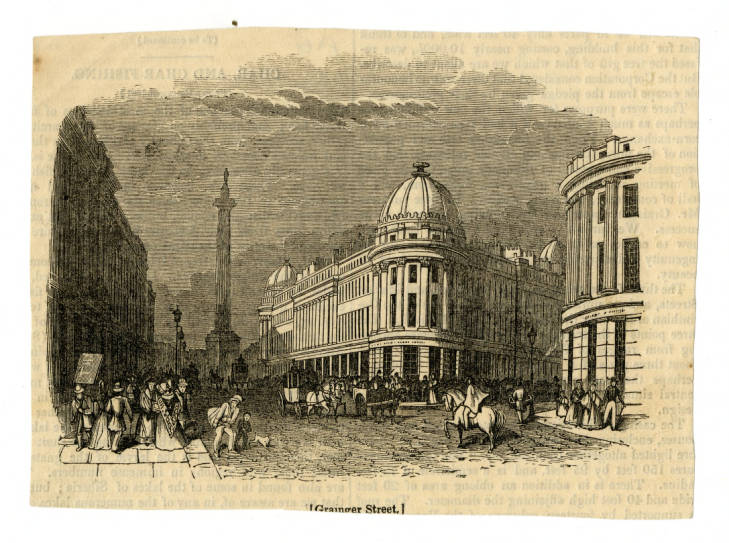
Illustration of Grainger Street,  depicting Grey's Monument and buildings
Illustration of Grainger Street, depicting Grey’s Monument and buildings (ILL/11/261, Local Illustrations)

Our Local Illustrations contains many representations of Grey’s Monument standing tall during the 19th Century.  

In Blackberry Time – June 2020

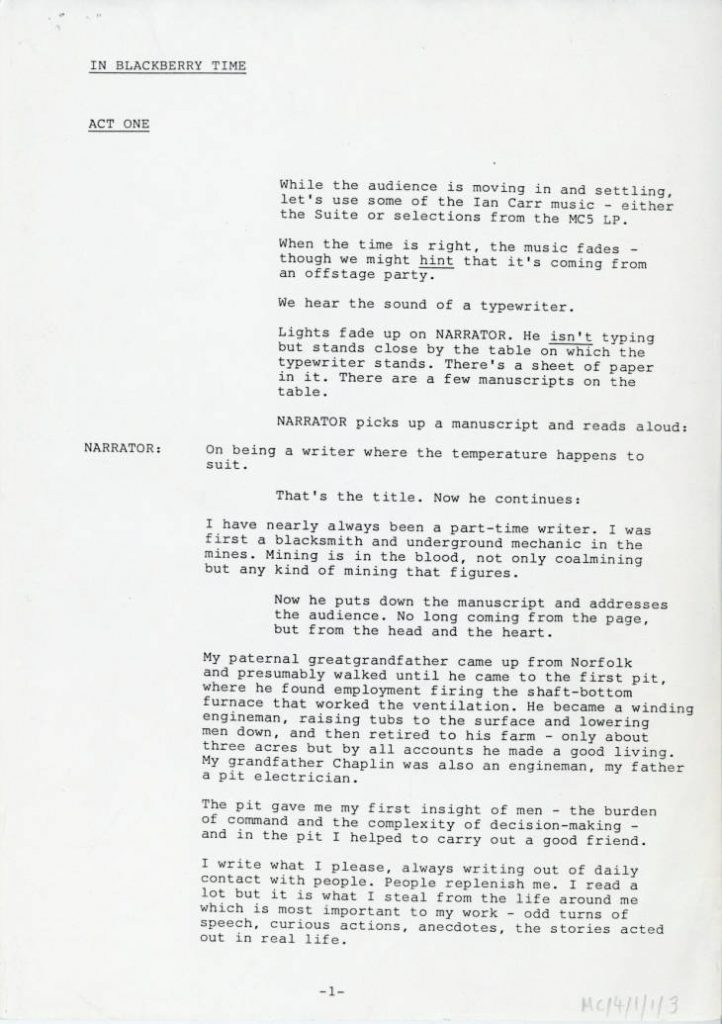
Page from annotated typescript for theatre production 'In Blackberry Time'
Page from annotated typescript for theatre production ‘In Blackberry Time, 1985 (Chaplin (Michael) Archive, MC/4/1/1/3/1)

In Blackberry Time was produced collaboratively by Alan Plater and Michael Chaplin.  The play is based on Sid Chaplin’s book of short stories that go by the same name.  Sid started to write the autobiographical book before his death in January 1986.  His son, Michael Chaplin, and wife, Rene Chaplin, edited and published the book on his behalf posthumously with Bloodaxe Books in 1987.

As we can see from this first page draft of the play, the narrator establishes himself as a son of a coal miner who ‘writes what I please, always writing out of daily contact with people’. Sid was highly regarded for his depictions of North East mining and working-class communities drawing upon his experiences growing up in the coal mining community of County Durham and of work in the pit. Sid began working in the mines from the age of sixteen before moving away to be a writer for the National Coal Board’s publication Coal.

With his vivid portrayals of life in region Sid was an inspiration to many North East writers.  In the 1960s he became a mentor figure to the playwright Alan Plater.  When Plater was approached by Max Roberts, the Creative Director of Live Theatre, to write a North-East play, Plater was drawn to Sid’s work. In a meeting with Michael it was decided that they would together adapt the latest of Sid’s work into a play. This extract from a typescript of In Blackberry Time was written in 1987, the same year that Sid’s final and posthumous book was published.  

The play was staged at Live Theatre in 1987 and starred actors Val MacLane and David Whitaker.

In these audio interviews you can hear Michael Chaplin’s account of his collaboration with Alan Plater.  In the interview Michael claims that In Blackberry Time began his career as a writer. He has written some 30 plays for Radio 4 including the series ‘Two Pipe Problems’ and ‘The Ferryhill Philosophers’ and various single plays like ‘The Song Thief’. His work for television includes the series ‘Grafters’, ‘Dalziel and Pascoe’ and ‘Monarch of the Glen’ and films like ‘Just Henry’.

The production of In Blackberry Time was also the beginning of a long relationship with Live Theatre.  Michael wrote another two plays for the theatre, ‘You Couldn’t Make It Up’ (with Tom Chaplin) about the travails of being a Newcastle United fan, and ‘A Walk-On Part’, based on the diaries of ex-Labour MP Chris Mullin.

You can find the Archives of Michael Chaplin and Sid Chaplin here at Newcastle University Special Collections and Archives. You can also find material in our Live Theatre Archive including Max Robert’s copies of draft script for In Blackberry Time and production photographs.

Florence Nightingale – Influence and Power – May 2020

Today marks the bicentenary of the birth of Florence Nightingale (12th May 1820) – famed for her work improving sanitation and reforming nursing. Her importance to modern health is still recognised. To coincide with this anniversary the World Health Organization named 2020 the international year of the Nurse and Midwife. Roles we are certainly celebrating in the current pandemic today.

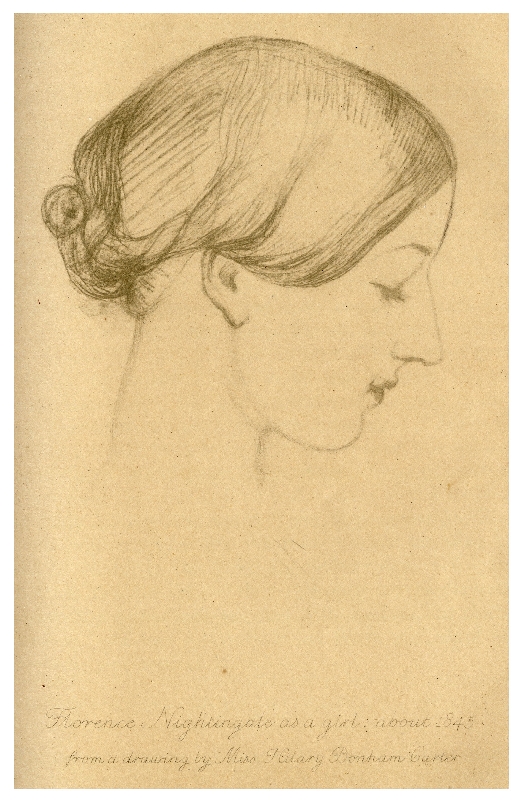
Pencil drawing of Florence Nightingale
Drawing of Florence Nightingale from The Life of Florence Nightingale (Volume One) by E. T. Cook (Pybus (Professor Frederick Charles) Collection, Pyb L.i.35)

Much of the discussion of Nightingale relates to her work in the Crimea and the improvements she made to nursing –  you can read more about her role in this previous treasure. However she was also instrumental in influencing sanitation improvements within the military more widely.

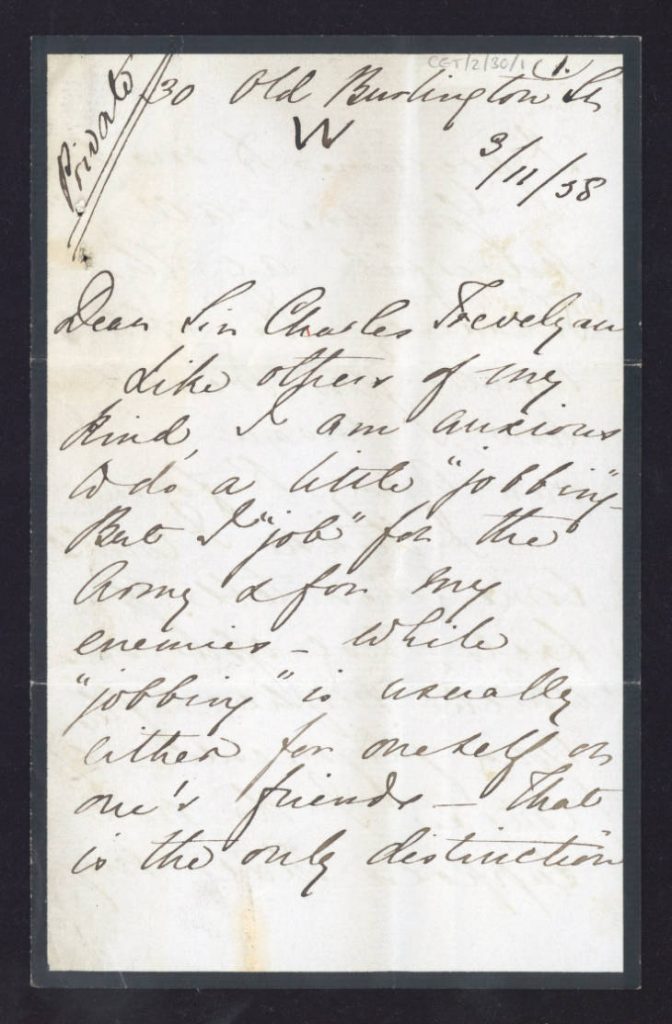
Nightingale did this by using her experience and knowledge to influence those with the responsibility for making decisions on military policy. This letter below
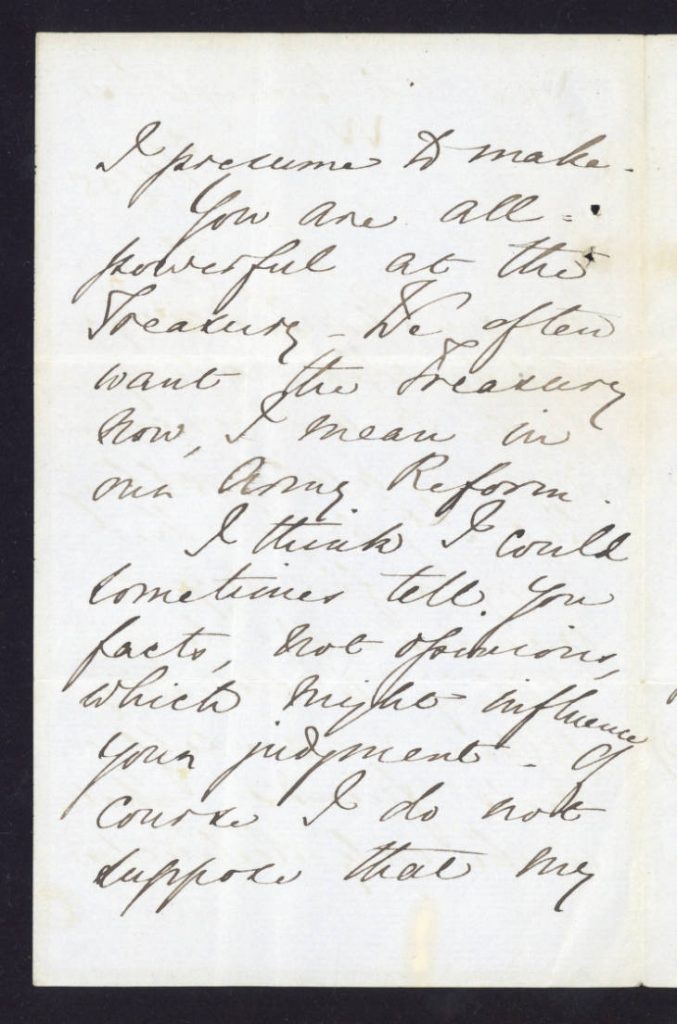
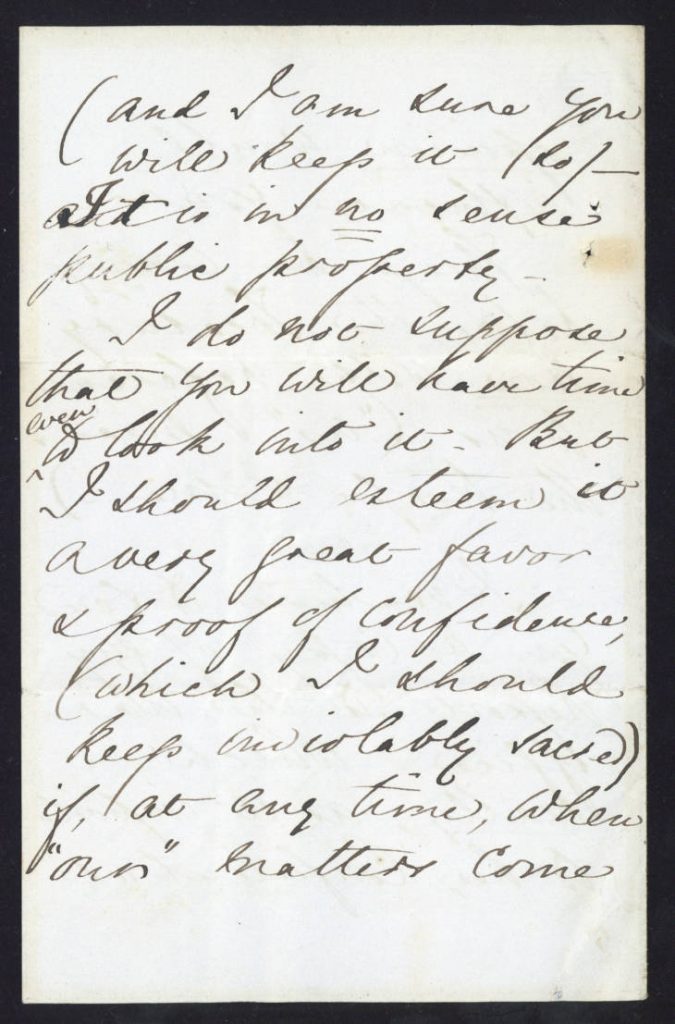
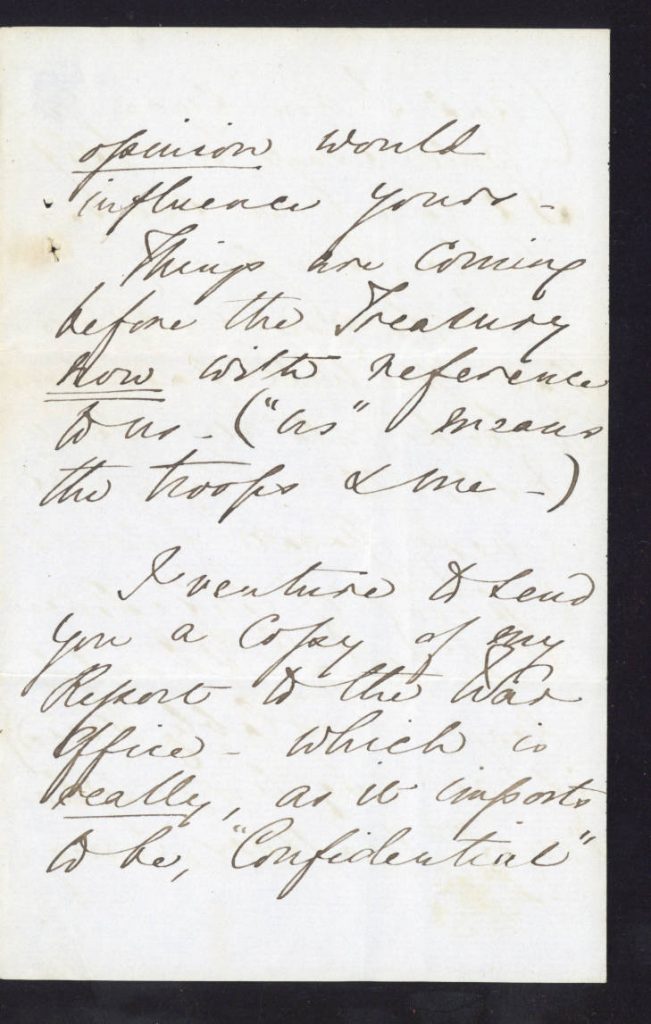
(CET/2/30/1) from the Charles Edward Trevelyan archive, dated 3/11/58, is one of a file of correspondence from Nightingale to Charles during his roles as Governor of Madras and financial member of the Indian Council at Calcutta. In the first, Nightingale tells Charles that she is ‘anxious to do a little “jobbing”’, meaning that she intends to turn her influence for gain, although rather than gains for herself, Nightingale ‘”job[]s” for the army + for my enemies’. The letter offers to share ‘facts’ with Trevelyan which may influence decisions made in relation to military policy. Visit CollectionsCaptured see larger images of the letter.

Transcription of letter from Florence Nightingale to Charles Philips Trevelyan (CET/2/30/1):

Private

30 Old Burlington
W
3/11/58

Dear Sir Charles Trevelyan

Like others of my kind, I am anxious to do a little “jobbing” but I “job” for the army + for my enemies – While “jobbing” is usually either for oneself or one’s friends – that is the only distinction I presume to make.

You are all powerful at the Treasury. We often want the Treasury no, I mean in our Army Reform.

I think I could sometimes tell you facts, not opinions, which might influence your judgement. Of course I do not suppose that my opinion would influence yours.

Things are coming before the Treasury now with reference to us. (“us” means the troops + me).

I venture to send you a copy of my Report to the War Office – which is really as it imports to be, “Confidential” (and I am sure you will keep it so).

It is in no sense public property.

I do not suppose that you will have time [even] to look into it. But I should esteem it a very great favor + proof of confidence (which I should keep inviolably sacred) if, at any time, when “our” matters come…

Florence Nightingale


The confidential report which was included is no longer present, but it was likely Subsidiary Notes as to the Introduction of Female Nursing into Military Hospitals. Unfortunately, the letter is incomplete, but it remains valuable evidence of Nightingale reaching out to influential figures to achieve her aims.

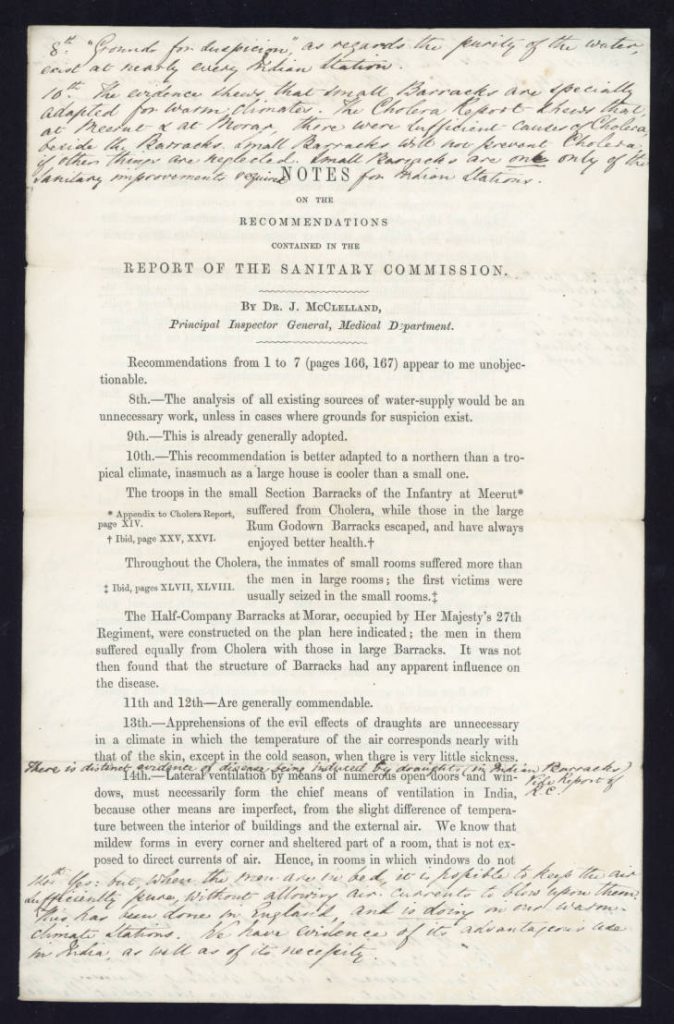
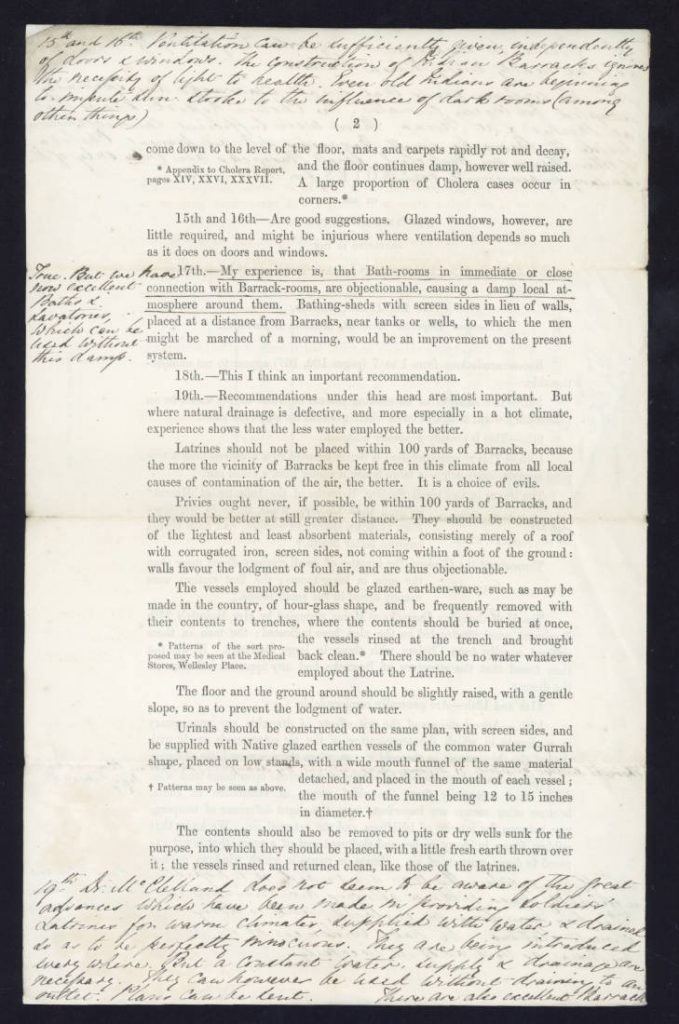
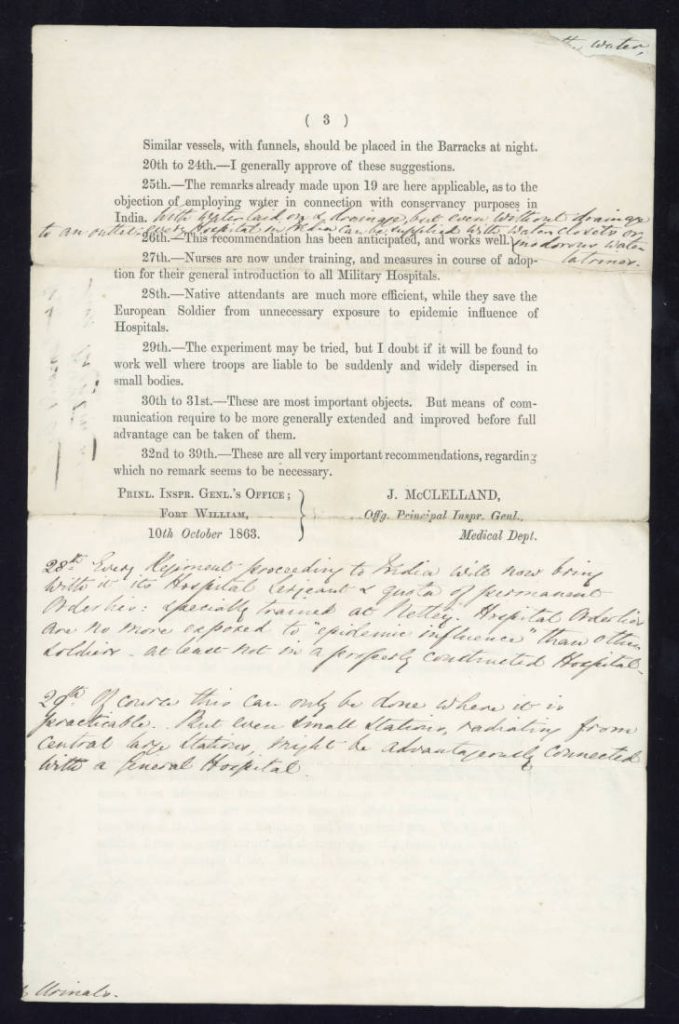
Nightingale’s influence on health in the British Indian Army continued. In the 1860s she collected information for The Royal Commission on the Sanitary State of the Army in India. In addition to the publication of the Commission’s final report in 1863, Nightingale published her own response, which can be viewed online.

The file of correspondence from Nightingale to Trevelyan also includes a copy of printed notes on the official report’s recommendations by the principle inspector general of the Medical Department, Dr J McClelland (Trevelyan,
CET/2/30/10
). Nightingale has annotated these, highlighting inaccuracies and providing additional information, likely with the aim of influencing Trevelyan’s actions (see below – find larger images on CollectionsCaptured).

Trevelyan, and the role of British colonialism in India are controversial and contested histories. Nevertheless, while governor of Madras Trevelyan did instigate improvements in local sanitation, possibly as a direct result of Nightingale’s influence opinion would influence yours.

They also served… – April 2020
Thank you to Universities at War volunteer (and retired member of Library staff!) Alan Callender for this blog piece and for all of the hours of painstaking research behind it.


The University of Durham Roll of Service, produced in 1920, lists 2,464 staff and students who had served in World War One from the various Colleges that made up Durham University at that time. These include men and women from Armstrong College and the College of Medicine at Newcastle upon Tyne, predecessors to Newcastle University.

Only four of our female graduates appear in this book, but this hides the fact that many of our female staff and students, particularly our medical graduates, did serve in military units.  These women, usually categorised as serving under “unofficial” women-only military units, were denied the criteria for the Roll of Service which required them to belong to a unit which appeared in the “official lists of the Navy Army or Air Force”.  This article is intended to honour the women whose wartime stories deserve recognition.

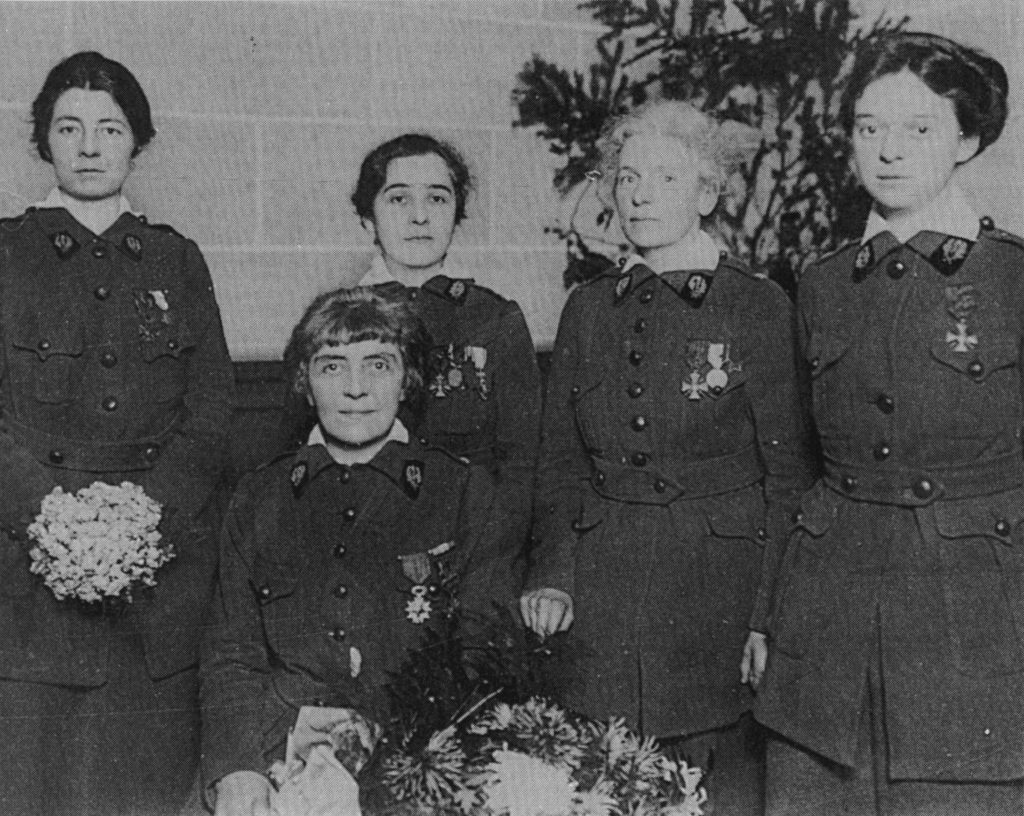
Women from the Scottish Women’s Hospitals for Foreign Service receiving their Croix de Guerre medals from the French government in gratitude for their wartime service. They were ineligible to receive equivalent British war medals. One of our Medical College graduates Dr Ruth Nicholson is standing back left holding flowers.

Scottish Women’s Hospitals for Foreign Service

The Scottish Women’s Hospitals for Foreign Services (SWH) was founded in 1914.  The SWH was spearheaded Dr Elsie Inglis, as part of a wider suffrage effort from the Scottish Federation of the National Union of Women’s Suffrage Societies, and funded by private donations, fundraising of local societies and the National Union of Women’s Suffrage Societies, and the American Red Cross.  As voluntary all-women units, the Scottish Women’s Hospitals offered opportunities for medical women who were prohibited from entry into the Royal Army Medical Corps. By the end of the War 14 medical units had been outfitted and sent to serve in Corsica, France, Malta, Romania, Russia, Salonika and Serbia.  Over 1,000 women from many different backgrounds and many different countries served with the SWH.

We have found six graduates from the College of Medicine who served under the SWH:

Dr Ruth Nicholson (M.B., B.S. 1911) served as Surgeon and Second in Command at the Royaumont (France) Unit from 1914-1919.

Dr Lilian Mary Chesney (D.P.H. 1908) served as a doctor in the Kragujevac (Serbia) Unit 1914-1915 and the London (Russia and Serbia) Unit from 1916-1917. Thanks to the research of John Lines whose great aunt, Margaret Box, also served with the SWH, we have evidence that by October 1918 Dr Chesney appears to be running the hospital in Skopje (Serbia) for the SWH. Margaret refers to Dr Chesney in several of her wartime letters and calls her “our chief”.

Dr Sophie Bangham Jackson (M.B., B.S. 1904 and M.D. 1906) served as a doctor in the Ajaccio (Corsica) Unit 1916-1917.

Dr Margaret Joyce (M.B., B.S. 1898) served as a doctor in the Royaumont (France) unit in 1915.

Dr Elizabeth Niel (M.B., B.S. 1907, M.D. 1909, D.P.H. 1910) served as a doctor in the Sallanches (France) Unit 1918-1919.

Dr Grace Winifred Pailthorpe (M.B., B.S. 1914 M.D. 1925) served as a doctor in the America (Serbia) Unit 1916.

Black and white group photograph of staff at the Royaumont Hospital
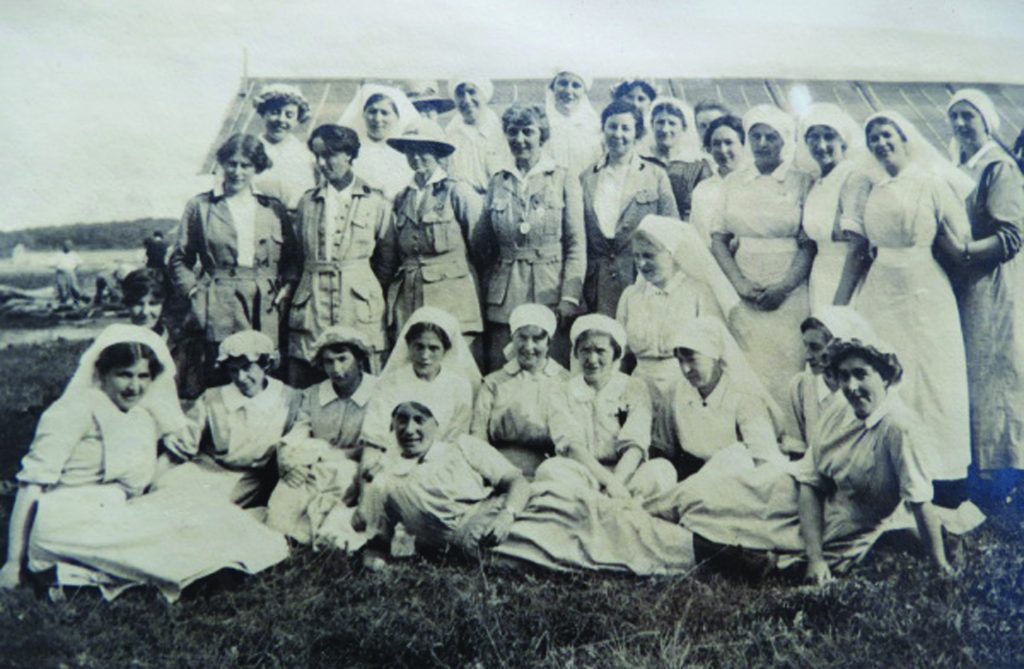
Staff of the SWH Royaumont Unit. Dr Ruth Nicholson stands centre with dark hair, and to her left is Dr Frances Ivens, Head of the Unit. Image kindly provided by S. Light.

Women’s Hospital Corps

Under the leadership of militant suffragists Dr Flora Murray and Dr Louisa Garrett Anderson, the Women’s Hospital Corps (WHC) ran a military hospital at the Claridge Hotel in Paris and then at Wimereux, for the French government (their proposals having been rejected by the British authorities). In 1915 however the War Office asked the WHC to set up a military hospital in London entirely staffed by women.  It became known as the Endell Street Military Hospital.  Open from May 1915 to December 1919, its doctors treated 26,000 patients and performed over 7000 major operations.

Co-founder and Surgeon Dr Flora Murray undertook her medical training at the London School of Medicine for Women and was a registered student at the College of Medicine in Newcastle 1900-1902 from where she graduated M.B., B.S. in April 1903 and M.D. in April 1905.

Dr Florence Barrie Lambert (M.B., B.S. 1906) served as Chief Medical Officer for the WHC until 1916 and was then appointed by the R.A.M.C. as Inspector of the Electrical and Massage Departments for the British convalescent camps.

Black and white photograph of an operation
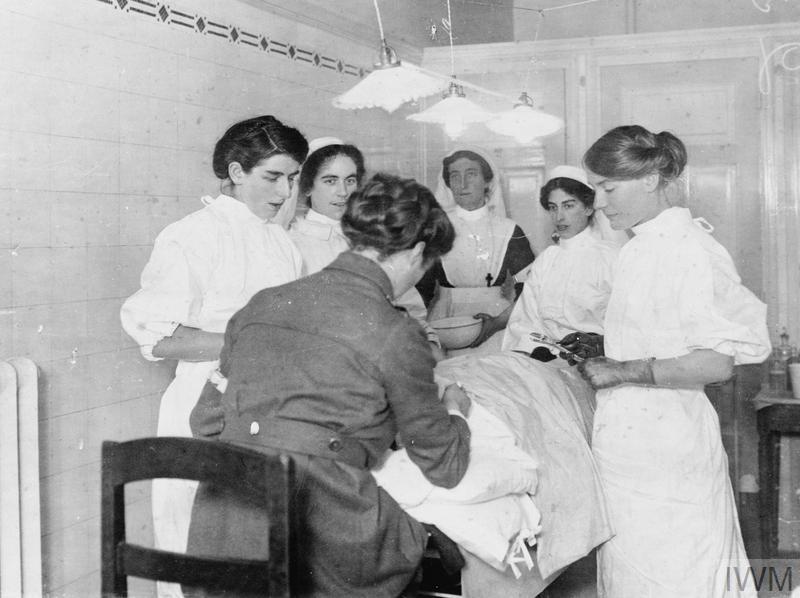
On the operating table, a wounded soldier is being given chloroform before being operated on by British women surgeons at the Hotel Astoria (or Hotel Claridge), Paris. The chloroform is being administered by the Surgeon-in-Charge Dr Flora Murray (seated figure, seen from the back), and she is assisted by Dr Marjorie Blandy (right). Image provided by the IWM.

Voluntary Aid Detachment (V.A.D.) Hospitals

Although not “official” military hospitals, in reality V.A.D. Hospitals often became auxiliary hospitals to larger military hospitals.

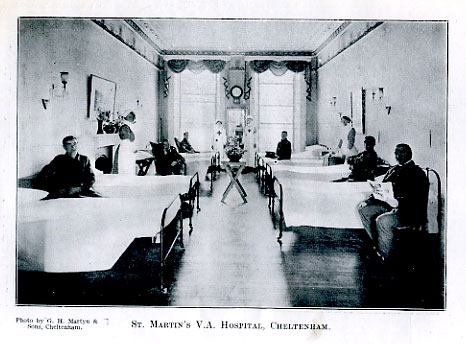
Dr Grace Harwood Stewart Billings (M.B., B.S. 1898) served as Medical Officer of the St Martin’s V.A.D. Hospital in Cheltenham.  This is from the final report of the Red Cross Gloucestershire, 1914-19: “St. Martin’s Hospital was opened in June 1915 at Eversleigh, Bayshill, with accommodation for 40 patients. It was entirely staffed by former pupils of the Ladies’ College, Cheltenham. At first it was only intended to be a convalescent hospital, but in a very short time this was altered and patients came direct from the front the same as to all the other hospitals in the town.” The Chief Officers are listed in this report as:

Commandant: Miss Donald

Medical Officer: Dr Grace S Billings

Superintendent: Miss Wintle A.R.R.C.

Black and white image of a hospital ward
St Martin’s V.A.D. Hospital in Cheltenham, image kindly provided by Gareth Knight.

Royal Army Medical Corps Units and the British Army

In fact some female medical graduates did serve as doctors within the British Army during the War, despite the British authorities’ official stance.

The Women’s Army Auxiliary Corps (WAAC), re-named in 1918 the Queen Mary’s Auxiliary Army Corps (QMAAC), was set up in 1917 as a voluntary unit under the British Army.  It eventually employed 57,000 women in a range of occupations.  For female qualified doctors there were opportunities here to serve alongside their male counterparts, although they were never allowed to serve officially under the Royal Army Medical Corps.

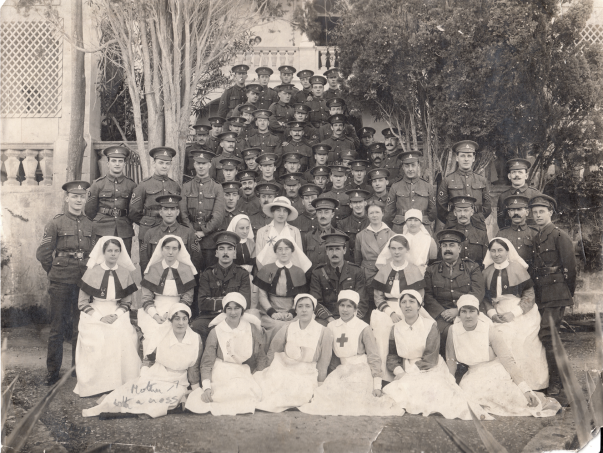
A second route came in 1916 when an acute shortage of male doctors led to a change in policy.  To fill the gap the War Office decided to hire a number of women doctors as ‘civilian surgeons’ who were to be attached to RAMC units serving in Malta, the main hospital base for the Mediterranean Theatre of War.  In total 85 women doctors were hired.

We have found three medical graduates who served in the British Army via these routes:

Dr Stephanie Patricia Laline Hunte Taylor Daniel (M.B. 1917, B.S. 1918) served as Medical Official in the QMAAC, stationed at Catterick Camp, from 1917-1919.

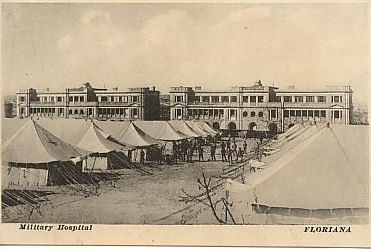
Dr Ethne Haigh (M.B., B.S. 1913) served as a Civilian Surgeon under the RAMC, and was stationed at Floriana Military Hospital (Malta) 1916-1917 and No. 65 General Hospital in Salonika 1917.

Dr Ida Emelie Fox (M.B., B.S. 1902) served as a Civilian Surgeon under the RAMC and was stationed at No. 65 General Hospital in Salonika, 1916-1918.

Black and white image of tents forming Floriana Barracks Hospital
Floriana Military Hospital, Malta. Image kindly provided by maltramc.com
Black and white image of medical staff
An RAMC Unit in Malta 1916/17, kindly provided by Katrina Kirkwood (niece of Dr Isabella Stenhouse un-uniformed wearing a brimmed hat), University of Oxford http://ww1centenary.oucs.ox.ac.uk/.

Nurses for the British Army

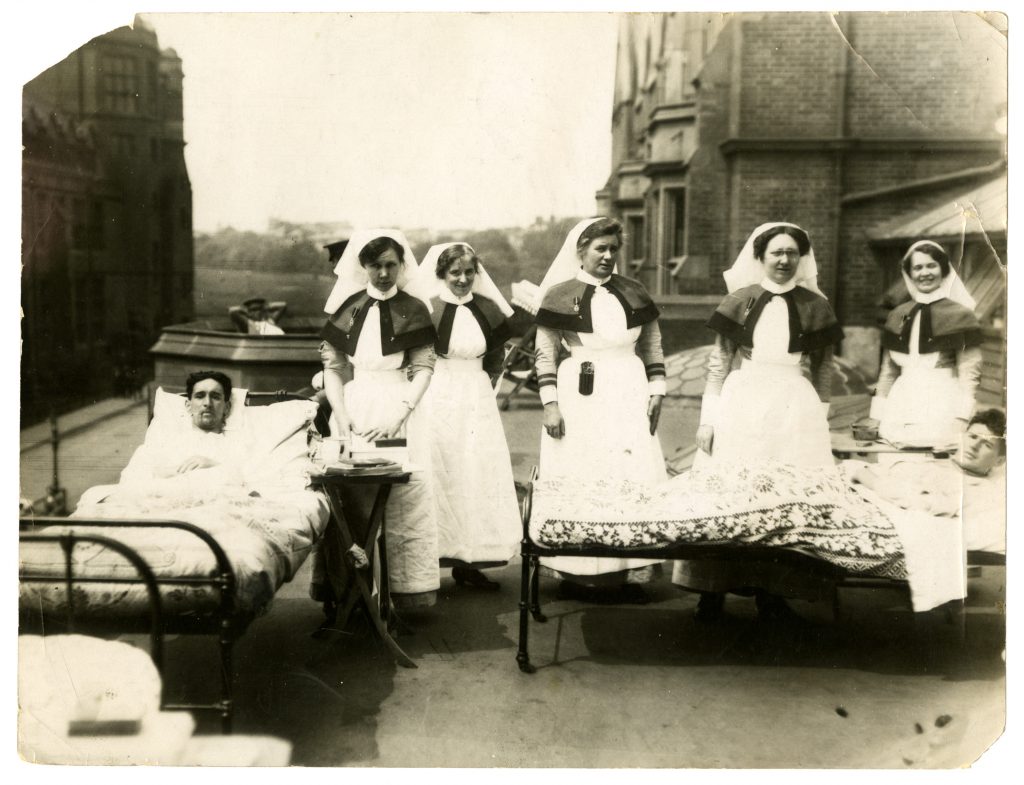
Two of the women who appear in the Roll of Service were graduates or students of Armstrong College who during the War served as nurses for hospital or ambulance services registered under the British Army, thus meeting the criteria of the Roll of Service.

Janet C. Brown (Armstrong College) served as a nurse for two military hospitals during WWI, 1st Southern General Hospital (Birmingham) 1916-1917 and 1st Northern General Hospital (Newcastle upon Tyne) 1917-1919.

Clementine Mary Hawthorn (Armstrong College A.Sc. 1903, B.Sc. 1904) served as a nurse in the 1st Northumberland Field Ambulance 1914-15.

Black and white image of nurses and patients on a roof top
Nurses at the 1st Northern General Hospital. This image was taken on the roof of what is now Newcastle University’s Hatton Gallery (Image from Newcastle University Archives: NUA-04-1017-09)

The Wounded Allies Relief Committee

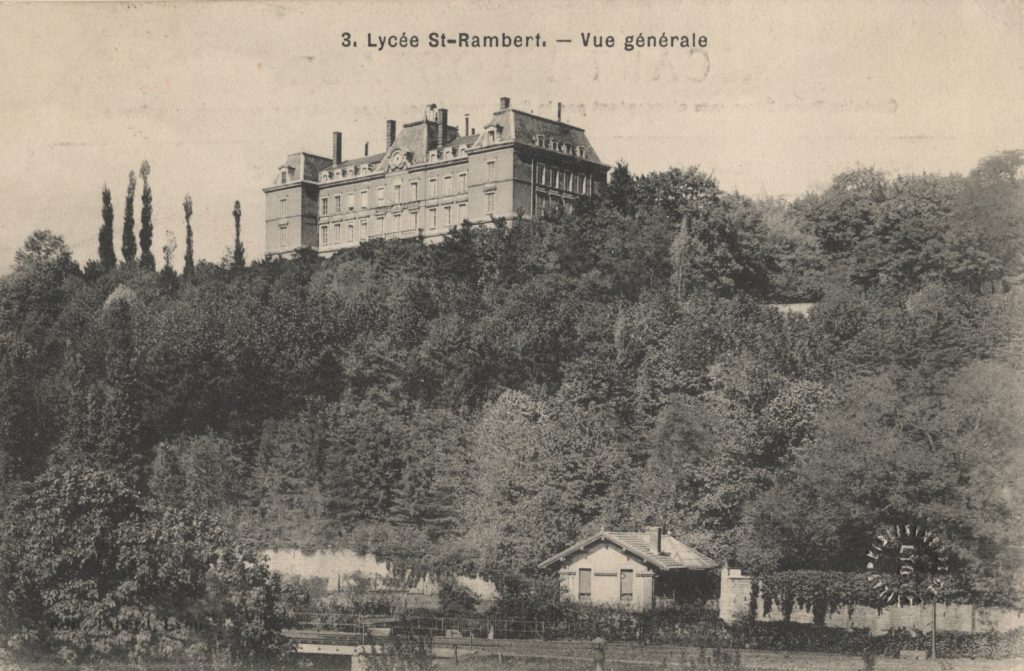
Dr Olivia Nyna Walker (M.B., B.S. 1911) served as Assistant Surgeon at the Hospital Anglais, Lycée de St-Rambert, L’Ile Barbe, Lyon, France.  This was a temporary French military hospital which operated 1914-1916 under the direction of the Wounded Allies Relief Committee.

Black and white postcard showing a large building on a hill
Lycée de St-Rambert, date approx. 1870-1918, image kindly provided by the Bibliothèque municipale de Lyon.

Interested in viewing more stories from WWI uncovered by our researchers? You can do so by finding out more information on the Universities at War project. You can also view The University of Durham Roll of Service online.

Crime in the Broadsides – March 2020

At a time when newspapers were taxed, broadsides were vehicles for popular culture which were just affordable by the working class (the average cost of a broadside was a penny, with some ballads costing a ha’penny.) Typically, broadsides were single sheets, printed on one side only. Some communicated public information; many were printed for entertainment. They were ephemeral – cheaply printed for distribution among the lower and middle classes by chapmen, hawkers and street criers, or, for pasting onto walls by way of reaching wider audiences. In the Nineteenth Century, machine-press printing helped to bring about a proliferation of this street literature. It is remarkable that any broadsides have survived and yet almost 850 have been catalogued and digitised from Newcastle University Library’s Special Collections.

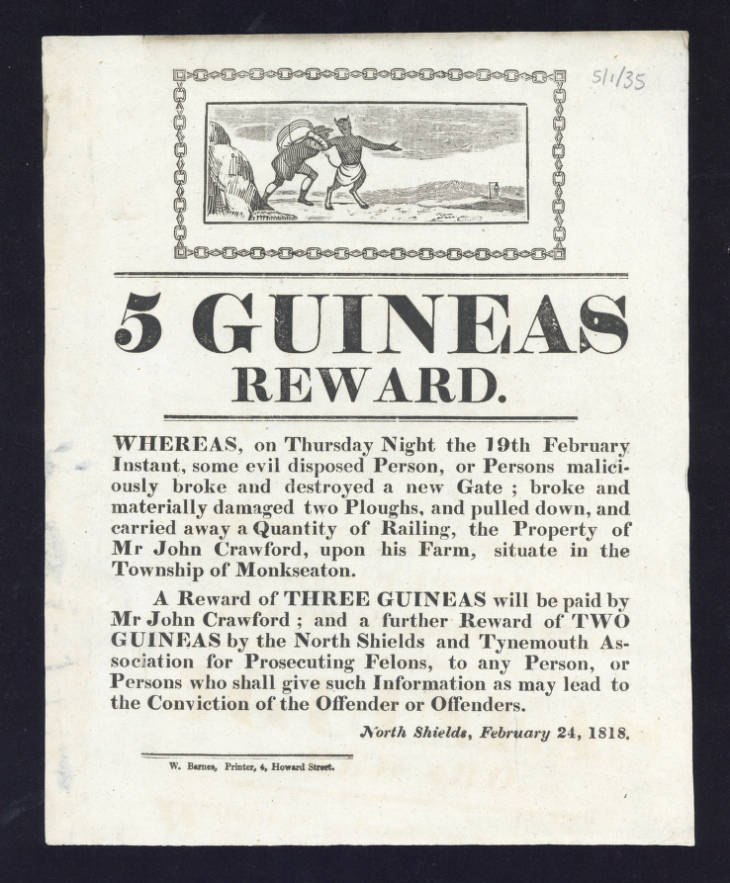
One of the many themes to be treated in broadsides, is crime. The end of the Eighteenth Century/beginning of the Nineteenth Century saw increases in both crime and poverty, with the majority of criminal acts being property offences. More goals were being built but there was also a move away from harsh punishment, with transportation replacing execution for some serious crimes and more lenient sentences, with attempts at rehabilitation, replacing harsh sentences for petty crimes. The first police force was introduced in 1829 and there would not be an organised police force until 1856 and so it was that prosecutions were usually brought about by private individuals; usually the victims of the crimes. Prosecution associations were community organizations whose members were citizens that paid dues to cover the costs of private prosecutions. Sometimes, they provided a form of crime insurance. Broadsides 5/1/35 5 Guineas Reward is evidence that these prosecuting associations also covered the costs around soliciting information: printing reward notices and contributing reward money.

Newcastle University Library’s Special Collections has several reward posters that were printed under the auspices of the North Shields and Tynemouth Association for Prosecuting Felons. Like the hanging ballads, these reward posters were formulaic, made use of stock woodcuts and were cheaply printed. They were moralistic, casting criminals as “evil disposed” persons that carried out their deeds “maliciously” even though the crime might have been the theft of food to feed the family.

In this example from 1818, Monkseaton farmer John Crawford has suffered criminal damage to a gate, two ploughs and a railing. He has put up three guineas (roughly £180.90 today) as a reward for information leading to successful prosecution and the prosecution association has increased the reward by two guineas (roughly £120.60 today).

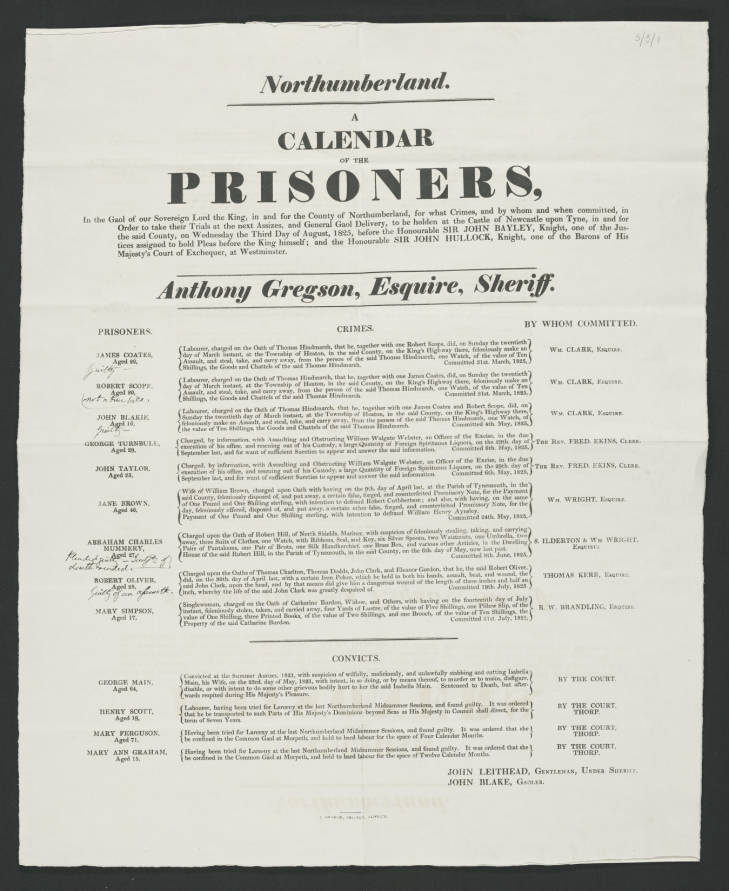
Calendars of Prisoners, like Broadsides 5/3/1, are lists of prisoners awaiting trail. They are formal documents, typically providing the names, ages, trades and offences of the accused as well as the names of the Magistrates that committed them.

This example lists the prisoners awaiting trial in Newcastle, in August 1825. The prisoners range from Mary Simpson (age 17) who was accused of stealing fabric, pillow cases, books and brooches to Robert Scope (age 80) accused of assault and theft. Some of the printed entries have been annotated by hand to record the verdict after trial. There is also a section for convicts at the end of the document: those prisoners to have been found guilty at trial and which have now been sentenced. They include Mary Ferguson (age 71) who was sentenced to gaol and given four months’ hard labour, such as working the treadmill.

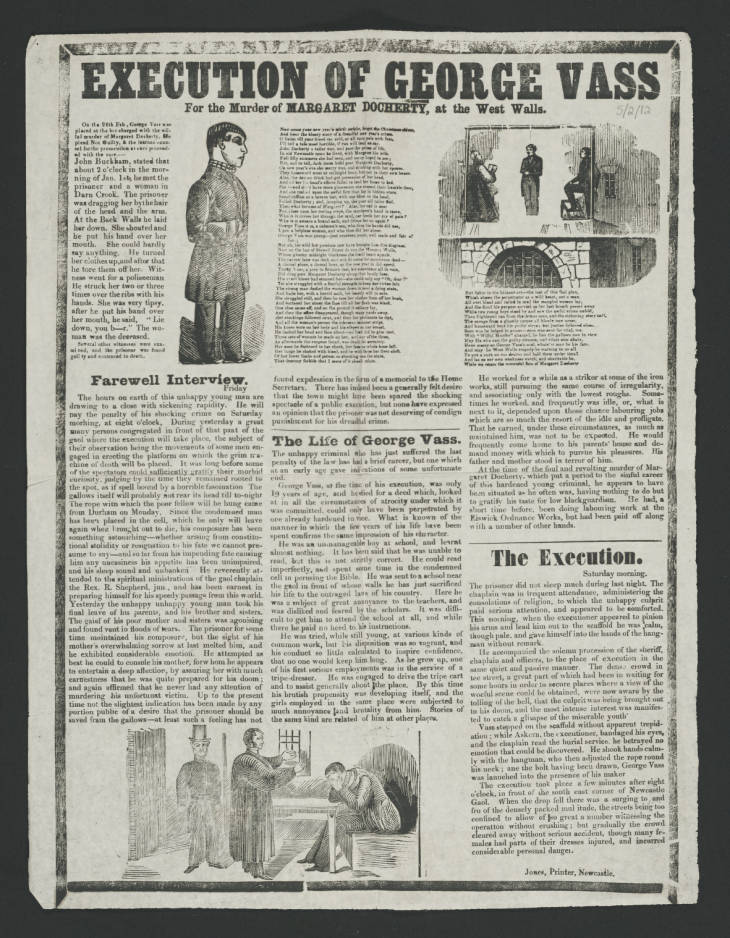
Broadsides 5/2/12 Execution of George Vass, is an example of a hanging ballad, or execution ballad. In the Nineteenth Century, public executions attracted large crowds of spectators and one of the ways in which people experienced public executions was through broadsides and ballads. Hanging ballads would be sung at executions and the ballad sheets sold by the singers. They were formulaic but combined news from local reports with sensational, moralistic accounts of the crimes committed. The audience could expect to learn about the crime, the behaviour of the prisoner, an account of his/her last words, a description of the execution and a warning against leading a similarly criminal life lest the audience end their days at the gallows too.

George Vass was 19 years old when he became the last person to be executed by public hanging in the Carliol Square gaol, Newcastle upon Tyne, at 08:00 on 14th March 1863. He had been found guilty of the rape and murder of Margaret Docherty on New Year’s Eve 1862. Margaret lies in the cemetery of All Saints Church.

In the Nineteenth Century, crime was never far from the common people and, through broadsides and other publications, knowledge of criminals and their crimes became well-known; often sensationalized.

You can find many more digitised images from our Broadsides Collection online on CollectionsCaptured.

You can also find out more about another Broadside from a previous Treasure of the Month for A reward poster concerning the breaking into the shop of Messrs Wigham and Prior in the Fish Market, North Shields and subsequent theft of part of a side of bee (1817) on our blog.

Gertrude Bell, Kingmaker? – January 2020

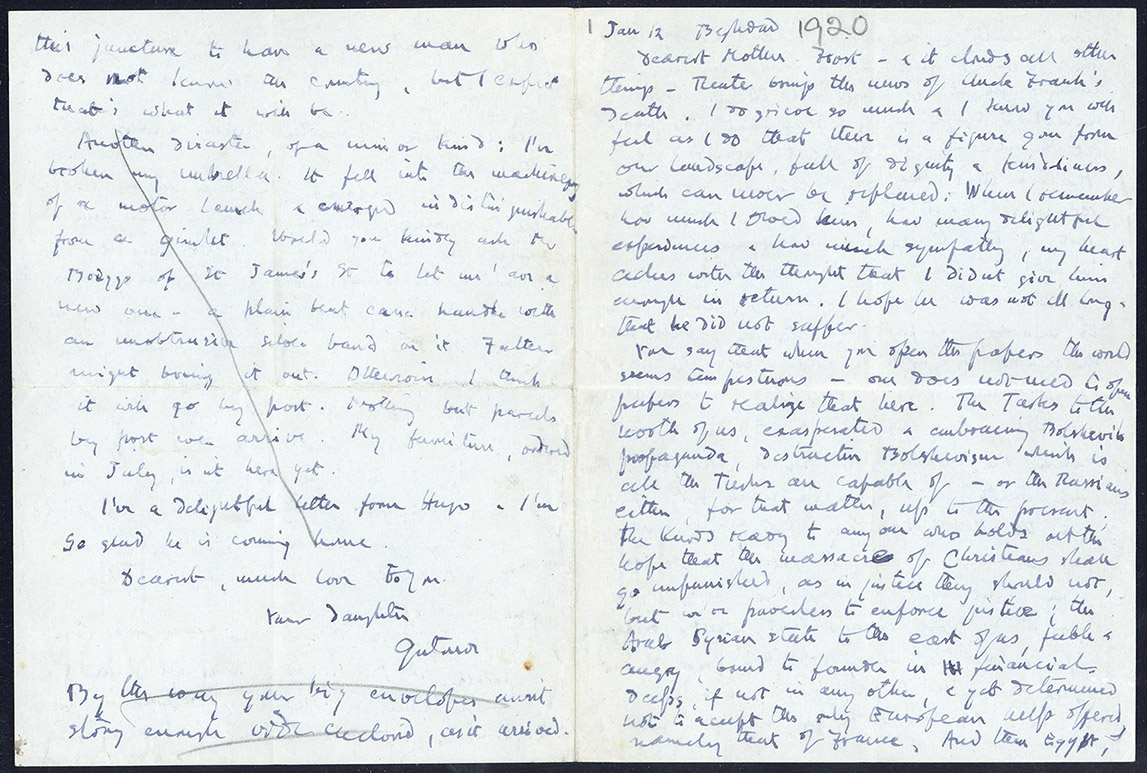
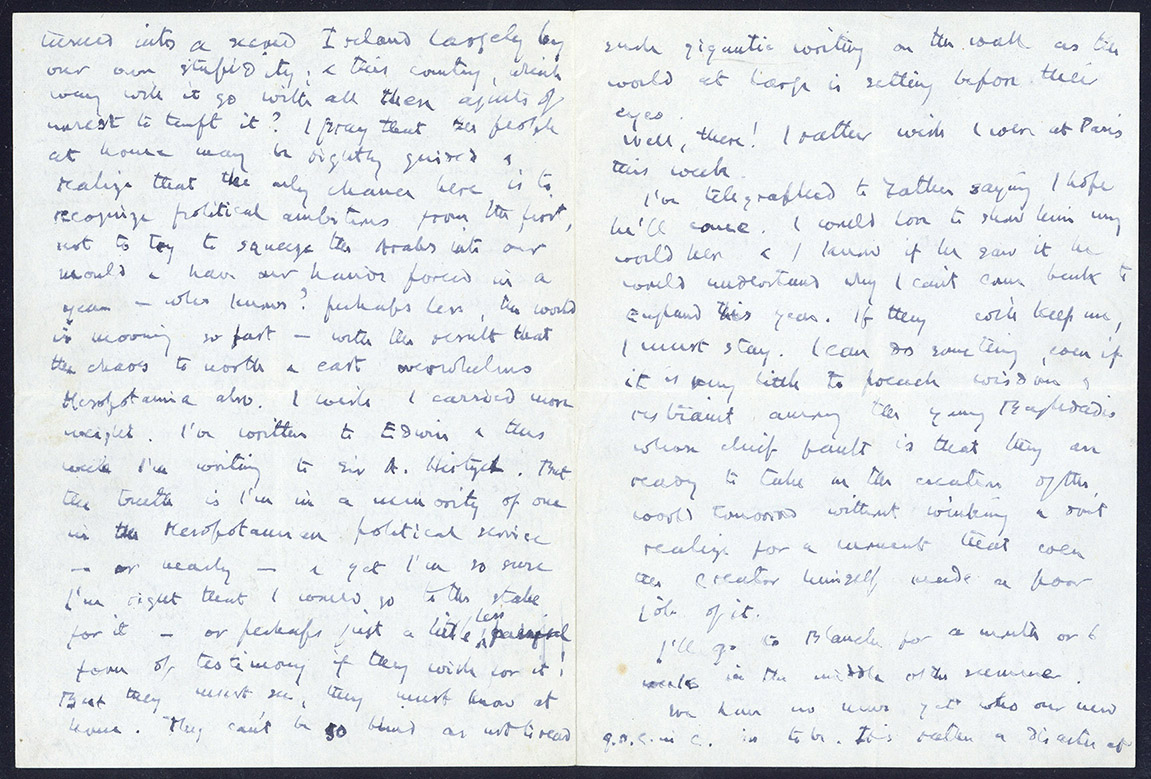
Newcastle University Special Collections and Archives holds over 1,800 letters written by Gertrude Bell to her family. One in particular was written on the 12th January 1920, where Gertrude Bell writes to her stepmother describing her concerns about the delicate political situation in the Middle East, her hopes for resolution and how she seeks to contribute. Through this and her other writing she demonstrates a depth of knowledge and involvement which contributes significantly to our understanding of early 20th Century politics in the region.

Gertrude’s journey to becoming an important figure in Middle Eastern politics began when she was born into a wealthy family at Washington New Hall in 1868 where she also spent her childhood. After studying at and graduating from Oxford University she was able to travel widely in the first years of the 20th century and developed a deep interest in the Arab region and people. Her knowledge of the region led to her being involved with the British Intelligence Service during the First World War and by 1920 she had been appointed as Oriental Secretary to the British High Commission in Iraq.

Throughout her time in the Middle East she regularly corresponded with her family in Britain, updating them on her life, travels, and thoughts about her work and the political situation in the Middle East. She wrote one such letter on the 12th of January 1920 to her stepmother, Florence Bell.

A transcript of part of this letter is below:

You say that when you open the papers the world seems tempestuous – one does not need to open the papers to realize that here. The Turks to the north of us, exasperated and embracing Bolshevik propaganda, destructive Bolshevism which is all the Turks are capable of – or the Russians either, for that matter, up to the present; the Kurds ready to anyone who holds out the hope that the massacres of Christians shall go unpunished, as in justice they should not, but we’re powerless to enforce justice; the Arab Syrian state to the east of us, feeble and angry, bound to founder in financial deeps, if not in any other, and yet determined not to accept the only European help offered, namely that of France. And then Egypt, turned into a second Ireland largely by our own stupidity; and this country, which way will it go with all these agents of unrest to tempt it? I pray that the people at home may be rightly guided and realize that the only chance here is to recognize political ambitions from the first, not to try to squeeze the Arabs into our mould and have our hands forced in a year – who knows? perhaps less, the world is moving so fast – with the result that the chaos to north and east overwhelms Mesopotamia also. I wish I carried more weight. I’ve written to Edwin and this week I’m writing to Sir A. Hirtzel. But the truth is I’m in a minority of one in the Mesopotamian political service – or nearly – and yet I’m so sure I’m right that I would go to the stake for it – or perhaps just a little less painful form of testimony if they wish for it! But they must see, they must know at home. They can’t be so blind as not to read such gigantic writing on the wall as the world at large is sitting before their eyes.

Well there! I rather wish I were at Paris this week.

I’ve telegraphed to Father saying I hope he’ll come. I would love to show him my world here and I know if he saw if he would understand why I can’t come back to England this year. If they will keep me, I must stay. I can do something, even if it is very little to preach wisdom and restraint among the young Baghdadis whose chief fault is that they are ready to take on the creation of the world tomorrow without winking and don’t realize for a moment that even the creator himself made a poor job of it.

I’ll go to Blanche for a month or 6 weeks in the middle of the summer.

We have no news yet who our new G.O.C. in C. is to be. It’s rather a disaster at this juncture to have a new man who does not know the country, but I expect that’s what it will be.

In this letter she describes the political situation in the region, her concerns and hopes about how the British Government might seek to resolve the situation and details how she hopes to play a part in setting the future direction for the Middle East.

Pages from a letter from Gertrude Bell to her step mother, Florence Bell, written on the 12th January 1920
Pages from a letter from Gertrude Bell to her step mother, Florence Bell, written on the 12th of January 1920
Letter from Gertrude Bell to her step mother, Florence Bell, written on the 12th of January 1920, a full transcript of the letter can be viewed online. Ref: GB/LETT/370

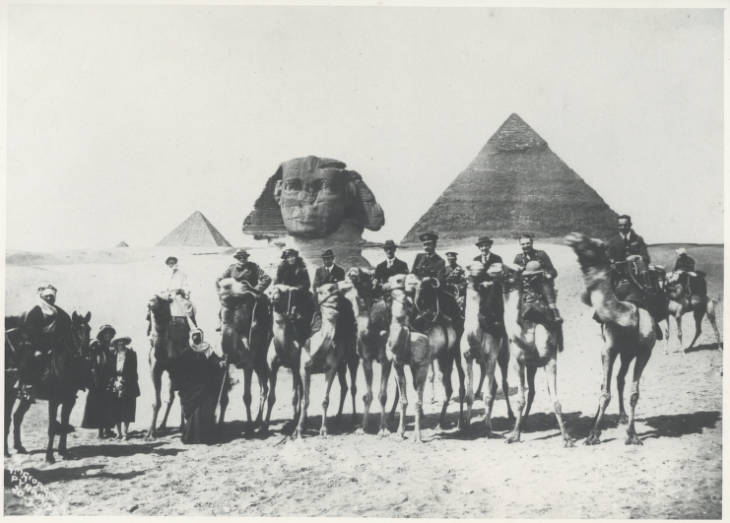
The following year she was present at the conference held at the Semiramis Hotel in Cairo in March 1921 alongside others including T.E. Lawrence and Winston Churchill. Here, the British Government met to discuss the future political shape of the Arab region and it was decided that the choice that Gertrude advocated, Faisal I bin Hussein bin Ali al-Hashemi, would become the first king of the newly formed Kingdom of Iraq. The events of the Cairo Conference are also documented in the letters she sent to her family in Britain and are part of the archive.

The Gertrude Bell Archive is one of the most important and widely accessed within Newcastle University Library’s Special Collections and Archives. It contains over 1,800 letters, 8,000 photographs, diaries and other papers including lecture notes, reports and newspaper cuttings. Together they document her life and travels and form an important record of the archaeology, culture and political landscape of the Middle East in the early decades of the 20th Century. The archive has been recognised for its significance, including the insight it gives into political developments in the Middle East and the formation of Iraq in 1921, through its inclusion on UNESCO’s International Memory of the World Register (a press release regarding UNESCO’s recognition of the archive in 2017 can be found here).

Most of her letters have been fully transcribed and can be browsed and searched on our dedicated Gertrude Bell website. Additionally the photographs she took can also be seen on the website. These photographs, digitised in the 1990s, document many of the archaeological sites that particularly interested her, as well as the people and places she encountered on her earlier travels.

As the photographs are now over 100 years old, and the historic negatives are now unstable and fragile, a project is currently underway to re-digitise the collection to bring it up to current day standards, revealing hitherto unseen detail, and preserving the photographs for future generations.

“Unite, persevere, and be free.” – August 2019

The consequences of the Napoleonic Wars (1815) and the effects of the Corn Laws (tariffs and trade restrictions designed to keep grain prices high) were keenly felt in the north of England: there was famine and chronic unemployment. Furthermore, despite its large and dense populations, the north had poor political representation. There were substantial numbers of industrial workers that did not have a vote and, at that time, some sizable towns had no MP whilst ‘rotten boroughs’ (boroughs that no longer existed) did. Dissatisfaction manifested itself in the form of riots in towns including Newcastle.

One working class man, Henry Hunt, distinguished himself as an orator (a skilled public speaker). Hunt believed in equal rights, universal suffrage, parliamentary reform and an end to child labour. Hunt was to address a demonstration organised by the Manchester Patriotic Union at St. Peter’s Field, Manchester on 16th August 1819. That demonstration came to be known as the ‘Peterloo Massacre’ and is considered to be one of the most seminal events in radical British history. Magistrates summoned the Yeomanry who charged into the crowd, knocking down a woman and killing a child. The 15th Hussars were then summoned. They also charged, with sabres drawn, killing 15 people and injuring an estimated 400-700 more.

Page from Image: ‘These are the Manchester Sparrows, Who kill’d Poor Robins, with Bows and Arrows’. From: Who Killed Cock Robin? A Satirical Tragedy, or Hieroglyphic Prophecy on the Manchester Blot!!! (London: John Cahuac, 1819) Cowen Tracts v.136, n.1

‘These are the Manchester Sparrows, Who kill’d Poor Robins, with Bows and Arrows’. From: Who Killed Cock Robin? A Satirical Tragedy, or Hieroglyphic Prophecy on the Manchester Blot!!! (London: John Cahuac, 1819) Cowen Tracts v.136, n.1

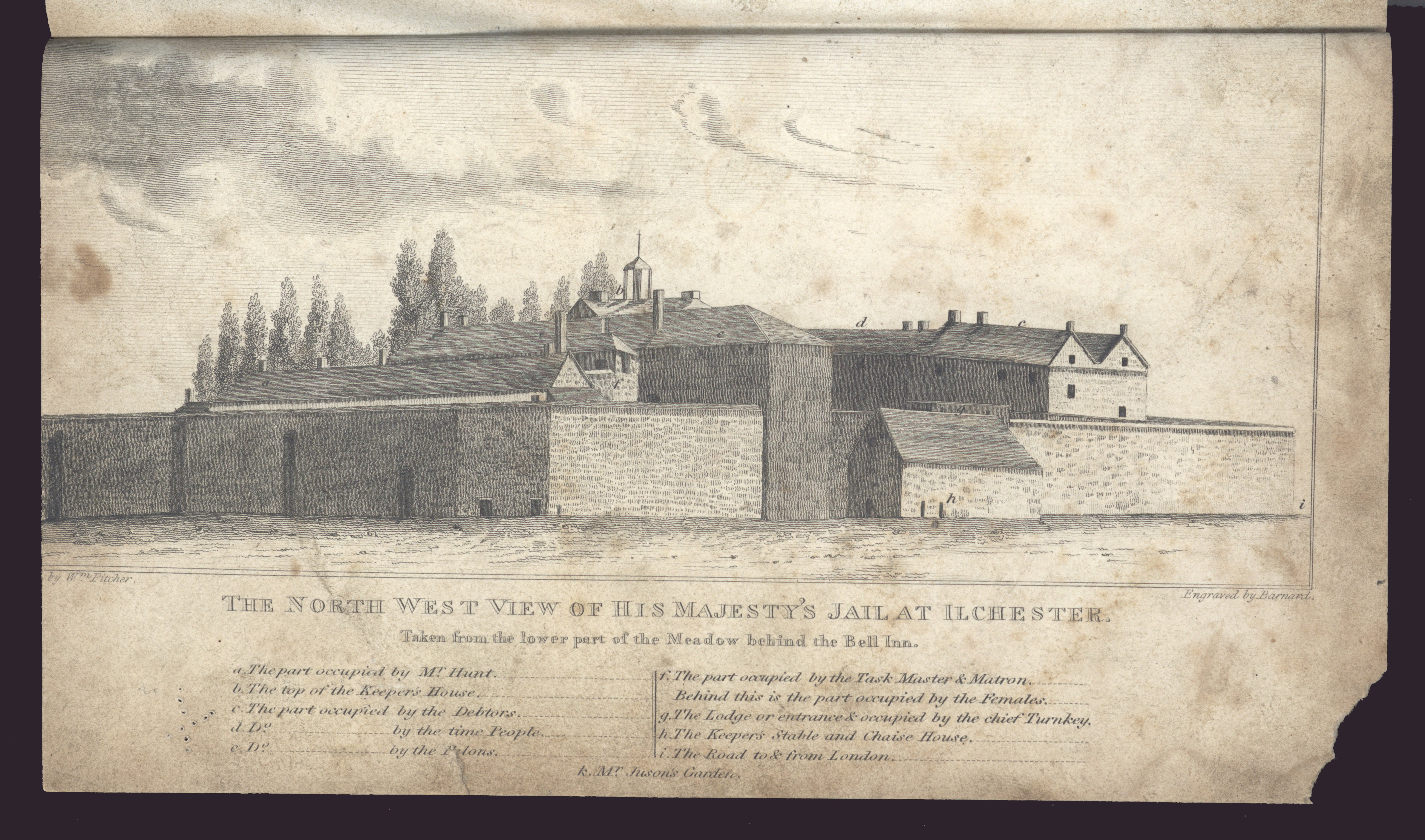
Henry Hunt was arrested and jailed, in Ilchester, for two years. (In March 1822, reformers in Newcastle petitioned the House of Commons to liberate Hunt. The petition was presented by J. G. Lambton but was rejected.) Journalist, James Wroe, coined the name ‘Peterloo Massacre’ – a pun on the Battle of Waterloo. His newspaper, the Manchester Observer, was shut down and Wroe was imprisoned for seditious libel. John Tyas, a reporter with the Times, was on the hustings and was also arrested.

‘The North West View of his Majesty’s Jail at Ilchester’. From: Memoirs of Henry Hunt, Esq. Written by Himself, in His Majesty’s Jail at Ilchester, in the County of Somerset (London: T. Dolby, 1820) 19th Century Collection 942.073 HUN

‘The North West View of his Majesty’s Jail at Ilchester’. From: Memoirs of Henry Hunt, Esq. Written by Himself, in His Majesty’s Jail at Ilchester, in the County of Somerset (London: T. Dolby, 1820) 19th Century Collection 942.073 HUN

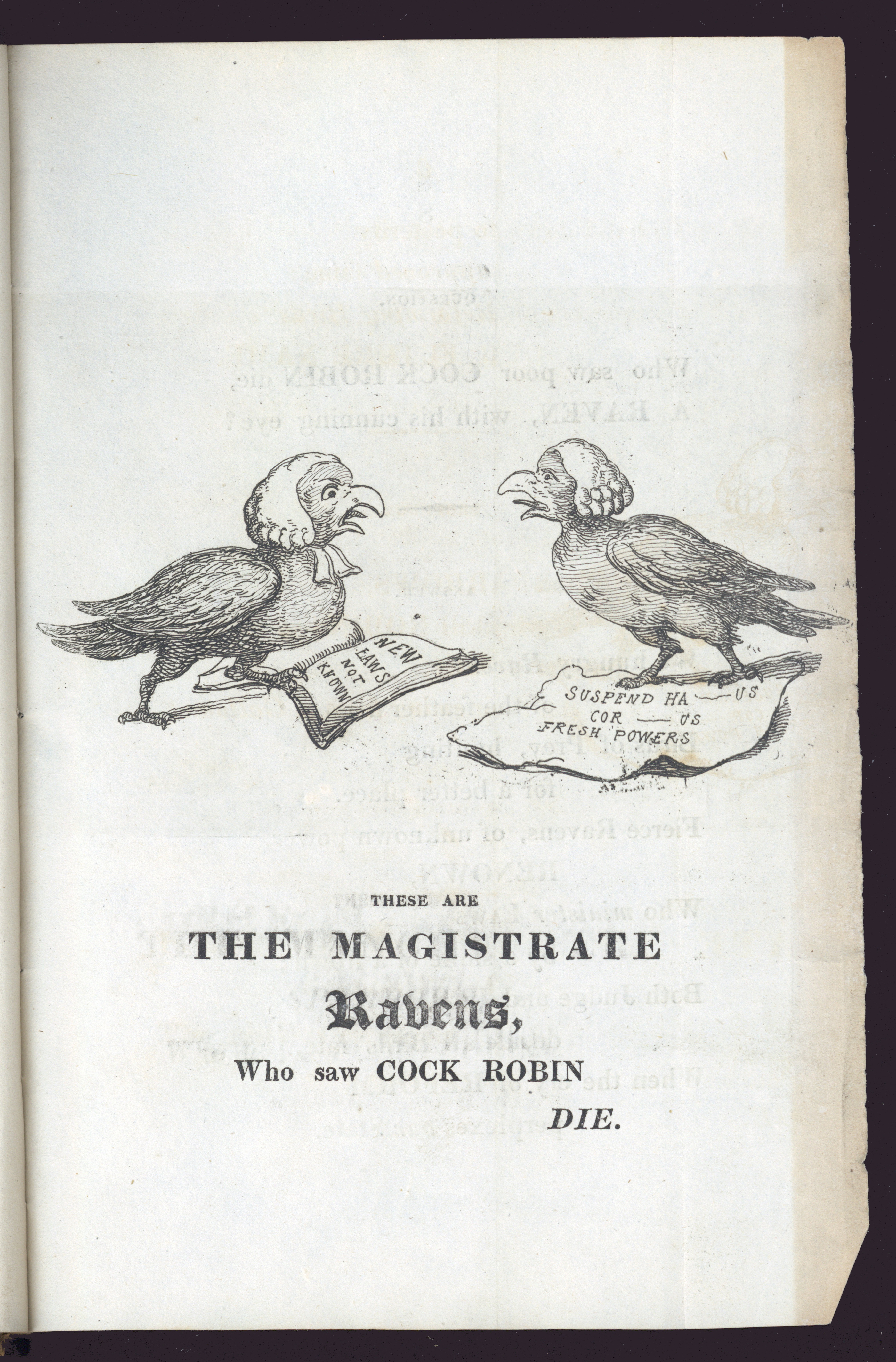
Peterloo precipitated a movement of protest that swept across the country. Indeed, a demonstration held in Newcastle, 11th October 1819, was possibly the largest such event. At the same time, the government cracked down on reform. People could already be arrested without a trial (the suspension of Habeas Corpus) and new legislation, the Six Acts, legitimised house searches and the punishment of any writer that criticised the Government. First and foremost, the Government went after the press: cheap periodicals were suppressed under the Six Acts, which forced publishers to pay a bond to the Government of £300 in London (worth approximately £17,229 today) and £200 in the provinces (worth approximately £11,486 today). A 4d duty (approximately 96p in today’s worth) applied to periodicals that were published more frequently than every 26 days, sold for less than 6d and contained public news.

‘These are the Magistrate Ravens, Who saw Cock Robin die’. From: Who Killed Cock Robin? A Satirical Tragedy, or Hieroglyphic Prophecy on the Manchester Blot!!! (London: John Cahuac, 1819) Cowen Tracts v.136, n.1.

‘These are the Magistrate Ravens, Who saw Cock Robin die’. From: Who Killed Cock Robin? A Satirical Tragedy, or Hieroglyphic Prophecy on the Manchester Blot!!! (London: John Cahuac, 1819) Cowen Tracts v.136, n.1.

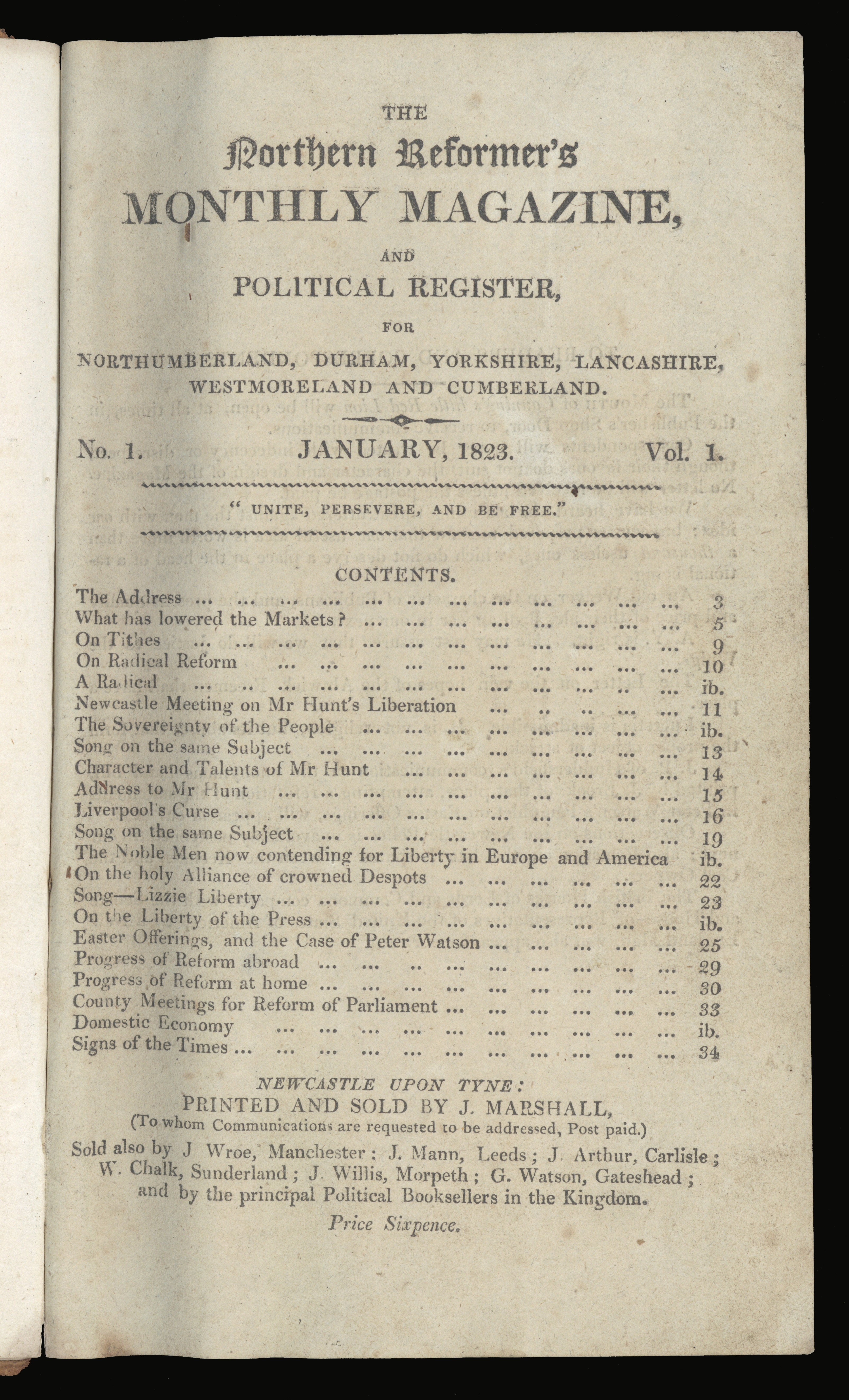
That didn’t stop Newcastle printer and bookseller, John Marshall, from publishing The Northern Reformer’s Monthly Magazine and Political Register, for Northumberland, Durham, Yorkshire, Lancashire, Westmoreland and Cumberland (1823-1824). It comprised a series of articles on working class radical political reform in the Northern Counties, principally calling for greater democratic representation and focusing on Newcastle in particular. The first issue contains an account by Eneas Mackenzie of John Marshall himself speaking at a meeting in Newcastle to celebrate the release from prison of Henry Hunt. Marshall supported several radical causes including the victims of the Peterloo Massacre, and had earlier published Radical Monday. A letter from Bob in Gotham to his Cousin Bob in the Country, containing an account of that glorious day!! which describes that open air meeting held in Newcastle on 11th October 1819.

The Northern Reformer’s Monthly Magazine, and Political Register, for Northumberland, Durham, Yorkshire, Lancashire, Westmoreland and Cumberland (Newcastle upon Tyne: J. Marshall, 1823) Rare Books 941.074 NOR

The Northern Reformer’s Monthly Magazine, and Political Register, for Northumberland, Durham, Yorkshire, Lancashire, Westmoreland and Cumberland (Newcastle upon Tyne: J. Marshall, 1823) Rare Books 941.074 NOR

13 years would pass before the 1832 Reform Act abolished rotten boroughs, created new boroughs in towns and gave 200,000 more men the vote. It was not until the Representation of the People Act (1918) that all men aged 21 and above were enfranchised. Women waited until 1928 to be given the right to vote on the same terms as men.