Welcome to the Africa Field Course – Conservation and Ecological Research in Human-modified Landscapes of Sub-Saharan Africa.
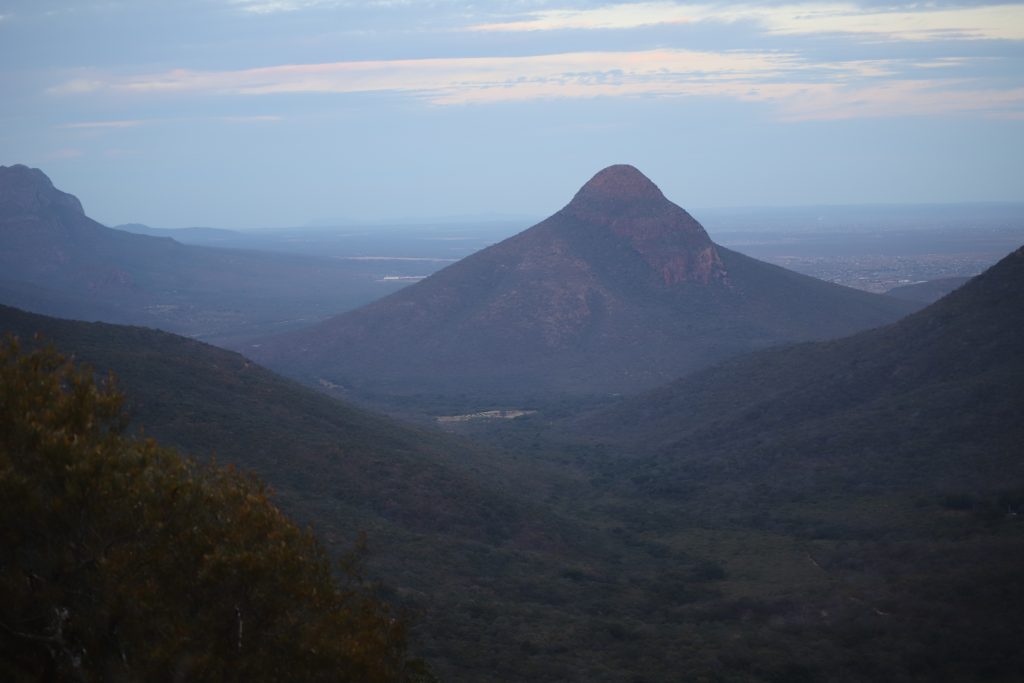
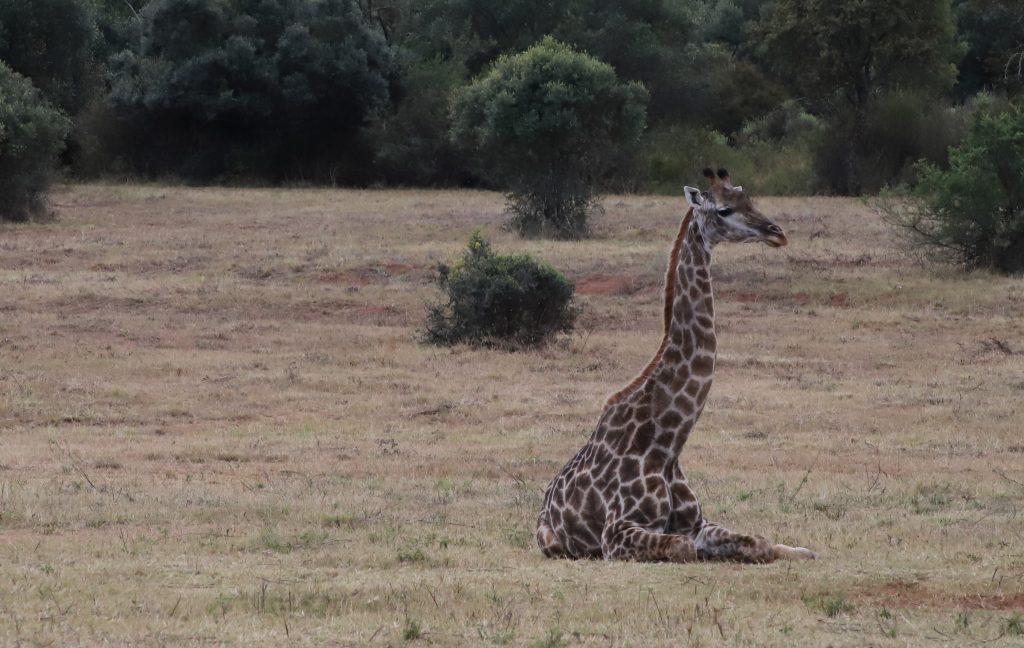
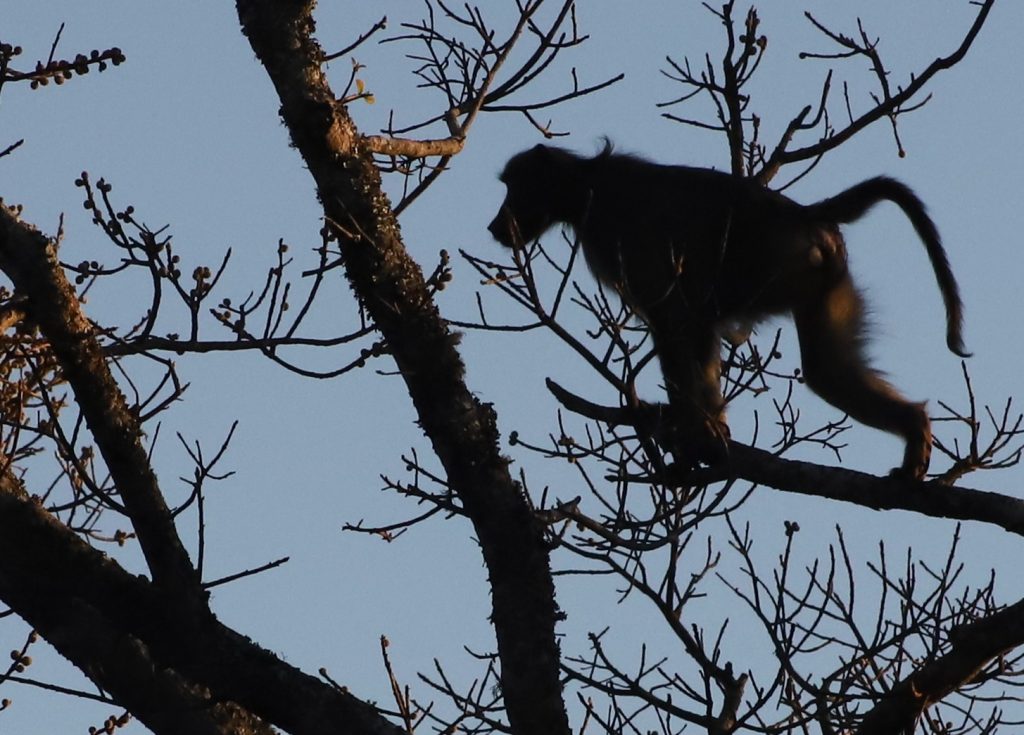
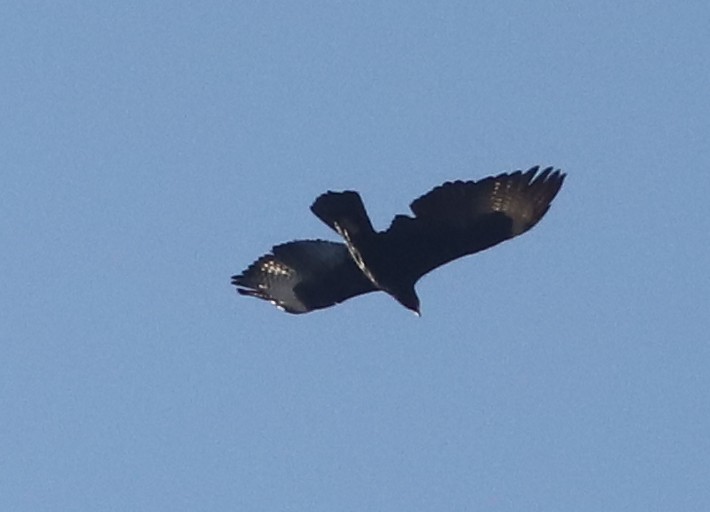
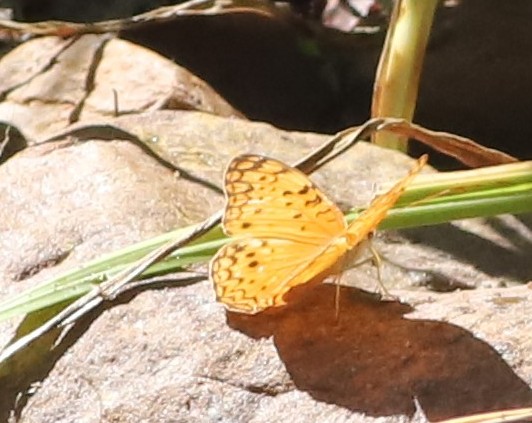
What does it take to protect carnivores/iconic species in today’s tropical landscapes? How can we restore habitats for biodiversity and ecosystem services? Do protected areas work? Is there conservation value in trophy hunting?
The planet’s biodiversity, comprising individuals, species, habitats and ecosystems, is threatened. The main threats are man-made and include hunting, disease spread, climate change and changes in land use and management. Finding solutions for these challenges is particularly urgent for tropical landscapes, which harbor the majority of the world’s biodiversity.
This 20 credit course is offered to UG students in the Biology and Zoology degree programmes by the School of Natural and Environmental Sciences at Newcastle University, and runs in June each year. Stage 2 Students apply for a place on the course at the start of year 2 and the course counts towards their stage 3 credits. The course is co-led by Prof Marion Pfeifer, Dr Evelyn Jensen and Dr Simon Maddock, and we take 18 students to travel to Leshiba Wilderness Area each year to learn about conservation and biodiversity sciences research, conducted in rural tropical landscapes – as a partnership between academics, communities, governments, industry and non-governmental organisations.
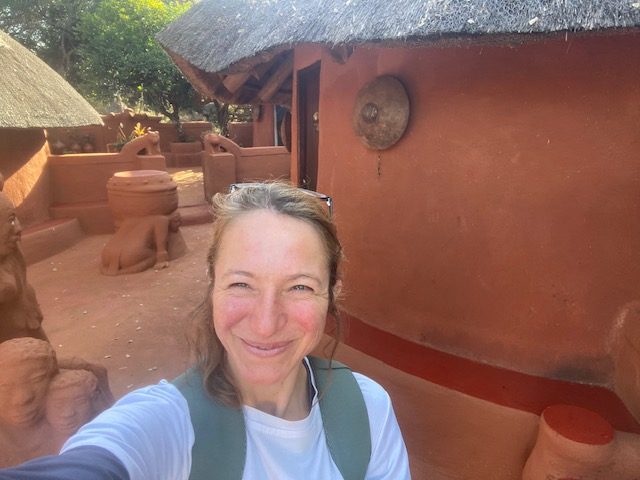
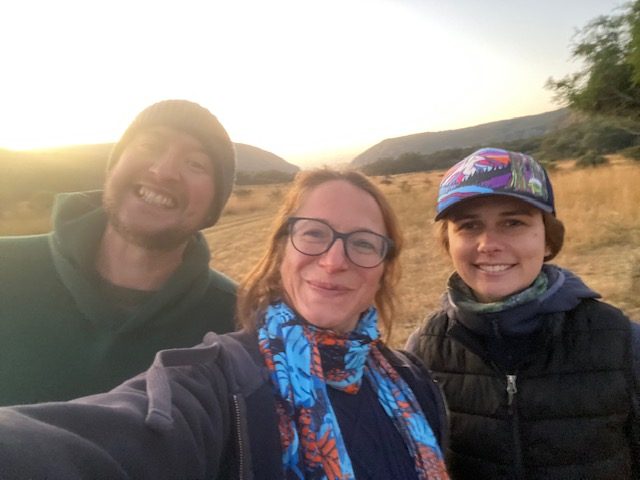
Focusing on Sub-Saharan Africa, we will introduce you to important conservation challenges, looking at both the ecological and social components of the socio-ecological systems. You will engage with two lectures prior to the field trip.
Lecture 1: What are human-modified tropical landscapes? What are some of their key ecological and social challenges? What are some of their key conservation challenges?
Lecture 2: What data & analysis methods are needed to address these key challenges? How can we use the data to manage human-modified tropical landscapes for biodiversity and ecosystem services?
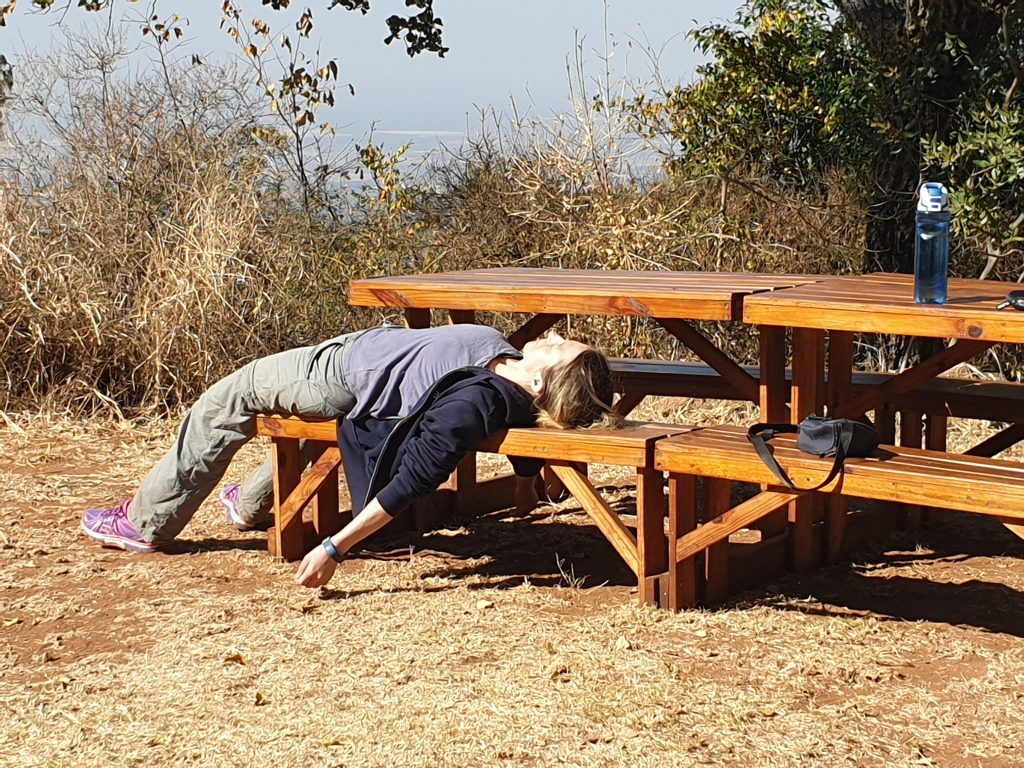
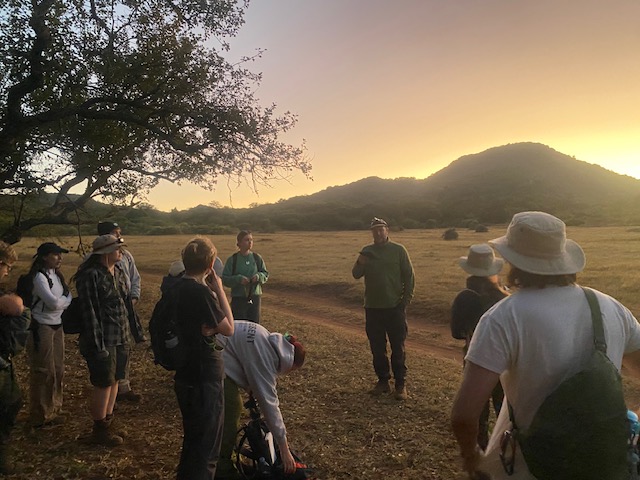
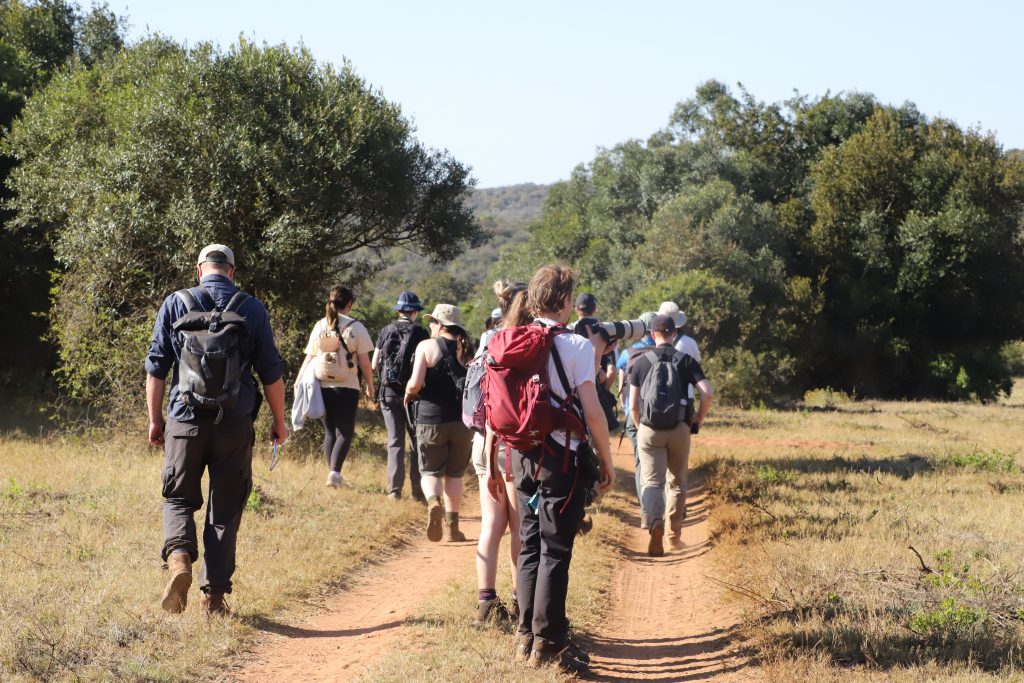
The trip itself involves a 9 day stay (Saturday to Monday week after) at Leshiba wilderness reserve, in the beautiful Soutpansberg mountains in the north of South Africa. This is an area where we can safely walk between the animals: so students get their steps in each day.
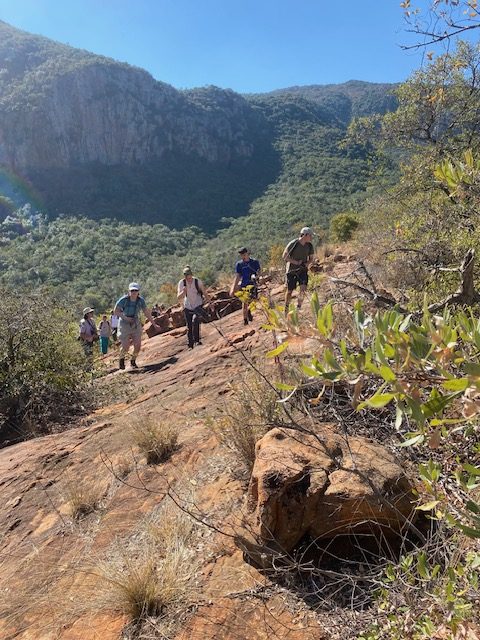
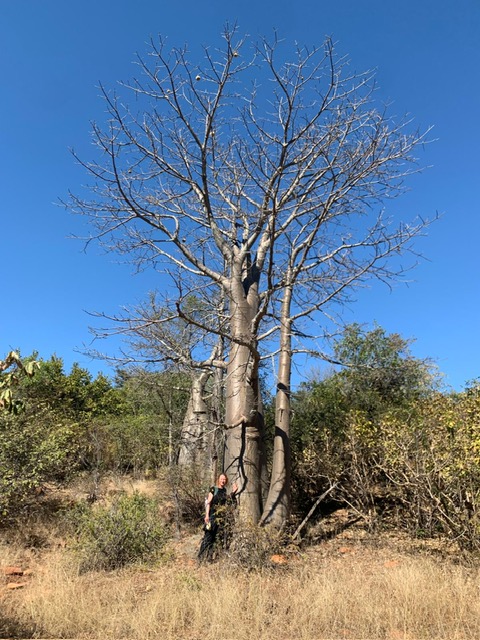
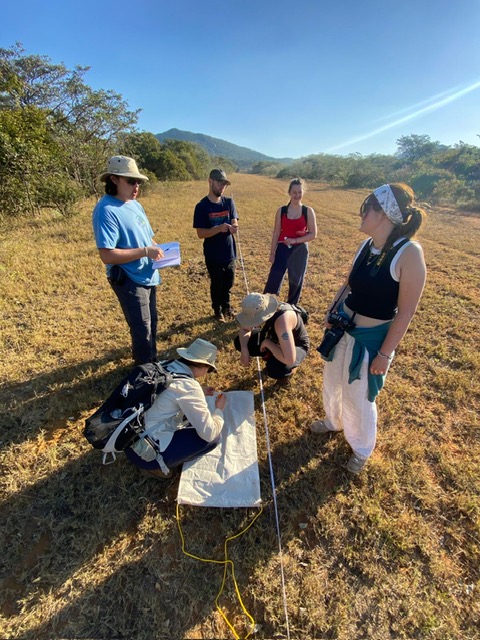
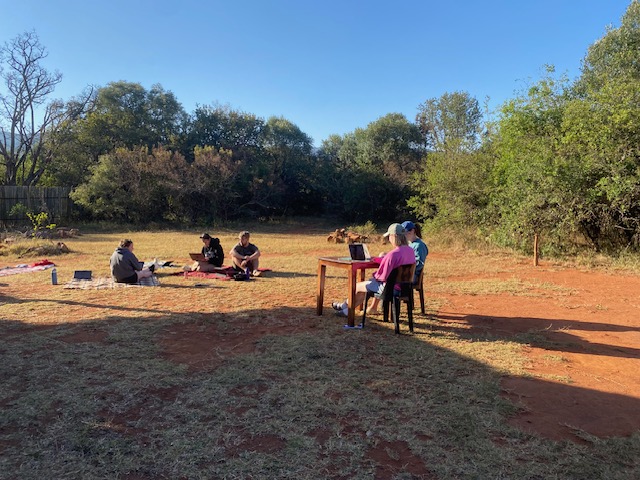
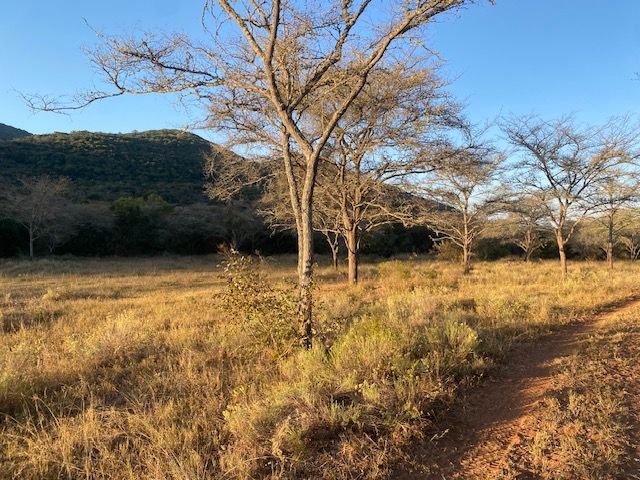
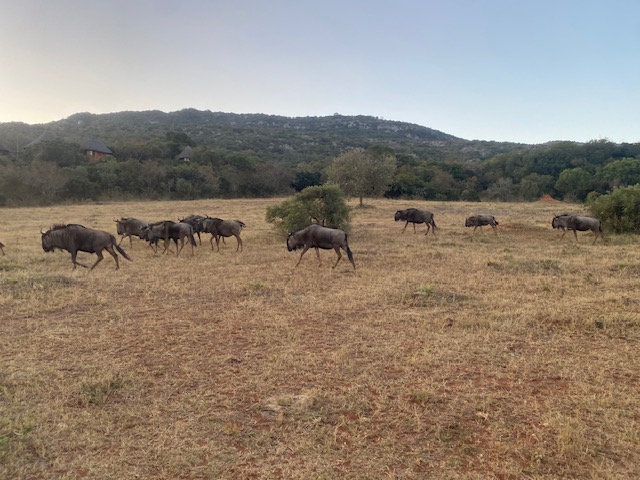
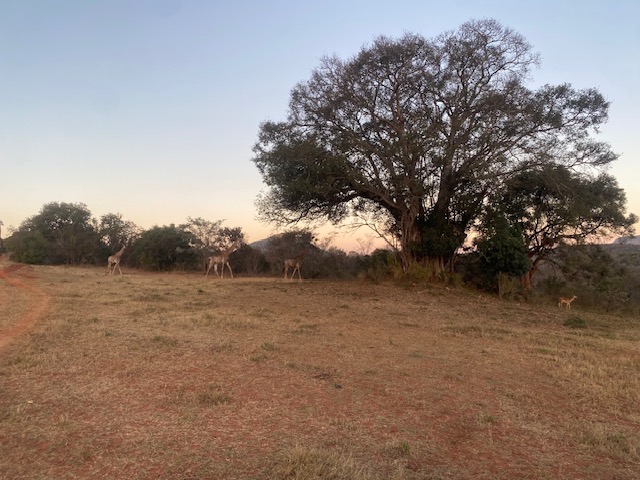
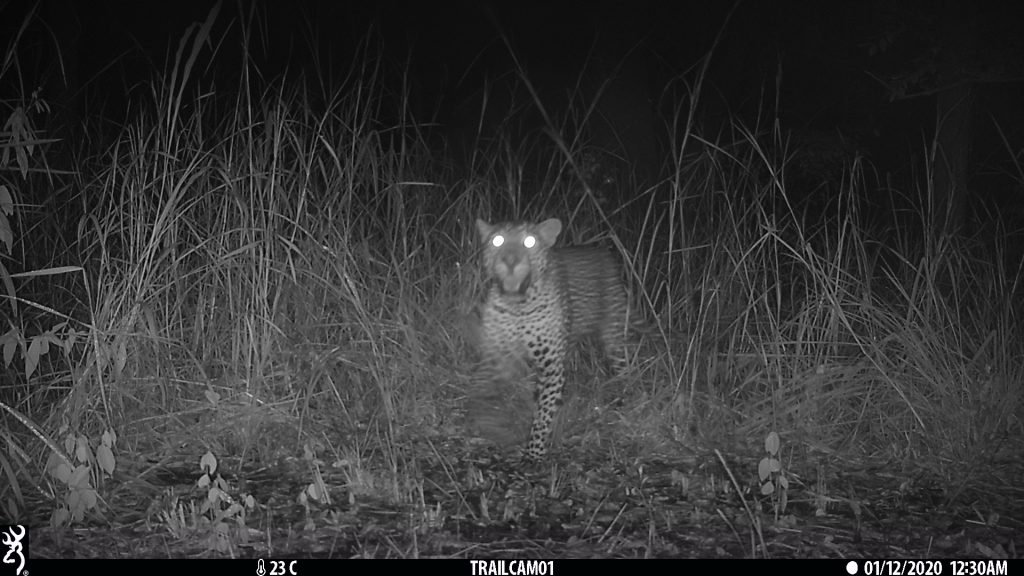
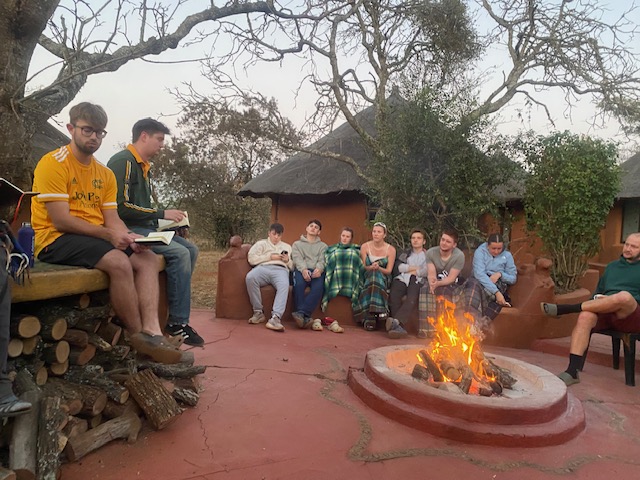
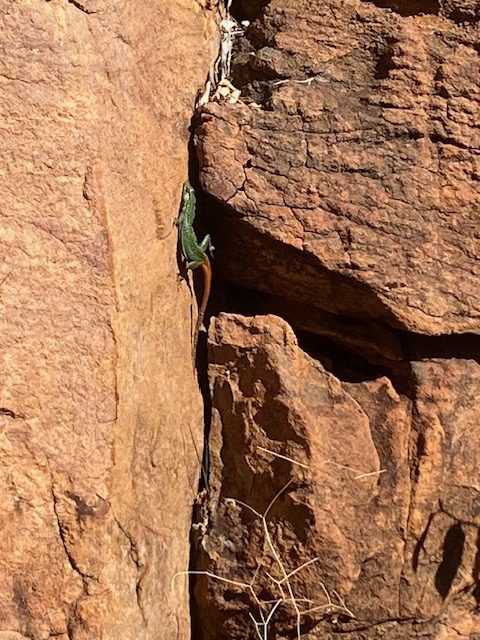
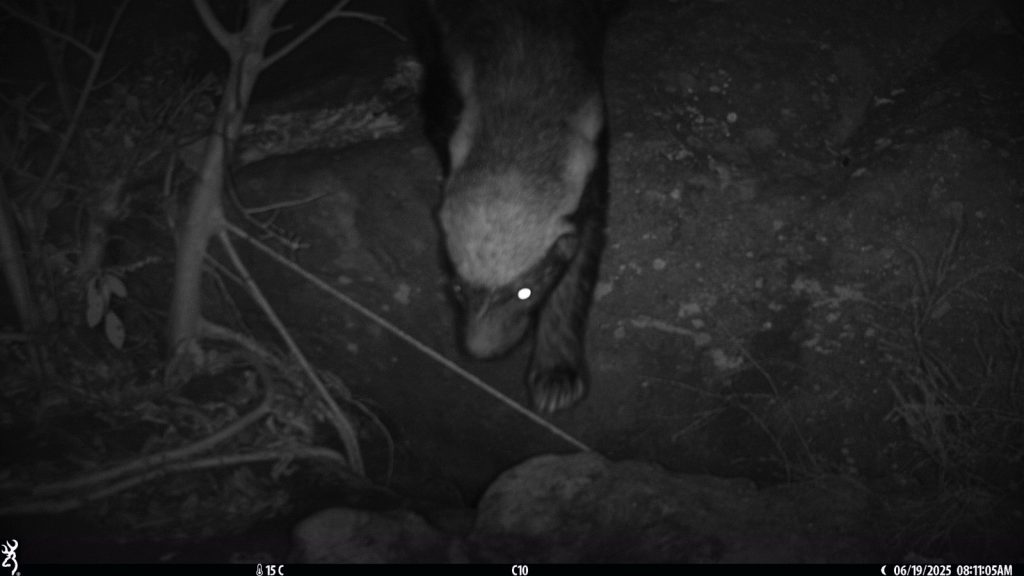
We learn the theory and practice behind key technical skills after dinner each day, and then proceed to put the techniques into practice in the field during the next day. When walking, we work in small groups of six students and one academics. The topics we have covered so far include amongst others: tick surveys, habitat structure assessments (trees, canopies, understory), microclimate sensing, animal behavior assessments, bird surveys, camera trapping for medium to large – sized mammals, and reptile surveys.
Field course: 10 days including travelling. Intended learning Outcomes:
- Habitat assessments on the ground
- Wildlife behavior assessments on the ground
- Cultural values and ethnobotany (masterly led by the team in Leshiba)
- Ecological surveys: planning design, implementation and data management
- Critical reflection on a set of key conservation challenges
- Community-based conservation: challenges and opportunities
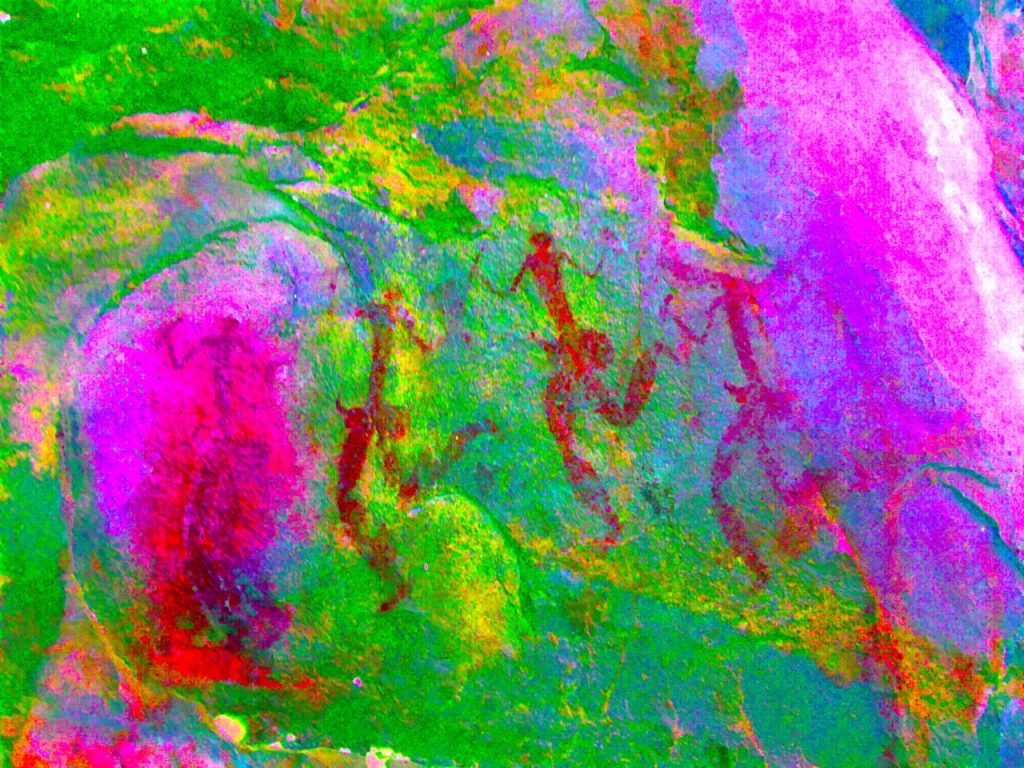
A truly unique and special component of the Leshiba are the paintings by the San peoples: truly inspiring.
Previous classes: from left to right 2019, COVID GAP, 2023, 2024, 2025
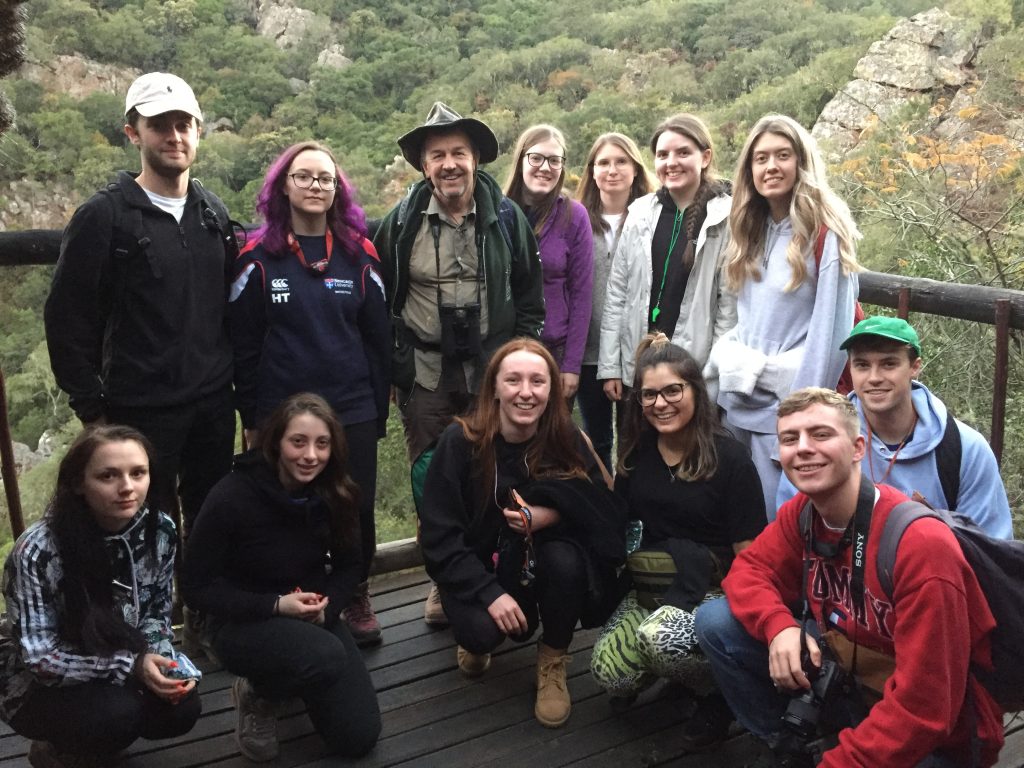
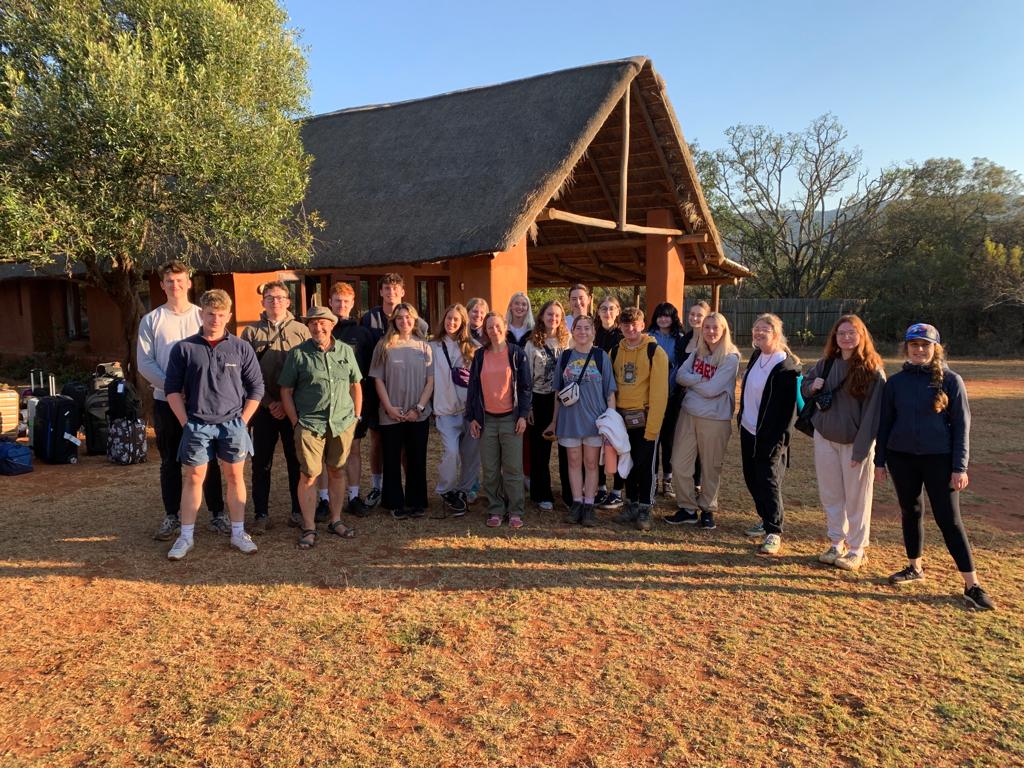
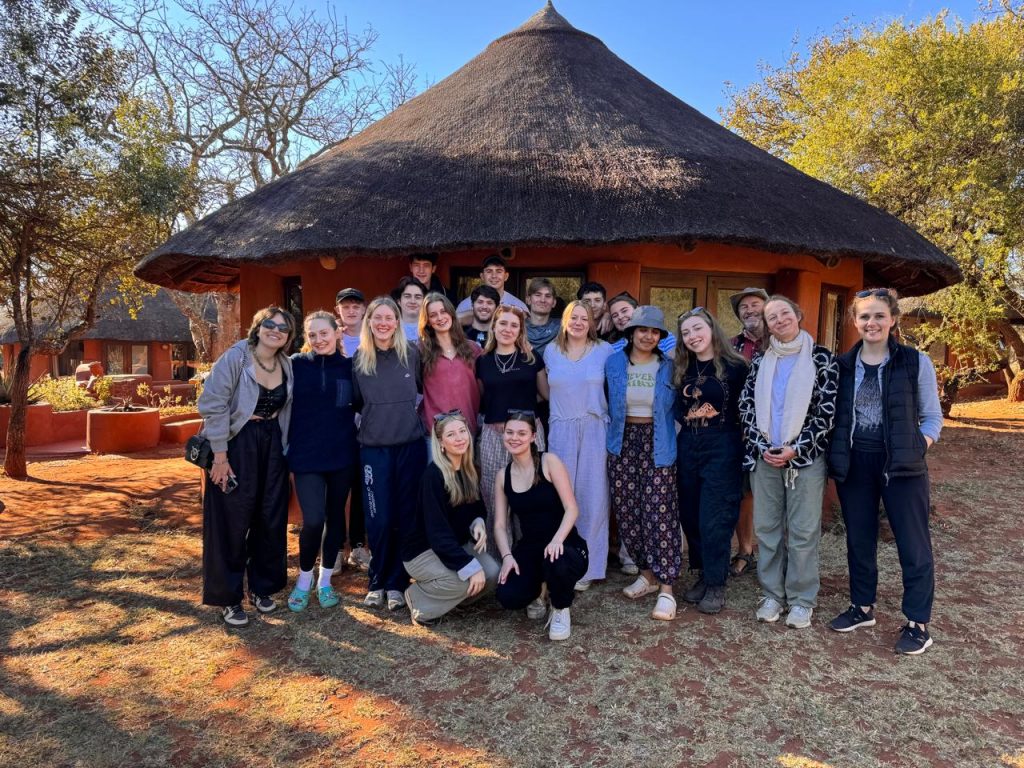
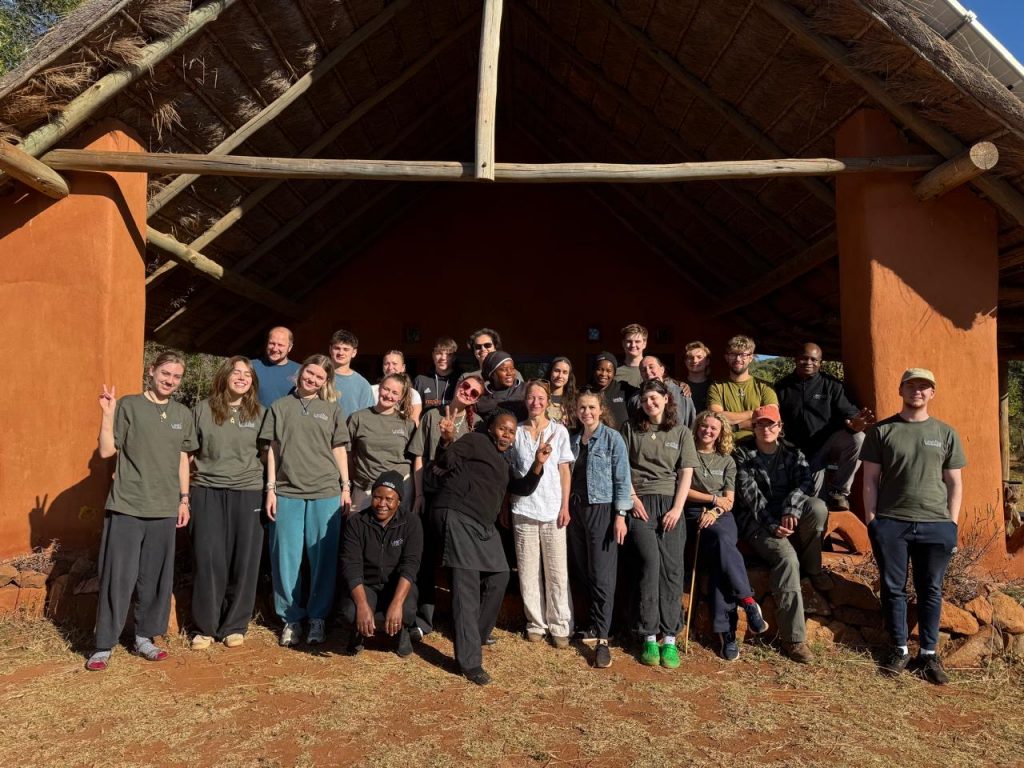
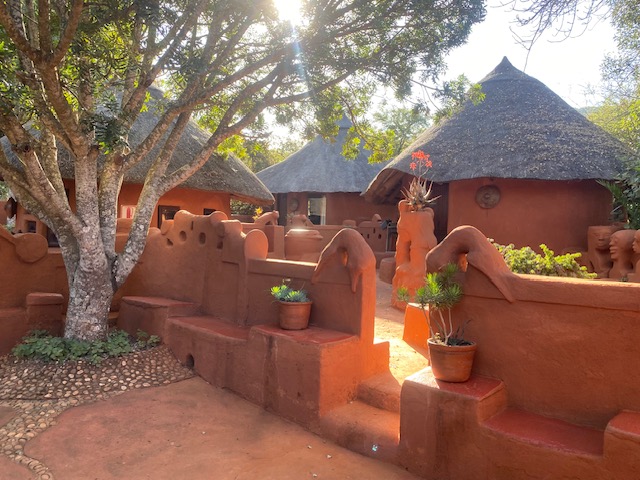
Why choose Leshiba? Leshiba Wilderness Area offers a unique platform for integrating biodiversity protection with cultural heritage and sustainable economic development. Leshiba’s land serves as both a living laboratory for conservation interventions and research and a demonstration site for community-based tourism and sustainable livelihoods. They have the infrastructure to host large group of students at affordable prices and to allow for workshops and training on site activities; they provide safe access to protected habitats; they have expertise in illegal wildlife trade and conservation interventions to combat poaching and , thus play a vital role in connecting research with real-world conservation challenges. Leshiba’s mission is to foster ecotourism that benefits biodiversity, empowers local communities, and safeguards sacred landscapes. They serve as an excellent entry point for students to learn about conservation and management approaches in challenging circumstances.
Leshiba works with WildComm and can host postgraduate students for research dissertation projects. They offer space for UG field classes all year around. Reach out by emailing: kathryn@leshiba.co.za (owner of Leshiba) or Wild Comm.
And leaving with you with some more pretty pictures….if interested: come and study with us at Newcastle University. For questions on the degree: Undergraduate | School of Natural and Environmental Sciences | Newcastle University