Fake News: the dangers of conspiracy theories

I actually enjoy a good conspiracy theory, and they often make for great film or TV tropes. Do you remember the end clip of Indiana Jones and the Raiders of the Lost Ark where the American government are storing the Ark of the Covenant in a huge warehouse? Do you think this is true? Might governments be hiding top secret things from us in massive, unknown warehouses? I like to jest that I believe this is real.

However, it wasn’t until recently that I realised how dangerous really believing in conspiracy theories can be. Watching the storming of Capital Hill in Washington DC back in January this year, opened my eyes to how conspiracy theories could take hold and potentially endanger lives.

Like fake news, conspiracy theories have been around for a very, very, very long time. Here’s some that you might recognise:

Most recently, you may have spotted some of the dangerous conspiracy theories rising up around the Covid-19 pandemic.

Do you believe in conspiracy theories? Do you know anyone that really believes in them? Have you ever found it hard to talk to them about what they believe? In light of the conspiracy theories surrounding Covid-19, The European Commission have created 10 useful infographics to help people be aware of conspiracy theories, how they spread, the dangers of them, how to talk to people who do believe in them, and (like fake news), how you should think twice before sharing them online:
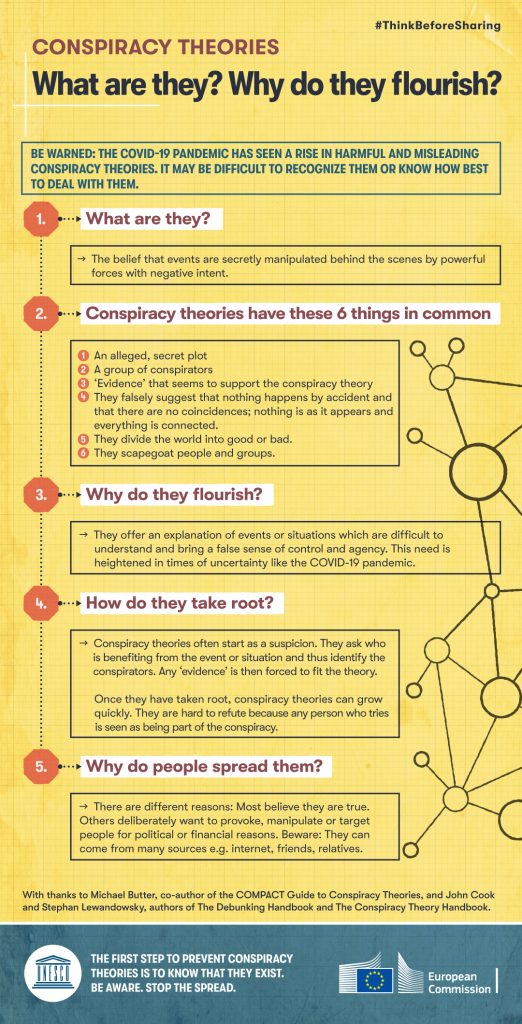
I found it particularly interesting to learn that it is basic human nature to question reality in periods of uncertainty/change/major incidents (such as the pandemic, 9/11, shootings of presidents etc.), hence this is often when conspiracy theories take off.

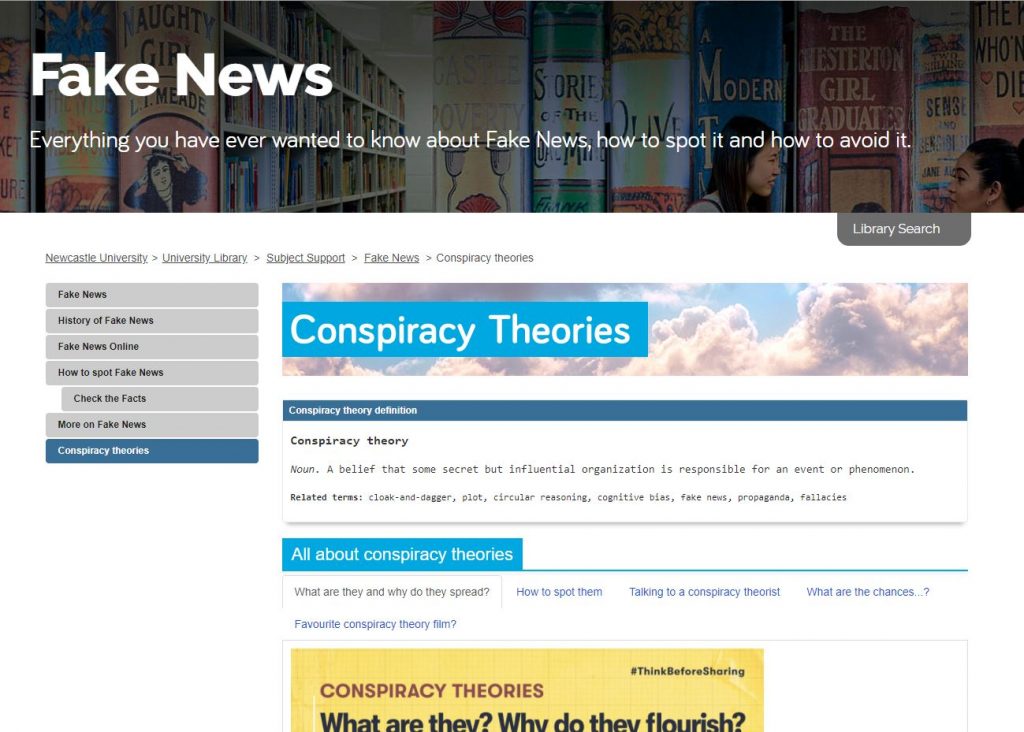
You’ll find these infographics on our Fake New Guide , along with other new content including links to some excellent videos and articles. Be sure to take our poll to share your favourite conspiracy theory movie too!
As a University student, it’s important for you to be aware of conspiracy theories; to know of the dangers they pose, to check your own beliefs and to be careful of what you share online. Use these resources to learn more and always remember, the truth is out there…
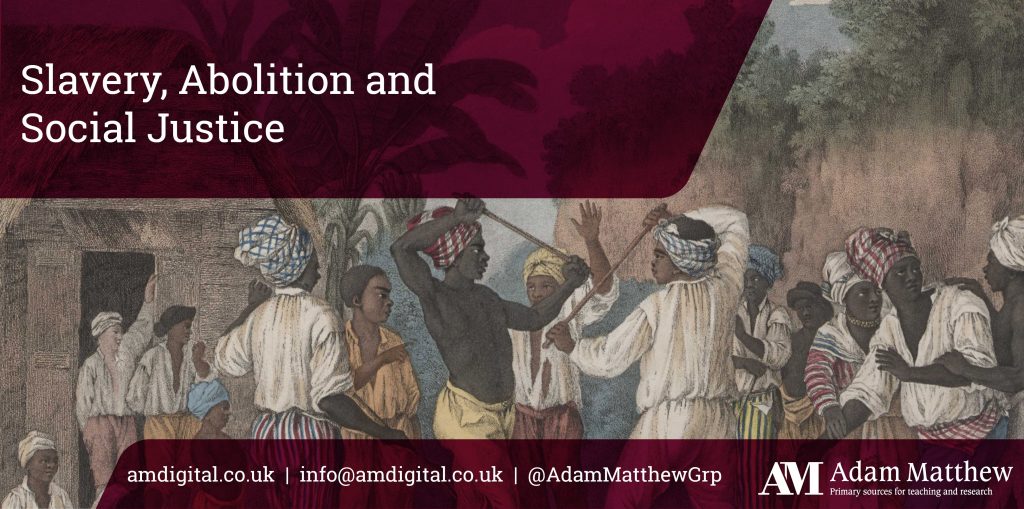
Resource in Focus: Slavery, Abolition and Social Justice

Slavery, Abolition and Social Justice brings together a huge range of primary source materials relating to slavery and abolition studies from across the world, covering the time period between 1490 and 2007.

Primary source content

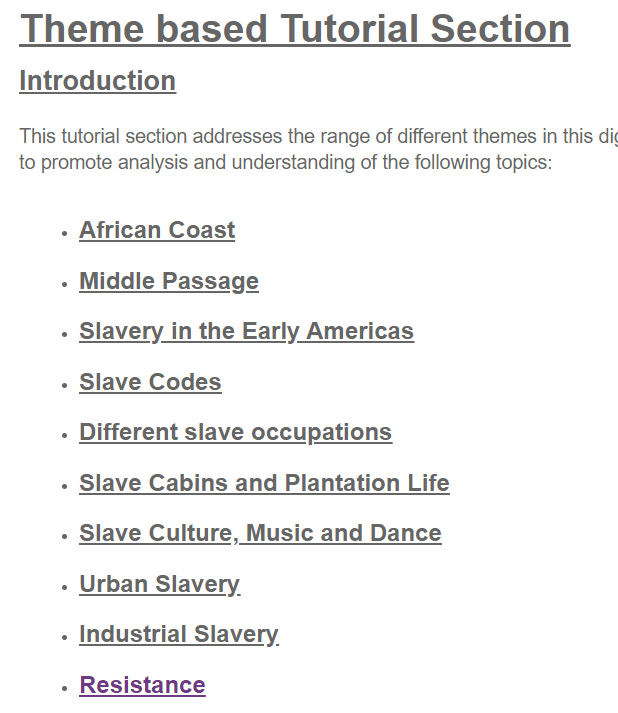
The content includes thousands of digitised sources, including images, maps, manuscripts, registers, ships’ logs and court records. It is arranged into sixteen broad themes, including Slavery in the Early Americas; Resistance and Revolt; Slave Testimony, and Urban and Domestic Slavery. Contemporary sources include materials from Anti-Slavery International, and submissions to the UNCHR.

Getting started

If you’re using Slavery, Abolition and Social Justice for the first time, we’d strongly encourage you to click on Introduction and take a little time to read about the content and themes, so you can get the best out of it: it is an extensive resource.

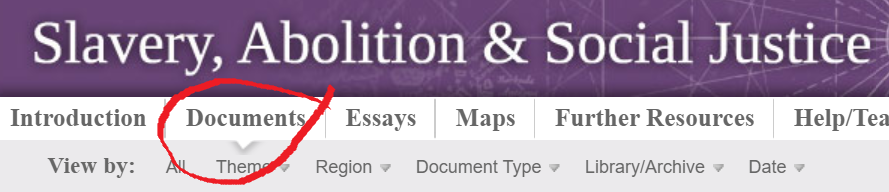
You can browse or search the content in various ways: we’d recommend choosing Documents from the top menu, as you can then browse by theme, geographic region, document type, date or more.

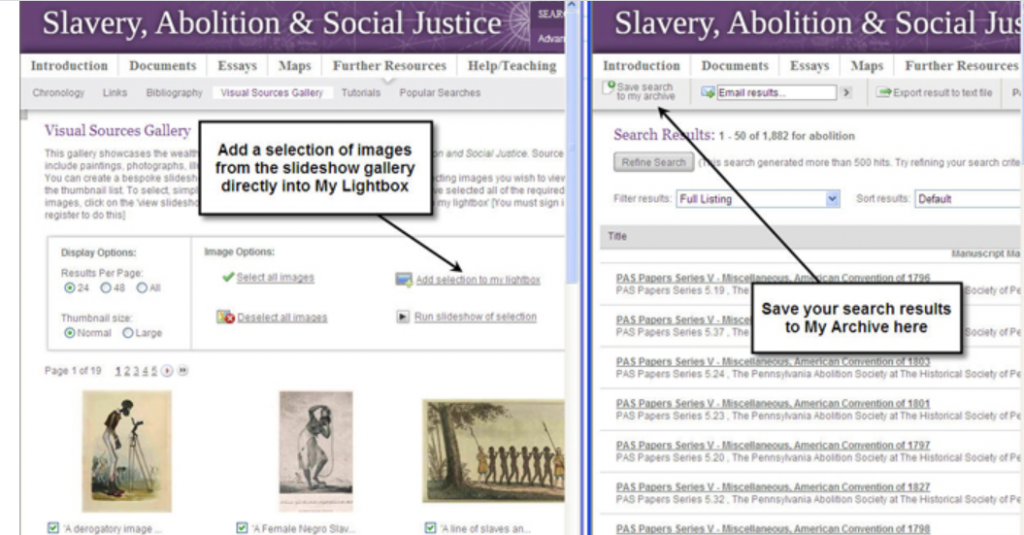
You may also find it useful to click REGISTER, so you can personalise your searching experience, including saving searches, documents and creating your own image slideshows.

Help and context

The primary sources are complemented by essays, tutorials and timelines to help you interpret the content: click on Further Resources from the top menu.

Have you used Slavery, Abolition and Social Justice? Please feel free to post your comments and tips by clicking Leave a comment below.

PubMed: Becoming familiar with controlled vocabularies


Are your literature searches run mainly in keyword-based platforms such as Google Scholar, Scopus or Web of Science?

Have you been told that you need to diversify your search, or maybe use a new database such as PubMed? Did someone mention that MeSH terms could improve your search?

If you do not know what those terms mean or where to start, you are in the right place. The following video will explain to you what controlled vocabularies are and why they are a powerful tool for retrieving relevant papers.

Now, let’s put theory into practice and demonstrate how to use Medical Subject Headings (MeSH) in PubMed. The video below will do just that.

Let’s have a look at what other controlled vocabulary databases you can use in medical sciences or if your Social Sciences student whose work crosses over with medical sciences. You can find all the databases mentioned below and others in Library Search:

Since the previous videos focus on PubMed, you might wonder what other databases you should be using. If you are unsure how to find the most relevant databases for your course, you can watch a video that will show you how to identify them.

Is Medline the database for you, but you need some help with the basics? Watch our:

Finally, please remember that this is general advice and it might not cover your particular area of interest. If you have any specific questions, please do not hesitate to contact us on Library Help, where you can email us or speak to us through the Live Chat feature.

Ovid Medline: Becoming familiar with controlled vocabularies

Are your literature searches run mainly in keyword-based platforms such as Google Scholar, Scopus or Web of Science?

Have you been told that you need to diversify your search, or maybe use a new database such as Medline, Embase or PsycInfo through the Ovid searching platform? Did someone mention that Medline’s MeSH terms could improve your search?

If you do not know what those terms mean or where to start, you are in the right place.

The following video will explain to you what controlled vocabularies are, why they are a powerful tool for retrieving relevant papers and it will demonstrate how to use Medical Subject Headings (MeSH) in Medline via Ovid.

Since the previous video focuses on Medline, you might wonder what other databases you should be using. If you are unsure how to find the most relevant databases for your course, you can watch a video that will show you how to identify them.

Is Medline the database for you, but you need some help with the basics? Watch our “Getting started with Ovid Medline” video for the basics. For a more detailed explanation on how to combine searches, watch the Combining Searches in Medline and other Ovid Databases.

Finally, please remember that this is general advice and it might not cover your particular area of interest. If you have any specific questions, please do not hesitate to contact us on Library Help, where you can email us or speak to us through the Live Chat feature.