
Books added to the Library by students in ECLS (Semester Two 2020/21)

This image has an empty alt attribute; its file name is image-1.png

Our Recommend a Book service for students allows you to tell us about the books you need for your studies. If we don’t have the books you need, simply complete the web form and we’ll see if we can buy them. For books we already have in stock, if they are out on loan please make a reservation/hold request using Library Search.

Further information about Recommend a book.

In Semester Two, academic year 2020/2021 we received 55 requests from students (40 PGR and 14 PGT) in the ECLS. This is what we bought :

TitleResource type
A Critical Introduction to Phonology: Functional and Usage-Based PerspectivesBook – Electronic
An Introduction to Language and SocietyBook – Electronic
Analysing Digital InteractionBook – Electronic
Asian Values Encounter with DiversityBook – Electronic
CALL Theory Applications for online TESOLBook – Electronic
China’s Assimilationist Language Policy The Impact on Indigenous/Minority Literacy and Social HarmonyBook – Electronic
Classroom-based conversation analytic researchBook – Electronic
Collecting Qualitative Data: A Field Manual for Applied ResearchBook – Physical
Conducting Research in Online and Blended Learning EnvironmentsBook – Electronic
Confidence in Critical Thinking Developing Learners in Higher EducationBook – Electronic
Creativity in language teaching: perspectives from research and practiceBook – Electronic
Discourse in late modernity: rethinking critical discourse analysisBook – Electronic
Evaluating Empowerment: Reviewing the Concept and PracticeBook – Physical
Handbook of Research on Teacher Education: Enduring Questions in ChangingBook – Electronic
Higher Education Transitions: Theory and ResearchBook – Electronic
How Emotions Are Made in TalkBook – Electronic
International English: A guide to the varieties of Standard EnglishBook – Electronic
International Perspectives on Leadership in Higher Education Critical Thinking for Global ChallengesBook – Electronic
Language and Intercultural Communication in the WorkplaceBook – Physical
Language Development : Understanding Language Diversity in the ClassroomBook – Physical
Language Development Foundations, Processes, and Clinical Applications / 3rdBook – Electronic
Language in Society: An Introduction to SociolinguisticsBook – Electronic
Learning as Social Practice: Beyond Education as an Individual EnterpriseBook – Electronic
Linguistic Justice: Black Language, Literacy, Identity, and PedagogyBook – Electronic
Material Girls Why Reality Matters for FeminismBook – Physical
Multimodal Participation and Engagement: Social Interaction in the ClassroomBook – Electronic
Multimodal studies : exploring issues and domainsBook – Electronic
New Methods of Literacy ResearchBook – Electronic
Online Communication in Language Learning and TeachingBook – Electronic
Postmonolingual Critical Thinking Internationalising Higher Education Through Students’ Languages and KnowledgeBook – Electronic
Professors as Writers: A Self-Help Guide to Productive WritingBook – Physical
Qualitative inquiry in TESOLBook – Electronic
Questions and Epistemic Stance in Contemporary Spoken British EnglishBook – Electronic
RacéeBook – Physical
Reaching for the Sky: Empowering Girls Through EducationBook – Electronic
Research Methodology in Second-Language AcquisitionBook – Electronic
Research Methodology: A step-by-step guide for beginners / 5thBook – Physical
Second language teacher education : a sociocultural perspectiveBook – Electronic
Systematically Working With Multimodal Data: Research Methods in Multimodal Discourse AnalysisBook – Electronic
Teaching thinking: philosophy enquiry in the classroom / 4thBook – Electronic
Teaching through peer interactionBook – Electronic
Teaching Writing / 2ndBook – Electronic
TESOL Teacher Education in a Transnational World Turning Challenges into Innovative ProspectsBook – Electronic
The Longings and limits of global citizenship education: the moral pedagogy of schooling in a cosmopolitan age.Book – Electronic
The politics of fear: The Shameless Normalization of Far-Right DiscourseBook – Physical
The Routledge Handbook of Instructed Second Language AcquisitionBook – Electronic
The Routledge Handbook of Teaching English to Young Learners / Chapter: Classroom technology for young learnersBook – Electronic
The Routledge International Handbook of Creative LearningBook – Electronic
Transcribing talk and interaction : issues in the representation of communication dataBook – Electronic
Using Story Telling as a Therapeutic Tool with ChildrenBook – Electronic
Verhüllung: Die Burka-Debatte in der SchweizBook – Electronic
Voices of the Mind: Sociocultural Approach to Mediated ActionBook – Electronic
Writing New Media: Theory and Applications for Expanding the Teaching of CompositionBook – Electronic
Writing your dissertation in fifteen minutes a day : a guide to starting, revising, and finishing your doctoral thesisBook – Physical

Books added to the Library by students in SAPL (Semester Two 2020/21)

Our Recommend a Book service for students allows you to tell us about the books you need for your studies. If we don’t have the books you need, simply complete the web form and we’ll see if we can buy them. For books we already have in stock, if they are out on loan please make a reservation/hold request using Library Search.

Further information about Recommend a book.

In Semester Two, academic year 2020/2021 we received 83 requests from students (38 PGR, 23 PGT and 22 UGT) in SAPL. This is what we bought :

[Un]Grounding Post-Foundational GeographiesBook – Electronic
A history of children’s play and play environments: Toward a contemporary child saving movementBook – Electronic
Abolish Silicon Valley: How to Liberate Technology from CapitalismBook – Physical
Anti-Social Behaviour in Britain: Victorian and Contemporary PerspectivesBook – Electronic
Authoritarian Liberalism and the Transformation of Modern EuropeBook – Electronic
Capital in the Twenty-First CenturyBook – Electronic
Design Science: Introduction to the Needs, Scope and Organization of Engineering Design KnowledgeBook – Physical
Difficult Heritage’ in Nation BuildingBook – Electronic
Elite MobilitiesBook – Electronic
Empire and Righteous Nation: 600 Years of China-Korea RelationsBook – Electronic
Gender, Sexuality, and Space CultureBook – Electronic
Genius Makers: The Mavericks Who Brought AI to Google, Facebook, and the WorldBook – Physical
Ghost Road Beyond the Driverless CarBook – Physical
Hello, StrangerBook – Electronic
How To Talk To Robots: A Girls’ Guide To a Future Dominated by AIBook – Physical
Hyperconnectivity and digital reality : towards the eutopia of beingBook – Electronic
Intergenerational Mobilities: Relationality, age and lifecourseBook – Electronic
Livable StreetsBook – Electronic
Phenomenology of Values and ValuingBook – Electronic
Prototyping ArchitectureBook – Physical
Risk Governance Coping with Uncertainty in a Complex WorldBook – Electronic
Ruin memories : materialities, aesthetics and the archaeology of the recent pastBook – Electronic
Shapers of Urban Form: Explorations in Morphological AgencyBook – Electronic
Skateboarding and the City:A Complete HistoryBook – Electronic
Space, Imagination and the Cosmos from Antiquity to the Early Modern PeriodBook – Electronic
The Art of Experiment: Post-pandemic Knowledge Practices for 21st Century Architecture and DesignBook – Electronic
The Biopolitics of Water: Governance, Scarcity and PopulationsBook – Electronic
The everyday experiences of reconstruction and regeneration: from vision to reality in Birmingham and CoventryBook – Electronic
The Limits to Scarcity: Contesting the Politics of AllocationBook – Electronic
The Right to Water: Politics, Governance and Social StrugglesBook – Electronic
Toward an Anthropological Theory of Value: The False Coin of Our Own DreamsBook – Electronic
Tropical Modernity: life and work of C.P. Wolff SchoemakerBook – Physical
Under a White Sky The Nature of the FutureBook – Physical
Urban Futures Planning for City Foresight and City VisionsBook – Electronic
Water Ethics: A Values Approach to Solving the Water Crisis (second edition)Book – Electronic
Water Politics: Governance, Justice and the Right to WaterBook – Electronic
What Is Water? The History of a Modern AbstractionBook – Electronic
What Water Is Worth: Overlooked Non-Economic Value in Water ResourcesBook – Electronic
After urban regeneration: communities, policy and place.Book – Electronic
Architect’s Legal Pocket Book / 3rdBook – Physical
Beyond successful and active ageing : a theory of model ageingBook – Electronic
Brain Storm: The Flaws in the Science of Sex DifferencesBook – Electronic
Building with Reclaimed Components and Materials: A Design Handbook for Reuse and RecyclingBook – Electronic
Designing and conducting mixed methods research / 3rdBook – Physical
Designing for the homelessBook – Physical
Designing with Smell: Practices, Techniques and ChallengesBook – Electronic
Enhancing Disaster Preparedness From Humanitarian Architecture to Community ResilienceBook – Electronic
Every Twelve Seconds: Industrialized Slaughter and the Politics of SightBook – Electronic
Islands of Abandonment: Life in the Post-Human LandscapeBook – Electronic
Letters from the Earth: Uncensored WritingsBook – Physical
Marx, Capital and the Madness of Economic ReasonBook – Electronic
Multiform: Architecture in an Age of Transition (Architectural Design)Book – Physical
Naturalistic Planting Design The Essential Guide: How to Design High-Impact, Low-Input GardensBook – Physical
Rural Regeneration in the UKBook – Electronic
Small Change: About the Art of Practice and the Limits of Planning in CitiesBook – Electronic
Structural Design for the StageBook – Electronic
The Craft and Art of Scenic Design: Strategies, Concepts, and ResourcesBook – Physical
The Designer’s Atlas of SustainabilityBook – Electronic
The Ideal City: Exploring Urban FuturesBook – Physical
Ways of Looking: How to Experience Contemporary ArtBook – Physical
Broadlands and the New Rurality: An EthnographyBook – Electronic
Architectural Design and RegulationBook – Electronic
Architecture of Resistance: Cultivating Moments of Possibility within the Palestinian/Israeli Conflict (Design Research in Architecture) 1st EditionBook – Electronic
Broken Cities: Inside the Global Housing CrisisBook – Electronic
Concrete Changes: Architecture, Politics, and the Design of Boston City HallBook – Electronic
Digital Participation and Collaboration in Architectural DesignBook – Electronic
Eileen Gray: Her Work and Her WorldBook – Electronic
Eleven exercises in the art of architectural drawing : slow-food for the architect’s imaginationBook – Electronic
England’s Co-operative Movement: An Architectural HistoryBook – Electronic
Frank Lloyd Wright’s Dana-Thomas House: The Illustrated Story of an Architectural MasterpieceBook – Physical
Handbook of Global Urban Health Routledge Book – Electronic
Heritage, Conservation and Communities: Engagement, participation and capacity buildingBook – Electronic
History of CastlefordBook – Physical
Las Vegas in Singapore: Violence, Progress and the Crisis of Nationalist ModernityBook – Electronic
Living in Digital Worlds: Designing the Digital Public SpaceBook – Electronic
Mixed communities: Gentrification by stealth?Book – Electronic
Rethinking Policy and Politics Reflections on Contemporary Debates in Policy StudiesBook – Electronic
The Emergence of the Interior: Architecture, Modernity, DomesticityBook – Electronic
The Imperial Museums of Meiji JapanBook – Physical
The Peregrine Faclon / 2ndBook – Electronic
The Urban Commons: How Data and Technology Can Rebuild Our CommunitiesBook – Electronic
Think like an ArchitectBook – Electronic
This building should have some sort of distinctive shapeBook – Physical

BAR Digital Collection for archaeology now available

We’re pleased to announce that the Library has bought access to the new BAR Digital Collection, following a successful trial earlier this year.

This online collection, from one of the world’s largest academic archaeology publishers, gives full text access to over 3,100 titles published from 1974 to date. The collection includes both BAR’s British and international series, and covers archaeological research, excavation reports and other important series from around the world. Publications are mostly in English, as well as some in Italian, German, French and Spanish.

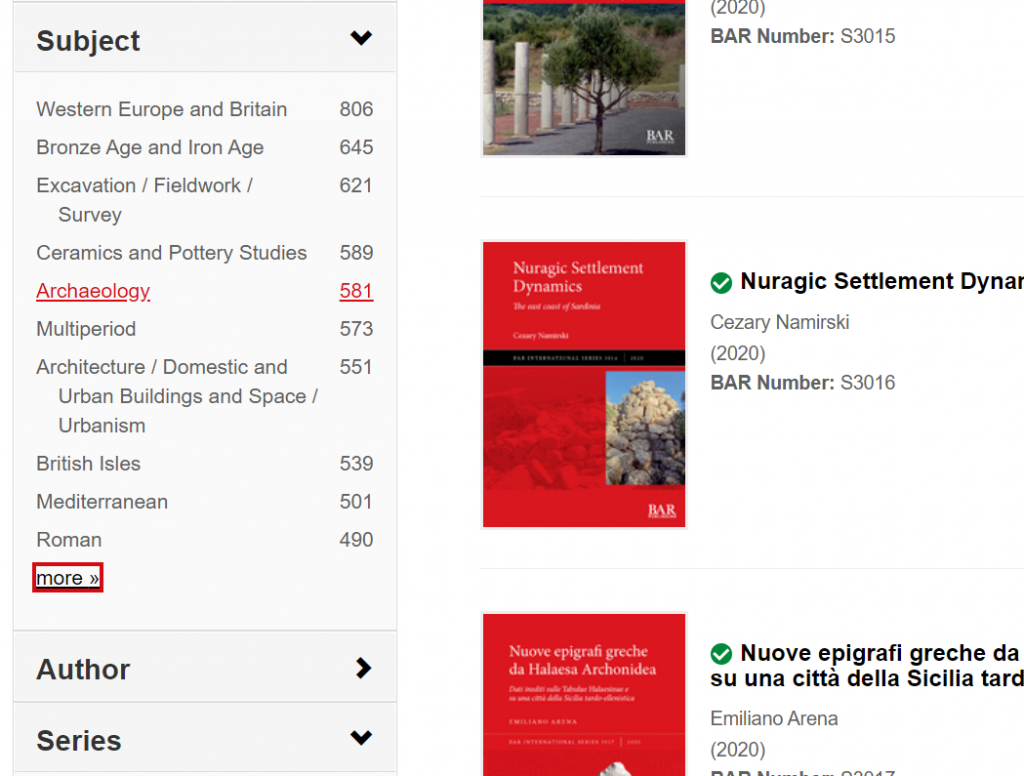
BAR browse options

You can browse or search the entire collection in various ways (e.g. by location, author, subject, time period or series). Each report is also individually catalogued on Library Search (here is an example).

Get the latest news and features about this collection on Twitter.

New e-book collection: Oxford World’s Classics

OWC logo

We’re pleased to announce that the Library has bought the new Oxford World’s Classics e-book collection, following a well-received trial earlier this year.

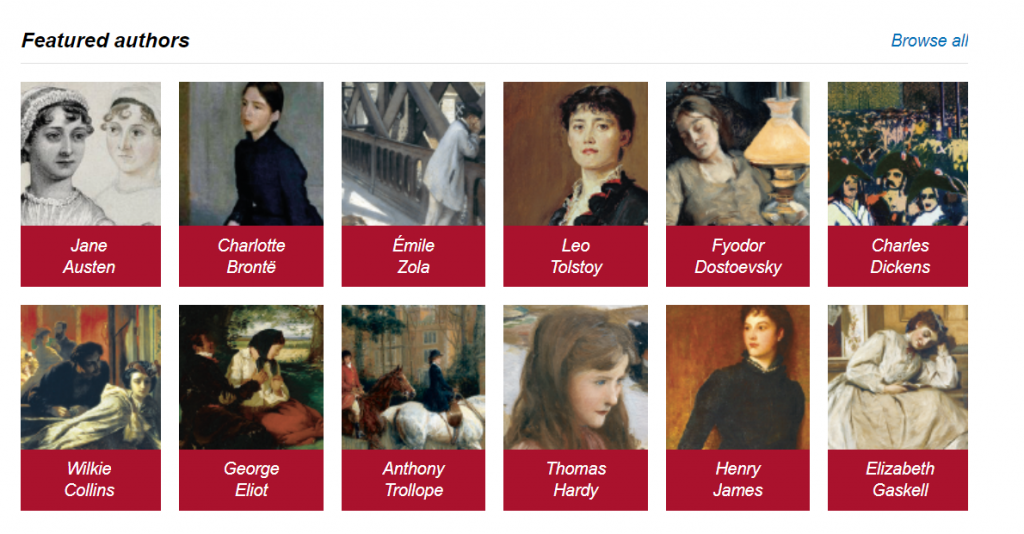
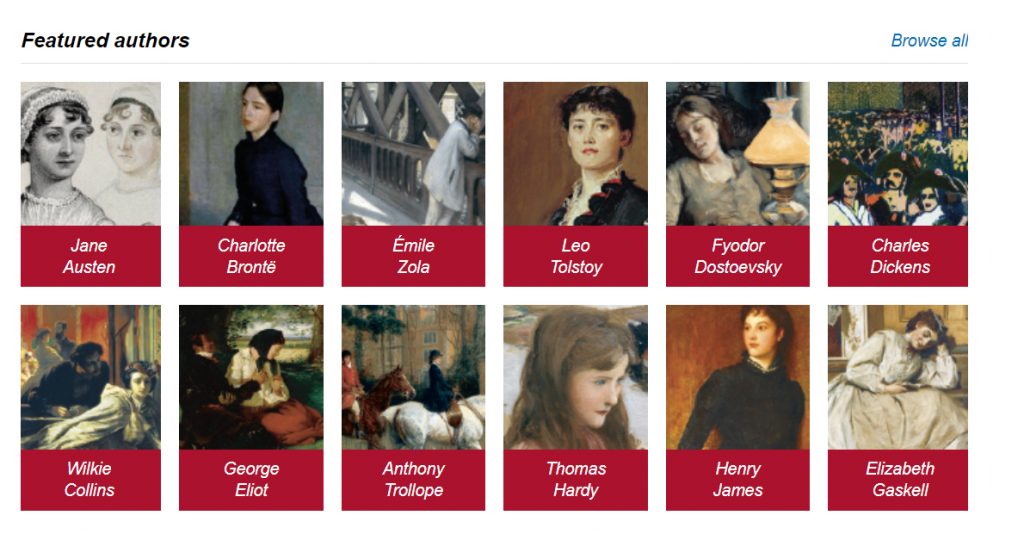
This provides access to 301 novels and other works from the 18th and 19th centuries from around the world, including novels by writers such as Jane Austen, Charles Dickens, Emile Zola and Fyodor Dostoevsky, as well as works such as Charles Darwin’s On The Origin of Species and John Stuart Mill’s On Liberty.

OWC authors

Each work is accompanied by extensive hyperlinked notes, introductions, bibliographies and commentaries. You can browse or search the entire collection in various ways (for example: by author, subject, keyword or time period). Every book in the collection is also individually catalogued on Library Search (here is an example).

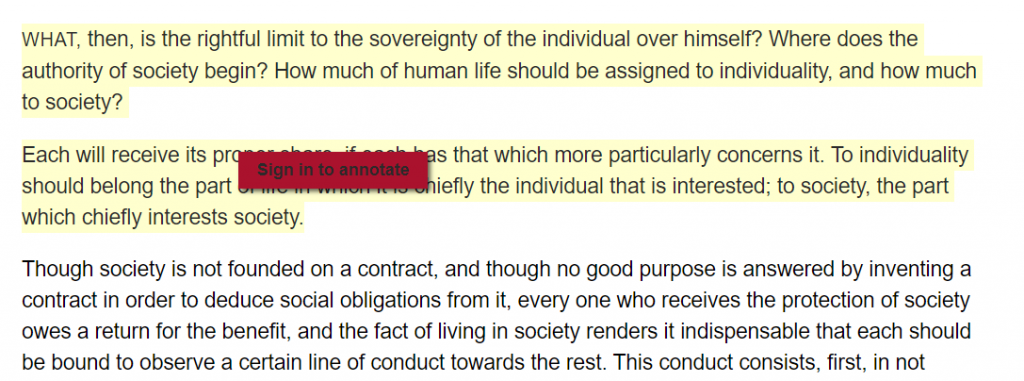
When reading a book, you can highlight text and make and save annotations (you’ll need to create a Personal Profile first).

Text highlight and annotation

Get the latest news and features on this platform from Twitter or via the Oxford World’s Classics blog.

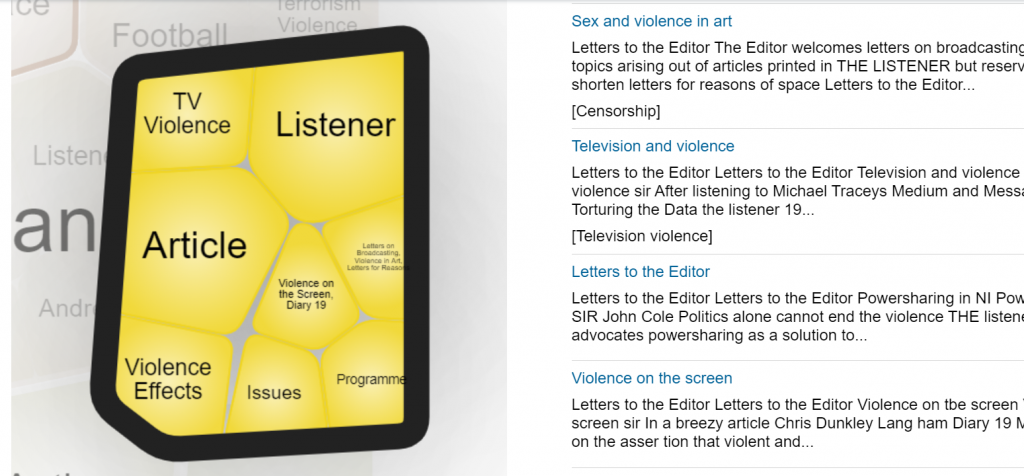
Resource in Focus: The Listener Archive

The Library has access to The Listener Historical Archive for its entire run from 1929-1991.

The Listener was a weekly magazine established by the BBC in 1929 under its director-general, Lord Reith. It was initially developed as the medium for reproducing broadcast talks on the radio, but in later years, television as well, and was the intellectual counterpart to the BBC listings magazine, Radio Times. It is one of the few records and means of accessing the content of many early broadcasts, and also regularly reviewed new books.

The Listener developed a reputation for outstanding writing, with contributions from the major writers, artists, commentators and thinkers of the twentieth century, including E.M. Forster, George Orwell and Virginia Woolf. It’s an invaluable resource for those researching the critical reception of culture in the twentieth century, and the response of the public.

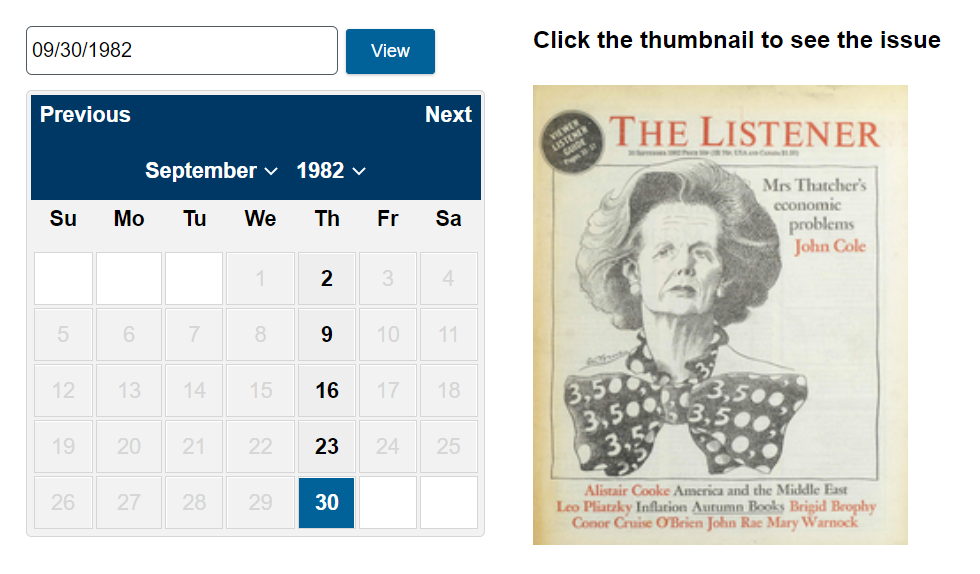
You can browse The Listener by date to find a specific issue, or search in various ways (choose Advanced Search to see all options, including searching by section of the magazine, author or date.)

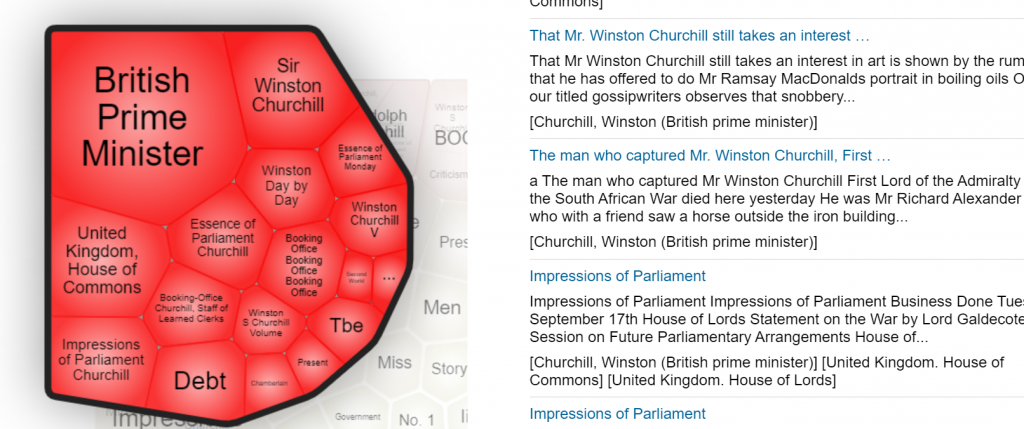
Additional search features on the home page include Term Frequency, to trace how often a word, phrase or person has featured in The Listener over the years, and Topic Finder, to explore and visualise connections between topics.

As the Listener archive is published by the company Gale, you can cross-search it with any of the other Gale archives to which we have access, via Gale Primary Sources.

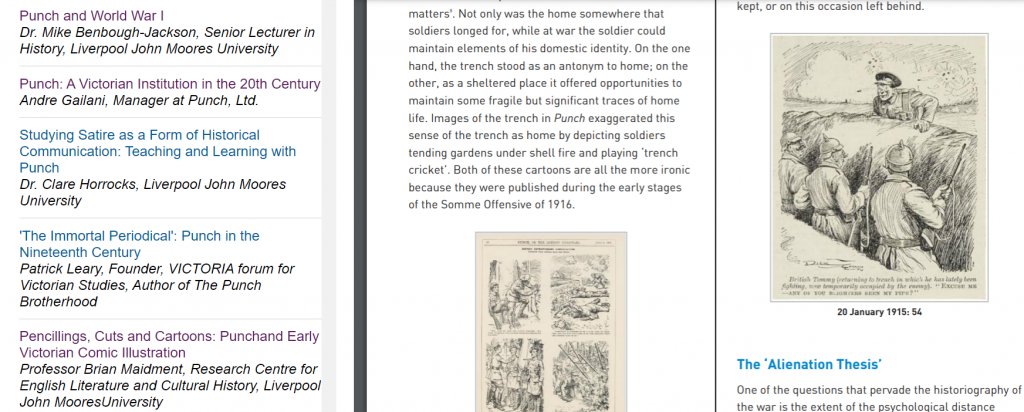
Resource in Focus: Punch Historical Archive, 1841-1992

The Library has access to the entire digitised archive of Punch from 1841-1992.

Punch was a famous satirical magazine which played a central role in the formation of British identity, and how the rest of the world saw Britain. This archive covers all volumes of Punch between 1841-1992, including special numbers, prefaces, epilogues, indexes, images and other specially produced material from the bound volumes. It’s an excellent resource for researching nineteenth and twentieth century political and social history, through provocative and entertaining satirical commentary.

To find out more about Punch, click Research Tools to read a selection of essays about different periods of its history.

Menu screenshot

You can browse Punch by date to find a specific issue, or search in various ways (choose Advanced Search to see all options, including searching by section of the magazine, illustration type or date.)

Additional search features on the home page include Term Frequency, to trace how often a word, phrase or person has featured in Punch over the years, and Topic Finder, to explore and visualise connections between topics.

As the Punch archive is published by the company Gale, you can cross-search it with any of the other Gale archives to which we have access, via Gale Primary Sources.

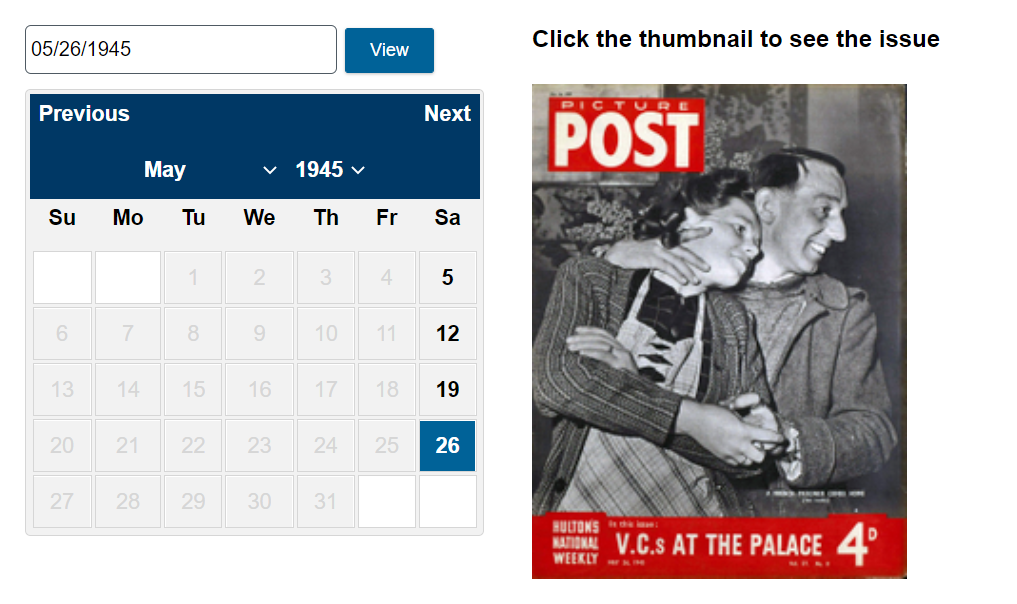
Resource in Focus: Picture Post Historical Archive 1938-1957

We have access to the complete digitised archive of Picture Post from 1938-1957. Picture Post was a British magazine (seen as the British equivalent of Life magazine) which was renowned for its use of photojournalism, in an era before television. It covered social and political issues, as well as providing a visual record of everyday life in Britain during and after World War Two.

You can browse the full colour archive by date to find a specific issue, or search in various ways (choose Advanced Search to see all options, including searching by section of the magazine, illustration type, or by date.)

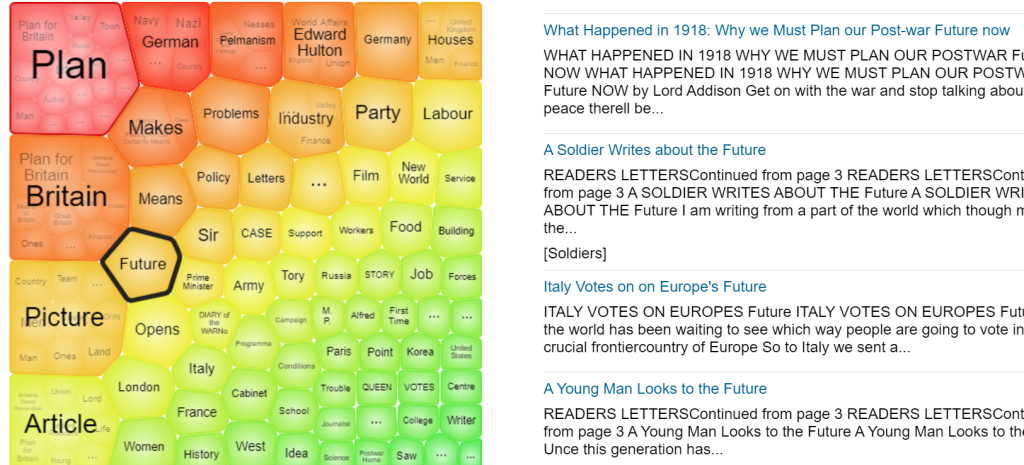
Additional search features on the home page include Term Frequency, to trace how often a word, phrase or person featured in Picture Post over the years, and Topic Finder, to explore and visualise connections between topics.

As the Picture Post archive is published by the company Gale, you can cross-search it with any of the other Gale archives to which we have access, via Gale Primary Sources.

How to make an action plan for your studies and achieve your goals

Everyone has goals, be that for lifestyle, health, work or study. These goals give you focus, generate new habits and keep you moving forward in life. However, life is tough, particularly at the moment, so the thought of setting goals can sometimes feel overwhelming. This post will take you through how creating an action plan will help you clarify your goal journey; exploring what your goal is and why you’re setting it, what it will take to achieve, and how you will motivate yourself to reach your destination.

The examples we will focus on will be for study goals, however you can apply this method of goal setting to any aspect of your life.

1. Start with reflection

Before embarking on your shiny new goals, take some time to reflect on your previous goals. Which goals have you successfully achieved? Why were they a success? Is there anything you would do differently this time? Is there a common theme in the goals that you didn’t achieve, such as a lack of purpose?

Ask yourself ‘why’ you are setting this new goal, doing so will help you stay focused and give you meaning and purpose for this potentially challenging journey that you are embarking on.

2. Make them SMART

Your goals need to be SMART:

  • Specific – a specific and focused goal to allow for effective planning
  • Measurable – how will you measure the success of your goal? 
  • Achievable  – a goal that you will realistically accomplish within a time frame
  • Relevant  – a goal that is important and benefits you
  • Time bound – a goal that has a realistic deadline

What is your goal and how can you make it SMART?

EXAMPLE: Your goal is to hand in your dissertation early this summer. This goal, as it is, may feel daunting and unachievable, so how can we make it SMART?

  • Specific – You want to hand in your dissertation two weeks early because you are going on holiday.
  • Measurable – You will set measurable targets daily/weekly, such as X amount of words written by X.
  • Achievable – You have 10 weeks to complete your goal, so you feel it is very attainable if you plan your time carefully (if you only had 2 weeks, you might want to reconsider your goal).
  • Relevant – This goal is very relevant as you need to do well in your dissertation so you can pass your degree, but you also need to complete it early so you can go on your booked holiday.
  • Time bound – You have a clear ideal deadline of two weeks before hand-in.

Use our Goal Setting Template to get you started on your SMART goal:

3. Put your goal into action

An action plan is a flexible checklist or document for the steps or tasks that you need to complete in order to successfully achieve the goal(s) you have set yourself.

This could be written in a notebook, diary or using the Action Plan Template we have created that you can print off and use. It’s important that you get out your pen and actually write your goals down on paper. Research has shown that this will engage the left-hand, logical, side of the brain – basically telling your brain that you mean business!

Use our Action Plan Template to put your SMART goal(s) into action:

4. Plan for obstacles

There are always going to be challenges and events that may disrupt your goal, but instead of letting that obstacle derail you, plan for it.

Look at your study goal and identify what the obstacle(s) will be.

EXAMPLE: You want to submit your dissertation in early, but there’s a big family birthday coming up and a Uni field trip planned. So, get your action plan out and make sure these events are accounted for and plan your studies around them.

5. Check it off

There is nothing more satisfying in life (well apart from popping bubble wrap) than crossing or checking items off a to-do list – it’s that sense of accomplishment, feeling like you are finally getting there, which in turn reduces stress. So remember to break down your goal into small attainable actions and checklists, and for big projects, such as a dissertation or research project, you might have multiple checklists on the go. Just think of the satisfaction you will feel when it’s all done!

6. Reward yourself

This a very personal aspect of goal setting, but an important one.

To boost your motivation we recommend that you choose a reward for all your successful hard work, but select something that’s in relation to the size of the goal – maybe a piece of cake for getting a First Class degree is a bit out of proportion! Add this reward to your action plan and remind yourself of your incentive on a regular basis. It will keep you motivated when you feel like giving up.

EXAMPLE: If you hand-in your dissertation early you will treat yourself to a night out with your friends before you go on holiday.

7. A bit more reflection

You made this goal for a reason – it’s something that you really, REALLY want to achieve, so if your plan isn’t working, change it! Take some time to reflect on what’s working or not working in your action plan, be that daily, weekly, or monthly. Consider – How are you progressing? What changes can you make to bring you closer to your goals? It hard to keep on track when you feel like you aren’t getting anywhere, so are there any quick wins to give you a sense of accomplishment?

EXAMPLE: It’s late at night, you’re tired and struggling to write your dissertation conclusion. Your self-given deadline is in a days time and you are starting to doubt that your goal is achievable – maybe you need to postpone the holiday?

What you need to do is pivot your method – this isn’t working, so what can you change to still achieve your goal? Maybe leave the conclusion for the morning when you feel more awake, but spend the next hour focusing on your reference list so you can tick that off your action plan instead.

Final thoughts

Your SMART goals can be about anything and should be quite simple to plan. There’s lots of help online on using SMART goals, but working your way through the acronym for your particular goal is an excellent start. Don’t forget to use our Goal Setting Template and our Action Plan Template to help keep your goals manageable and reduce that feeling of overwhelm with your studies.

P.S. I had to set myself a SMART goal for writing this blog post and my reward was a very tasty lunch ❤

Student guest post: resources for your English literature/language studies

We’re delighted to welcome a guest blog post from Leanna Thomson. Leanna is a second year undergraduate English Literature student, and a blogger for the School of English Literature, Language and Linguistics.

Leanna Thomson
Leanna Thomson

“This semester, I studied the module ‘Independent Research Project Preparation’, which included a guest lecture from the Library all about their resources. I found the information about databases so useful that I wanted to share it with students outside of the module, because I think it could really revolutionise their remote learning! I hope you find these resources as useful as I did.”

Our top eight sites for finding secondary and specialist sources

The search for relevant, high quality secondary sources to reference in your assignment can seem like a challenge, especially during remote learning. Sometimes your online search can yield so many texts that you don’t know where to start; other times you struggle to find anything at all. However, our top online database picks will help you find the perfect text in no time! All you have to do is use Library Search or your library subject guide to access the databases.

1. Library Search

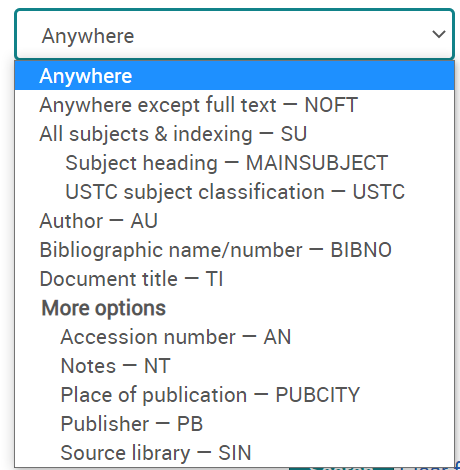
A search on the University library catalogue, Library Search, not only fetches up results from the Library’s huge range of books, articles, newspapers, audiovisual content and more, many of which you can either access online or order for click and collect or home delivery. It will also find papers from the hundreds of journals and databases that the Library subscribes to, including both interdisciplinary and SELLL specific titles. Library Search also has advanced search setting and filters, which can help you find exactly what you need. You can also access specialised guides about finding secondary sources for your subject.

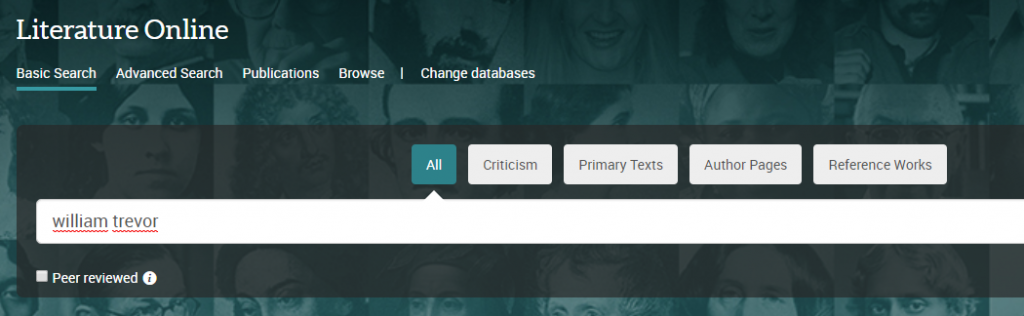
2. Literature Online (LION)

LION is a literature-specific database, perfect for seeking content such as literary criticism, works of literature to use as comparisons to your primary texts or enforcements of your argument, reviews, periodicals and audiovisual content, to name but a few of its elements. Its advanced search engine can be modified so that it only finds what you are looking for, and it is a perfect database to turn to when you can’t find quite enough literary-focused content on your topic.

3. JSTOR

JSTOR offers full text online access to scholarly journals, books and book chapters across all subject areas. It has basic and advanced search options that allow you to search by topic keyword, author, subject area, title or publisher.

You can also download JSTOR texts as pdf files, meaning you can store them on your computer or print them off.

4. Linguistics and Language Behavior Abstracts (LLBA)

LLBA focuses on academic resources for the study of language: including phonetics, phonology, morphology, syntax and semantics, and descriptive, historical, comparative, theoretical and geographical linguistics.

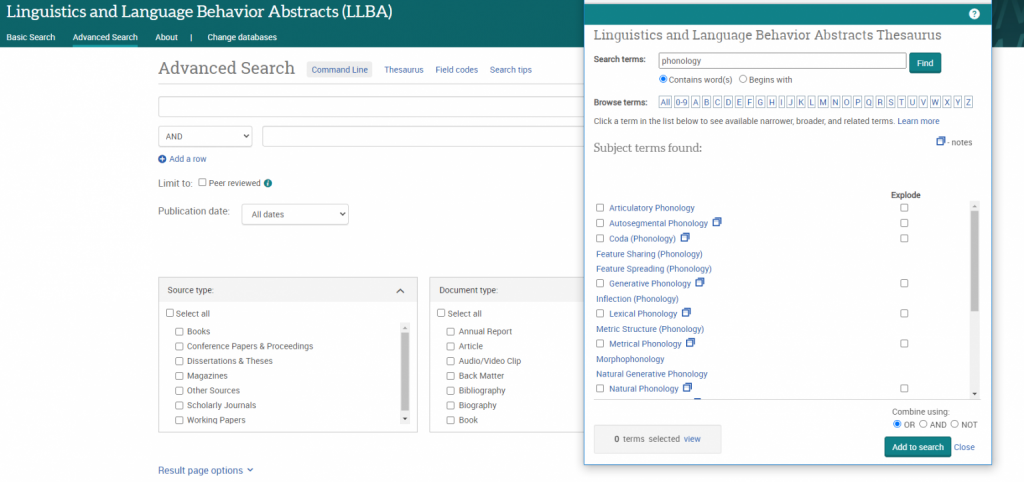
LLBA thesaurus

It also features a specialised linguistics thesaurus, which you can use in advanced search to refine and focus your search. The thesaurus provides a searchable list of all the subject terms used in the database, and highlights links between broader, narrower and related terms, helping you to select all of the keywords relevant to your topic.

5. Scopus

Scopus is a large, interdisciplinary database of peer-reviewed literature, including articles, book chapters and conference papers. It includes a range of smart tools that can help you track the research in your area. You can search for documents, sources, authors and institutions, and compare and contrast them using a variety of different tools.

It includes full reference lists for articles, as well as lists of texts which have cited a particular article. This allows you to uncover all the information relevant to your research. You can also set up citation alerts, so you can be informed of new, relevant material automatically.

6. MLA International Bibliography

The MLA international bibliography is produced by the Modern Language Association, an organisation dedicated to the study and teaching of language and literature. It indexes books and articles published about modern languages, literature, folklore, and linguistics. It contains many links to full texts, and as its title suggests, it includes texts from all over the world. The electronic version of the bibliography dates back to 1925 and contains over 2.2 million citations from more than 4,400 periodicals (including peer-reviewed e-journals) and 1,000 book publishers. It’s an ideal database for any SELLL student!

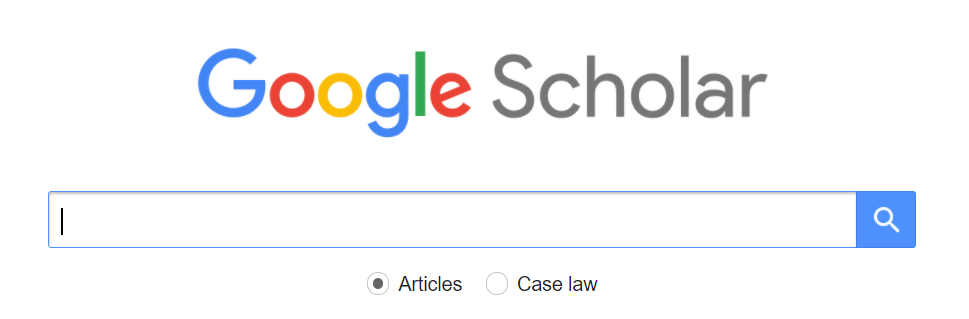
7. Google Scholar

A search on Google Scholar is just as simple and fruitful as an ordinary Google search, but the results will be peer-reviewed, academic sources, so it’s a much more reliable search engine for your university work. It will also bring up references from a range of different information sources, including Google Books, online journals, downloadable pdf files and even many of the databases discussed on this post!

What’s more, there are lots of useful filters: you can search by relevance and by time period, which is really useful for when you are looking for sources from a particular moment in time. There are also “cited by” lists, so you can track research forwards in time, and suggestions of similar texts for each source.

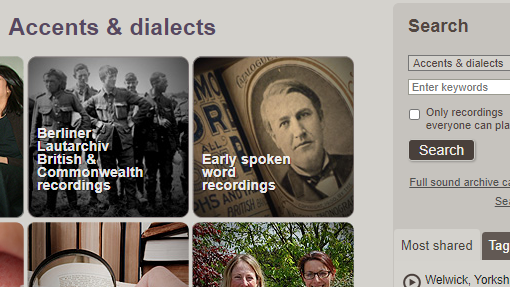
8. Accents and Dialects

Accents and Dialects is a searchable database of English accent recordings from the British Library Sound Archive.

Recordings include early spoken word snippets from the 1890s onwards, Opie’s collection of children’s songs and games, an evolving English word bank, and a survey of English dialects. Each recording includes a detailed description, with some containing linguistic information too, and most can be downloaded for academic use. You can browse the database by project, county, or date: the search box on the top right of the page can be used to look for specific keywords, including dialects or places.


Thanks Leanna: some great tips there! If you are a student, and would like to write a guest blog post for us about any aspect of the Library and its resources, please just get in touch with us: we’d love to hear from you!

Finding and using historic books online

Image by Pexels from Pixabay

The Library has access to thousands of contemporary books online, but did you know we also have online access to almost every work published in the English language from the invention of printing in the fifteenth century to the start of the nineteenth century?

Read on to find out about five of our major historic book collections online, and how to get the best out of them.

1. Early English Books Online (EEBO)

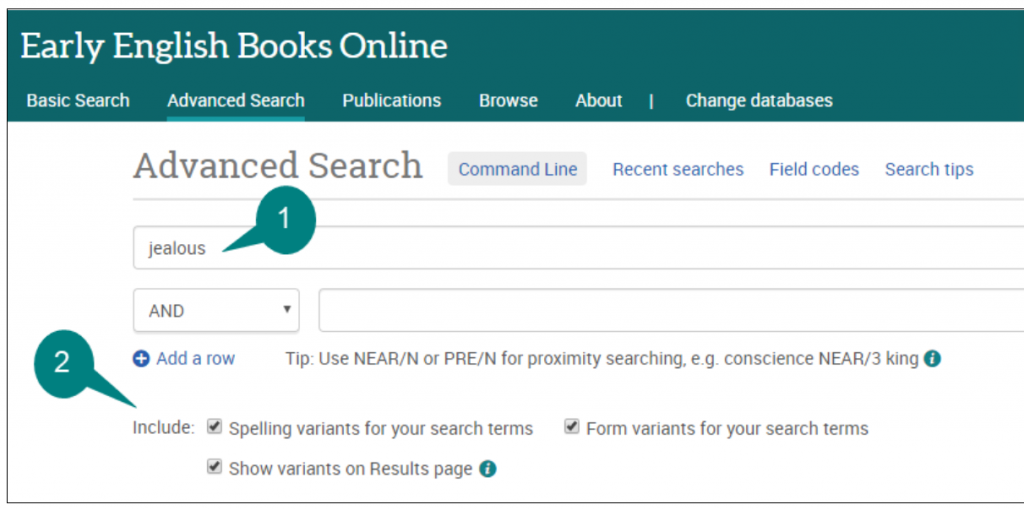
EEBO gives access to the full text of almost every book published in the British Isles and British North America between 1470-1700. It contains over 146,000 titles, including literary works, royal and parliamentary documents, ballads, tracts, and sermons, giving a unique insight into the cultural and political life of that period. You can read works by major figures such as Shakespeare, Newton and Galileo, as well as many lesser-known works. EEBO displays digital facsimile images of every page of content, and full text transcription is available for many of the texts.

You can search, browse and export from EEBO in various ways, and all the individual works are individually catalogued on Library Search as well. If you are likely to be making frequent use of EEBO, we’d strongly recommend you spend some time exploring this EEBO guide, as it gives tips on key aspects such as searching for spelling variants.

2. Eighteenth Century Collections Online (ECCO)

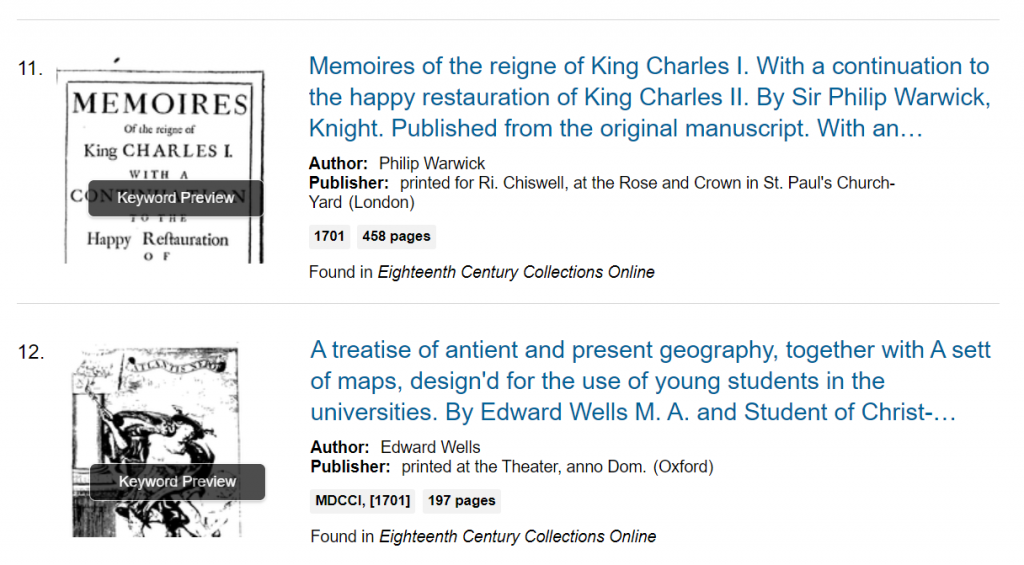
ECCO gives access to the full text of every book printed in the United Kingdom, and territories under British colonial rule, in the eighteenth century. It contains over 180,000 titles, including literary works, royal and government proclamations, schoolbooks and petitions.

As with ECCO, digital facsimile images of every page are provided, and optical character recognition enables full text searching. All items are individually catalogued on Library Search, but we’d recommend searching directly from the ECCO interface to benefit from advanced search options, and special features such as term frequency and topic finder. As ECCO is part of the Gale Primary Sources platform, you can cross-search it along with other Gale resources, such as historic newspapers.

3. Early European Books

The Early European Books collection complements EEBO, and aims to encompass European printed material from circa 1450-1700.

Content comes from major European libraries, and is being added to regularly (we currently have access to over 25,000 titles). Facsimile images scanned directly from the original printed sources are provided, and detailed catalogue records help you search (we recommend choosing Advanced Search to see the full range of options).

These books aren’t individually catalogued on Library Search, so you’ll need to search directly from the Early European Books interface.

4. Oxford Scholarly Editions Online (OSEO)

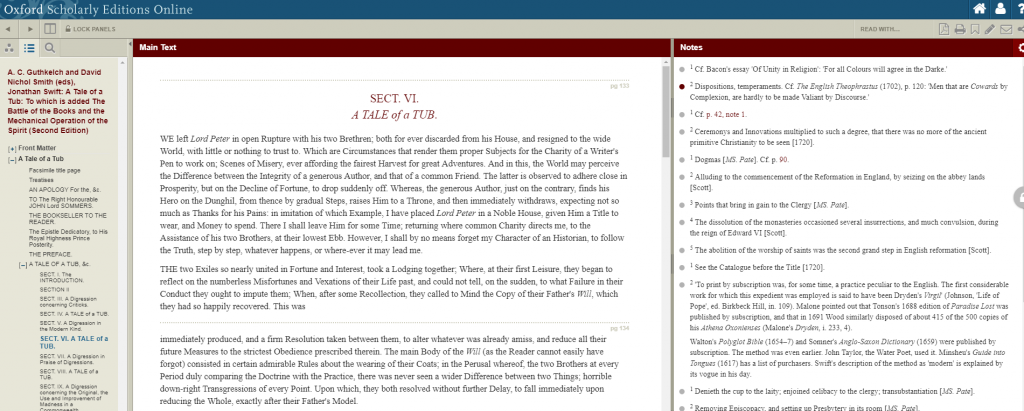
OSEO enables you to explore old works in new ways. It brings together authoritative editions of major works, so you can explore variations between editions, annotations and extensive notes side-by-side with the texts, or you can just read the texts on their own.

We have access to 272 Oxford editions, containing 344 works, including poetry, prose, drama, essays and correspondence, in the following categories: Romantics Prose; Romantics Poetry; 18th Century Drama; 18th Century Prose.

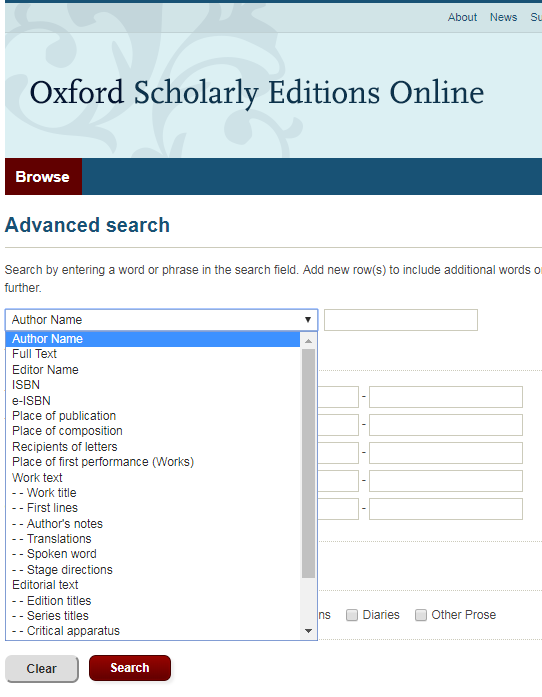
You can browse by work, edition or author, or search in highly specific ways (e.g. just search within notes or stage directions) to pinpoint exactly what you want.

The editions are individually catalogued on Library Search, but we’d recommend searching for works and editions via the OSEO interface itself. If you haven’t used OSEO before, we’d strongly recommend watching this introductory video, so you can understand its potential and how to get the best out of it.

5. Oxford World’s Classics

Stop press! We’ve just bought access to this new online collection of over 300 works from the 18th and 19th centuries. Read our separate blog post to find out all about it.