The Social History Archive provides access to primary source material, from unique newspapers to census returns, crime reports and migration records. This platform is operated by FindMyPast and includes newspapers from the British Newspaper Archive.
The platform has a number of search and browse functions. You can “Search all Records” or create an advanced search from the homepage (called the dashboard), however the “Search” drop-down menu provides options to search by record type, including newspapers and publications. If you need any assistance using the platform then please do not hesitate to get in touch.
The trial runs until Tuesday 5th March 2024. We are keen to hear any feedback on this resource – please contact us by commenting below or by emailing your Liaison Librarian (libliaison@newcastle.ac.uk).
If you’re looking for UK or international news from the last thirty years or so to today, then make sure you explore Nexis. The Nexis database has recently moved to a new platform (Nexis Uni): we think you’ll find it is easier to search than the old version, and it has some really useful features.
If you’re used to ‘old’ Nexis, don’t worry: the content on Nexis Uni is exactly the same, and you can still use the ‘expert’ search features if you want to.
What does it cover?
Nexis Uni enables you to search over 17,000 news, business and legal sources. This includes most UK national and regional newspapers, together with international sources, including newspapers, newswires and news magazines in multiple languages. Coverage of news titles often dates back to the 1990s and includes today’s news. Coverage is text only, and doesn’t include images, layout, adverts etc.
Nexis Uni also gives access to specialist business information, including dossiers on major UK and international companies, together with specialist legal information.
How to search news on Nexis Uni?
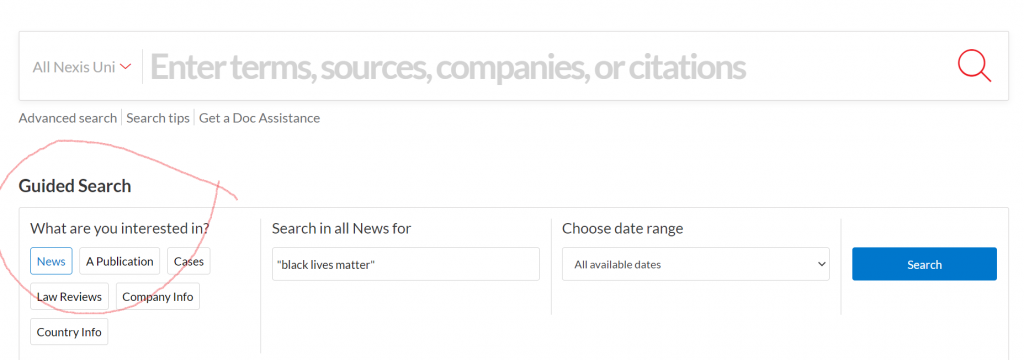
There are various ways to limit your search to newspapers/news sources, but the simplest is to select the News button from the Guided Search section:
Guided Search
Type in your search term (use ” ” if searching for a phrase), select your date range, and click Search.
Limit by location of publication
Once your results are displayed, you can then further limit your search by date, publication type, location, language and more.
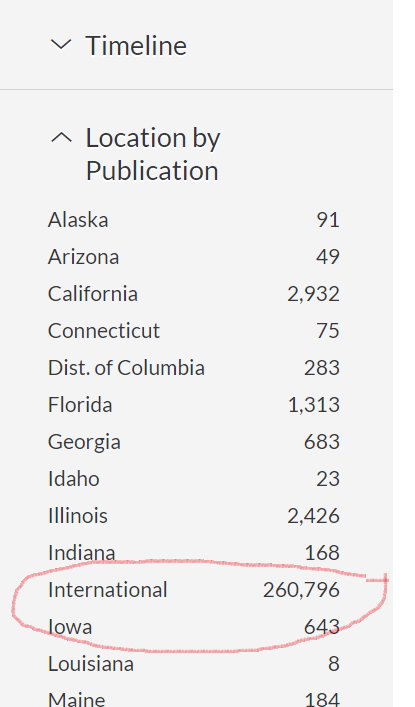
If you want to search news from a particular country, such as the UK, select Location by Publication>International> and then choose your continent and country.
If you would like to try more complex searching (e.g. searching in a particular section of the newspaper, or combining terms together in various ways), then click on Advanced search from the home page.
There is more detailed guidance about searching in the Nexis help centre.
Searching/browsing a particular newspaper
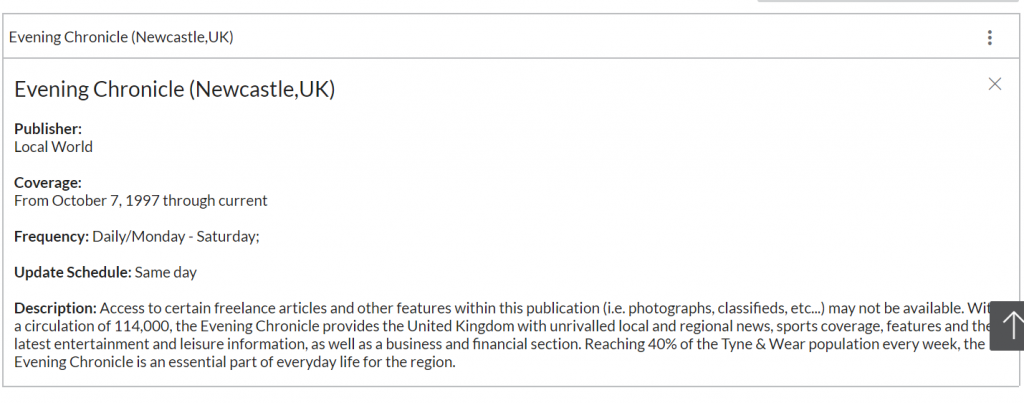
If you want to find a particular newspaper, choose Menu>All Sources, and then type the newspaper’s name in the Search within sources box. Click the three dot menu to get more information about coverage of the newspaper in Nexis Uni (NB ignore the phrase which says Archived source: no longer updated).
You can also use this route to add one or more newspapers as search filters, if you just want to search across certain titles only: to do this, type the newspaper title in the top search box entitled All Nexis Uni.
Personalisation features
If you’re using Nexis Uniregularly, we’d recommend you create a Nexis account, which enables you to set up alerts (click the bell icon at the top of your results listing), save searches, annotate and bookmark items, and share these with others. You can read more about alerts here.
Alert button
Please note: if you had previously set up alerts or saved searches on ‘old’ Nexis, they won’t migrate to Nexis Uni, so you’ll need to set them up again.
Where can I get more help?
Click the large question mark icon at the bottom right of the screen to get to the Nexis Help Centre >Support Resources, which includes videos and short guides.
Should I use Lexis or Nexis for UK news searching?
The ‘news’ section on the Lexislegal database enables you to search UK national and regional (but not international) newspapers. Nexis Uniis produced by the same company, and should have the same UK news coverage as Lexis, though Nexis Uni also includes a wider range of news sources such as broadcast news and news wires. We also think you’ll find the Nexis search and personalisation options are better, and easier to use, so we’d recommend Nexis. However, you might prefer to stick with Lexis if you use it regularly for legal information.
The Listener was a weekly magazine established by the BBC in 1929 under its director-general, Lord Reith. It was initially developed as the medium for reproducing broadcast talks on the radio, but in later years, television as well, and was the intellectual counterpart to the BBC listings magazine, Radio Times. It is one of the few records and means of accessing the content of many early broadcasts, and also regularly reviewed new books.
The Listener developed a reputation for outstanding writing, with contributions from the major writers, artists, commentators and thinkers of the twentieth century, including E.M. Forster, George Orwell and Virginia Woolf. It’s an invaluable resource for those researching the critical reception of culture in the twentieth century, and the response of the public.
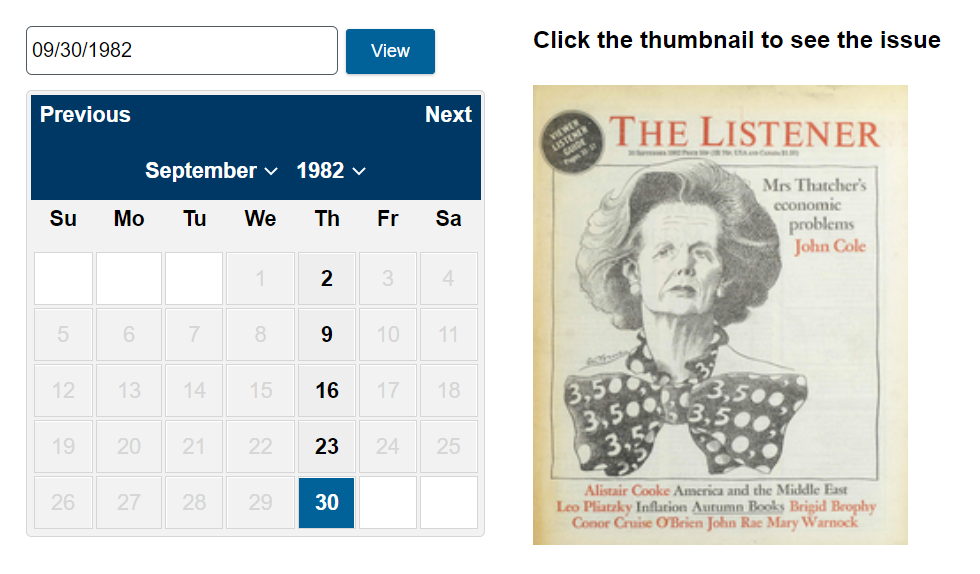
You can browse The Listener by date to find a specific issue, or search in various ways (choose Advanced Search to see all options, including searching by section of the magazine, author or date.)
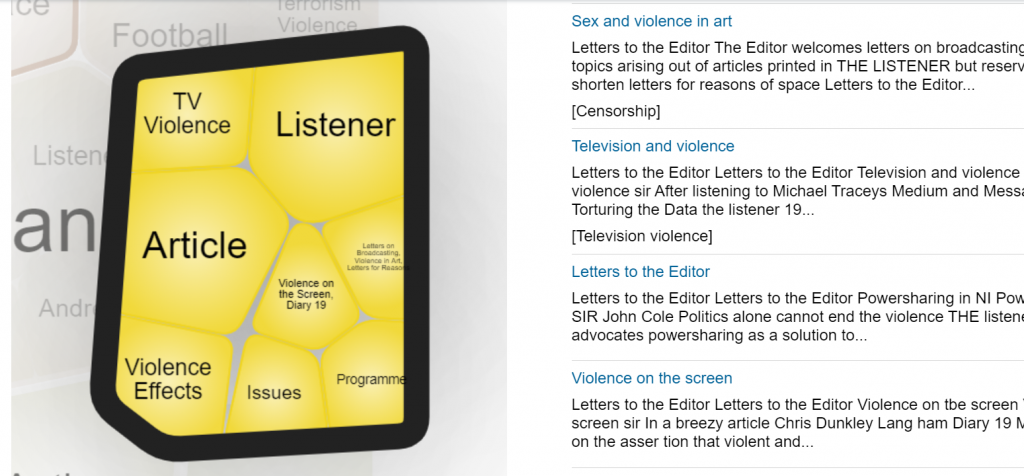
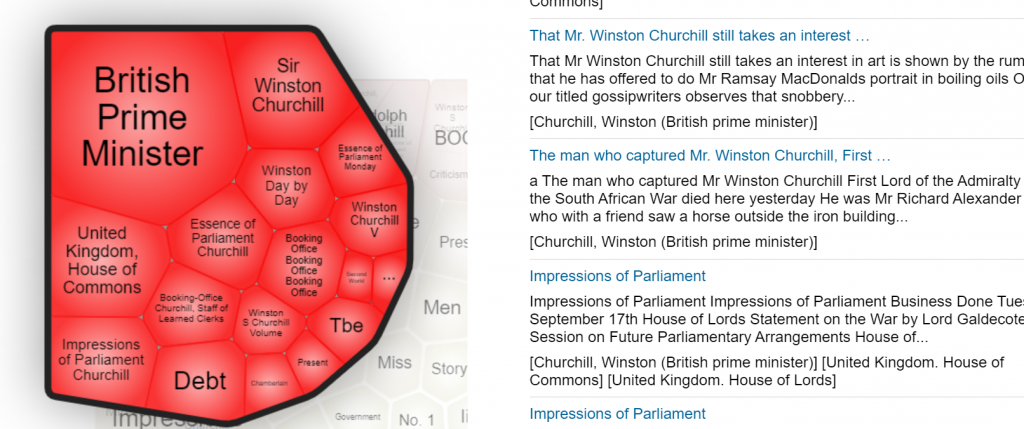
Additional search features on the home page include Term Frequency, to trace how often a word, phrase or person has featured in The Listener over the years, and Topic Finder, to explore and visualise connections between topics.
As the Listener archive is published by the company Gale, you can cross-search it with any of the other Gale archives to which we have access, via Gale Primary Sources.
The Library has access to the entire digitised archive of Punch from 1841-1992.
Punch was a famous satirical magazine which played a central role in the formation of British identity, and how the rest of the world saw Britain. This archive covers all volumes of Punch between 1841-1992, including special numbers, prefaces, epilogues, indexes, images and other specially produced material from the bound volumes. It’s an excellent resource for researching nineteenth and twentieth century political and social history, through provocative and entertaining satirical commentary.
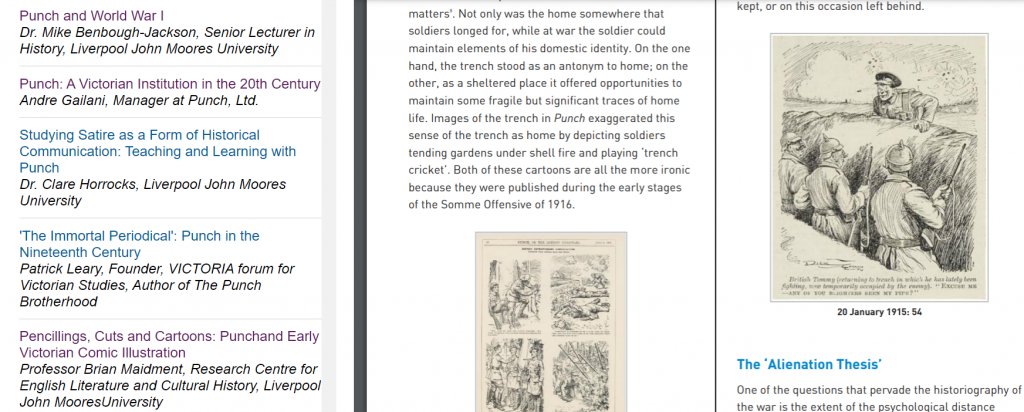
To find out more about Punch, click Research Tools to read a selection of essays about different periods of its history.
You can browse Punch by date to find a specific issue, or search in various ways (choose Advanced Search to see all options, including searching by section of the magazine, illustration type or date.)
Additional search features on the home page include Term Frequency, to trace how often a word, phrase or person has featured in Punch over the years, and Topic Finder, to explore and visualise connections between topics.
As the Punch archive is published by the company Gale, you can cross-search it with any of the other Gale archives to which we have access, via Gale Primary Sources.
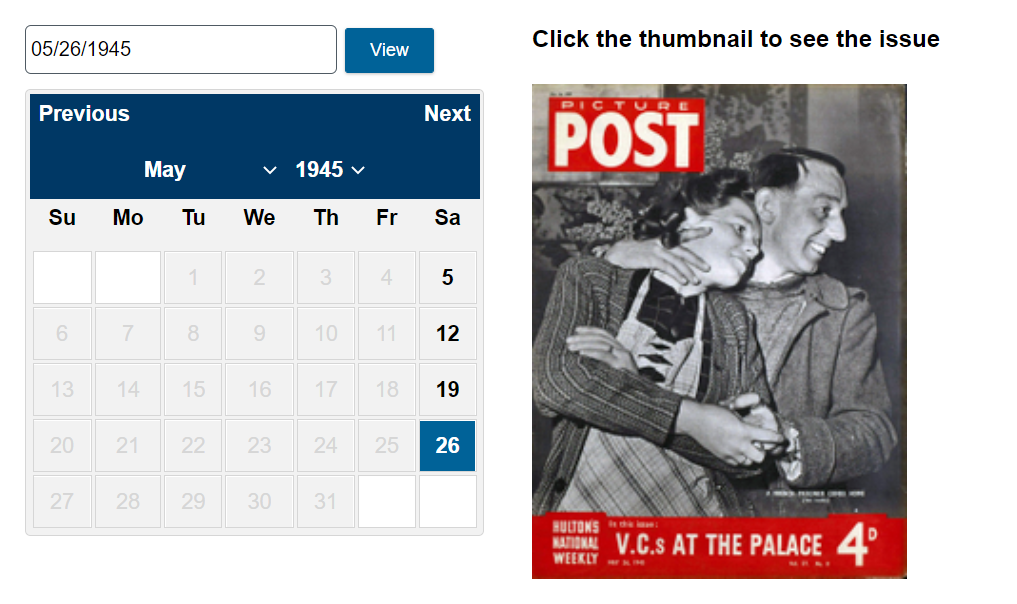
We have access to the complete digitised archive of Picture Postfrom 1938-1957. Picture Post was a British magazine (seen as the British equivalent of Life magazine) which was renowned for its use of photojournalism, in an era before television. It covered social and political issues, as well as providing a visual record of everyday life in Britain during and after World War Two.
You can browse the full colour archive by date to find a specific issue, or search in various ways (choose Advanced Search to see all options, including searching by section of the magazine, illustration type, or by date.)
Additional search features on the home page include Term Frequency, to trace how often a word, phrase or person featured in Picture Post over the years, and Topic Finder, to explore and visualise connections between topics.
As the Picture Post archive is published by the company Gale, you can cross-search it with any of the other Gale archives to which we have access, via Gale Primary Sources.
The archive brings you the full content of this world-renowned weekly literary and arts publication, dating back to its first issue. For over a century, the TLS has published reviews, features, debates and original works from across the arts world, not to mention its legendary letters page!
Many of the world’s most notable writers and thinkers have contributed to the TLS over the decades, including T.S. Eliot, W.H. Auden, Seamus Heaney, Noam Chomsky, Virginia Woolf, Bertolt Brecht and Umberto Eco. Until 1974, contributions published in the TLS were often anonymous, but the digital archive now reveals the identity of all contributors.
To find out more about the TLS, click Research Tools to read a selection of essays about different periods of its history.
You can browse the TLS by date to find a specific issue, or search in various ways (choose Advanced Search to see all options, including searching by contributor, book title, or document type.)
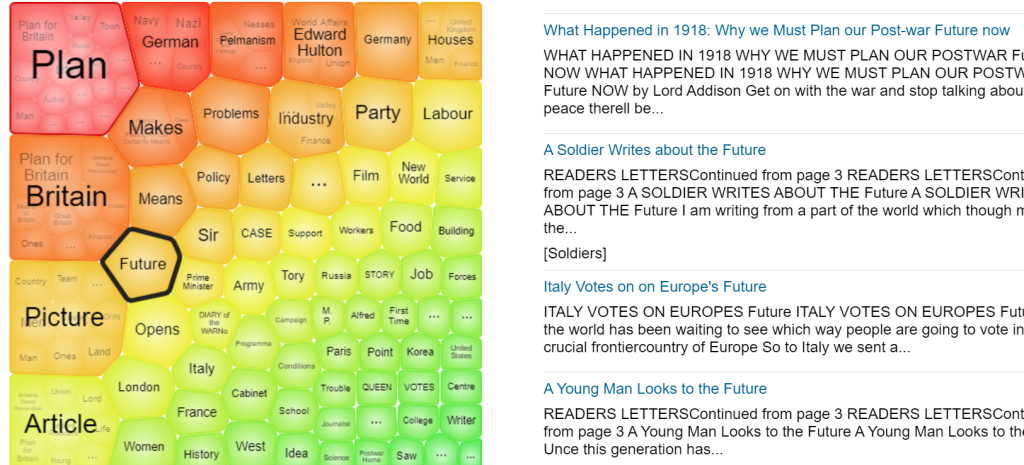
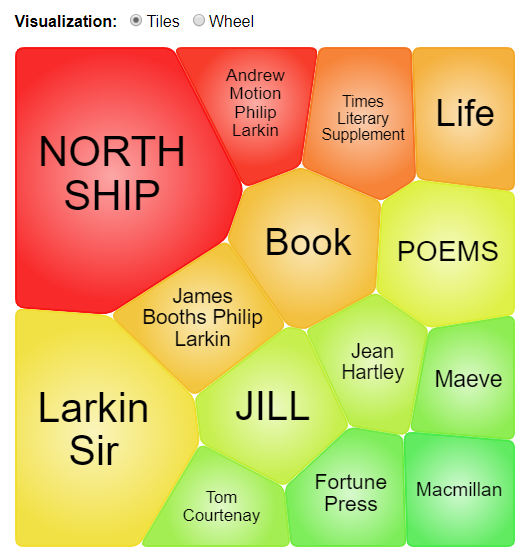
Additional search features on the home page include Term Frequency, to trace how often a word, phrase or person has featured in the TLS over the years, and Topic Finder, to explore and visualise connections between topics.
Topic finder
As the TLS archive is published by the company Gale, you can cross-search it with any of the other Gale archives to which we have access, via Gale Primary Sources.
Following a successful trial, the Library now has access to the Irish Newspaper Archives: a fascinating resource for any aspect of Irish studies.
It provides access to the archives of national and local Irish newspapers from the 1700s to the present day. Major national titles such as the Irish Examiner, Irish Independent and Sunday Independent are included, together with a wide range of regional titles, such as the Meath Chronicle, Kerryman, Connacht Tribune and Ulster Herald.
The archive is updated daily with the latest editions of current titles, and it also includes significant newspapers which are no longer published, such as the Freeman’s Journal and The Nation.
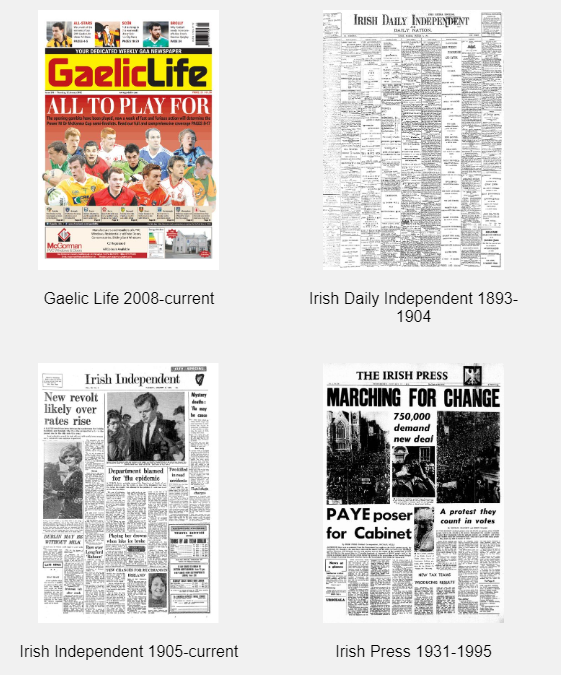
A selection of title pages from the archive.
You can search and refine your results in various ways, or choose browse to look through individual newspapers by date. Various save and export options are available, and there are some short help videos on the archive’s home page to give you some tips (note, these don’t have sound). Follow Irish News on Twitter for interesting highlights from the archive.
Thank you to everyone who gave us feedback on the trial.
If you use any of our historic newspaper and periodical archives which are published by Gale, you’ll notice they have recently upgraded their platform.
There is no change to the content, but you should notice a more unified design on the search pages, together with improvements to the display of search results, plus new search tools, including ‘topic finder’ and ‘more like this’. You can also use ‘term frequency’ on all Gale databases to analyse the use of a particular term over time.
The following collections are affected:
British Library Newspapers; Burney Newspapers; Eighteenth Century Collections Online; Nineteenth Century UK Periodicals.
Together with these individual archives:
Picture Post; Punch; The Daily Mail; The Economist; The Financial Times; The Independent; The Listener; The Sunday Times; The Telegraph; The Times; The Times Literary Supplement.
They are all individually catalogued on Library Search, or you can find quick links to them all (plus resources from other publishers) on our historic news guide. If you would like to search across several Gale resources at once, search Gale Primary Sources.
Where can I get more advice about searching historic newspapers online?
Every week, we’re giving you quick Twitter tips and tricks to help you get the best out of our resources. We’ve got so many great collections, it can be hard to keep up with what’s on offer. So sit back and let us tweet you to search success!
Last week, we focused on our news and media resources. Missed our tweets? Don’t worry, we’ve compiled them all together into a Twitter moment below!