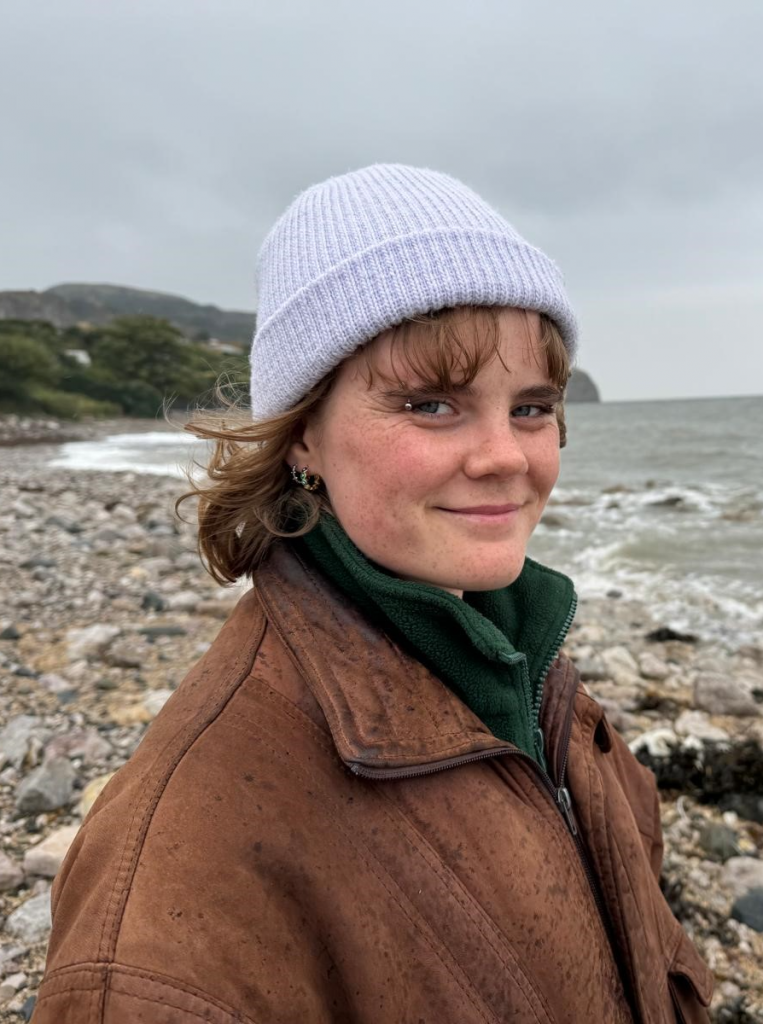
In April 2026, we welcomed Dr Lena Ferriday, who joins the Collective as a Research Associate. She has joined us from King’s College London, where she has been Lecturer in the History of Science and the Environment for the past year following completion of her doctorate at the University of Bristol. Inspired by the research within the Centre for Environmental Humanities at Bristol during her undergraduate studies, she took an interest in environmental history with a focus on sensory experience. She is particularly interested in questions of how individuals have made claims to environmental knowledge in modern Britain, and the role tangible encounters between bodies and matter have played in this process.
Her current monograph project examines how the rural environments of South-West England came to acquire meanings through embodied practice through the nineteenth and twentieth centuries. While her individual research has not been oral history-based — thus far — she was involved in several Bristol-based oral history projects, exploring individuals’ experiences of caving in the Mendips and of the gas industry in south Bristol.
Lena has joined Newcastle as Research Associate on the Wellcome Trust-funded project ‘Accessing the Wellbeing Commons: Therapeutic Resource-ification of Natural and Historic Environments and Social Exclusion in the UK and Inner Asia’. The project will explore how the natural environment’s health benefits have been historically constructed and seeks to reveal the barriers communities face in accessing these spaces. It does so by approaching watery spaces as sites where social categories like class and ethnicity are configured in specific historical encounters and bound up with a capitalist production of value.
Lena leads the UK work package and will be conducting oral history interviews on wild swimming in Devon, and social inequalities in the recent past, for the UK part of the project. She hopes to start her fieldwork in May, which will entail daily ethnographic encounters with communities who have a stake in Dartmoor’s lakes, rivers and reservoirs, whether as regular users, visitors, regulators, or activists. She will accompany this research by undertaking 10 oral history interviews, with those who have a sustained or long-term involvement in issues of access to these spaces.
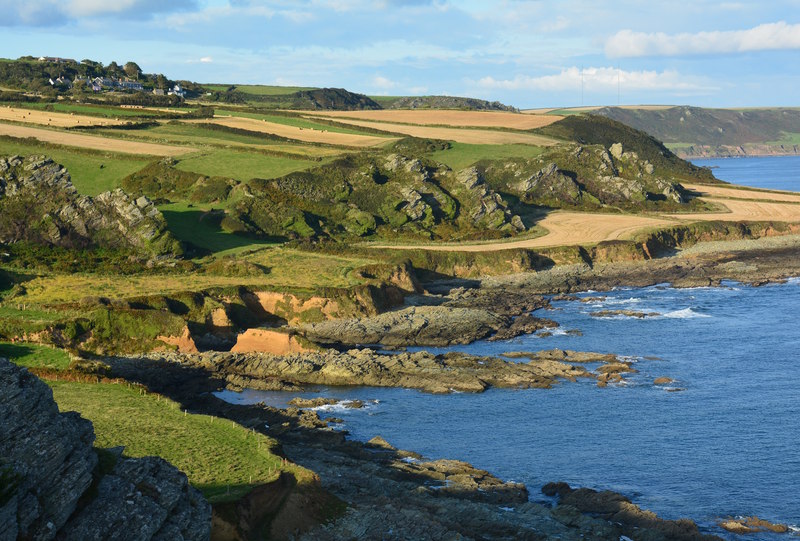
Raised beach at Prawle Point, Devon, by Edmund Shaw. Licensed under CC-BY-2.0. Available at geograph.org.uk.
Whilst the archive holds extensive materials on the management of water systems on Dartmoor, and the evolving histories of access to the National Park in the late twentieth century, there is much less that reveals individuals’ experiences of these spaces across the past century. Lena is keen to use oral history to bring this experiential dimension to the fore, uncovering how the embodied experiences of swimming might have changed in relation to the political dynamics that historians have more often attributed to these spaces. Doing so, she hopes, will offer insight into how the relationship between water and health was imagined and practiced in this period.
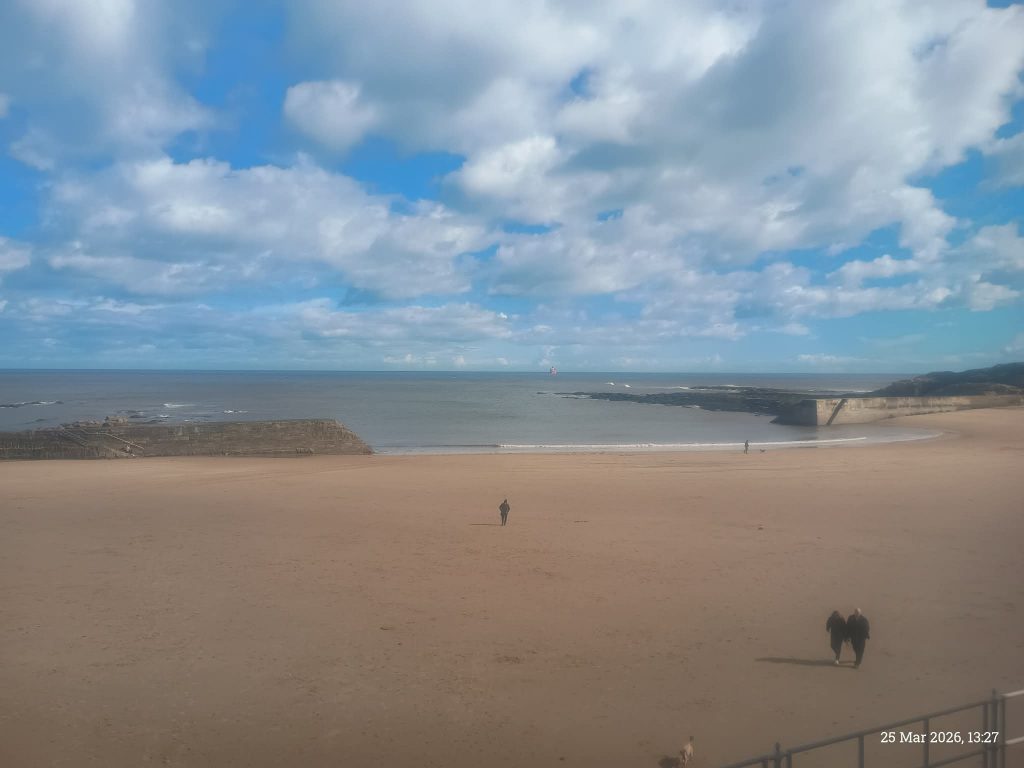
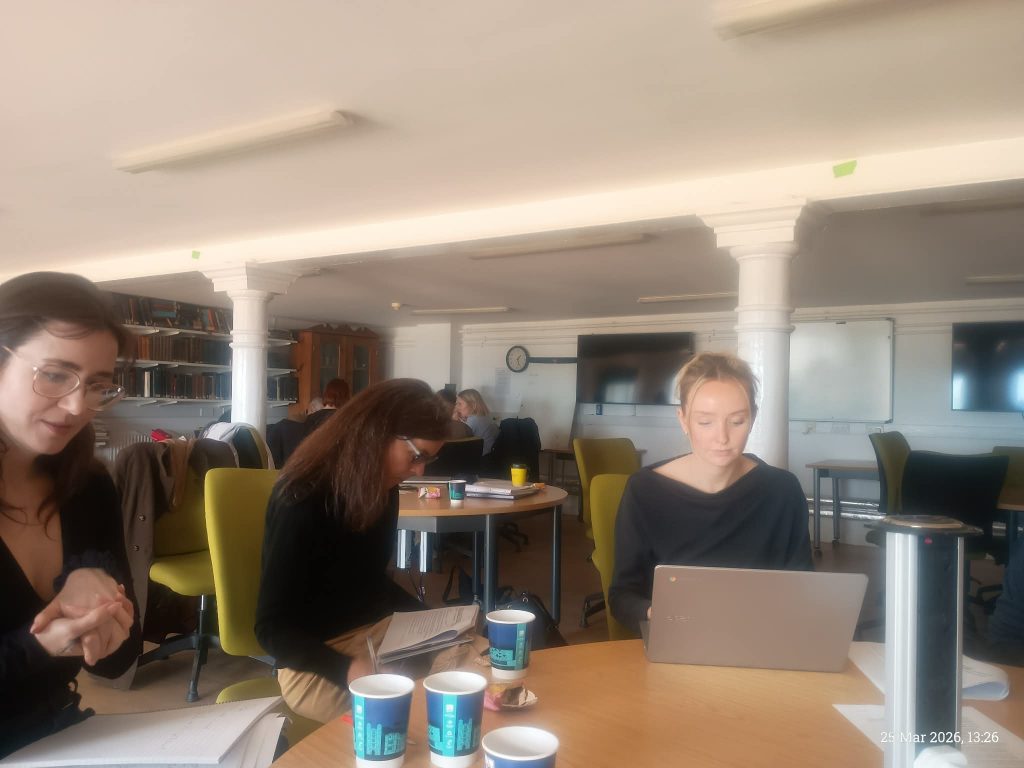
Before Easter, members of the Collective enjoyed a day brainstorming, strategising, and sharing ideas to the backdrop of sunshine (and hail!) by a North Sea beach for the annual Research Retreat. All the Collective’s current projects were represented and members brought expertise from their various backgrounds in planning, graphic design, and archives, to name a few.
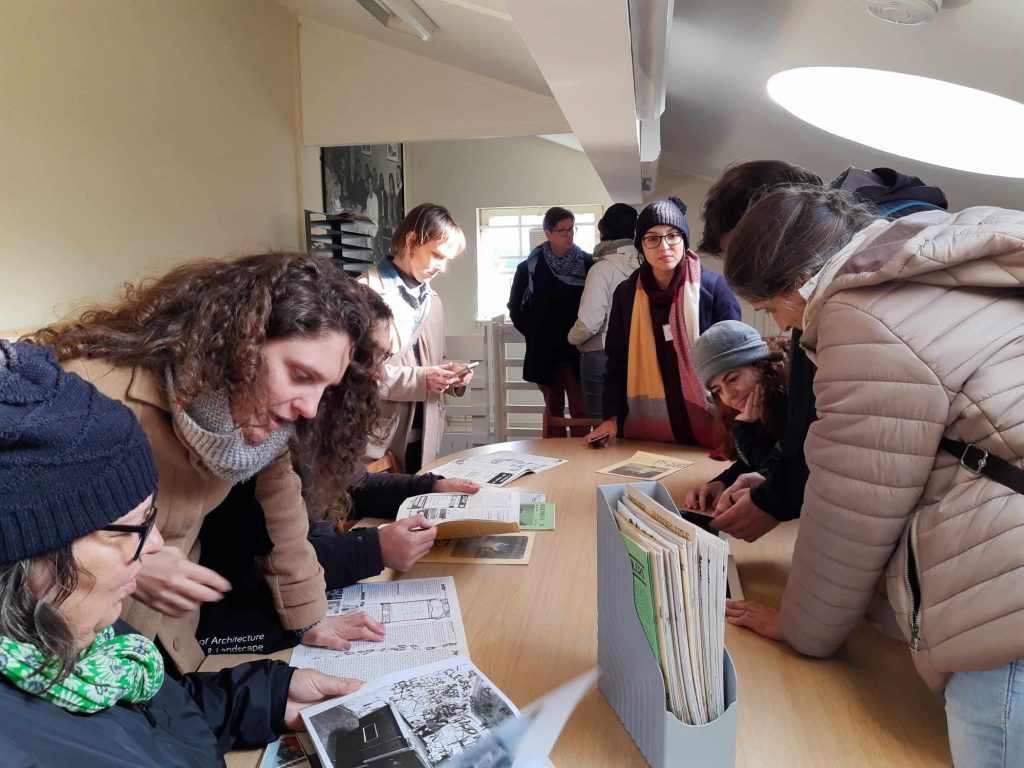
With various projects and community partnerships across the North East and beyond on the go at any given time, it’s rare so many members of the Collective are able to gather together. This was a valuable chance to catch up, meet new faces, and plan for the Collective’s future. Researchers from all stages and walks of the process were present, from recent graduates and PhD students to community oral historians and established lecturers and professors. Emerging researchers learnt from more established oral historians and had a chance to present their own work.
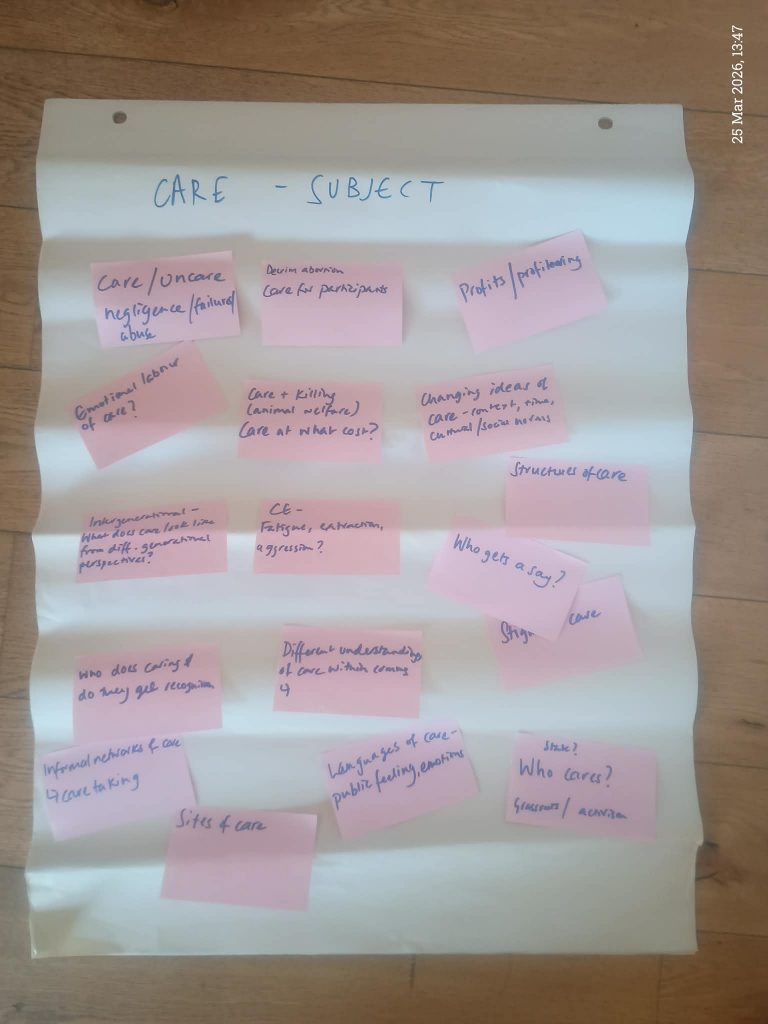
Two key topics for the day were care and collaboration. Workshops on both generated productive discussion and strategies for future outputs and deepening collaboration within the Collective and with community partners. Much energy was devoted to issues of care and ethics in research practice, particularly when working with partners outside academia. Shared positions on heritage, memory, and collaboration were worked towards, and REF 2029 was kept in mind throughout. Ruminations on the position of the Collective within the University were heard, and its distinct identity compared to Strathclyde or Nottingham Trent’s oral history hubs was reinforced. The Research Retreat was made possible by Research and Innovation funding, which was also instrumental in enabling members based outside the North East to attend – including from over 300 miles away! Thanks also to Newcastle University for the use of the Dove Marine laboratory site in Cullercoats – hardly a more inspiring setting to be found.
Lily is the 2025-‘26 Oral History Collective Communications Intern – she manages the Collective social media, as well as contributing to The Lug and website.
Originally from Cumbria, Lily completed her BA in History & Politics at Oxford University, followed by an MA in Health Humanities at University College London. Her undergraduate dissertation was an oral history of networks of health, transport, and local identity in 1960s and ‘70s Cumbria. Her MA thesis explored portrayals of green space as a health resource in high-tourism areas of the UK during the Covid-19 pandemic, particularly in the Lake District. This work explored portrayals of Cumbria, Cornwall, and North Wales as national resources for wellbeing despite having disproportionate experiences of Covid-19 related movement restrictions, and holiday-related case patterns. It interrogated local press as a site where policing and contestation of local identity, and questions of who has the right to use these landscapes, played out.
After a couple of years working in museums and galleries in London, Lily moved back up North to begin her PhD at Newcastle in 2024. Lily’s PhD project is an oral history of volunteering in healthcare in the ‘far North’ of England, 1979-1997. Coined by Dave Russell in 2005, the term ‘far North’ refers to the (now ceremonial) counties of Cumbria, Northumberland, and County Durham, which he grouped together on the basis of shared ‘felt distance’ from political and cultural power in Westminster. The project explores everyday experiences of the NHS in small community and cottage hospitals in a region with long travel times to specialist services. Through oral history interviews, the meanings and experiences of volunteering, alongside rural healthcare needs and regional identity, are explored. The project sites these topics within broader historical processes of the past 50 years, including deindustrialisation and the marketisation of public services. It hopes to contribute to understandings of the North-south divide and current British electoral trends as well as adding to the growing social histories of the NHS.
The project focuses on hospital Leagues of Friends and hospital radio stations, but Lily is interested in interviewing people who volunteered in any healthcare task during this time. If you, or someone you know, might be interested in taking part, get in touch at L.tidman2@newcastle.ac.uk!
Outside the PhD, Lily is Senior Editor for the Newcastle School of History, Classics, and Archaeology postgraduate journal Pons Aelius, and host a weekly alternative music show on Newcastle Student Radio. In her free time, she likes wild swimming, skating, and playing the flute.
Russell, Dave. Looking North: Northern England and the National Imagination. Manchester University Press, 2004.
Sally completed an undergraduate degree in Architectural Design at Edinburgh University and an MSc in Town Planning at Newcastle University. She has extensive experience of working in the cultural sector in collections, programming and research and is currently a trustee at the Historic Towns Trust.Here, she describes her new project involvement with the Oral History Collective.
Green Corridors North East
The Green Corridors North East project, funded by the Arts and Humanities Research Council, is based on three green corridors in Gateshead, Durham City and South Teesside. The project brings together Newcastle, Teesside, Northumbria, and Durham Universities, the National Trust, local authorities and community organisations to explore how arts and humanities–led research can support more sustainable, inclusive, and community-centred approaches to place, nature and stewardship.
In addition to leading on the nature and natural heritage theme across all three corridors, my primary focus will be on Gateshead’s Tyne Derwent Way. Here I will be collaborating with researchers alongside staff at the National Trust, Gateshead Council, Tyne and Wear Building Preservation Trust, and community-based groups.
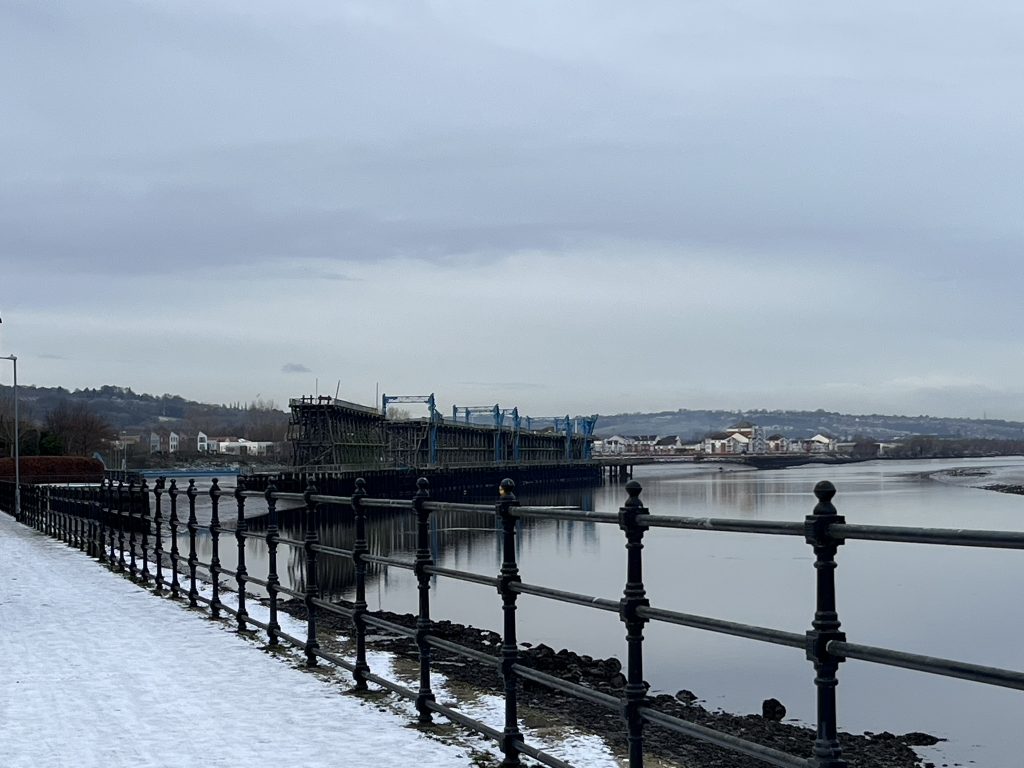
The Tyne Derwent Way in the snow overlooking Dunston Staiths, by Dr Sally Watson.
Byker Community Archive & Histories of Redevelopment
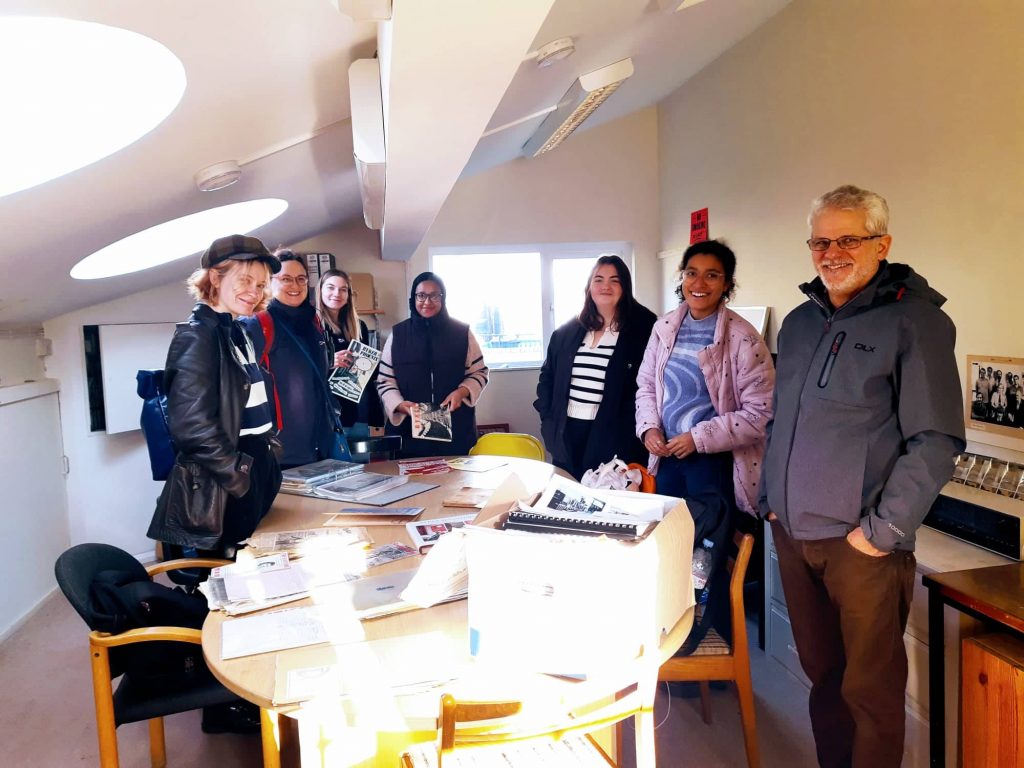
Alongside this, I will be working with Silvie Fisch, Director of Northern Cultural Projects and Oral History Collective Associate Researcher, who has been awarded funding from the Heritage Lottery Fund and Karbon Homes to develop a community archive in Byker. Hannah James Louwerse and I share the role of archivist and will be helping Silvie to set up the archive in the coming months.
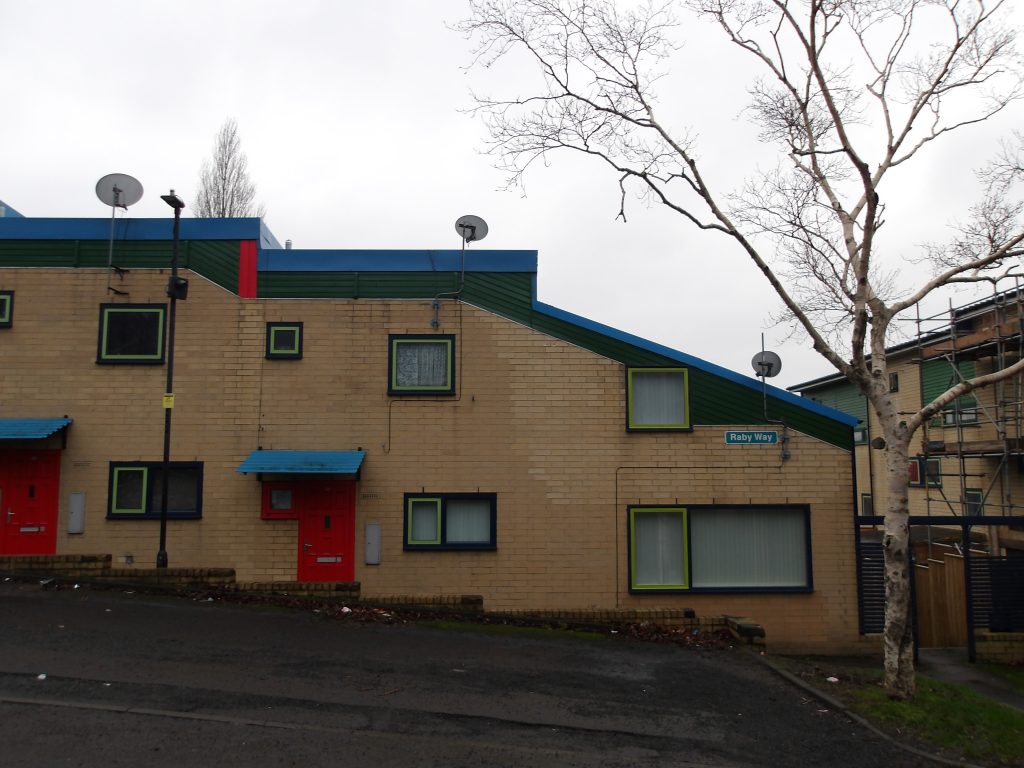
The Byker estate near the Community Archive site, by Lily Tidman
My involvement in the Byker Community Archive began when I met Silvie whilst undertaking my doctoral research at Newcastle University. My PhD and subsequent Postdoctoral Fellowship, both funded by the Economic and Social Research Council, examined the history of post-war housing, landscape design and children’s outdoor play in Newcastle upon Tyne. Alongside archival research, I undertook oral history interviews with professionals who had worked on the redevelopment of the Byker neighbourhood 1969-1983, including architects, landscape architects and planners, and people who had grown up in Byker during and after the redevelopment.
I am interested in oral history as a method for understanding children’s lives in the past and changing ideas about children and childhood over time. In particular, I am interested in how such ideas have shaped and continue to shape children and young people’s geographies of play and mobility. In my previous research, I examined the design, governance and policing of housing, streets, parks, playgrounds and other urban spaces and used go-along interviews to explore childhood experiences of these places. I am looking forward to collaborating with communities, including children and young people, on projects along the Tyne Derwent Way.
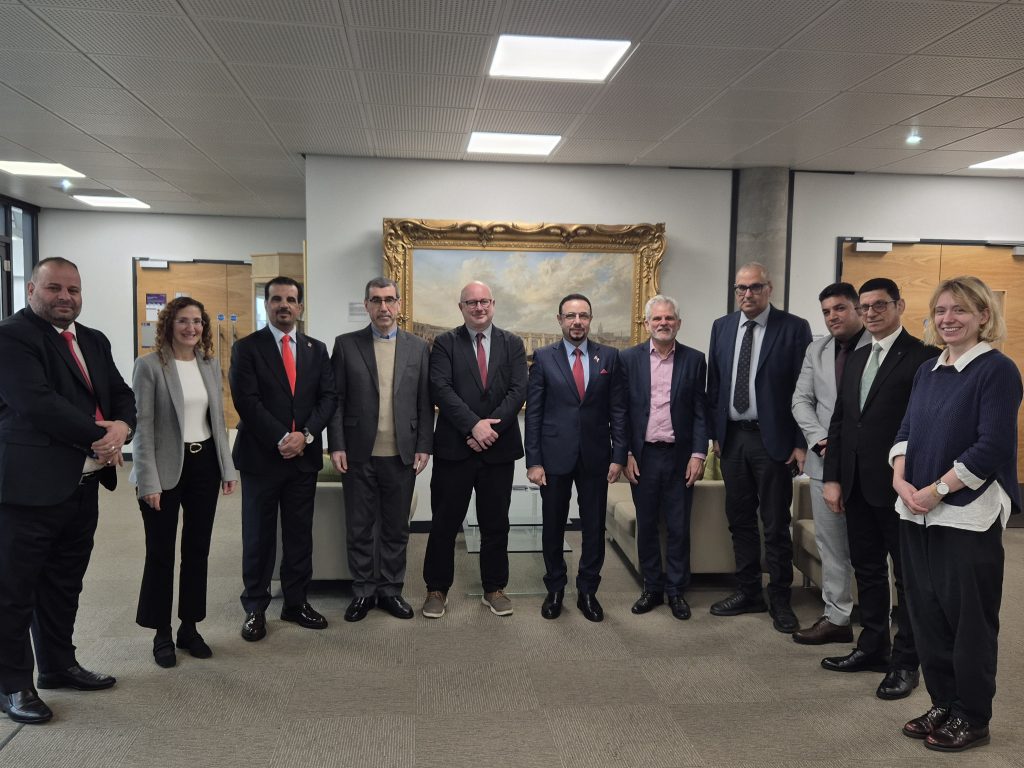
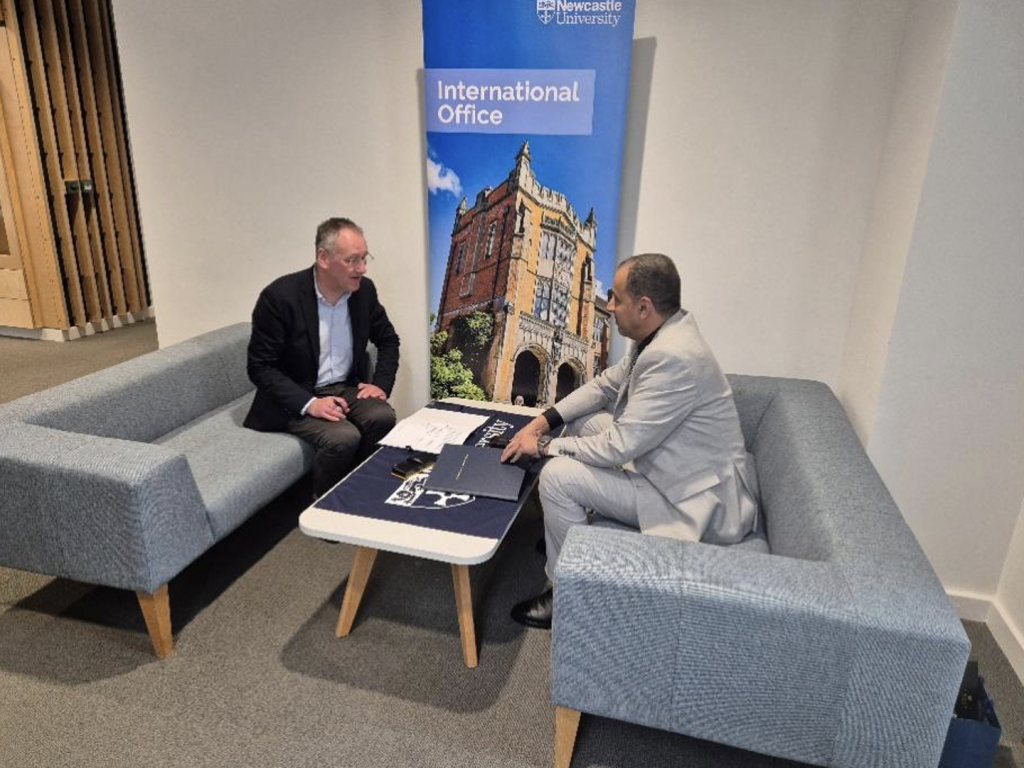
The communications team in the Faculty of Humanities and Social Sciences at Newcastle kindly produced the following blog post featuring the recent visit of a delegation of Iraqi scholars to the university. The delegation led by Professor Safaa Al-Issawi – President of Mustansiriyah University met the day before to participate in the first ever Iraq/UK Oral History Symposium. A symposium report will be covered more fully in an upcoming post.
During a recent visit, colleagues from both Newcastle University and Mustansiriyah University in Iraq came together to mark a milestone in their growing partnership.
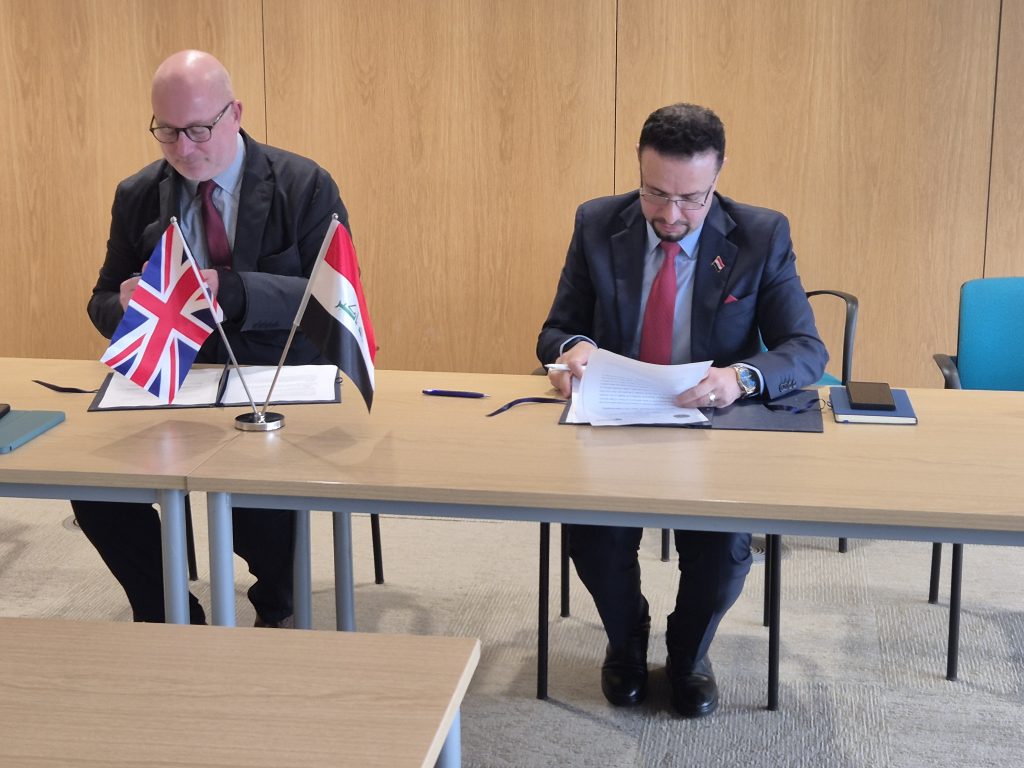
The visit, held at Newcastle University, marked the formal signing of an updated Memorandum of Understanding (MoU) and the celebration of a ground-breaking achievement—the launch of the first-ever oral history teaching guide for university teaching written in Arabic.
The guide was created by Dr Alaa Alameri, former Head of History at Mustansiriyah University. Over the summer, Dr Alaa spent eight weeks immersed in research and collaboration at Newcastle University’s Oral History Collective. His visit, supported by a Nahrein Network / BISI Scholarship, led to the creation of the Arabic-language guide – a practical and symbolic step toward embedding oral history into Iraqi higher education.
Dr Alaa worked closely with Graham Smith, Professor of Oral History, who acted as the publication’s academic reviewer. Their work is part of a broader initiative that began with the signing of an initial MoU in February 2024. That agreement marked one of Newcastle’s first formal institutional partnerships with an Iraqi university, building on decades of informal ties through students, alumni, and shared research.
Creating a shared vision for oral history teaching and education
The shared vision is ambitious: to develop a new university module in oral history for Iraq and to integrate oral history teaching and resources across the country’s higher education system. The recent meeting provided an update on this work and hosted the first-ever Iraqi–UK oral history symposium—a space for scholars from both countries to exchange project reports, ideas, explore methodologies, and chart a collaborative future.
Professor Graham Smith commented:
It was an honour to welcome our colleagues from Mustansiriyah University. We were very pleased to showcase the Arabic oral history guide as a tangible output, as well as identifying new avenues for interdisciplinary and international collaboration.
Further to this, it was an enriching experience to come together and explore the unique opportunities and challenges of working with oral history in Iraqi contexts, and to have a space to facilitate dialogue on ethics, archiving, and pedagogy.
A global and academic partnership for the future
The event also signalled a broader renewal of UK–Iraq academic ties. In January 2025, Newcastle was among twelve UK universities included in a set of MoUs announced by the Iraqi Prime Minister and the Higher Committee for Education Development. These agreements are already bearing fruit, particularly in the fields of history, archaeology, and heritage, as well as more general capacity building.
Looking ahead, the partners hope to:
Enable student and staff exchanges between Newcastle and Iraqi institutions
Develop joint research and teaching bids, including PhD opportunities
Expand the network to include more Iraqi universities
Establish Newcastle as an international hub for oral history research, training, and capacity building.
The event also facilitated conversations with other departments at Newcastle University, including the Law School and the Medical School, securing early steps toward expanding the interdisciplinary and international collaboration.
Professor Smith added:
The visit was a huge success and represents more than an academic partnership; it signals a shared commitment to preserving voices, histories, and cultural memory—across borders, languages, and generations.
A funding boost of over £275,000 is enabling a Newcastle-based cultural project to celebrate the vibrant social and architectural history of the city’s Grade II* listed Byker Estate. Here, Silvie Fisch, Director of Northern Cultural Projects, and Associate Researcher in the Oral History Collective, explains how the funding will be used.
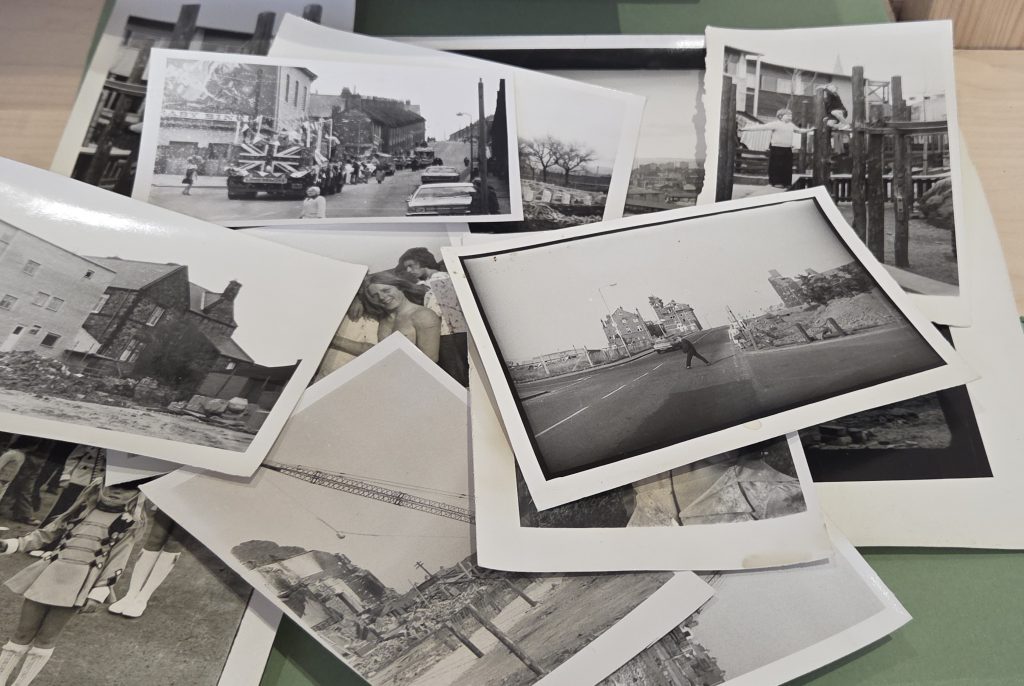
Archive photographs from the Byker collection. Photo S. Fisch, 2025
Visitors from Brazil in the hobby room that will house the archive, Photo S. Fisch, 2024
The Byker development has long been recognised as a key part of a significant collaborative movement in international architecture and is one of the most important social developments in British post-war history. The community archive will capture the evolution of the estate over the years, from before redevelopment and its construction between 1969 and 1983, through to the present. It will showcase the unique architectural and design features, as well as capture the stories of its communities, contributing new narratives and giving people agency over their histories. The three-year project will start off with the refurbishment and conversion of the ‘Photo Studio’ hobby room on Raby Way into the archive space, which will open to the public in spring 2026. The archive will be community-led, providing people who live on the estate with volunteering and employment opportunities.
Northern Cultural Projects CIC has secured a £240,186 grant from the National Lottery Heritage Fund and £36,488 match funding from Karbon Homes, to see one of the hobby rooms on the Byker estate transformed into an archive. Our goal is a community living archive: one that captures not only the history of Byker’s buildings and landscapes, but also the lived experiences of its people, past and present.
MA Public History programme visit to the hobby room, S Fisch, 2023.
This archive isn’t about romanticising the “old Byker.” Rather we aim to bridge the past and present. It’s about assembling a mosaic of memories, from the Victorian terraced houses to the Grade 2* listed Byker Wall. Some academics have claimed that, Byker has been over-researched. However, the memories of residents who have lived on the estate since its earliest days are still missing from the historical record. “Unsanitised” memories that contest official narratives remain unrecorded. Histories have still to be documented, including Byker’s long association with community arts activism as well as local campaigns, including action on environmental issues, such as the successful resistance against the use of a waste incinerator in 2005.
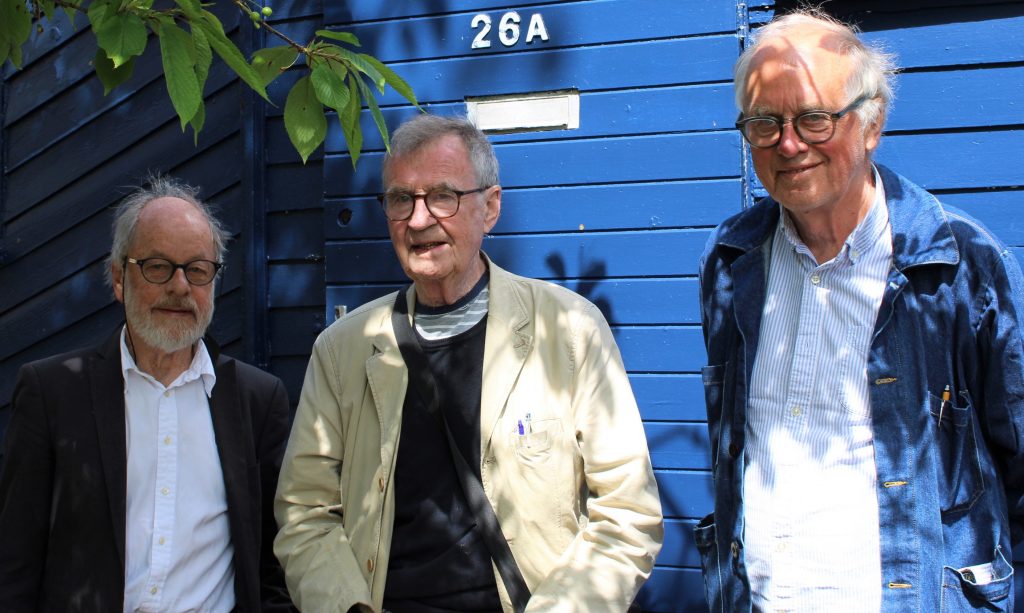
Swedish Byker Architects Arne Nilson, Bengt Ahlqvist and Per Hederus visit the Hobby Room in 2023. S. Fisch, 2023.
Out of 2,000 homes on Byker, 1,800 are owned by social housing landlord Karbon Homes, with the organisation responsible for the day-to-day management of the estate. As Victoria Keen, Place Lead at Karbon Homes, has said: “The Byker community taking control of their own formidable heritage through a living archive is an idea which we’re certain will generate social impact on many levels. We believe that the chance for this project to go ahead with such a level of local expertise is a true once in a lifetime opportunity. This project aligns with the delivery of our Thriving Byker Strategy, enhancing pride of place in our community.”
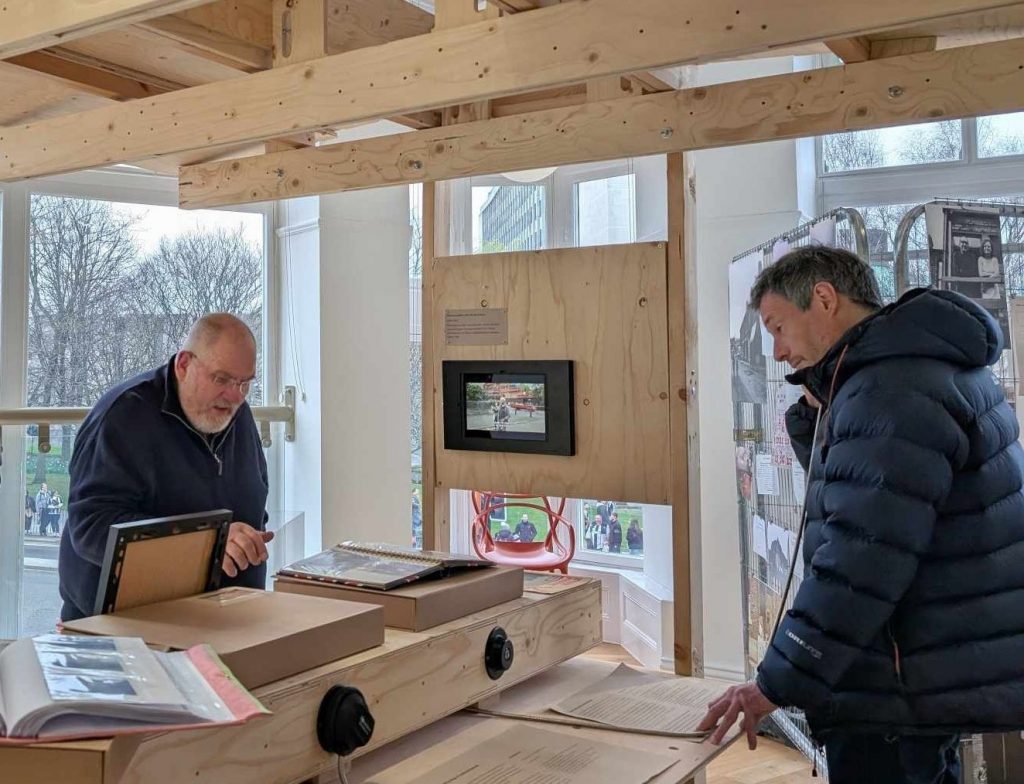
Farrell Centre Installation, S. Fisch, 2025
The project has been long in the planning by Northern Cultural Projects CIC. Support from the Oral History Collective and Newcastle University proved invaluable in developing the bid. New and existing oral histories were combined for an Installation at the Farrell Centre, as a pilot for the archive, to tell the story of the estate from predevelopment to its early days from the perspective of local residents, architects and planners.
Last month, Professor Alaa Alameri from Mustansiriyah University in Baghdad joined Professor Graham Smith in Newcastle to develop a new university module in oral history for Iraq. In this article, Alaa and Graham describe the collaborative process of integrating oral history teaching and resources into Iraqi Higher Education (HE).
We began our joint venture by creating a manual that Iraqi university lecturers could use to teach oral history. Oral History in Iraq: A Methodological and Practical Guide for Academic Research and University Training, is the first of its kind to be produced and published in Arabic. It offers a comprehensive introduction to the practices and theoretical frameworks of oral history, serving as the foundation for accrediting a dedicated module within Iraqi universities.
We approached this work by drawing on the international history of oral history and understanding that we could draw on that rich heritage. We understood that there are many ways of doing oral history, and that the field has developed through diverse trajectories across different regions worldwide. Over more than seventy years of international exchange and experimentation, oral history has evolved into a mature, dynamic intellectual discipline.
Globally, oral historians have assembled publicly accessible collections of millions of testimonies, housed in archives of various sizes and institutional contexts. The field now includes an expanding body of secondary analysis and a widely accepted conceptual framework that aids navigation through its complex landscape. Importantly, oral history remains an active domain of intellectual debate, continually re-evaluating its practices, boundaries, and definitions in ways that promote innovation and transformation.
In February 2024, Mustansiriyah University and Newcastle University signed a memorandum of understanding that included a specific commitment to developing oral history teaching and research in Iraq. The collaboration was conceived as a means of drawing on Newcastle’s experience in the field. The guide described here represents an initial outcome of this collaboration—one that marks the first step in embedding oral history into Iraqi higher education and reflects a shared vision of building capacity through exchange, dialogue, and critical engagement.
Newcastle and Mustansiriyah signed a memorandum of understanding in February 2024.
Our guide proposes a methodological vision that restores the status of oral history as a rigorous academic practice—one capable of documenting memory and bridging the divide between educational institutions and society. It calls for the integration of oral history into higher education through a structured curriculum, training for researchers in oral methods, and the creation of oral archives that preserve Iraq’s diverse historical experiences before they disappear with the passing of generations. In this way, the guide aims to contribute to the reconstruction of national memory and to the advancement of epistemic justice in narrating Iraq’s recent past.
Beyond foundational theory, we also sought to demonstrate through the guide how memory and history interact in the interview and analytical process, especially in the context of contested histories. Alongside internationally recognised technical and procedural standards, we included reflections tailored to the Iraqi context.
For decades, Iraq has endured war, authoritarian regimes, international sanctions, terrorism, and the erosion of civil and institutional infrastructure. These prolonged crises have created critical gaps in the historical record and a profound void in archival and documentation systems. The absence of a comprehensive national initiative means that the lived experiences of individuals and communities—particularly those on the margins—have largely gone unrecorded.
Oral history projects undertaken by students will help forge strong connections between past and present. These projects are compelling when focused on women in rural areas, ethnic and religious minorities, and veterans of armed conflict.
We are exploring ways in which oral history might help fill the archival gaps left by decades of war and the destruction of civilian infrastructure, including libraries, universities, and public records. However, this approach assumes even greater significance in Iraq and the broader Arab world, where a lack of archival awareness and institutional engagement with individual, social and collective memory remains prevalent.
Many institutions have yet to develop an archival culture, leaving the preservation of history vulnerable even more to erosion and neglect. Additionally, methodological confusion and the uncritical repetition of classical approaches persist, with little genuine effort to contribute to the creation of new historical knowledge. In this context, oral history becomes not merely a research technique but an intellectual and methodological necessity; an urgent call to rebuild historical narratives from within and to meet the challenges of the present with living, dynamic tools that go beyond the set and static documents and printed volumes.
Although our collaboration is still in its early stages, we are already identifying ways in which Iraq can make meaningful contributions to the international development of oral history. Iraq’s multi-ethnic, multi-religious, and culturally rich landscape presents unique opportunities—and ethical responsibilities—for oral historians. An early pilot involving Arab al-Ahwār (Arab Marsh) communities in southern Iraq illustrated how indigenous oral history traditions can inform practice, while also surfacing critical questions of shared authority, ethical care, and community empowerment in contexts historically marked by state violence and exclusion.
This collaborative work is ongoing. But we are confident that it will help solidify oral history as a vital academic field in Iraq and open space for new and critical Iraqi voices to contribute to global conversations about history, memory, and justice.
In March 2025, a group of former Newcastle General Hospital nurses visited the old hospital site, now owned by Newcastle University. Clearance of the empty and derelict buildings began in May 2024, which will be replaced by the Health Innovation Neighbourhood (HIN). This development will bring together education, research, innovation, healthcare, workspace, and a range of residential dwellings.
Photo: Silvie Fisch, Newcastle General Hospital Site Demolition
This visit was part of the Newcastle General Hospital (NGH) Community History project, delivered by Northern Cultural Projects with support from Newcastle University Engagement & Place.
The recording includes a brief talk about the hospital’s early years as a workhouse by local historian Mike Greatbatch. Mike covers the origins of the Poor Law System, which centralised welfare provision and established workhouses where the impoverished worked for lodging and sustenance.
Following this was a summary of Newcastle University’s plans by Carrie Rosenthal, Community Engagement Manager for the Health Innovation Neighbourhood. She discusses the site’s redevelopment into a Health Innovation Neighbourhood—a forward-thinking project aimed at fostering sustainable housing, healthcare, research, and green public spaces to enhance community wellbeing.
“…the nurses who worked here were the poor nurses, we were the workhouse nurses, and the proper, proper nurses were at the RVI…”
One nurse reflected playfully, drawing a link between the sites 19th-century roots and the hardworking staff who worked there in recent decades.
Dr Wendy Rickard, a member of the Oral History Collective, has secured a prestigious Daphne Jackson Fellowship for her project, ‘Disrupted Narratives, Exposed Voices: A Global Analysis of HIV Oral History and its Public Dissemination’. This innovative research sets out to uncover HIV stories from all over the world, particularly the Global South, and reveal new information about the way pandemic history is recorded.
Photo: An image used for the HIV/AIDS Needs Assessment produced by Eating Social Services in 1996, Oral History: More Dangerous than Therapy?
The Daphne Jackson Fellowship
The Daphne Jackson Fellowship scheme supports people who have taken a break from their research career for family, caring or health reasons, and combines a research project with retraining and mentoring to help them return into senior academic roles.
“I’m grateful to the Daphne Jackson Trust, and the Arts and Humanities Research Council, for this opportunity, and am looking forward to seeing what can be found with modern searching capacities and what lessons can be learned about how we remember future pandemics.”
Untold Narratives
Since the start of the HIV/AIDS epidemic, more than 40 million people have died with AIDS and a similar number live with HIV today. Dr Rickard’s research will ask whether we have HIV stories from all over the world or just from its most privileged parts. This will involve counting recordings, identifying gaps – particularly in the Global South – and challenging the imbalance in how the pandemic is historically remembered.
“HIV is still going on, especially in vulnerable countries, so we have a chance to rectify any imbalances where HIV experiences may be missing, hidden or unequally valued. This project will question whether oral history resources are unfairly shared, just like HIV medicines meaning that the history we are recording is unbalanced.”
Building on Ground-breaking Work
The work will build on Dr Rickard’s research since the 1990s that is held at the British Library Sound Archive, some of which formed the basis for the 2022 BBC TV series, ’AIDS: The Unheard Tapes’.
“For the first time in history, oral histories powerfully captured people’s stories of a pandemic as it was happening, providing depth and richness beyond statistics to understand their experiences better.”
Photo: A section of the Wall of Love, an AIDS memorial, Oral History: More Dangerous than Therapy?
Archival Challenges
Due to the period covered, early interviews were recorded before the internet existed, and there may be issues with those which have been digitised and shared on-line. Even where archives can be identified, there may still be significant gaps in terms of material which has the right permissions to be listened to.
The project will look for those interviews that may or may not be on websites and will also explore what AI can do in terms of searching for, collecting and digitising material, and who has access to the technology for recording oral histories, testing issues of accessibility and power.
Dr Rickard will also seek to find endangered archives where existing stories are under threat and identify how easy it may be for others to find, support and use them.
The Glasgow Housing Struggle Archive (GHSA), dedicated to documenting Glasgow’s housing and community movements, is launching an education programme from February to May 2025. Hosted at the Glasgow Zine Library and funded by the Deindustrialisation and the Politics of Our Time Trade Union Diffusion Award, the programme aims to create enduring community resources – including oral histories – to preserve the history of Glasgow’s housing struggles and its links with the trade union movement. Additionally, it aims to equip trade unionists and members of Scotland’s Living Rent tenant and community union with the skills and knowledge to document and preserve these histories.
Photo: GHSA Tools for Tenant Power launch event Glasgow Women’s Library July 2024 – Chris Moses
Workshops and Events
From February to May 2025, the Glasgow Housing Struggle Archive (GHSA) is hosting a series of workshops aimed at documenting and preserving the city’s housing and community movements, funded by a Deindustrialisation and the Politics of Our Times (DeOT) Trade Union Diffusion Award. The education programme aims to create enduring community resources – including oral histories – to preserve the history of Glasgow’s housing struggles and their intersections with the trade union movement.
It also hopes to build skills and knowledge among trade unionists and members of Living Rent (Scotland’s tenant and community union), supporting workers to document and record new stories and struggles in turn. Events will take place at the Glasgow Zine Library, a self-publishing library and community arts space. Attendees will then be invited to gather oral testimonies of housing, community and labour struggles, intended to be preserved in GHSA, as well as the Scottish Oral History Centre, with which GHSA are partnering.
In March, GHSA will host a scanning and digitisation workshop led by Paula Larkin, Archivist with Spirit of Revolt Archive, with a focus on digitising campaign leaflets, photos and pamphlets. In April, attendees will learn about cataloguing an archival collection with archivists from the Glasgow Zine Library. The programme will culminate in a session during the Glasgow Trades Council’s public May Day programme.
Photo: Keira McLean and Joey Simons, Glasgow Housing Struggle Timeline (2021) Part of Martha Rosler, If You Lived Here… (1989 – present) – Alan Dimmick
About the Organisers
The programme is organised and facilitated by members of GHSA’s collective: Joey Simons (Living Rent), Kirsteen Paton (University of Glasgow), Kirsten Lloyd (University of Edinburgh) and Oral History Collective member Kate Wilson (Newcastle University). It began in February with an oral history training workshop for trade and tenant union members, delivered by Kate.
About the GHSA
The Glasgow Housing Struggle Archive is an evolving project to document, share and learn from our city’s long history of housing movements. The past decade has seen the emergence of tenant and community unions like Living Rent that continue this radical tradition, and the GHSA also aims to record this ‘history in the making’ by working with union members and organisers.
We believe that social change happens most effectively when the working class gets to know – and tell – its own histories from below, and a core part of the GHSA’s project is to activate historical material throughpopular political education, discussions, workshops, walking tours, film screenings, exhibitions and publishing. We want to show how over 150 years of rent strikes, demonstrations, occupations and campaigning people have fought and won in the city, and can continue to shape it today.