
In April 2026, we welcomed Dr Lena Ferriday, who joins the Collective as a Research Associate. She has joined us from King’s College London, where she has been Lecturer in the History of Science and the Environment for the past year following completion of her doctorate at the University of Bristol. Inspired by the research within the Centre for Environmental Humanities at Bristol during her undergraduate studies, she took an interest in environmental history with a focus on sensory experience. She is particularly interested in questions of how individuals have made claims to environmental knowledge in modern Britain, and the role tangible encounters between bodies and matter have played in this process.
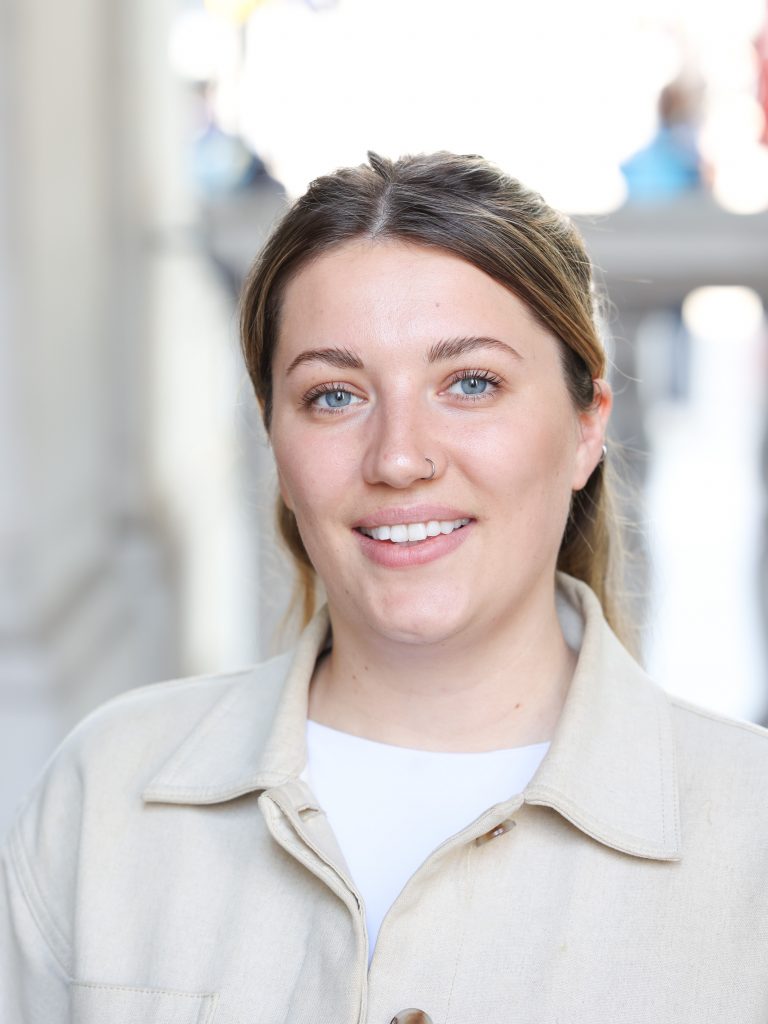
Her current monograph project examines how the rural environments of South-West England came to acquire meanings through embodied practice through the nineteenth and twentieth centuries. While her individual research has not been oral history-based — thus far — she was involved in several Bristol-based oral history projects, exploring individuals’ experiences of caving in the Mendips and of the gas industry in south Bristol.
Lena has joined Newcastle as Research Associate on the Wellcome Trust-funded project ‘Accessing the Wellbeing Commons: Therapeutic Resource-ification of Natural and Historic Environments and Social Exclusion in the UK and Inner Asia’. The project will explore how the natural environment’s health benefits have been historically constructed and seeks to reveal the barriers communities face in accessing these spaces. It does so by approaching watery spaces as sites where social categories like class and ethnicity are configured in specific historical encounters and bound up with a capitalist production of value.
Lena leads the UK work package and will be conducting oral history interviews on wild swimming in Devon, and social inequalities in the recent past, for the UK part of the project. She hopes to start her fieldwork in May, which will entail daily ethnographic encounters with communities who have a stake in Dartmoor’s lakes, rivers and reservoirs, whether as regular users, visitors, regulators, or activists. She will accompany this research by undertaking 10 oral history interviews, with those who have a sustained or long-term involvement in issues of access to these spaces.
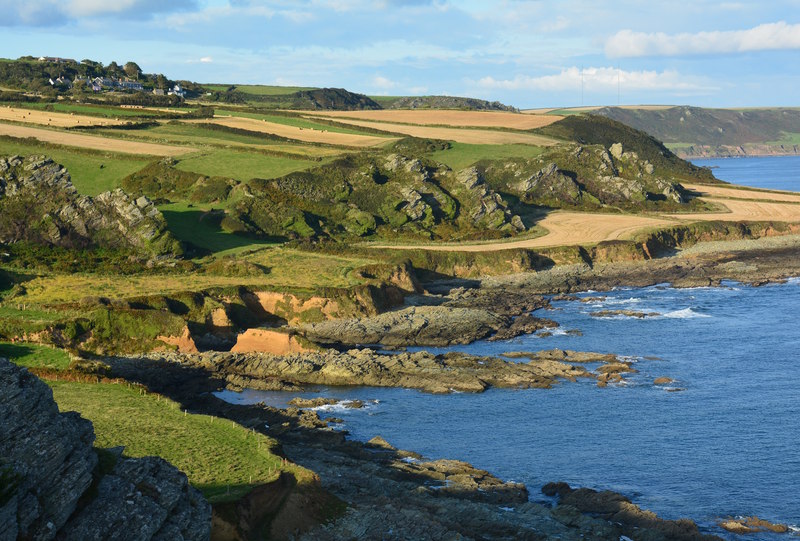
Whilst the archive holds extensive materials on the management of water systems on Dartmoor, and the evolving histories of access to the National Park in the late twentieth century, there is much less that reveals individuals’ experiences of these spaces across the past century. Lena is keen to use oral history to bring this experiential dimension to the fore, uncovering how the embodied experiences of swimming might have changed in relation to the political dynamics that historians have more often attributed to these spaces. Doing so, she hopes, will offer insight into how the relationship between water and health was imagined and practiced in this period.
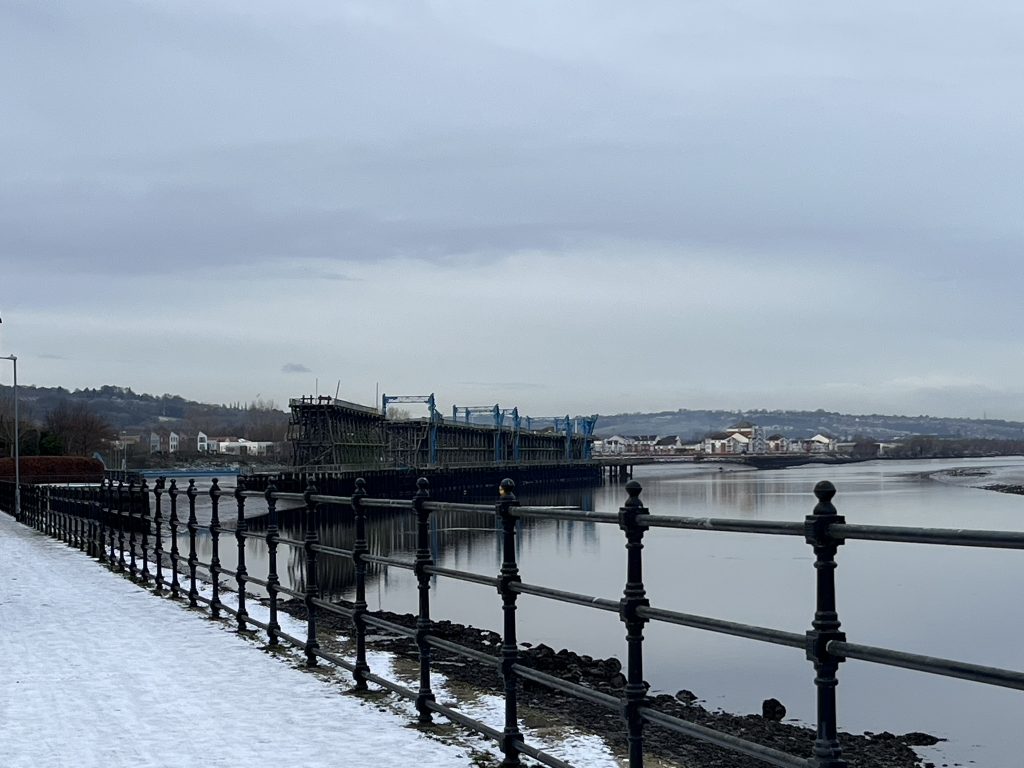
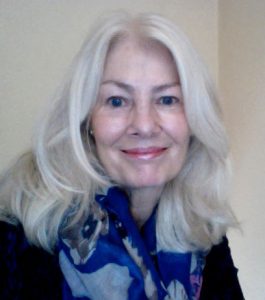 Sue Bradley joined Oral History @ Newcastle as our third Research Associate in February this year. Sue is an experienced oral historian and was instrumental in developing a network of like-minded researchers at the university before the Oral History Unit came along. Her first project has been to work with
 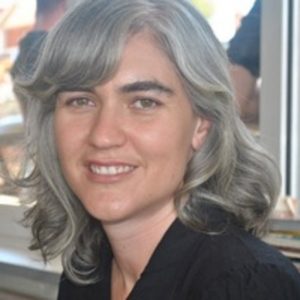 Alison Atkinson-Phillips has joined Oral History @ Newcastle as our second Research Associate. Alison has come to oral history via public history, cultural studies, community development and a non-academic career in communications. Alison’s Twitter profile (@dralia_p) describes her as a ‘writer, researcher, renovator and procrastinator’. But with the renovations left behind in Bassendean (Western Australia) she is hoping she will have time for her other three favourite things.*