Just last week, the Oral History Collective published a policy paper on the Institute of Historical Research’s History & Policy platform. The paper, “Who Holds the Agenda? Participation, Partnership, Power, and the Funding of Collaborative Oral History Research,” is jointly authored by members of the Collective.
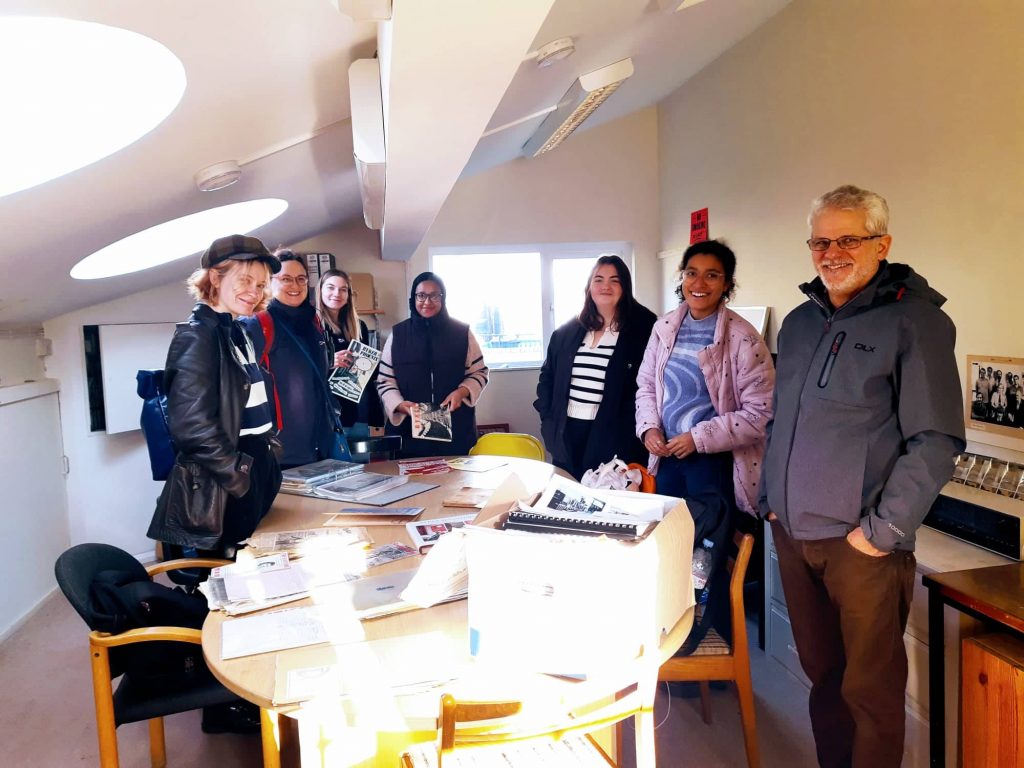
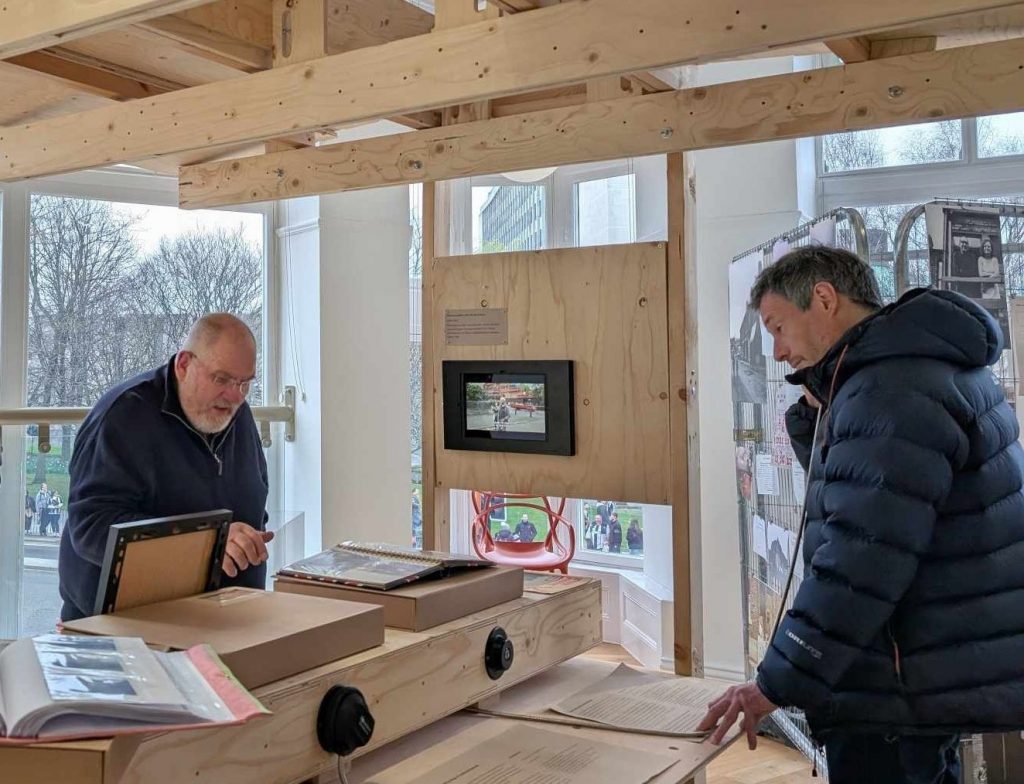
This contribution forms part of a broader re-appraisal of our core methodological and ethical principles, and key research themes, being developed by the Collective as we approach our 10th anniversary next year. Beginning with the development of community participation in research in the last 60 years, the paper assesses the role of the REF, National Heritage Lottery Fund, and UKRI in the current research landscape. Five Collective projects from 2018-’26 are cited to explore alternative and more democratic means of collaboration in oral history research.
The Collective makes five recommendations to funding organisations and research institutions, tackling not only relationships between funding bodies and partner organisations, but also the structural funding environment in UK higher education and research. The recommendations relate to all aspects of the oral history research process, including remuneration, agenda-setting, and ownership of the archive. Ultimately, the Collective argues that no amount of tweaking current processes will change the fact that communities themselves do not hold the agenda.
Professor Graham Smith says,
“The participation problem in UK research has never been primarily about finding the right technique. It is a historical problem of who holds the agenda. The communities most affected by the issues that research is supposed to address are frequently least involved in deciding what those questions are. Our projects show that genuine shared authority is achievable, but it requires working against the grain of how research is currently funded and structured, not simply along it.”
“Who Holds the Agenda?” is available open access here.
History & Policy aims to connect historians of all time periods to current policy issues and to facilitate discussions between historians, policymakers, and those working in the media. It hopes to promote historically-informed policy and makes its contributors’ research available for free.