
Get more out of JSTOR!

JSTOR is one of our most popular academic databases, and you may be one of the many people who uses it regularly. It provides access to thousands of journal titles, books and other resources.

We subscribe to many of its collections, giving us access to thousands of journal backruns, spanning many decades and subject areas, together with 6,500 Open Access books (all catalogued on Library Search), and over 1.3 million images, videos and audio files, via Artstor Public Collections.

STOP PRESS! We now have access to an additional 59,000 JSTOR ebooks. Read all about it!

But are you getting the best out of JSTOR? Read on to find some tips and features you might not know about…..

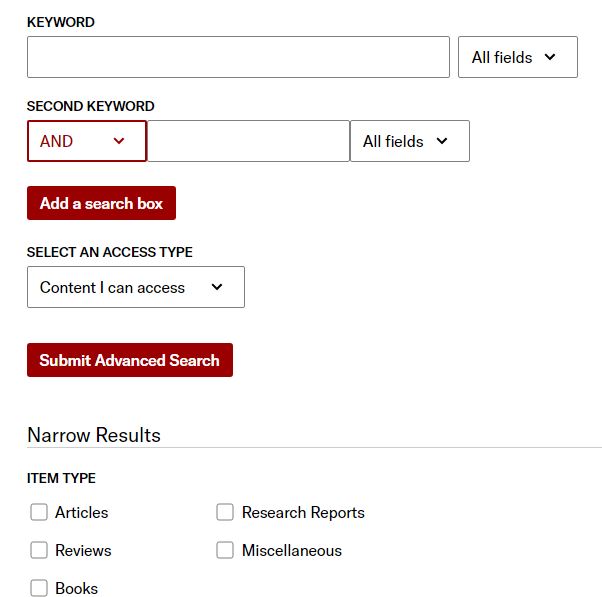
Advanced search

JSTOR is a very large, multidisciplinary database, so a simple keyword search won’t usually be the most effective way to search it. Click on Advanced Search to get more options which will give you better control over your search: for example, just searching in certain fields (e.g. author or abstract) or limiting your search by date, resource type, language or subject area.
Text analyser

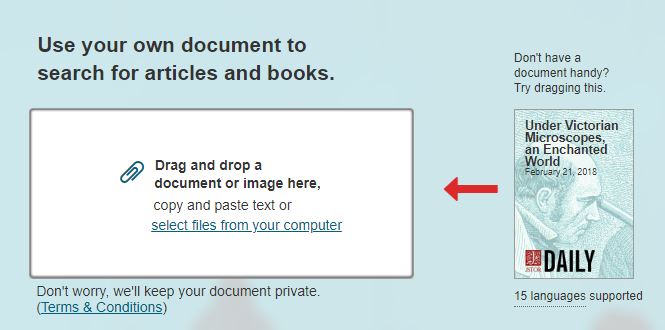
This exciting new feature enables you to drag and drop a document, and JSTOR will then process your document’s text to find the most significant topics and recommend other documents within its database. Try it out!
Workspace

Using Workspace, you can save, organise, and share your sources, including non-JSTOR content. You can also add notes and generate citations in many popular formats. You need to create an account on JSTOR in order to use this feature.

Text mining

Data for Research (DfR) provides datasets of JSTOR content for use in research and teaching. Data available through the service include metadata, n-grams, and word counts for most articles and book chapters, and for all research reports and pamphlets. Datasets are produced at no cost to researchers, and may include data for up to 25,000 documents.

Further help

You can get more help with JSTOR by clicking on Support at any time, or visit their specialised library guides for a more in-depth focus on particular topics. For the very latest JSTOR developments, tips and features, follow @jstor on Twitter.

Digital Scholar Lab: find out more, and book your training slot

The Library has purchased Gale’s Digital Scholar Lab: a digital humanities platform with potential uses for students, researchers and module leaders, whatever your previous experience. It enables you to:

  • create and clean customised content sets, using our Gale Primary Sources collections (which include a wide range of historic newspaper, periodical and book archives)
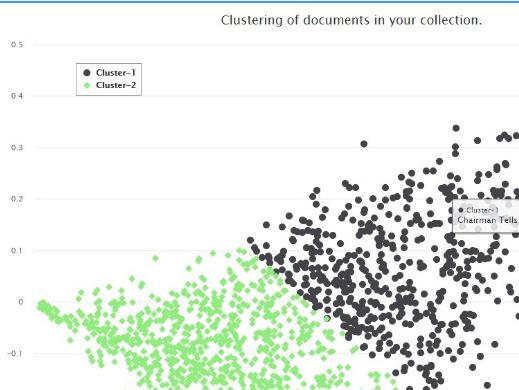
  • analyse and interrogate the data, using the Lab’s text analysis and visualisation tools
  • manage and share content sets with others.

For those who regularly use digital techniques or methods, you can use the Lab to dramatically reduce the time needed to compile, curate and clean datasets, either using Gale data or locally held data, which can be uploaded into the Lab.

For those interested in teaching using the Lab, it contains a comprehensive Learning Centre that you can use to introduce students to basic and advanced concepts, with worked examples that can form the basis of a lesson plan.

Finally, for those new to digital humanities, and intimidated by thoughts of coding, the Lab provides a way to produce sophisticated, analytical research that requires no coding skill and allows you to make discoveries in archives that would otherwise be impossible.

To help you find out more about Digital Scholar Lab, representatives from Gale will be running two online training sessions for Newcastle University staff and students via Zoom on:

  • Monday November 16th, 14.00-15.30 and repeated on
  • Thursday November 19th, 10.00-11.30

The session will introduce you to Digital Scholar Lab, and its interface and workflows. It will cover text mining in general, search queries, curating and managing datasets, using analysis tools, and reviewing results. There will be plenty of opportunities for questions.

Any Newcastle University staff and students are welcome: you don’t need any previous knowledge of Digital Scholar Lab. However, if you have previously used Digital Scholar Lab, you may also find the session useful as a refresher, and to find out about recent enhancements.

To book your place on one of the sessions, please fill in our booking form.

If you are interested in more bespoke training (for example, for a specific cohort of students, or at a more advanced level), please contact Lucy Keating, and we’ll discuss with Gale representatives.

British Online Archives: new collections now available

The Library has purchased access to several new collections in the British Online Archives series:

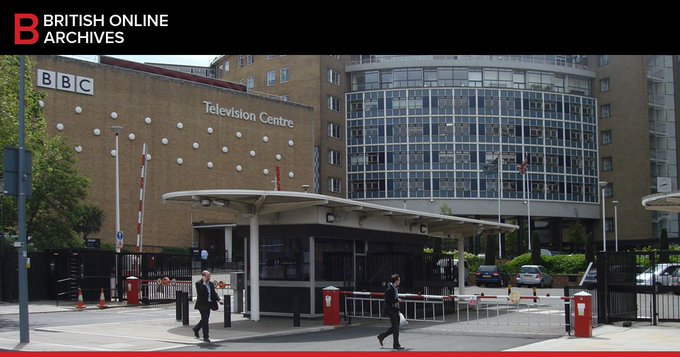
BBC Handbooks, Annual Reports and Accounts, 1927-2002

This collection contains handbooks, annual reports and accounts published by the BBC between 1927 and 2002. It also includes a review of each year’s public service broadcasting, with detailed schedules, audience research, performance and objective tables, commentaries, and editorials. A great opportunity to examine the social and cultural forces that shaped Britain in the 20th century.  

British Officers’ Diaries from World War One

These diaries reveal what life was like for the average British soldier in the Battle of the Somme and later battles of Ypres. The battles of Loos, Arras, Vimy Ridge, and Bethune are also covered. The letters home will have been censored by the army: how much was removed depended on the censor. Tactical information and details of military training often remain, as the main concern was morale.

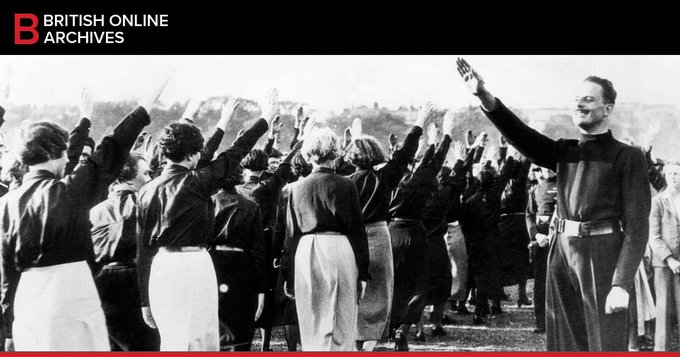
British Union of Fascists: Newspapers and Secret Files 1933-1951

This collection charts the rise and fall of fascism in Britain during the 1930s and 1940s, with a particular focus on Oswald Mosley’s blackshirt movement. 

The bulk of the documents are official BUF publications, including Fascist Week¸ The BlackshirtThe East London Pioneer, and Action. In addition, there are hundreds of Government documents relating to Mosley’s internment during the Second World War, including Cabinet Office, Home Office and Prime Ministerial papers.

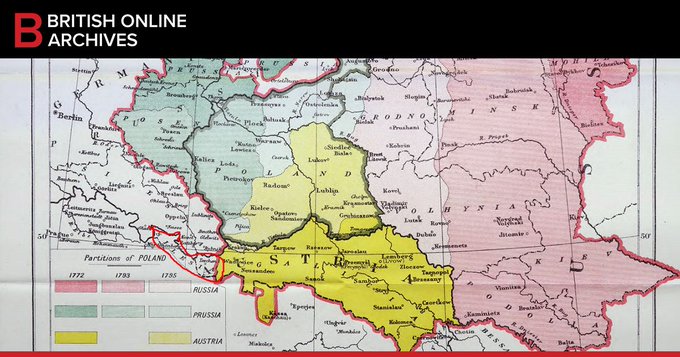
Paris Peace Conference and Beyond, 1919-1939

This collection contains archival material relating to this tumultuous period in European and world history. The documents cover the treaties of Versailles, Saint-Germain-en-Laye, Neuilly-sur-Seine, Trianon, Sèvres, Lausanne, and Locarno, as well as the foundation of the League of Nations. Most of the files are drawn from the UK National Archives, while the British Library provided the personal papers of Lord Robert Cecil and Sir Arthur Balfour.

These new resources add to the Parliamentary Labour Party Papers 1968-1994 collection, which we had previously purchased.

Drama Online: new films and playtexts now available

The Library has recently added several new collections to its Drama Online portfolio. Drama Online provides access to over 2,300 playtexts and books, and we have now bought access to the following film collections, featuring leading actors such as Gillian Anderson, Simon Russell Beale, Adrian Lester, Mark Rylance, Stephen Fry, Tamsin Greig, Roger Allam and many more.

In addition, we have also bought the 2020 updates of the Core Collection and Nick Hern Books, adding another 90 playtexts to our collection.

All the films and playtexts are individually catalogued and searchable via Library Search, or you can search/browse them all in various ways on the Drama Online site.

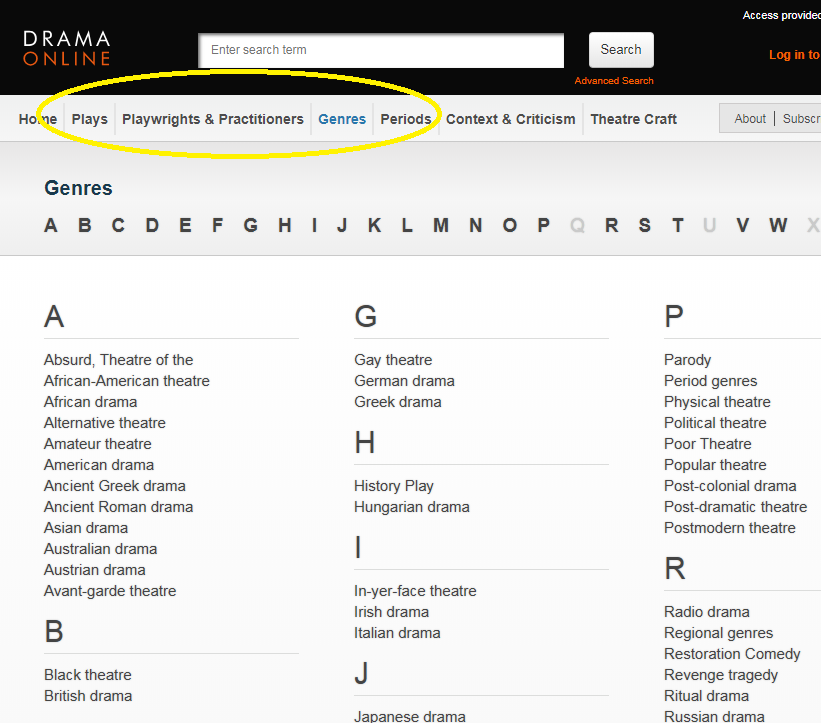
This image has an empty alt attribute; its file name is dosearch.png

For example, using the options at the top of the screen, you can browse by title, author, genre and time period, or if you click Find Plays on the home page, you can add in other search filters, such as number of roles or scenes. Select Context and Criticism for access to a wide range of e-books about drama.

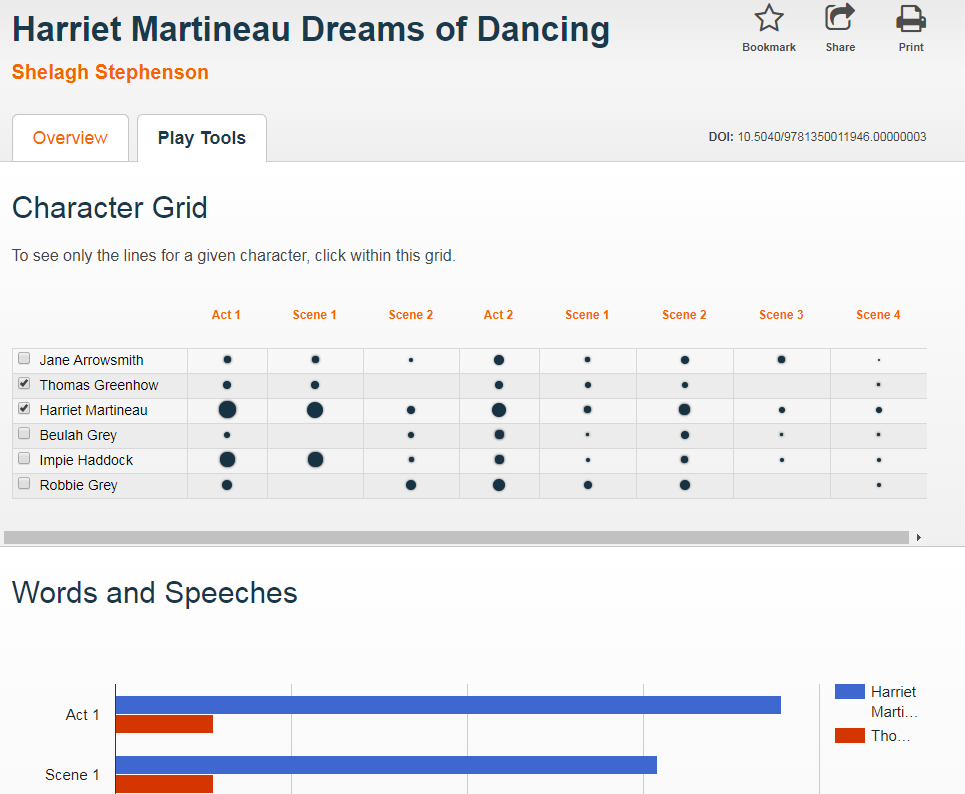
When viewing a playtext, click Play Tools to analyse the speaking parts and appearances of different characters throughout the play.

This image has an empty alt attribute; its file name is do2.png

We hope you enjoy exploring the exciting new content!

New ebook collections for arts and humanities

Image by Free-Photos from Pixabay

The Library has invested in thousands of new ebooks since March, to help widen our collections and enable access for students, wherever you are based.

As well as purchasing individual titles, we have also bought several specialist collections of particular interest to arts and humanities, including the following:

  • Bloomsbury collections in Education, Film and Media, Law, Linguistics and Literary Studies (535 titles in total)

In addition, we have leased access to multidisciplinary academic collections from the following publishers:

All the new titles are individually catalogued on Library Search, or you can browse the books available to us on the publisher’s platform (make sure you are logged in with your Newcastle University username and password).

New resource: Library of Latin Texts

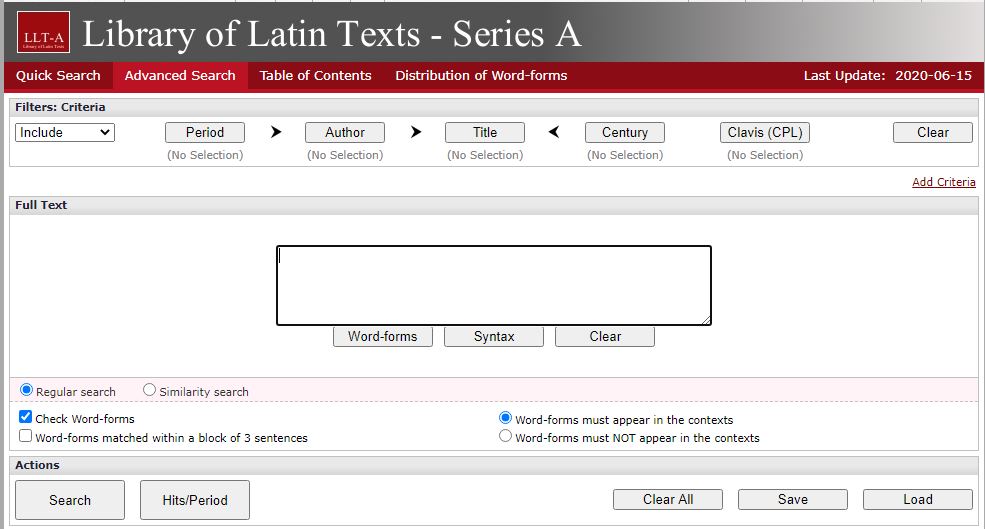
The Library has purchased access to the Library of Latin Texts (series A and B) following a well-received trial.

This database gathers together Latin texts of all genres and from all periods. Series A contains over 4,000 texts by nearly 1,400 authors, from the beginning of Latin literature to the modern era.

The companion Series B gathers Latin texts of all genres and periods, with the aim of more rapidly integrating a huge number of Latin texts into online form.

Together, the two databases form one large linguistic corpus, with sophisticated tools enabling a variety of search and analytical methods, with the stated objective being simply summarised as “who said what, when, where, and how many times?”

The databases are updated regularly, and can also be used to read texts as a whole.

You can read more about the database, or access it directly from Library Search.

New resource: The Complete Prose of T.S. Eliot: The Critical Edition

The Library has recently bought access to this major eight volume online work.

For the first time ever, the eight volumes gather together all of T.S. Eliot’s collected, uncollected and unpublished prose, making available material that has been restricted or inaccessible until now.

The content includes letters, essays, lectures, commentaries and transcripts of broadcasts, and is annotated by leading Eliot scholars.

You can read more about the background to this significant collection here or watch the trailer:

The eight volumes are individually catalogued on Library Search: just search for complete prose Eliot to find them.

Resource in focus: Frantext

Frantext is a French language corpus, and a useful research tool for French linguistics.

It contains the full text of 5,400 French language texts, mainly published between the 16th and 21st centuries (though there are some earlier works). 90% of the texts are literary (including novels, poetry and memoirs) with the rest being mainly technical in nature. It aims to represent the diversity of written French, and contains 256 million words.

Once you have accessed Frantext, click on Frantext intégral to access the full corpus, or Frantext démonstration to access a selection of 40 texts and explore how it works.

Menu bar
Top level menu

On the top menu, choose Corpus to view different corpora (for example, Old French) or create your own corpus: intégral will search the entire corpus.

Select Recherche to search for a word, or series of words (note the different search options in the sub-menu):

Recherche sub menu

Select Liste de mots to view or create a word list (for example, days of the week).

For more information about recent enhancements to Frantext, choose nouvelles fonctionalités from the home page.

Resource in Focus: Times Literary Supplement Archive

Screenshot of TLS banner

We have access to the Times Literary Supplement (TLS) archive from 1902-2014.

The archive brings you the full content of this world-renowned weekly literary and arts publication, dating back to its first issue. For over a century, the TLS has published reviews, features, debates and original works from across the arts world, not to mention its legendary letters page!

Many of the world’s most notable writers and thinkers have contributed to the TLS over the decades, including T.S. Eliot, W.H. Auden, Seamus Heaney, Noam Chomsky, Virginia Woolf, Bertolt Brecht and Umberto Eco. Until 1974, contributions published in the TLS were often anonymous, but the digital archive now reveals the identity of all contributors.

To find out more about the TLS, click Research Tools to read a selection of essays about different periods of its history.

Menu screenshot

You can browse the TLS by date to find a specific issue, or search in various ways (choose Advanced Search to see all options, including searching by contributor, book title, or document type.)

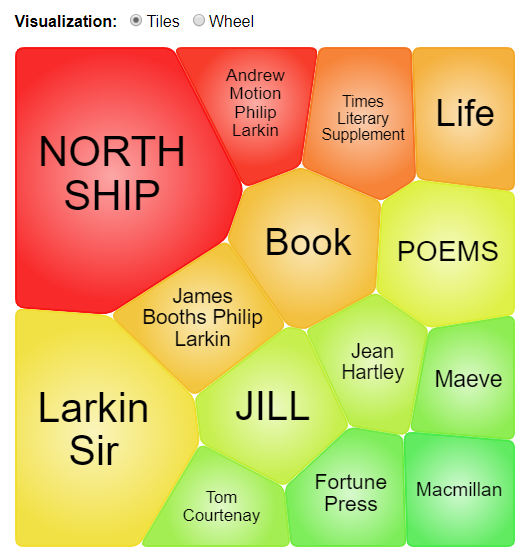
Additional search features on the home page include Term Frequency, to trace how often a word, phrase or person has featured in the TLS over the years, and Topic Finder, to explore and visualise connections between topics.

Screenshot of topic finder
Topic finder

As the TLS archive is published by the company Gale, you can cross-search it with any of the other Gale archives to which we have access, via Gale Primary Sources.

Resource in focus: Jacoby Online

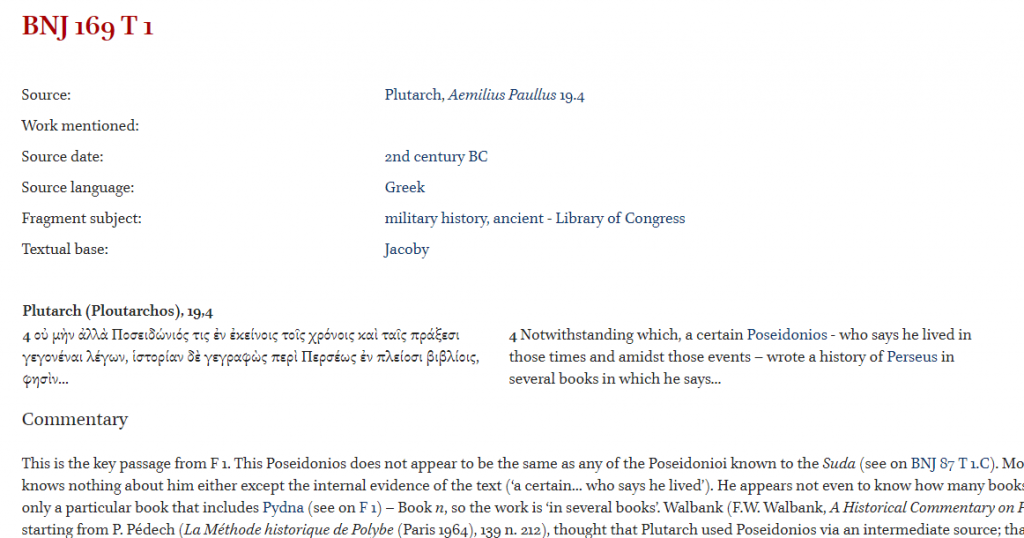
Brill’s Jacoby Online is an important resource for Classical Studies and Ancient History. It comprises five separate works, based on the original multi-volume work by the German classicist, Felix Jacoby (1876-1959). The ‘Jacoby’ was a critical edition of over 800 Greek historians whose works had been lost, but were preserved incompletely in fragments. Jacoby collected, annotated and commented on the fragments, but was unable to complete the huge project in his lifetime.

The five components of Jacoby Online are:

  • Felix Jacoby’s original multi-volume work, Die Fragmente der Griechischen Historiker: Parts I-III.
  • Brill’s New Jacoby (BNJ): a revised English edition of the above.
  • Brill’s New Jacoby – Second Edition (BNJ2): a revised and enlarged edition of Brill’s New Jacoby.
  • Die Fragmente der Griechischen Historiker Part IV: Biography and Antiquarian Literature: a continuation of Felix Jacoby’s work, adding many new historians and texts.
  • Die Fragmente der Griechischen Historiker Part V: Geography (FGrH V), a continuation of Felix Jacoby’s work, adding many new historians and texts.

It includes expert critical commentaries on the texts and fragments, together with brief biographies of all the historians. The project is still ongoing, and Jacoby Online is updated twice a year: the latest updates have added 1.2 million words.

Example entry from Jacoby Online

You can browse each of the five component works by historian name, historian number or publication date, and you can search for words or phrases, or historians. You can search any of the five component works individually, or across all of them at once. Greek original texts and translations are included, and you can search in English or Ancient Greek.

More detailed help is available on the database.